
Many of you will already know, by way of earlier mentions, about how highly I esteem Houston-based Rainey Knudson’s writing, and in particular her current epic year-long five-days-a week observance of our nation’s 250th anniversary by way of 250 words per entry on 250 quintessentially American objects—marvelously compressed, haiku-like vantages on a deliciously quirky range of topics (everything, to take just a few instances, from church fans and barbed wire and the Model T and The Pill and the Cotton Gin to Eddie Van Halen’s Guitar and the Apollo Spacesuit). The other day, rounding the bend, she launched into her final hundred with a typically revelatory celebration of the Nail Salon, which I thought I’d share with you in its entirety, just to give you a sense of what you may have been missing.
The small mercy of being touched
RAINEY KNUDSON
Aug 8
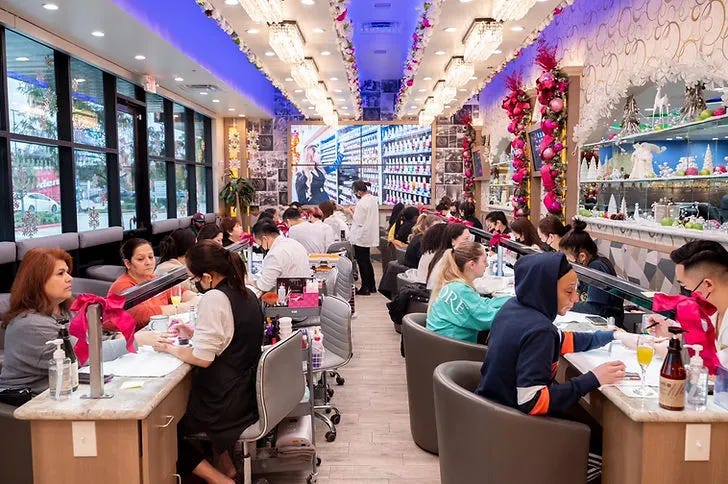
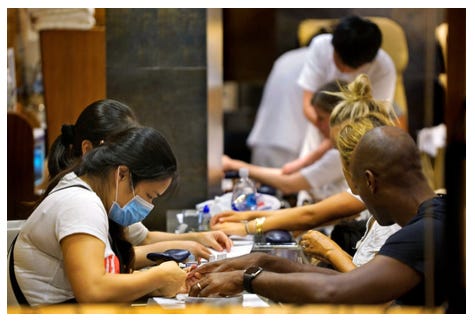
It’s an intimate public space, one of the few where we touch a stranger. Someone holds our hands and massages our feet in a commonplace, affordable transaction. And what made it affordable was the Vietnam War.
Many of the women at the Hope Village refugee camp had been wives of high-ranking generals and colonels, accustomed to a posh standard of living. Now they had almost nothing, and they needed to care for their children. When a blond movie star visited, they admired her long, shiny nails. This gave her an idea.
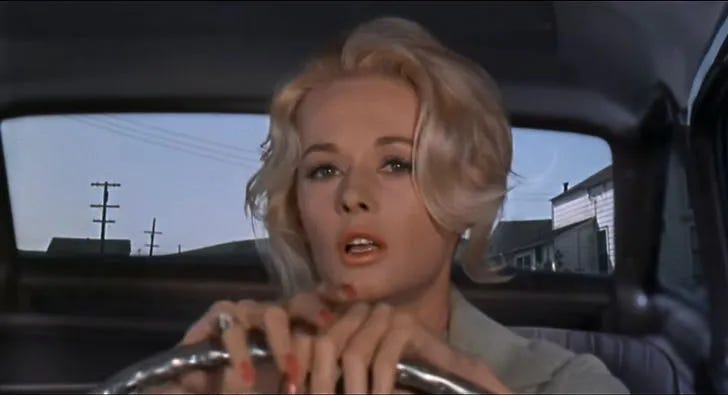
Tippi Hedren was famous for Hitchcock’s The Birds, but her greatest legacy may be her unintentional democratization of the manicure. In 1975, salon manicures cost $50—over $300 in 2026, adjusted for inflation. After visiting Hope Village, she asked her Beverly Hills manicurist, Dusty Coots, to train the refugees.
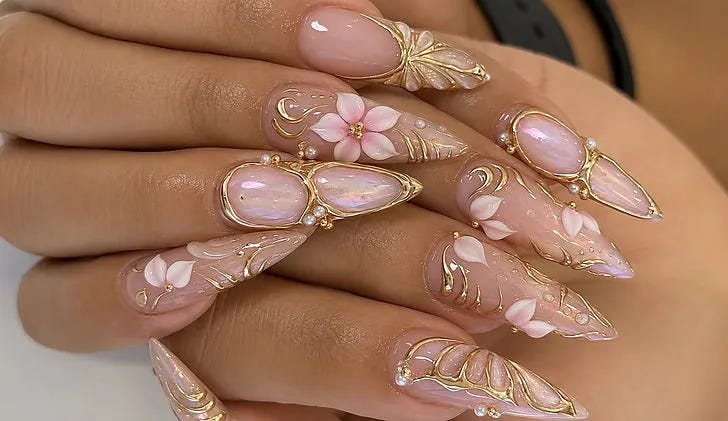
It was a tiny seed that’s grown into an $8 billion industry, an entire immigrant infrastructure of jobs, connections, and ownership. The aesthetics today are a far cry from Hedren’s straightforward red nails; starting in the 1980s, African American clients in Los Angeles popularized acrylics, helping create a nail culture of playful, extravagant designs that spread across the country.
Now, almost anybody can afford the human touch of a manicure. The women who arrived at Hope Village, and thousands of “boat people” who came after them, built businesses, raised families, sent their children to college. Whole lives, held together by the small mercy of touching and being touched.
Links:
There’s a whole lot more where that came from, and yet more every day, so I do urge you to head over to Rainey Knudson’s substack where you can access the entire motherlode, and while you are at it, do consider supporting the whole ongoing venture!

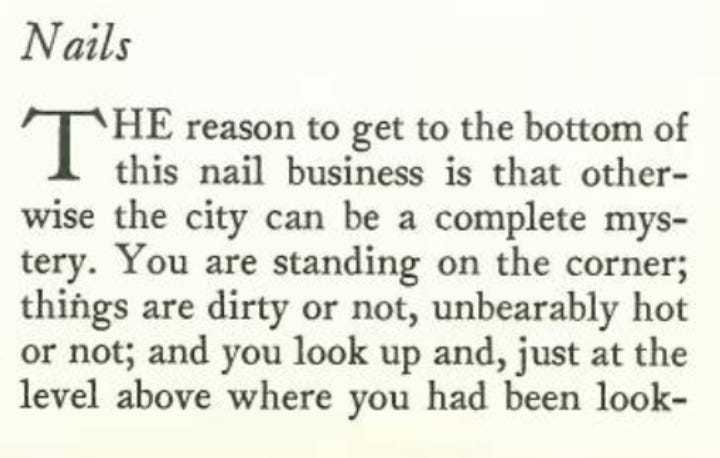
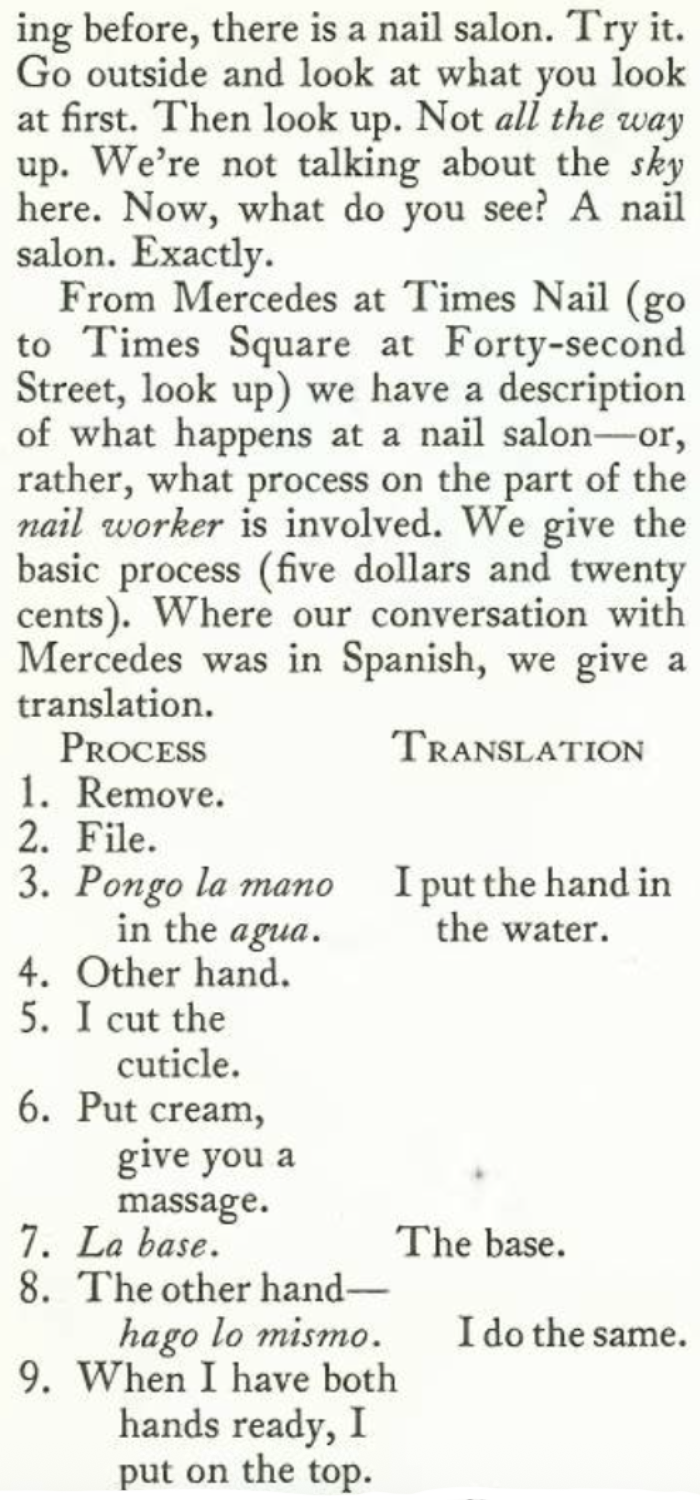
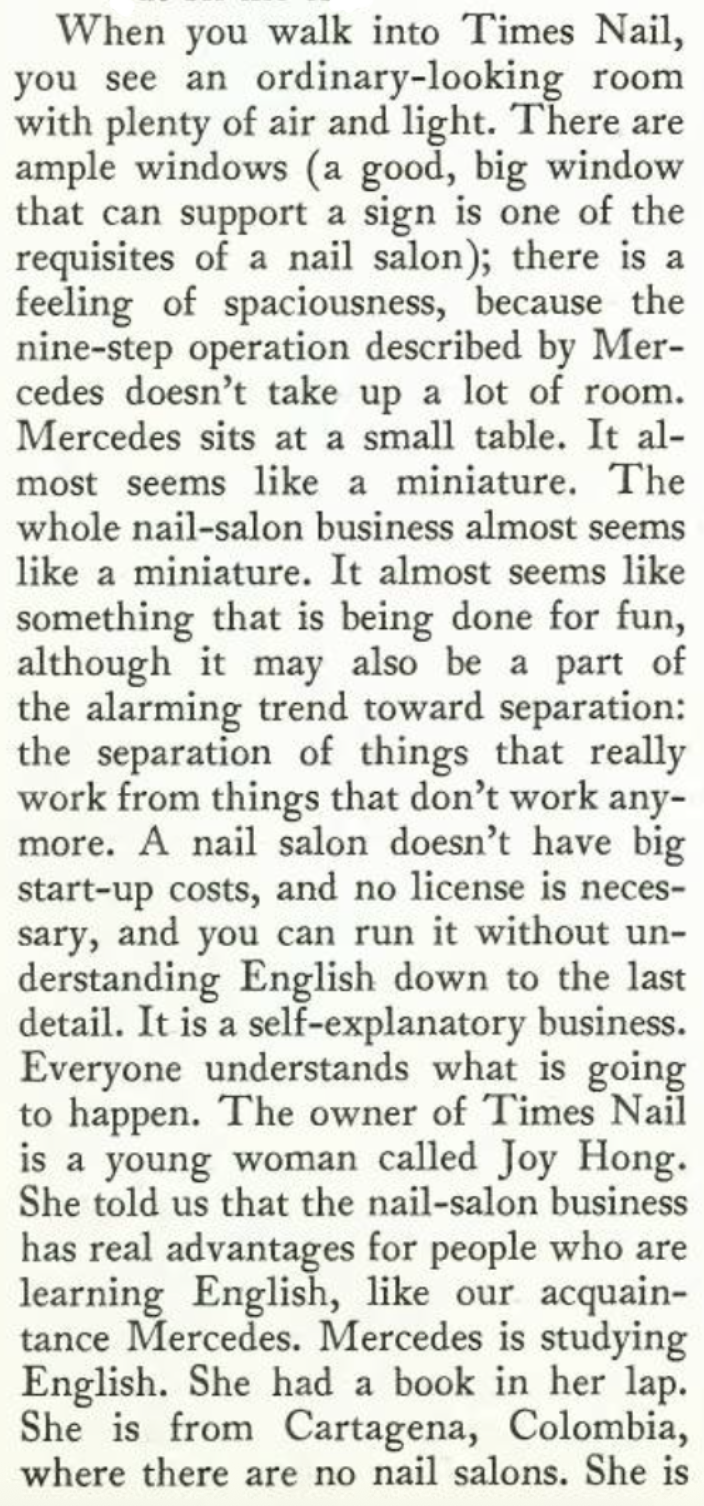
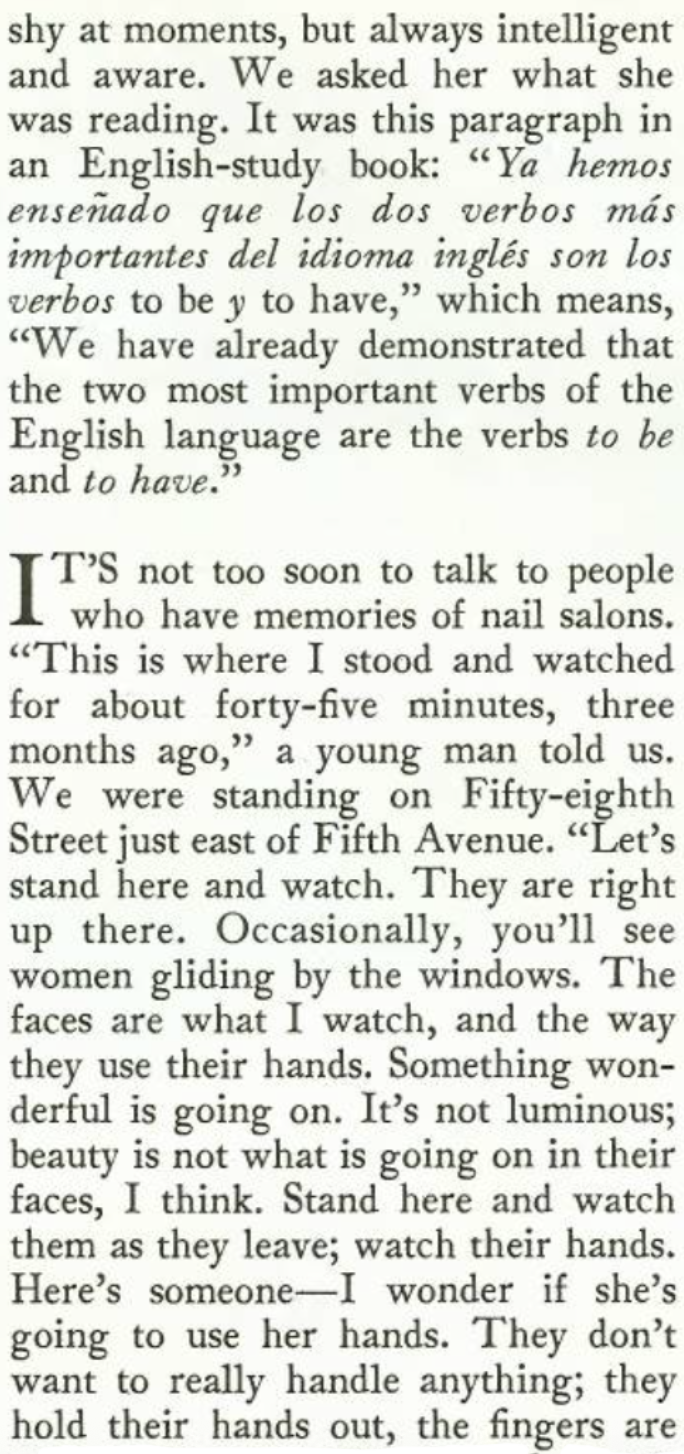
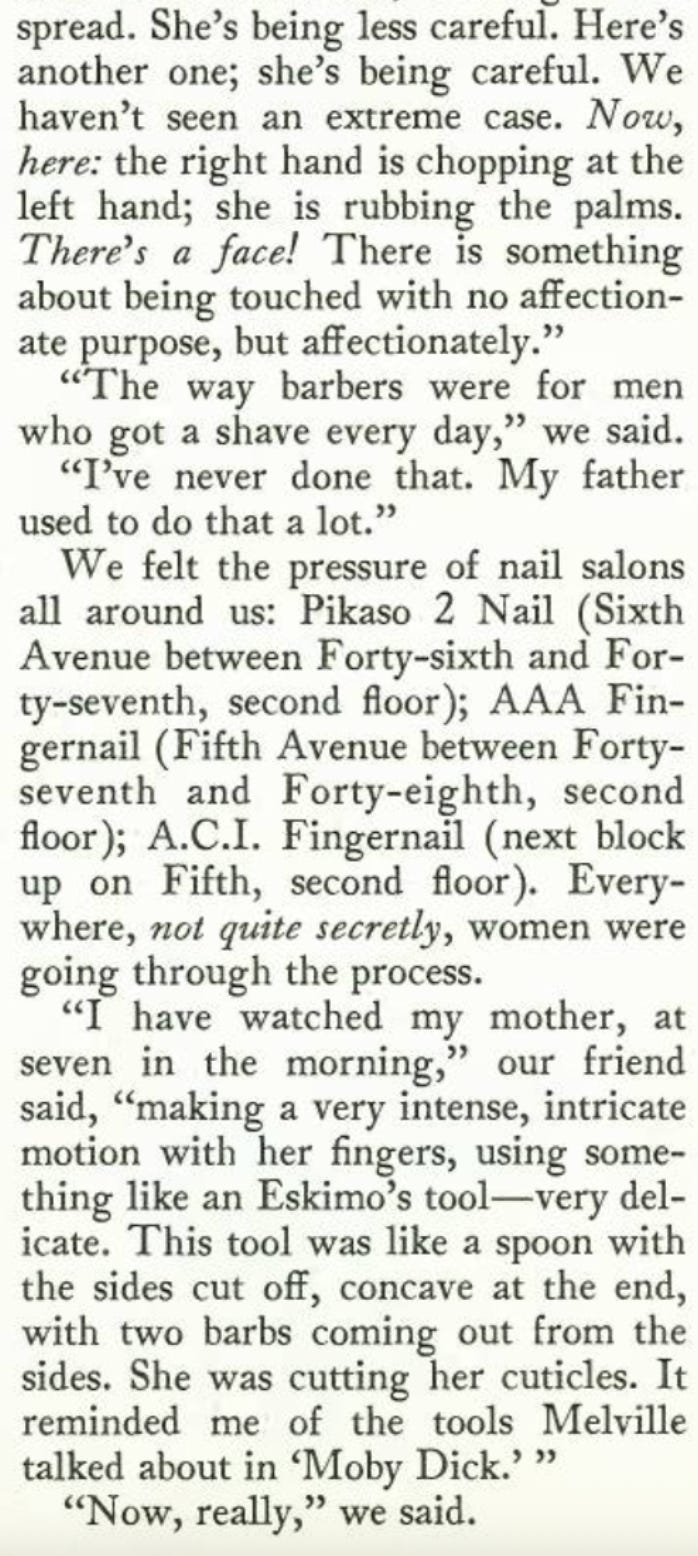
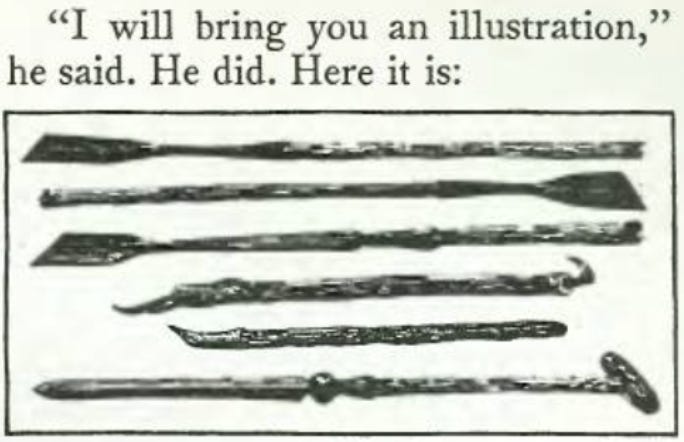
I suppose the reason I was so especially drawn to that particular effort of Knudson’s was the way it put me in mind of an exquisite old New Yorker Talk of the Town piece by the late great George W.S. Trow. In the olden times, the Talk section was both anonymous and somehow far more idiosyncratically voice-(as opposed to topic)-pitched, as in the instance I have in mind here, from 1987. Apparently it had taken a while for the nail-salon wave to reach New York, or the area around the New Yorker’s Manhattan offices anyway, and by the time it did, the ethnic composition of its staffing had somewhat broadened, or so we were invited to infer based on this dispatch from the section’s proverbial Man about Town:
For those of you who might like to immerse yourself in more Trow, I’d commend at very least his seminal masterpiece of simultaneously achingly nostalgic and scathingly prescient cultural criticism, the slim, lavishly blurbed volume Within the Context of No Context, from 1980. Does anybody read Within the Context of No Context anymore? Anybody should.
See you next week!
No posts
Comments
Nothing yet. Say the first thing.
Sign in to join the conversation.