
It was the first of many standard tourist oversights I would make. This was back when I was still frothing in a Latin lover haze, a few years away from what I thought would be a brief foray into expat life. My eyes widened at the platter of jamón serrano set in front of us, delicately sliced and garnering the standard of Cinco Jotas, or 5 Js. The more Js, the better the quality, apparently. When our waitress switched from English to Spanish to take our order, I complimented her on how good her level was. Without looking up from her notepad, she said “Yeah, I’ve been here twenty years,” in a jaded tone. I don’t remember that first taste of veils of cured ham anymore, but I do distinctly remember something stirring in me then, barely discernible thought-forms, first ‘What happened to her?’ and then, ‘Will that be me in twenty years?‘ The second question wasn’t gelled in that moment because I had no idea what was to transpire between this virgin trip to see my boyfriend’s world and two years later when I moved to Spain for good, with our newborn in my arms. Nor had I a clue of the chain of events that brings us to today - twenty-four years after that giddy dinner.
Culture runs so much more deeply than quaint language barriers and traditional items on a menu. I’ve been thinking about how a full-on geographical relocation tests your perception. The reboot of changing countries cannot be compared to a holiday, a gap year, or a creative residency of some sort. You can’t take anything for granted when you become the full-time forastera. Forastera is the Spanish term for outsider that I first guessed had some etymological root in ‘forest’, as though I had crawled out of the woods and into their backyard, uninvited.
When a repositioning is bold and you ultimately find yourself flung far from your starting point, every system, social code, and unspoken rule has to be learned from scratch. It is, both literally and figuratively, an exercise in radical perception, and a crash-course in how many assumptions you didn’t even know you were carrying. It is radical because the careful watchfulness required to navigate this pivot must happen on the inside of you as well as in concert with the new surroundings.
Since 2010 I have had a weekly practice of contemplating an I Ching hexagram. The I Ching, or Book of Changes, is an ancient Chinese divination text used to guide decision-making. For me the wisdom of the philosophical prompts of this system have been fail-proof with every toss of the three coins. One reading I receive often is Lü, The Wanderer. In Brian Browne Walker’s translation, the teaching reminds us that we are all essentially “strangers in a strange land,” … “wanderers in a vast and unknowable universe, and thus, obliged to act accordingly”.
Think of how you navigate a place when you’re travelling alone somewhere unfamiliar. If you are even a little smart and respectful, you exercise caution, pay close attention, and stay adaptable. If you are a bit more sensitive and clever, you work to keep your biases in check and are unpretentious when interacting with others. Otherwise, beyond provoking an awkward exchange in a restaurant, you may cause unintended harm - to yourself and others.
The Wanderer asks: What if you moved through all of life this way - senses alert, arrogance and ignorance in check?
I like to extend this idea of innocent wandering a little further, to take us out of the kind of tourism that only grazes the surface of a place. As you walk further afield, can you travel inward simultaneously? Imagine you’re not just a wanderer, but a cartographer, tasked as the very first to map some unknown territory.
To chart unknown territory, you would need to activate every mode of perception available to you - and cultivate some new ones.
The mindset required implies a willingness to:
Follow curiosity into the unknown
Scope out new areas then test the boundaries
Spot both the dangers and opportunities for deeper exploration
Regularly use and revise the resources you ventured in with
Try out the new resources you encounter in the unfamiliar scenario
Record your findings as you go ...
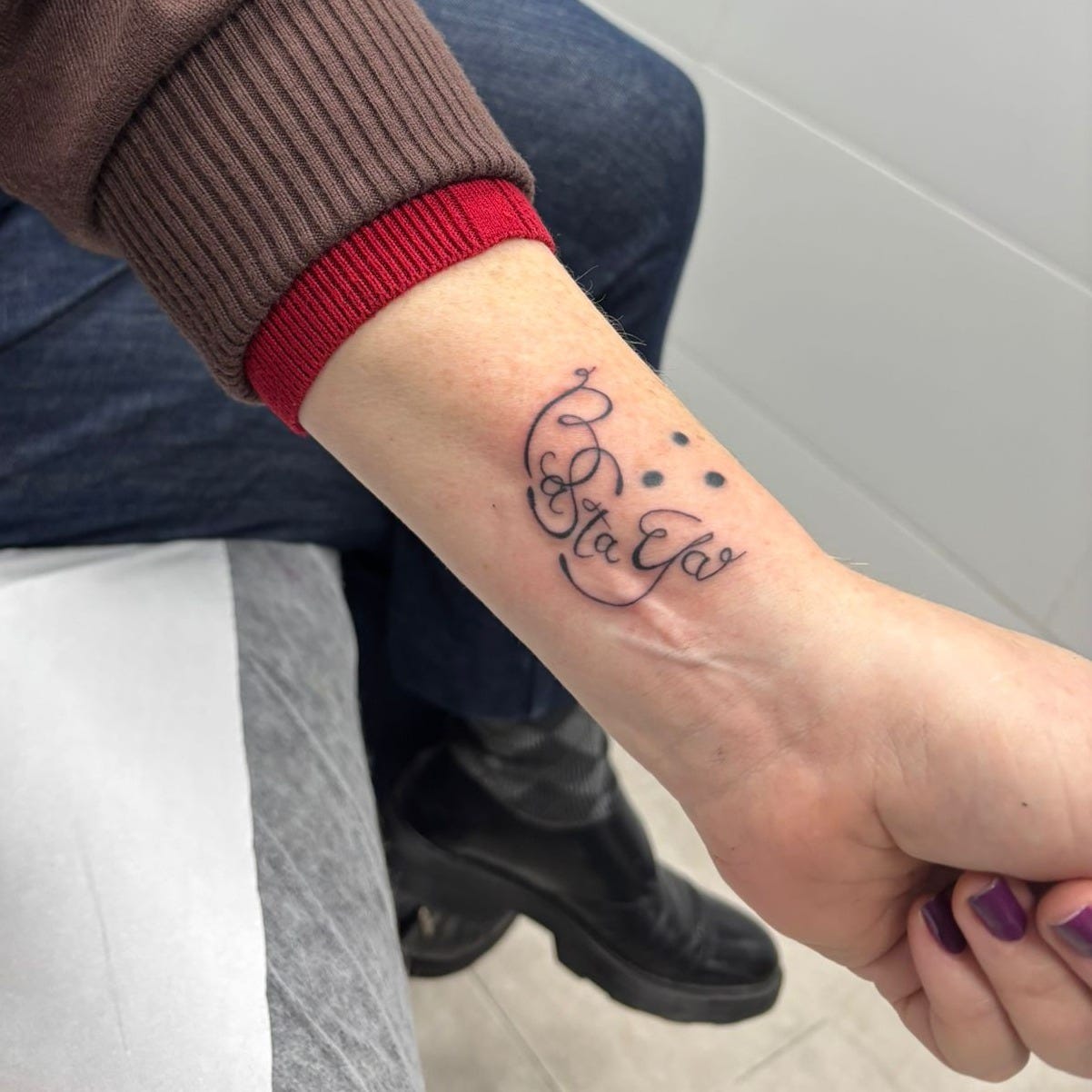
Creative Perception calls for a kind of all-encompassing attentiveness that takes practice and does not happen overnight. We all have dominant tendencies and innate abilities. To face the foreign we need to employ a radical range of perceptivity that’s the activator of our Creative Awareness.
Yes! We can enjoy flashes of clarity and that glorious sense of knowing we are part of something greater - AND, if you are a human like me, you will find that this clarity will be tested, time and again. You will also find that it is more expansive when done in collaboration.
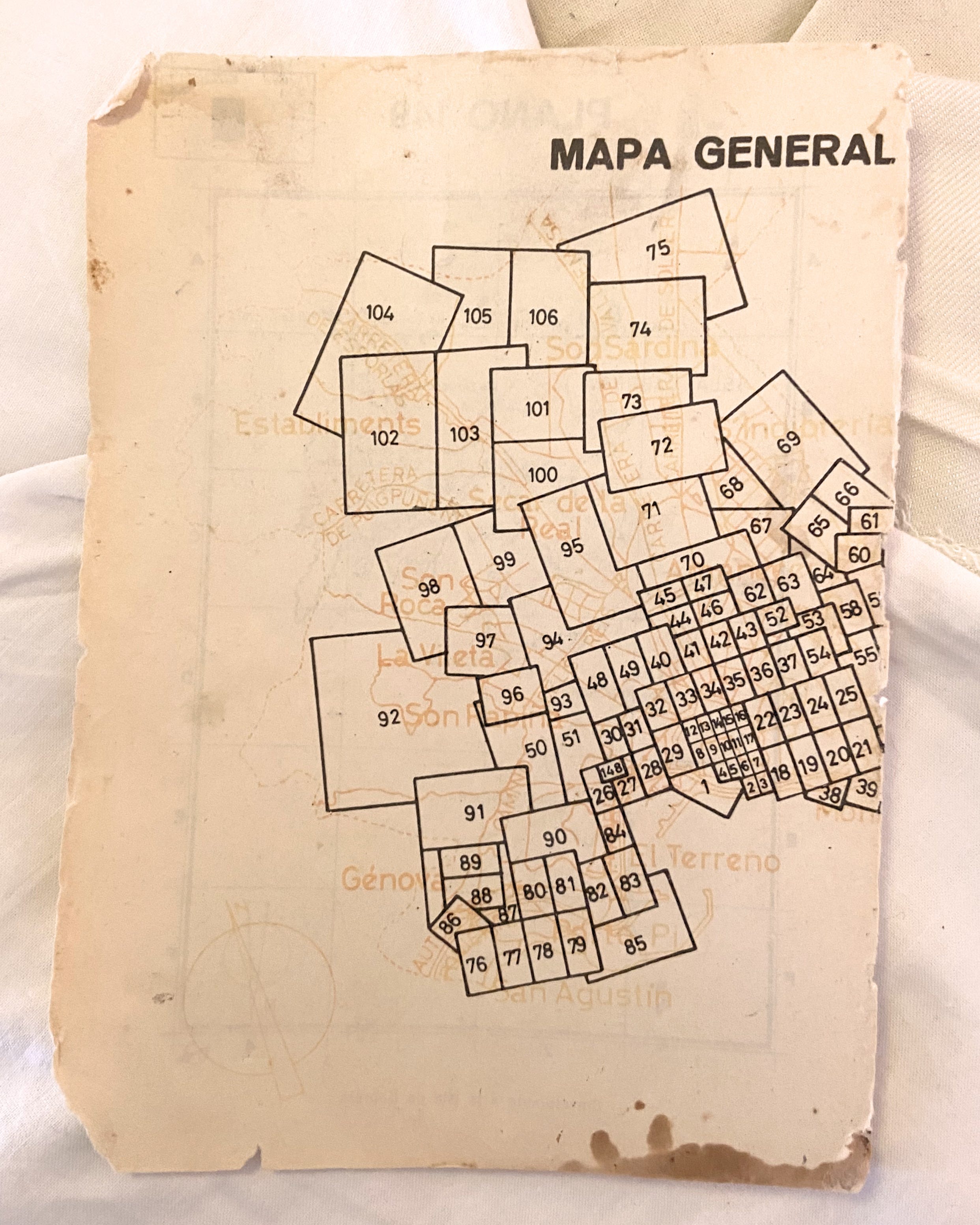
In my work on teaching Creative Intelligence, a reliable bundle of transferable life skills, I define the attribute of Creative Awareness as perceiving, understanding, and interpreting the world in and around us.
I’ve focused my last few articles on creative Perception, which I define as paying attention to and collecting information from your internal states and your environment. The article Not-so-Popular Art outlines the roadblocks creative copycatting throws up and the dangers of putting knowing over learning. This one, Blindspots and Vanishing Points, elaborates on how living according to assumptions and comparison can hinder our full perception.
Pretend to be a lost cartographer, the purposeful yet meandering seeker. I won’t recommend you become lost as in completely directionless, or find yourself unsafe in your ignorance like I did twenty-plus years ago. Rather, I mean lost as in moving through the unfamiliar with the eyes of someone who just arrived, with a willingness to not know everything.
The richness of the I Ching’s Lü hexagram is that wandering further afield does not necessitate travel or moving countries. Repositioning and making a big decision in your interior or exterior life is not so different from walking mapless in a strange place.
When your creative attributes are in your pack, you never walk alone.
Over the years it has been the portable creative skillset I learned as a teacher of art and meditation that saved my own hide more times than I will unpack here. I didn’t do my homework before moving to Mallorca. Even if I had, I doubt I could have guessed that my internal context would become foreign to me also. I took for granted that a learned way of functioning does not necessarily fit everywhere.
What exactly was my oversight in the restaurant in Zaragoza that night in the summer of 2002? Now I don’t think it was so simple as to assume a foreigner living here would be so eager to chat with a newbie. Rather, it was the stirring in me after her response. I overlooked a strong intuitive pull telling me I was chasing a dream that was not all that rosy. I took note of her tone, her lack of eye contact, the feeling in my chest and gut - and swiftly decided to ignore the sensation that there was something possibly dangerous about my travel companion and certainly my wilful blindness.
I did get myself lost all those years ago - and, to be fair, much of it ultimately has been worth the wandering and stumbling along the way. What was missing back then was the keen attention to internal mapping. You can’t find your way outside without having begun charting your internal world. This must be an ongoing process and should be ramped up before you step so far out of familiar external territory.
Perception begins in the body-mind, sharpens in the world, and deepens through others.
Look for my upcoming article where I will share some practical approaches you can toy with to activate your perception as you fire up a whole Creative Awareness skillset.
Comments
Nothing yet. Say the first thing.
Sign in to join the conversation.