
Today, I am oh so excited to introduce a new series in which I commission some of my favorite writers (and friends) to contribute pieces to A Whimsical World. These are stories that I’m delighted to read myself and honored to share with you!
This feels like a natural extension of my work at LES, where we collaborate with artists from around the world to bring their art and design to our community. Commissioning writers feels much the same. It’s a way to enrich this little whimsical universe with the voices I myself devour.
I’m not sure how often I will do this, but right now, with August rushing forward far too fast for my liking, I’m craving a little extra time to soak up the last bits of summer’s magic. So it feels like the perfect time!
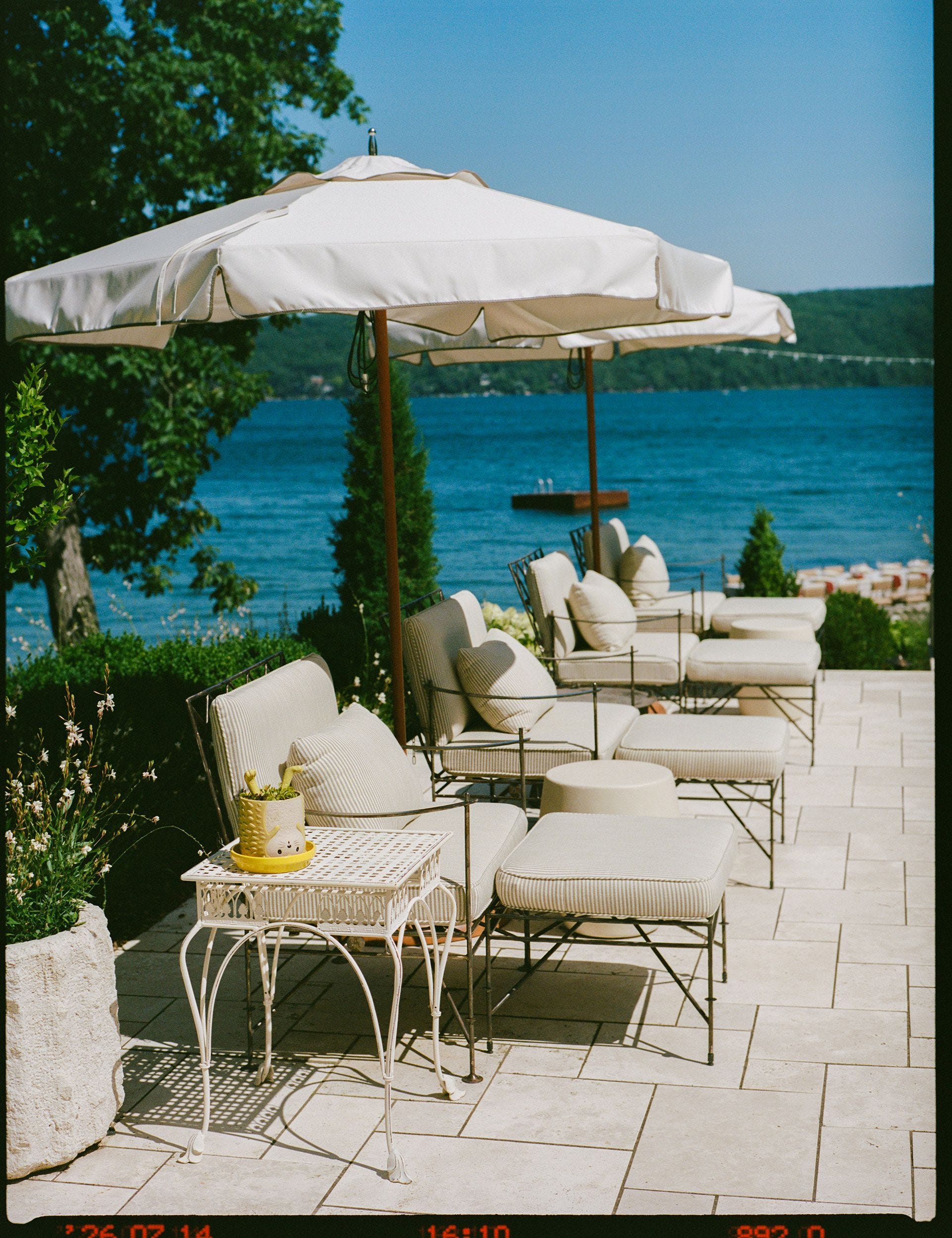
We are kicking off the series with Leonora Epstein !
Former Editor-in-Chief of a shelter publication, Leo writes the brilliant design newsletter Schmatta alongside her work for The New York Times, The Wall Street Journal, and Architectural Digest. Last fall, Leo and I co-hosted a dinner for Substack writers, and before our guests arrived, she briefly mentioned an idea she had for an essay tying together design and witchcraft. She never ended up writing it, and I never stopped thinking about it.
As I entered this heavy, liminal stretch of August when summer is at its absolute most decadent, right on the precipice of spilling over into the decay of autumn and things begin to get a little bit witchy, that unwritten story materialized once again. I realized I absolutely needed to read it.
So I asked her to write it for A Whimsical World, and she graciously obliged!
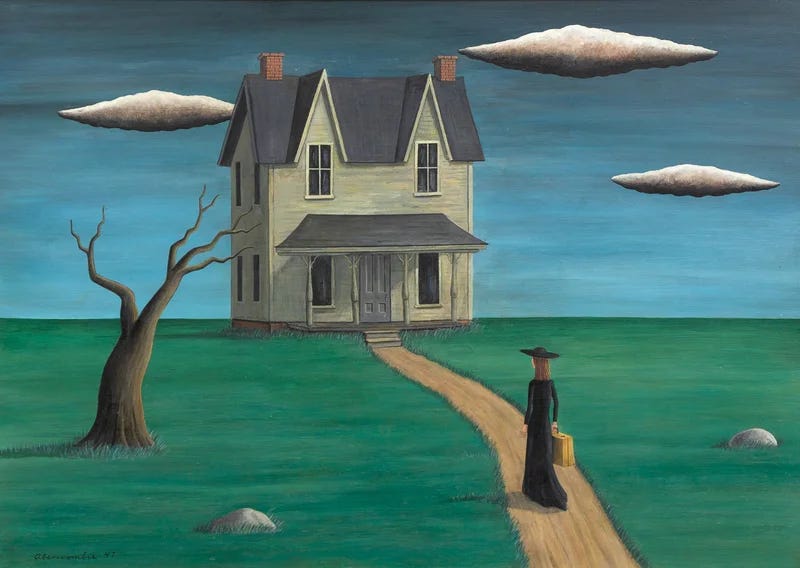
What follows is an essay exploring how our homes become porous vessels for our deepest emotions. Leo writes about a difficult period in her life when the walls of her home felt fragile and haunted, and how she attempted to make her space solid again. It’s a story about the mythology of home and home as cosmic protection. She delves into the rituals we perform to safeguard our spaces, and how the objects we collect and scatter about become our talismans.
I hope you love this story as much as I do!

by Leonora Epstein
It’s 2019: Covid primetime. My husband and I are both working from home, our lives contained in a magical Spanish-style home in the hills of Silver Lake, the kingdom of Los Angeles sprawled out below us. We talked about how that apartment felt like our little private treehouse.
But after my miscarriage that year, I began to feel like the space around me had committed some type of betrayal. It’s hard to describe because I think I was at times delusional (no doubt the nightly quarantine cocktail hour didn’t help), but I felt as though the walls of our treehouse had become ghostly and porous, allowing for time to push and pull through them. I started to wonder if I was stuck somewhere and life was unfolding around me, hyperlapse-like.
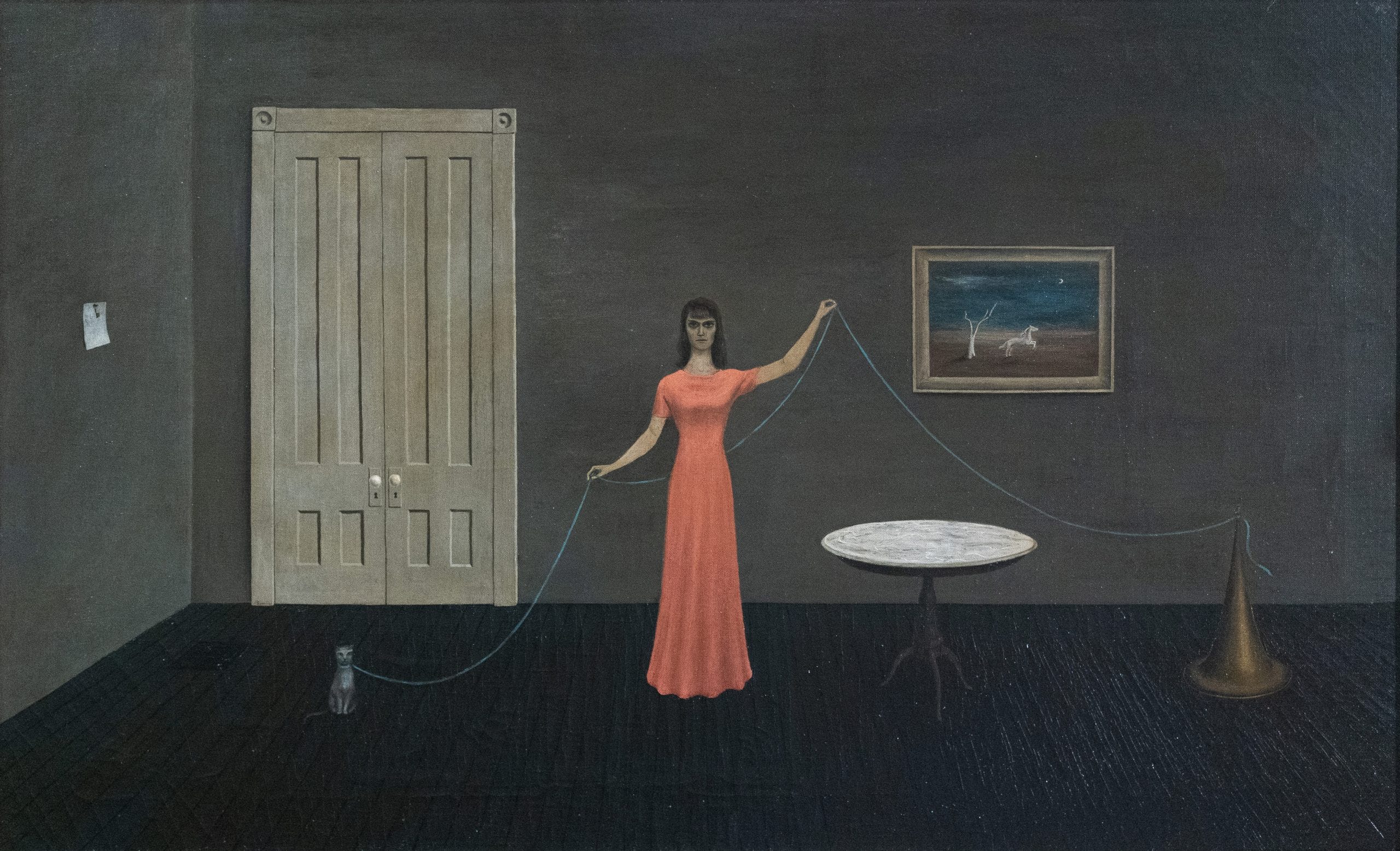
What happened next was a type of subconscious solution — all of a sudden, I desperately needed to redecorate. And while we had mostly lived our lives in IKEA bedframes and Facebook Marketplace couches, all of a sudden, our home took a new, refined shape, each week, a new white glove delivery: an emerald green velvet Lulu & Georgia couch, a Blu Dot Bed, Crate & Barrel dressers. Vintage paintings from Etsy. Rattan sconces. Vases from Paris. Tens of thousands of dollars worth of coping.
I’d only realize months later that this was all an attempt to make my environment solid again. I did these things because I needed protection and safety — my home needed new heft and coherency. It just happened to come in the form of mass-market talismans.
And this worked.
Still, I was simultaneously shaken and intrigued by the experiences of eeriness contained within one’s home’s walls. It confirmed to me something I’ve long felt but couldn’t put my finger on — that home/space/the physical structure of your environment — is mythical. And it could hold equal measures of beauty and evil.
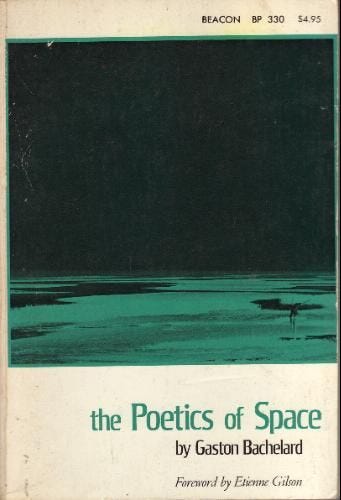
I began reading Bachelard’s The Poetics of Space. In it, the French philosopher grapples with the “phenomenology” of the imagination. He defines phenomenology as the “study of the phenomenon of the poetic image when the image emerges into consciousness as a direct product of the heart, of the soul, of the being of man.” To simplify: Phenomenology deals with what it feels like to subjectively experience the world through consciousness. His treatise, at times, goes beyond the boundaries of psychology, almost suggesting something akin to the divine — he’s getting to the definitions of the soul, the “inner light,” he says.
The first chapter considers physical space in its most basic format: “The house. From cellar to garret. The significance of the hut.”
(FYI, Bachelard was not the inventor of this term phenomenology; that would be the Austrian philosopher Edmund Husserl. And when it came to architectural phenomenology, Heidegger was also on the case.)
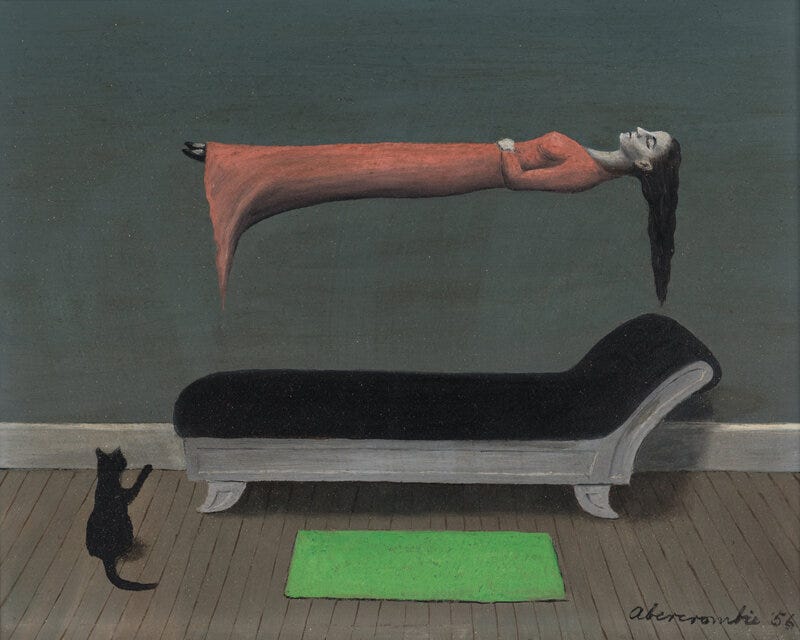
Bachelard positions a home’s architecture and rooms as a psychic container. He asks, “How can secret rooms, rooms that have disappeared, become abodes for an unforgettable past?” Some other passages that put meaning to my metaphysical experiences:
“A house that has been experienced is not an inert box. Inhabited space transcends geometrical space.”
“And after we are in the new house, when memories of other places we have lived in come back to us, we travel to the land of Motionless Childhood, motionless the way all Immemorial things are.”
“The house shelters daydreaming, the house protects the dreamer, the house allows one to dream in peace.”
I became obsessed with trying to define this tenuous barrier the home gives us — a barrier between reality and unreality. And at the same time, the home as a kind of cosmic protector. The mezuzah on my door felt more important.
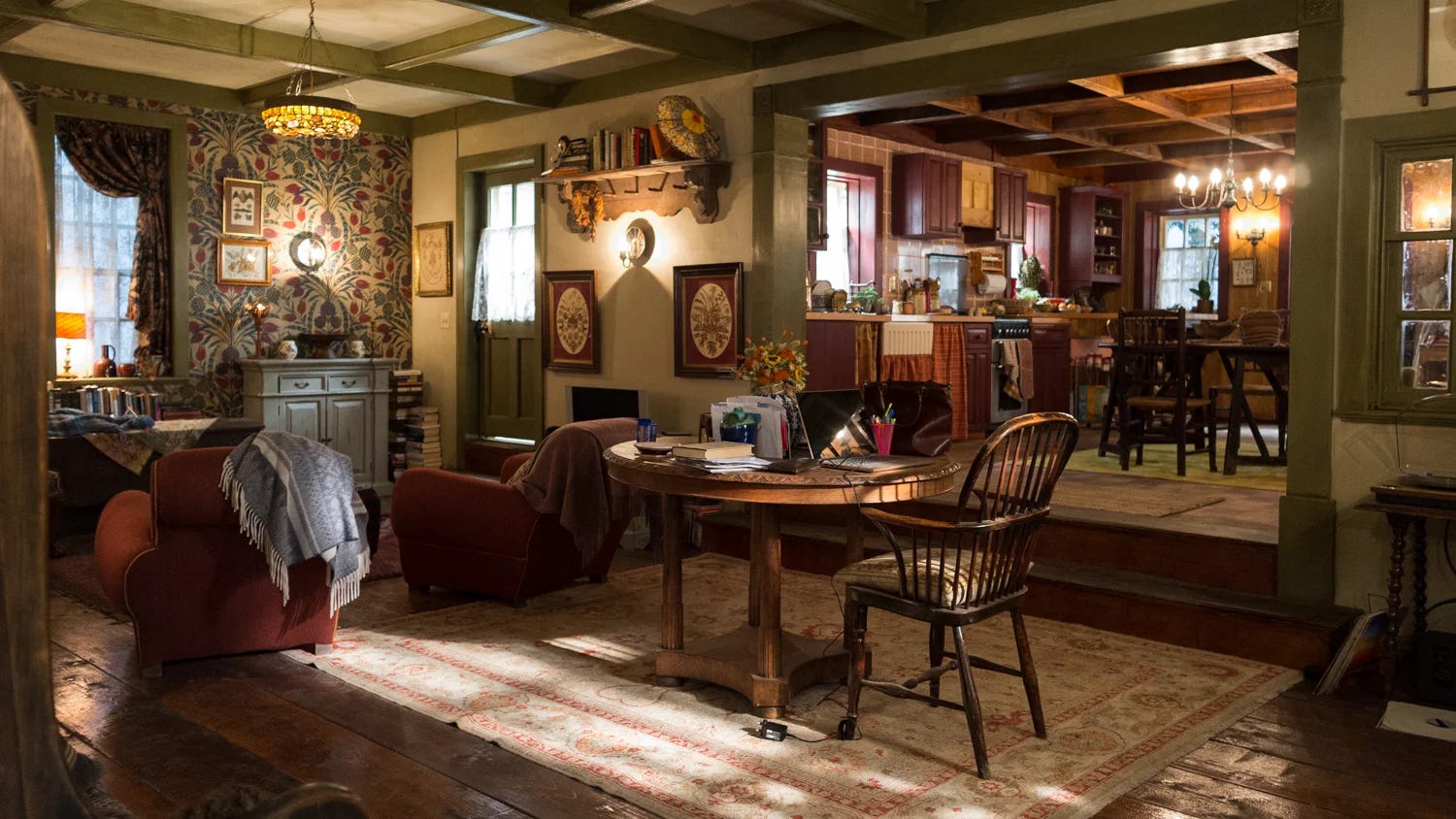
After I had Eleanor, our daughter, we moved houses. This time to one we owned. This new home held more strength. And I became obsessed with how to safeguard it. I went down internet rabbit holes of ancient traditions.
(Don’t “at” me, but a lot of this came after watching A Discovery of Witches on Netflix. It’s a soap involving Oxford sets, vampires, and witches. It’s really cheesy but it got to me.)
In medieval England, people etched protective “witch’s marks” into the masonry or wood beams of their homes to ward against evil. English settlers in America brought the tradition with them. At the Wilbor House in Rhode Island, circa 1690, which is preserved as a museum, 13 witch’s marks adorn doorways and halls.
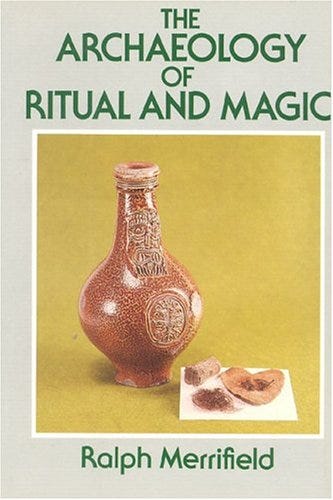
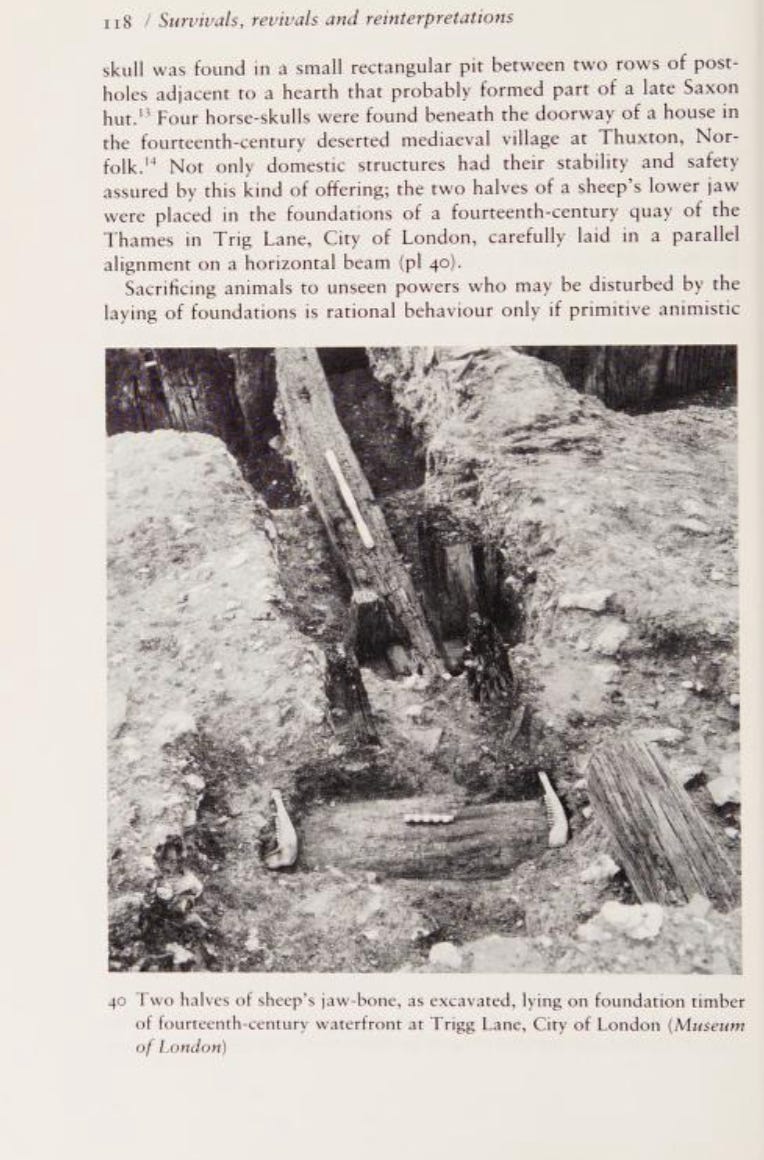
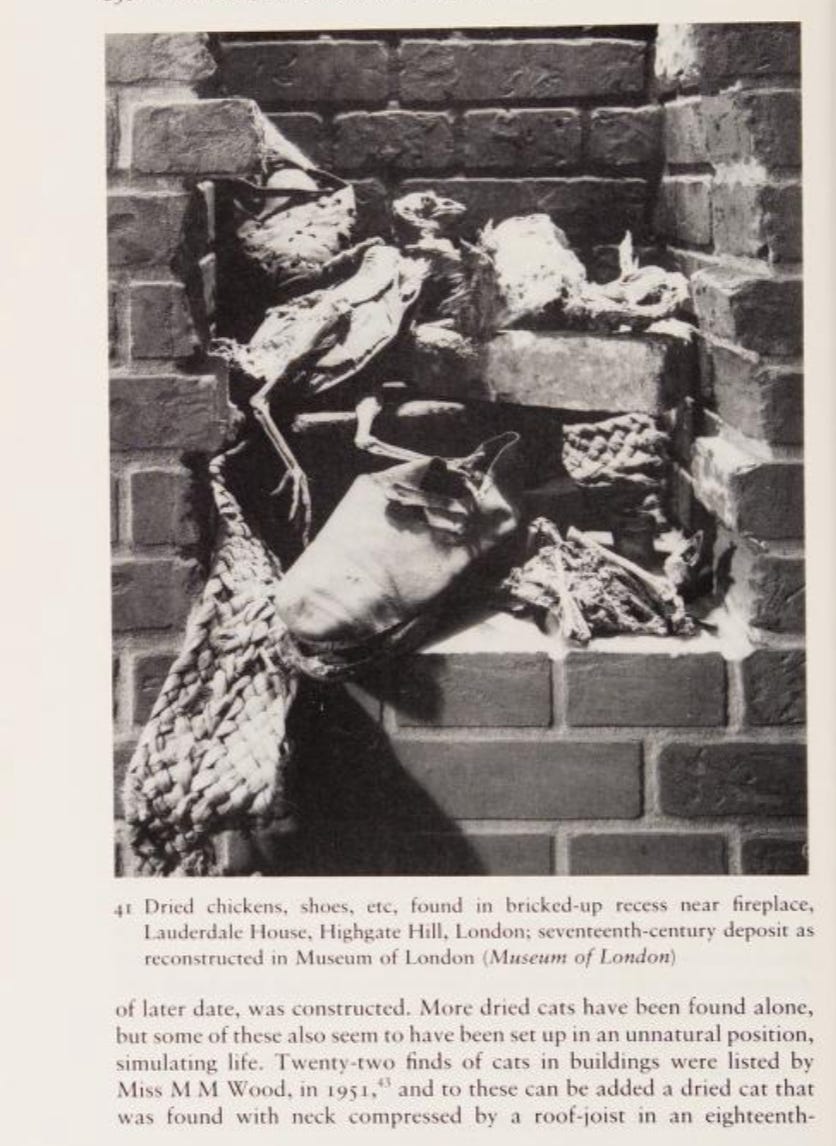
In Ralph Merrifield’s The Archeology of Ritual and Magic, I learned about the ritual burial of animals’ heads or jaws in the foundations of buildings. In England, objects were also often enclosed in walls and fireplaces, some in the creepiest of ways:
“One of the most lavish deposits of this kind was found in the Tudor Lauderdale House, Highgate Hill, north London, once owned by Lord Lauderdale, minister of Charles II. During work following a fire in 1963, a bricked-up recess was found near a first-floor fireplace, containing the desiccated bodies of four chickens, two of which had been strangled, and two apparently walled-in alive, for an egg had been laid after their enclosure.”
Cats were also popular “talismans” to bury in a house’s walls. And, according to Merrifield, “By far the commonest charm to protect a building in post-medieval times, however, was an old shoe.” Okay.
I wasn’t going to do anything nearly that freaky, and it didn’t feel right to carve a witch’s mark anywhere into our freshly painted walls. Although I did consider how much I would have loved a version of this bed for Eleanor.
Instead, our home is a wandering constellation of little treasures: crystals, ceramics, photos, shells, childhood relics. A Smith College (my alma mater) dance card from 1916 that I got on Etsy. A cracked plastic snowglobe I bought on a trip to Paris my freshman year of college. My grandmother’s bible. A Star of David.
These are the things that ground me and stoke my imagination — it’s the memory vs. object, the real vs. the “poetry” of the mind.
I sometimes change the configurations of these little treasures slightly, feeling like there’s some sort of alchemy at work.

If you want to hear more from Leo, she just put out an incredible design resource:
And if you want to know what art/books I have been devouring this summer:
Summer Reading: All The Books I Read in July
·
Aug 8
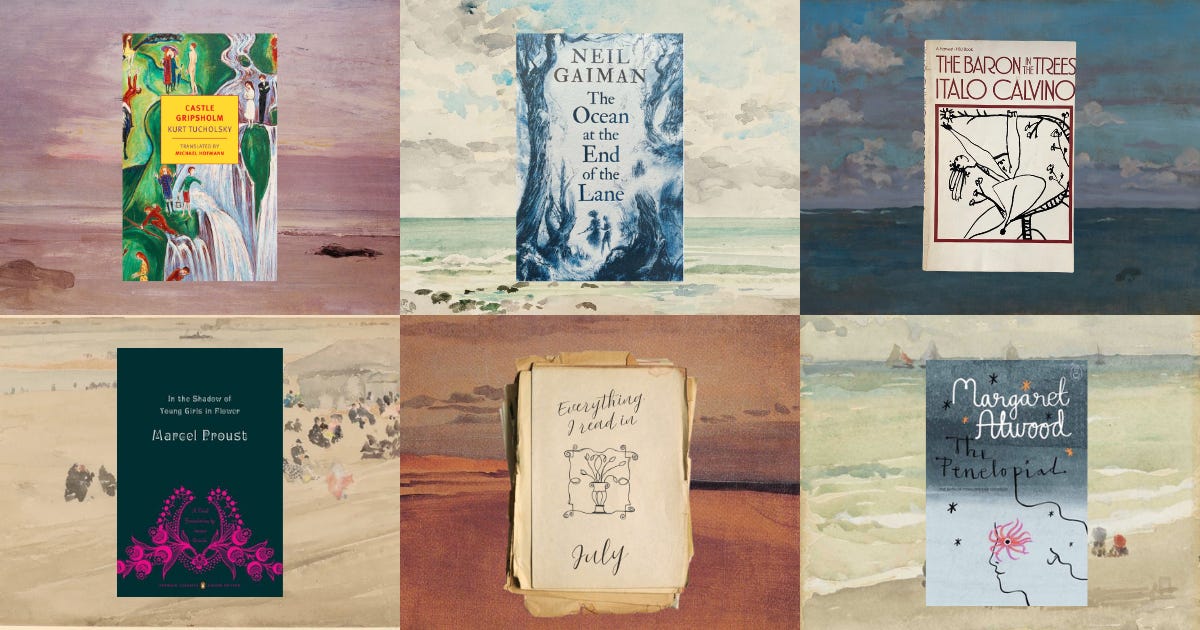
This month’s reading journal is both a week late and (sort of) incomplete. It’s summer! I took last week off from publishing (which was a very big deal for me, but I am sure you hardly noticed). I thought the extra week would give me enough time to review the massive book that took up half of my July, but I was mistaken. You will get some of my thoughts…
Folk Art: Creative Library Vol V
·
Jul 25
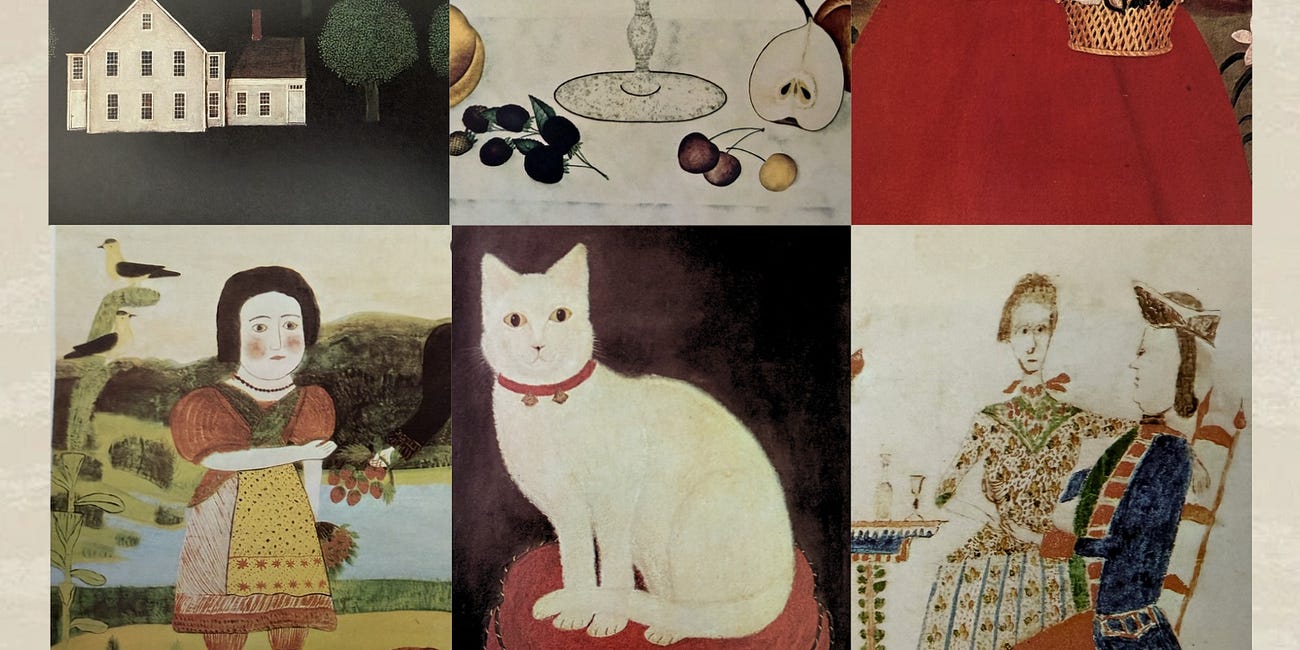
For the last six months or so, I’ve been obsessed with Folk Art. Lately, whenever I’m out sourcing in person (and online), it draws me in like a beacon. That’s all well and good for my personal collection, but a bit more complicated for LES. I’m not sure if it’s our clients’ cup of tea (though, of course, I’ve been sprinkling a few bits in, trying to gently nudge our community in that direction).
That’s all for today! I hope you are enjoying the last bits of summer’s magic!
Don’t forget to hit that heart! It helps more than you know. If you liked this, please subscribe, share it with a friend, and leave a comment! For more creativity, you can follow me on IG and explore years of art and design articles on the LES Journal
No posts
Comments
Nothing yet. Say the first thing.
Sign in to join the conversation.