
It’s nearly the summer solstice in the Northern hemisphere, the sun at its highest point in the sky, the Earth grasping for it. I keep thinking about how this solstice meets the Earth in a year where the U.S.-Israeli war on Iran and the closure of the Strait of Hormuz triggered what the International Energy Agency called the “largest supply disruption in the history of the global oil market.” Meanwhile, solar energy is becoming the cheapest source of energy on Earth1. Solar module costs have dropped 90 percent in the last decade alone, and large-scale solar is now 41 percent cheaper than the cheapest new fossil fuel plants. For the first time, solar supplied a record 12.8 percent of U.S. electricity last month, surpassing coal generation. And across Asia, solar energy surpassed natural gas. The numbers have changed, but the narrative around solar hasn’t.
In this interview with Marjan van Aubel, solar designer, co-founder of the Solar Movement, and author of the book, Solar Futures: How to Design a Post-Fossil World with the Sun, we hone in on a central question: what if the thing holding solar back isn’t cost, but design? On her website, Marjan writes, “Our earth constantly receives an abundance of solar energy. Until now, the conversation around solar energy has always remained very technical and economic. This technocratic perspective, based on efficiency and payback time, leaves no room for human and cultural values, limiting social acceptance and the full potential of solar energy…Now is the time to make room for more engaged, meaningful and emotional relationships with solar energy.”
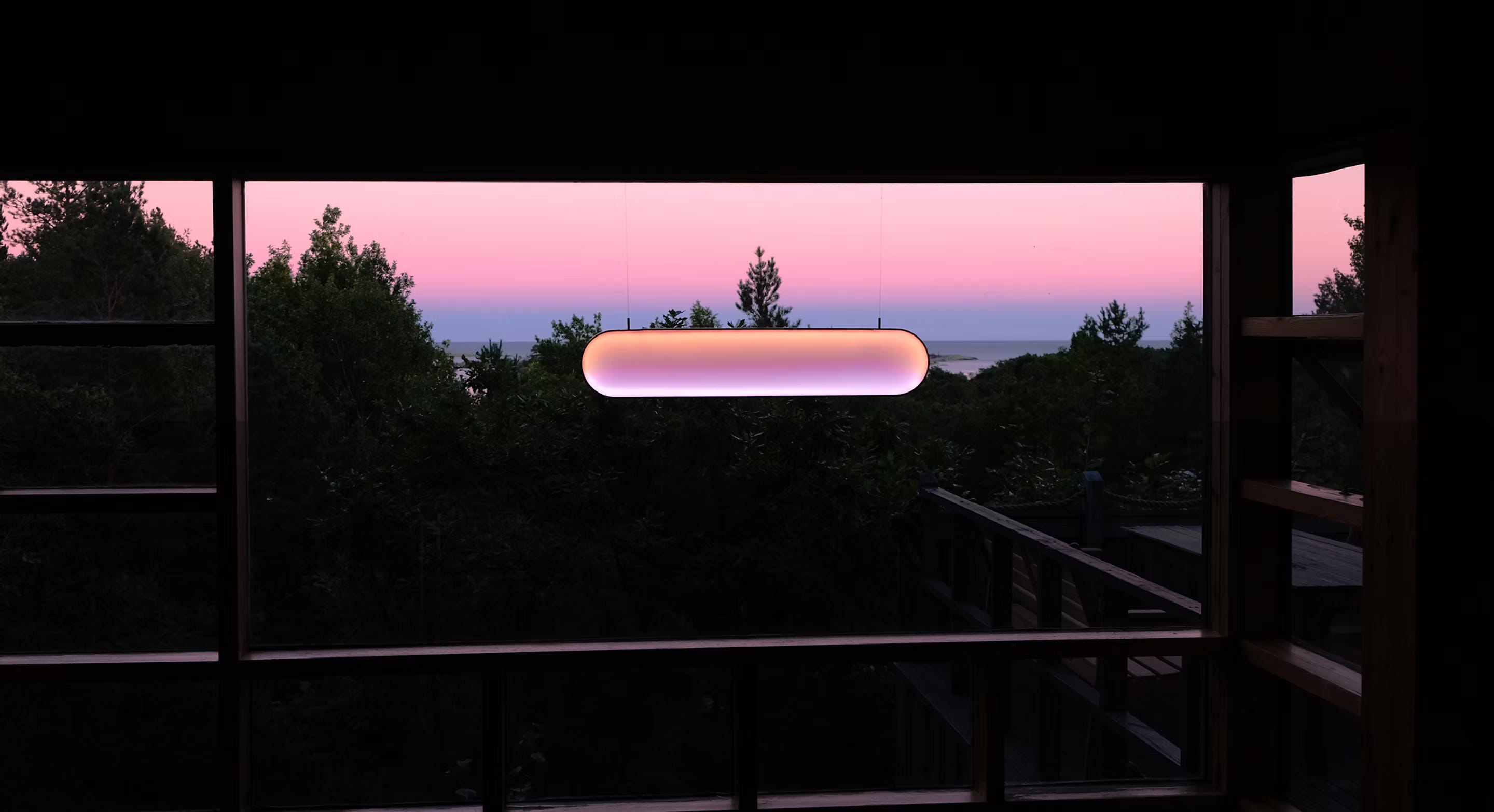
Marjan is a Dutch solar designer known for her product innovations, immersive light installations, and architecture, as she aims to make solar energy accessible and part of everyday life. Her work is held in the permanent collections of MoMA in New York, the Centre Pompidou in Paris, the V&A in London, and Stedelijk Museum in Amsterdam. She also co-founded the Solar Biennale, a seven-week event envisioning a solar-powered world beyond uniform panels and technocratic approaches, and is now launching The Solar Academy to establish solar design as a global discipline.

I met Marjan last April at the Beyond Tellerrand conference in Germany, where she spoke about how the first solar cells were installed on a New York City rooftop in 1884, right as the industrial revolution gutted the Earth for oil and gas. With wars disrupting global oil markets, and rapacious data centers accelerating fossil fuel demand, I felt the urge to invite her for a deeper conversation on shifting the narrative around solar energy, from a purely technical story to a human one.
“Instead of looking down into the earth for oil and gas,” she writes, “let’s start looking up to the sky for our energy.”
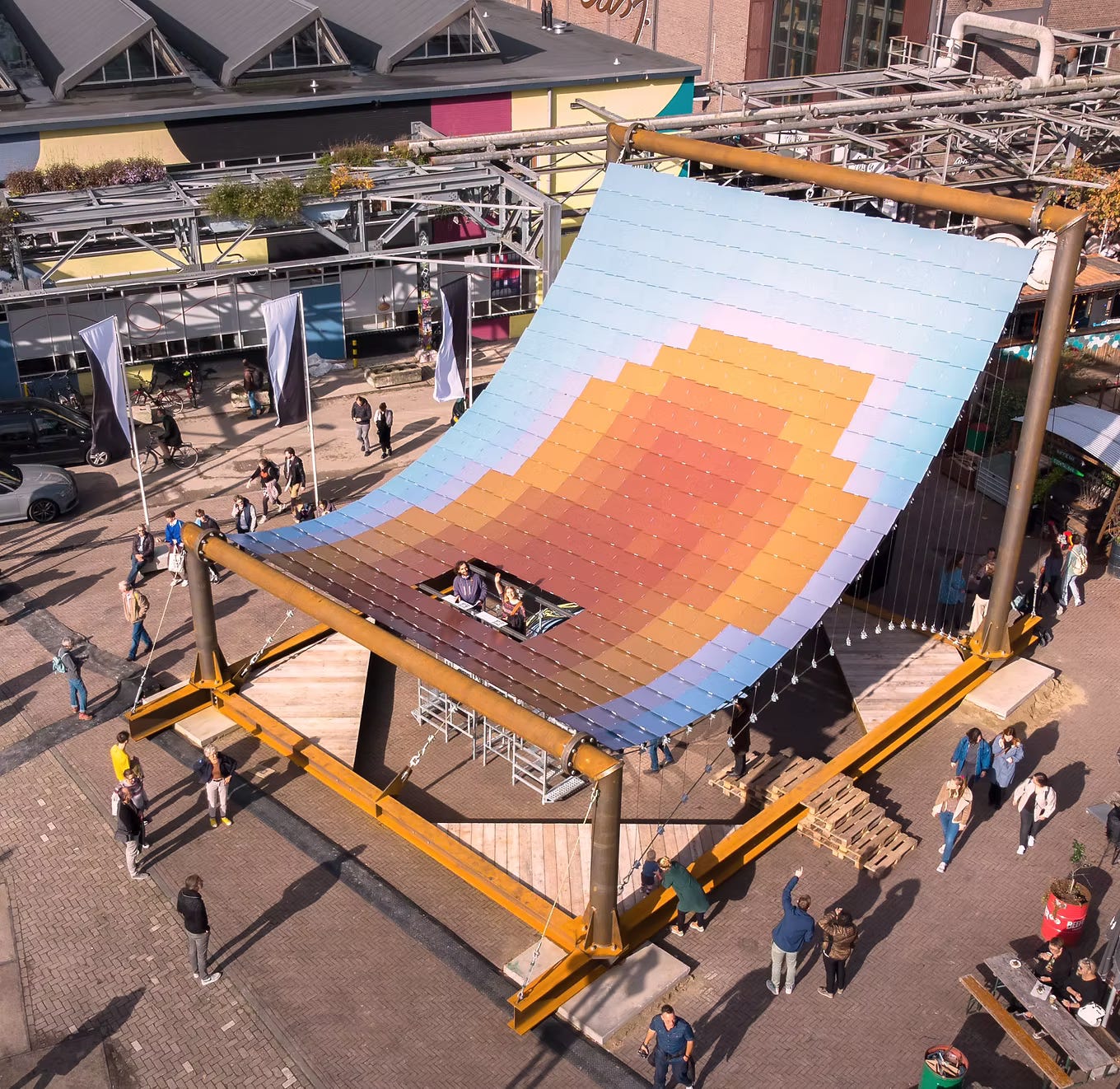
Solar is now the cheapest way to generate electricity in most of the world, and its cost has been falling since 1958. In the sunniest regions, solar can produce power for as little as $0.018 per kilowatt-hour, cheaper than coal, gas, or wind. It’s on track to outgrow all other renewables. And while solar and wind can be variable, energy storage and conversion technologies are advancing rapidly worldwide. However, mining silicon, silver, copper, lithium, and rare earth minerals requires digging into the earth, often in ways that carry environmental and human costs. In Solar Futures: How to Design a Post-Fossil World with the Sun, Marjan warns that solar could become "the asbestos of the 21st century," if we don't address material toxicity and end-of-life recycling.
Comments
Nothing yet. Say the first thing.
Sign in to join the conversation.