
Hello, hot summer babes. Or at least it was hot as hell here last week—so hot I’m still bitching about it like the New Englander I am.
I do not thrive in the summer.
I enjoy the early morning and late evening vibe of summer light, but the heat, the expectation to TAKE ADVANTAGE OF THE DAYS, the guilt if you don’t, the chaos of unscheduled time for my daughter—it’s just not for me. I was saying to a friend last week, “Whatever animal I am, it does not belong in this.” Give me the unfurling of spring, the nostalgia of fall, and even the cold, early winter. It happens to be a decent time to be heads down writing this book, though.
I wrote last week about wanting to quit writing; this book has really done a number on me. I’m beginning to, very gingerly, step into what I believe is a non-stuck place, so I thought I’d share what’s helped me along the way. None of what I’m offering is original, but sometimes we need to receive things in a particular way on a particular day, so this is my contribution.
One more thing before I jump in: I'm piloting a new offering for writers. Starting Thursday, July 16, I'm hosting bi-weekly cowriting sessions on Zoom, 12–1:15 pm ET. Cowriting is weirdly effective for me, and I know this community is full of writers who'd love to connect—so I'm starting here, and building toward a more formal Love Story Writing Group. (This is open to writers of all kinds and levels; everyone is welcome.)
How it works: we write together for an hour, then stick around 15 minutes to connect if you’d like—I’ll be there. No agenda, nothing to prepare. Come and go as needed.
How to join: Not a paid subscriber yet? Subscribe below. I'll drop the Zoom link in our chat a few hours before we meet—look for it next Thursday, July 16.
These largely apply to book-length projects, but could be useful for essays or newsletters, too. And, I write non-fiction, but I believe these would apply to fiction as well.
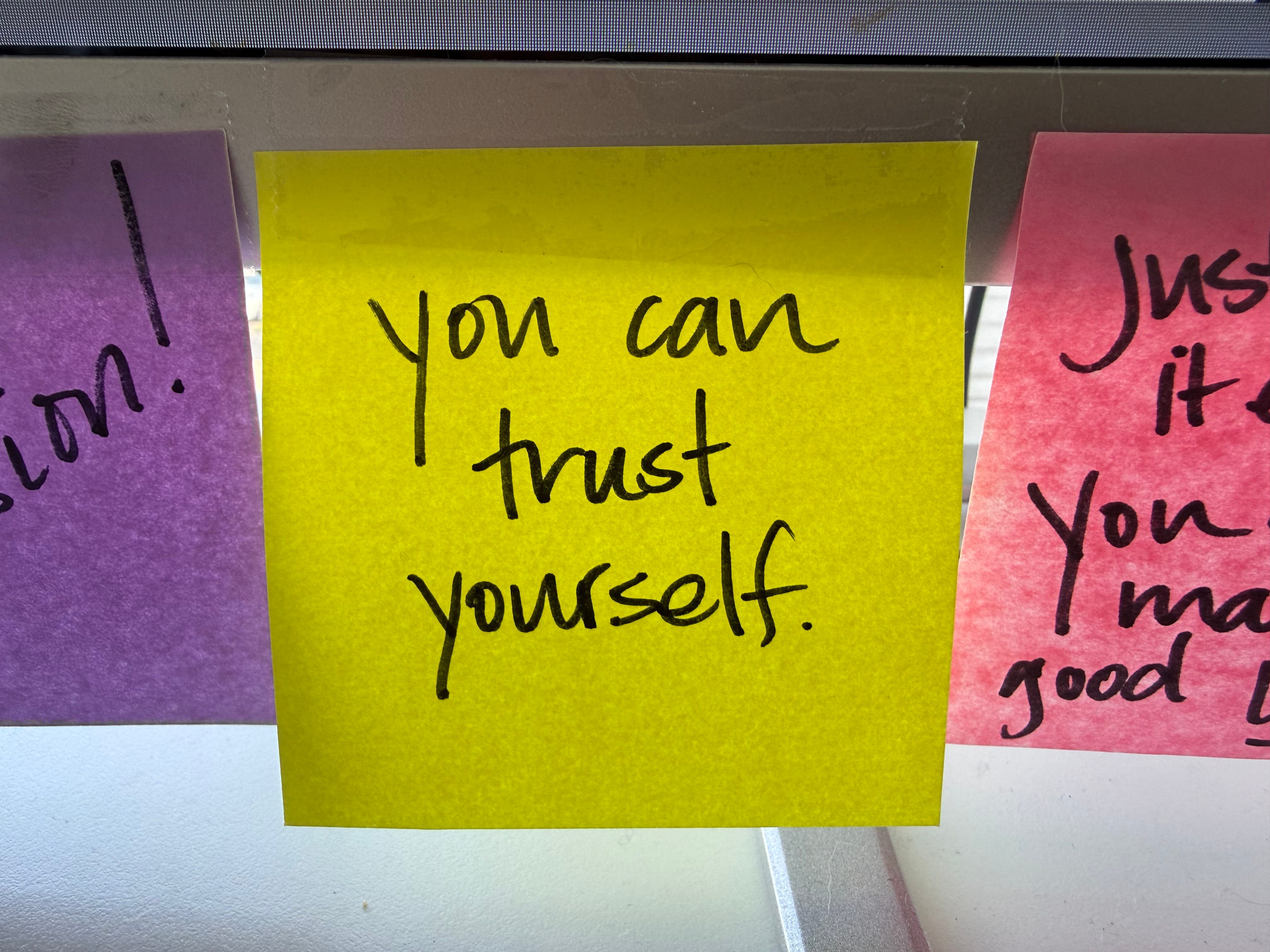
You have instincts as a writer. You have your own voice and way of writing and speaking and creating. Maybe your body says: get on the floor, do jumping jacks, take a shower, go for a walk, write every scene you can possibly think of on notecards, or in a spreadsheet, or use the biggest wall in your house to map out ideas, but you think, No, I MUST SIT HERE AND THINK AND TYPE.
Thinking is useful, of course. Butt in chair, words on the page, sentence after sentence, brick by brick: you must do these things; there’s no way around it. But writing is an embodied, intuitive, whole-self endeavor. If you’re only trying to flex the muscle of your thinking to get there, you won’t get there—or what you produce will lack heart and the essence of your spirit. You will have words but not movement; you will have a story, maybe, but it’ll be a thin, brittle thing.
You have instincts, and you can trust them. I sometimes read pages from my books, or old essays, just to see the fact of my work: that I have produced things, even entire books. Often, I cannot remember writing what I read, and while writing this book I’ve been astonished that I once wrote so freely. Who was that? Something about this book (I mean, I know what) has had me jammed up. I’ve been controlled, restrained, worried about rules and writing well instead of just writing; about sounding smart or literary or more like this person or that or whatever the fuck, and it’s impossible to do anything that way. Impossible.
The way in for me is my body. If I get freer in my body and listen to what it wants to do in service of creation—and sometimes this is something directly and obviously connected to writing, like mapping my book on a wall with Post its and index cards; but more often it’s less obvious, like going for a swim or screaming into a pillow—then I’m able to remember and connect to my full self, my animal self, my instincts. This makes me freer on the page.
Bird by Bird by Anne Lamott; What to Remember When Waking by David Whyte; Permission by Elissa Altman are a few of my favorites, but explore your own. I listen before I go to sleep, when my mind really loves to start spinning the fuck out. I set the timer for 30 minutes and let their voices soothe me while I drift off. I also imagine, and believe, that their instruction plants seeds into my unconscious that help solve problems while I’m asleep. To that end, I always make a wish (a prayer, an intention, whatever you like) before I close my eyes—for the forces that be to do the invisible work I most need while I’m under. It may sound silly, but it’s actually wildly effective (and is an act of both humility and faith, which are critical to the creative process, I believe) because it pulls me out of the apply more pressure, more effort, more thinking mode. That mode has its place, but must be balanced with release, receiving, and rest. Writing is part practical, part mystical.
I’ve had tons of help writing both of my books and this one is no different. My friend Sarah Hepola (who, btw, has a new memoir coming out in September, and I just know it’s going to be a banger because she’s genius) said to me the other day, “You’re really good at picking up the phone and asking for help.”
I guess I am.
I’d texted her as soon as I saw her new book announcement, partially out of panic (because our books have overlapping topics and the scared, scarcity-thinking part of me thought, Noooooooo!) and partially to high-five her and hear all about it. Following our initial conversation, I had questions about how she navigated a certain aspect of writing hers, and I just needed a pep talk in general, so I sent her an SOS text and we connected a few days later. Sarah is a far more experienced and talented writer than I am, and it’d be easy for me to feel like I’m bugging her or that I’ll embarrass myself (I might!), but recovery has taught me to get over myself and reach out anyway.
Sarah is just one example. I call and text people a lot to ask for help or talk something out, and this is not—or did not used to be—my nature. But I’ve learned people actually want to help. I want to help! It’s so nice to be let into someone’s world, and most people are glad to offer you what they know or have learned, because we all like to feel useful. Writing, like sobriety, is humbling and we’re all weird and confused and slightly mentally ill and unsure what we’re doing most of the time.
As far as help, there’s the free kind that comes from calling and texting friends, mentors, or whoever else you’ve got in your corner. But I’ve also hired help along the way, and these are all folks I strongly recommend.
Elissa Altman for editorial, developmental, or craft guidance. I’m not sure if she’s working 1x1 at the moment, but she teaches widely. Non-fiction only.
Tracy Clark-Flory for coaching, manuscript or book proposal work, and more. This summer, she’s taking on 1x1 clients. I just finished working with her on my current book and cannot say enough about her talent and support. You can see my testimonial here. Non-fiction only.
Laura Zigman for writing therapy (seriously!). She has a genius offering called Zigman Freud (!). She’s been in the industry for decades, has seen everything, and is so wise and helpful. Fiction and non-fiction.
Amy Shearn for creative coaching, manuscript support, and more. She also teaches widely. Fiction and non-fiction.
If you’ve got other writing supports you’d recommend, please let us know in the comments.
Not only are they a time suck, they will dangerously fragment your attention and worst of all, especially while writing, trigger your worst insecurities, scarcity thinking, fears, all of it. It’s just a mess.
I have to use social media for work so I can’t bounce completely, but I regularly delete the apps for days or Brick my phone so I can’t access them. Has to be done.
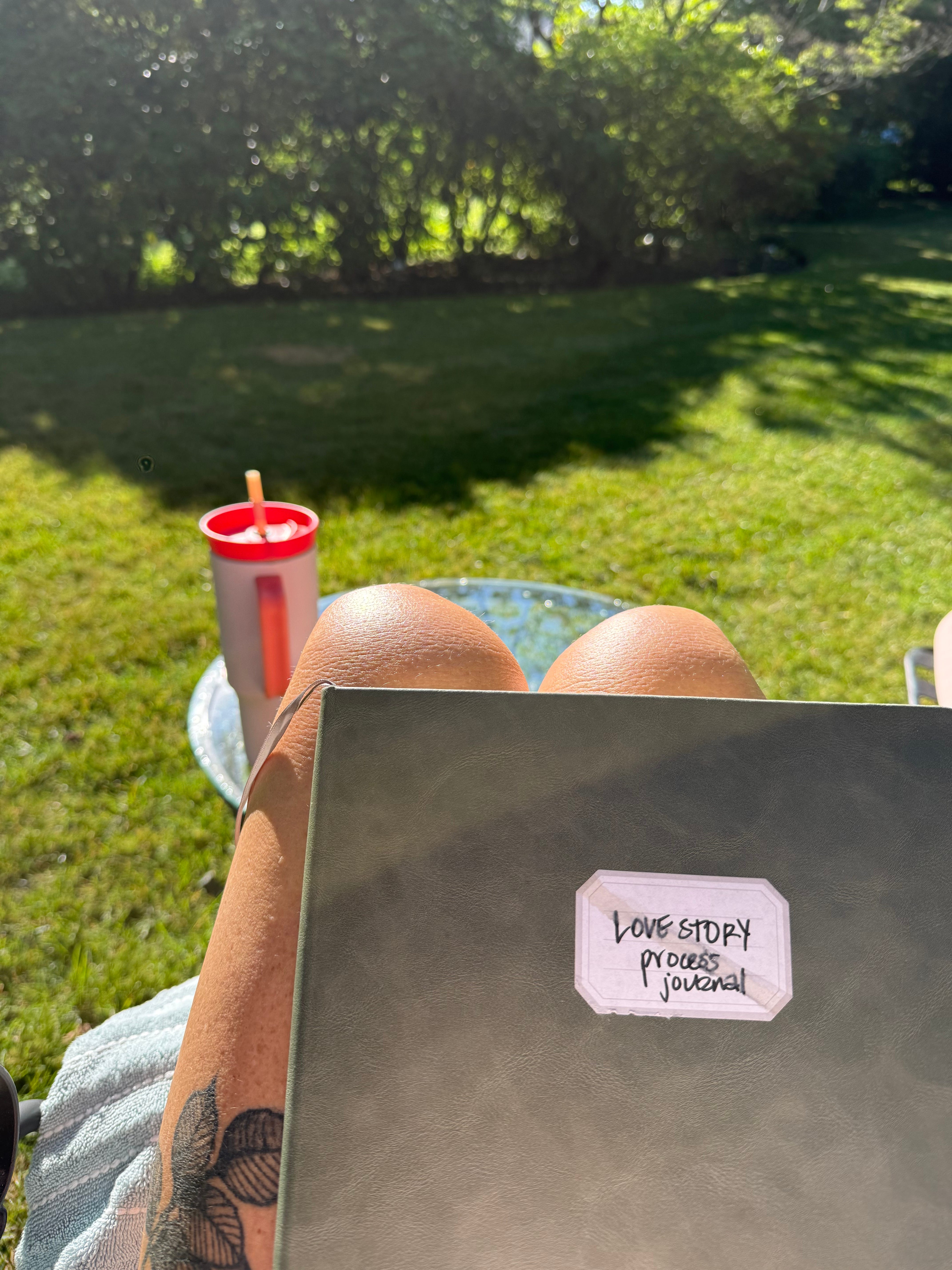
I got this idea from Elissa Altman and it’s been hugely helpful. I’m a lifelong journaler and to-do list maker, but this is a dedicated space just for this project. Ideas, brainstorms, chapter title ideas, quotes or sources I may want to use, word count logs, what worked about writing on a particular day, what didn’t, themes that come up, questions I have, drawings, stickers—anything I want to put in it. I don’t know that there’s a right or wrong way to do this, I just know it’s been a tremendously useful for me, and at the end, I feel like it’ll be such a cool record to have.
I know, but it’s true. I can only see now that I had to go through the full two and a half years of living and trying and failing at writing this to be able to do it now. As the stoics say: the obstacles are the path.
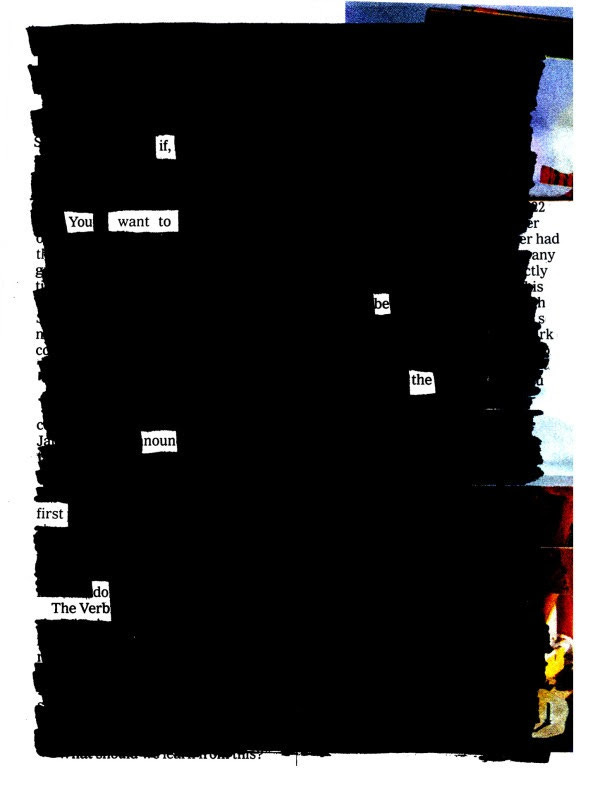
Last, remember: If you want to be the noun first do the verb. - Austin Kleon. Or as Anne Lamott says, her number one piece of advice for people who want to write is: you’ve got to stop not writing.
Love,
Laura
» *NEW* Write with me! Join me for bi-weekly cowriting sessions, starting Thursday, July 16 from 12-1:15 pm ET. We’ll write together for an hour, then stick around 15 minutes to connect if you'd like—I'll be there. No agenda, nothing to prepare. Come and go as needed. I’ll drop the Zoom link in our chat a couple of hours before it’s time.
You are reading Love Story, a weekly newsletter about relationships, recovery, and writing from Laura McKowen. Laura is the founder of The Luckiest Club, an international sobriety support community, co-host of the Dear Vernon sobriety podcast and the bestselling author of two books, We Are The Luckiest and Push Off from Here.
You can give a gift subscription here.
Comments
Nothing yet. Say the first thing.
Sign in to join the conversation.