
After many delays outside of my control, earlier today I released a new episode of the Sighs and Whispers podcast—a conversation with fashion designer Ronaldus Shamask. Below is an introduction to Shamask, but definitely take a listen to our much more in-depth chat. You can listen to our discussion on SoundCloud, Apple Podcasts, and Spotify.
You can also see many, many more images from all stages of Shamask’s career on the Sighs and Whispers Podcast website—I highly recommend going through all the various slideshows, from his early fashion illustration days to his first fashion collections and museum retrospectives devoted to his work.
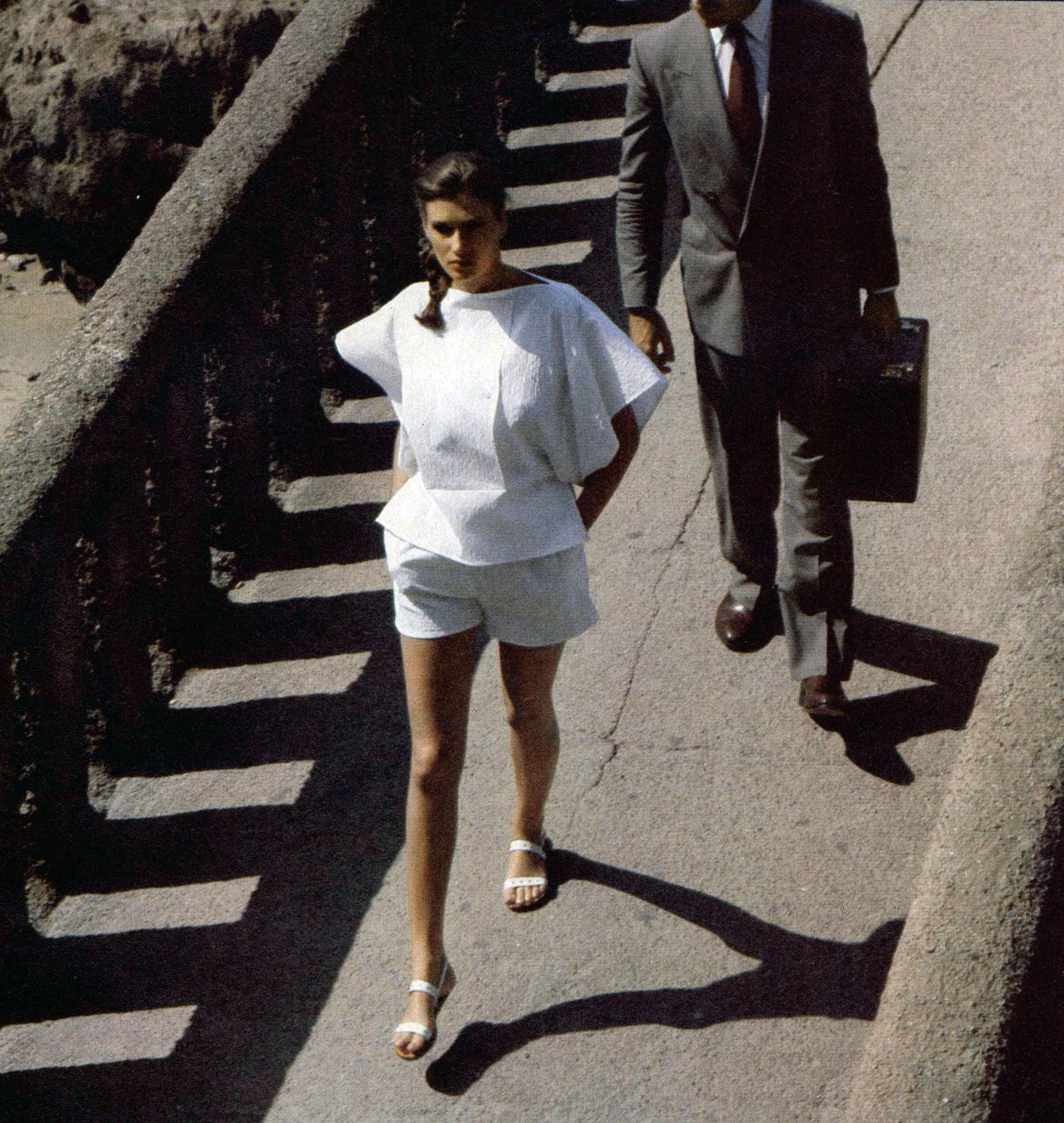
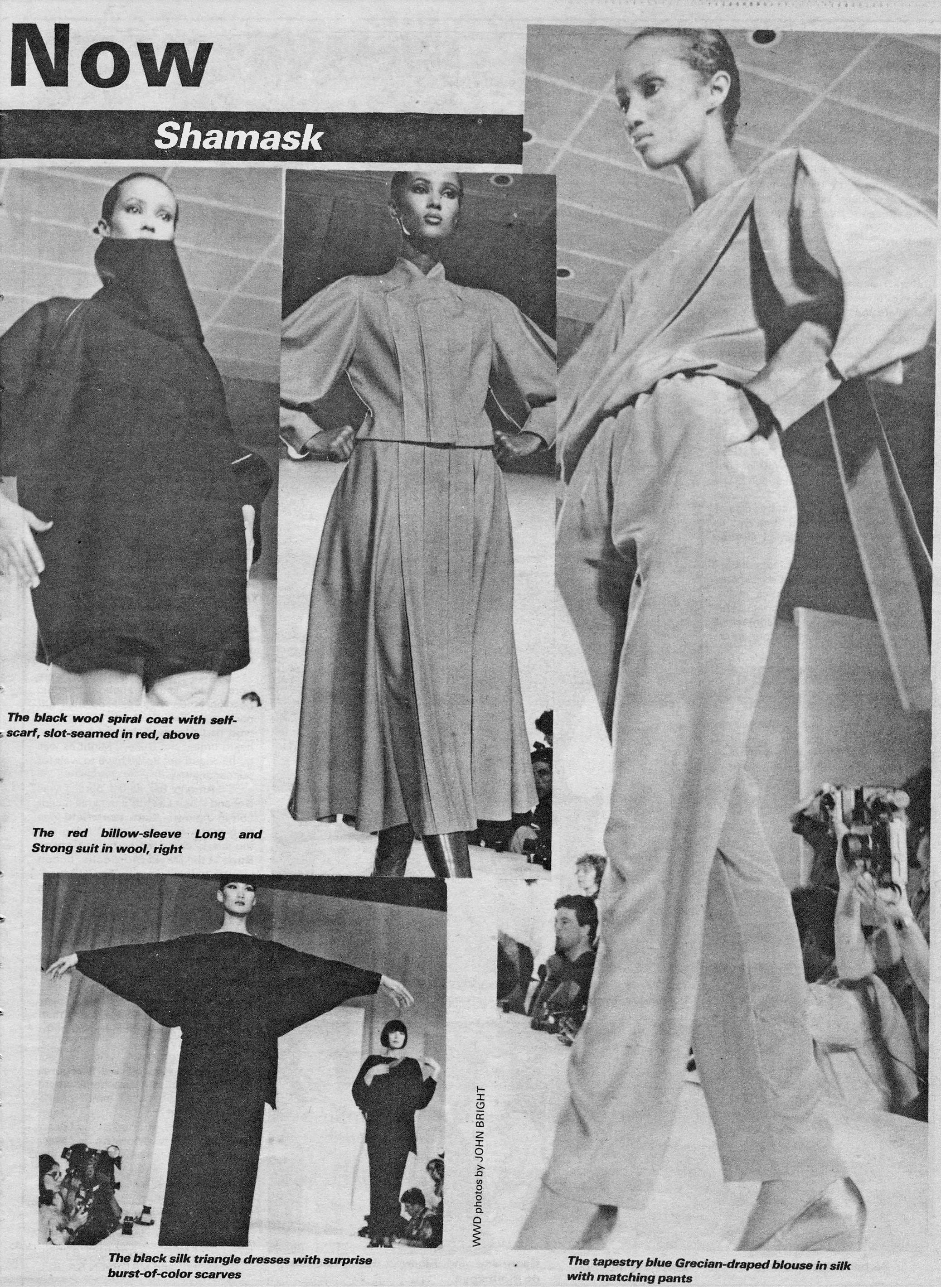
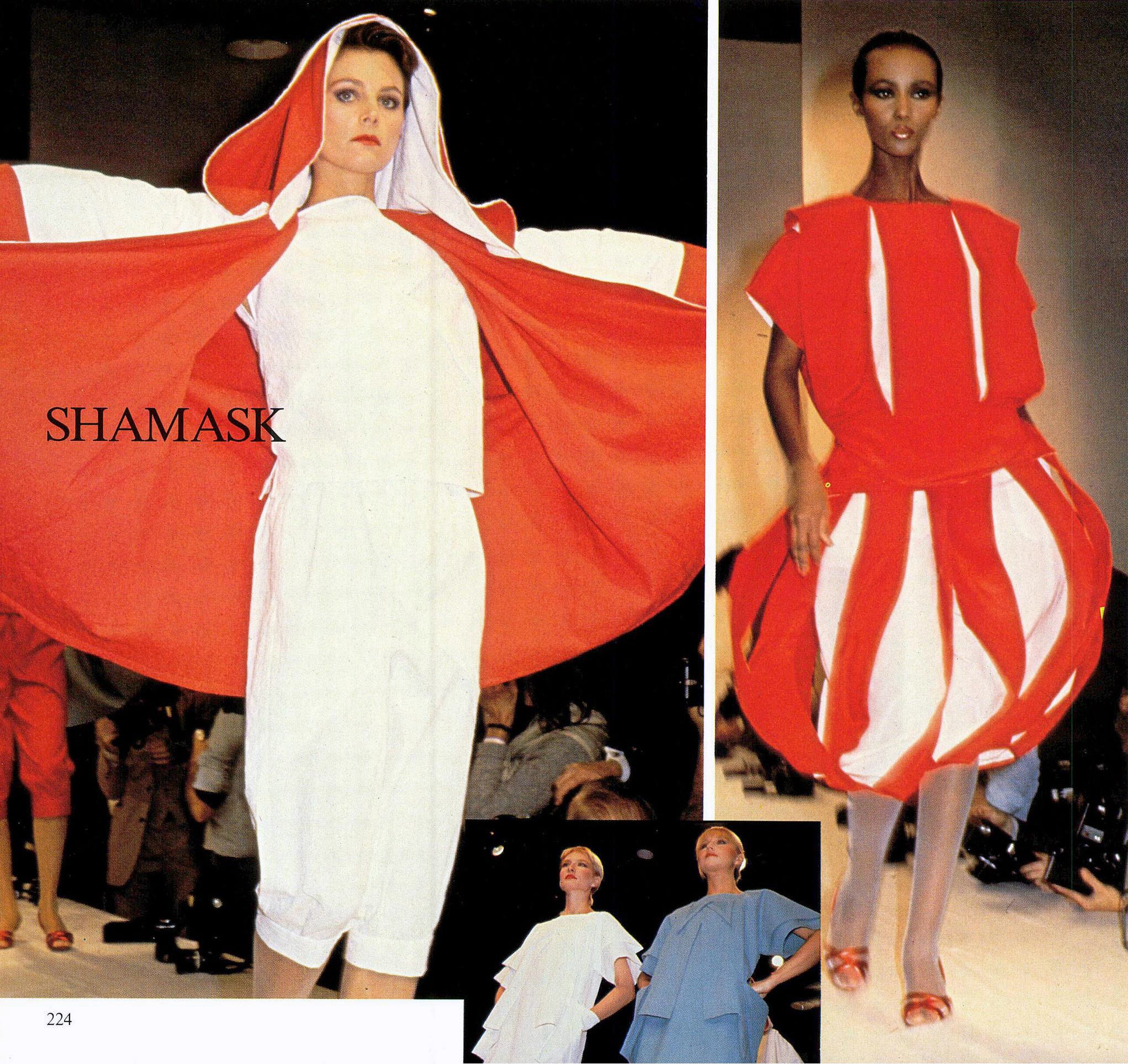
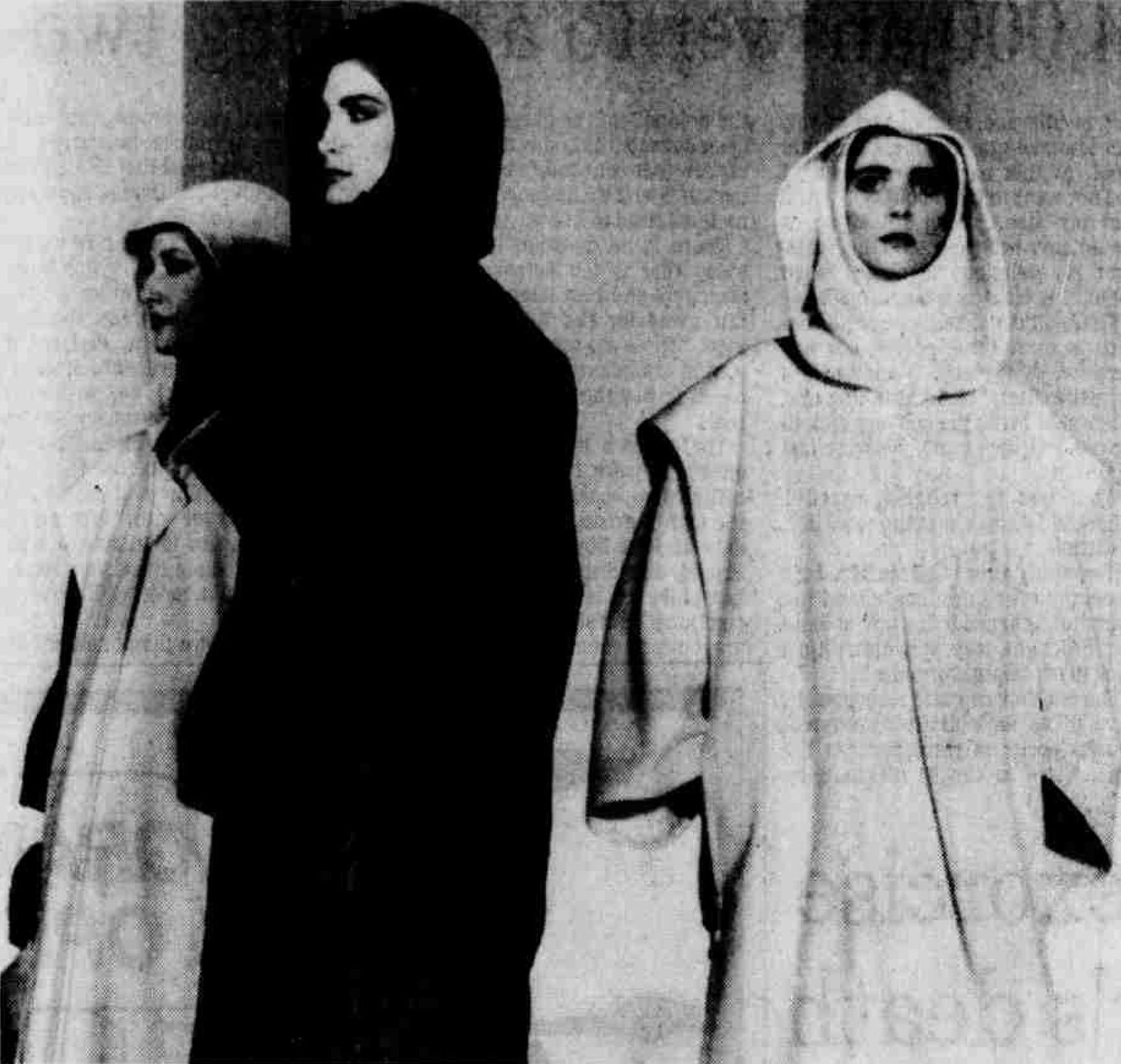
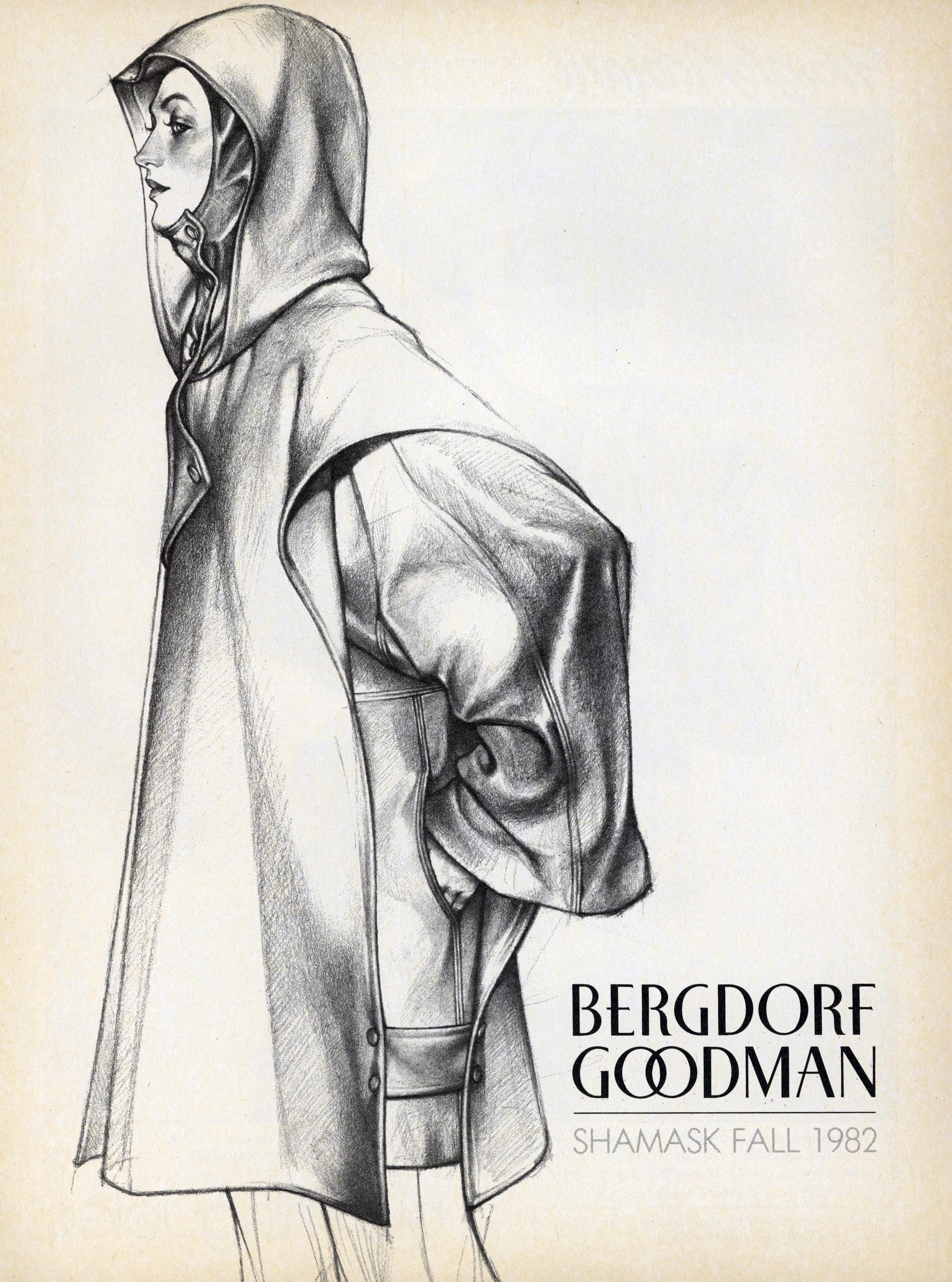
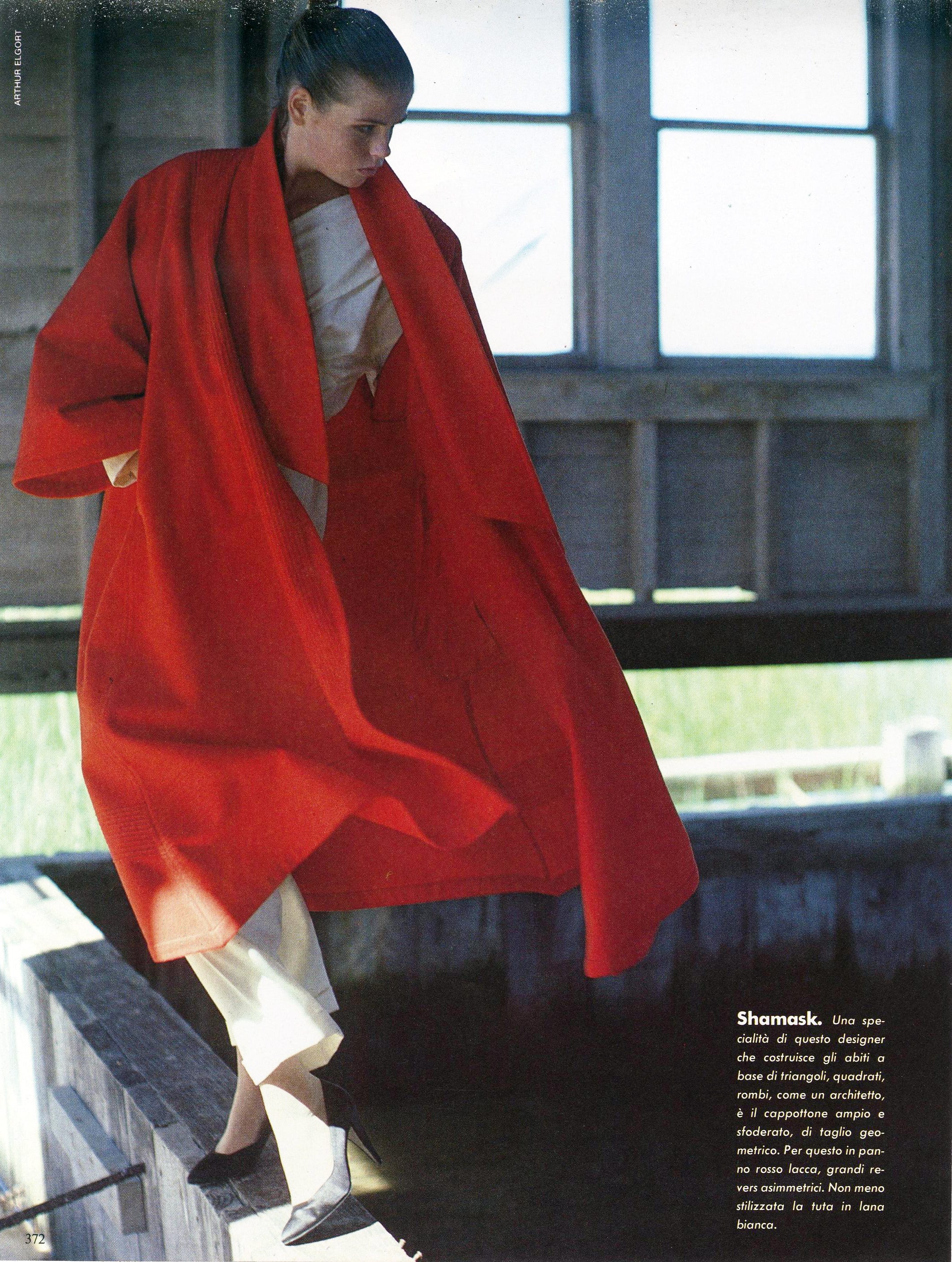
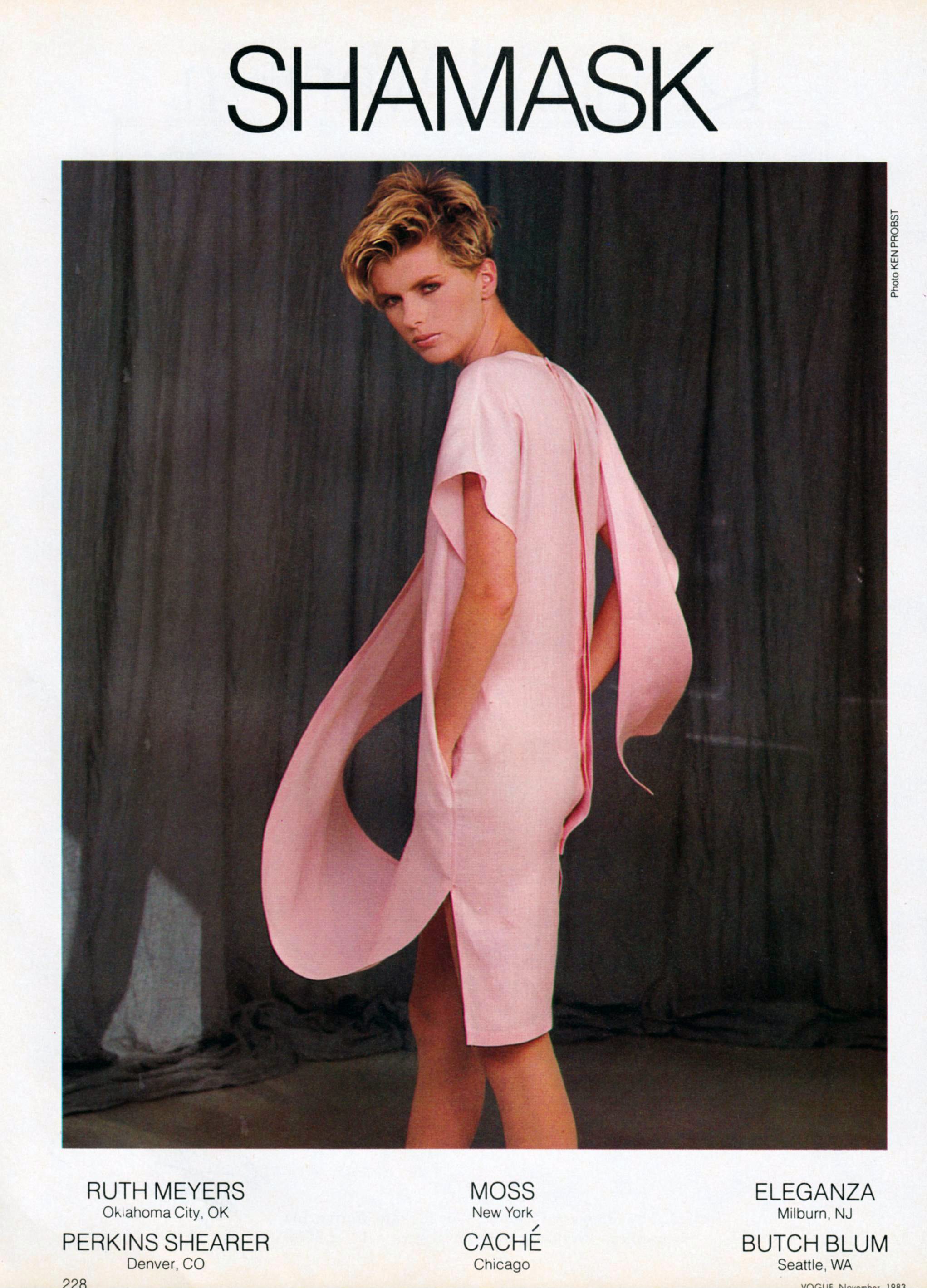
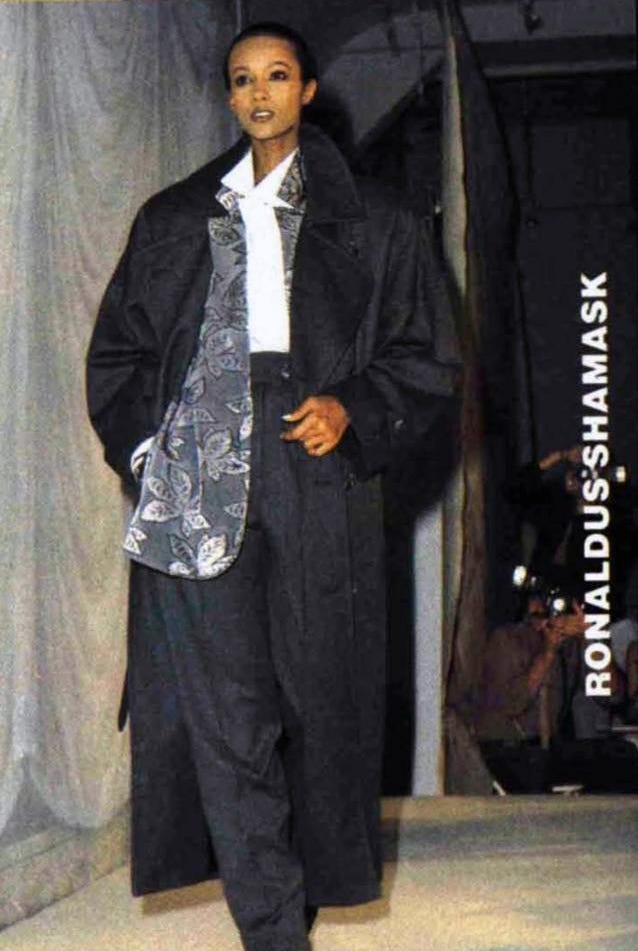
Within fashion and fashion history, when you speak or write of “architectural fashion,” Shamask’s designs stand right at the top. In fact, after he debuted his first fashion collection in 1979, the clothes displayed such architectural form that many journalists assumed he had received architectural training. Instead, Dutch-born Shamask taught himself everything—with no formal studies in fashion or architecture, and no training as an artist.
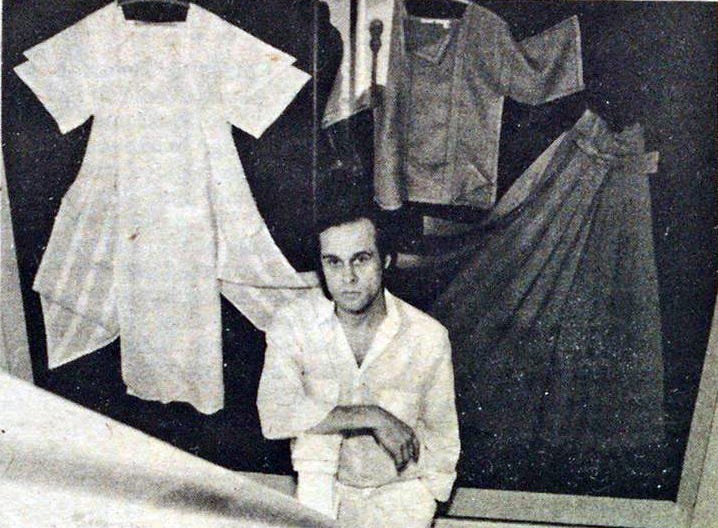
Ronaldus Shamask was born in Amsterdam in late 1945, a city savaged by World War II. He grew up in the Netherlands before emigrating with his family to Australia at the age of 12. Shamask began working in a department store in Melbourne at 15, eventually working his way up to window dresser. He moved to London in the late 1960s, where he began working as a fashion illustrator. His completely self-taught style was perfectly in keeping with the psychedelic aesthetic of that moment, and he created illustrations for publications like The Times and The Observer, as well as for brands like Bata Shoes. In 1971, a close friend brought him to Buffalo, New York, where he became a theatrical designer for her avant-garde performance group, The Company of Man.
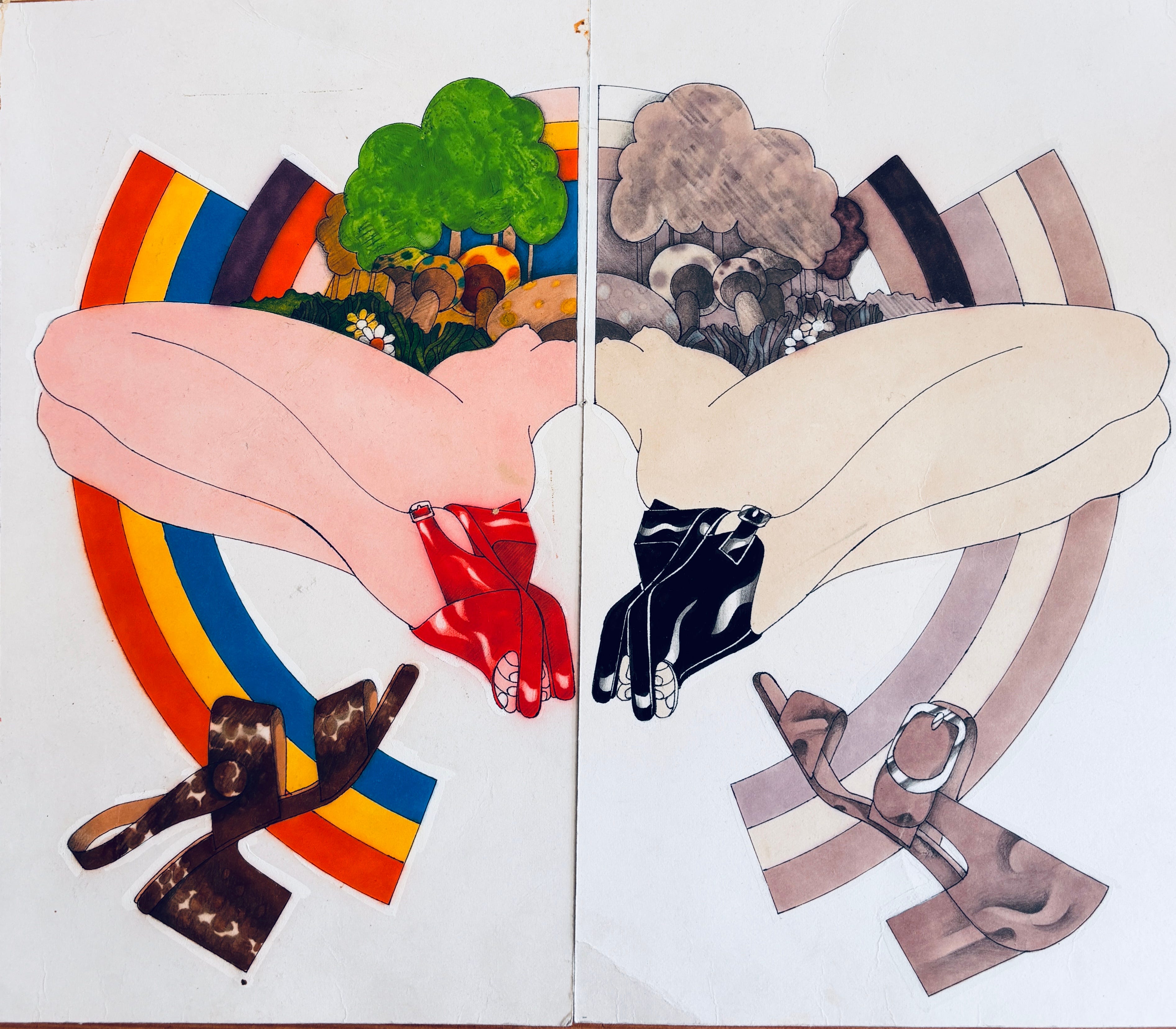
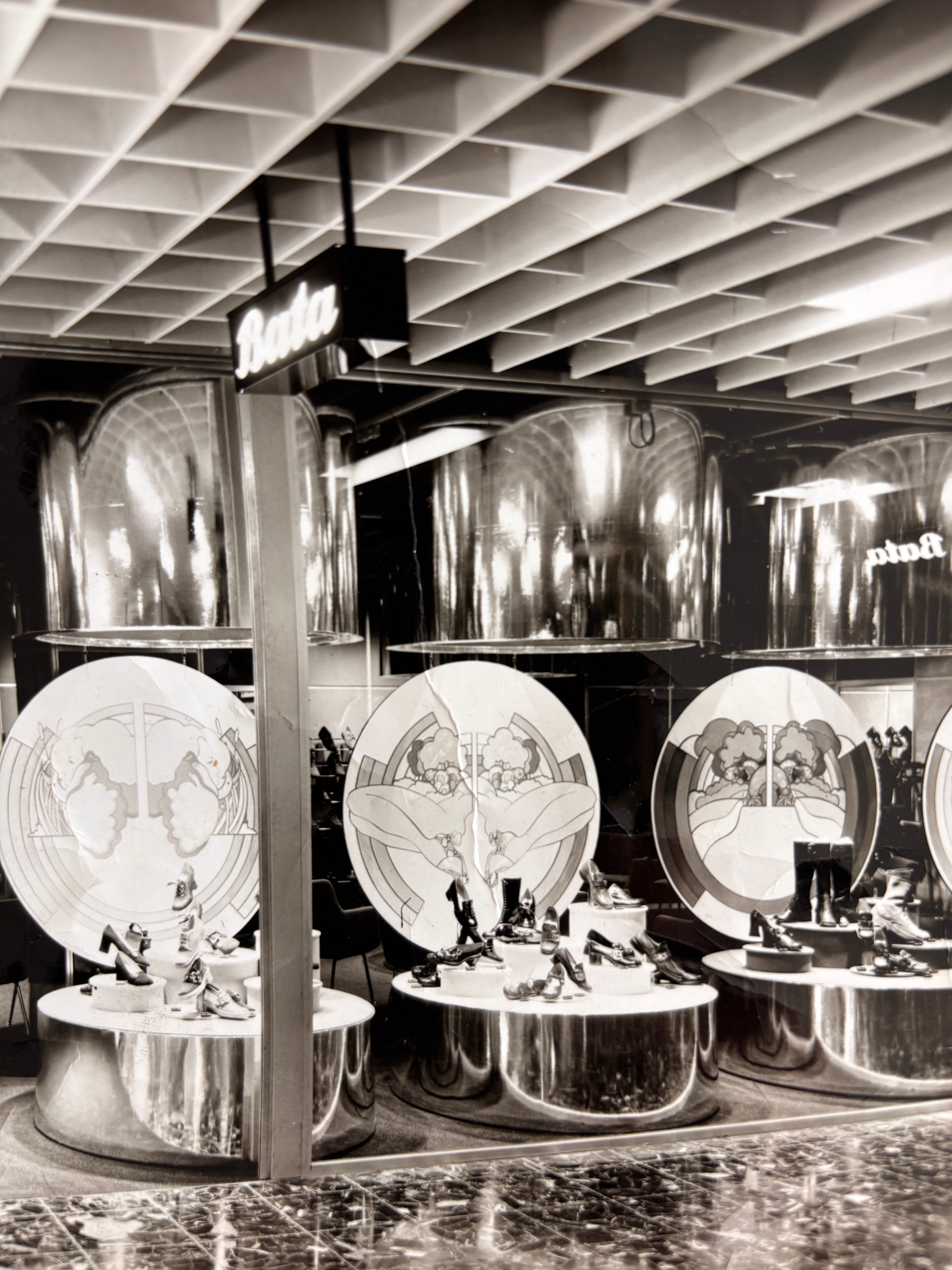
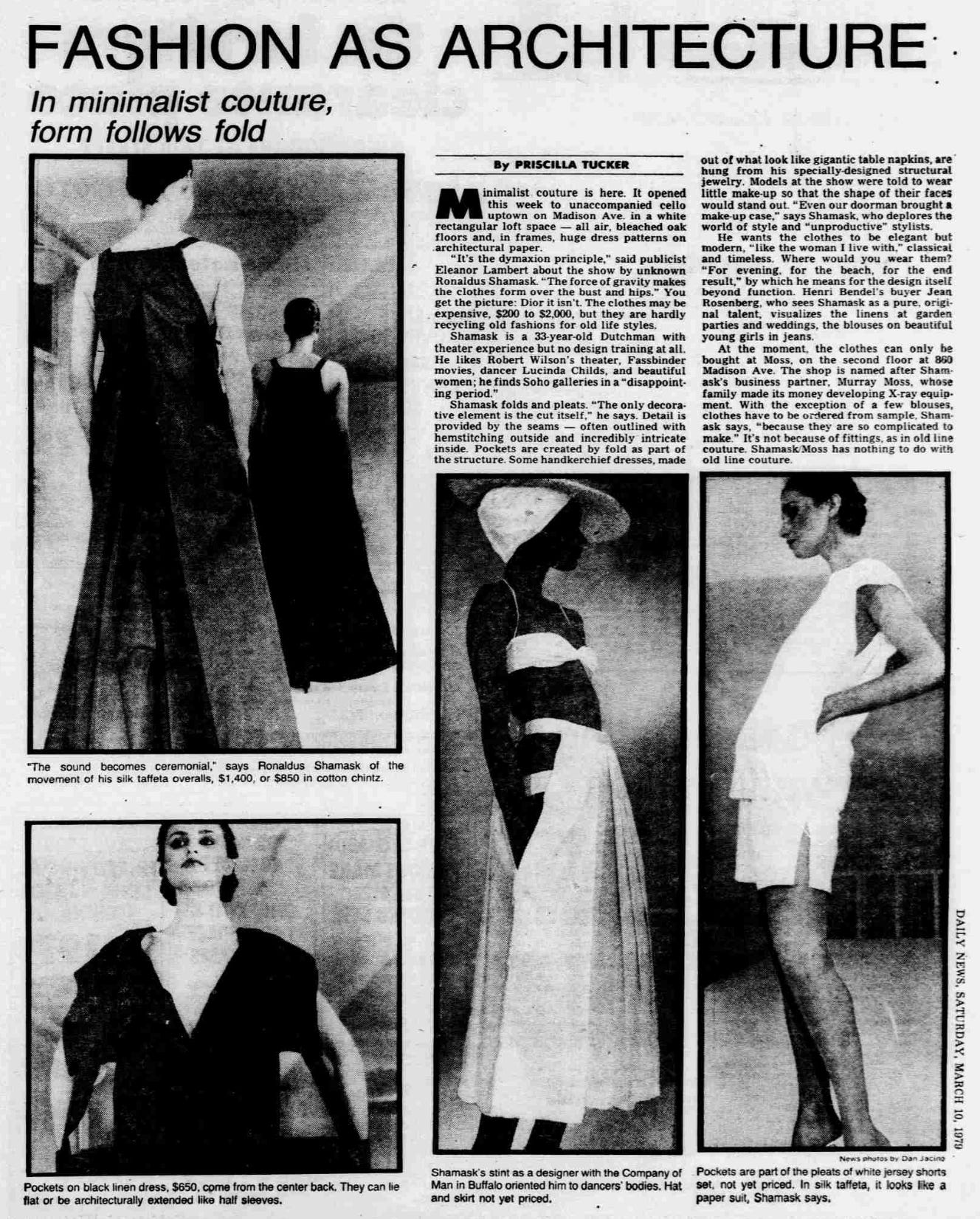
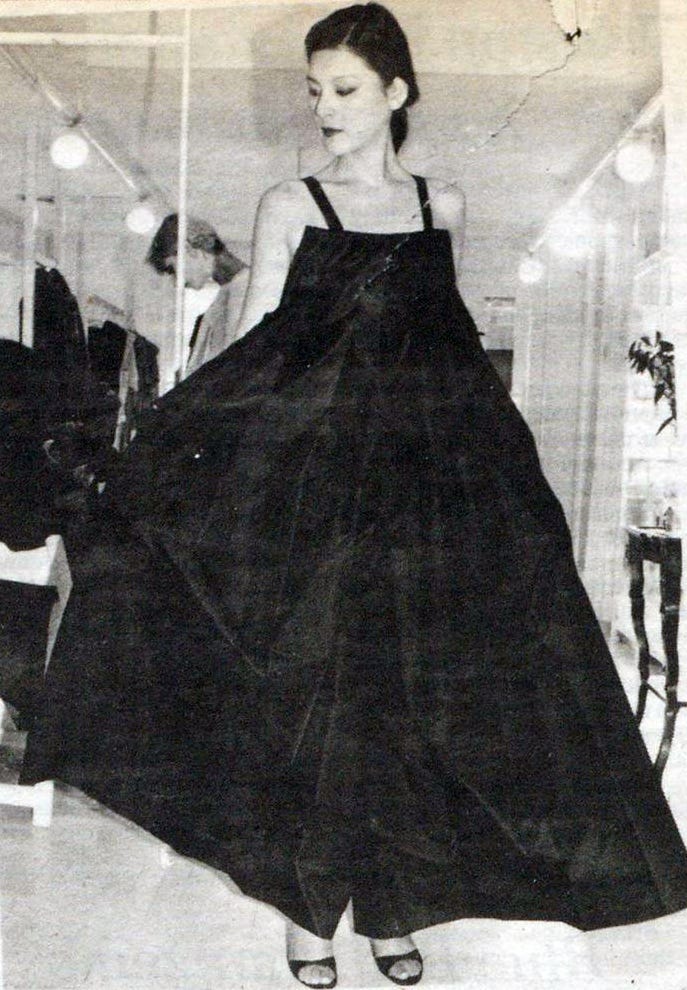
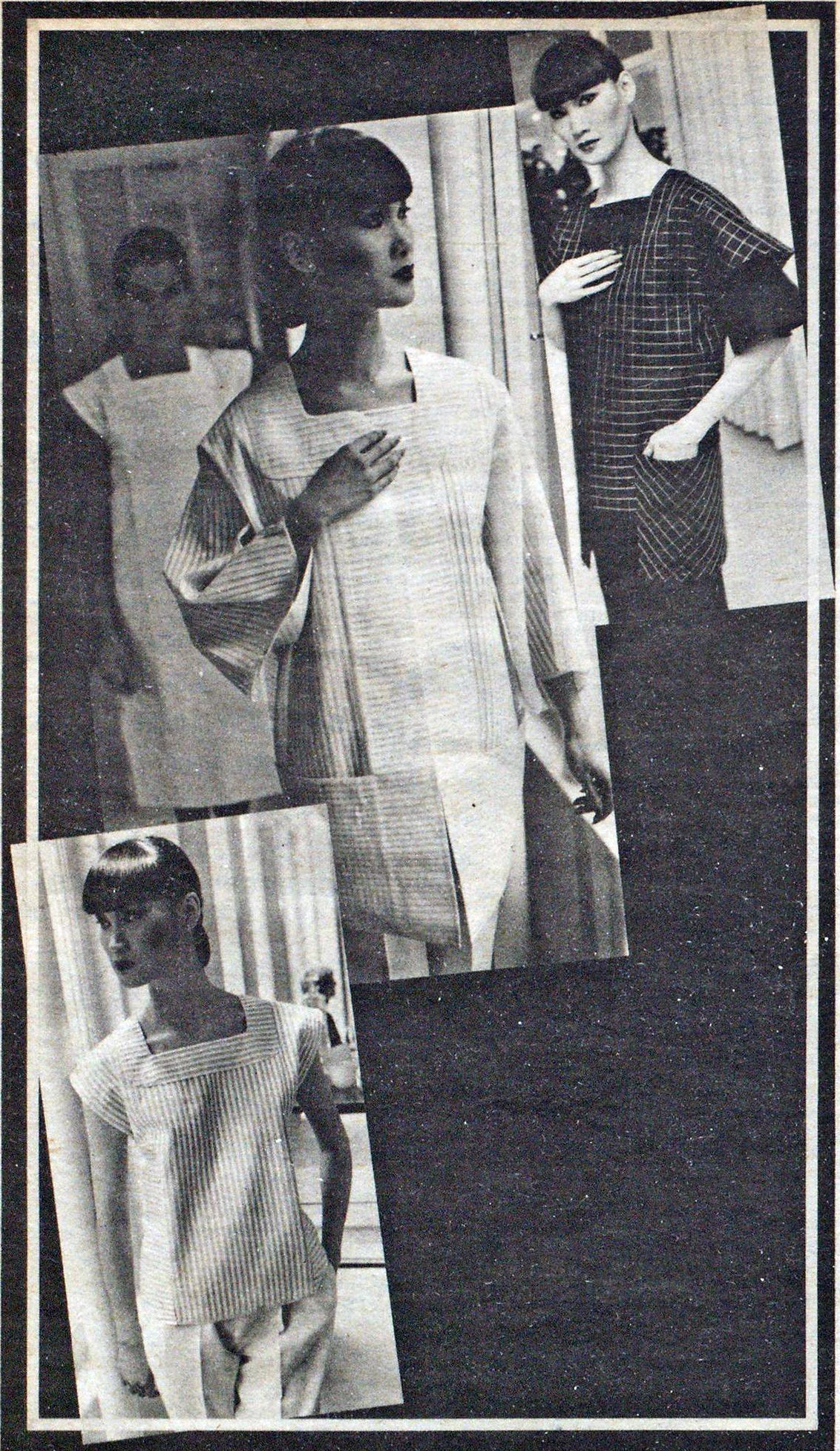
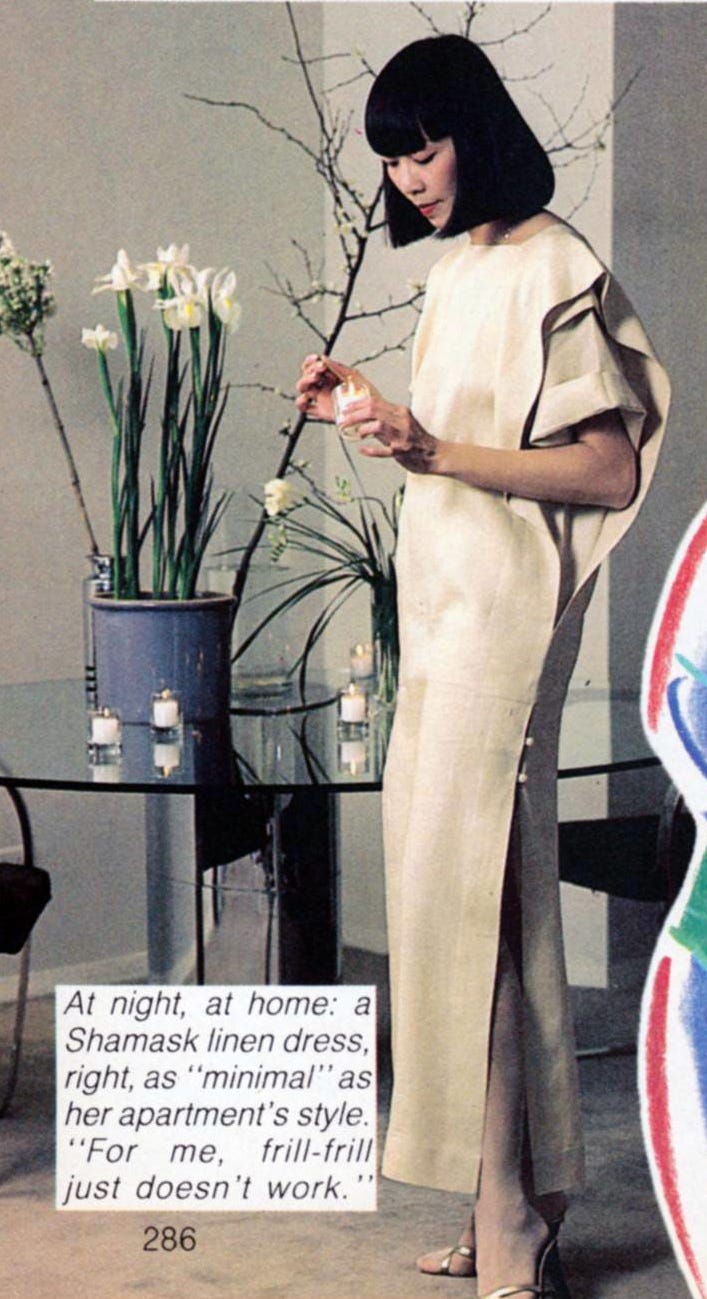
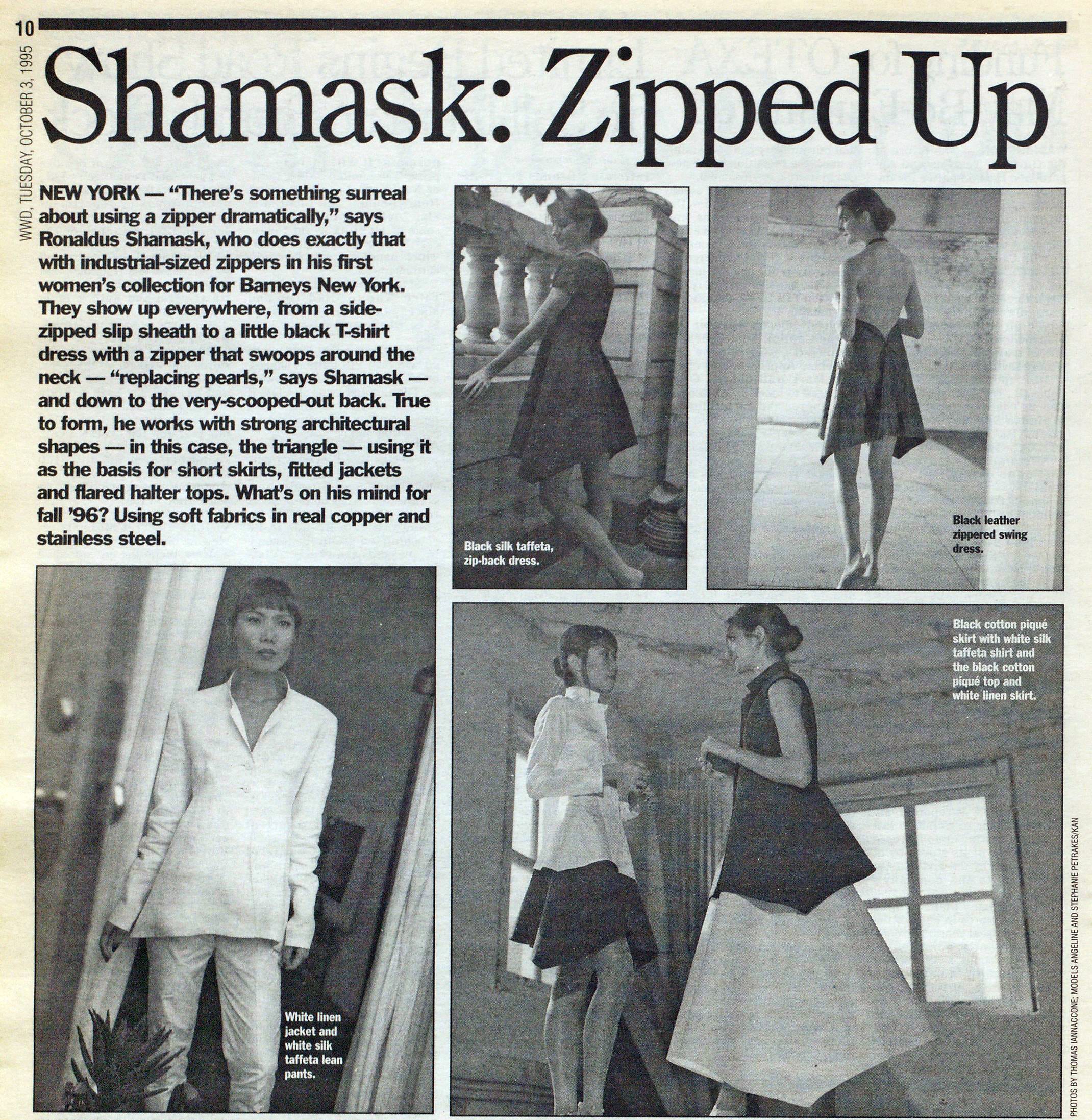
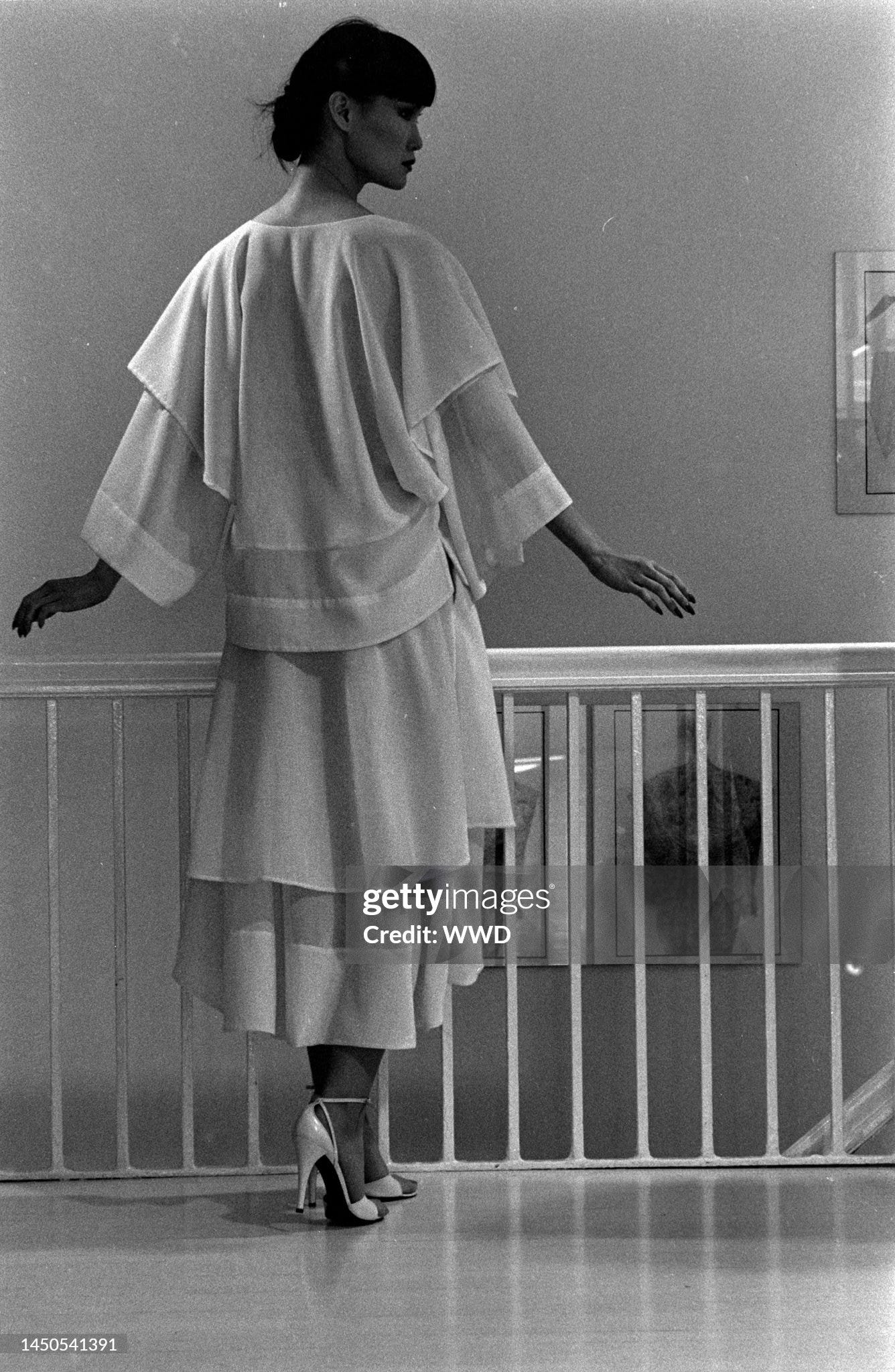
With each new role, Shamask acquired new skills and gained more confidence, all of which led to his entry into the fashion industry. After moving to New York City and taking on some interior design commissions, fashion seemed like the correct next step. With a marked minimalism and simplicity, Shamask eliminated all extraneous details, concentrating on the precision of cut, meticulous construction, and high-quality fabric to shape garments, where the only decoration came from the seams or zipper closures. His 1979 debut collection was described as “intellectually austere.” A profile from the November 1979 issue of GQ described his work thus:
“Still, all of Shamask’s work is beautiful, in the same authoritative, unsentimental way as a kimono or any garment that intimately belongs to a cultural tradition. This is why his clothes look so extraordinarily right at this time: They reflect our Western belief in the kind of progress that presents the future in contemporary terms. Shamask’s clothes are clearly of their time; yet, their fullness and confidence are of the future.”
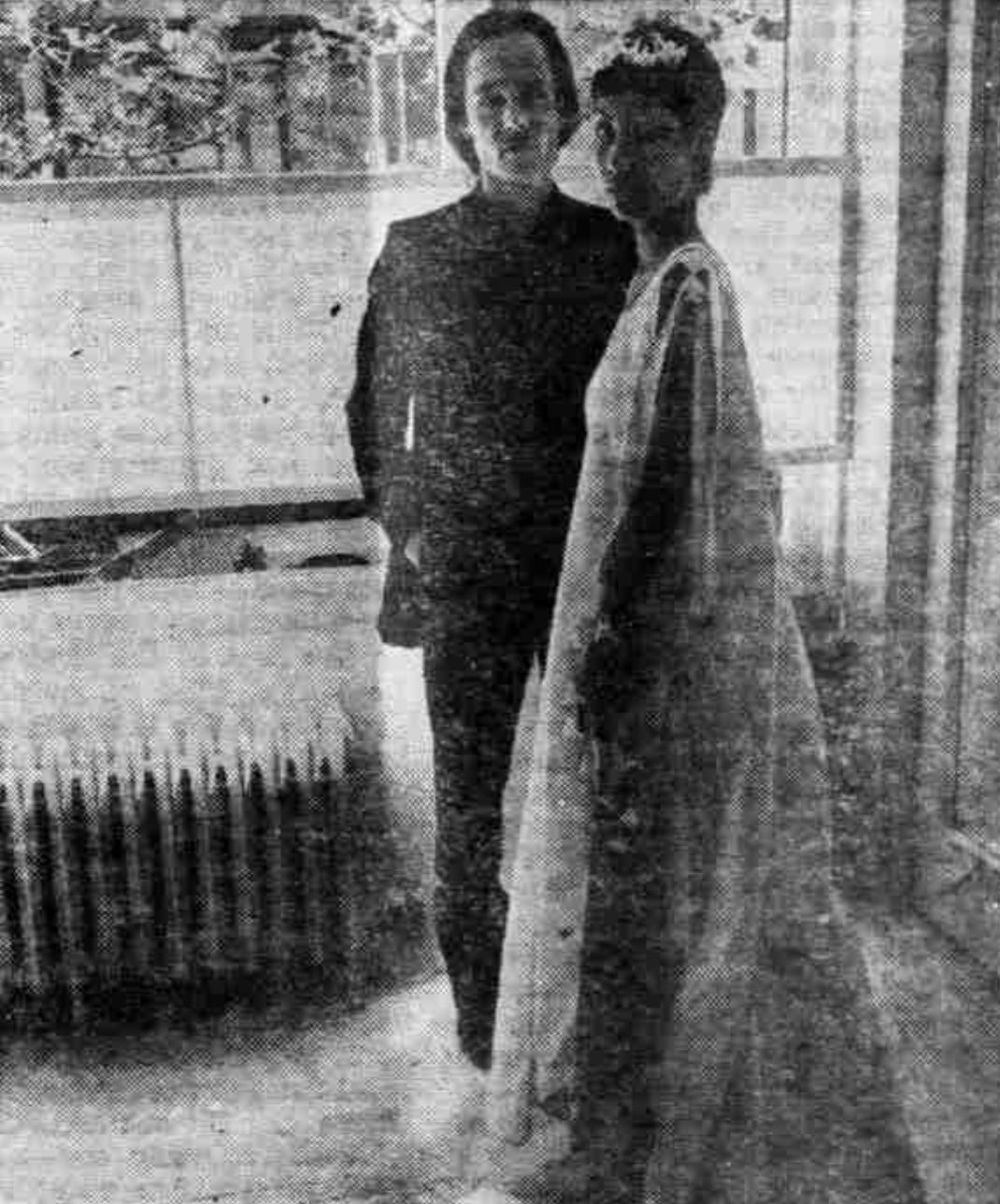
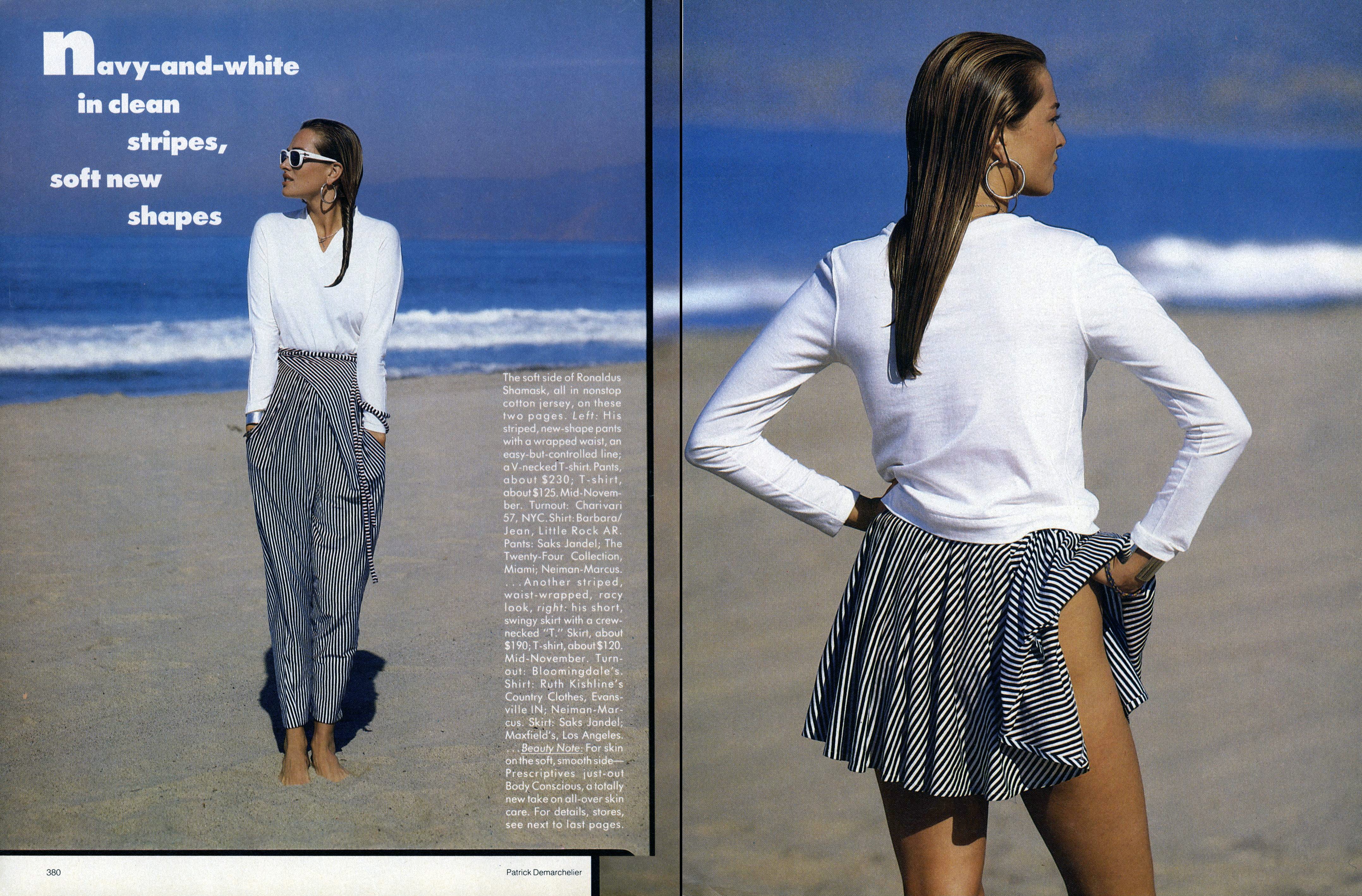
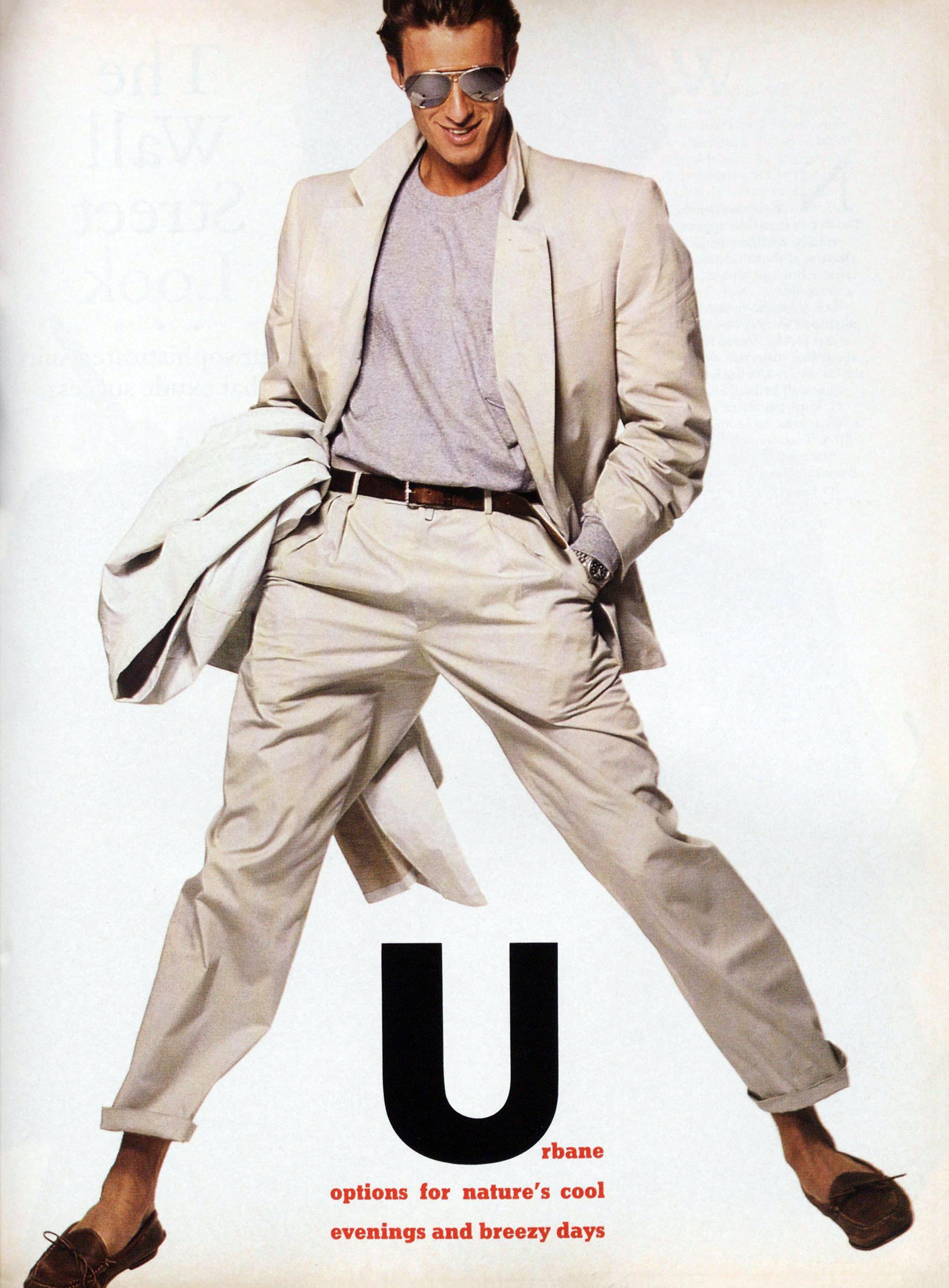
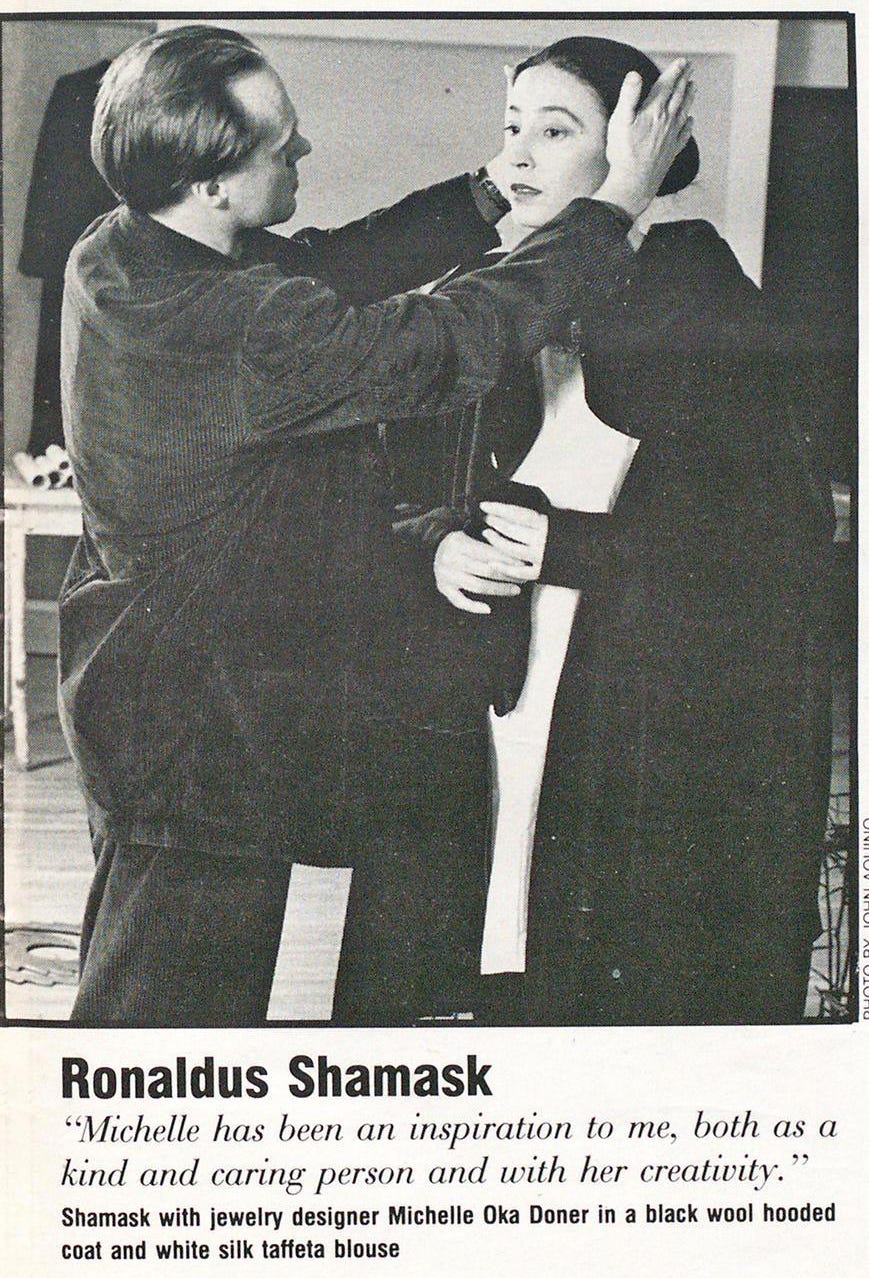
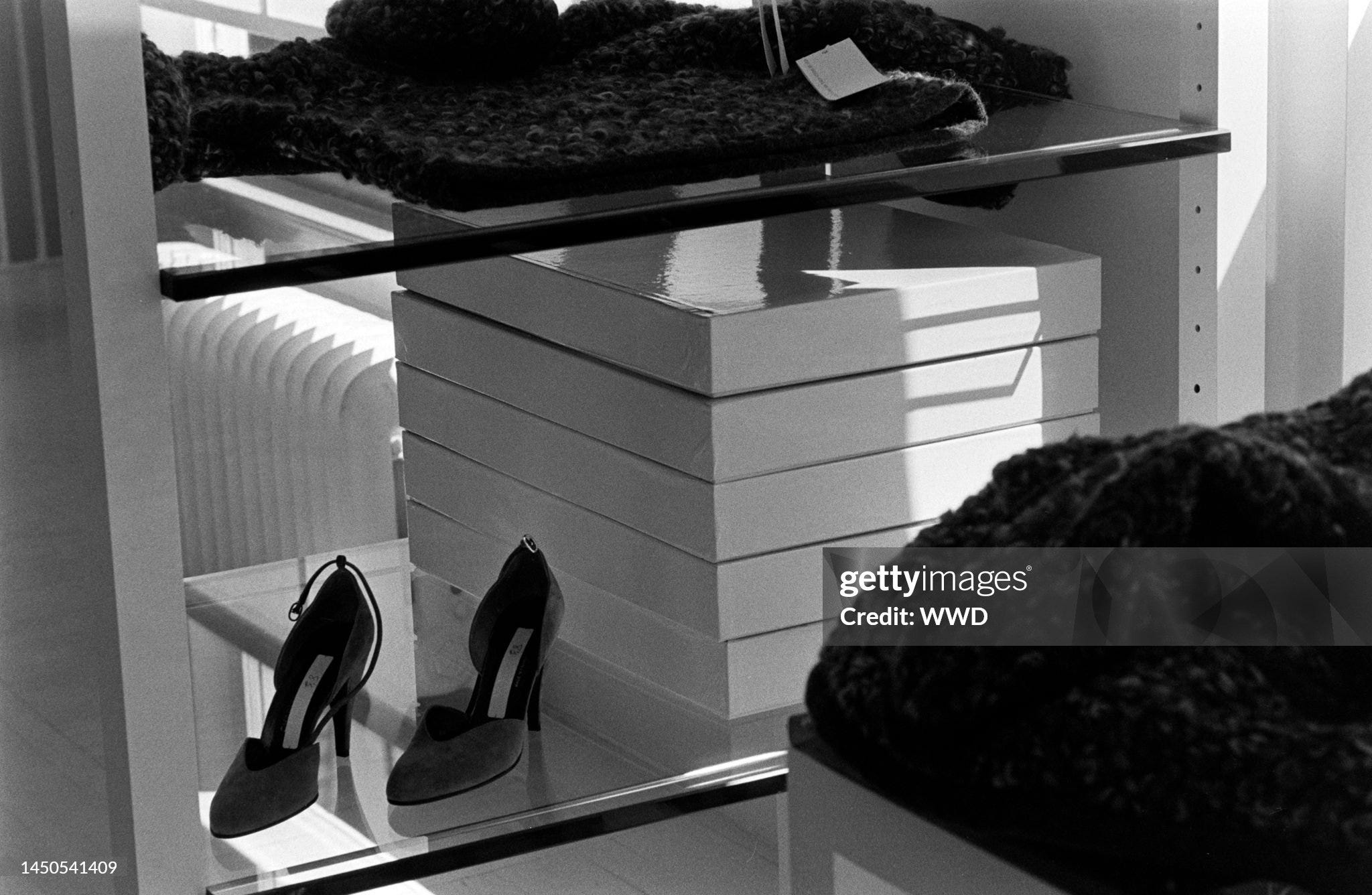
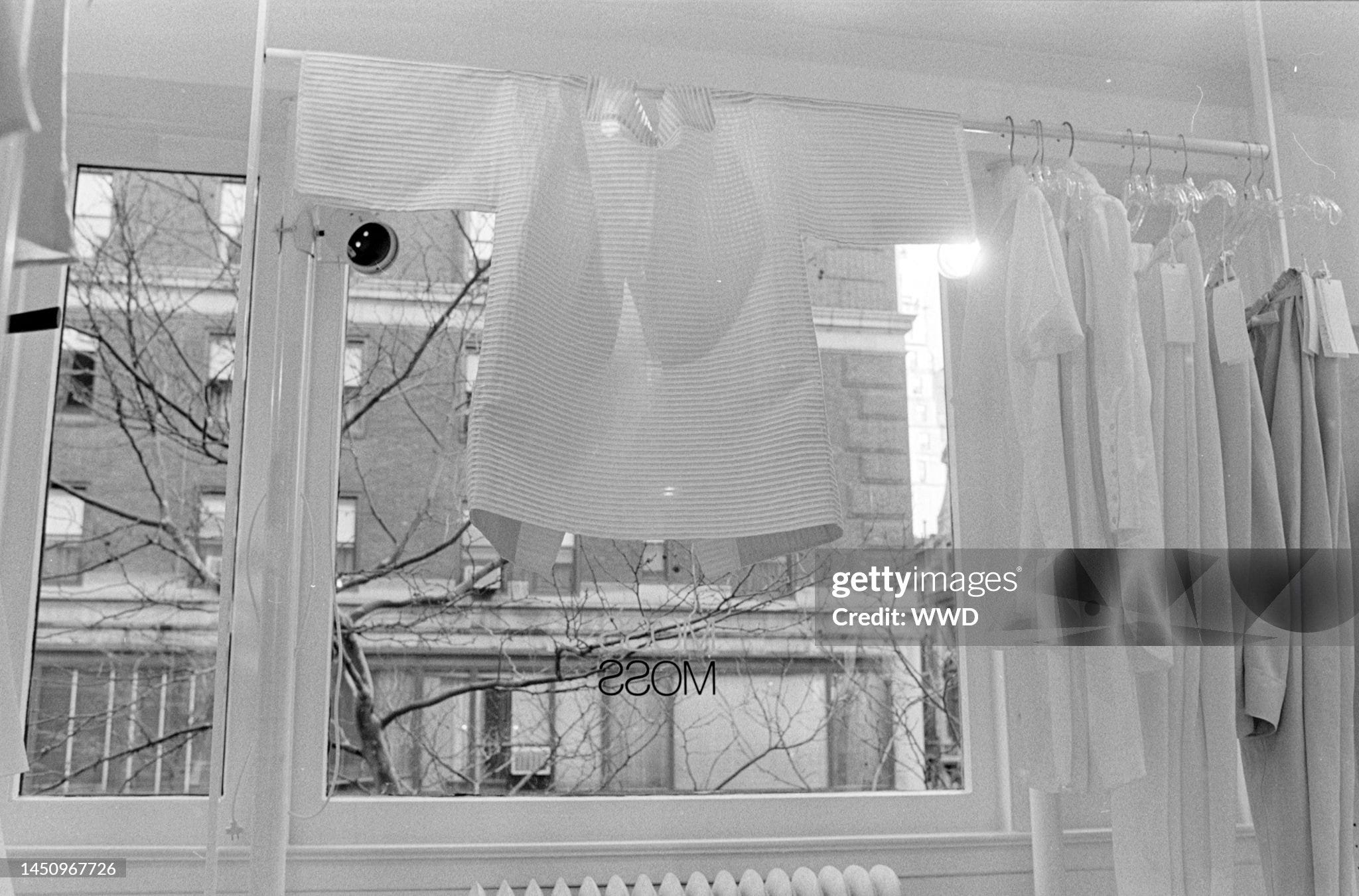
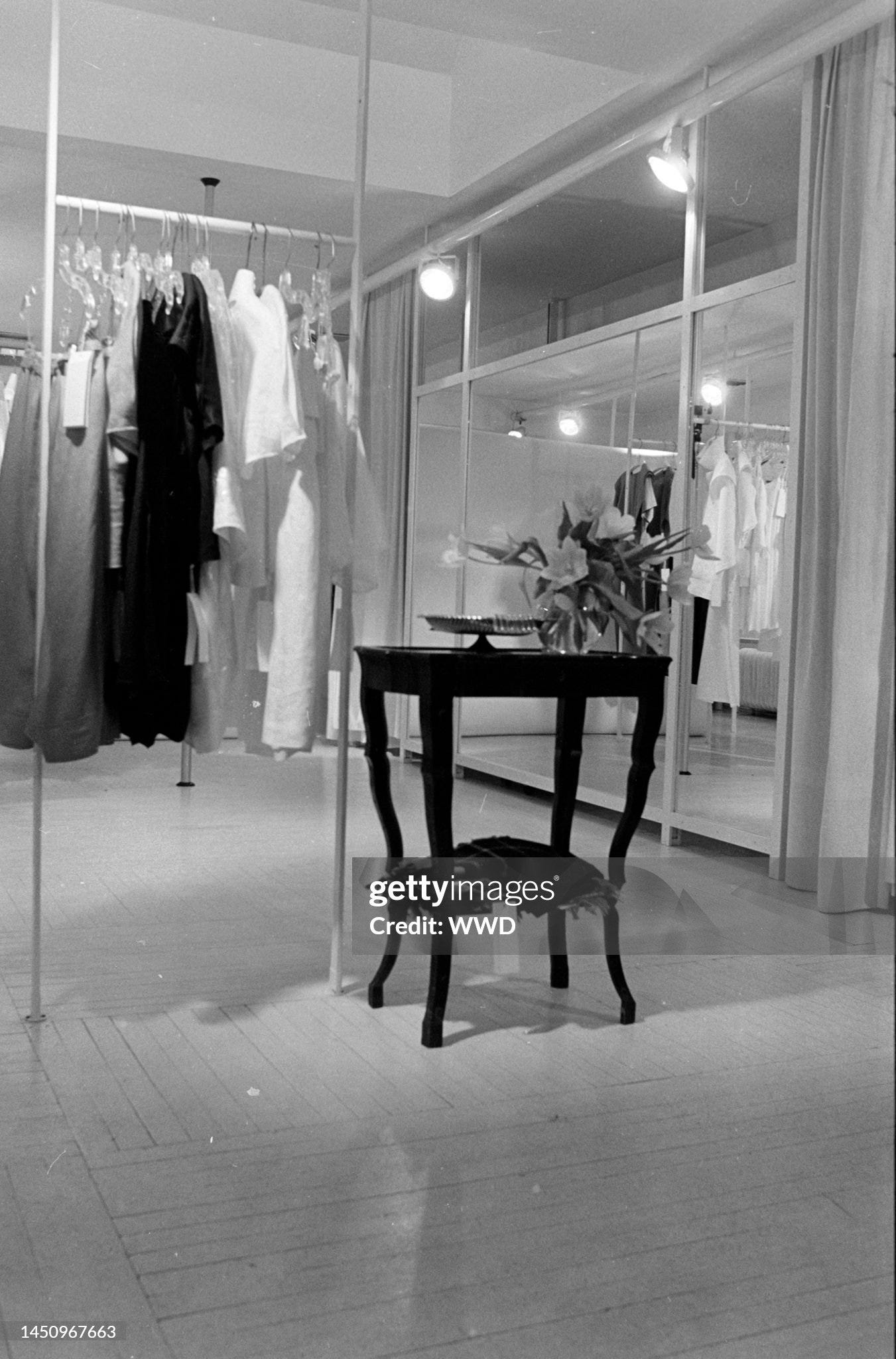
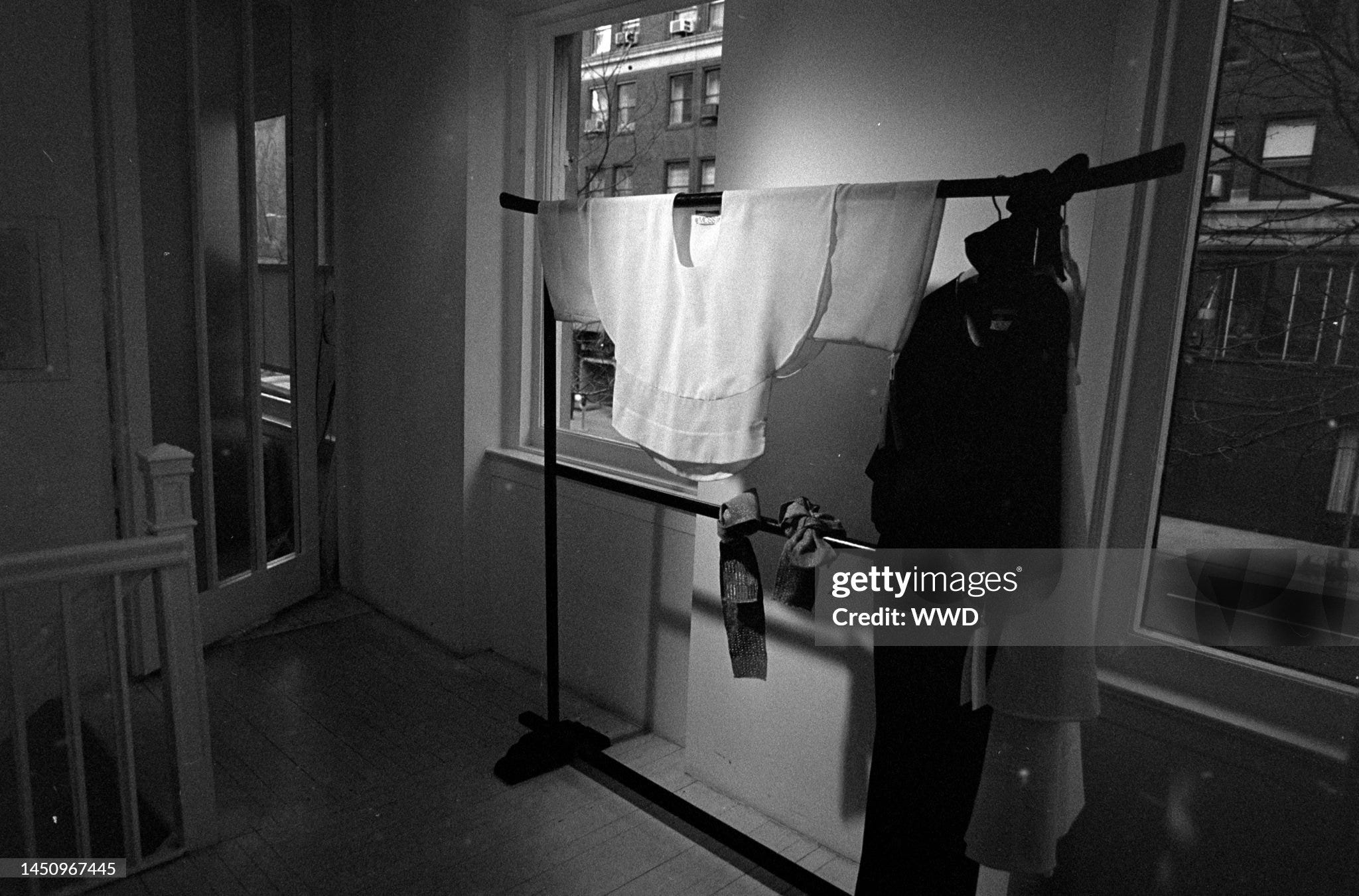
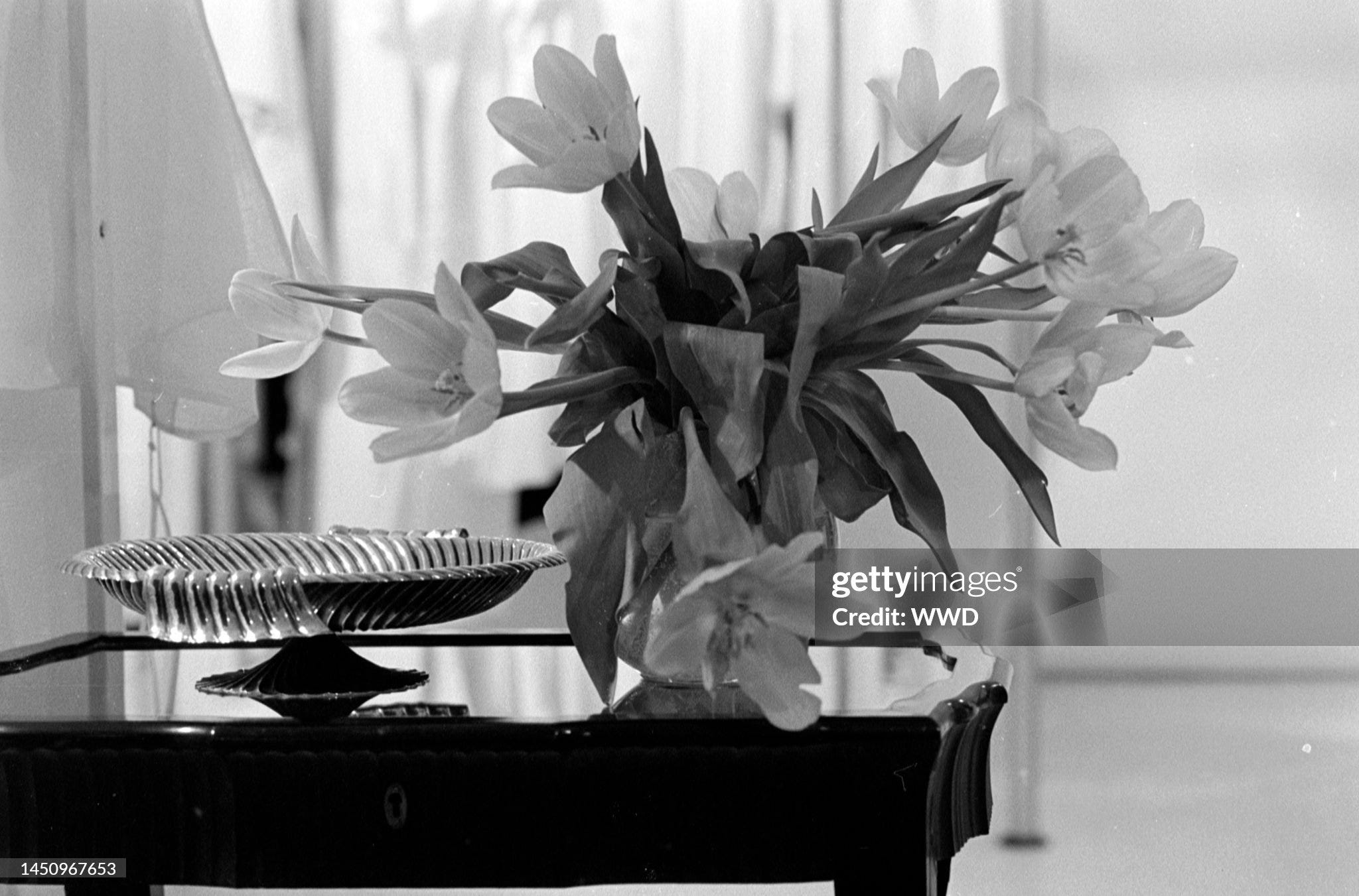
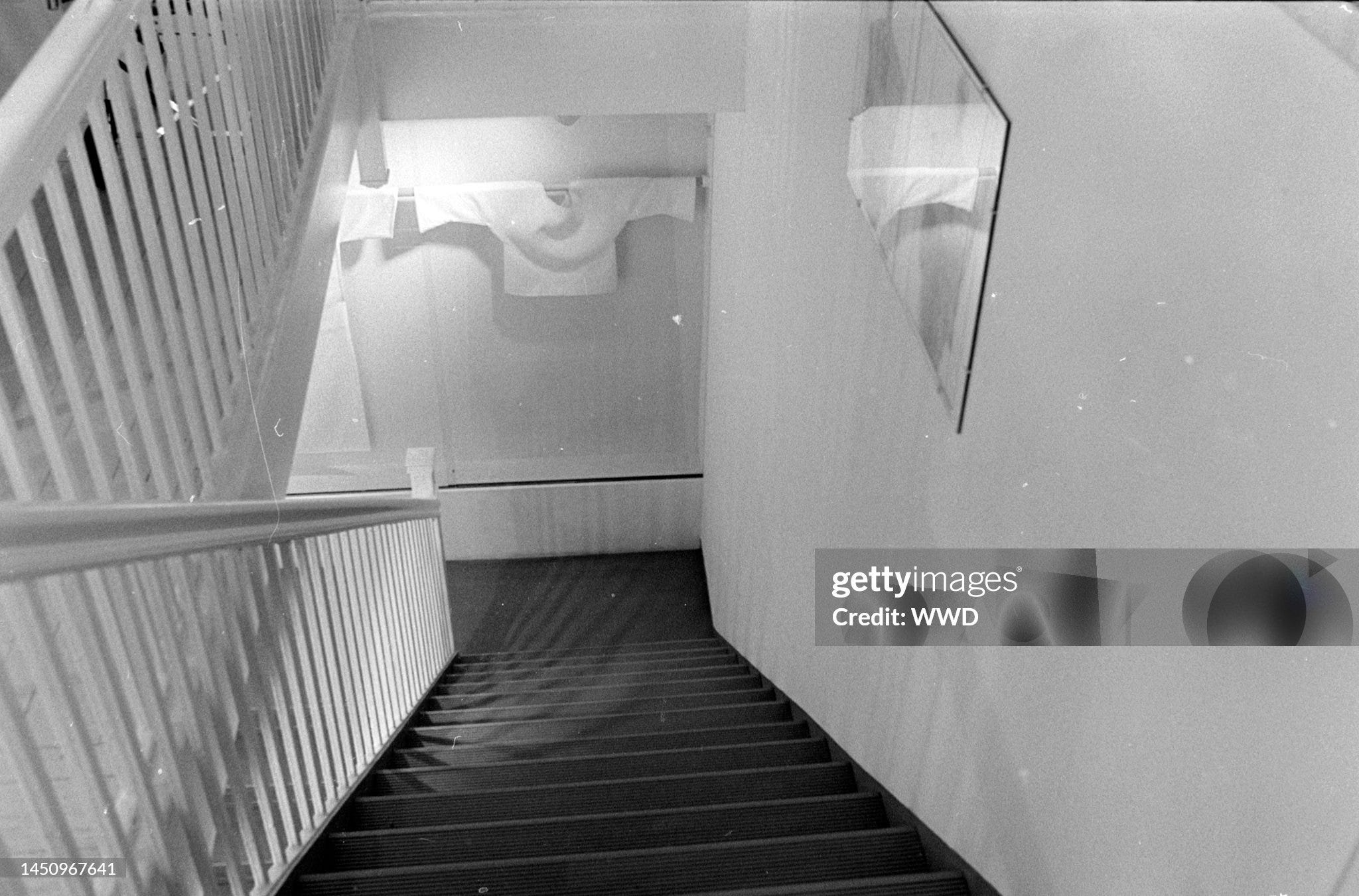
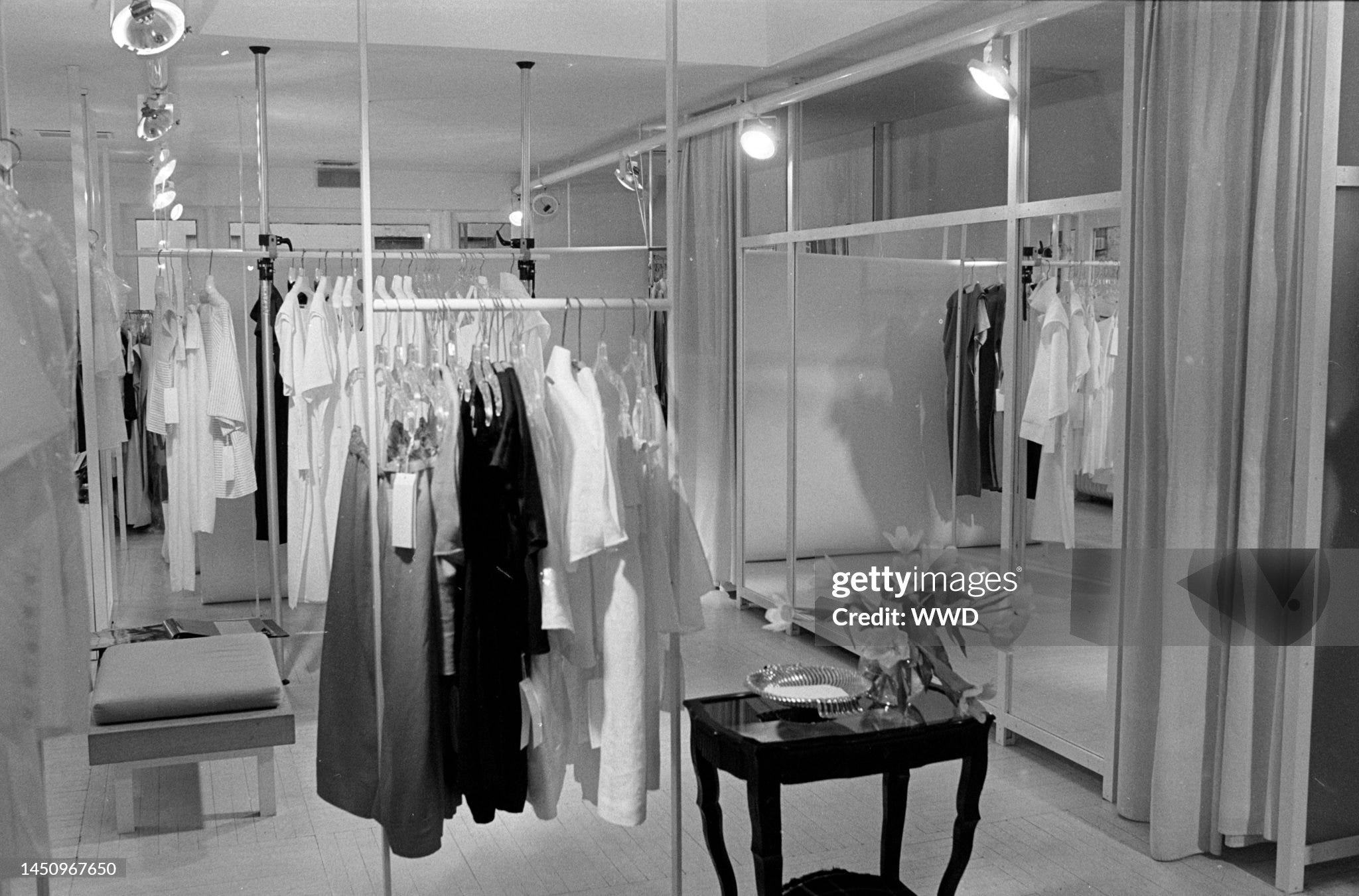
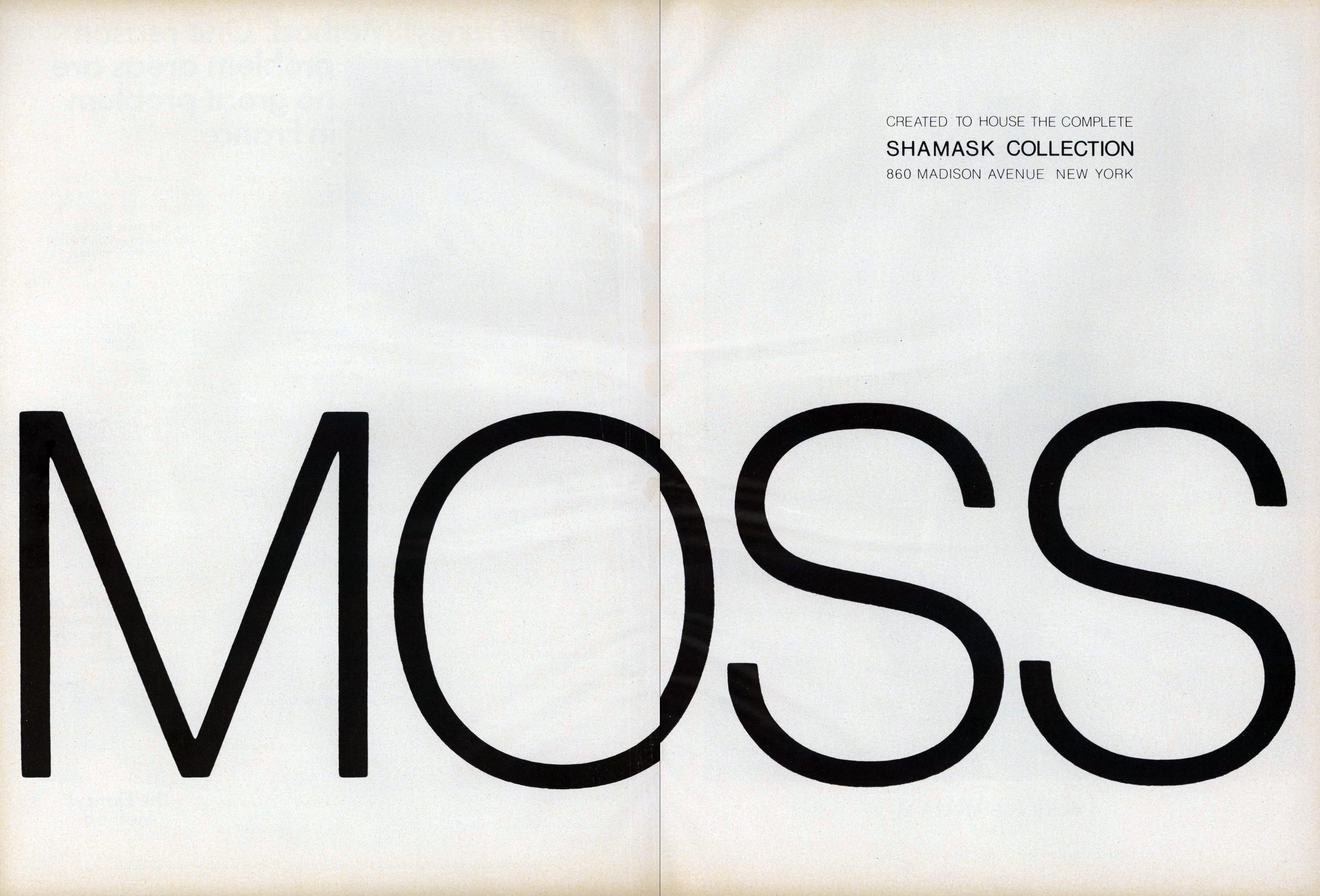
Shamask designed his earlier works using blueprints and techniques he picked up in set design. With the help of master patternmakers, he developed new construction methods unlike those used by most fashion designers and manufacturers, including a Spiral Jacket cut from a single piece of fabric and featuring a continuously curving seam that mimics a lemon peel. Ron’s designs naturally appealed, and still appeal, to intellectual women, who flocked to the Upper East Side all-white boutique he opened with his first business partner, Murray Moss (scroll down to the bottom see a bunch of images). Though he entered the fashion industry as an outsider, Shamask soon found himself among its most celebrated. His designs became common features in the top fashion magazines, with the line wholesaled to the nation’s top stores. He added menswear to his oeuvre in the mid-1980s, which proved equally successful.
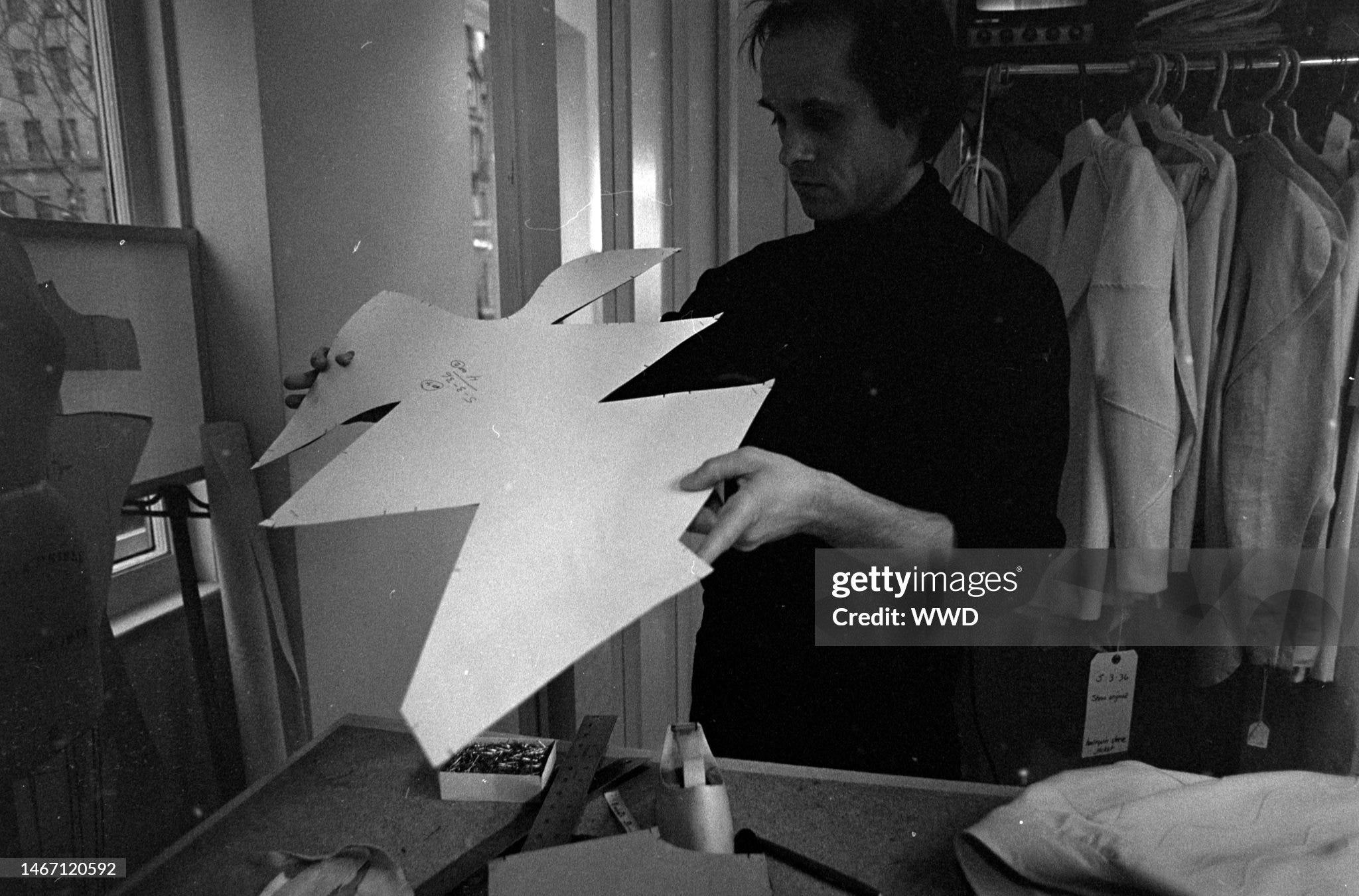
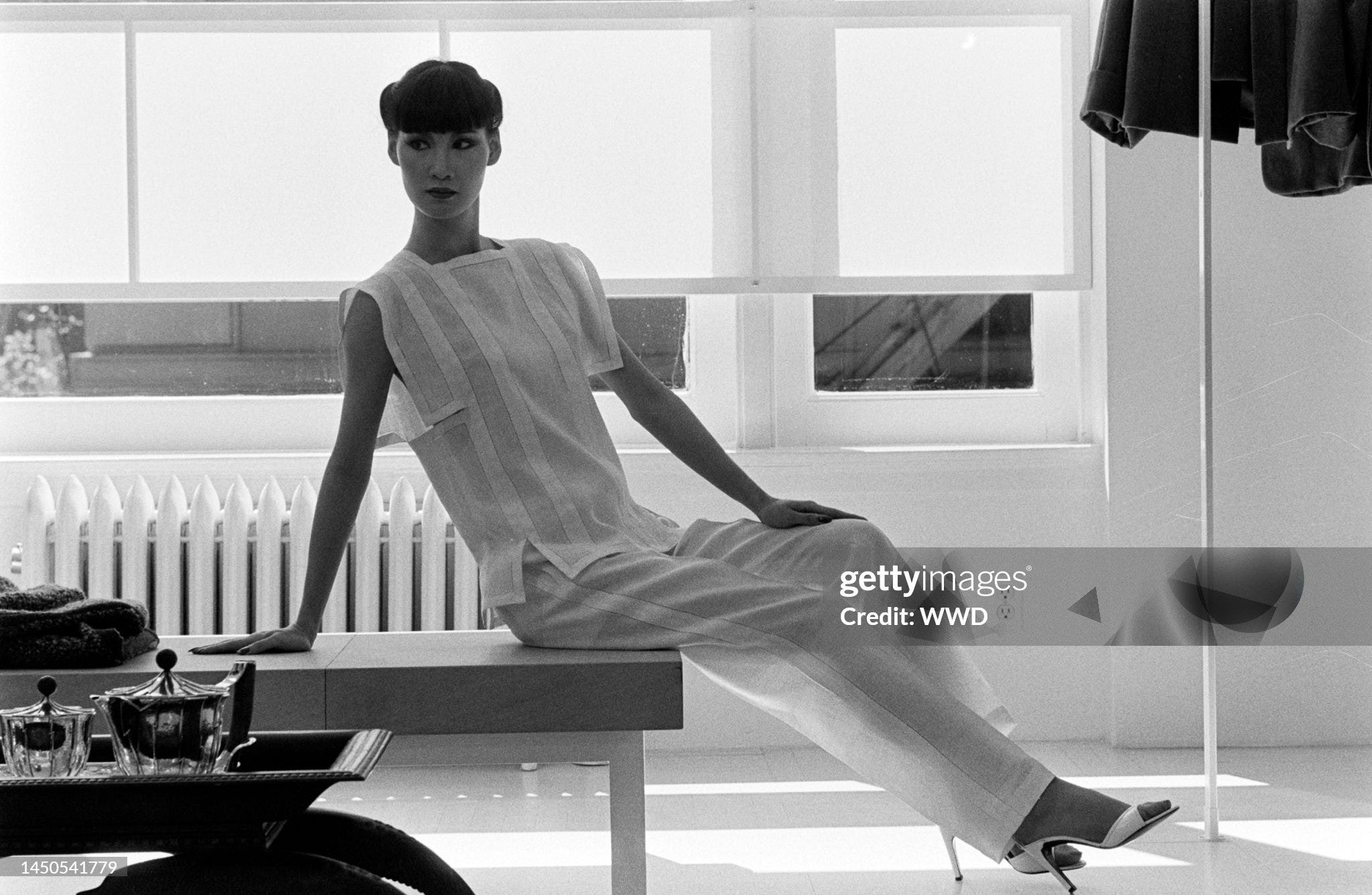
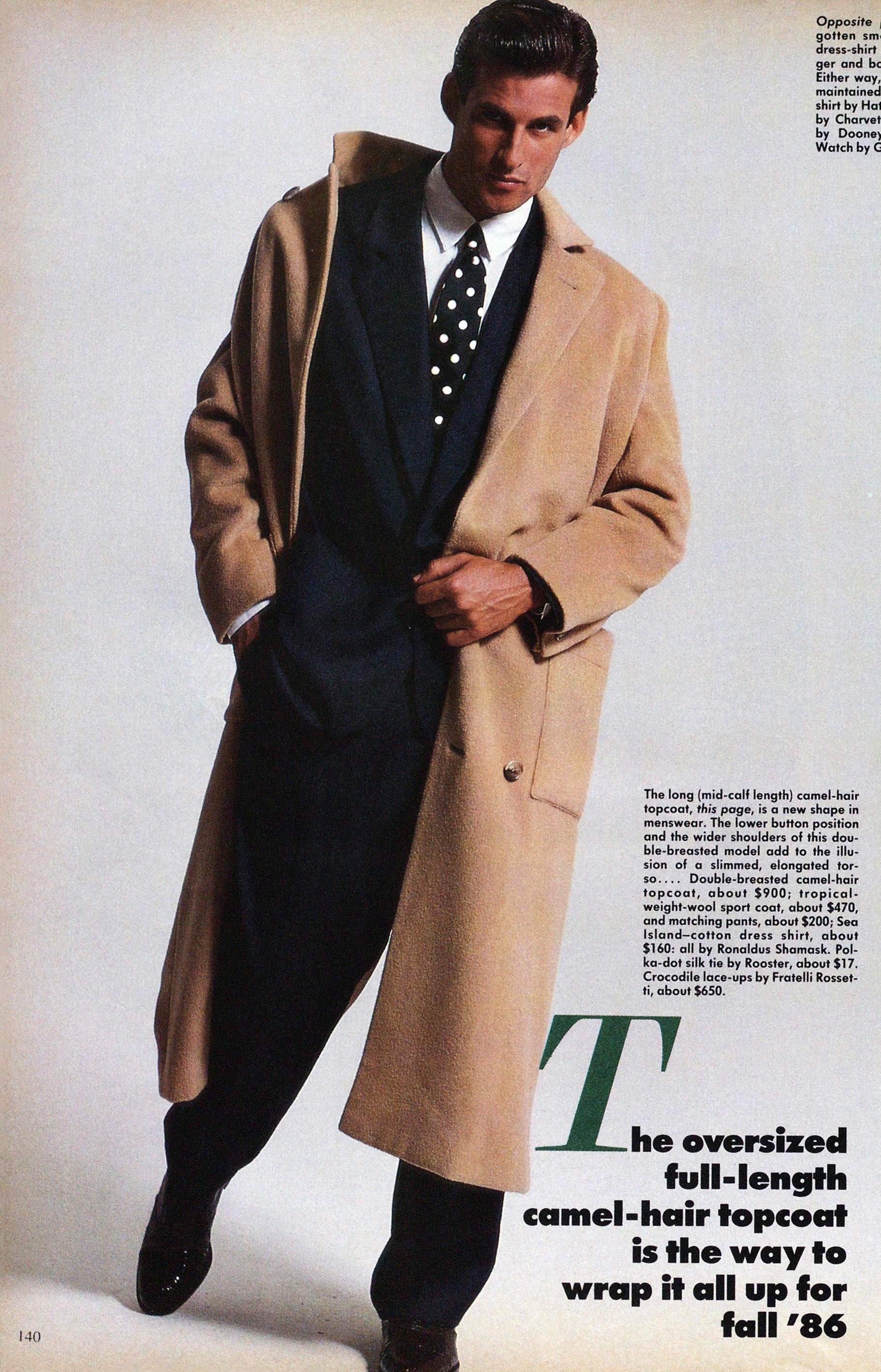
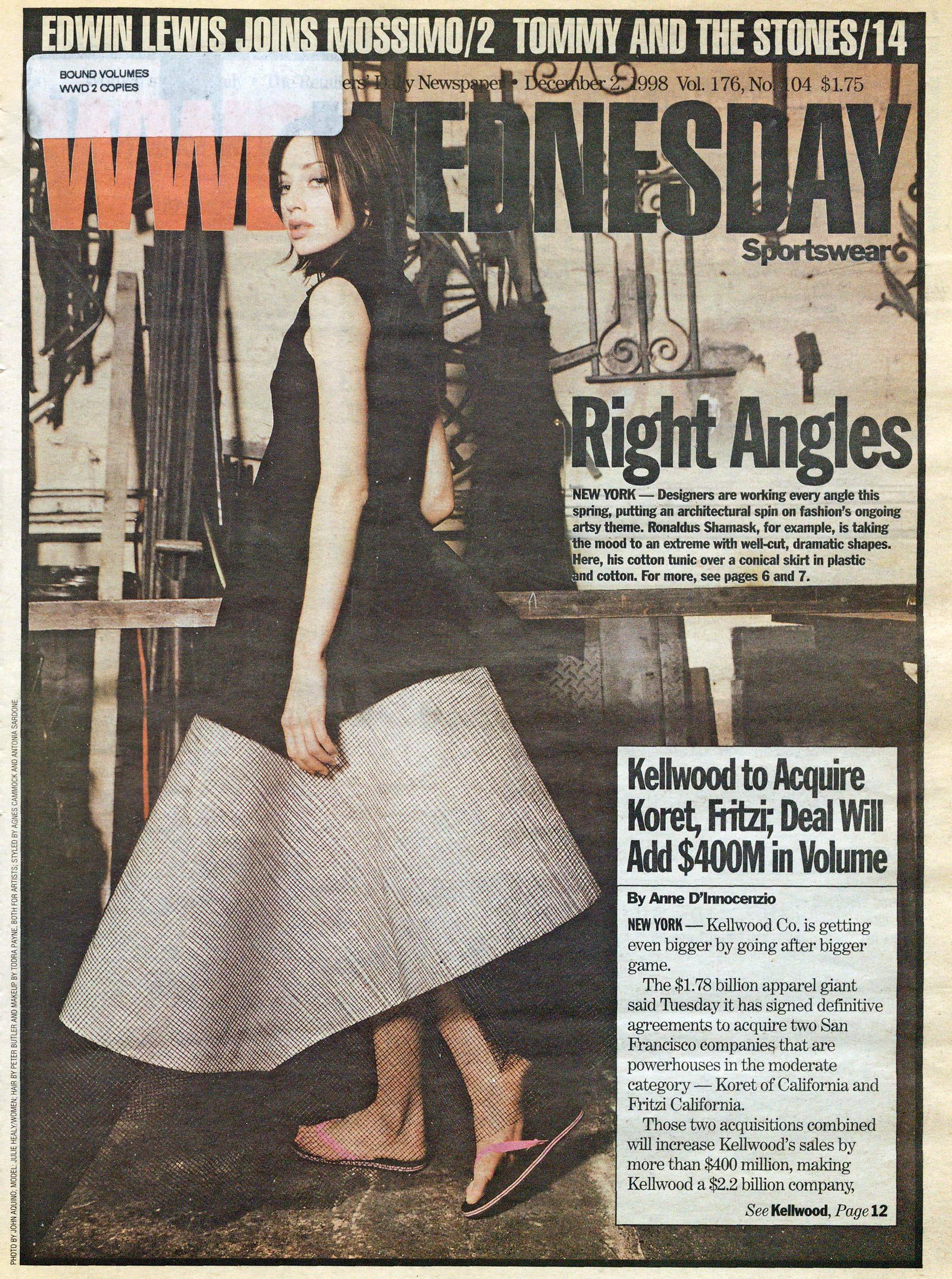
In 1989, Murray Moss and Shamask ended their business relationship. While Shamask went on to sign several licensing agreements the following year, for much of the 1990s, he stepped back from the outward aspects of fashion, like runway shows and ad campaigns, before returning to NYFW in 1998. Throughout, he continued to produce beautiful clothes for his clients, whether creating made-to-order designs, producing small wholesale collections, or designing lines for Barneys New York, while also maintaining a sideline collaborating with some of the top choreographers of the age, costuming the likes of Mikhail Baryshnikov and Lucinda Childs. Marriage and a daughter provided a grounding counterpoint to the ups and downs of the fashion industry.
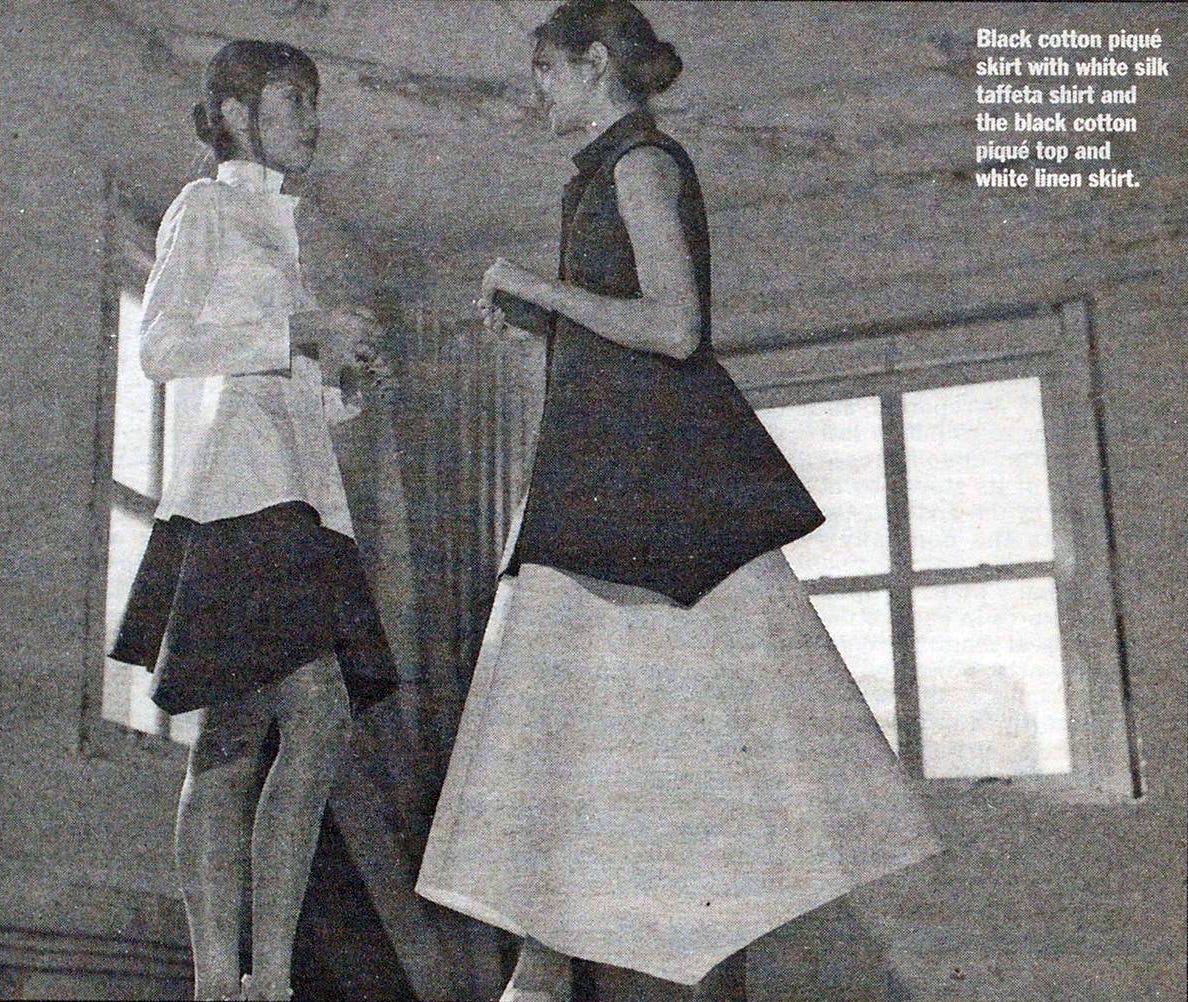
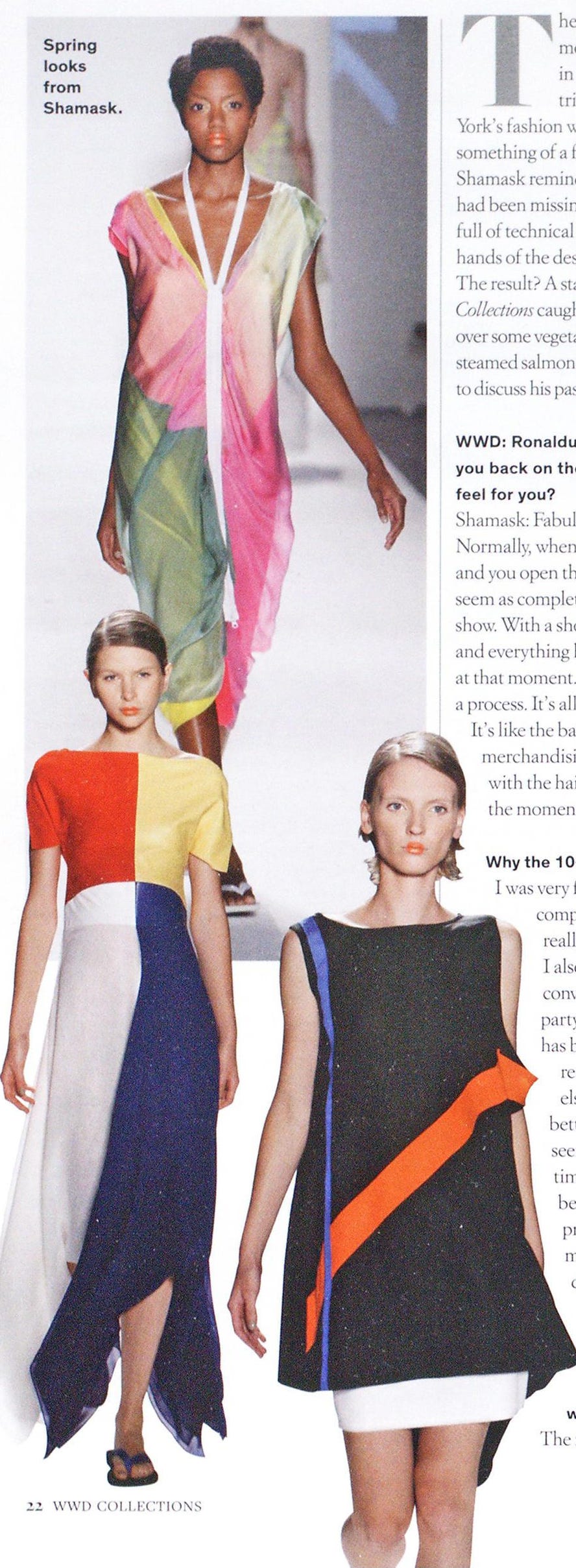
Whenever Shamask the brand has publicly reemerged, at New York Fashion Week in 2011 or a retrospective exhibition at the Philadelphia Museum of Art in 2012, there has been much fanfare, with everyone in the fashion industry gleeful at the return of a true master of artful minimalism. His designs are both highly collectible and very wearable, seeming to exist outside of trends or a particular fashion moment.
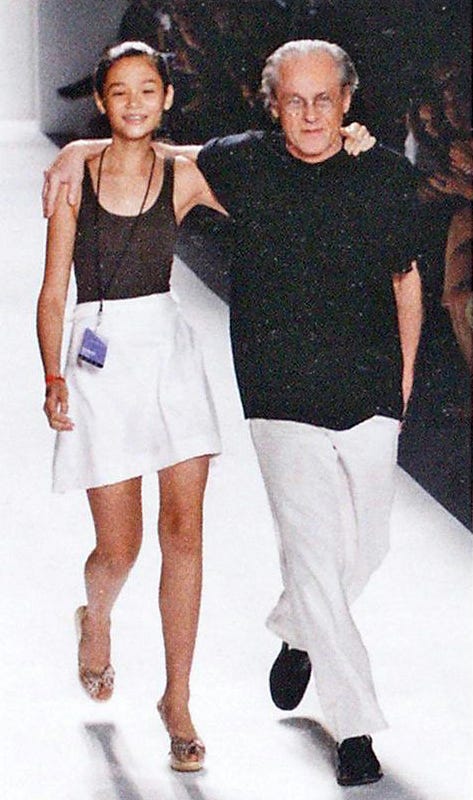
I first reached out to Ron in 2021, though I had been interested in speaking with him for at least a decade prior. It was so wonderful to finally meet with him and learn so much about his career and life. Our conversation covers all of this and more: his design approach and philosophy, his influences and collaborators, his other projects, and memories of the fashion world in the 1980s and 1990s.
Comments
Nothing yet. Say the first thing.
Sign in to join the conversation.