
Often, in my conversations with museum professionals, auctioneers, dealers, and fellow vintage enthusiasts, the topic of how the popularization of wearing vintage clothing has driven prices soaring, particularly in the auction market, arises. As celebrities try to top each other with rare archival pieces on the red carpet, the uber-wealthy have taken to purchasing vintage haute couture almost in bulk, competing with and outbidding museums for the rarest of ensembles. When I interviewed auctioneer Kerry Taylor last year, she spoke of how, “Sometimes we get world records because you get a really feisty woman, and she’s not giving into that museum, no way, and the museum’s not giving into the feisty woman, so it makes for very exciting auctions” (a few weeks ago, Kerry Taylor Auctions set a new world record for Martin Margiela, selling a pair of graffitied Tabi boots for €364,000). The high demand and immense prices are often presented as a new phenomenon—that the market slowly grew over twenty-five years to explode recently—and while that is correct in terms of high bids and the number of bidders, these complaints are nothing new. Below, I share an article from 1978, griping about the very same things: high prices, private collectors outbidding museums, and an overall increase in interest and acceptance of wearing vintage. Published in the British fashion magazine Harpers and Queen, under the fashion editorship of Min Hogg (who went on to found The World of Interiors in 1981), this piece airs out the passions and collecting habits of a set of English ladies enamored with Fortuny dresses, Balenciaga gowns, Chanel suits, and 19th-century Worth coats.
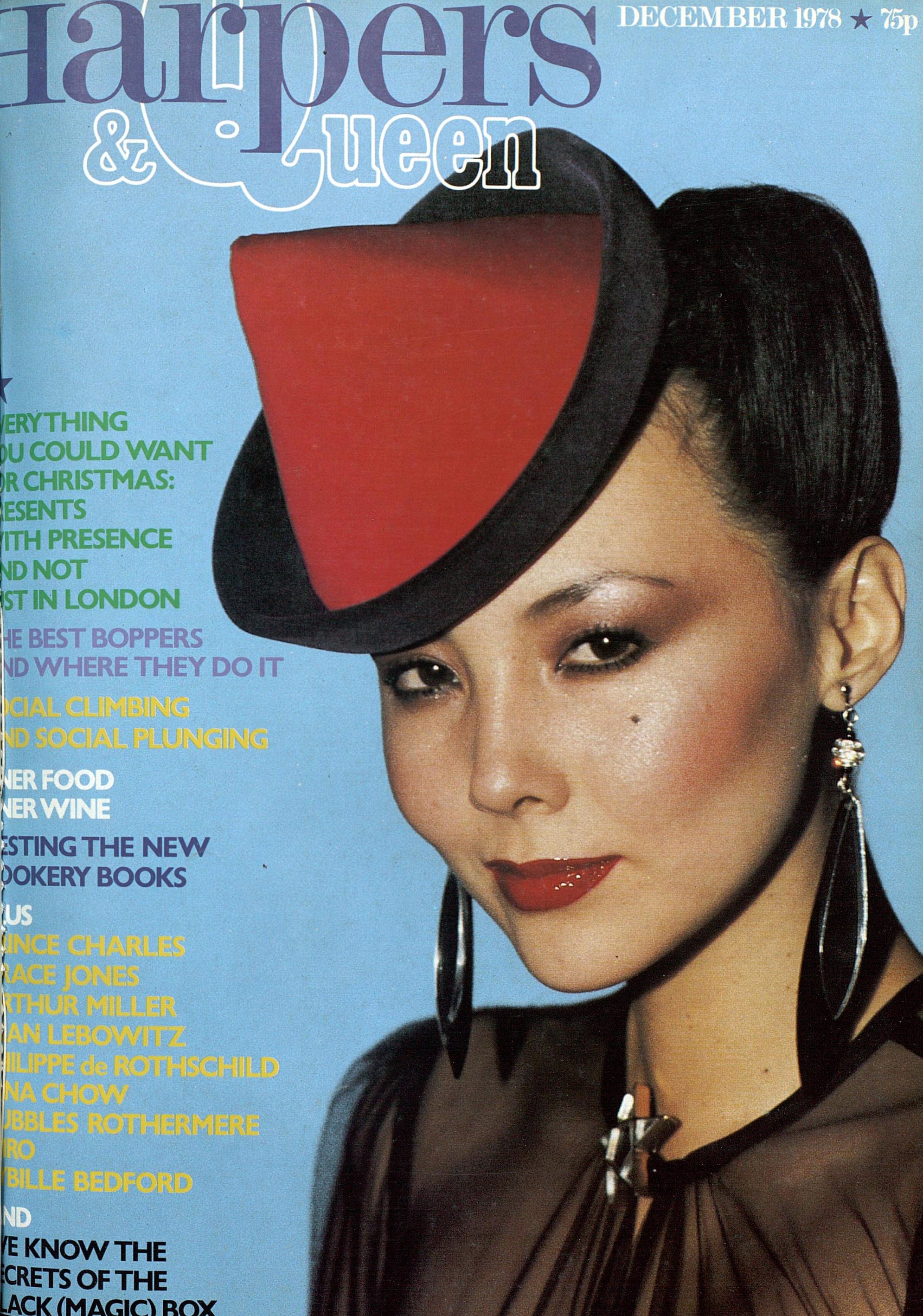
Almost fifty years later, we’ve found ourselves in the place that journalist Iain Finlayson thought we were then, at a peak of collecting and value, likely little imagining quite how high everything could go, especially since so much that makes waves at auction and on the red carpet had yet to be designed in 1978. Finlayson interviews specialists and collectors, piecing together the draw of vintage. Of course, it wasn’t called vintage then; he describes them as “period clothes” and the practice as “clothes collecting.” Central to this conversation is Victoria & Albert costume curator, Madeleine Ginsburg, who was instrumental in setting up the Costume Society, “to help to bring collectors and museum people together, to learn about what people were collecting. It is important not to collect rubbish, and to learn how to look after acquisitions. I’m all for conservation, but you have to be intelligent about what you keep otherwise you just end up as a rag collector.” While she championed the museum collecting contemporary ready-to-wear, in addition to the finest of haute couture, others interviewed in the article were less sure about their value; then-Christie’s costume auctioneer Susie Mayer remarked, “Modern things tend to wear out and fall to pieces more readily than traditional haute couture. If you keep the garments in good condition, they will certainly be interesting. I don’t think one can yet talk about investment value.” From our viewpoint half a century later, the appeal and salability of 1970s ready-to-wear is clear; if you invested in some of the labels mentioned in the “Future collector’s items” section in 1978—Bill Gibb, Karl Lagerfeld, Ossie Clark, Thea Porter—you would find those investments well-made.
This article is very much of the period, emphasizing the eccentricity of vintage collectors as “fetishists” in a way that feels disparaging. But for every fetishist and “fashion freak,” there are descriptions of intelligent, stylish collectors, like icon of vintage glamour Tina Chow, as well as tales of abandoned Vuitton trunks filled to the brim with 1930s haute couture that are sure to have any reader’s heart pounding with jealousy.
I’ve included the numerous sidebars that accompanied the original article. The list of “What to Collect” is an amusing, interesting read, particularly in places of prescience. Charles James had passed away in relative obscurity a mere three months before publication, but Finlayson and the editors wrote of him, “A genius not wholly appreciated in his lifetime—but wait for it. Posthumous fame more than likely.” His Metropolitan Museum of Art/Costume Institute retrospective, “Charles James: Beyond Fashion,” codified his genius in 2014. Other sidebars name the most stylish collectors/wearers of the moment, the best places to buy vintage in 1978, along with where to research vintage fashion, most of which still exist as great offline resources in London and the UK today. To top it all off, there are some wonderful images of collectors in their pieces, with photos by Clive Arrowsmith and fashion illustrations by Angela Landels.
Comments
Nothing yet. Say the first thing.
Sign in to join the conversation.