
The lilacs are long gone, now brown husks where the loveliest lavender once burst forth. They only bloom for two weeks at most, ten-to-fourteen days, I read. The shortest shoulder season slipped between spring and summer.
We have two groves in our yard: one at the edge of the driveway, one framing the front door. The farther bushes bloom first, then the fragrant door posts, standing like sentinels at entrances.
Every May from my window I watch fuzzy bumblebees and flitting yellow swallowtail butterflies dart between the flowers, flora and fauna waking up again, well-rested after a long winter’s nap. Lilacs can bloom white, pink, purple, blue, violet, even magenta, but only briefly. Now they are shriveled and gone.
Lilac season is short and sweet, pungent and syrupy. Each time I step out the door in late May, the blossoms pack a punch. Fragrant, even in memory, for their fleeting nature. When my oldest ones were young, we spent hours beneath the lilacs, playing in the shade of the bushes. Sidewalk chalk, hopscotch, nursery rhymes. I did not know how fast those days would pass. How short and sweet, how tender and cliched.
In lilac season I stop the car by the end of the driveway where the grove grows, grab a fistful of blossoms, rip them off the branches, cut the edges to make them even, stick them in a mason jar, and set them on the table to enjoy. I try to carry the outside inside. I want to keep it all, longer than nature allows. It never works. They cannot last.
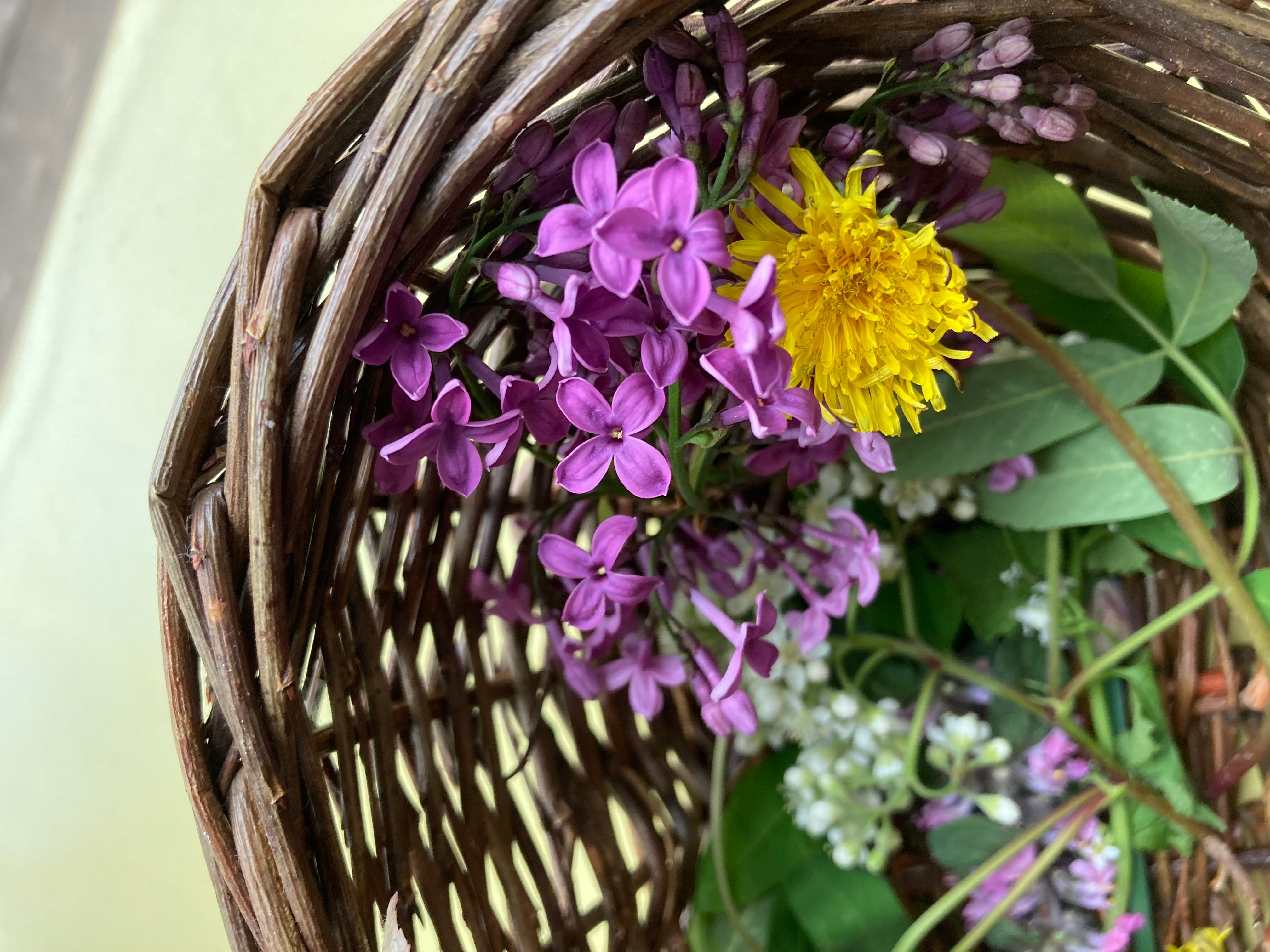
In North America, lilacs are blooming an average of one day earlier every three years. Once I wrote a poem about cold lilacs, but this year the air and ground were already warming whenever I slipped out in pajamas to press my face into their dewy blooms. Too much heat, too strong and soon the blast of sun. Too warm, too wary of what this means for us.
Phenology—the science of seasons, the chronicling of nature’s calendar—tells us that spring is starting 2.5 days earlier every decade. I shift uneasily when I read these words, when I consider what they mean for us, our children, our children’s children, our children’s children’s children. Consider the lilies, how they grow. Consider the lilacs.
Lilacs are an indicator plant. They are sensitive to temperatures, not seasonally changing light. Farmers and gardeners tell time by lilacs: “When lilac leaves are the size of a mouse’s ear, sow peas, lettuce and other cool-weather crops. When lilac is in full bloom, plant beans. Once lilac flowers have faded, plant squash and cucumbers.” When the lilac season shifts, the season shifts for all.
Lilacs, like us, are the frogs in the slowly boiling pot. They cannot last like this. They were not made for unrelenting heat. Notice how the flowers grow.
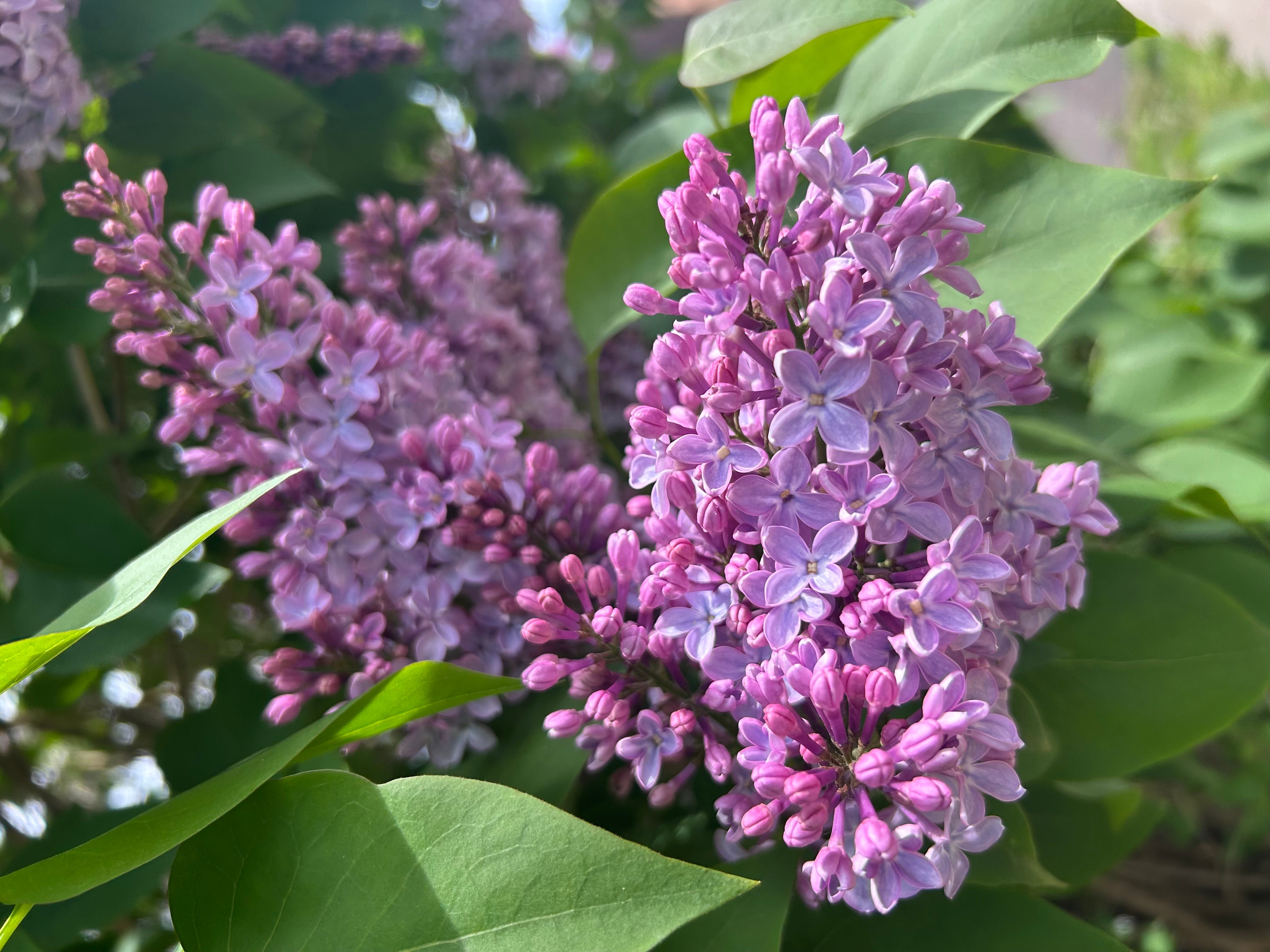
Every September and every spring, I take photos of the kids by the back door, next to the lilacs. First day of school, last day of school. Their faces change, their hair grows, their chins sharpen, they lengthen before my eyes. We try to pin down the butterfly of time, but she flits away.
Could we stand lilacs year-round? I want to say yes, want to beg for more, beauty all at once. But it will not be given. What it is, is for now. Lilacs symbolize first love, innocence, freshness, and possibility. To sing of lilacs ought to be a love song, not a lament. An elegy for the elusive, not a eulogy for a passing earth.
The children are stepping each day into adulthood, some closer than others to the long years of adulthood where we spend most of our time (if we are lucky, fortunate, blessed). I don’t believe in luck; fortune feels as outdated as the fates; blessings in Scripture are almost always for the many, not a privileged few. But I do believe in the God who made the lilacs, who made my children, who made a world of indescribable beauty and asked us to love it, too.
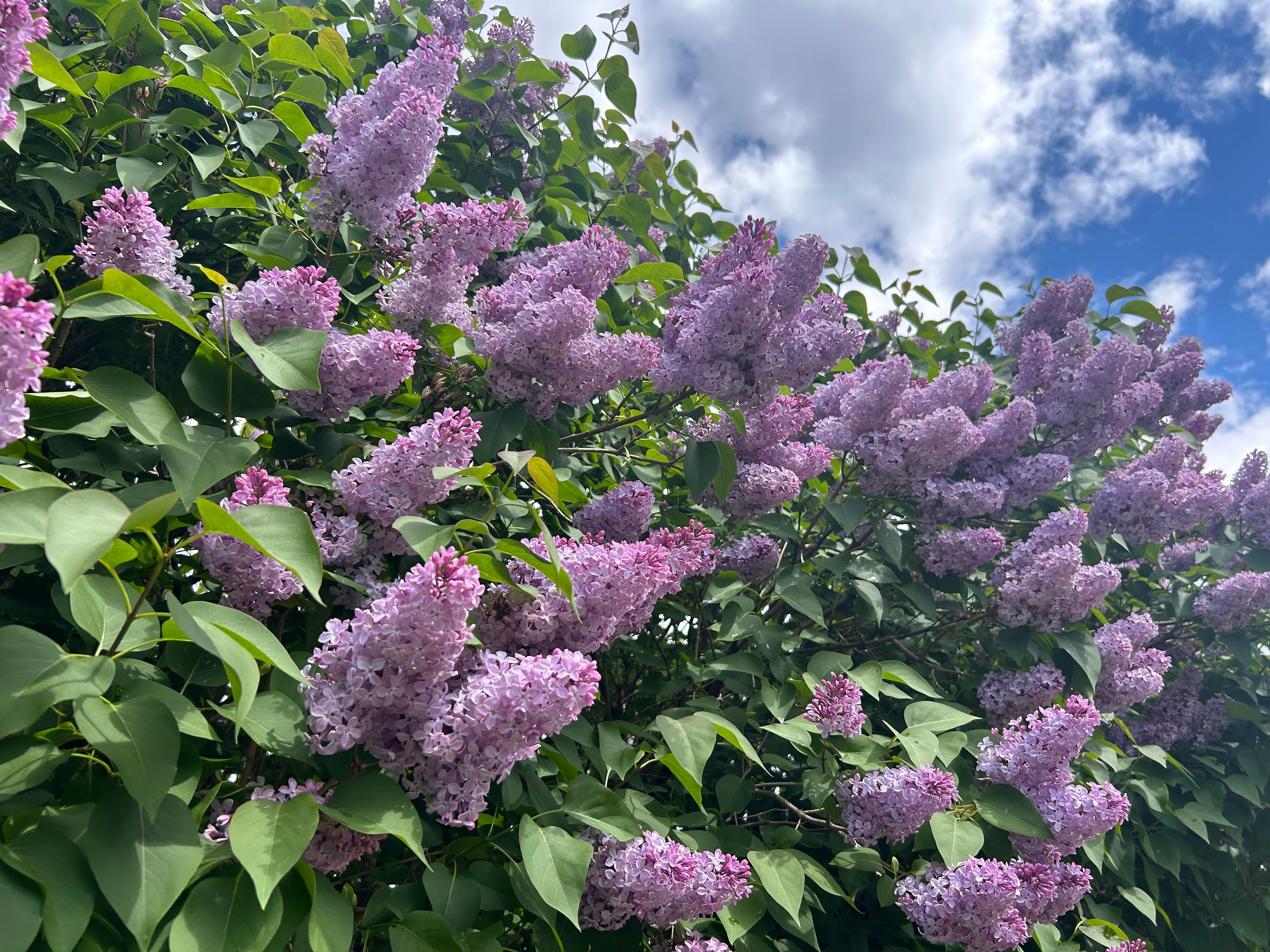
Up north it is lilac season now. Startled, I stumbled upon purple, blue, violet, white, and pink running up and down Minnesota’s north shore. An encore, a second helping, a resurrection—but only in my mind’s eye. Most lilacs don’t rebloom. When they do, it’s a warning sign. After drought or heatwave, the plants go dormant, then wake up when cooler temperatures return, confused and convinced spring has come again. I wince when I see too-late lilacs on our bushes. I shuddered at last September’s blooms. I want to lull them back to sleep.
Now that our blossoms are gone, the leafy branches make a perfect shelter for birds’ nests. We’ve had robins and grackles in years past, but this spring, none. Last year’s nests are lined with plastic, long clear strands plucked from roadside litter. Now I wonder and worry about the birds. Consider the ravens. Count the sparrows. Have we made their home uninhabitable, too?
Sometimes I catch myself when I pick the lilacs. Why is my instinct to take, rather than give? Ripping the lilacs from the branches rather than leaving all the rare beauty for the neighborhood to enjoy? Whatever good is given, it is given for all. I take some and leave most. But I wonder what is enough, why I long to grasp and clutch.
Every day I let the children spring off into the beautiful bruised world. Climbing onto the bus or buckling up in the backseat or pulling down the driveway at the wheel. The lilacs were not made to stay. The young are meant to leave. But for two short, too sweet weeks in the spring—if the storms don’t pummel, if the sun doesn’t scorch, if the earth doesn’t groan—the scent of hope makes me wonder if we might yet make the world a softer place where all can live. The children, the birds, the lilacs, the bees. I pray we can.
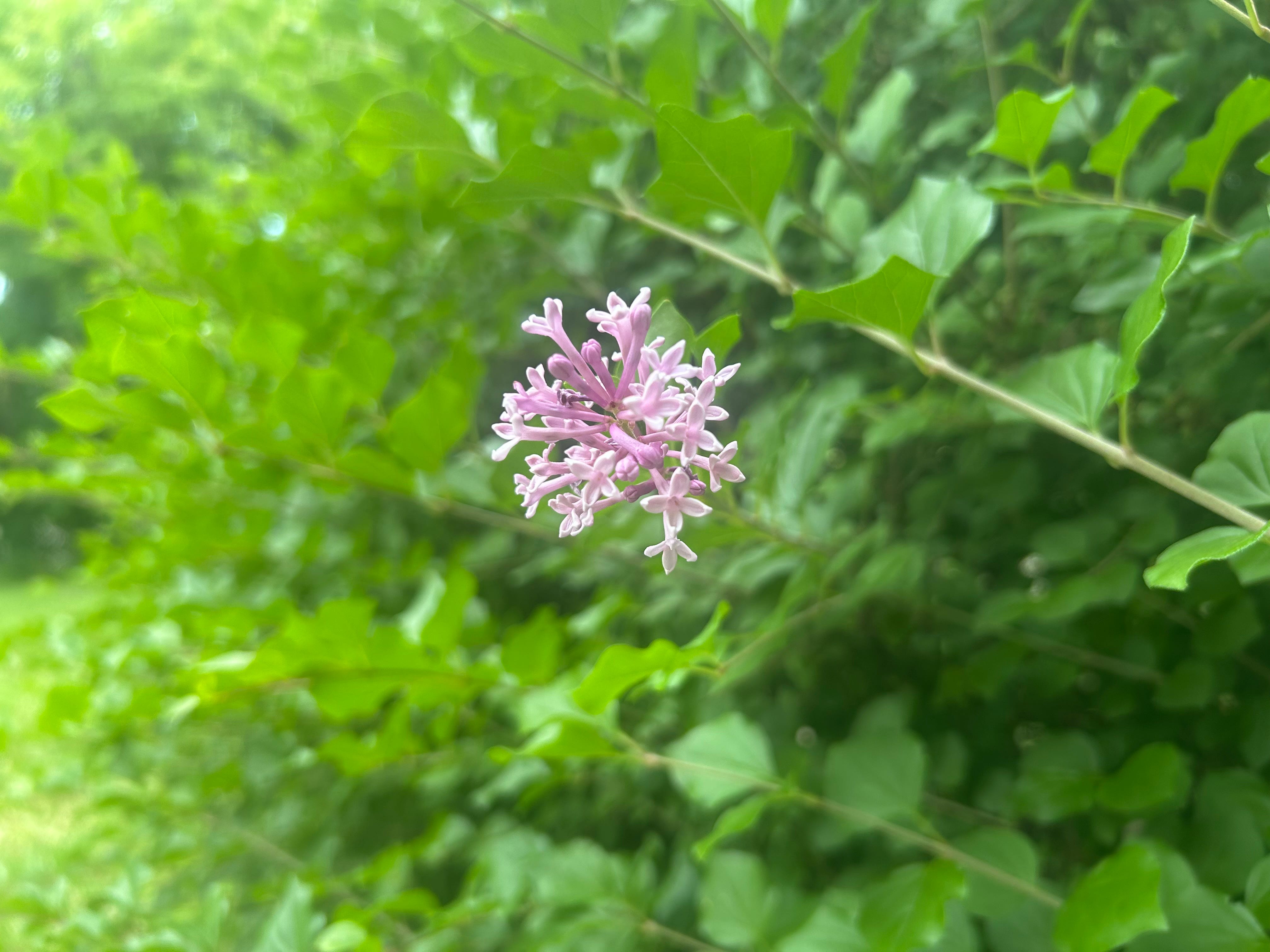
Scripture: Matthew 6:26-34. Luke 12:22-28.
An ode to the birds that once nested among the lilacs: The Brood Patch of God.
Comments
Nothing yet. Say the first thing.
Sign in to join the conversation.