
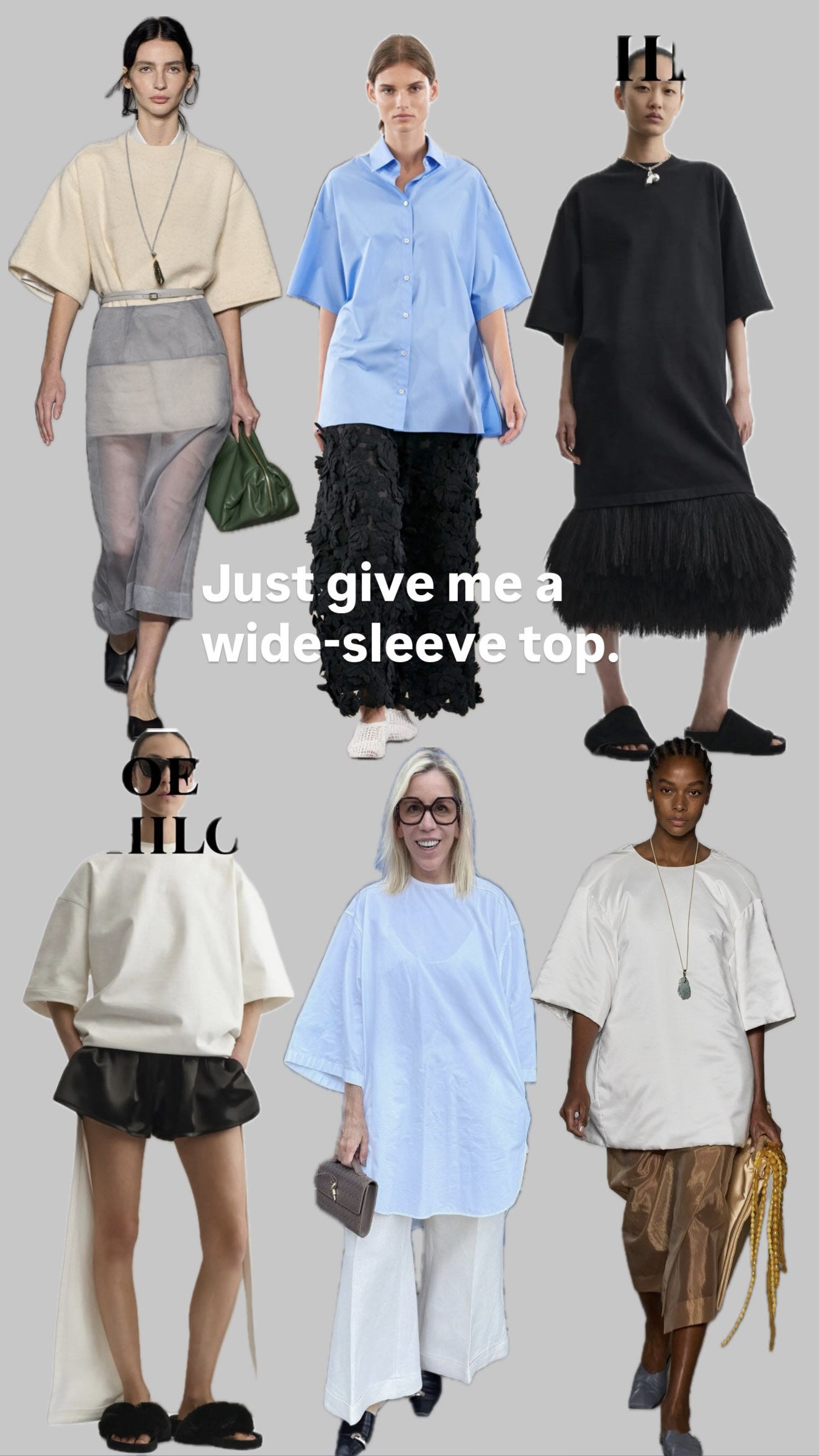
I find women who wear a nonconventional body covered in short shorts and a cropped halter not only conventionally beautiful but possessed by a level of unreachable coolness directly proportional to the exposed body part society has arbitrarily deemed undesirable, naturally unbothered by some random on the internet, making me wish I were like them.
But I am not. And like Mrs. Solomon, I have found comfort in the premise that I don’t need to be: that I don’t owe body positivity to anyone—including myself. That wanting to look a certain way, sculpt my body in a certain way, show my body in a certain way, is my prerogative (my body, my choice). That not wanting my body to look a certain way does not imply any judgment of someone whose body naturally does. That a healthier culture isn’t one where everyone is expected to desire the same bodies (whether conventional or nonconventional) but one where people with different bodies are treated with equal dignity and given equal opportunities.
I’ll go further: that embracing some of my insecurities, especially my desire to hide my post-pregnancy arms, taught me something far more valuable than forcing myself into clothes I didn’t feel good in for the sake of body positivity: it taught me to understand proportion as a creative exercise in its own right. Not just to flatter my body (in fact, the body finally got out of the way) but to give way to new armatures: shape, volume, and proportion. Triangles in conversation with hexagons, rectangles with cocoons, inverted triangles with squares.
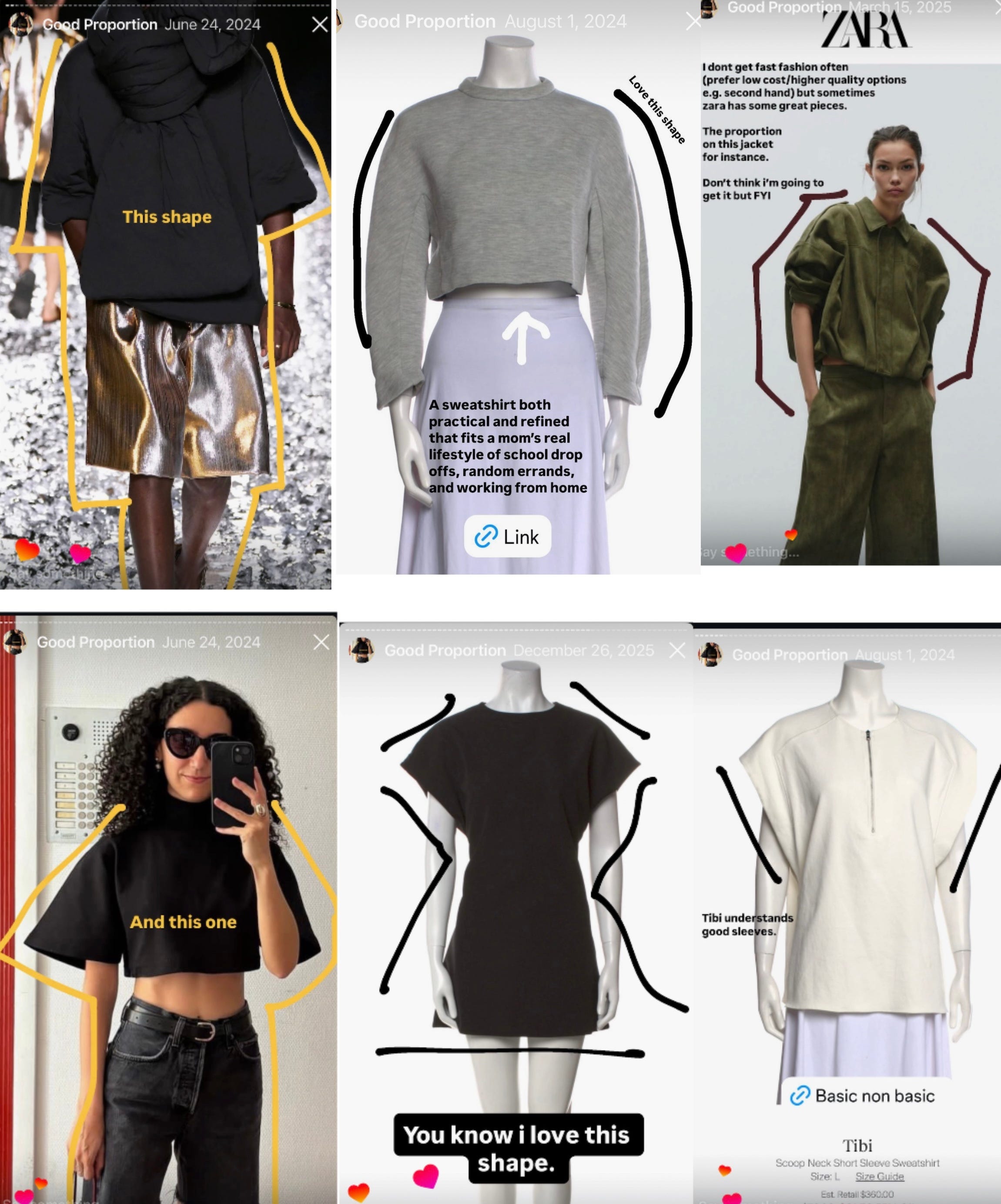
It was then, by embracing my insecurities and employing proportions from fabric instead of the raw body, that I came to understand that, as much as clothing is rhythm, it is also geometry.
~
These days, I have become a little bit more comfortable showing my arms. But the fact that I found freedom in (self-imposed) limitations helped me more than forcing myself into clothes and performing a confidence I did not yet have. Of course, I couldn’t have done it without Phoebe Philo’s inspiration, who must have sensed the need for women to find alternatives to tank tops and baby tees and, in 2015, gave me a starting point: the wide-sleeve top—the subject of today’s newsletter (finally landed that plane).
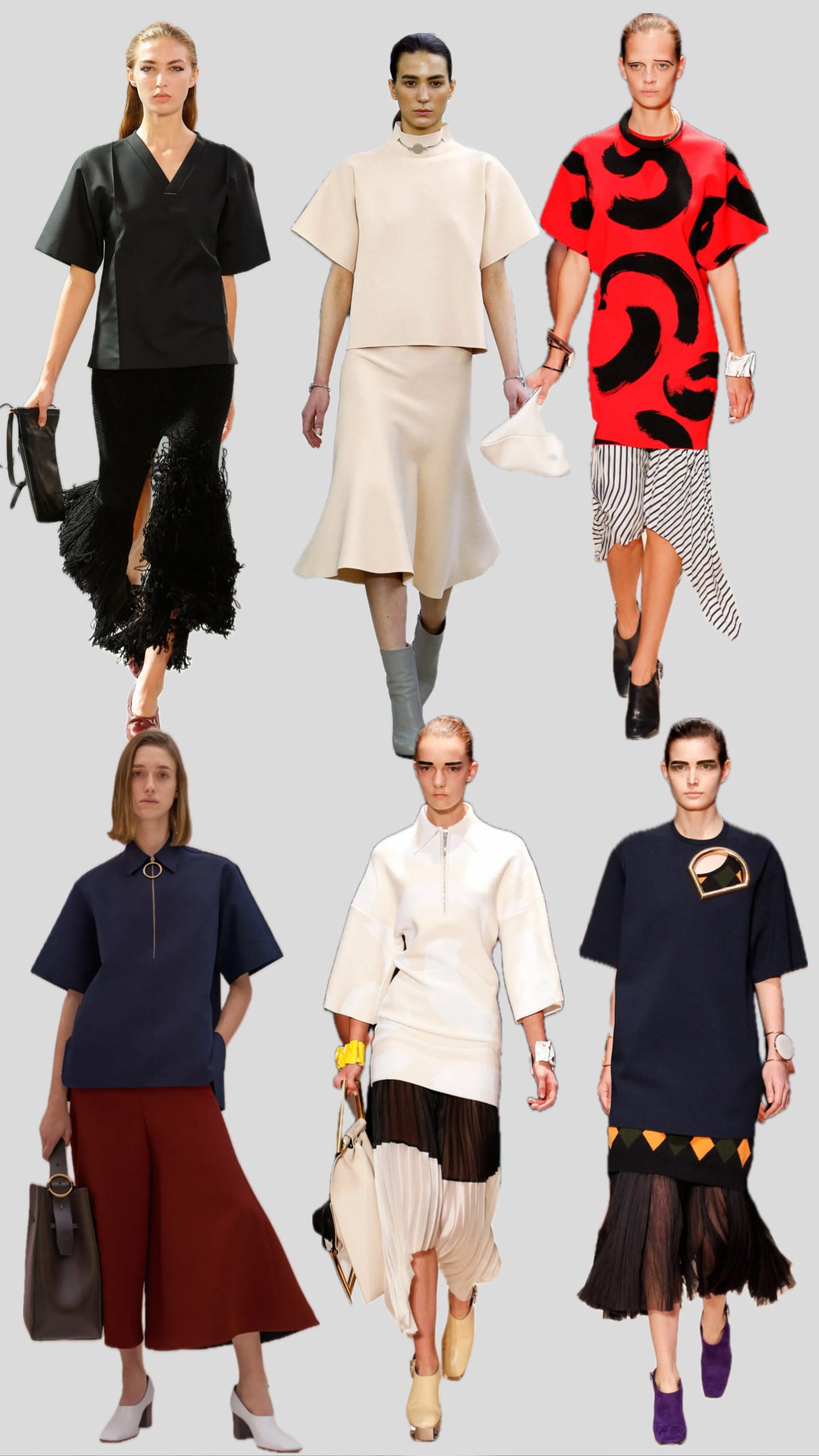
What does a big-sleeve top do other than hide my arms? It creates form independent of the body beneath it:
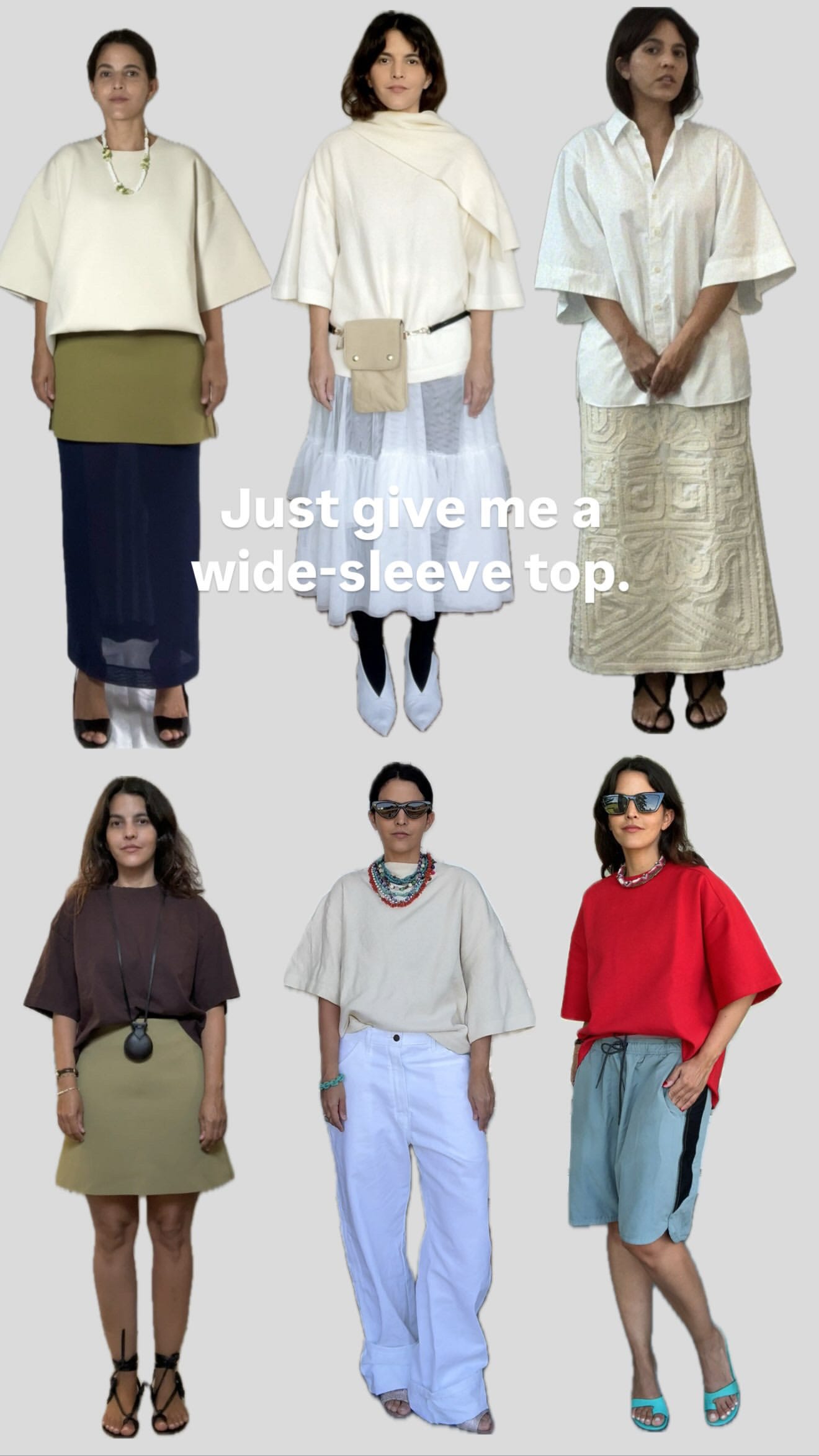
So today I’m presenting new and fresh outfit inspo using wide-sleeve tops (and their closest cousin, the cap sleeve) and some wide-sleeve tops currently in the market:
(Note before the paywall: If you enjoy this kind of outfit documentation and occasional cultural overthinking, please consider upgrading. Paid subscribers keep La Deeply Shallow going as I don’t do sponsored links.)
Comments
Nothing yet. Say the first thing.
Sign in to join the conversation.