
This is Last Week in Collapse, a weekly newsletter compiling some of the most important, timely, soul-crushing, ironic, amazing, or otherwise must-see/can’t-look-away moments in Collapse.
This is the 233rd weekly newsletter, and I think it’s the longest one so far. If you’re not a paying subscriber, you can read the full edition on Reddit here. The May 31-June 6, 2026 edition is available here on Reddit if you missed it last week. Thank you for subscribing to the Substack.
——————————
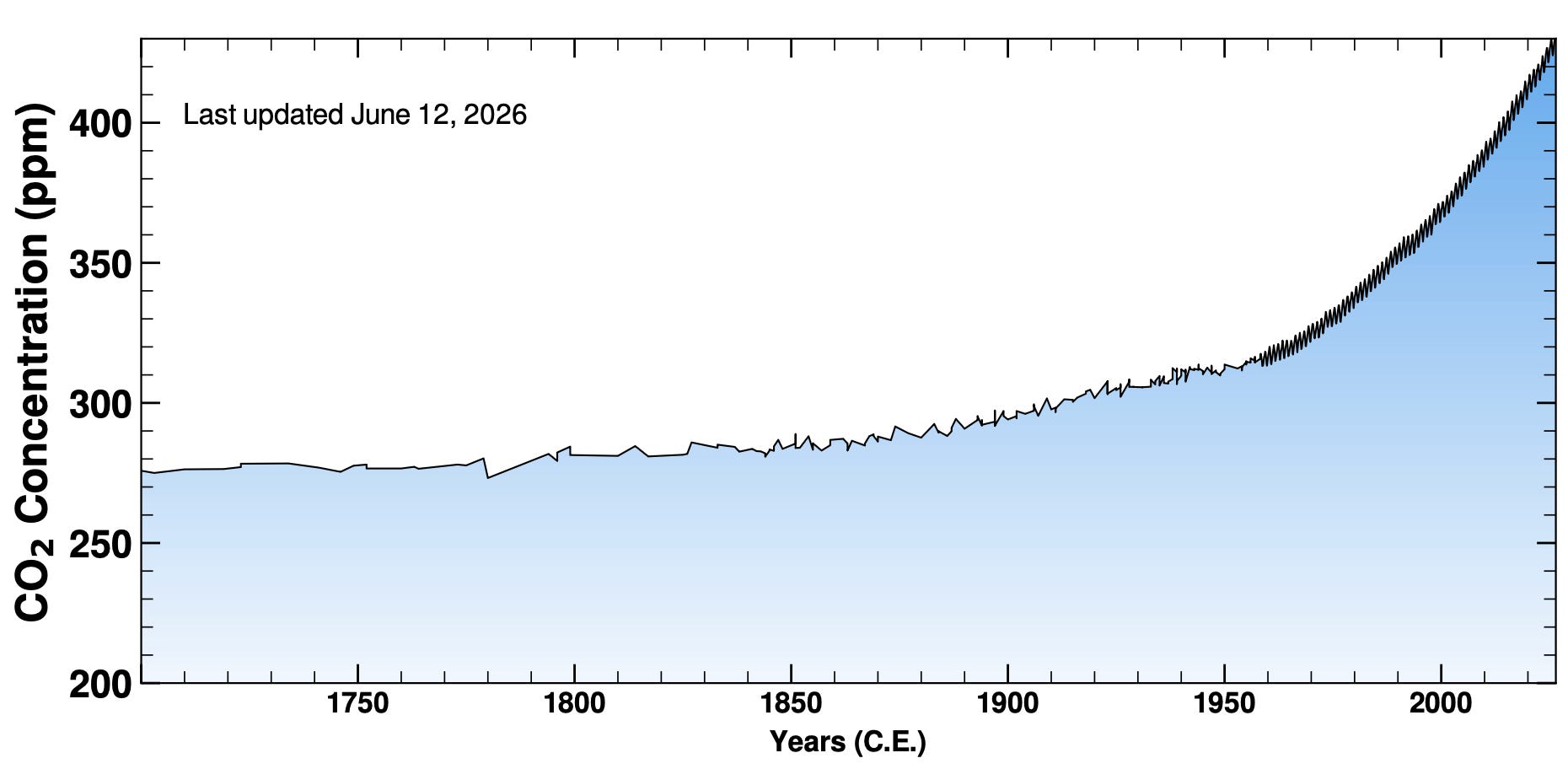
A research station in Antarctica recorded a new record temperature for June, at 15.4 °C (60 °F). NOAA’s Mauna Loa observatory says Earth hit 432 ppm of CO2 by the end of May. The WHO claims that 200,000+ people in Europe died from heat from 2022-2025, an annual average of over 50,000.
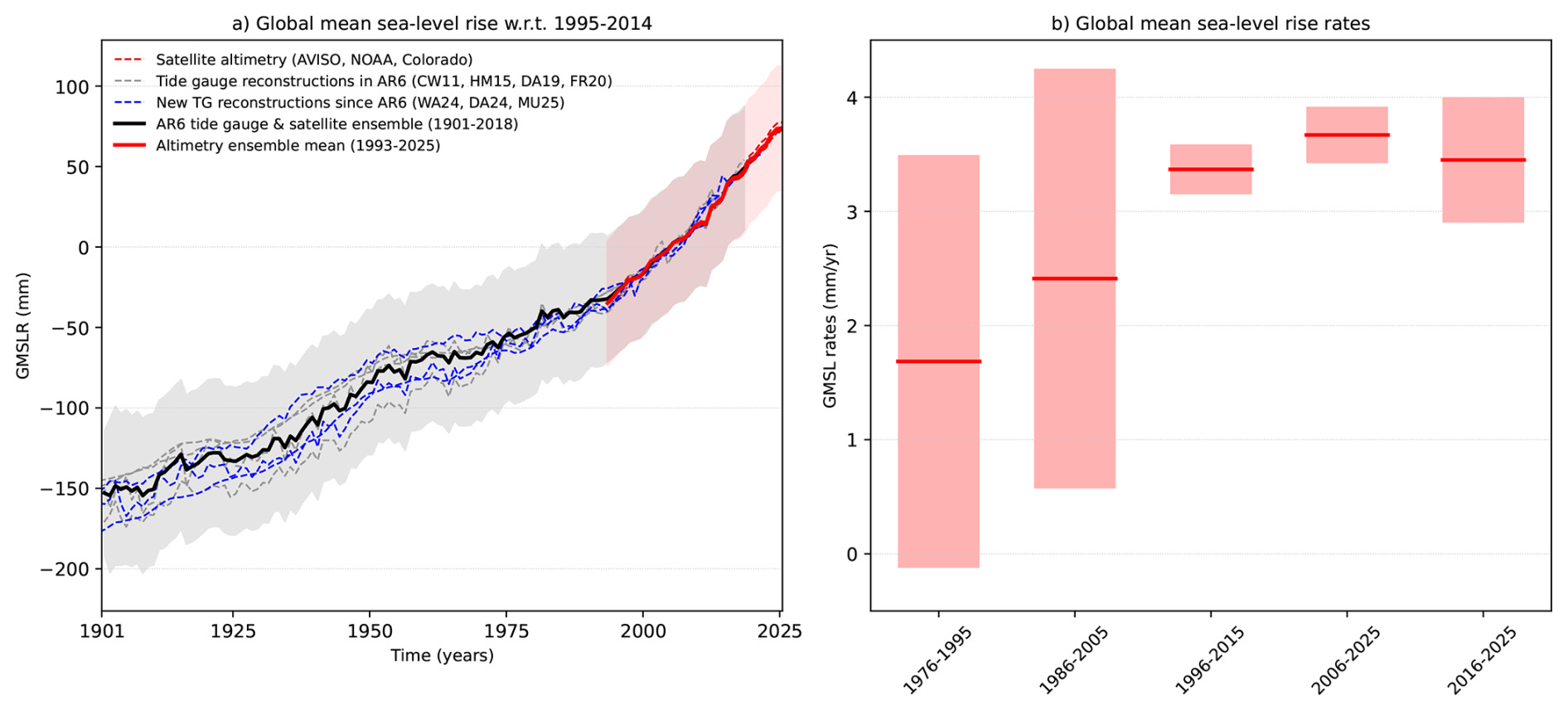
The UN’s 5-section World Ocean Assessment was released on Monday, delivering an urgent call to safeguard our oceanic environments that has already fallen on deaf ears. Sea level is rising by at least 4.3mm per year, and 52M+ tonnes of plastic enter the ocean every year. The report has been unhelpfully divided into 5 subsections, each divided into other summaries which cannot be viewed as a whole, but only in parts. The last UN World Ocean Assessment was published in 2021.
“the ocean is under mounting stress from overexploitation, pollution and the accelerating impacts of climate change….The ocean has already absorbed over 90% of the excess heat and 30% of the carbon dioxide (CO2) released into the atmosphere by the anthropogenic burning of fossil fuels….Levels of pharmaceutical compounds (including antibiotics) continue to increase, particularly in coastal areas….Approximately 16% of the total increase in ocean heat content since 1955 has occurred since 2018….Overfishing and illegal, unreported and unregulated (IUU) fishing are among the most pressing concerns when it comes to the sustainable use of the ocean resources….An estimated 37% of the global population, i.e. 3.03 billion people, live within 100 km of the coast, twice the overall average population density. Around 11%, or approximately 900 million people, live on land that is less than 10 m above sea level…” -excerpts from the Assessment’s various sections
“The warming climate is causing an intensification of the global water cycle due to increased rates of ocean evaporation….Consistently ice-free September conditions (frequent occurrences of an ice-free Arctic) are anticipated by the middle of the twenty-first century (2035-2067)....The Atlantification of the Arctic Ocean, resulting from increased Atlantic water layer heat fluxes into the Eurasian basin, is resulting in reduced sea ice and changes in stratification….About 20 to 30% of the CO2 released by human activity into the atmosphere has been absorbed by the ocean, leading to an increase in the average surface ocean acidity of 0.1 pH units since pre-industrial levels….Ocean CO2 uptake rates have tripled over the past 60 years to 2.7 ±0.3 PgC per year….The intertidal zone has undergone considerable transformations, driven primarily by climate change, pollution and coastal development…..Global coral reef conditions have continued to deteriorate since the second World Ocean Assessment, with multiple compounding threats intensifying across all major reef systems…” -more excerpts
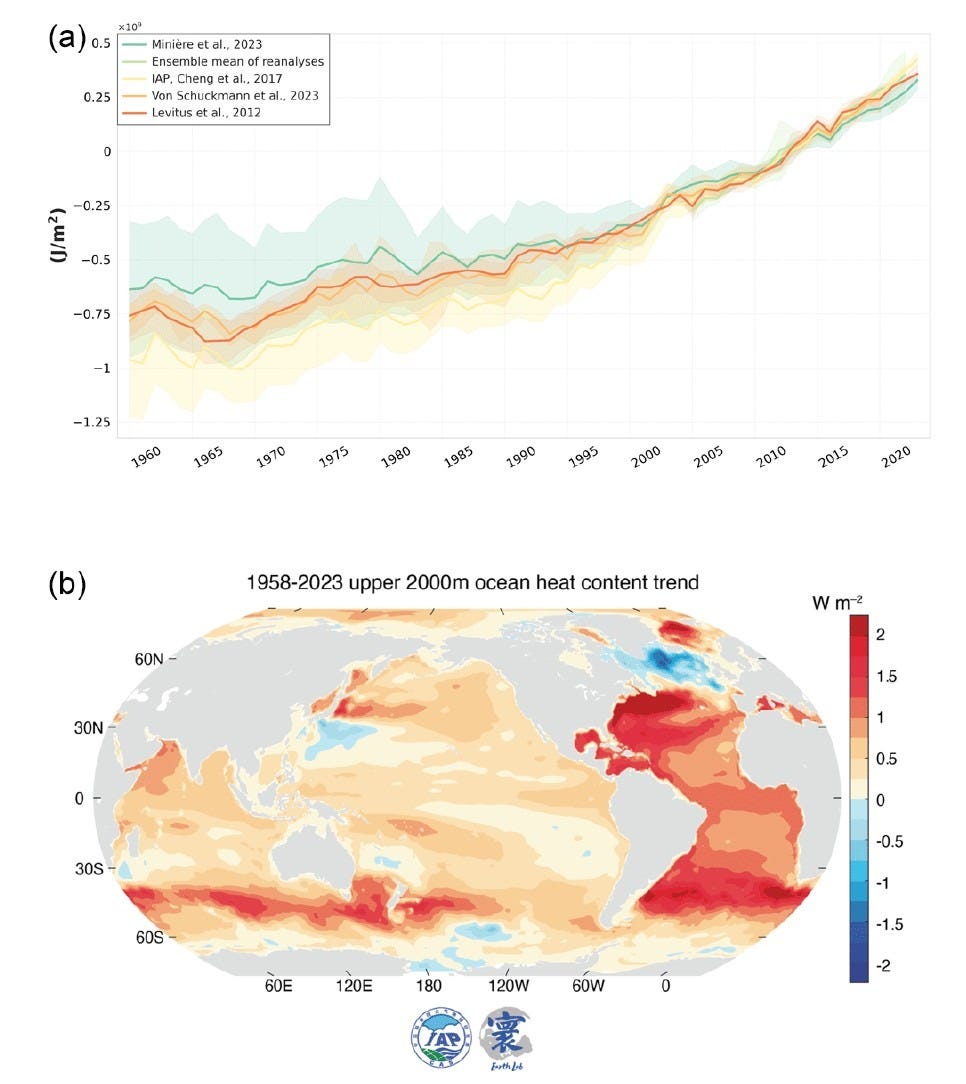
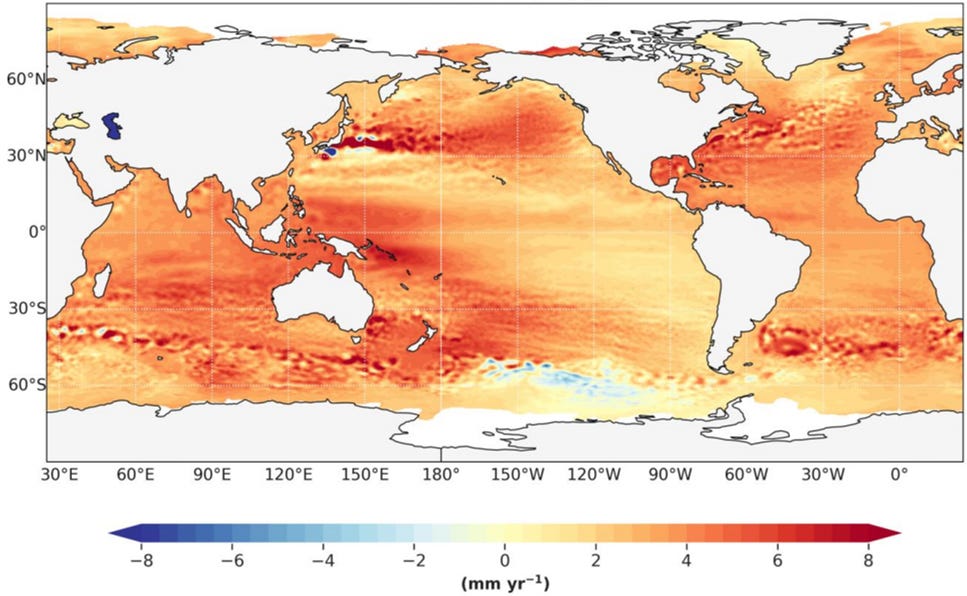
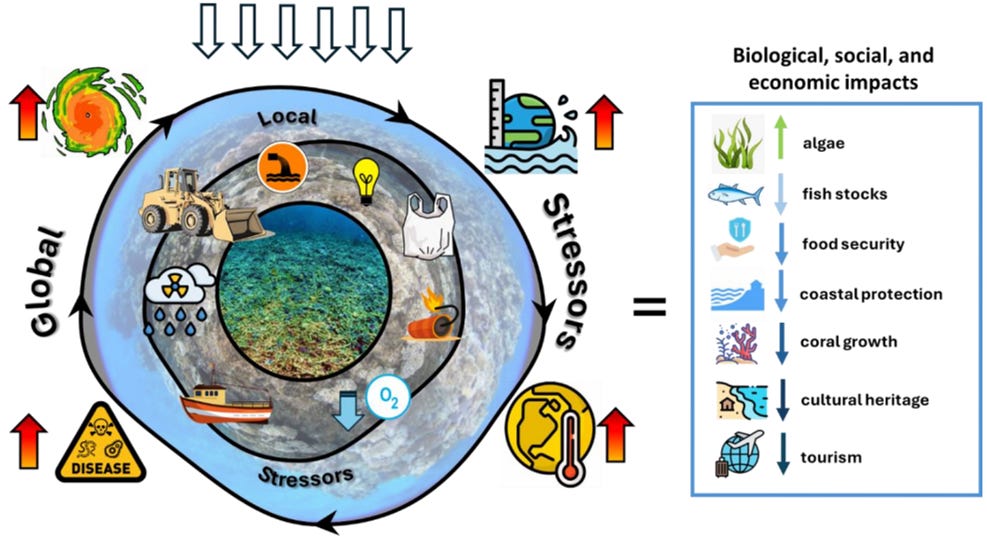
A 7.8 earthquake hit southern Philippines (pop: 118M) on Monday, killing at least 35 and injuring 140+ more. New research published in Science Advances claims “surface warming has broadly intensified nutrient stress” in the oceans over the last 20 years, imperiling microorganism populations, particularly in subtropical zones.
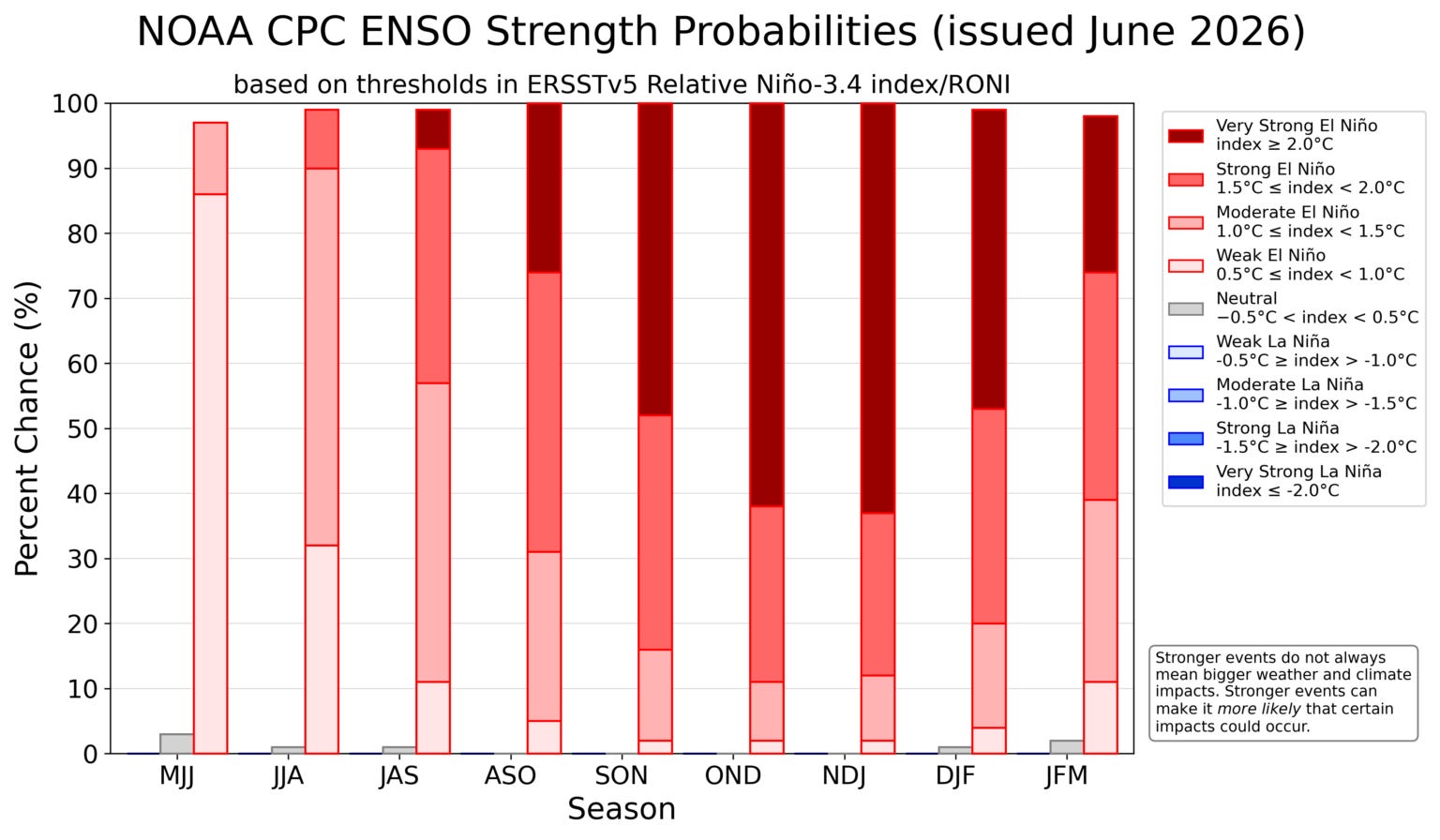
It’s official: Thursday marked the official start of El Niño, and scientists are warning us to brace for impact. They say there are 10 ways a Super El Niño might affect us: 1) Drought; 2) Food supply shock (from Drought & flooding); 3) Wildfires; 4) Flooding; 5) Increased use of coal (to power A/C); 6) Power grid failures; 7) Fish population shrinkage; 8) Geopolitical jockeying, mostly over over food; 9) Heat illness & death; and 10) Increased conflict within and between states. Click here if you want a deeper dive on exactly what El Niño is.
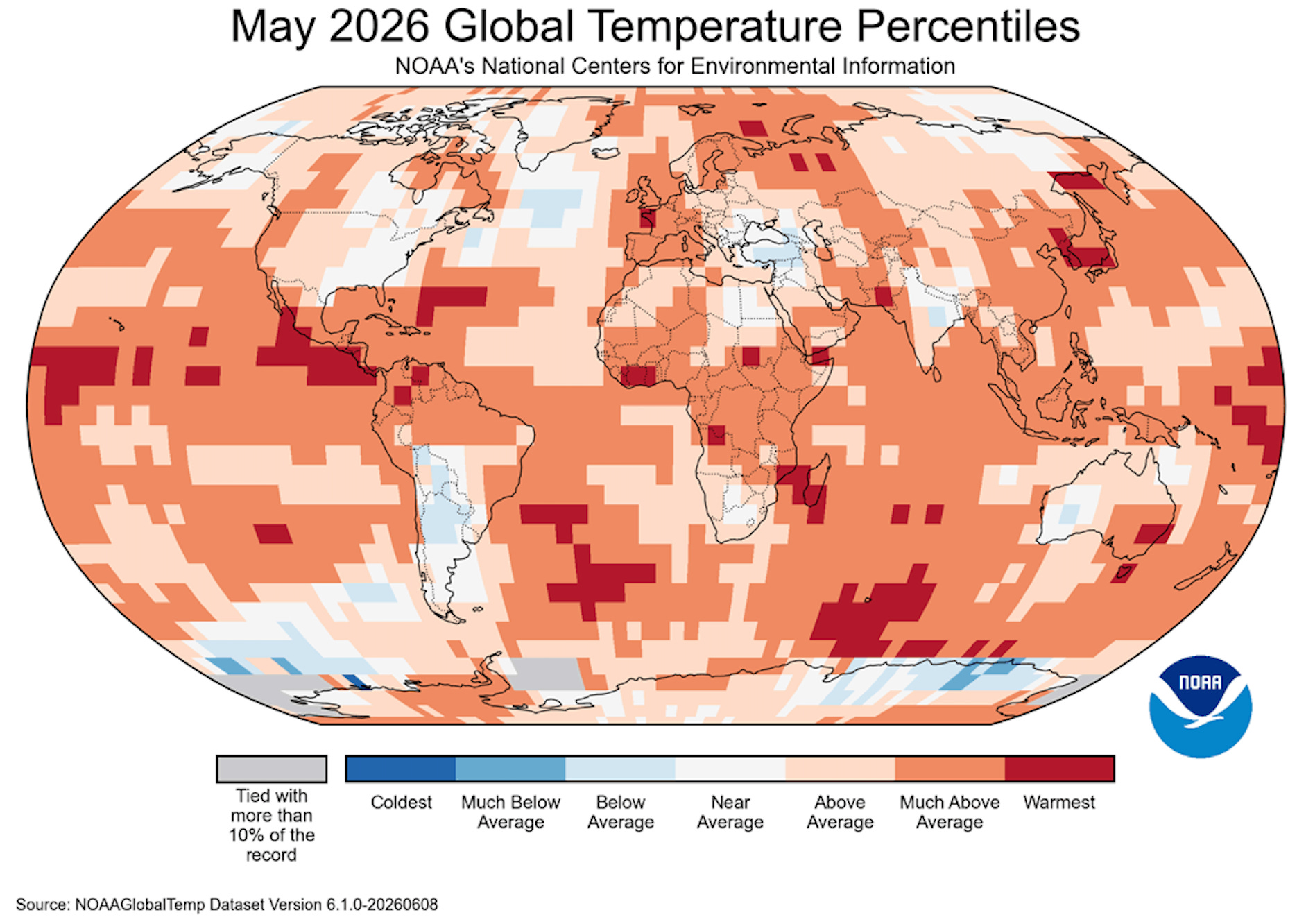
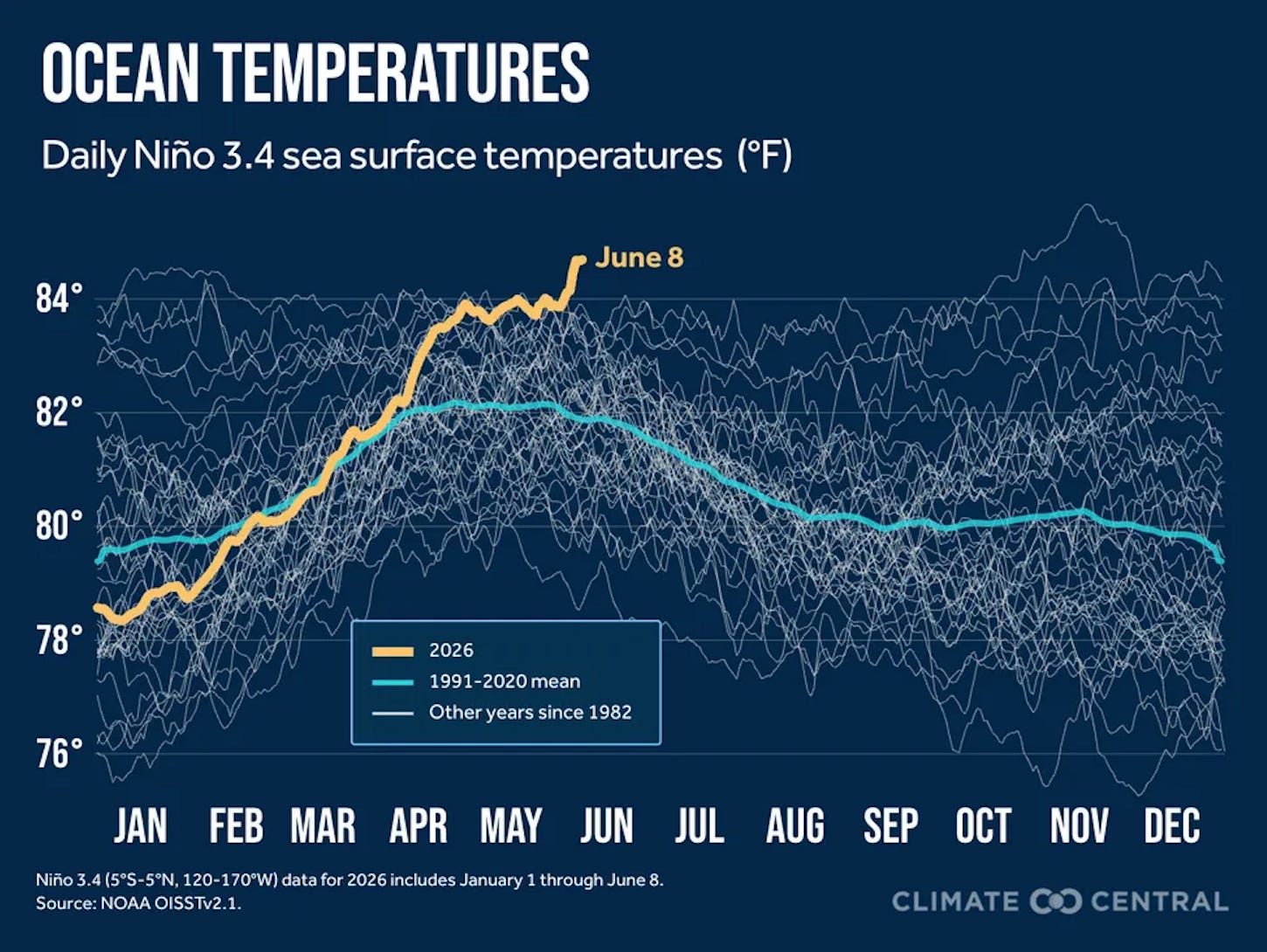
Data say last May was the second-warmest on record, after 2024. El Niño’s Pacific temps hit a new record high for the entire summer. Meanwhile, China set some new monthly cold records for June, while Vietnam felt some record warm nights at 30.4 °C (87 °F). Indonesia also set some record hot nights a bit cooler, and New South Wales set some record warm June nights right before the start of their winter.
A lake in Arizona reported a total fish dieoff following ongoing Drought aggravated by the upstream release of water contaminated by an unknown substance. A Canadian company’s U.S. subsidiary is planning on deep-sea mining in contravention to international law. A four-day deluge in Indonesia was found to cause a mass dieoff in a rare species of ape last year, killing 58+ of the species’ remaining ~800 creatures. A landslide in the Central African Republic killed 8 gold miners.
Australian bushfires have pushed a cockatoo species closer to extinction after the large-scale loss of their historic habitats. More gray whale strandings of the coast of Washington state bring the year’s tally, so far, to 27; across all the West Coast, at least 124.
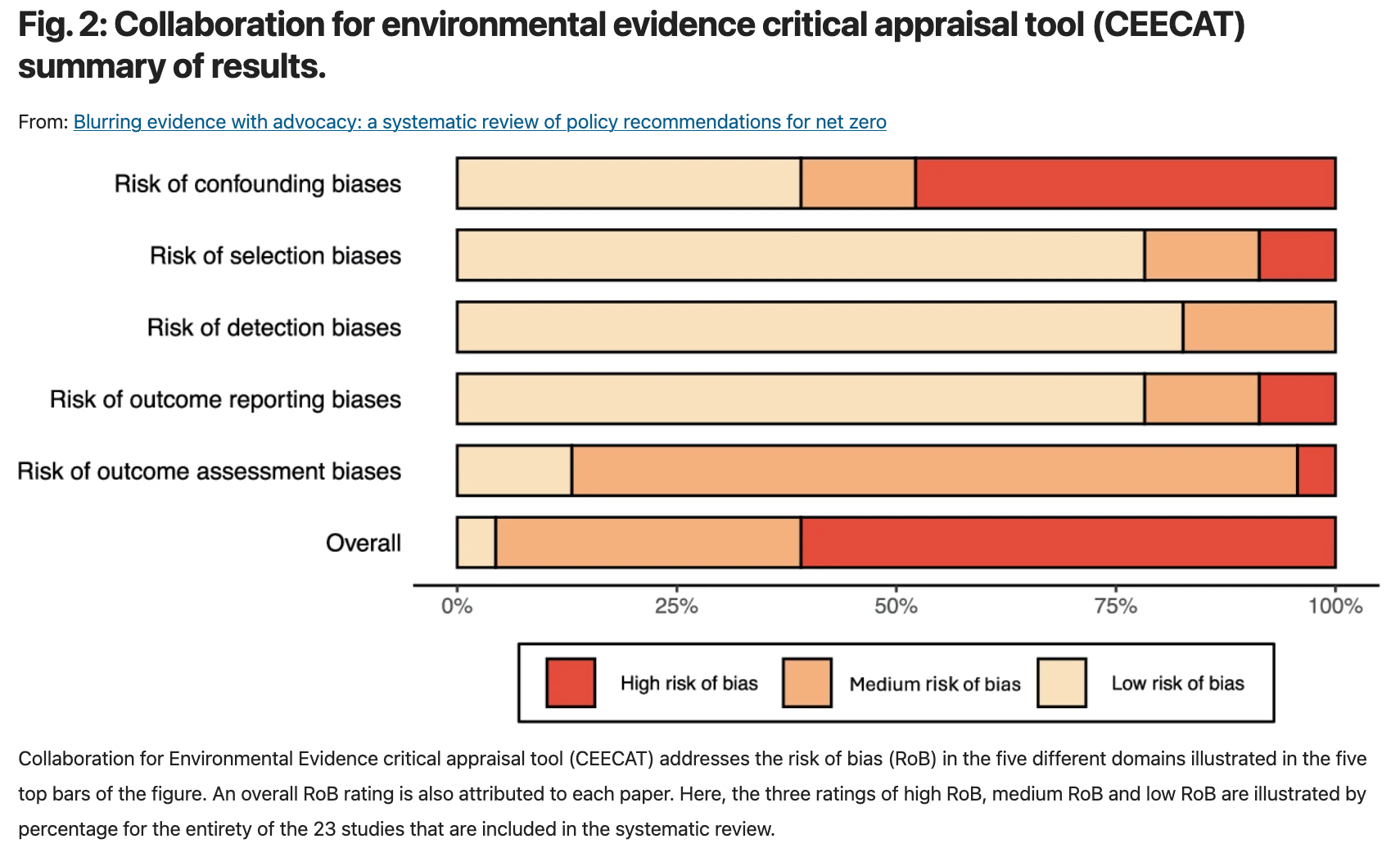
A study in NPJ Environmental Science reports that over 90% of studies examined contained a “high risk of bias” when trying to communicate their data. The biases were usually found in failure to disclose uncertainties, and in a study’s alleged duty to “inform, not persuade” its readers. “While evidence is urgently needed to support policies, this pressure might push scientists to blur the line between objective analysis and engaging in advocacy.” They claim the relationship between pure science and the need for a rapid green transition has led to “emotive language” and damaged science’s impartiality.
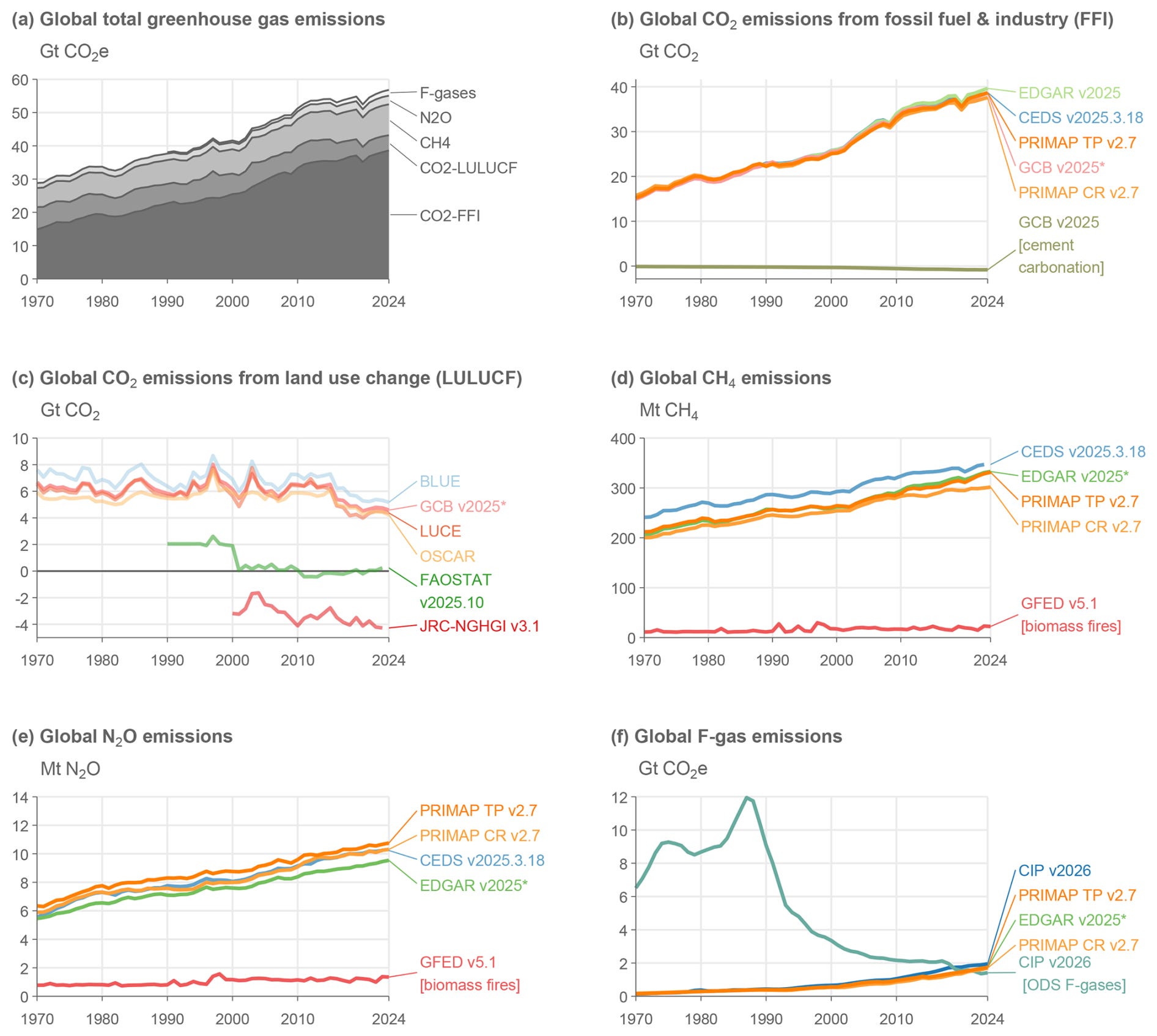
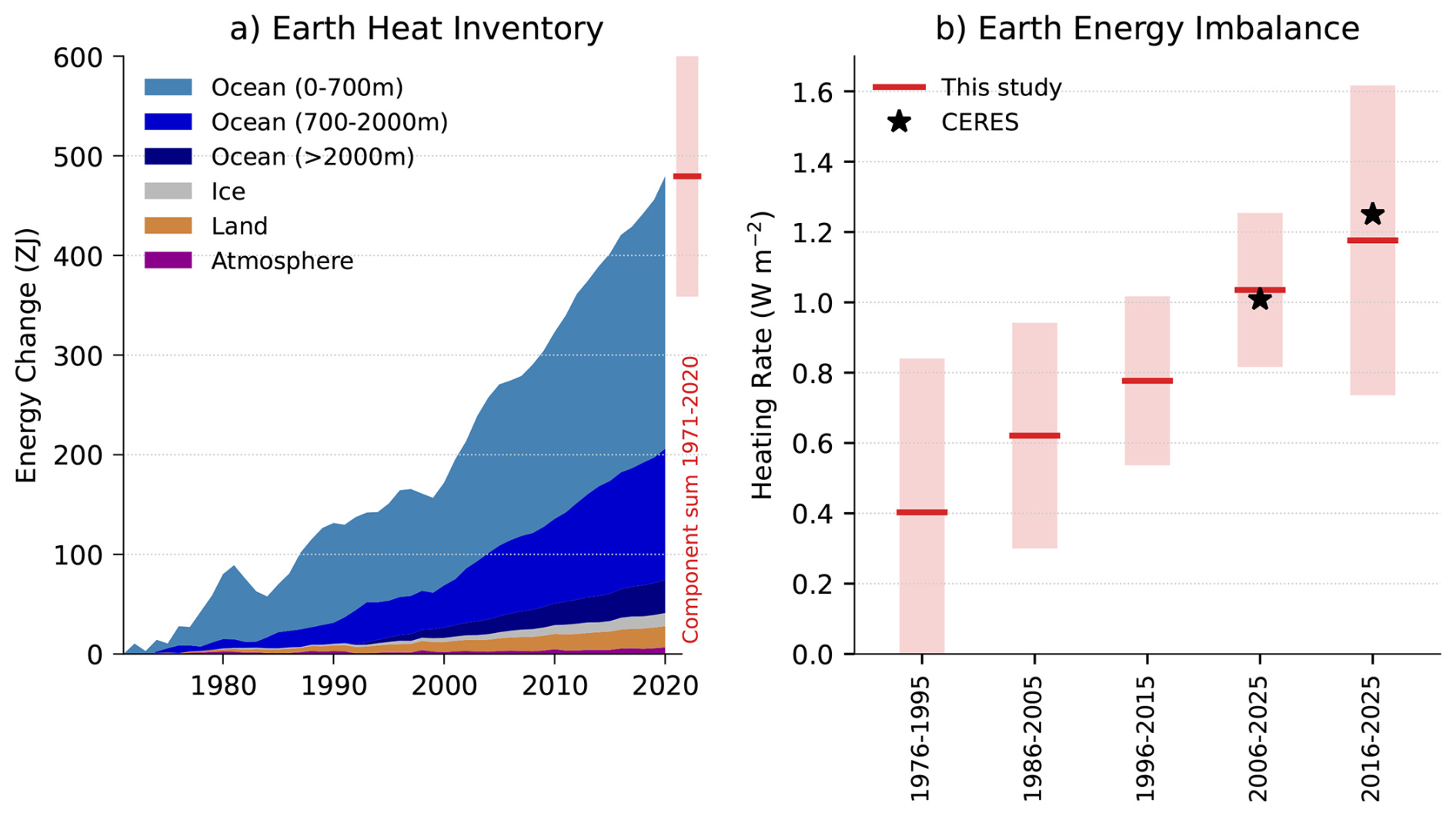
The 15-year average temperature increase (above the 1850-1900 baseline) is now 1.37 °C, and expected to hit 1.5 °C by 2030. “Average annual GHG emissions for the decade 2015–2024 were 54.6 ± 5.5 GtCO2e. Average decadal GHG emissions have increased steadily since the 1970s across all major groups of GHGs.”
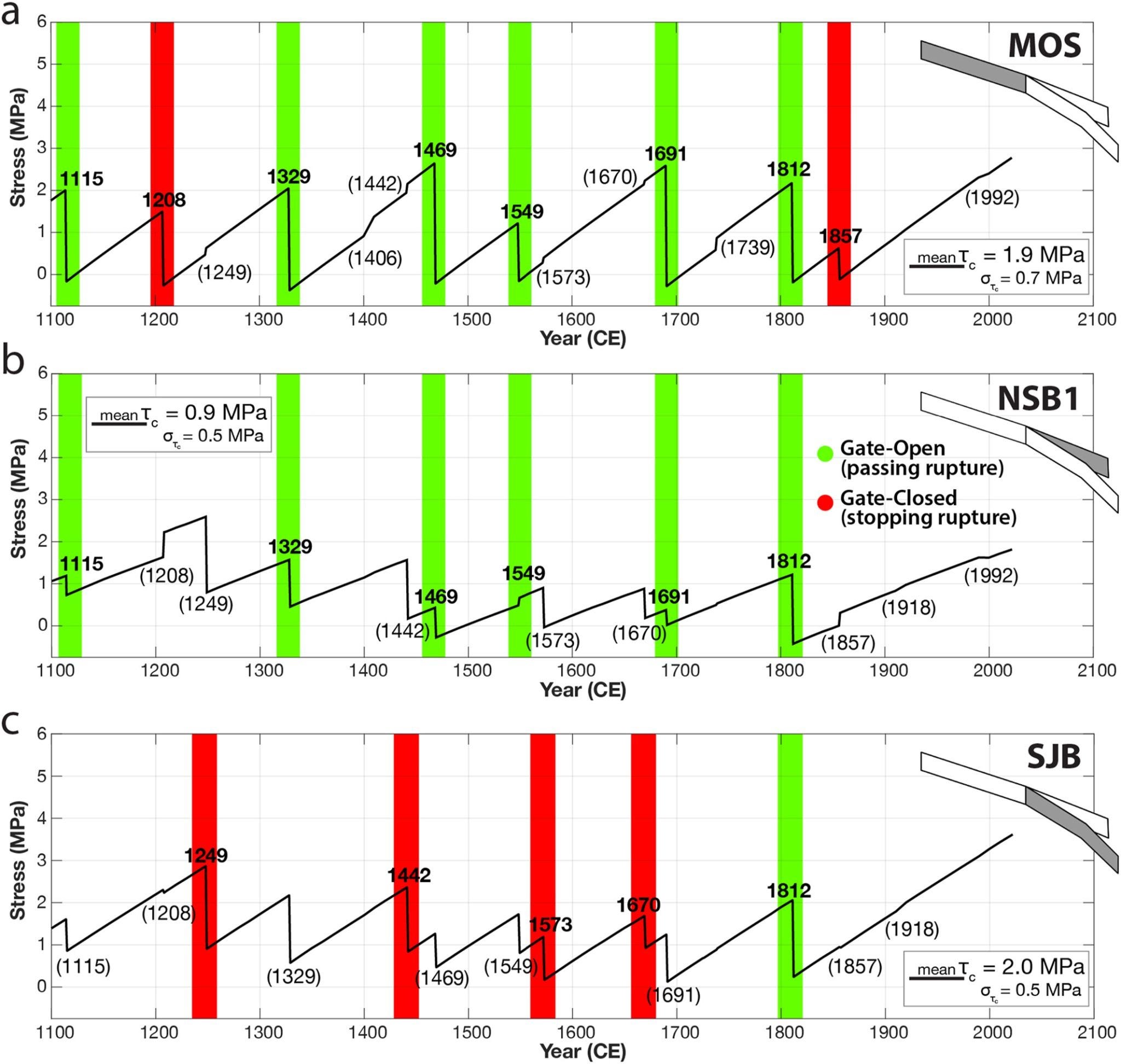
The abstract of a geological study on southern California says that “tectonic stress has steadily built along the southern San Andreas and San Jacinto fault systems, raising concerns of an imminent large earthquake.” And by “imminent,” they mean that the LA region is overdue for a 1-in-100-year earthquake. “Present-day modeled stress levels exceed historical maxima on multiple segments, particularly on segment SJB (∼3.6 MPa) {megapascals}, suggesting that the system is critically stressed. Given the elapsed time since these faults have ruptured, the probability of an earthquake in the near future is high.”
Parts of Bangladesh are nearing Day Zero for groundwater after decades of unsustainable extraction. Wells are drilled deeper for smaller yields as Drought engulfs their northwest, highly dependent upon agriculture. Demands for communities to use their remaining groundwater only for personal drinking have angered and devastated farmers, some of whom feel that War for the precious resource is inevitable in the future. Many are adapting to new crops; but when the fields dry up and die, where will these desperate farmers go?
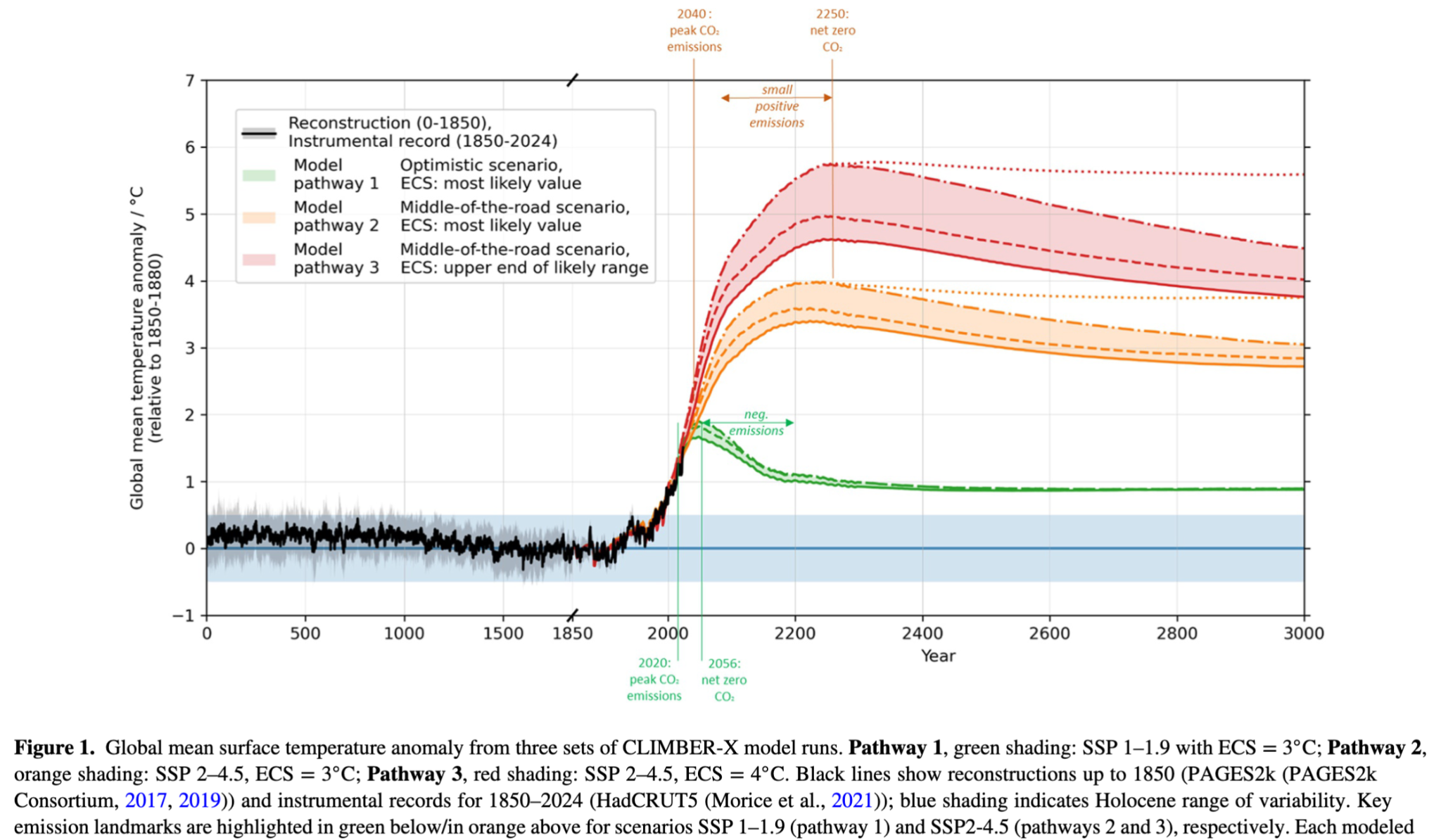
A study in Earth’s Future claims that the environmental consequences of human activity are locked in the earth and will persist until at least the year 3,000, the limit of the research. They write, “we are already stuck in a figurative ‘Anthropocene quicksand’, where only an active pull can free us from consequences like global heating—while even a very modest continuation of greenhouse gas emissions will keep us at high warming levels.”
——————————
SpaceX launched its IPO on Thursday—the largest IPO of all time. The company was valued at $1.77 trillion, and Elon Musk’s copious shares (valued at $867B at the IPO) launched Musk into wealth levels of well over $1T USD. On paper, anyway. Musk’s net worth is now around $1.1T. That’s $1,000,000,000,000; twelve zeros. Elon Musk is the world’s first trillionaire, and most likely the richest person to have ever lived. Another arrangement, made with Tesla in late 2025, may yield Musk another trillion in compensation if he can hit a series of unlikely business targets.
Two co-founders of Extinction Rebellion believe we are heading to a 4.5 °C future by 2060. The reason? The rate of CO2 emissions is increasing, feedback loops are setting in, and humanity has zero desire to sacrifice their marginal economic gains for a slightly more sustainable planet.
An American study on Long COVID determined that cases may be about twice as high as believed among COVID survivors. The study claims that “approximately 1 in 6 patients with COVID-19 develops postacute sequelae, predominantly chronic conditions currently invisible to surveillance systems, representing an accumulating rather than resolving health care burden.” The illness is often underaccounted for because insurers have an interest in denying it, and Long COVID is still not acknowledged by some people with the seriousness that the illness can bring on.
Protests continued in Kenya against the establishment of an Ebola quarantine facility; one person was shot by police in the protest. Confirmed Ebola cases now sit at 710, with 149 deaths. An attempted beheading by a Sudanese man in Belfast set off riots against immigration across Belfast; protestors set fire to several vehicles and clashed with police.
A soon-to-be-published study in Global Environmental Change looked at 105 countries and generally concluded that economic growth cannot be detached from “material resource demands.” In other words, green growth is more mythical than proponents have stated. To most of you here, that has been self-evident for some time now. 25 of the nations examined showed some decoupling, but the study says this “represents temporary fluctuations rather than structural change” and its impact is overstated. They write, “when all countries are considered together, no Environmental Kuznets Curve is apparent. Individual successes are not yet making the collective difference required.” The Environmental Kuznets Curve (an adaptation of an economic theory) claims that “environmental quality {in a country/region} deteriorates in the early stages of economic development and improves in later stages” as an economy shifts away from industry to cleaner service-based sources of income.
Cuba’s months-long energy shortage is dragging on, bringing woes to regions urban and rural. Shortages of everything have driven prices way up, decimating the value of savings and pensions in the process. Fans and air conditioning are inoperative at the start of another hot season, hospitals are without power, and mosquitoes are prevalent. And the specter of American intervention looms ahead: surveillance drones never sleep, and many think the island could be weeks (or days) away from another Venezuela-like operation. Cuban morale is said to be quite high.
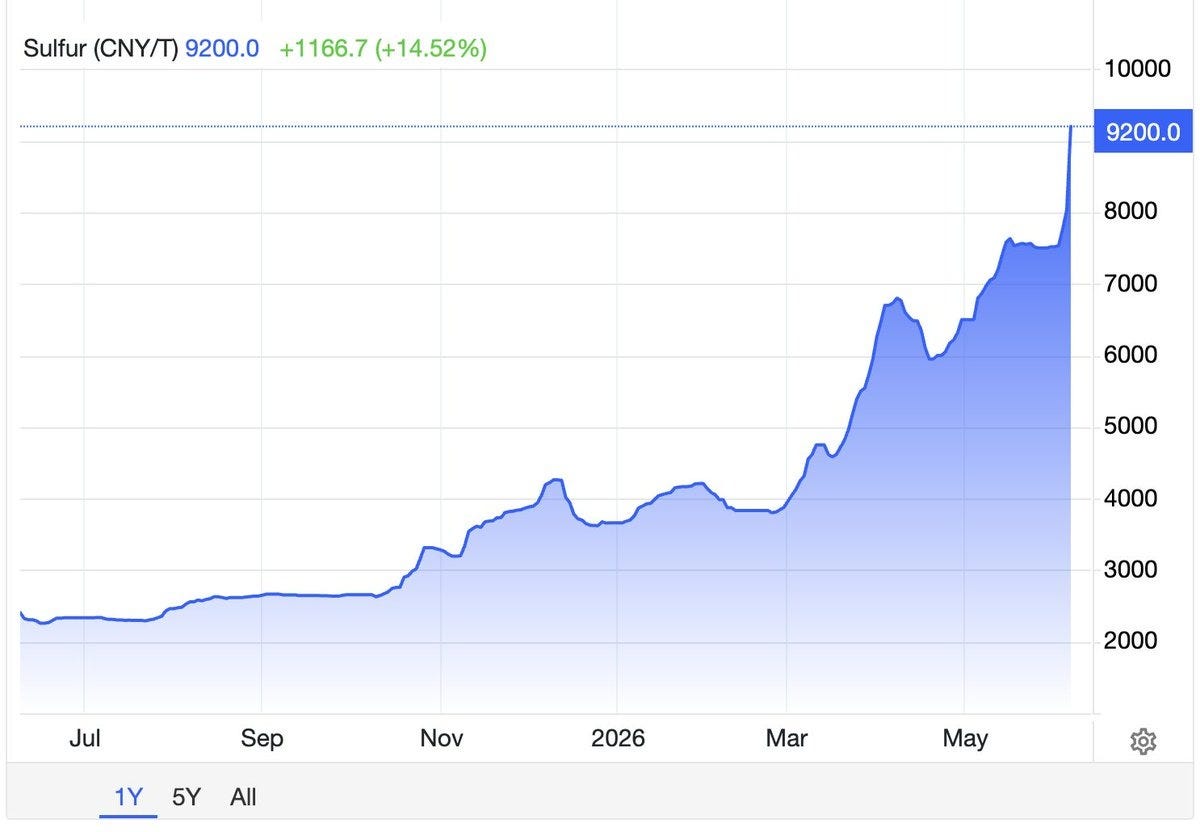
The Strait of Hormuz remained blockaded for another week. Sulfur prices are now up 140% since February. Stats show the EU imported about 18% more Russian LNG in the first 5 months of the year compared to 2025. The Asian Development Bank (ADB), which services 69 Asian states, has received 15 emergency requests for loans by member states suffering economic exigencies due to the Hormuz blockade. Growth in most of Asia is projected downwards, while inflation is up; plans for resilience come too late.
Comments
Nothing yet. Say the first thing.
Sign in to join the conversation.