
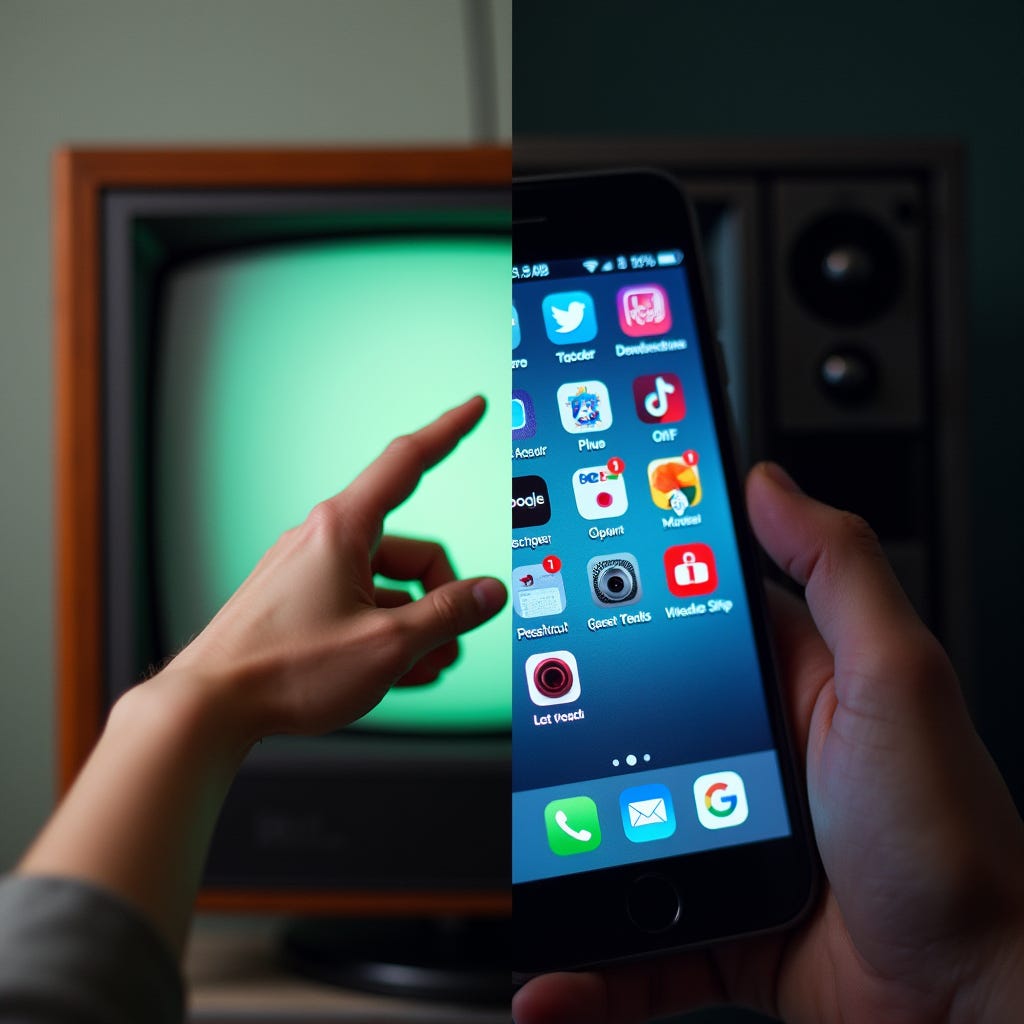
Growing up, I had cable. Not everyone did. And if you were a kid in the '90s, you know exactly what that meant. It wasn’t just about having more channels; it was a portal to a broader world. Cable kids had access to more than just Nickelodeon and Cartoon Network—we had Discovery Channel deep dives, History Channel before it became all aliens, and late-night Comedy Central that maybe we weren’t supposed to be watching. It shaped us, expanded our references, and made sure we weren’t just stuck with whatever local network TV decided to rerun that week.
MTV and VH1 broadened my musical taste, but early ‘90s MTV was more than just music videos. It was Liquid Television, Beavis and Butt-Head, Aeon Flux, The Maxx, all this weird, dark, rule-breaking animation that warped young minds in the best way possible. There was no algorithm telling us what to watch, no invisible hand shaping our preferences based on ad revenue. If you wanted more access to niche information, you had to work for it. That meant hitting up the local library, borrowing the latest copy of Fangoria, or even grabbing a book on tape. Even something as simple as a mixtape was a means of sharing information—curating sounds, ideas, and moods to pass along to friends. There was no infinite scroll, no TikTok-style dopamine drip, just whatever media you could get your hands on, and that was enough.
Now? Now, it’s not about what we choose. It’s about what they choose for us.
Every time you open your phone, click a link, or watch a video, someone is tracking it. Social media platforms, search engines, and big tech companies aren't just providing a service; they’re harvesting your data. The longer you stay online, the more valuable you are to them. Your preferences, your habits, your attention—it’s all being refined, packaged, and sold to the highest bidder.
Back in the day, if you wanted entertainment, you paid for it upfront. You bought a movie ticket, rented a VHS, or picked up a magazine. The transaction was simple: money for content. Now, content is "free," but the cost is your time, your focus, and most importantly, your privacy. Google knows what you search for, Facebook (Meta, whatever) knows what you like, and Amazon probably has a better idea of what you're going to buy next than you do.
Even worse, the content you consume isn’t just about keeping you entertained—it’s about keeping you hooked. Every feed is curated to hold your attention just a little longer, to feed you exactly what will keep your eyeballs glued to the screen. Outrage, fear, tribalism—it all works. They don’t care if you’re happy, just that you’re engaged.
So how do you fight back? If deleting everything and going off-grid isn’t an option, here are some ways to make their job harder:
Use Privacy-Focused Browsers – Ditch Chrome. Try Brave or Firefox with strict tracking protection.
Limit Google’s Reach – Use DuckDuckGo or Startpage for searches instead of Google. If you must use Google, don’t stay signed in.
Block Trackers – Install browser extensions like uBlock Origin and Privacy Badger.
Use a VPN – Hide your IP address from sites that try to track your location.
Turn Off Ad Personalization – Most platforms let you do this in settings, even though they don’t make it easy to find.
Minimize Social Media Usage – If you need Facebook for work, use a separate browser or app just for that. Don’t give them more data than necessary.
It’s not about full disconnection (though that would be nice). It’s about forcing these platforms to work harder to extract your information.

In an age where mindless scrolling is the norm, it’s easy to waste hours without gaining much in return. But what if we used the internet as a tool to actively build ourselves up instead of just letting it flood us with distractions?
There’s a wealth of free and valuable information out there—whether it's watching YouTube tutorials, taking online courses, reading industry blogs, or joining forums where experts share insights. It’s an opportunity to turn every idle moment into something productive. Want to learn how to code, start a podcast, or improve your public speaking skills? There’s no better time to pick up new skills than now, and it’s all at your fingertips. Imagine taking that next hour you’d usually spend scrolling and instead diving deep into learning something that could improve your career, life, or even just your personal hobbies.
It's not about being a productivity robot; it's about reclaiming your time and putting it to use in ways that will make your life richer, more fulfilling, and ultimately more in your control. The web doesn’t just have to be a place for mindless entertainment—it can be your personal workshop for growth and reinvention. Invest in yourself. Learn something new today, and maybe—just maybe—you’ll be in a better place to control how the internet affects you tomorrow.
While we’re talking about control, let’s not ignore who decides what information we even get to see. The last ten years have been a battleground for free speech online, and the casualties have been the users. Big Tech has actively censored, de-platformed, and silenced dissent, bending to government pressure while pretending to be "neutral platforms."
We saw it during COVID—when people questioning lockdowns, vaccine mandates, and government overreach were labeled "misinformation" and wiped from the internet. We saw it in 2020—when discussion of election fraud was outright banned. And now, Mark Zuckerberg himself admitted that the government pressured Facebook to suppress speech that didn’t fit their narrative.
They aren’t just tracking us; they’re controlling what we’re allowed to see. When one side controls the information flow, we aren’t in an open society anymore. We’re in a curated one.

Say what you want about Trump, but one thing is clear—his presidency shattered the illusion that Big Tech was unbiased. Whether it was Twitter banning a sitting president or the constant manipulation of newsfeeds to suppress certain viewpoints, the game was rigged from the start. And the Trump mugshot? That wasn’t just a photo—it was a revelation of just how far the establishment would go to maintain control. That moment opened the eyes of many who never considered themselves political before. It wasn’t just about Trump—it was about anyone who dares to challenge the system.
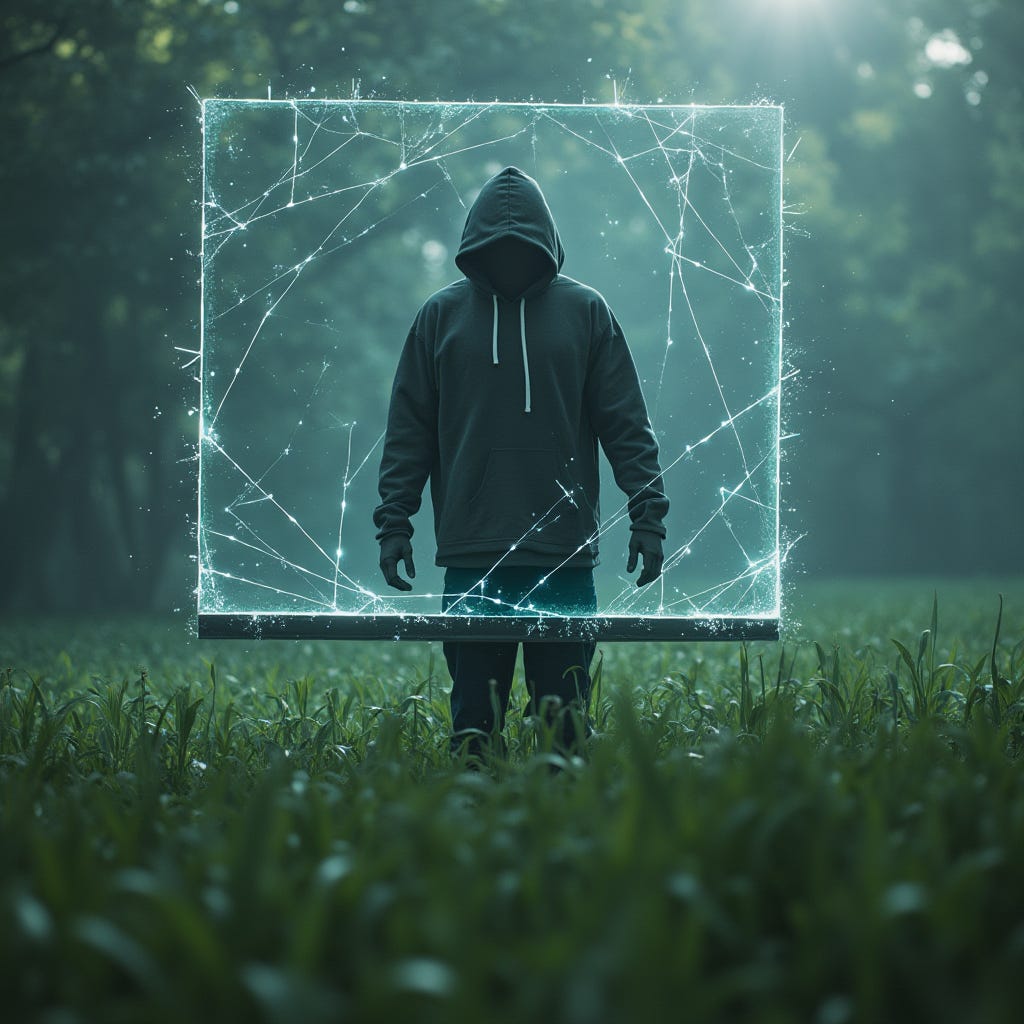
The internet was supposed to set us free. Instead, it’s a digital leash, tightening a little more every time we log in. But recognizing the game is the first step in breaking free. Start cutting their influence where you can, reclaim your time, and most importantly, stay loud. Because if they had it their way, we’d all be quiet, obedient, and endlessly scrolling.
So log off when you can. Think for yourself. And for the love of all things analog—maybe go dig up an old Fangoria, pick up a Hit Parader, or revisit a Wired magazine from the early 2000s. Remember what freedom used to feel like, and take back the space the internet is trying to steal from you.
Comments
Nothing yet. Say the first thing.
Sign in to join the conversation.