

“Friendship’s natural season,” wrote B.D. McClay in an essay in our Friendship issue, “is summer. Every year reinforces the gap between the season’s ideal (beach fun, sundresses, unbounded time) and summer’s reality (mosquitoes, sweat, misery). Friendship, too, partakes of this sort of gap, though in its case the gap is not so much between ideal and reality but between its overt representations and its fictional depictions.”
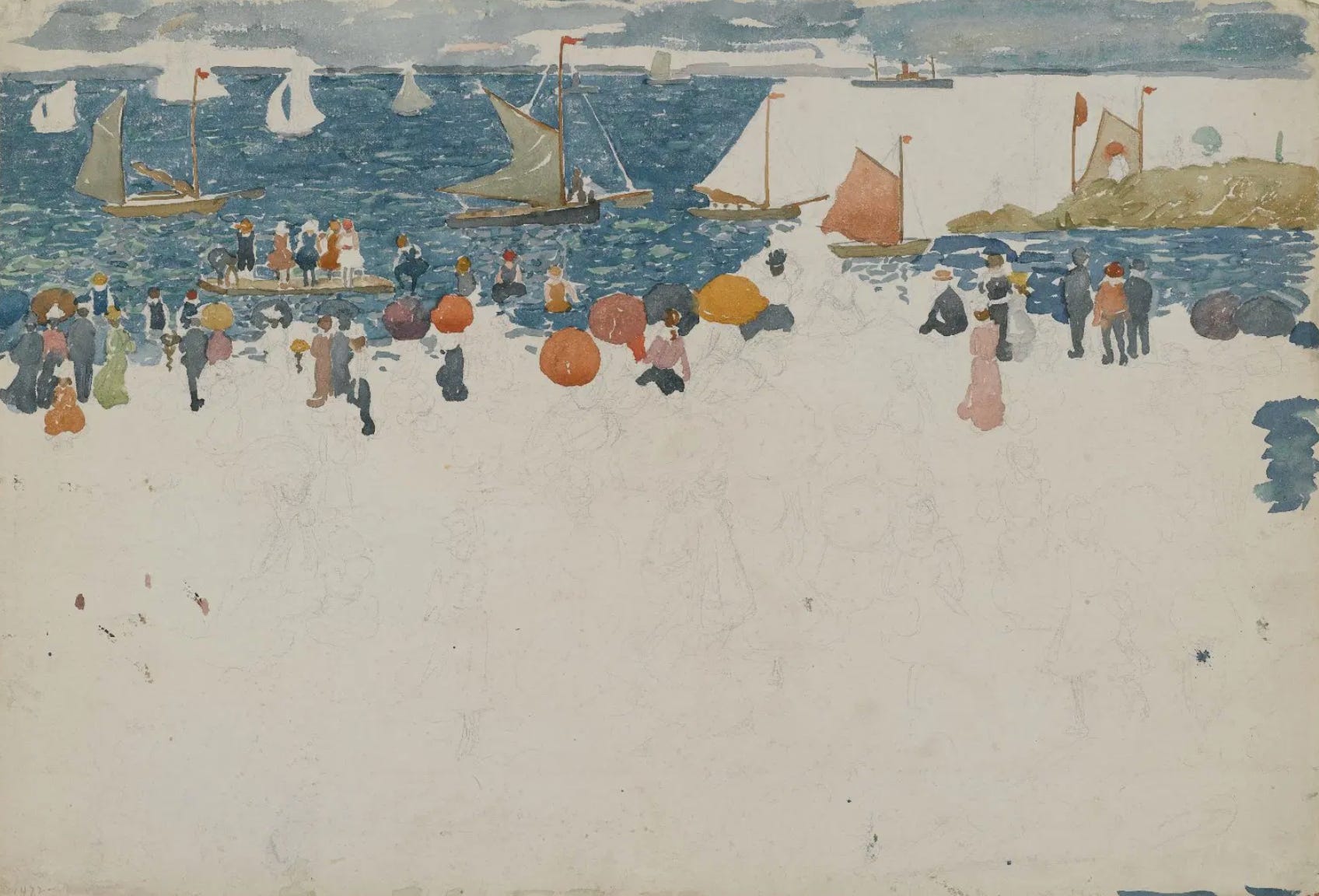
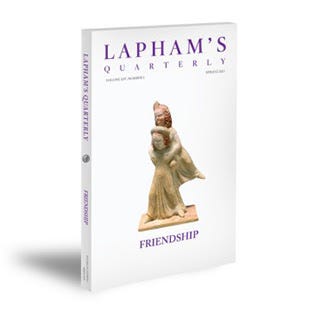
At the moment, friendship, particularly among women, is feted—friendship is “in,” even—as a positive, necessary part of life, as more important than romantic love, and, often, as a culturally undervalued institution around which there are “no scripts” or recognition for its highs and lows.
But when dramatized, friendship often becomes retrospective: it’s about the friends you left behind, whether because of a falling-out or a death. These are friends of childhood and school days. These are relationships that are mourned, but that are also escaped. Rather than being a necessary part of life, friendship is a dangerous alternative to normal living—a kind of world of lotus-eaters, dwelling forever in the summer space between childhood and adulthood. To flirt with the intensity of these friendships as an adult invites trouble, the same way that when our schooling is over, summer can no longer be treated as an extended vacation.
Which is very strange, because, after all, what could be easier than friendship? In theory, nothing. Friendship partakes neither of sex’s private fears and needs nor of the forward-looking speculation inherent in coupledom. Questions of commitment, children, shared finances—these are unimportant. It is a relationship that consists almost entirely in shared history, loyalty, and an ongoing pleasure in each other’s company. Friendship asks only that you be yourself. In philosophical treatments of friendship, it can often be elevated to the highest form of human relationships, even if its perfect form is rare. In The Metaphysics of Morals, Immanuel Kant compares the true friend to a black swan: something that “actually exists here and there” but which you don’t see every day, or perhaps ever in your lifetime. It’s a very different story, however, when we cast an eye toward fiction. If romantic love has the marriage plot, the friendship plot is summed up by Langston Hughes in “Poem”:
I loved my friend.
He went away from me.
There’s nothing more to say.
The poem ends,
Soft as it began—
I loved my friend.
Not every story with a marriage in it is a marriage plot, and not every story with friends is a friendship plot. When friendship exists in the background, it’s unremarkable but generally uncomplicated. But when friendship becomes the plot, then the only story to tell is about how the friendship ended.
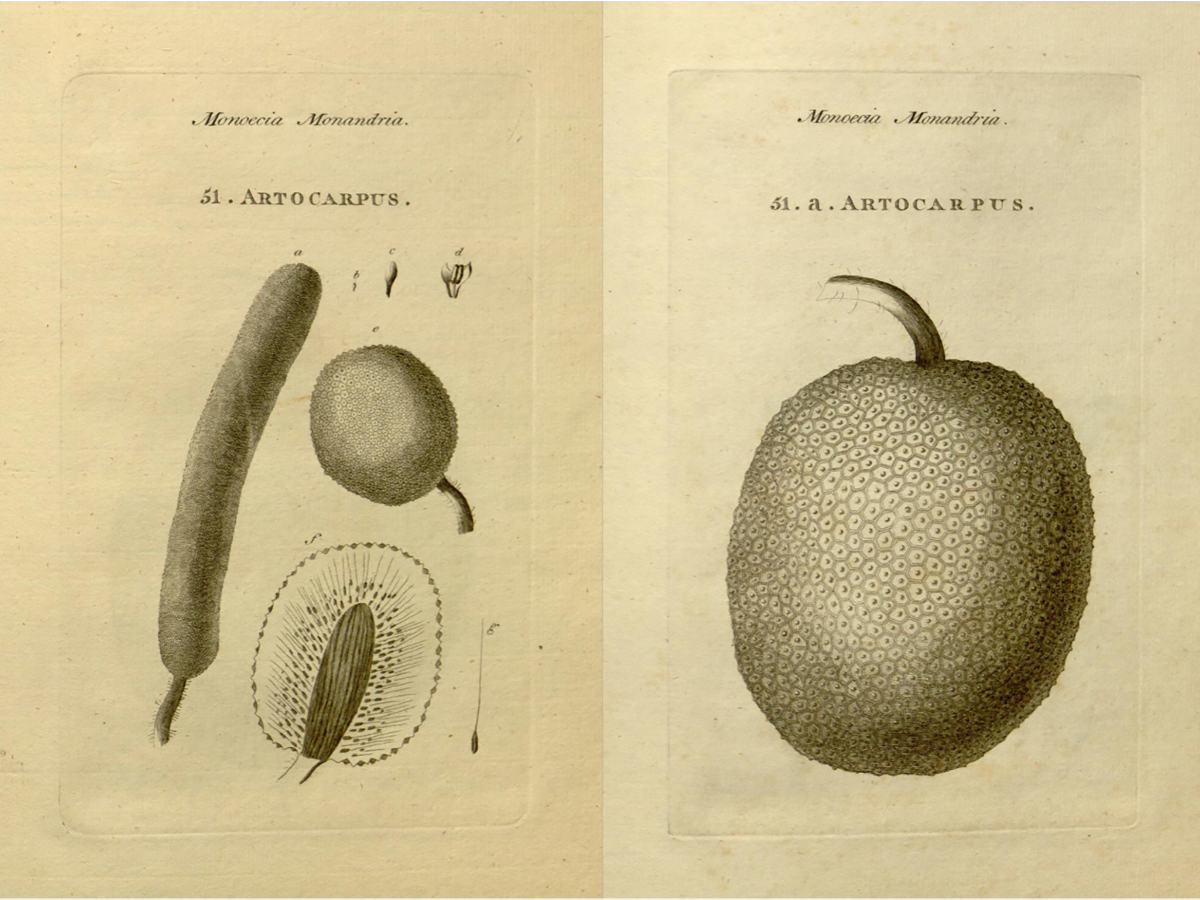
A Sea of Islands
Andrea Wulf
George Forster’s breadfruit botany and the history of Polynesian migration.
Andrea Wulf on The Traveler: One Man’s Quest for Humanity from the South Seas to Revolutionary Paris, a narrative and intellectual biography of the German polymath George Forster. This unabridged, Substack edition of the episode includes an epilogue about George Forster’s Parisian exile during the tumult of the French Revolution. The lightly abridged, free version is available here and on most podcast channels.
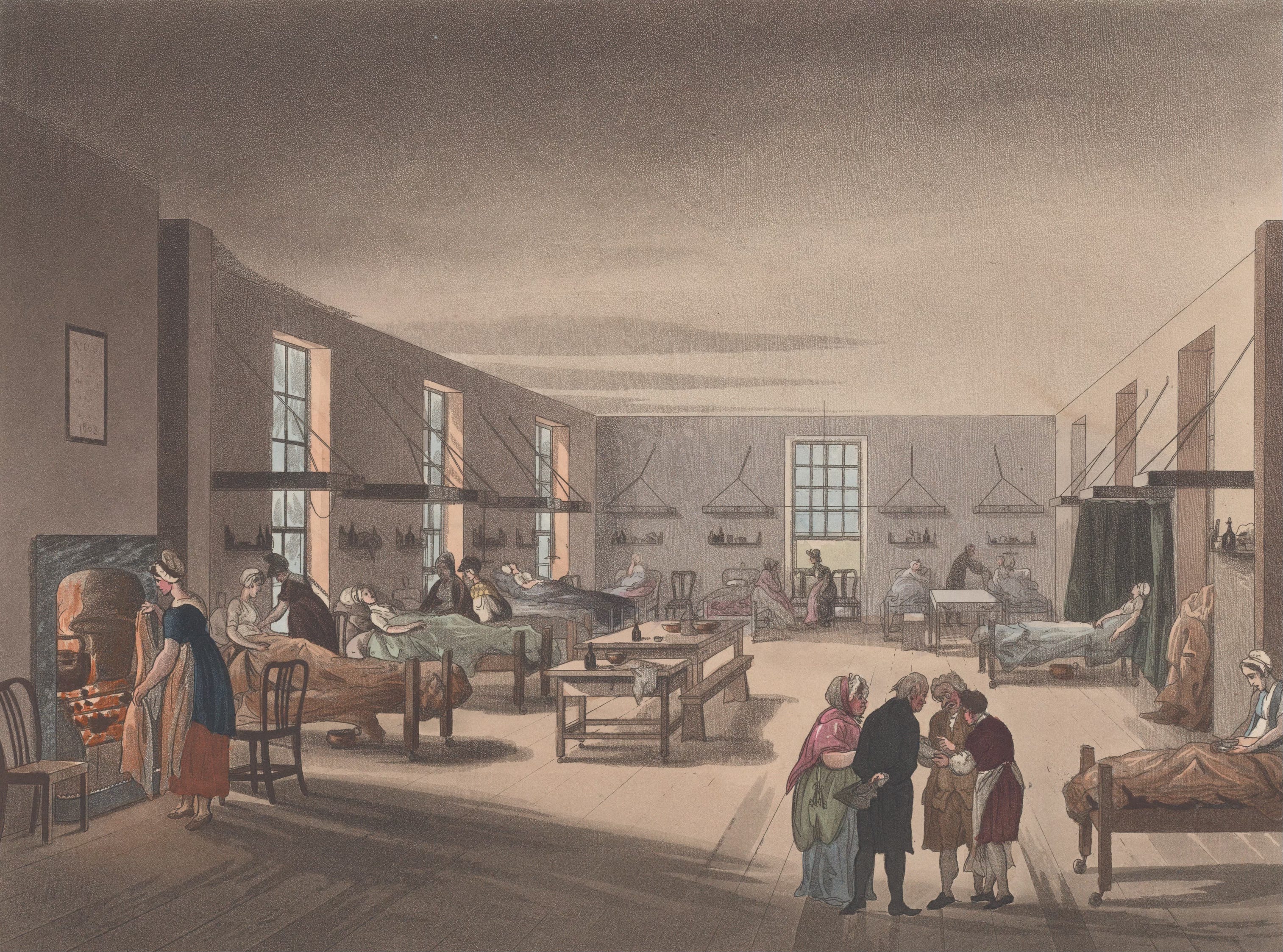
The Rest Is History
Apoorva Tadepalli
Lady detectives, library collections, and cyborgs.
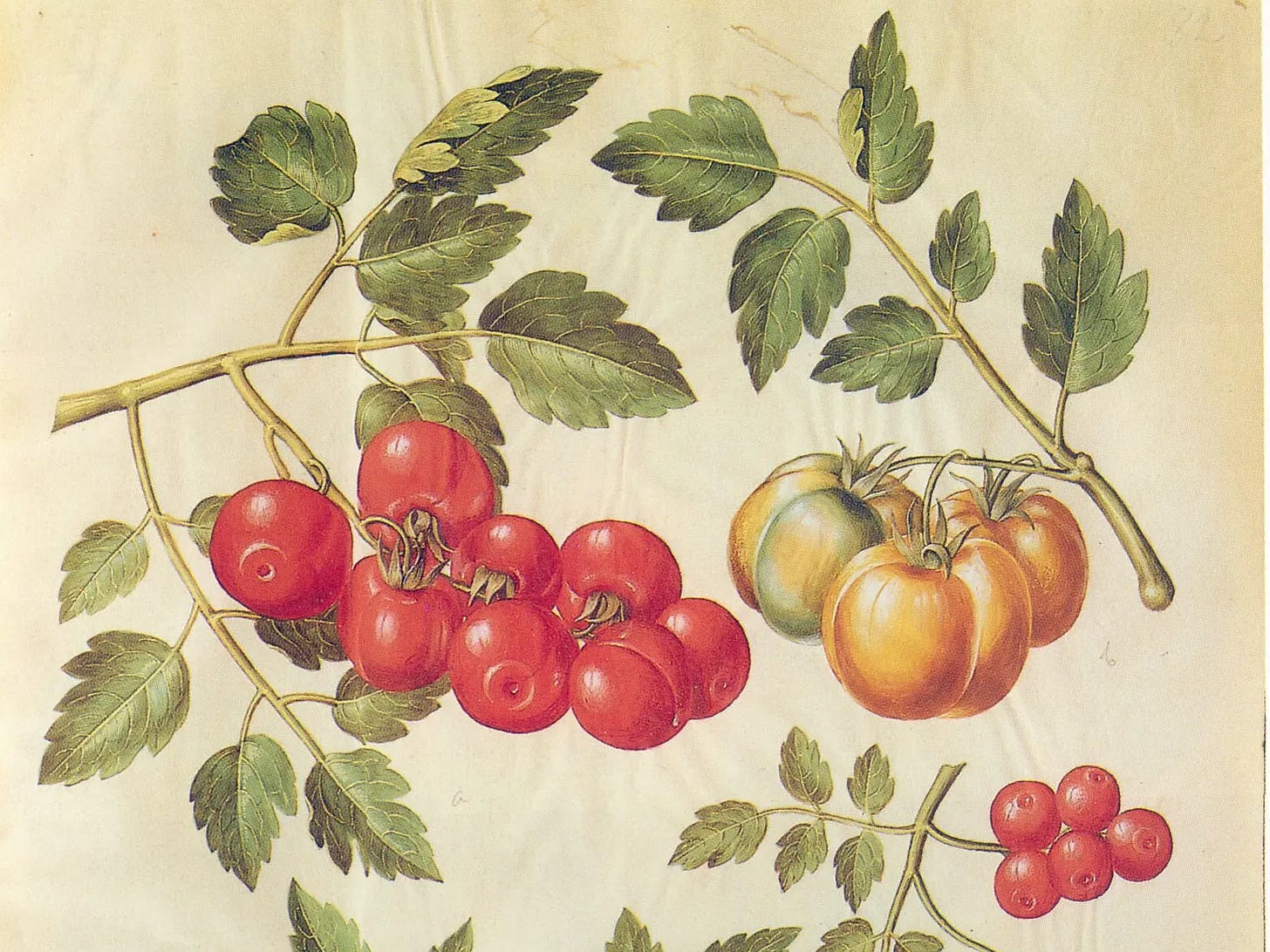
Voices: Botanical Illustrations
Readings to accompany the latest episode of The World in Time.
Lapham’s Quarterly will be taking an editorial break while we finish work on our new digital archive of back issues, but we will be returning later this month with new readings and new episodes of The World in Time.
Lapham’s Quarterly and the Lapham’s Quarterly Substack are projects of the American Agora Foundation, which is dedicated to fostering an appreciation of, and acquaintance with, the uses and value of history. You can find information about the Quarterly’s ongoing revival here.

Human solidarity commands us to understand the holes of oblivion and the world of the dying as the central issues of our political life.
—Hannah Arendt
If you enjoy Lapham’s Quarterly, share it with your friends and earn rewards when they subscribe.
No posts
Comments
Nothing yet. Say the first thing.
Sign in to join the conversation.