

“The Arabian philosophers agree that some men may elevate themselves above the powers of their body and above their sensitive powers,” wrote Heinrich Cornelius Agrippa in On Occult Philosophy, “and those being surmounted, they receive into themselves—by the perfection of the heavens and the celestial intelligences—a divine vigor. Seeing, therefore, that all the souls of men are perpetual, and also that all the spirits obey the perfect souls, magicians think that perfect men may, by the powers of their soul, repair their dying bodies (with other inferior souls, newly separated) and inspire them again—as a weasel that is killed is made alive again by the breath and cry of his dam, and as lions make alive their dead whelps by breathing upon them.”
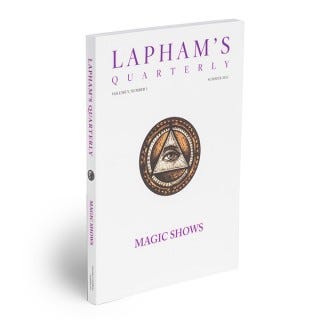
And because, as they say, all like things being applied to their like are made of the same natures, and also every patient, subject, and thing that receives into itself the act of any agent is endowed with the nature of that agent and made conatural with it. Hence they think that to this vivification, or making alive, certain herbs and magical confections (such as, they say, are made of the ashes of the phoenix and the cast skin of a snake) do much conduce, which indeed to many may seem fabulous and to some impossible, unless it could be accounted approved by an historical faith. For we read of some that have been drowned in water, others cast into the fire or put upon the fire, others slain in war, and others otherwise tried—and all these, after a few days, were alive again. Apuleius, relating the manner of these kinds of restorings to life, says of Zachla the Egyptian prophet that the prophet, being favorable, laid a certain herb upon the mouth of the body of a young man, being dead, and another upon his breast; then, turning toward the east, or rising of the propitious sun, he prayed silently (a great assembly of people striving to see it), when, in the first place, the breast of the dead man did heave, then a beating in his veins, then his body filled with breath, after which the body rose and the young man spoke. If these accounts are true, the dying souls must, sometimes lying hid in their bodies, be oppressed with vehement ecstasies and be freed from all bodily action; so that the life, sense, and motion forsake the body, and also that the man is not yet truly dead but lies stunned, and dead, as it were, for a certain time. And this is often found, that in times of pestilence many that are carried for dead to the graves to be buried, revive again. It is said that a man, by reason of a fall from a high place or great noise or long staying under water, may fall into a swoon, which may continue forty-eight hours, and so may lay as if he were dead, his face being very green. And in the same place there is mention made of a man that buried a man who seemed to be dead seventy-two hours after his seeming decease and so killed him because he buried him alive. And there are given signs whereby it may be known who are alive, although they seem to be dead, and indeed will die unless there be some means used to recover them, as phlebotomy, or some other cure. And these are such as very seldom happen. This is the manner by which we understand magicians and physicians do raise dead men to life, as they that were tried by the stinging of serpents were by the nation of the Marsi and the Psilli restored to life. We may conceive that such kind of ecstasies may continue a long time, although a man be not truly dead, as it is in dormice and crocodiles and many other serpents, which sleep all winter, and are in such a dead sleep that they can scarce be awakened with fire. And I have often seen a dormouse dissected and continue immovable, as if she were dead, until she was boiled, and when put into boiling water the dissected members did show life.
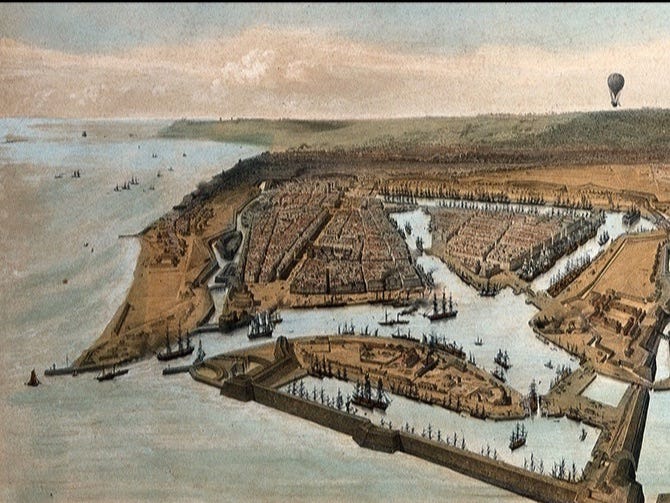
Heart of a Phoenix
Donovan Hohn
One year later, Lapham’s Quarterly lives. What’s ahead in year two of our revival.
That spring, when not anguishing over his monthly column or taking a pencil to a manuscript he’d acquired, Lewis was editing an anthology that would, he hoped, serve as the prototype for a more ambitious editorial project he’d been dreaming of, a new quarterly magazine of history and ideas.
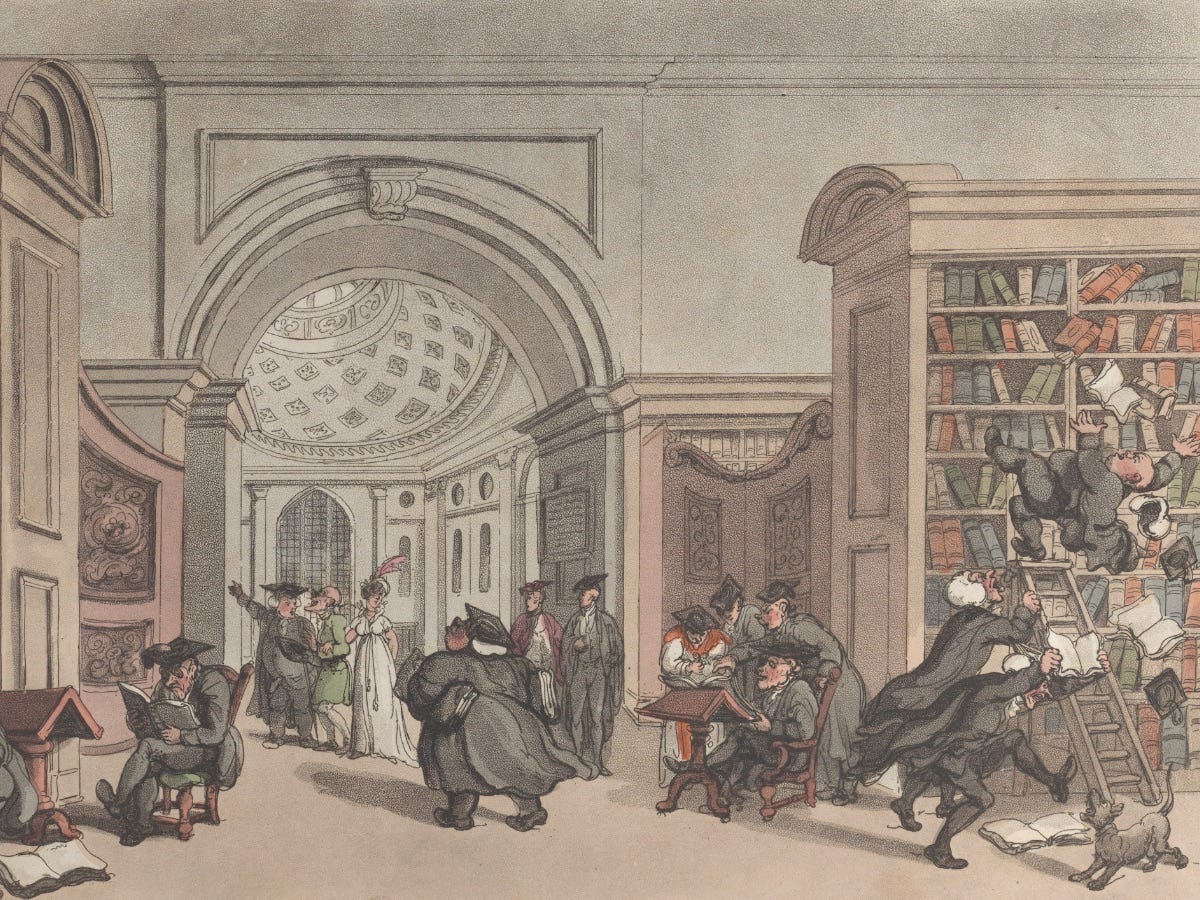
The Rest Is History
Apoorva Tadepalli
Lady detectives, library collections, and cyborgs.

A Tribute to Lewis Lapham
From His Colleagues in Film and Television
This summer, our podcast series on Revolutionary America has welcomed Lewis Lapham’s voice back to the microphone of the present. We are today, in commemoration of the second anniversary of his death, adding sight to sound.
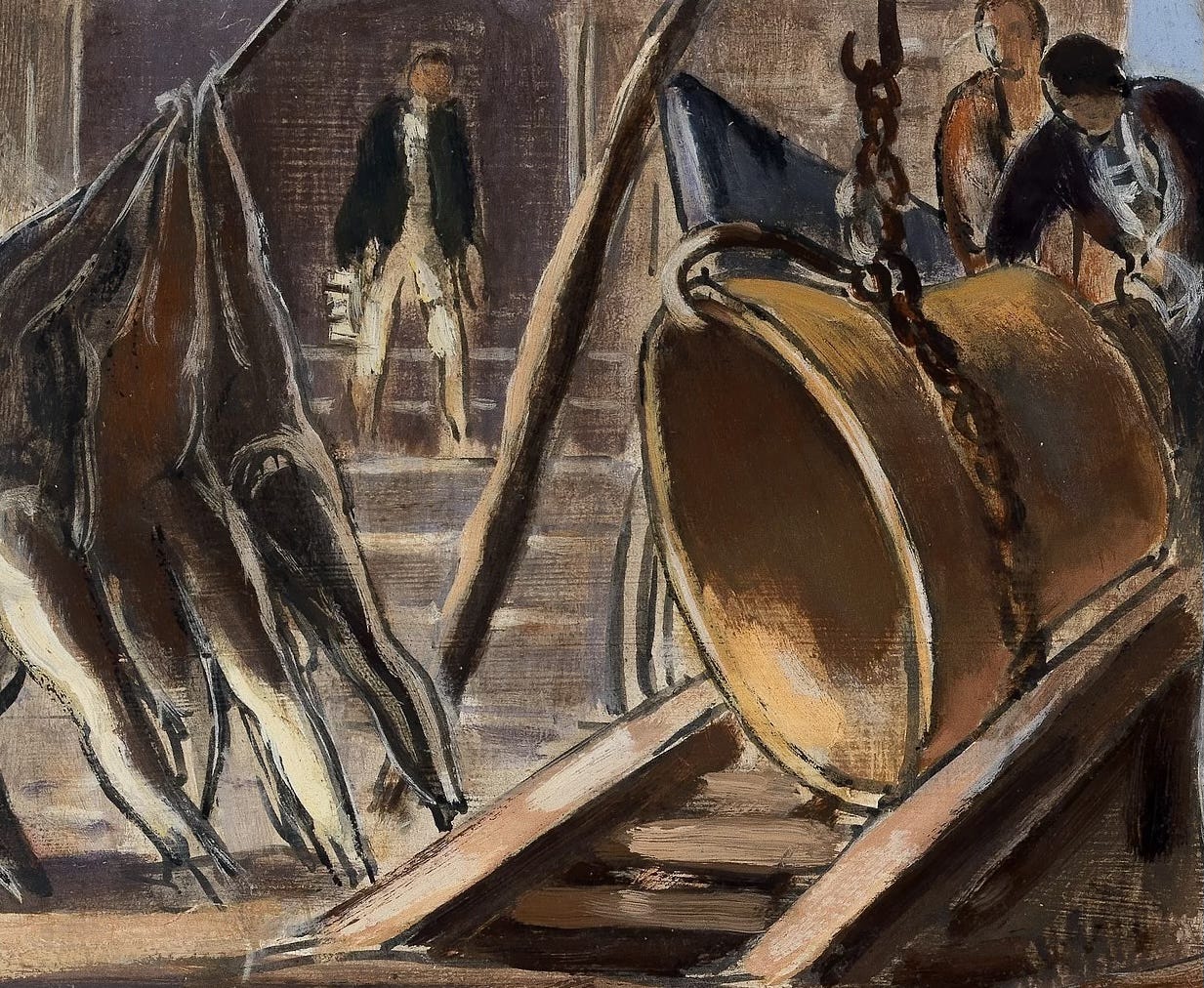
Voices: America’s Violent Birth
Peter C. Mancall, “The Mystic River Massacre”; Roger Berkowitz on Arendt and the American Revolution; William Hogeland on the democratic movements the framers feared.
It has been a dizzying week here in the editorial gondola of Lapham’s Quarterly. Back in 2007, before publishing the Quarterly’s inaugural issue, States of War (Winter 2008), Lewis Lapham spent a year preparing for the launch—stocking up on propane canisters, reviewing the designs for the silk balloon, fitting out the gondola with a spyglass and anemometer, seeking patrons, hiring an able-minded crew possessing skills archival, artistic, and editorial.
With our founding editor’s example in mind, we first began working on this Substack, quietly, one year ago. This week, we invited all of our readers to join us here. Many of you sent messages. We read them all, gratefully.
In his first Preamble to that first issue, back in 2008, Lewis wrote about the relationship between editors and readers, carried on mostly through the exchange of letters:
My sense of such an enterprise I gathered from a prolonged correspondence with the readers of Harper’s Magazine—people whom I never met and wouldn’t recognize if I came across them in an elevator or a police lineup. The return addresses on their envelopes didn’t amount to a demographic profile valuable to an advertising agency (some of the readers drank a great deal of brandy; others subsisted on mushrooms and dried fruit; some had attended as many as seven universities; others had yet to graduate from high school), but if I couldn’t guess at the weight of anybody’s automobile or stock portfolio, I knew that I was talking to people bound together by their interest in the meaning of words. When they found something amiss in a published manuscript, they took the trouble to correct a wrong fact or repair a disjointed paragraph. No matter what the subject under discussion—the authorship of the Bible, the moral bankruptcy of the Reagan or Clinton administrations, the trouble with New York literary critics, the neglected reasons for the fall of the Ming Dynasty—the care taken with the composition of their letters testified to the importance they attached to the telling of a truer story. Like the writers whose work appeared in the magazine, its readers were unafraid of the first-person singular, willing to think out loud, to bet the pot on a metaphor, to look for words that maybe could settle the wilderness of their experience with the fence posts of a beginning, a middle, and an end.
Most of us on the editorial crew are veterans of print magazines, unaccustomed to the wind speeds of the digital, so there may be course corrections to make in the months and weeks to come. As we move from our old newsletter service to this one, some of you may receive Back Matter twice. We apologize for the transitional redundancy. We will be sending some newsletters to “paid subscribers only.” Some of those newsletters sent to paid subscribers only will subsequently be made available to all readers for a limited time. Typically, we publish here on Tuesdays and Sundays, but some months, we may slow the tempo down.
If you would prefer not to receive our newsletters by email, you can change your “newsletter delivery preferences” from “prefer email” to “prefer app” in the “notifications” section of your account settings.
Our editorial crew is too small to take on the task of comment moderation, so for now, we are restricting Substack comments to paid subscribers. But as Lewis always did, we gratefully welcome your comments, emails, and messages—whether you subsist on brandy or on mushrooms and dried fruit; whether you received your education at seven universities or in a library or aboard a ship. Thank you again for reading—and supporting—Lapham’s Quarterly.
—D.H.
Lapham’s Quarterly is a project of the American Agora Foundation, which is dedicated to fostering an appreciation of, and acquaintance with, the uses and value of history.
No posts
Comments
Nothing yet. Say the first thing.
Sign in to join the conversation.