
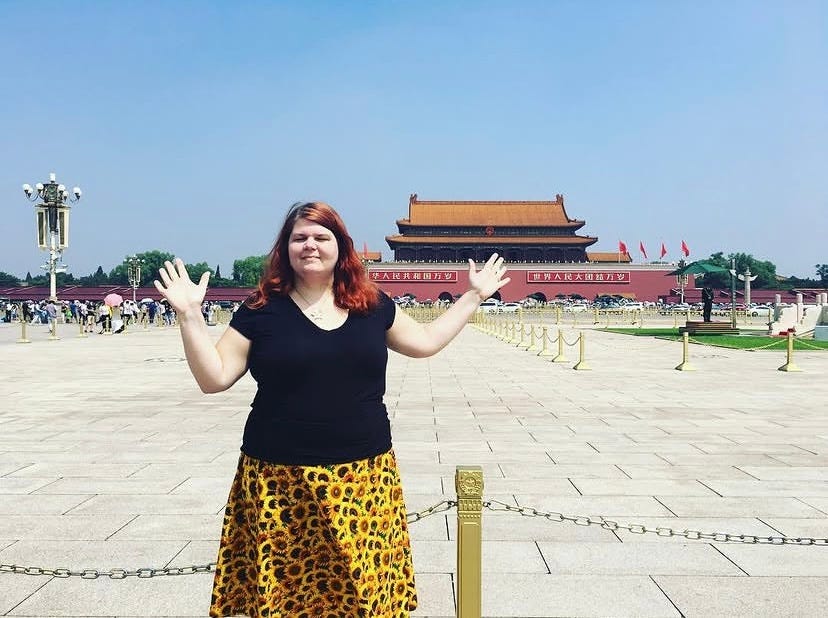
At the Forbidden City in 2016. Notice the skirt.
It’s no secret that I don’t care for China. I don’t mean the people; as long as we stayed away from certain topics, and leaving aside the two pickpockets I encountered, the people were almost always hospitable. There was a lot to like about China: the scenery, the food, the history where you could still find it. And yet, of all the countries where I’ve spent significant time, it left me with the most ambivalence.
After my semester in India, I spent a long period wanting to move back. That only changed when I realized Taiwan was a country I could call home. I spent about two months in Turkey, and left thinking Istanbul was one of the few cities that could potentially draw me away from Taiwan. And I say that as an Armenian-American! I did my Master’s in the UK, and never wanted to leave when my summer lectures finished. And of course, I moved to Taiwan expecting to stay for two or three years; this September will be my twentieth.
China? I spent a year teaching English in a city in Guizhou. I won’t say which one because I want the story I’m going to tell to remain as anonymous as possible.
I used that year to visit Xi’an, Chengdu and other parts of Sichuan, Chongqing, Guangzhou, Hong Kong, Shandong (Qingdao and Yantai), a few cities in Yunnan, and East Turkestan (which China calls Xinjiang). After my year was up, I packed my bags and left on a backpacking trip that began in Beijing to procure some visas for my onward travels. By the time I made it back to the US, I had no specific desire to return to China.
I can’t point to a single event that caused my general dissatisfaction with my year there. It was more of a pervasive miasma; a feeling of inescapable unease. My mail occasionally arrived opened. The local paper interviewed me and then printed things I never said. I was paid in cash because getting a bank account was “too difficult”. The owner of the school presented her boyfriend as the “director” because parents expected to see a man in charge. I had access to the real Internet only because the school owner’s younger brother set up a VPN.
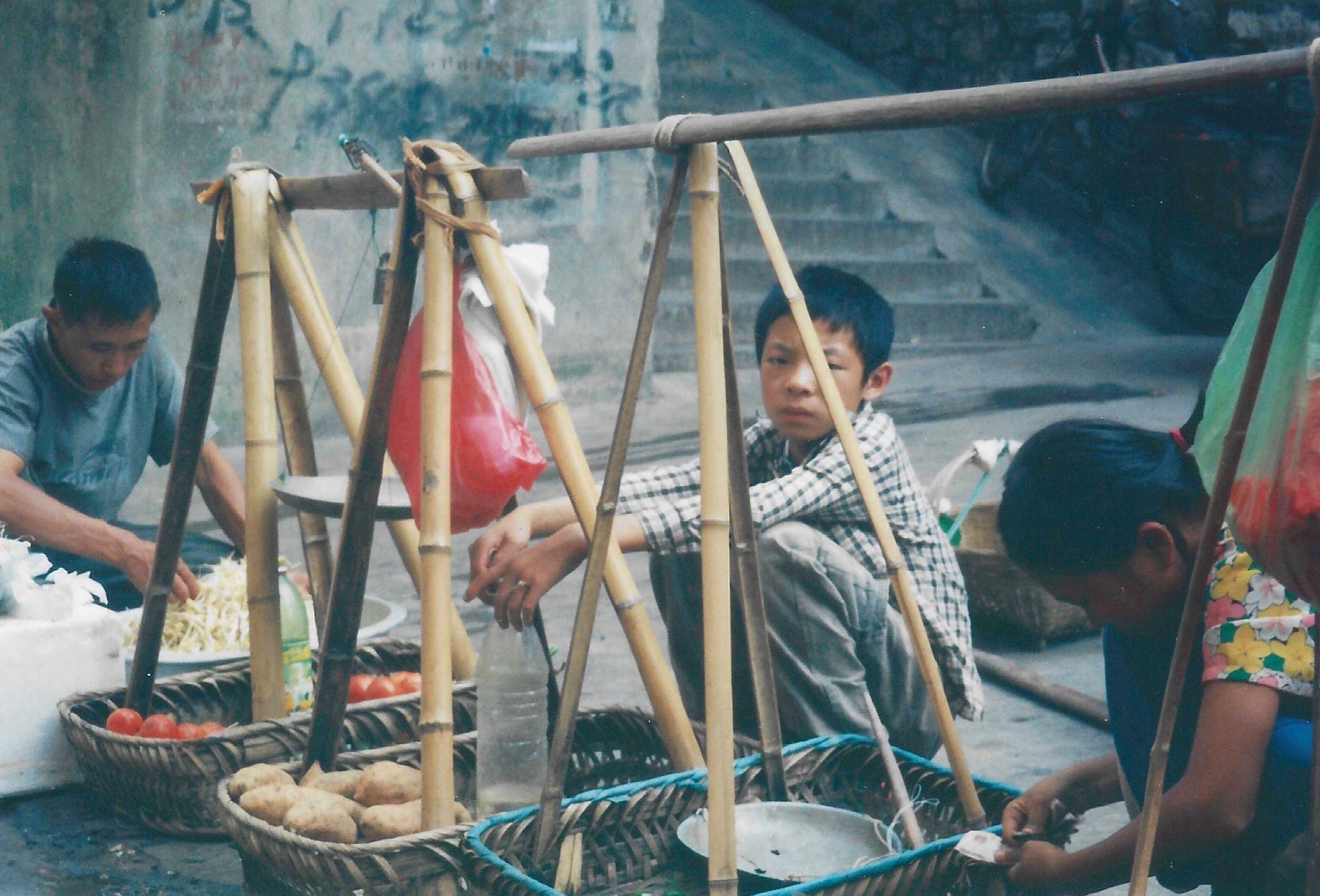
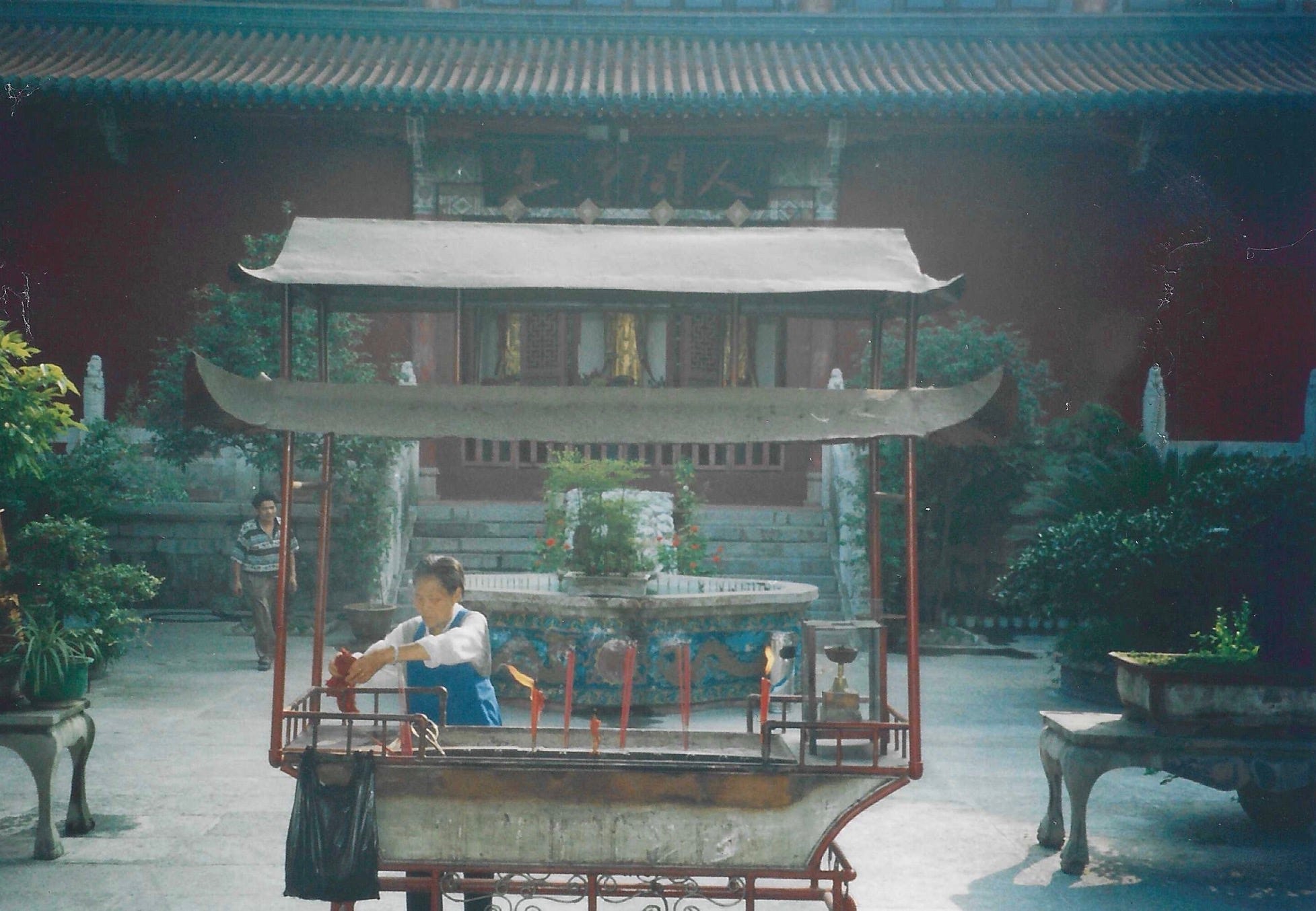
A photo from my time in China
I didn’t think too much about what that implied when he did it. I should have.
I mentioned once that Taiwanese didn’t seem to have a strong desire to unify with China; I was told this was a lie by the “oppressive” Taiwanese government and all Taiwanese understand that they are brothers and sisters of the Chinese people.
Interactions were generally friendly, but felt a bit like that first layer of ice on a pond in winter. Tangible structure, observable hospitality, but brittle and surface-level. Underneath them was always a feeling of otherness, like I was the foreigner people were being polite to, not a fellow human being with whom one might truly connect.
I don’t feel this way in Taiwan; I got the impression that if I stuck around, I could make real and lasting connections on a human level, and have done so. I never felt that spending longer in China would have a similar result. Maybe I was wrong, but my heart was telling me to leave.
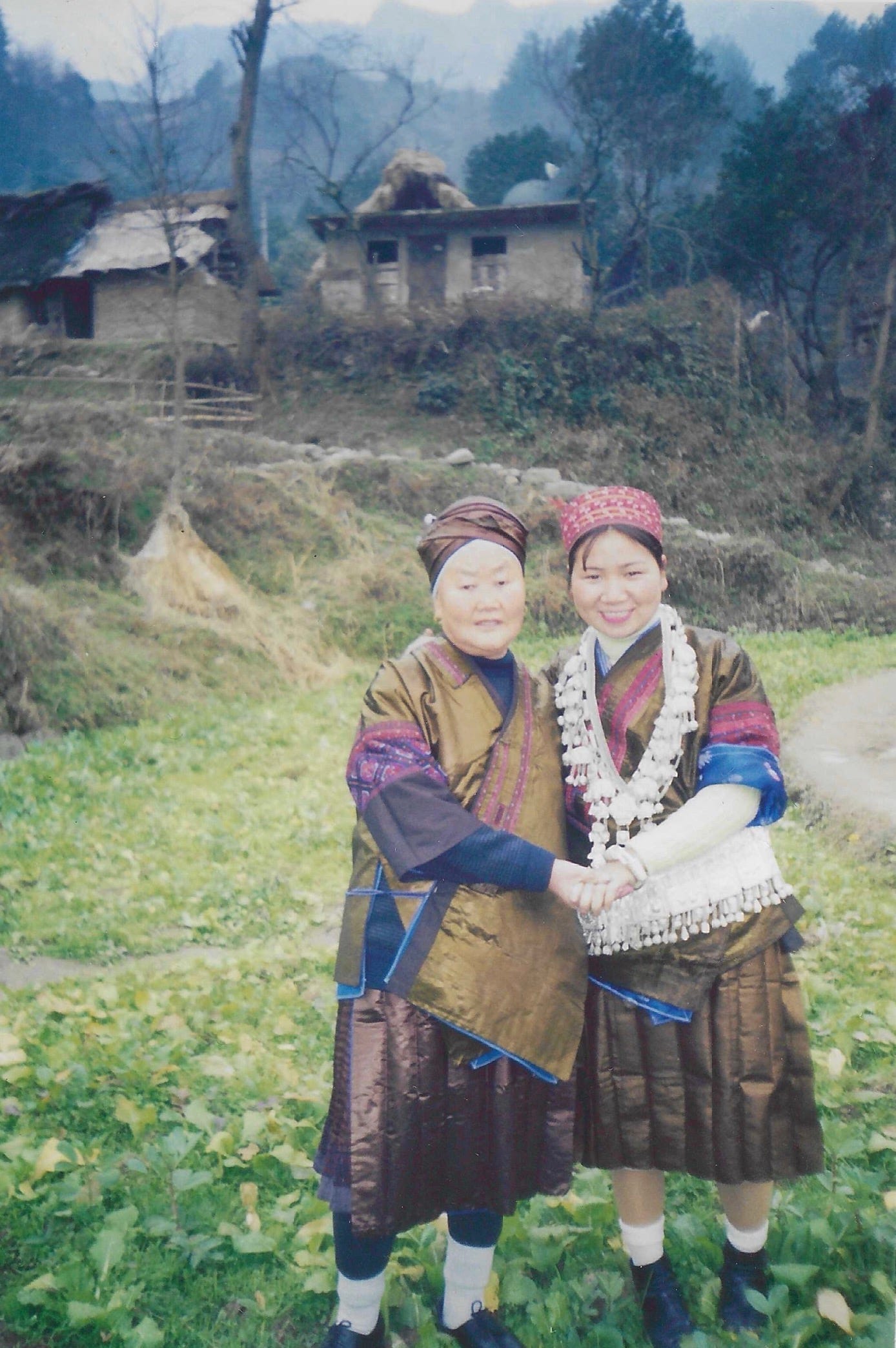
The Guizhou countryside
There were two exceptions. One was my brief roommate Nina, a school employee who was asked to live with me so she could keep tabs on me but ended up becoming a real friend instead. She refused at some point to report on me to the school, which I’m sure got her in trouble. When I overheard the boss’s younger brother calling me fat — I’d learned just enough Mandarin to understand this — he blamed her for telling me what he’d said (she didn’t) and she got fired. I felt terrible about this, and wondered if I should have let his comment slide.
I hadn’t known at the time that she was already in a little trouble because of me, and I’d had no way of knowing they’d use this as an excuse to get rid of her. We kept in touch for years, but eventually lost contact. I don’t know how I’d find her again; she can’t be on any social media I use, and she has a very common name.
You can imagine that I’d grown a hearty dislike for the boss’s younger brother. I blamed him, rightly, for what had happened to Nina.
In India, Taiwan, Turkey, I’d imagined what it would have been like if I’d stayed. In Taiwan, I actually did. When the end of my contract came in China, I did not renew it. I packed my bags and prepared to travel. I only had a few thousand dollars saved up; I genuinely didn’t know how I was going to make it from China through Laos and Thailand, back to India with a side trip to Bangladesh, then a week each in England and Ireland. I suppose anything is possible when you’re young and strong-backed, able to sleep anywhere, and it’s 2003.
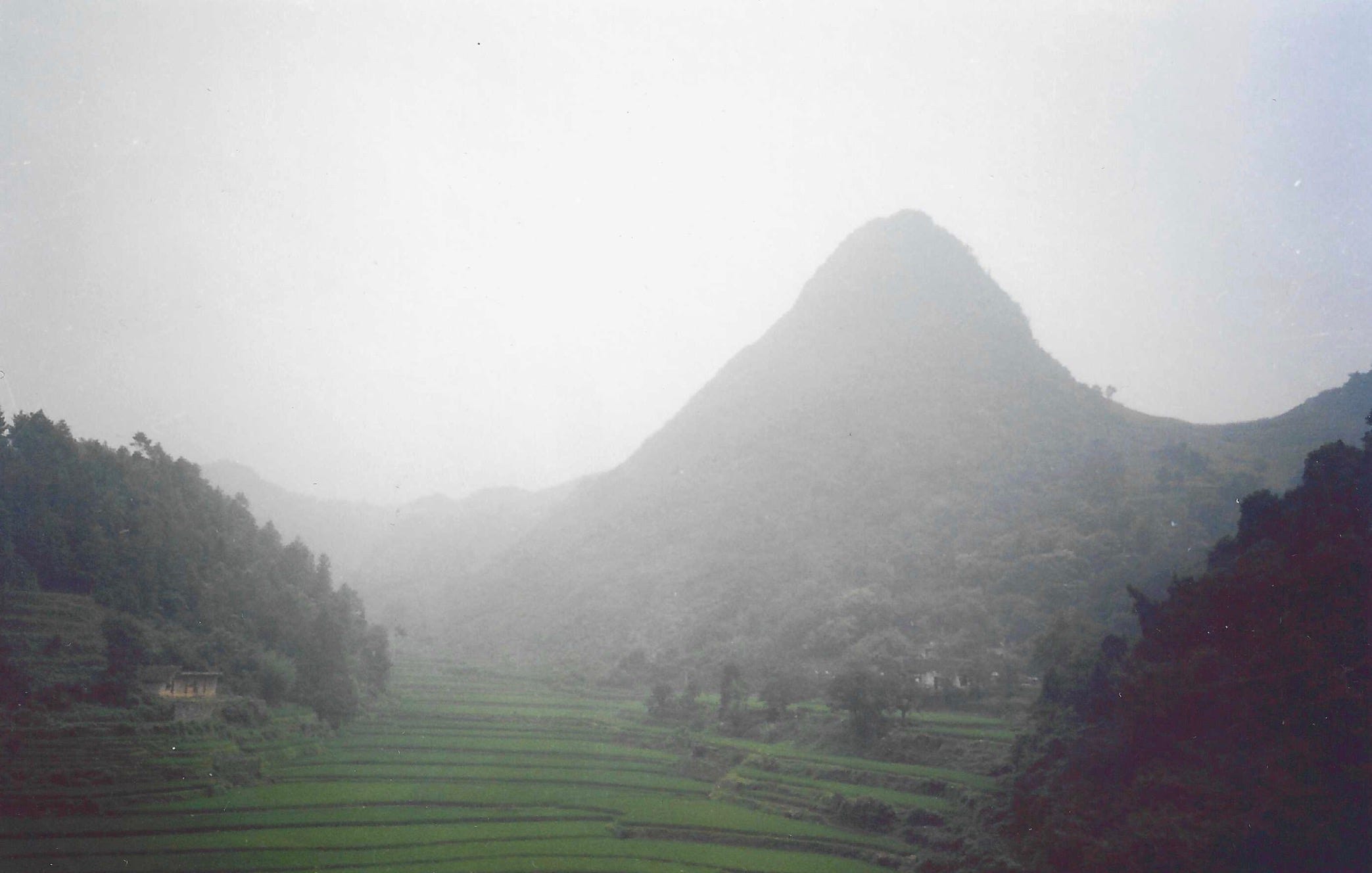
From the highway in Guizhou
The school threw me a going-away party. We’d had our squabbles, but I suppose I was a good enough teacher. At least I wasn’t the one who showed up drunk and caroused in brothels after class. That was my coworker. I was on time every day, planned and taught lessons, was faultlessly sober at work, and the kids learned some English.
We had a banquet-style dinner with my boss, her parents, her younger brother and her annoying boyfriend. My two foreign coworkers and the school secretaries showed up, as did the only other friendly foreigner in town (there was an unfriendly one, too, but I never spoke a word to her).
After dinner, the foreigners retired to the riverside bar that sold awful Guizhou beer and somewhat better Qingdao beer. The boss’s younger brother joined us. The coworker with problems tottered off at some point to find a brothel. The other guy went looking for him and came back awhile later saying he’d fallen in a gutter with his pants down, but would survive. My other coworker and the guy bonded; they’re married with a kid now.
We all spoke minimal Mandarin, and the boss’s younger brother didn’t really speak English. I suppose we communicated through the medium of beer. We sang songs nobody really knew the lyrics to, cracked peanuts, and generally held the sort of meaningless conversation that drunk people hold.
I even started thinking maybe I could forgive him for calling me fat that one time, and they were probably going to have found an excuse to fire Nina no matter what.
That’s about when he started confiding in the foreigners, either drunkenly or smartly assuming that we neither could nor would rat him out to the authorities. We’d been talking and singing loud enough for other tables to hear, but when this began he he had the presence of mind to drop his voice low enough that it could only be heard at our table. This was also well before the era of true mass surveillance, when you could still talk to other people as long as you didn’t publish any anti-government commentary.
A photo from my time in China
I can’t quote him exactly because it was so long ago, but he started in with how much he hated the Communist Party. They try to control everything, he said. He’d thought he could learn more about the world from the Internet, which was fairly new in China at the time, but they’d clamped down on that, too.
We admitted in our bad Mandarin that we didn’t like them either, that we actually liked China but the government made us uneasy. It made it difficult to stay. I wanted to live in a democracy, I said. That’s why my bags were packed. It wasn’t really about China the country.
He agreed. He did too.
I said I was thinking about eventually moving to Taiwan. He said that would probably be a good idea.
Do you know why I hate them so much? He asked it like it was rhetorical, but it wasn’t. We didn’t know. There were plenty of good reasons to hate the CCP. So why?
I was at Tiananmen Square, he said.
He’d been a student in Beijing at the time. Of course, as the son, he’d gotten educational opportunities that his older sister hadn’t (they were both just a little too old to have been born under the One Child Policy).
While there, he’d heard about protests in the square. He’d been young, idealistic, and quietly pro-democracy. He went with his friends, including his best friend, to join the protests. I assume the atmosphere was electric; if he described it all I didn’t understand because I lacked the language skills.
I’d experience that electricity a decade later at the Sunflower protests, where a critical mass of people would gather to demand change. Only the protest I attended would not result in any deaths.
Then the massacre started. He tried to hide with his best friend, at first they both managed to stay alive.
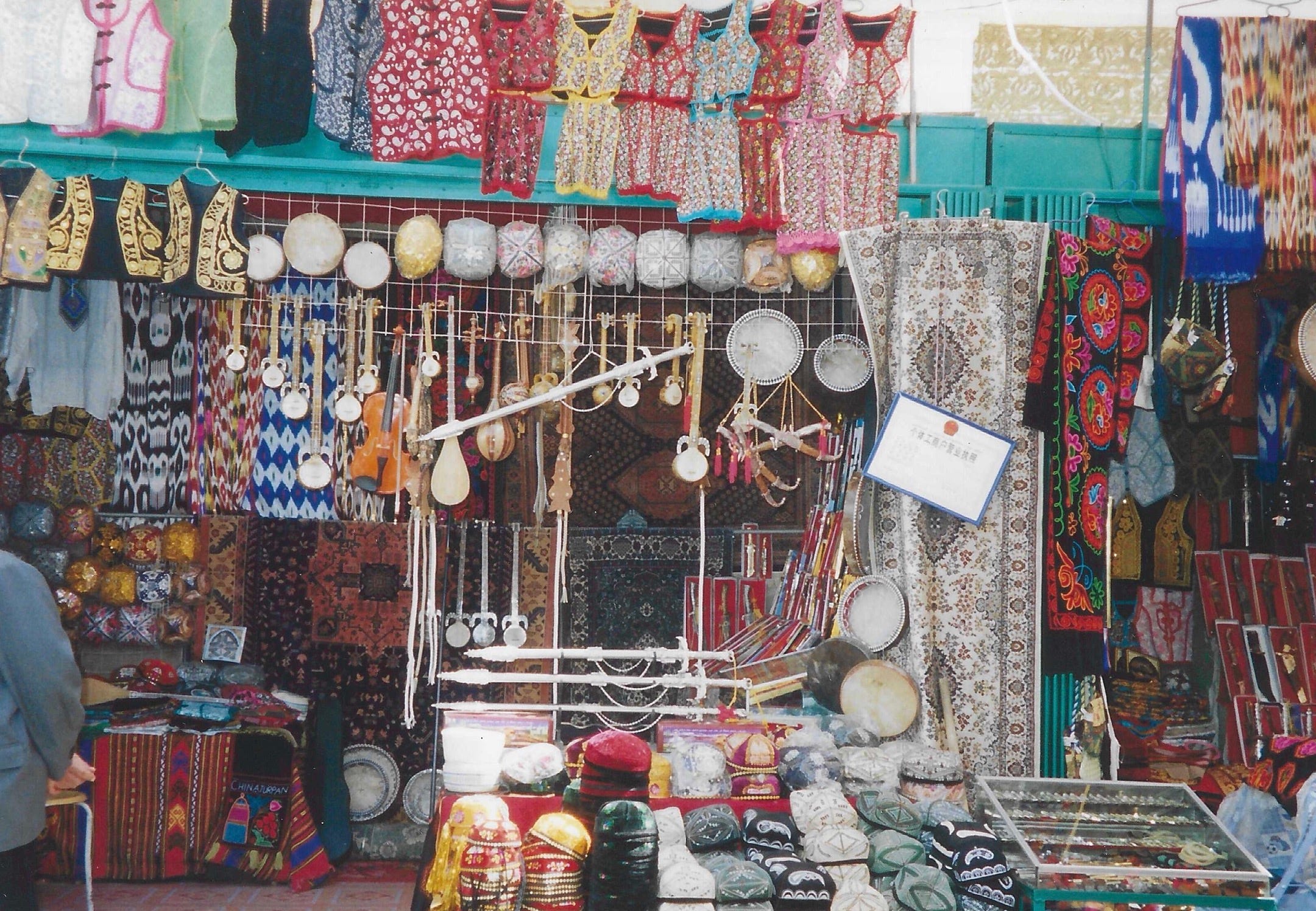
From my trip to East Turkestan
Then — and he didn’t say how this happened — his best friend was shot in front of him. One minute they were two young students protesting for reforms in their country, the next they were trying to survive a massacre, and the next one of them crumped to the ground, dead.
I don’t know how the man talking to us survived, but he did. Not without massive trauma, of course.
I hate the CCP, he said. I hate them, I hate them, I hate them.
I’d picked up enough Mandarin to understand that. He started crying and we consoled him; I decided it didn’t matter what he’d said about me before. He’d been through a lot, and a lot more than I ever had. And on the big stuff, we were aligned. I hate the CCP. I hate them, I hate them, I hate them.
I really can not imagine how he must have felt. I’ve never had a best friend die, let alone have him be murdered by the state. It had been almost fifteen years, and here he was sobbing as he told his story to quite possibly the only people he could tell. I won’t pretend to understand the depth of that pain. This is what dictatorship does. It ruins lives. It is never, ever excusable.
That was my last night in that city in Guizhou. The next morning I was going to have to fly hungover to Beijing to start my long journey home. I'd been looking forward to seeing the city for the first time. After that conversation, I began to dread it a little.
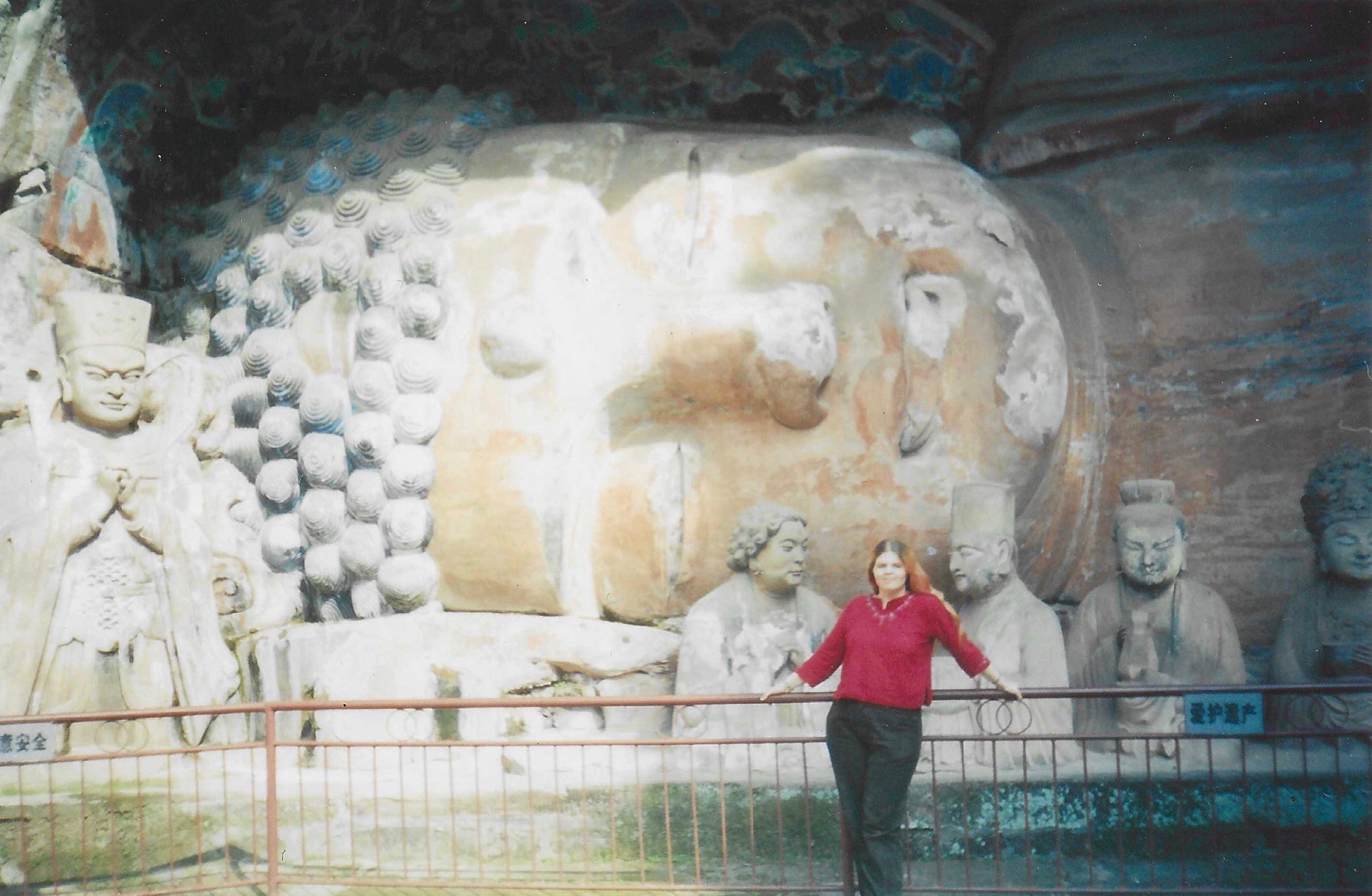
From my time in China, I think in Dazu
No posts
Comments
Nothing yet. Say the first thing.
Sign in to join the conversation.