
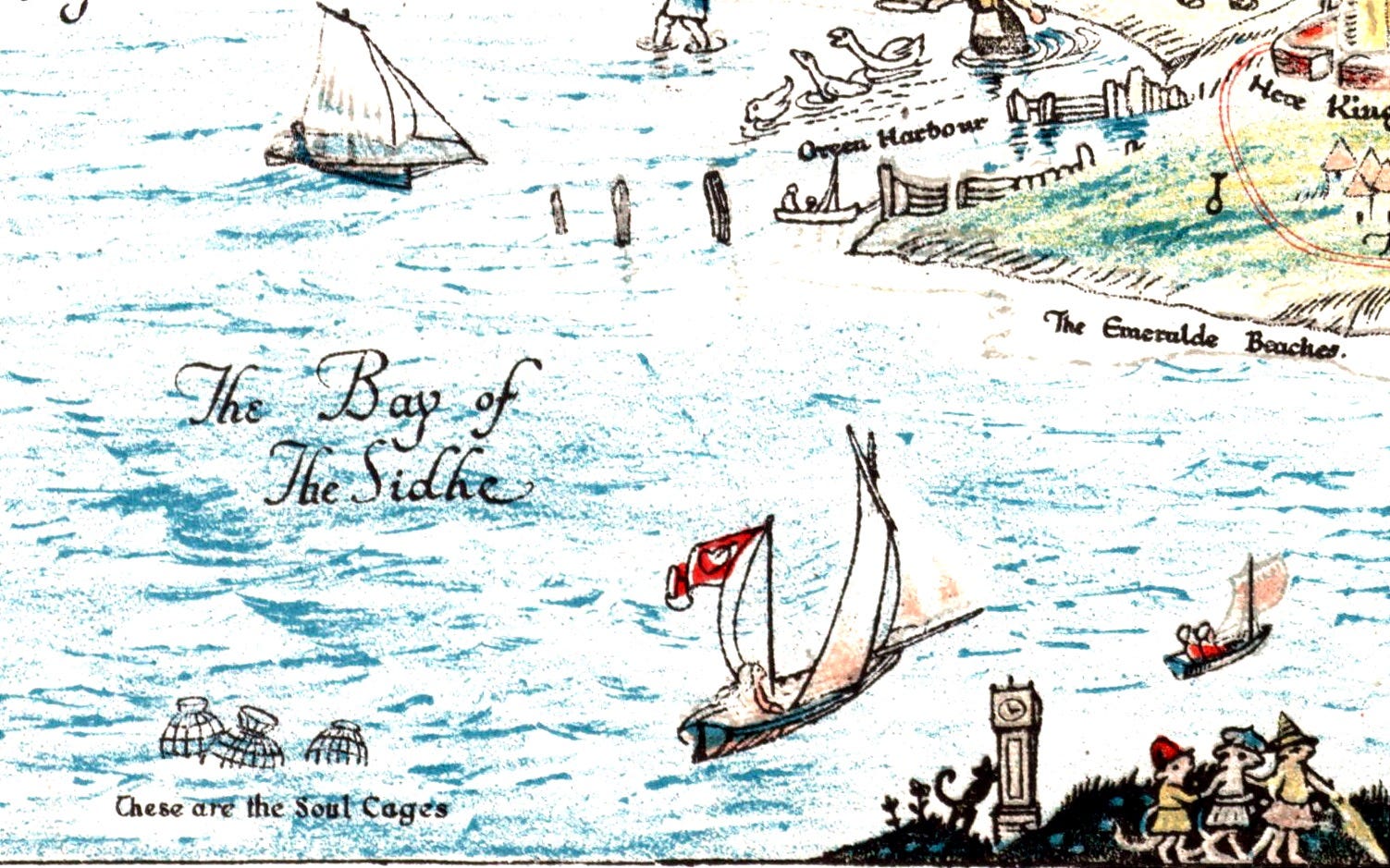
Jim Butcher recently won me over in a more permanent fashion to his Dresden Files after many years of… lukewarm cynicism on my part. Unfair cynicism on my part, to be sure: Butcher at his worst remains a finer storyteller than I or most writers on this platform across all genres ever will be. That huge caveat aside, I still believe Butcher’s early books read like the literary equivalent of exposed architecture. You can watch the narrative gears click forwards plot point by plot point. Being of a Charlie Chaplain disposition, my initial impulse is to throw my body upon his narrative gears. The only other book to ever give me this impression was book one of Brandon Sanderson’s Mistborn, which I enjoyed.
Yet Butcher started to win me over in the second book, Fool Moon. Each time I felt he wouldn’t lend nuance enough to various werewolf mythoi, Butcher would surprise me with a referent I hadn’t anticipated. This, most importantly, let me relax my disbelief and start to trust him. But we hadn’t yet approached anything close to Tolkien’s secondary faith. His Grave Peril and its intertwining graves with fae made me nod my head and pledge to read just one more novel before quitting.
By Summer Knight, I was hooked.
I have finished Death Masks (book five) — its kickoff where all the main warring parties debate the terms of a live-or-die duel between takes live-to-tape on a late night show feels… a bit too real for the times in which we find ourselves.
Yet something strange happened during the fourth novel due to my experience of Summer Knight via audiobook performed by the wonderful James Marsters. Sometimes our minds silently read a word over and over and over again for years without hearing it spoken aloud. The moment we hear said word said aloud, a whole series of reimaginings click into place and we long for the deeper meaning. I think this experience is good! It’s a natural part of our personal experience of reading, which is something between hearing with our eyes and encountering sculpture with our eyes. A reencountering pronunciation — a phonetic recalibration — happens more often to us when experiencing dead languages, partly because the further back we go, the more guesswork we wield for how ancients may have pronounced a word. This, perhaps, could be an origin of the joke that began with Chaucer’s “k’neekt” | kniːxt | which is the proper pronunciation of “Knyght” — as in the Knight’s Tale — and ends therefore with John Cleese saying, “We are the Knights Who Say ‘Ni!’”
Can we get any confirmation one way or another on that, John? Because I would love for that to be true, though it’s quite likely the scene is nothing more than the silliness of surrealism at play again:
True or false, I still remember one of my best friends in grade school always pronouncing her name “Her-mo-ninny” until the first film came out. To be fair to him, how many of us were seriously reading the Orestia or Ovid in grade school? How many of us even knew Hermione was a name in the classics before having read it in a YA series? As I’ve hinted elsewhere, I didn’t touch Ancient Greek until college and even then, compared to my high school peers who had just enrolled elsewhere, I was a bit weird for that. Most of them went deeper into coding languages, music theory, medical terms, that kind of thing.
This month, an old word surprised me when a narrator’s verbal pronunciation recalibrated my understanding of its phonemes and meaning. This word comes from the same language as the first name Siobhan, a name that plagued me as a Little Egypt boy until I met a real life Siobhan here in NYC at an Irish pub. This was long before I’d been to London. She’d recently migrated to NYC. I tend to feel a great shame when the word I’m phonetically recalibrating comes from Gaelic, since a good chunk of my family migrated from the Isle of Man and elsewhere across Ireland during the genocide. (Of course the Schaubert clan — as far as I can tell from the Russian side of the records — also migrated right around the holocaust, so… it’s messy no matter which side of Europe we traverse). She said, “My name’s shi-VANN.” After three attempts, I had her write it herself on my napkin and said, “I am so, so embarrassed right now.” Now I love her name even more. The country even more. The language, our own. It’s wonderful.
This time was different. It involves fairy tales, Jim Butcher’s work, and a whole slew of other things.
For the word that metamorphosed before me was pronounced “she” by Butcher’s narrator, Marsters. She? Who is she? Why is everyone referred to as The She? The narration of Summer Knight started to drive me loony because I didn’t remember that word in any of the earlier books. And yet it was clearly referring to many, many characters I already had met. Was Butcher commenting on gender? Probably not. Feminism? Perilously so, if so. Were the courts of the fae only populated by women? Not unless half of them were cross dressing all the time. Was this Mandarin for “laugh”?
•ahem•
I finally did what I almost never do during a first read: I looked up a wiki entry on the novel to see if I could find the word’s spelling before spoiling anything major.
I immediately saw my error:
Sidhe. Sí. “Shee.”
Oh.
Duh.
Not “Seed-hey.” Right…
Frigging Gaelic strikes again! Noooooooooo!
And yet…
My mispronounciation lead me to connections I would never have made simply reading the word on the page. Here’s why:
The aos sí or aes sídhe are a supernatural race, offspring of the Tuatha Dé Danann of Irish lore. Elves are a… fair enough analogue. They’re fae. Aos means “folk;” and therefore folk of the sí.
What are sí?
Portals to Otherworld that we see as burial mounds. Consider the barrows of the Argonautica, which I’m finishing, though it’s a different mythology:
And so a barrow to this hero was raised in that land, and there stands a token for men of later days to see, the trunk of a wild olive tree, such as ships are built of; and it flourishes with its green leaves a little below the Acherusian headland. And if at the bidding of the Muses I must tell this tale outright, Phoebus strictly commanded the Boeotians and Nisaeans to worship him as guardian of their city, and to build their city round the trunk of the ancient wild olive; but they, instead of the god-fearing Aeolid Idmon, at this day honour Agamestor.
Who was the next that died? For then a second time the heroes heaped up a barrow for a comrade dead. For still are to be seen two monuments of those heroes.
In the Irish mythos, Otherworld is where deities and the dead dwell. It’s a parallel universe, existing right alongside ours. You can reach it sometimes through mist, sometimes through caves, going underwater, across the western sea, lead by a strange animal, on a night with no moon, by following a ball of thread or — as I said — diving headlong into barrows. Therefore in earlier Irish, aes sídhe, means “folk of the fairy mounds.” Sidhe is related to the words “seat” and “settle” through the Proto-Indo European “sed-”
As in settlement. You know you’ve put down roots when you bury your dead there: here’s the church, here’s the steeple, here’s the church burial grounds. Or, in the Argonautica’s case, the tree you bury in the druid circle. Mindful of that, you can see “Sidhe” easiest in the midst of words like residence, residue, preside, and assiduous. But also a place that’s under siege. Or a place reduced to soot. Therefore, Sidhe may come to mean something of a permanent settlement as in “final resting place” or Betty Smith’s haunting phrase from A Tree Grows in Brooklyn “now we have a little bit of land.” Again, the graveyard at a church. Consider before cholera that all New York burials happened in churchyards. They ran out of room, and that was the origin of our necropolis, the first necromantic rural cemetery in the United States, Greenwood. Therefore “sidhe” starts to mean immortal:
The very word ordinarily used for the good people, Sidhfir, Sidheôgaighe, probably means the “Immortal Men,” the “little Immortals;” “Slûagh Sidhe,” the Immortal Host, the Spanish Huesta Antigua, Exercito Antiguo. We may compare OReilly’s sidsat, they wait[ed], remained ; sithbeo, sithbûan, lasting, perpétuai ; sithbe, long life. In several traditions concerning them the notion of great age is implied, as here. In one of Croker’s tales (Master and Man) Billy Mac Daniel’s sidhfer master says to him, “Billy, I will be a thousand years old to-morrow I think it is full time for me to get married. In the County of Galway the belief of the people is expressed in the saying, a No one dies in the Bruidhîn” the dwelling of the Spirits, the Bruden of ancient tales).1
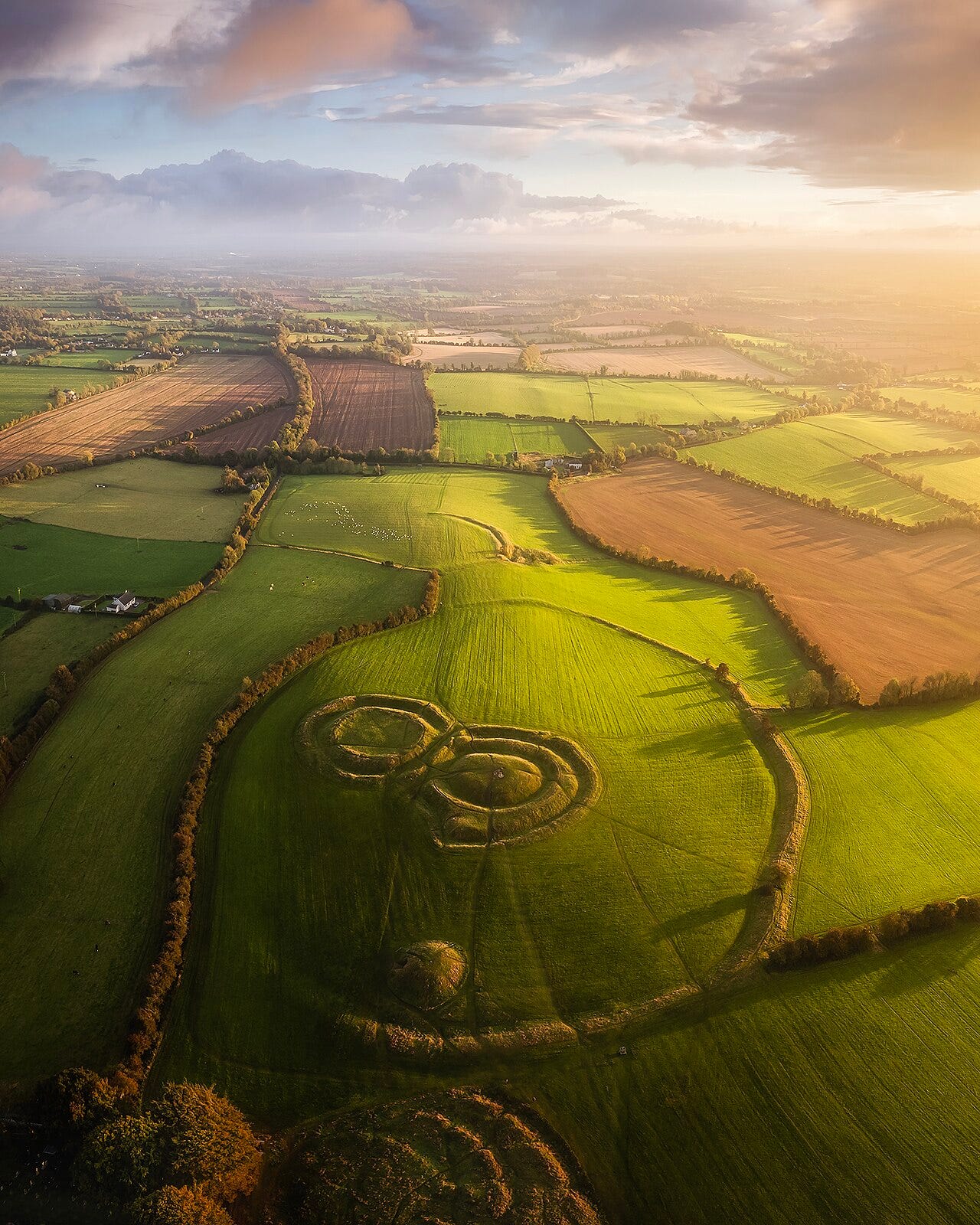
I am, you see, due to my bride’s name, rather partial to the Hill of Tara (Cnoc na Teamhrach) where the bard kings were buried:
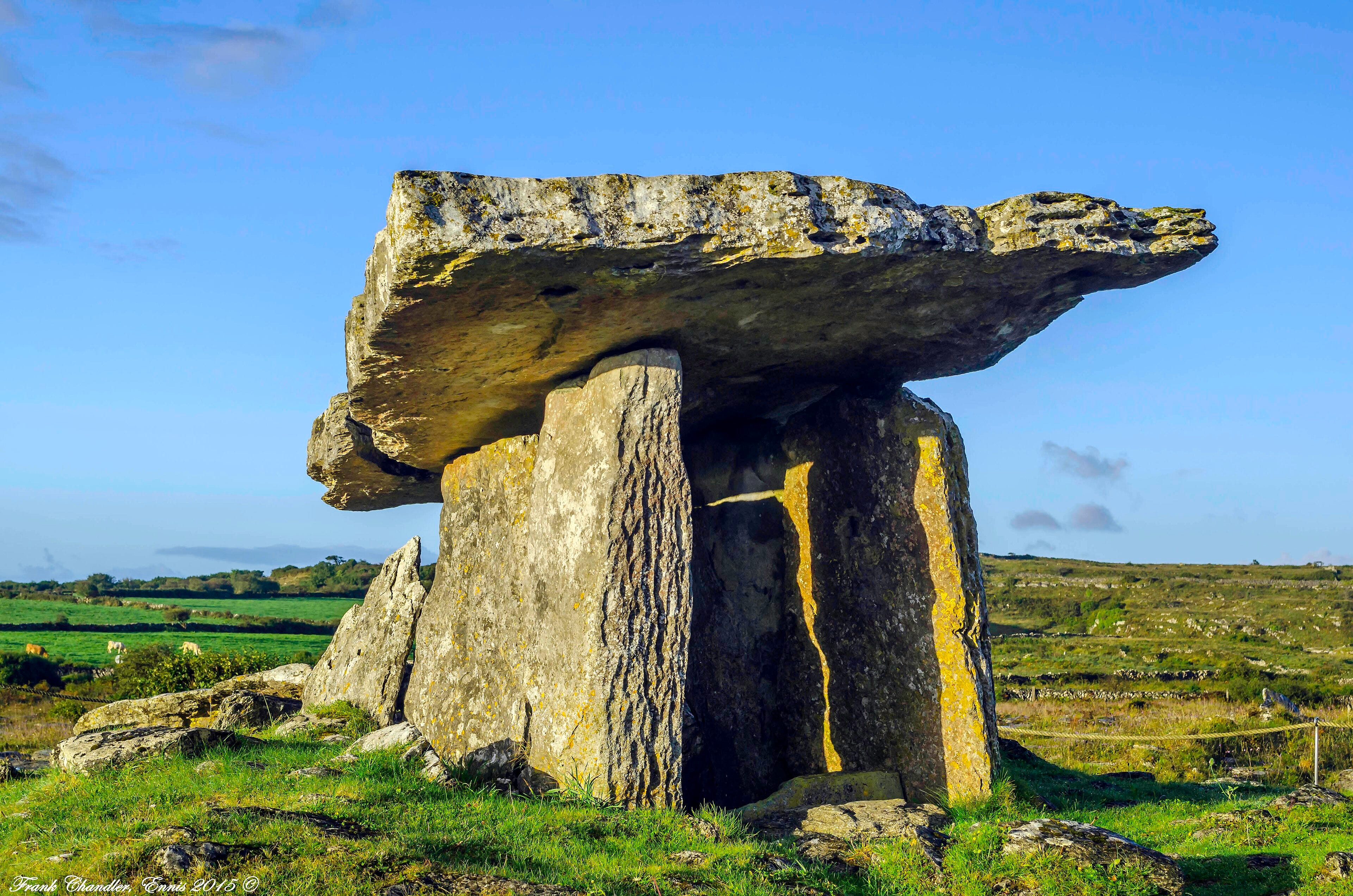
On such mounds — barrows — you often encounter stone doors. Like a dolmen:
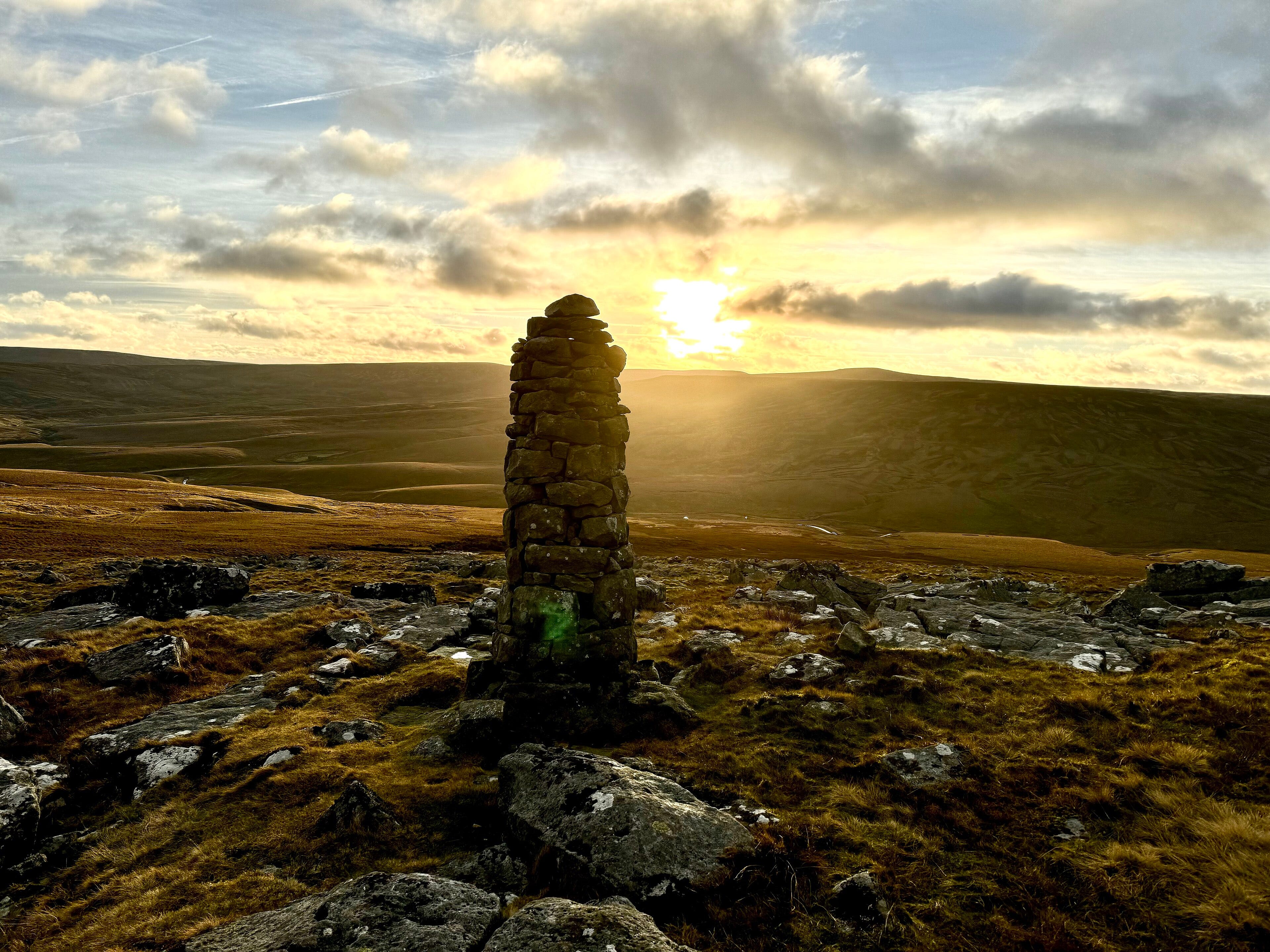
Or a mortuary enclosure with sticks. Sometimes there’s a cairn or a series of cairns parallel like a tor gate:
A cist, which is creepiest in my mind, having known about the “stairway to hell” in Kansas. Ask me in the comments if you want the story behind that monstrosity.
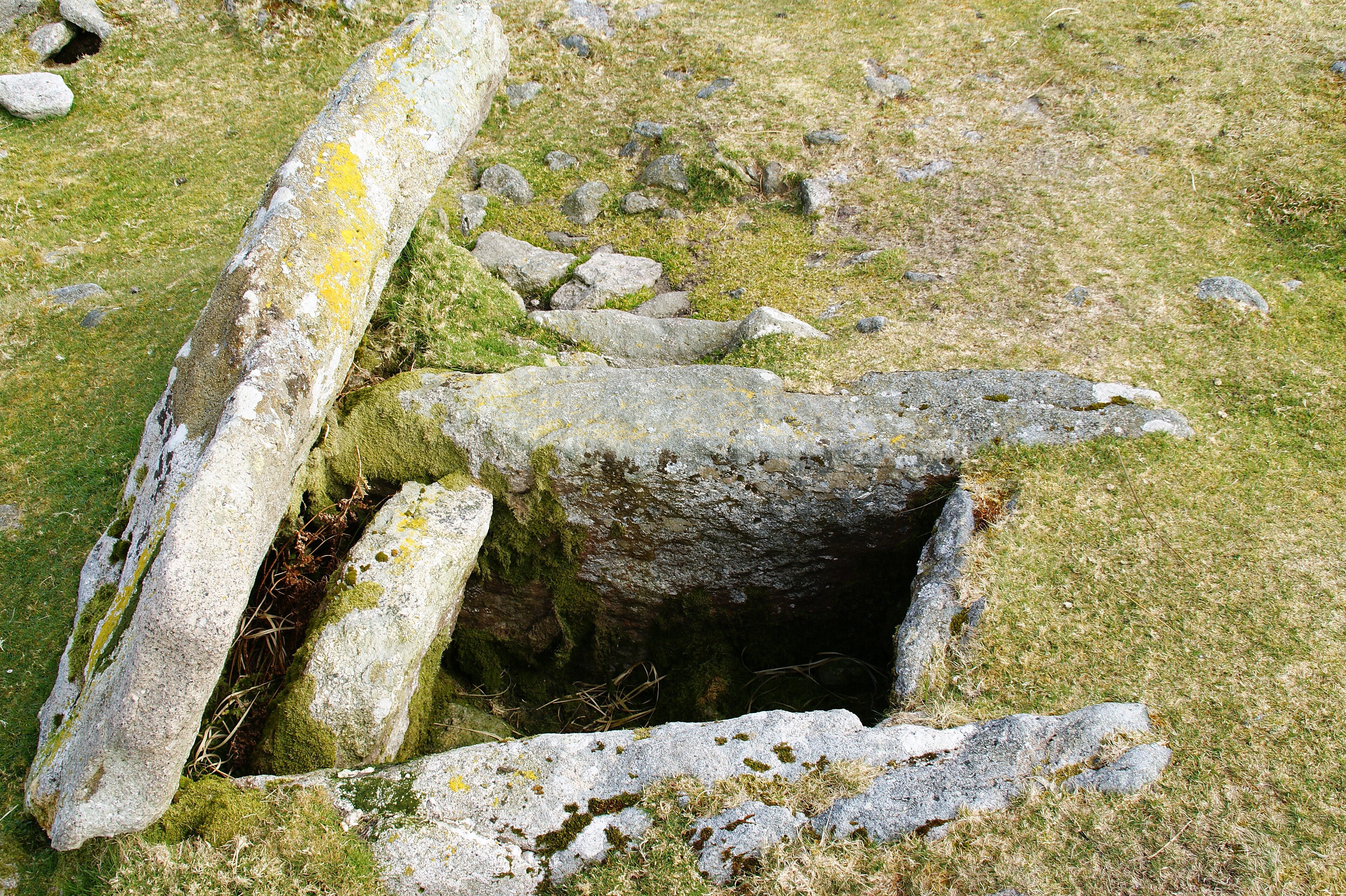
Seen in this light, it changes some of the meaning of this place:
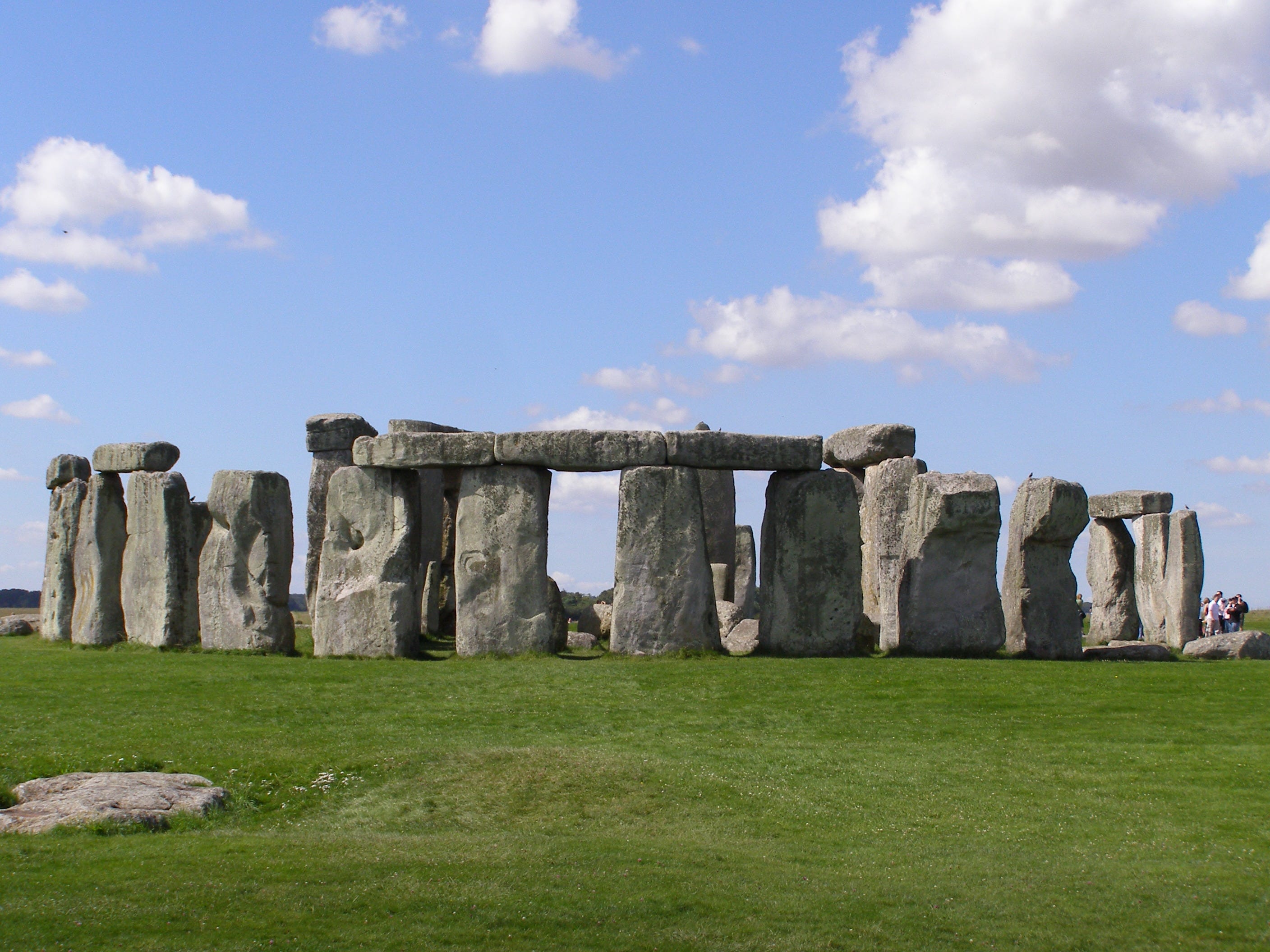
Oh.
You should also know that it could be a chamber tomb like the pyramids or even a mortuary house:
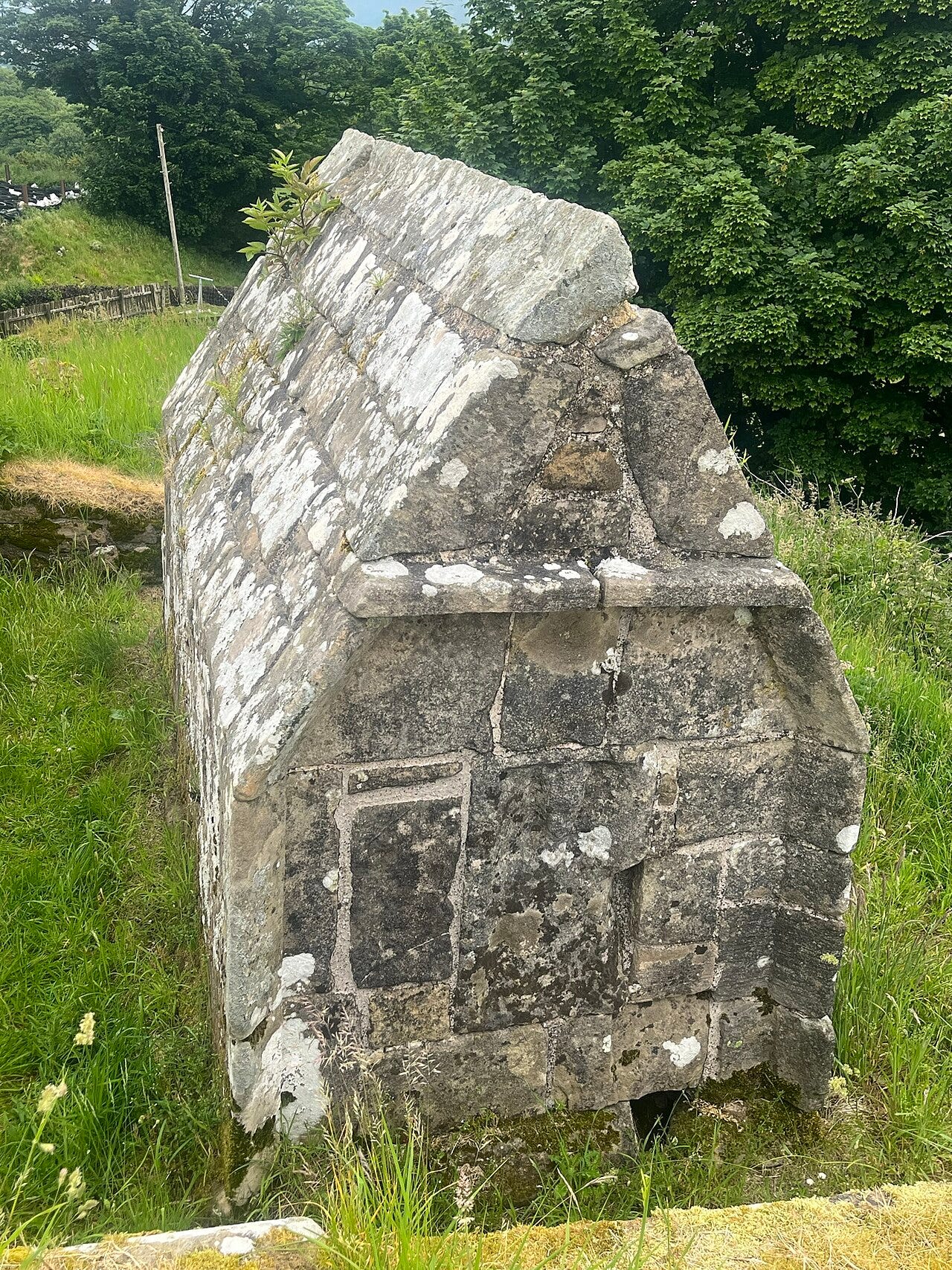
Perhaps put that mortuary house in the back of your mind for later. It’s okay, it’s a folding house. It’ll fit.
These barrows being connected to the dead are also places connected to the sídhe. They’re portals into the fae. One of the easiest modern retellings of this happens to be the barrow-wights of Tolkien, the main subject of the chapters excised from the Jackson films that Stephen Colbert happens to be adapting into a screenplay with his son Peter McGee. In these chapters, there’s a parallel with Beowulf where he enters the dragon’s barrow and releases the treasure from its spell.
But the wight?
That idea comes from the draugr. They’re malevolent revenants, draugr, which is different than — say — resurrection, often meaning reanimated corpses. They live in graves, royal palaces, and guard treasure in their burial mound. Its name’s an Old Norse word for delusion, mirage, illusion, deception, deceit, or dream. It shares roots with words for devils, drow,, trow, trolls. It’s not merely the undead, though.
What’s fascinating to me is that the word draugr also means a dried out old trunk of a tree, basically a broken tree perhaps from which you hung a criminal or sacrifice. Or perhaps the kind of tree you plant upon a barrow. When you consider that Ask and Embla — or Ash and Ember (Elm-la) — were made from trees, a broken tree literally means a felled man. Though Eim-la could mean fire maker. The Flame.
In any case, Odin not only made the first persons from trees. The reanimated bodies, whether tree or man, lead to Odin being called Lord of the Draugr. So there were various reanimated bodies — or liches, if you prefer Dungeons and Dragons lingo — ruled by Odin. Theses mound dwellers can also be called shag-boys in Lincolnshire and hogboons in Scots and hjogfinni in Shetland. If you were to fictionalize these, you might call them “shamble men” and “rendlings;” those with the awkward gait of a zombie, those animated in the present state of having been rended. They might, for instance, form a kind of hierarchy of the reanimate dead.
Draugr protect their mounds, they can shapeshift, control weather, see the future. The shapeshifting specifically manipulates their surroundings. They can, for instance, make it darkness during daylight hours. Some have more selkie or mermaid traits. Others can show up as a flayed bull, a horse with a broken back, or a cat-like mare that sits on your chest at night until you suffocate. You’ve heard of nightmares, I’m sure, or even experienced sleep paralysis. Some are black and supermassive, roaring and blowing fire — more like the balrog. Sometimes you can see them when they’re backlit from bioluminescent foxfire, nature’s blue flame, which — coincidentally — has the chemical name luciferase that reacts to luciferin. But anyways that foxfire is something of a barrier between the land of the living and the land of the dead.2
Some can sink into the ground and “swim” through solid rock.3 Some enter the dreams of the living, leaving a tangible gift in the morning from the dream so there’s no doubt as to the dream’s reality.4 Sometimes they manifest as bears and ghosts. They can spread plague in villages that cross them. They can go full Final Destination and curse a whole area with such bad luck that random people die in the most random ways possible. Andrew Lang thought them vampires — less on the feasting end, more on the infection.5 One of the things they’ll do is ride livestock to death:
The oxen which had been used to haul Thorolf's body were ridden to death by demons, and every single beast that came near his grave went raving mad and howled itself to death. The shepherd at Hvamm often came racing home with Thorolf after him. One day that Fall neither sheep nor shepherd came back to the farm.6
So some of the livestock die from over howling. Some were ridden to death. This could mean, of course, exhaustion. Or it could mean that the shape of the body of the draug killed the beast as it rode it. Particularly if the draugr’s body is made of knives, sharp stones, what have you.
Animals near the draugr go mad. Iron would hurt it, but not stop it as with most. It’s Fae, so basically you need to wrestle it all the way back to its grave before it eats you, cut off its head, burn its body super hot, and scatter the ashes at sea.
Because of all of this, they had taboo ways of preventing the dead from returning in Iceland: make sure you bury the dead horizontal, not vertical or sitting; bury them with open scissors; hide straws and twigs in the clothing; sew their big toes together or drive needles through the soles of their feet to keep them from walking ever again; lift and lower the coffin different directions to throw off its orientation.
And so they believed the most effective way of keeping the draugr from coming was this thing called a corpse door. Apparently you’d carry them feet-first with people all around so the corpse can’t see where it’s going. Brick the thing up. It’s that or a door-doom, where you’re summoned to face judgment and forced to leave a house by a specific door. Consider the mortuary house in that light.
There are similar ones at sea that honestly have their best reimagining in the Rime of the Ancient Mariner by Coleridge.
From all of this, you end up with old rituals such as those during Nordic Christmas. They leave out food and beer on Christmas night. Why? Well as hospitality to the souls of the departed, the household spirits (a la milk and cookies for Santa). For them, it includes draugrs: "draug-beer,” not merely milk:
It was Christmas Eve, and Ola went down to his boathouse to get the keg of brandy he had bought for the holidays. When he got in, he noticed a draugr sitting on the keg, staring out to sea. Ola, with great presence of mind and great bravery (it might not be amiss to state that he already had done some drinking), tiptoed up behind the draugr and struck him sharply in the small of the back, so that he went flying out through the window, with sparks hissing around him as he hit the water. Ola knew he had no time to lose, so he set off at a great rate, running through the churchyard which lay between his home and the boathouse. As he ran, he cried, "Up, all you Christian souls, and help me!" Then he heard the sound of fighting between the ghosts and the draugr, who were battling each other with coffin boards and bunches of seaweed. The next morning, when people came to church, the whole yard was strewn with coffin covers, boat boards, and seaweed. After the fight, which the ghosts won, the draugr never came back to that district.7
Ain’t that the Dickens.
Full disclosure: I first encountered draugr in the video games Elder Scrolls. They of course showed up in God of War, which my buddy Travis loved. But the mythos is not an infrequent occurrence for games, whether board, video, role play, or otherwise.
All of this brings to mind the mourning that happens around those mounds the sídhe guard, particularly during the funeral and internment. Think of the wailing of women in Lamentations who literally criticize young women for not wailing hard enough, who pledge to teach them how to wail. That’s the idea behind keening. Therefore a banshee is a bean sídhe — a woman of the sídhe — who heralds death by keening.
That’s where we get the banshee’s characteristic ear-ending shriek. Keening.
By now, you can see that various cultures have more friendly or more scary approaches to the sídhe and the various concepts around the otherworld beyond the barrow, not to mention the draugr. I want to venture out into some other modern works I’ve read lately to riff on this theme. Obviously, in his own right, old Voldemort flees death as a draugr multiple times in multiple ways. The common thread with him and others seems — at least to me — to be a familiarity with James Frazier’s work The Golden Bough, even though his overall argument has long since been debunked not least of which by G.K. Chesterton alongside other historians and thinkers.
What’s interesting for the draugr — especially when we bring in someone like Koschei the Deathless — is that Frazier makes it clear that in sympathetic magic, there are various ways to hide your death. Pay attention, Tom Riddle, Dresden, Taravangian, and Kvothe:
THUS the view that Balder’s life was in the mistletoe is entirely in harmony with primitive modes of thought. It may indeed sound like a contradiction that, if his life was in the mistletoe, he should nevertheless have been killed by a blow from the plant. But when a person’s life is conceived as embodied in a particular object, with the existence of which his own existence is inseparably bound up, and the destruction of which involves his own, the object in question may be regarded and spoken of indifferently as his life or his death, as happens in the fairy tales. Hence if a man’s death is in an object, it is perfectly natural that he should be killed by a blow from it. In the fairy tales Koshchei the Deathless is killed by a blow from the egg or the stone in which his life or death is secreted; the ogres burst when a certain grain of sand—doubtless containing their life or death—is carried over their heads; the magician dies when the stone in which his life or death is contained is put under his pillow; and the Tartar hero is warned that he may be killed by the golden arrow or golden sword in which his soul has been stowed away.
— The Golden Bough: A Study of Magic and Religion by James George Frazer
I suppose one of the questions related to this is if by doing so you become — de facto — sídhe? A barrow-wight?
A draugr?
Here we reach a crossroads. Some of my good friends and colleagues get fussier about spoilers than many of my friends in other communities, literary and otherwise (I know, I know, I had my own spoiler scare story above). Yet, Opera almost depends upon spoilers. Spoilers enhance the experience or, rather, the experience only grows with rewatching. The same is true of epic poems. Below there will be mild-to-sever spoilers for The Wise Man’s Fear by Patrick Rothfuss; Suneater by Christopher Ruocchio; Mistborn: Secret History, Shadows for Silence in the Forests of Hell, and Warbreaker by Brandon Sanderson; Dune: Messiah by Frank Herbert, and mild ones for Pratchett books involving Mort.
Let’s detour for some seed sowing that may crop up later: I owe Cole Haddon an apology. Dune Messiah was great. It was not as great as the original Dune, but it was great. As in more than serviceable, more than decent. In a similar, though smaller way, Messiah worked with its prequel Dune the way that Speaker for the Dead worked for Ender’s Game. Though in the case of Speaker, I think it’s a better novel than Ender. What’s similar in this instance is how radically different book two was from book one. Dune Messiah really worked more of the political angle that we witnessed at the start of the first book. It rides it until the very last note. It reminded me, in many ways, of an Asimov novel — “Foundation, brought to you by Arrakis spice.”
If you don’t know Dune, it’s a story about a young boy growing up in a “chosen one” mythos where everything, in some ways, goes wrong. In the entire first book and first couple of movies, he’s basically surviving the assaults of traitors and spies upon his family, narrowly avoiding assassination through the help of a skilled combatant named Duncan Idaho, his Bene Gesserit (basically machiavellian witch) mother, and a bunch of desert Arab-coded bumpkins that turn out to be much, much wiser than at first blush. If you’ve seen Lawrence of Arabia or read Seven Pillars of Wisdom by T.E. Lawrence, you get the gist.
You have folks called Mentats who — because super computers are banned — use stoicism to force their brains to become supercomputers. Others named the Bene Gesserit are a sort of machiavellian group of witches who, through extreme conditioning, have unlocked a suite of powers including a way to see the future. Then the Bene Tleilax are genetic manipulators that deal with artificial eyes, gholas, and “twisted” Mentats.
Then gholas are the ones that interest us because they’re something like a homunculus, the idea of making a tiny fully formed human through an artistic application of the chain of being. One you can control. This isn’t unrelated to the golem idea, at least in its root philosophy. In Dune, the gholas are formed in a vat often off the DNA of dead folks — in our case, one of Paul’s original teachers. The question is, how much of its original life does it remember?
Is it murderous or in control or controlled by another?
If by another, who controls it? And is there a way to get it to remember the good man it once was? The good man who inspired its being?
All of these questions made for an incredibly satisfying end to Dune Messiah that I didn’t quite expect, predominantly because they played with the idea of volition, humanity, consciousness within both the draugr and homunculus.
What happens with the dead man returns through the barrow of the sidhe?
In all of these — whether in mythology or in the Bene Tleilax or even in Butcher’s fae court — you end up with some kind of hierarchy for the longaevi of death. That’s even true when we weigh horcruxes against hallows! This hierarchy’s all the more true and perhaps most pronounced in Sanderson’s Cosmere.
In the Cosmere, you have various worlds governed by very large spiritual and cognitive beings that are supposed to be shards of some other being. His world is broken up between the physical realm (where things are magical, but generally there are trees and rocks and things), the cognitive realm (where objects in the physical realm are in a sea of beads except for water, which is land, and where minds manifest rather differently — spren or “spirits” have full bodies when they’re wisps in the physical world), and the spiritual realm (bigger question marks here). There’s also The Beyond where you go when you die. Huzzah!
The spren show up all over the place in the physical realm: when you’re angry, sad, when there’s rain, etc. Sometimes they’re less apparent, but there are, for instance, Deathspren that show up when you die.
Similarly, you can create a cognitive shadow by refusing to leave the cognitive realm when you die, but lingering. These are ghosts, more or less. There are shades called “the screaming dead” that obey horrifying rules that can kill people. Very draugr like, in a way.
But the Shard Endowment on Nalthis actually offers the recently deceased fairy bargains: pass on to The Beyond or become one of The Returned as a powerful, immortal being sent back for some purpose.
Of course you also have creatures that eat dead bodies in order to transform into them, others that are literally crucified with nails that can see through them, and still more who cannot die but whose injuries never quite heal.
Cheery stuff. But that hierarchy — Fae Goddess, spren, and shades — seems to hold here too.
In Christopher Ruocchio’s world — which I now love more than Temerent and probably more than the Cosmere and certainly more than Dune or any other scifi I’ve read — you have a mythological character who, according to legend, is 15,000 years old. His name is Karn Sagara and, if living, no one quite knows how long he’s been alive.
We find out later (spoilers for those who haven’t seen the series) that he’s kept alive by tubes and weird technology. He’s half man, half machine.
But it’s worse than that.
He’s keeping vats and vats and vats of essentially homunculi: clones of himself into whom he can wirelessly transmit his consciousness at any point. Untold thousands of children, clones of himself, have had their minds wiped so that he can live forever.
His name, of course, refers to Sagara, the king of the Suryavamsha dynasty of Hinduism. That Sagara had two wives. The sage Bhrigu blessed him and said basically, “One of your wives will give glory to your empire, the other will give birth to sixty thousand sons.” The wives talked it over and Keshini decided to bear the one glorious son while Sumati opted for the sixty thousand. She gave birth to a lump of flesh that Shiva chopped into sixty thousand shining pieces that eventually became his sons.
The Karn, part, though could be a reference to Karna, the great warrior and tragic hero of the Mahabharata. He gets rejected often and loves anyhow. His name means rudder or ear, which Karn Sagara certainly is, hearing everything in the empire and steering it subtly.
Of course, it could be a reference to cairn. See above.
In either case, Karn is certainly something of a Draugr — a lich king — ruling the realm of the almost-died with an iron fist. He’s as close to the Sidhe of Death that we get in the space opera.
Before we continue into the others, I want to make a brief note of the etymological connection between sidhe and sithe and sith. This is the kind of local culture and etymological game that Rothfuss seems to love to play — half his books are either chemistry jokes, shortened word “vibe” jokes, or riffs on two words at once. The same could be said of Edgar Rice Burroughs when it comes to culture, the man who inspired George Lucas on a few points.
Before we get into either of those, I want to point out something simple:
síth is the Scottish Gaelic form of sídh — with the McCormicks from the Isle of Man, I’m cool with either.
sithe can also mean a journey, a way, a lifetime, one’s lot, or a moment in spacetime.
sithe is also the Middle English form of scythe
All three of these are incredibly useful if you’re referring to a specific Sidhe known for either protecting, guarding — or even felling — draugr and his servants.
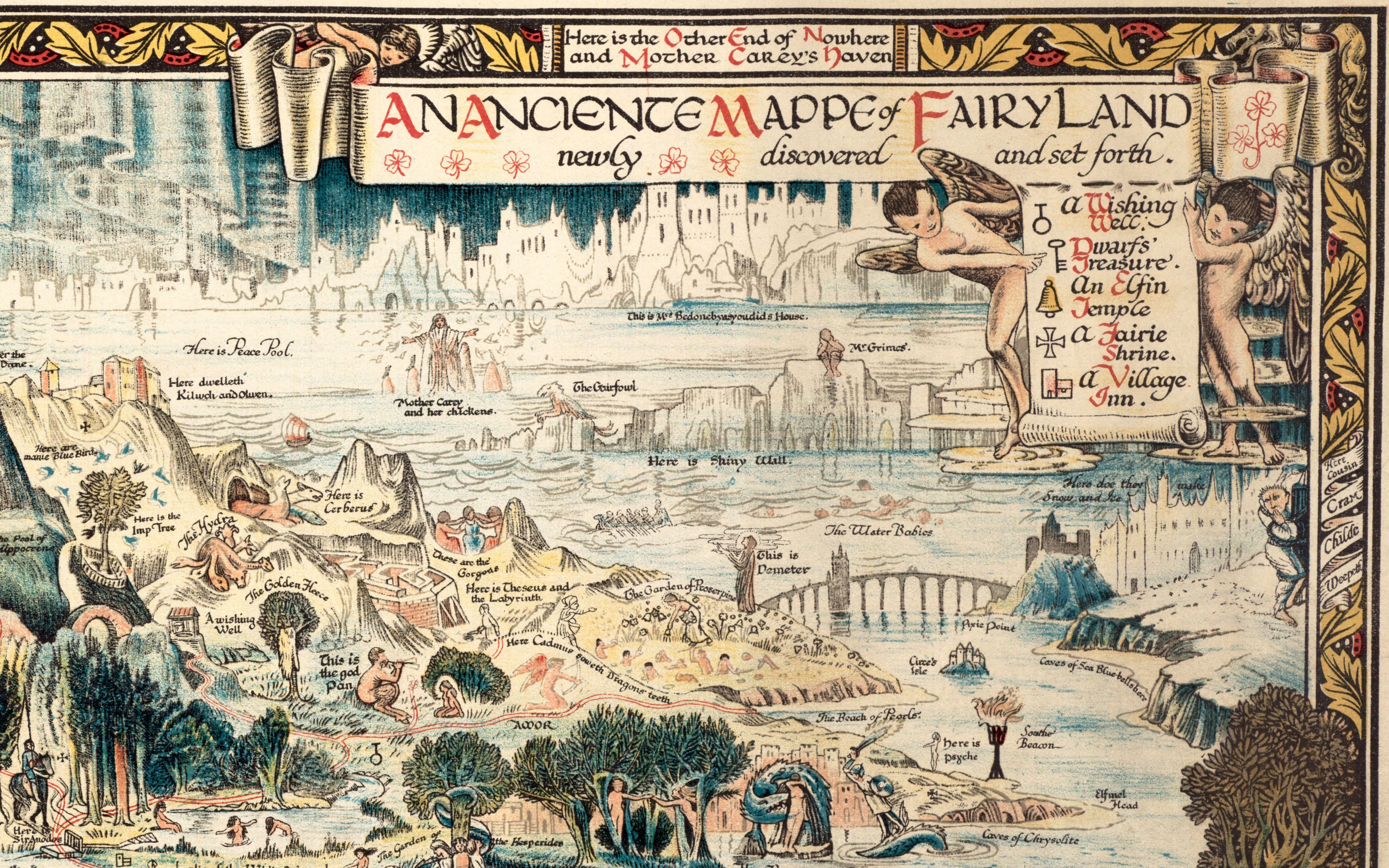
Edgar rice Burroughs wrote a novel called Warlords of Mars. In it, there’s this passage:
Imagine, if you can, a bald-faced hornet of your earthly experience grown to the size of a prize Hereford bull, and you will have some faint conception of the ferocious appearance and awesome formidability of the winged monster that bore down upon me.
Frightful jaws in front and mighty, poisoned sting behind made my relatively puny long-sword seem a pitiful weapon of defense indeed. Nor could I hope to escape the lightning-like movements or hide from those myriad facet eyes which covered three-fourths of the hideous head, permitting the creature to see in all directions at one and the same time.
Even my powerful and ferocious Woola was as helpless as a kitten before that frightful thing. But to flee were useless, even had it ever been to my liking to turn my back upon a danger; so I stood my ground, Woola snarling at my side, my only hope to die as I had always lived—fighting.
The creature was upon us now, and at the instant there seemed to me a single slight chance for victory. If I could but remove the terrible menace of certain death hidden in the poison sacs that fed the sting the struggle would be less unequal.
At the thought I called to Woola to leap upon the creature’s head and hang there, and as his mighty jaws closed upon that fiendish face, and glistening fangs buried themselves in the bone and cartilage and lower part of one of the huge eyes, I dived beneath the great body as the creature rose, dragging Woola from the ground, that it might bring its sting beneath and pierce the body of the thing hanging to its head.
To put myself in the path of that poison-laden lance was to court instant death, but it was the only way; and as the thing shot lightning-like toward me I swung my long-sword in a terrific cut that severed the deadly member close to the gorgeously marked body.
[a red warrior saves them]
…
“It was fortunate that I came when I did,” [The Red Warrior] said. “Only this poisoned spear pricking the very heart of a sith can kill it quickly enough to save its prey. In this section of Kaol we are all armed with a long sith spear, whose point is smeared with the poison of the creature it is intended to kill; no other virus acts so quickly upon the beast as its own.
“Look,” he continued, drawing his dagger and making an incision in the carcass a foot above the root of the sting, from which he presently drew forth two sacs, each of which held fully a gallon of the deadly liquid.
“Thus we maintain our supply, though were it not for certain commercial uses to which the virus is put, it would scarcely be necessary to add to our present store, since the sith is almost extinct.
“Only occasionally do we now run upon one. Of old, however, Kaol was overrun with the frightful monsters that often came in herds of twenty or thirty, darting down from above into our cities and carrying away women, children, and even warriors.”
So you have this mythological scythe-like death monster who can only be killed with its own death poison. Who knows whether Edgar Rice Burroughs got this from scythe, sidhe, or both? We do see a parallel of this world’s mythological monster guarded by creatures who do not want it to get out, creatures armed with the very insta-death poison of this giant wasp.
We also know that George Lucas used either this or the Sidhe as the launching off point for his Sith Lords, whom you only ever see two at a time when they face off against Jedi. Surely you know Jedi and Sith, right? If not, there’s a life force around everything in Star Wars, a dark and light side, there were once many Jedi who accessed the ego-death version of the light side of the force, but only ever two Sith accessing the dark. The dark side is fear > anger > hatred > suffering. Quick and potent power such as with shooting lightning, but at a high, high cost.
Interestingly enough, Lucas also made the Sith unable to go through the ego death and therefore immortality of a Force Ghost like Obi Wan or Yoda.
Instead, the Sith end up patching together bodies and extending their lives.
Basically draugr. Dark Sidhe.
To achieve this, some of them do an essence or consciousness transfer, much like Karn Sagara. Others manipulate midi-chlordan in order to undo biological aging. Jury’s still out for me as to whether some anchored their souls to physical objects or not like Koschei but that seems to be the case with something like Lord Momin’s mask, which comes alive.
There’s also dark transfer, which sort of reconstitutes physical bodies with dark side energy. Only Darth Krayt ever achieved this after learning of the power from Cade Skywalker and then was, basically, yeeted into a sun to never have a chance again. He’s the only one, as far as I know, who actually succeeded as a full lich king of reanimation in the Star Wars sith.
Odd set of draugr, those.
I’m unsure if anyone has pointed out that the word Temerent, like many words in Kingkiller — Name of the Wind and Wise Man’s Fear — comes from the Latin word for chance, for lack of intent, for capital-F Folly. It’s from the old word for blindness, darkness. You can see a cognate with the Latin word Tenebrae service: the slow extinguishing — the slow exsanguination — of light from the calendar, the service, and so forth.
So the name of the entire world is “dark” or “blind” or perhaps “folly.” Odd, then, that the main sword mystery is a sword named Folly. Could it be a world sword? A sword that holds together the very iron — or quicksilver — of the world’s bones?
Or perhaps it’s named “dark” to contrast the light, sight, and wisdom of the fae?
And yet there’s a deeper layer between the silent planet and the womb of the worlds, the heavenly light and the folly of blind humans, the Fae and Temerant.
A third world. A dark world. An underworld:
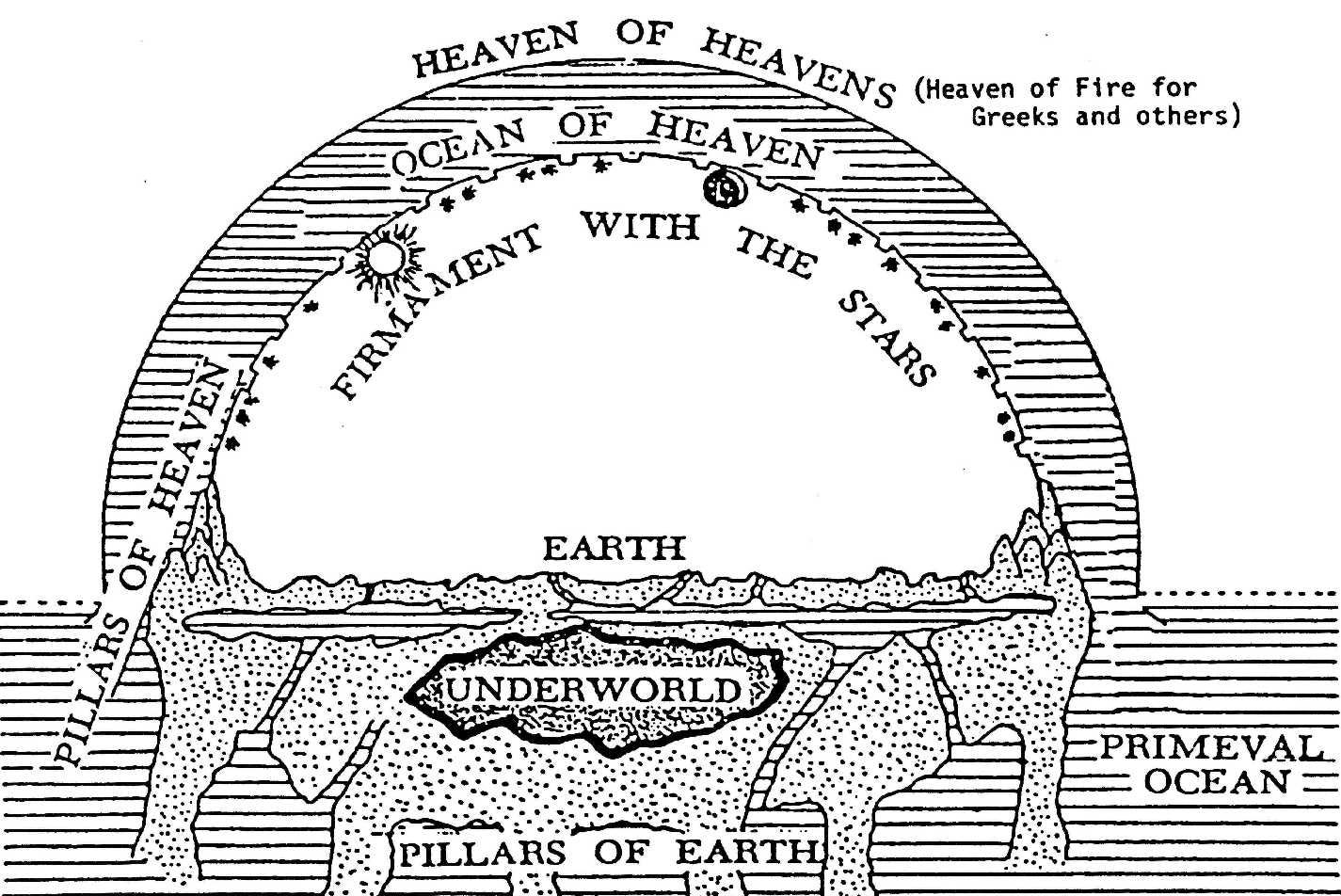
In Kingkiller, we’ve only gotten hints of this underworld and the fae through (mostly) myths and tales told at pubs, around campfires, and between the bedsheets. We learn about a god named Telhu who slays a demon named Encanis. That parallels another story about seven Chandrian and an eighth somehow. Of the Fae, the human world, the underworld.
One of these stories involves a couple named Lanre and Lyra. When Lyra begins to die, Lanre gets desperate to do anything to save her. It’s unclear what he’s willing to do to get her back, but it gives very deep Anakin / Padme vibes.
There’s a person named Jax who tries to get the moon and pulls it into the Fae. This person seems to be connected to a character named Iax, who seems to be some sort of development of Lanre.
The other piece is that there are hints of a lord of the underworld.
A third is that there are the Chandrian who are seven demons ruled by one named Haliax. That could be “breath of Iax” or it could be Helios, the god of the sun. As no sun god is mentioned in this world, but the fixed stars seem to be personified — including and especially the ever moving moon — it’s likely that this god, like many gods in mythology, is both light and shade.
Meaning life and death.
Meaning whatever this person did, it wasn’t just to give life to Lyra, it actually permanently made him a revenant undead.
A draugr. A lich king. A Sith Lord.
What’s interesting is that there’s also a tree demon that this person talked to before trying it. Its name is the Cthaeh and this thing sees all potential futures and then does whatever it can with a few words to steer someone on a terrible, dark path.
The people who guard this tree of death? This tree that has flowers with healings powers? Flowers preferred by the character who is constantly mooning over Kvothe?
This tree is guarded by fae creatures called the Sithe.
Which, if the hierarchy holds, are either servants of or guardians of the draugr.
What’s fascinating to me is that there’s a parallel between the main character and the mythos, a constant “mythos made real” to the story. That character is Kvothe and we learn about him over and over again that he’s a “man waiting to die.” The one thing he has been obsessed with is this door of stone that seems to be holding someone out… or in… and Rothfuss has said multiple times that the creep factor of the Robert Frost poem contributed to this image:
Text within this block will maintain its original spacing when published
It went many years,
But at last came a knock,
And I thought of the door
With no lock to lock.
Text within this block will maintain its original spacing when published
I blew out the light,
I tip-toed the floor,
And raised both hands
In prayer to the door.
Text within this block will maintain its original spacing when published
But the knock came again
My window was wide;
I climbed on the sill
And descended outside.
Text within this block will maintain its original spacing when published
Back over the sill
I bade a “Come in”
To whoever the knock
At the door may have been.
Text within this block will maintain its original spacing when published
So at a knock
I emptied my cage
To hide in the world
And alter with age.
Either this draugr is hiding behind the door or has hidden his death there, but this is the creature that the young Kvothe has sworn to kill.
My question is what does it cost him?
Because if it cost him becoming a draugr himself, that price is far, far too high. It’s so high, in fact, that you might end up with people trying to chase him down as a kind of demon, intending to burn him:
“Everyone thinks you’re dead.”
“You don’t get it, do you?” Kote shook his head, stuck between amusement and exasperation. “That’s the whole point. People don’t look for you when you’re dead. Old enemies don’t try to settle scores. People don’t come asking you for stories,” he said acidly.
Chronicler refused to back down. “Other people say you’re a myth.”
“I am a myth,” Kote said easily, making an extravagant gesture. “A very special kind of myth that creates itself. The best lies about me are the ones I told.”
“They say you never existed,” Chronicler corrected gently.
Kote shrugged nonchalantly, his smile fading an imperceptible amount.
Sensing weakness, Chronicler continued. “Some stories paint you as little more than a red-handed killer.”
“I’m that too.” Kote turned to polish the counter behind the bar. He shrugged again, not as easily as before. “I’ve killed men and things that were more than men. Every one of them deserved it.”
Chronicler shook his head slowly. “The stories are saying ‘assassin,’ not ‘hero.’ Kvothe the Arcane and Kvothe Kingkiller are two very different men.”
Kote stopped polishing the bar and turned his back to the room. He nodded once without looking up.
“Some are even saying that there is a new Chandrian. A fresh terror in the night. His hair as red as the blood he spills.”
“The important people know the difference,” Kote said as if he were trying to convince himself, but his voice was weary and despairing, without conviction.8
If that’s the case, then perhaps Kvothe is stuck inside the inn and surrounding grounds? Maybe the inn is something more like the undead priest of the temple of Diana? The place where Old Man Holly dwells, waiting for King Oak to return?
A kind of mortuary house?
A kind of pyramid for a pharaoh?
The place where Ra dwells, god of the sun, sky, Earth, and underworld?
Perhaps the Sidhe — Sithe — guard him as a new kind of draugr?
Perhaps they keep him locked inside a lockless box?
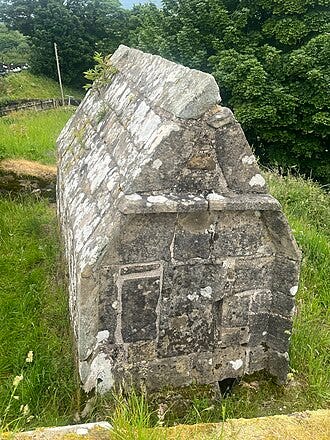
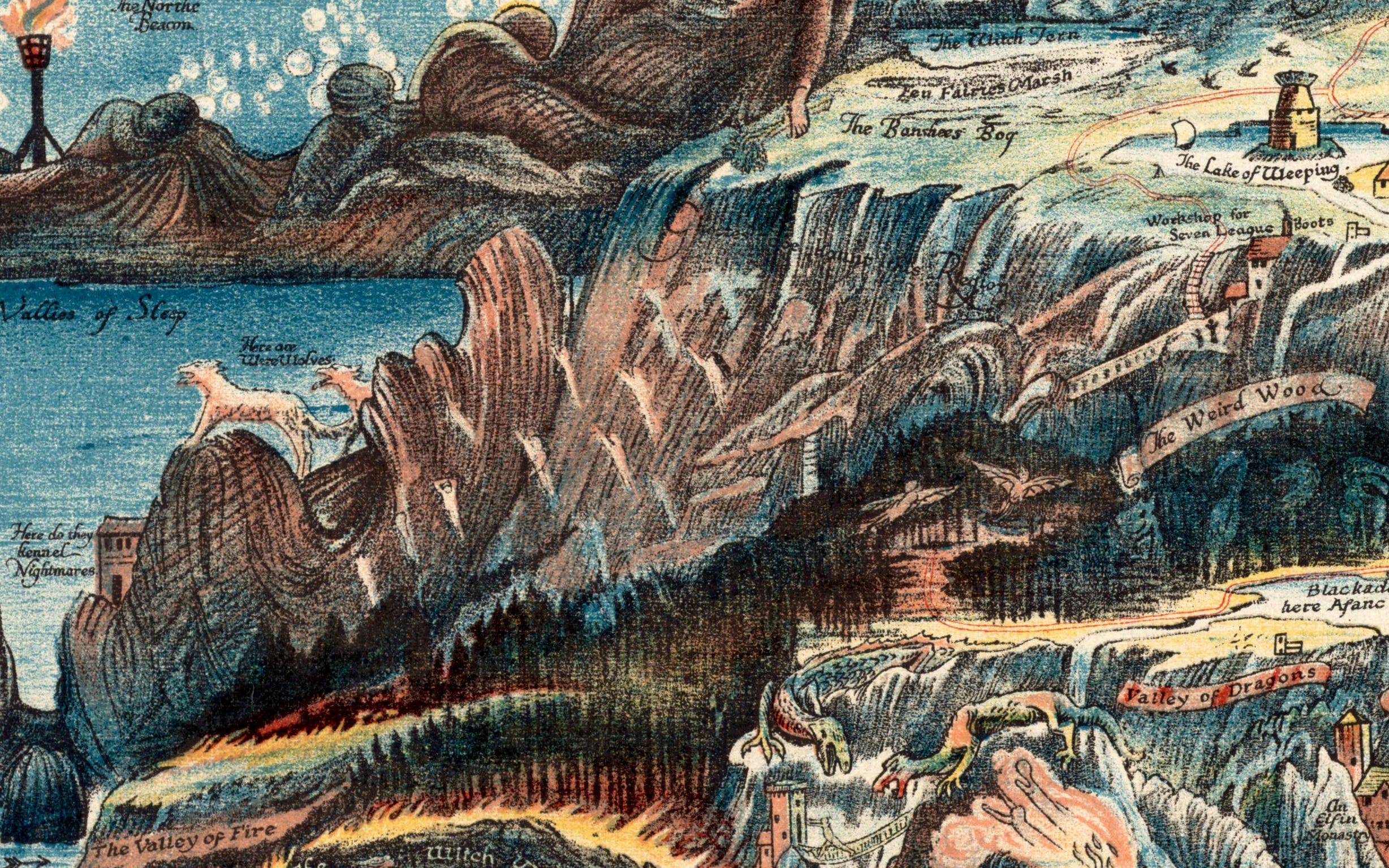
That brings us back to Jim Butcher.
For in Book Five — Death Masks — we find the lead demon of thirty who each tempt humans for possession using the thirty pieces of silver Judas Iscariot was paid to betray Jesus. Nicodemous Archleone is his name and he’s a being of flesh and shadow with near invulnerability around his neck literally by the noose with which Judas went and hanged himself. This noose also allows him to cast an entropy curse called the Barabbus curse — a death that can’t be avoided. The only way to beat that is if someone voluntarily takes the victim’s place. Someone saves Dresden this way.
What’s interesting to me is that such a lich-like demon possessed man as Nicodemus must hide his own death in the noose of Judas.
And that the film noir wizard Harry Dresden figures out the only way to kill him is to use said noose as a noose and tighten it. This, as with Baldyr being stricken by the mistletoe containing the essence of lightning via the lightning tree, is how you beat a draugr:
Beat it — or in this case strangle — it to death with its hidden death.
Stomp on the egg entangled with Koschei’s head.
Pit Sagara’s self-clones against himself.
Have Sith Lord turn on Sith Lord.
Block a scythe with a scythe.
Or open a nameless chest hiding the dark bard’s name or death or true story and turn it loose on said nameless, deathless, untold bard. Do it no matter how many of your stories and songs he has drawn upon in order to sustain his undead, living silence of three parts.
Of course, there’s another way.
You could choose instead to get a Ghola to remember its former life and repent of its revenant ways, become a real boy, so to speak, and come up into a real life. You could convince Darth Vader to repent, to remember how to be a good dad.
What about a draugr in Judas’s body sustained only by Judas’s noose?
Τότε ἰδὼν Ἰούδας ὁ παραδιδοὺς αὐτὸν ὅτι κατεκρίθη μεταμεληθεὶς ἔστρεψεν τὰ τριάκονταἀργύρια τοῖς ἀρχιερεῦσιν καὶ πρεσβυτέροις
“Then Judas, the one betraying him, having seen that Jesus was condemned, changed his mind, repented, and converted the thirty pieces of silver to the chief priests and elders.”
None of these, of course, are anything close to resurrection. But that’s another post for another time. For now, we can content ourselves knowing that Obi Wan, Yoda, Gandalf, and Dumbledore were all right: no attempt to merely extend our own lives — as opposed to rising after having died, in ego and in body, fully healed — is good or beautiful. Only a true change of heart tethered to memento mori can result in blissfully good eternal life.
No matter whose youthful blood — or which poor man’s organs — our vampiric oligarchs inject inside their veins these days.
CITEREFPálssonEdwards_(trr.)1973. Eyrbyggja Saga, p. 115.
Rothfuss, Patrick. The Name of the Wind (The Kingkiller Chronicle Book 1) (p. 46). (Function). Kindle Edition.
Comments
Nothing yet. Say the first thing.
Sign in to join the conversation.