
Clothes stay longer than we admit.
Before I began making them, I lived with them- wore them, held onto them, watched them change. My understanding of clothing didn’t come from a studio, but from home.
Things were chosen with time. And then kept.
What I outgrew was passed down. What loosened at the seams was stitched back. What aged was not replaced, but attended to. There was a quiet logic to it and an instinctive sense of restraint- of making do, but also of making last.
Nothing was immediate, nothing was excessive, and very little was discarded.
I remember my grandmother embroidering along the edges of pillowcases- small, precise interventions that made the ordinary feel deliberate. My mother’s cross-stitches, animals, patterns- framed and placed around the house. A dog I was particularly fond of. Even knitting was never rushed; it began with hours spent choosing yarns, weighing colour, imagining the finished piece long before it existed.
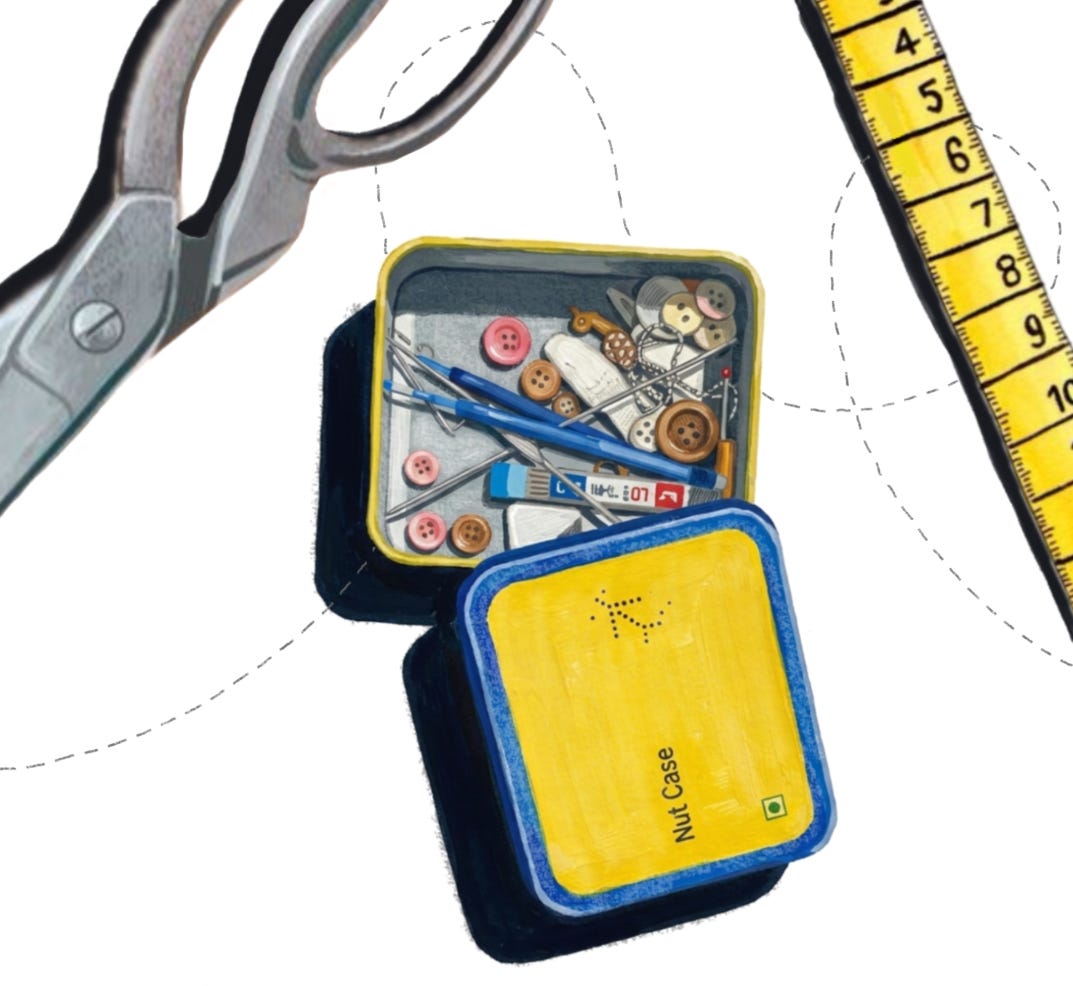
Materials were kept. Threads saved. Often in old cookie tins that outlived their original purpose. Nothing was treated as easily replaceable.
Looking back, it feels less like nostalgia and more like a way of thinking- one that has stayed with me.
Today at Lafaani, as I make, I return to the experience of having first lived with clothes. The responsibility extends beyond creation, into how something is worn, kept, and remains.
Not just in form, but in function. In use. In how it continues to belong.
Introducing: Carry It Forward
A repair and renewal service for all Lafaani garments.
Each piece is designed to be worn over time. With that comes change- areas of stress, softened fabric, shifts in structure. Through this initiative, we offer to work with these changes.
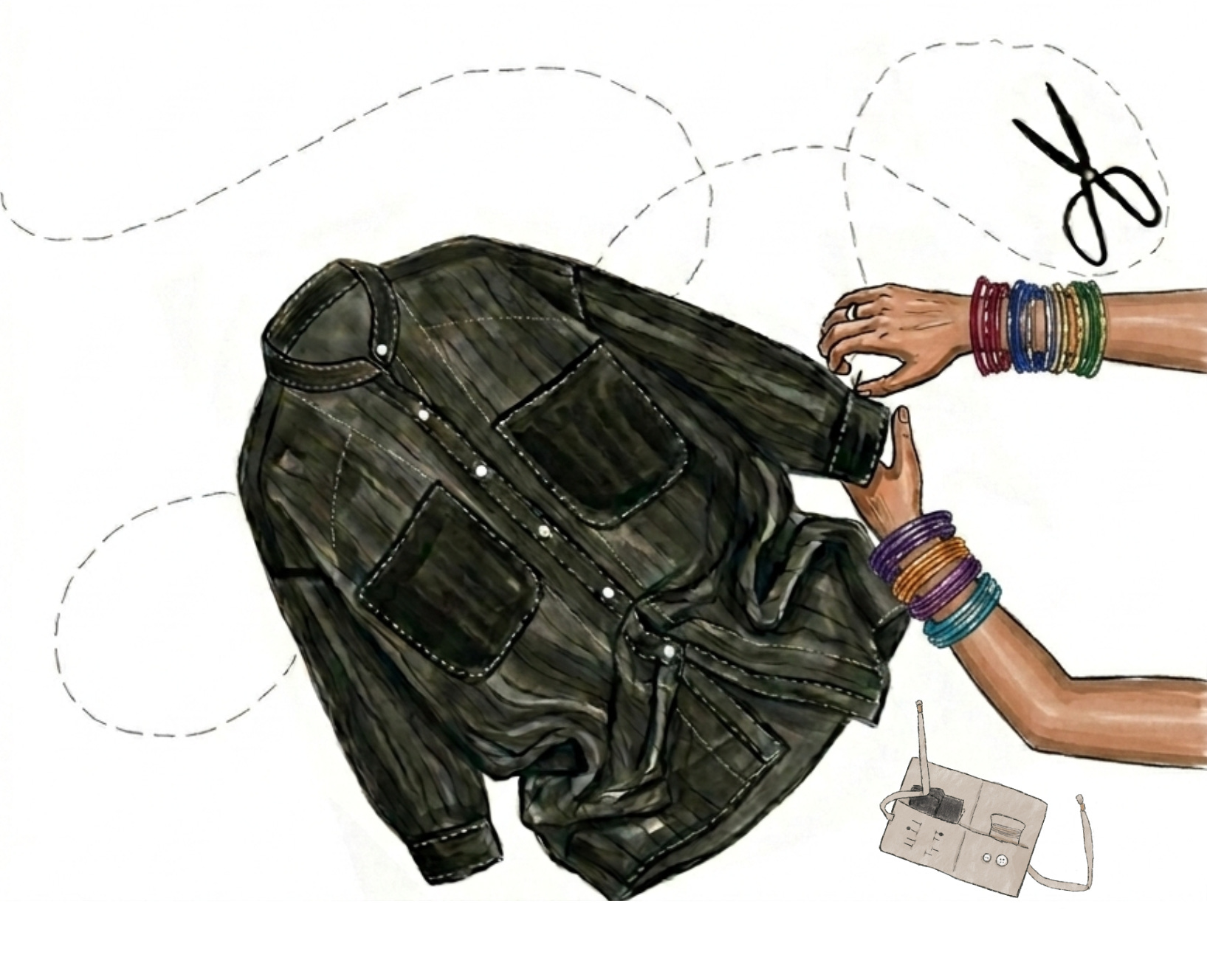
This includes:
Mending tears and small openings
Reinforcing seams and points of strain
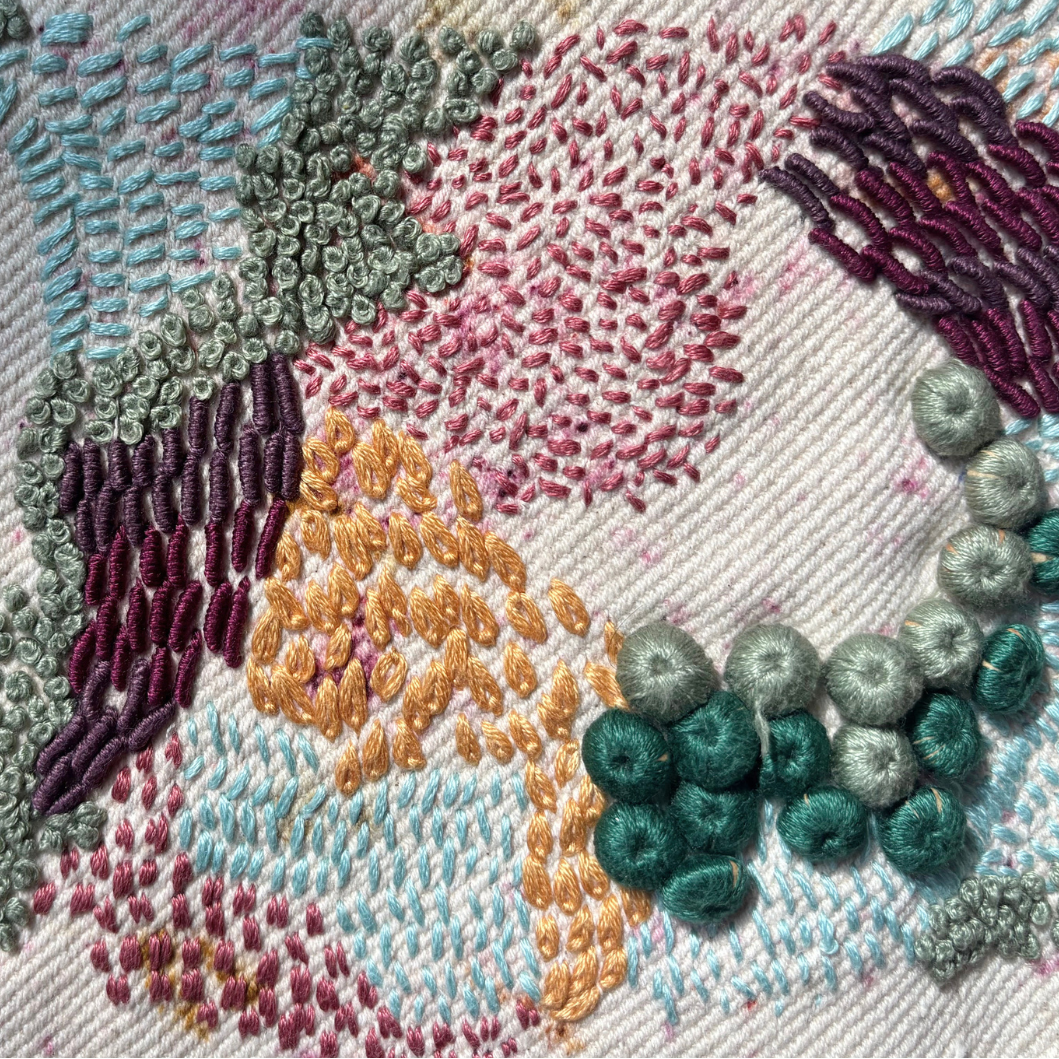
Repairing existing embroidery
Introducing subtle additions where they strengthen the piece
Sometimes the intervention is barely visible. At other times, it becomes part of the garment’s surface; considered, but not concealed.
The intention is not to return something to its original state, but to allow it to continue- thoughtfully.
If you have a Lafaani piece that needs attention, write to us. We’ll take it from there.
Warmly
Drishti
Comments
Nothing yet. Say the first thing.
Sign in to join the conversation.