
One of the biggest myths in entrepreneurship is that successful businesses are built entirely with a founder's own money. It sounds admirable, but for most growing businesses, it simply isn't reality. At some point, vision grows faster than cash flow, and every entrepreneur has to answer one important question: how will I finance what's next?
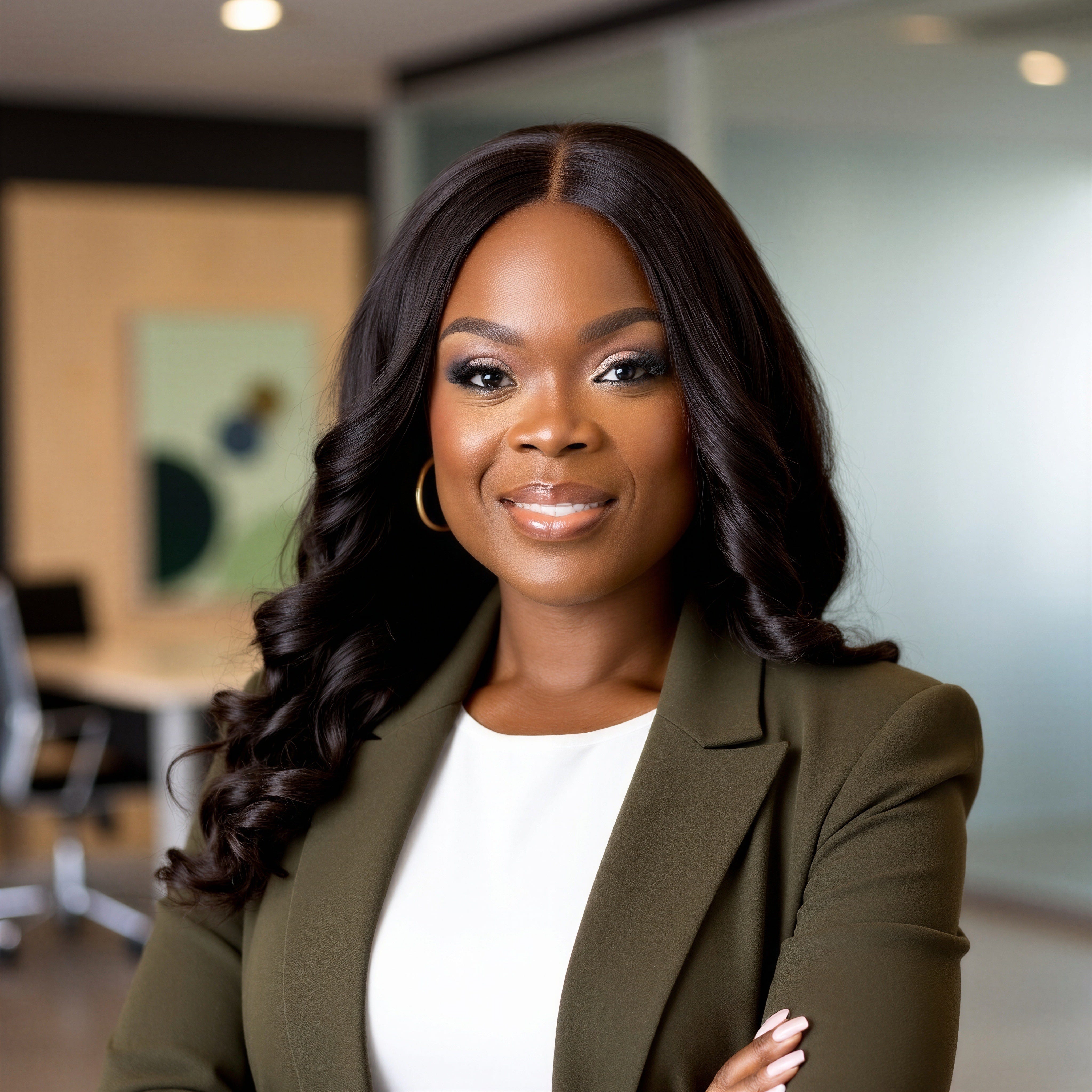
I learned that lesson during my filmmaking journey. When I produced my first feature film, Hotel Labamba, I funded it entirely myself. I was my first investor. I believed in the story enough to put my own money behind it, and thankfully it paid off. More importantly, it built credibility. People could now see that I wasn't just talking about making films—I could actually deliver them.
By the time I started developing Aso Ebi Diaries, something had changed. Investors were reaching out to me. They had watched my first film, believed in my vision, and wanted to participate in whatever came next.
When we developed the budget for Aso Ebi Diaries, we always intended to make it as a high-budget Nollywood film. The scale was never an afterthought. From the very beginning, our budget included the production value we envisioned—premium costumes, beautiful locations, an exceptional cast and crew, cinematic camera packages, cranes, elaborate party scenes with hundreds of guests, and every detail needed to bring the story to life. Through equity investors who believed in the project, we raised most of the capital. But as we approached principal photography, we were still short by ₦40 million naira ($30,000 USD). That wasn't money to make the film bigger. It was the final funding needed to execute the vision we had planned from the start.
I remember the pressure vividly. We were only days away from production. I called my entertainment lawyer almost in tears because I didn't know how we were going to close that final funding gap. After listening, he simply said, 'Give me a little time.' The next day he arranged a meeting with someone in his network. I showed up prepared, wearing my best suit, having prayed beforehand, and ready to present not just a film, but a business opportunity. Before the meeting ended, the investor agreed to come on board. By the end of the day, the agreements were signed and the remaining ₦40 million had been secured.
That final investment made it possible to produce the film we had already envisioned. That experience taught me something every entrepreneur eventually learns: businesses don't grow on vision alone. They grow on access to capital. Sometimes that capital comes from investors. Sometimes it comes from borrowing. Learning how to finance growth is part of becoming a builder.
The first lesson is to build credibility before you borrow. People are far more willing to lend money or invest when they have evidence that you can execute. Your track record is often your greatest collateral.
Second, borrow to create value, not simply to survive. The best debt funds expansion, equipment, inventory, production, or opportunities that generate future income. Borrowing to cover recurring losses is a very different conversation.
Third, understand the difference between debt and equity. A loan allows you to retain ownership but comes with repayment obligations. Equity brings in partners who share both the risks and the rewards. Neither is automatically better. The right choice depends on your business and your goals.
Fourth, never borrow without a repayment strategy. Optimism is not a financial plan. Before signing any loan agreement, know exactly how the business will generate the cash flow required to meet those obligations.
Finally, don't fear debt; respect it. Debt is simply a financial tool. Used wisely, it can accelerate growth. Used carelessly, it can become a burden. The goal isn't to avoid borrowing. The goal is to become a wise steward of capital.
If you study successful businesses, you'll discover that very few were built using only the founder's savings. Airlines finance aircraft, developers finance projects, manufacturers finance equipment, and film producers regularly combine investors, grants, pre-sales, tax incentives, and loans. Capital has always been part of building at scale.
As I continue building a global film studio, I know there will be seasons when I fund projects personally, seasons when I welcome investors, and seasons when borrowing makes strategic sense. There is no prize for trying to finance every dream alone. What matters is using every dollar wisely to create something more valuable than it costs.
Thank you for reading this week's edition of No Blueprint. If this newsletter was helpful, please leave a comment and let me know your thoughts. If you know someone who is thinking about borrowing while building or scaling their business, share this article with them. And if you haven't already, subscribe so you never miss a weekly lesson from my journey.
Until next week,
Lady Laide
No posts
Comments
Nothing yet. Say the first thing.
Sign in to join the conversation.