
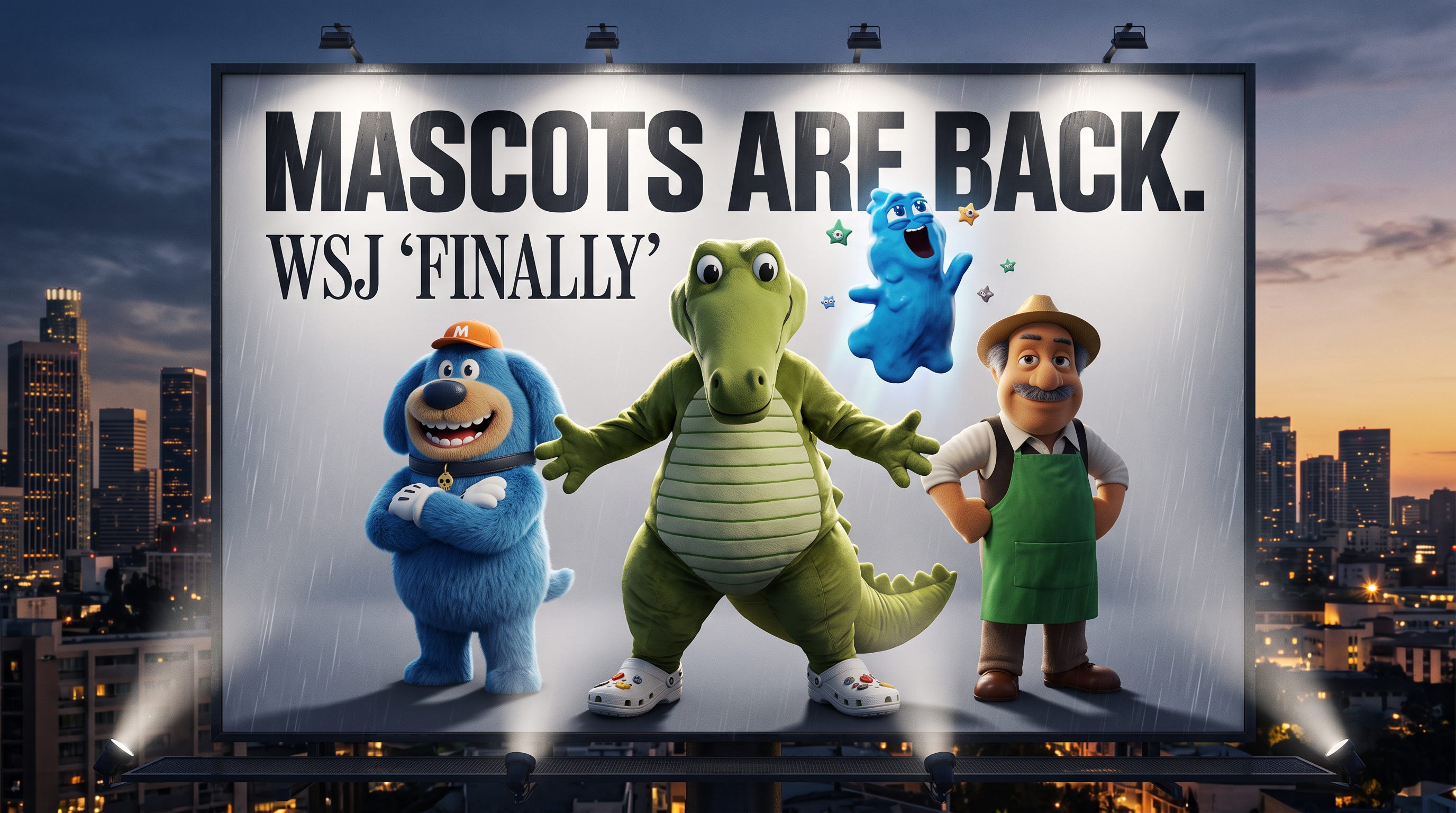
The last 2 weeks, mascots just kept falling out of the sky. Crocs hatched a crocodile. Dolmio pulled its puppet family out of storage after a decade. A Stanley toolbox started talking. And the Wall Street Journal ran a whole piece on why everyone from Microsoft to your water filter suddenly wants a fluffy little companion.
Two things are happening at once. New characters are being born, and old ones are revived. And every new mascot arrives with a launch. Sometimes that just means distributing the ad. Sometimes the brand builds a whole little world around the arrival. Crocs and Dolmio just showed how good that can look.
The crocodile has been on the side of the shoe since 2002. Twenty-three years as a silhouette, zero as a character. On August 13, Crocs finally introduced him: Niles, six feet tall, silent, and built like a sitcom character. Their words, not mine. Personality, interests, flaws, and ambitions.
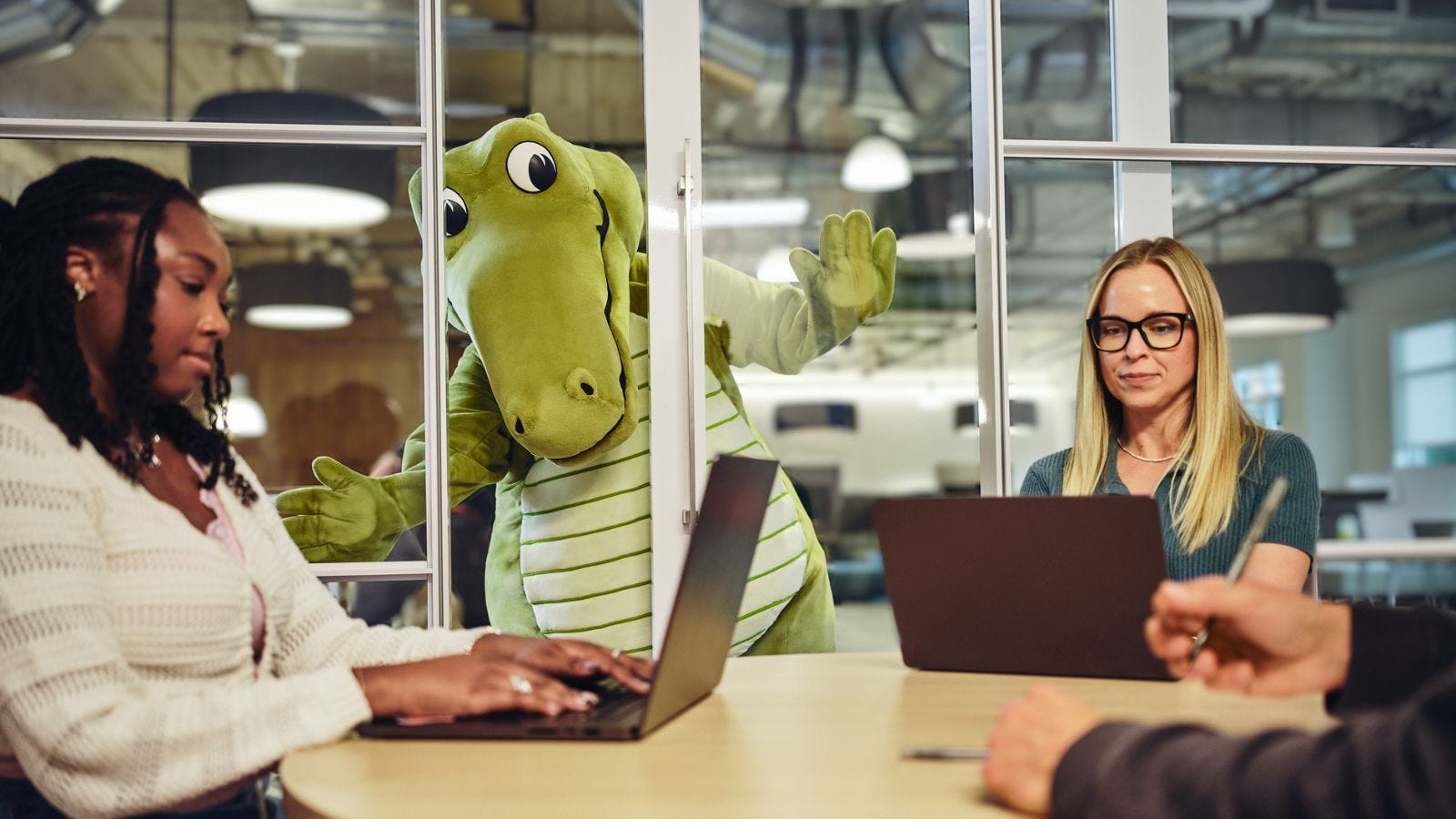
But look at how they did it. For a month before the reveal, a three-foot egg kept showing up in weird places: TikTok Shop livestreams, platform logos, brand assets. Then a 24-hour countdown. Then a live hatching on their socials. Now a weekly micro-series filmed at Crocs HQ with real employees, where Niles hatches early and frantically tries to reassemble his own egg before the countdown expires.
The launch wasn’t marketing for the character. The launch was the first episode. Crocs turns 25 next year, and they’re clearly building Niles as long-term IP with full on episodes, not as a campaign asset they’ll retire in Q2.
Dolmio’s puppet family sold pasta sauce for decades until the brand cut the strings in the mid-2010s and went for “real-life situations.” Regular humans, regular dinners. You’ve never heard anyone quote those ads.
Now, for the brand’s 40th anniversary, the puppets are back. Agency T&P, a budget in the millions, Dolmio’s most ambitious campaign in over ten years, built on the old platform: when’s your Dolmio day. Hero film, out-of-home, a partnership with author Giovanna Fletcher, influencer content.
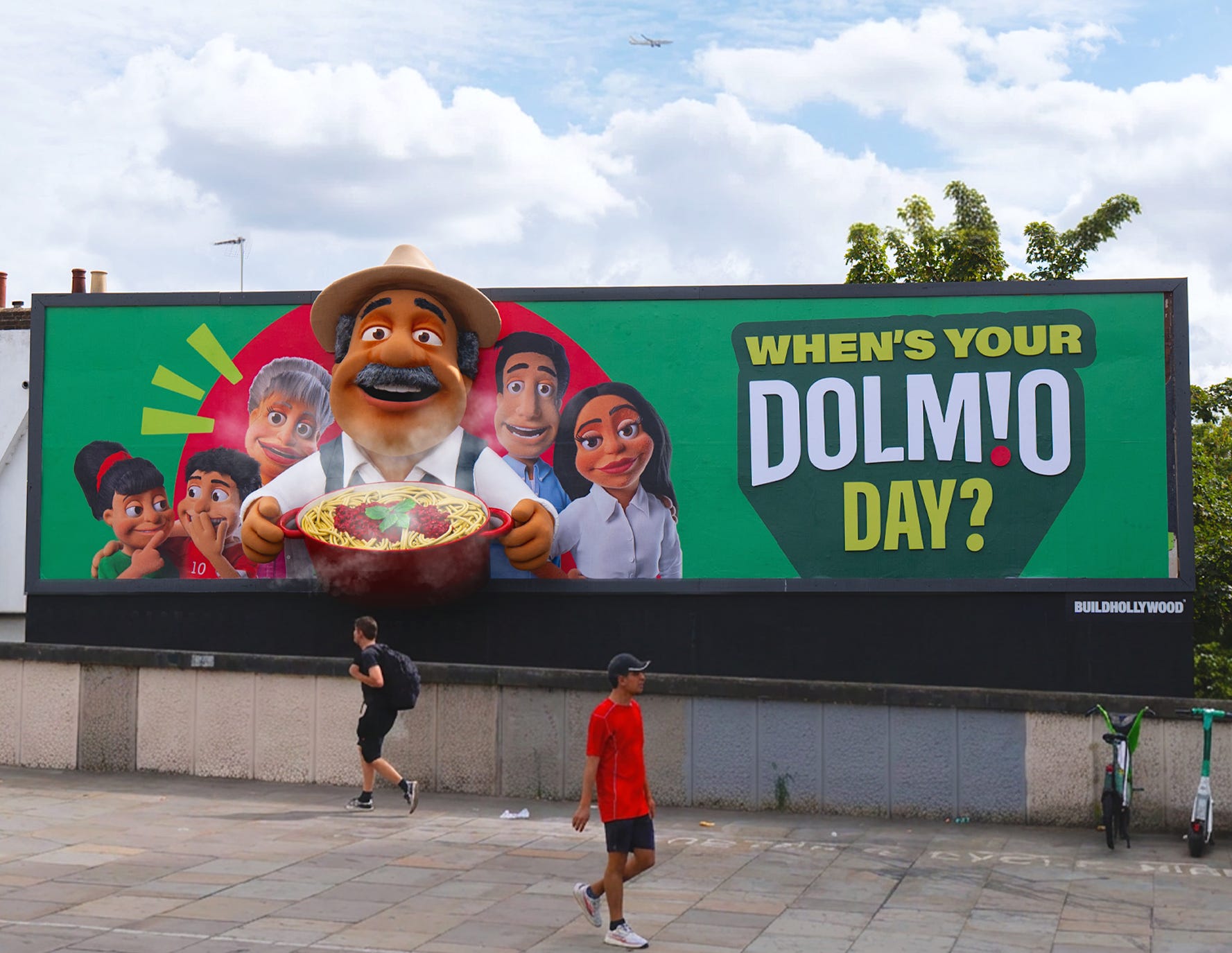
Dolmio was smart enough to lean on the glory days of the characters for the re-launch. They teased the family on Instagram, and the comment section did the remembering for them. Forty years of banked fame, and the campaign spends it instead of pretending it doesn’t exist.
Marcel says: they kept an entire family in storage for eight years. I have reread my contract twice since learning this.
On August 3, Stanley launched “All build. No bull.” with Stan: a talking toolbox with jobsite mileage, starring in ten spots where he trashes overengineered gizmos, empty marketing claims, and general category nonsense. The audience is construction pros, not TikTok teens.
The clever bit: a brand saying “most tool marketing is bull” sounds defensive. A toolbox saying it is funny. The character gives Stanley permission to attack its own category without sounding bitter. And it’s proof the mascot boom isn’t just a DTC cuteness play. This is a 180-year-old tool brand deciding a character is the sharpest way to talk to professionals.
Marcel says: Stan holds tools for a living and complains the whole time. We are getting lunch.
When the WSJ writes about your niche, the niche is over, or it’s just getting started. Their piece counts the new class: Microsoft’s Mico for Copilot, Apple’s little Finder guy, Mozilla turning the Firefox fox into a full character named Kit, Reddit’s refreshed Snoo. Even Penguin’s bird is getting more screen time.
The pattern: the more abstract and mistrusted the product, the cuddlier the messenger. AI assistants, browsers, water filters. Lancaster University’s Anthony Patterson puts it plainly: mascots give “a voice, a personality, a face even” to companies that feel cold and impersonal. The piece also cites research that brands with mascots were 37% more likely to grow market share, and notes Duo the owl now has over 20 million followers. A mascot is a reputation you actually control. Celebrities get scandals. Characters get merchandising.
Marcel says: The Journal calls us “cuddly.” I prefer “hot”
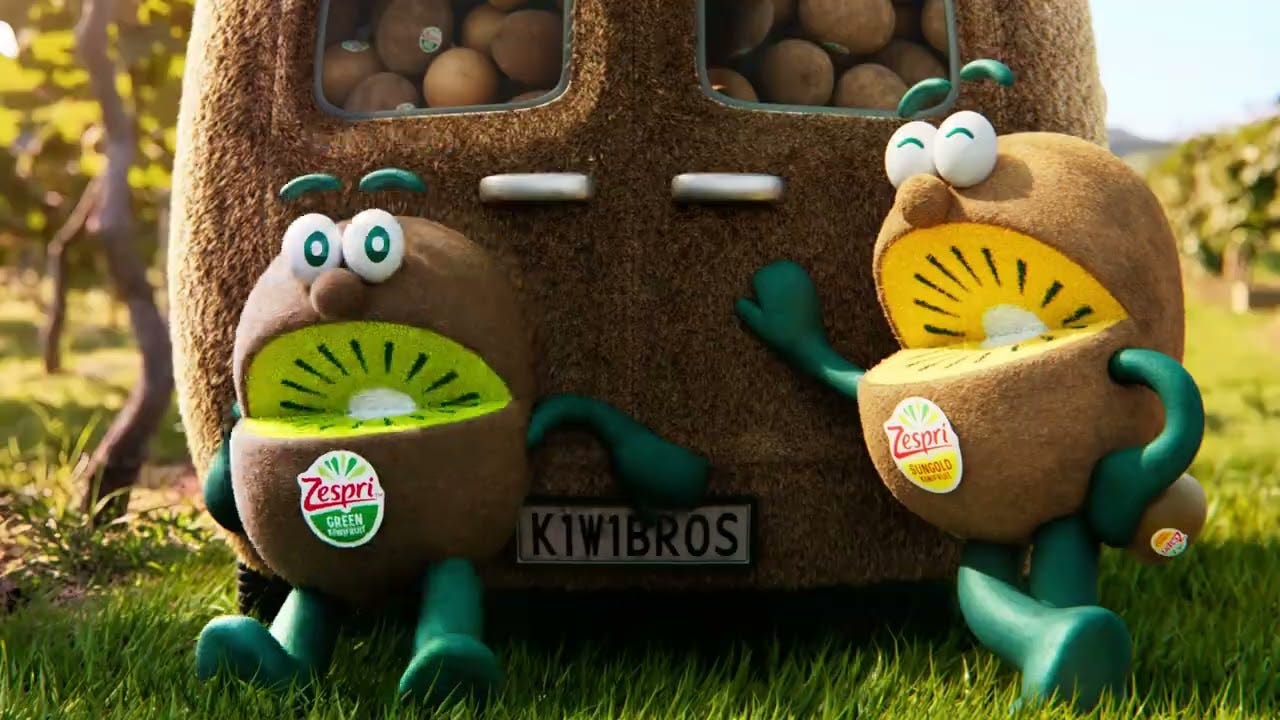
Two more from the pile. Zespri is running “The Zing” in Belgium, a healthy-habits platform fronted by the Kiwi Brothers, the fuzzy kiwifruit characters that became a phenomenon in Japan and are now quietly going global as the brand’s rebels-for-healthy-eating.
And SpringWell, a water filtration brand, answered the question “if water could talk, what would it say?” with: it would sing a ballad. Quality Meats Creative made it in stop-motion, contaminants and all.
When tap water gets a singing voice, the era is officially on.
If you’re bringing a character into the world, there’s a spectrum. The floor is having a mascot. In between is making a fun ad with it. The ceiling is what Crocs and Dolmio did: build a small world around the arrival. Give a new character a birth, like Niles. Give a returning one a homecoming, like the Dolmio family. And plan the second episode before the first one airs, because a character with no next appearance is just a logo with eyes.
I help brands create character-driven engines powered by AI.
Book a 20-minute call | See examples
Subscribe to Marcel’s Lab - the only newsletter on building character-driven brands powered by AI. When content is infinite, characters are your moat.
Comments
Nothing yet. Say the first thing.
Sign in to join the conversation.