
There’s a theory that Gatsby is Black.
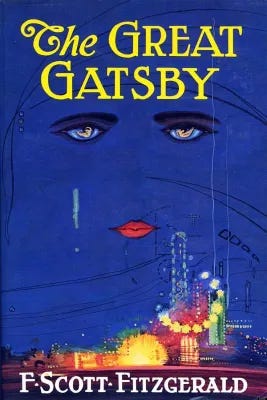
People have written about this extensively, even pointing out that F. Scott Fitzgerald’s original title for The Great Gatsby was Trimalchio in West Egg, Trimalchio being a slave from a piece of ancient Roman fiction who, after gaining his freedom, achieves wealth and throws lavish, garish parties.
Of course the slaves in Ancient Rome weren’t necessarily Black. Occasionally they were, but they were also Greek, Gauls, Germans and so on. Still, in America, when we hear “slave” we tend to think “Black.” And you don’t get more American than F. Scott Fitzgerald, the guy who wrote The Great American Novel.
And yet I don’t buy the theory. In the third person narration within his novels Fitzgerald casually uses derogatory terms and descriptions for African Americans, calling them coons, pickaninnies and worse. And when he does have Black characters they’re usually there for comic relief. And his personal correspondence? Consider this excerpt from a letter Fitzgerald wrote while visiting Europe in 1921, a mere four years before writing Gatsby:
“The negroid streak creeps northward to defile the Nordic race. Already the Italians have the souls of blackamoors. Raise the bars of immigration and permit only Scandinavians, Teutons Anglo-Saxons and Celts to enter. I think it’s a shame that England and America didn’t let Germany conquer Europe. It’s the only thing that would have saved the fleet of tottering old wrecks…I believe at last in the white man’s burden. We are as far above the modern Frenchman as he is above the Negro.”
So given all that it’s hard for me to believe that for the one single character of Jay Gatsby Fitzgerald had a moment of progressive, racial enlightenment.
But if Fitzgerald did intend for Gatsby to be a Black man passing for white, it works. And for a lot of African Americans, Gatsby is a character they can connect with. For that matter, Gatsby could have Asian ancestry. Maybe his folks were invited to come here to build the railroads our country was so desperate for, only to be told once the rails were completed that they were no longer welcome. Or Gatsby could be Jewish, hiding his identity in order to win the affection of Daisy, the ultimate Shiksa Goddess. The Romans did have a lot of Jewish slaves so that tracks with the whole Trimalchio thing. But this version of Gatsby runs up against the same issues that the Gatsby’s-Black theory does. After all, Fitzgerald’s most famous Jewish character could have been plucked right out of The Protocols of the Elders Of Zion.
Maybe we should compare Gatsby to celebrities who hail from humble beginnings. Elvis’ meteoric rise, his reign in his Graceland estate followed by his tragic excesses towards the end of his life certainly bears some parallels to Gatsby.
We know Gatsby wasn’t born to a Rockefeller nor did he herald from Exclusive-Country-Club stock. But he could be anyone whose family would have had a hard time gaining admittance to an exclusive country club.
Not to sound too Bernie Sanders about it, but that’s 99% of us.
I say all this not to mock the theory of Gatsby being Black, but to compliment Fitzgerald’s masterwork. Regardless of your background, color or religion, The Great Gatsby resonates. The story even seems to transcend the author’s own biases. It’s one of the few required-reading books that most high schoolers actually like.
The tragic love story, the desire to reinvent oneself, finding success but still feeling like an outsider, the way people are both drawn to and repulsed by conspicuous displays of wealth…as readers, on a fundamental level, we just get it.
To be able to create a novel that speaks to so many different demographics, a full century after it was written, and is also profound enough to be held up by literary scholars as a work of art…that’s rare.
The Great Gatsby is something special.
And yes, my upcoming novel, The Great Mann is a Black reimagining of The Great Gatsby.
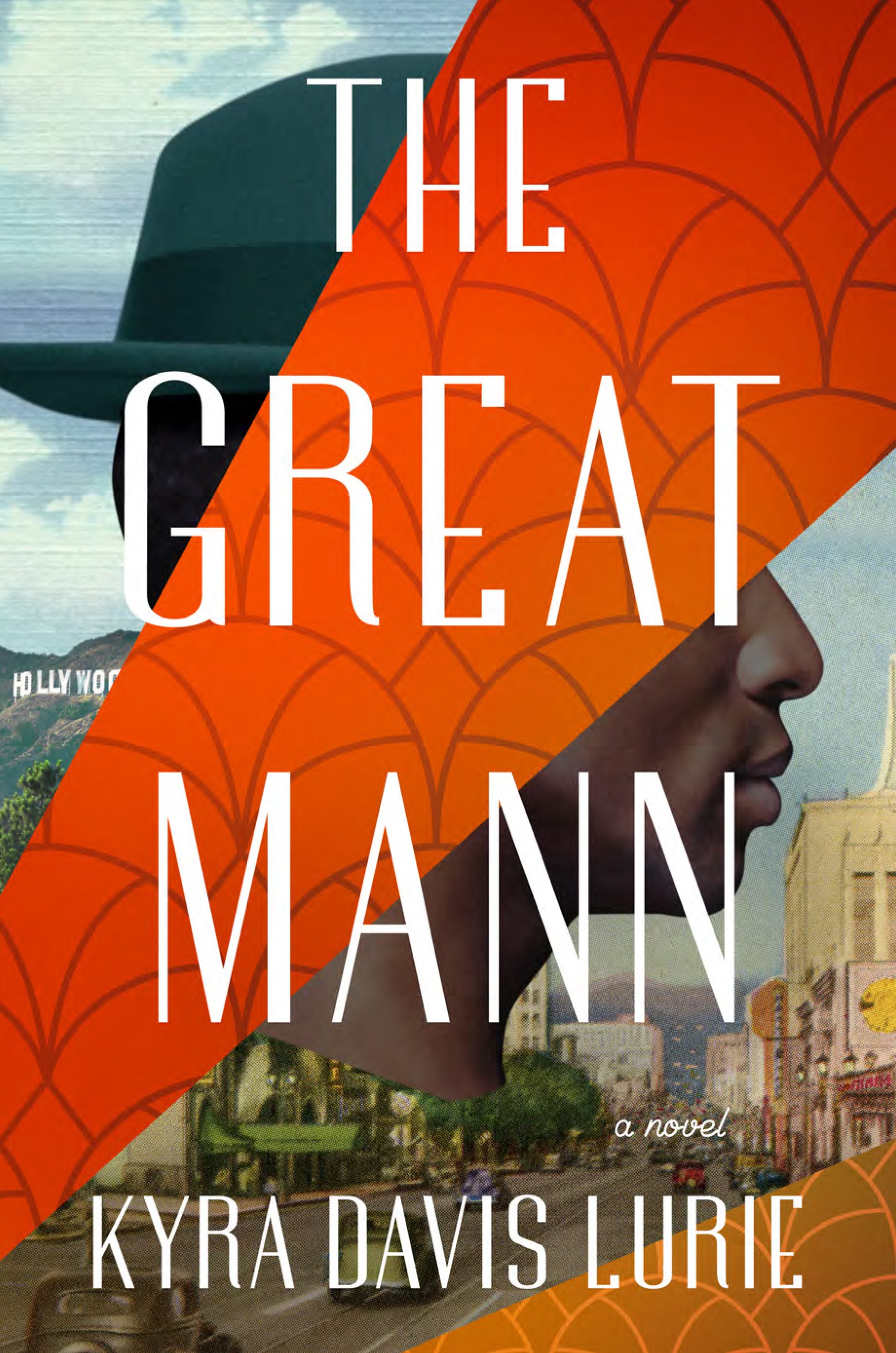
But I didn’t write The Great Mann because I thought I could improve on Fitzgerald’s work. I can’t. What I can do is take his themes and reveal how they would change if the characters looked more like my ancestors than his. I took the bones of The Great Gatsby and placed them in the body of a real life, affluent Black community that existed in Los Angeles in the 1940s and turned it all into historical fiction.
And because Fitzgerald’s book is so universal, it works.
Gatsby is (almost) all of us.
Happy Birthday to The Great Gatsby. You may be 100 years old today, but you look timeless.
Comments
Nothing yet. Say the first thing.
Sign in to join the conversation.