
On World Cancer Day, I find myself reflecting not only on my own journey as a breast cancer survivor, but also on the growing number of citizen around the U.S., and especially in Iowa, whose lives have been touched by this disease.
Five years ago, I heard the words that change every cancer patient’s life: “You have breast cancer.”
Even now, half a decade later, I can remember the feeling with startling clarity. The sterile exam room suddenly felt too small. The air seemed to disappear from my lungs. My mind raced ahead to surgeries, treatments, and questions I wasn’t prepared to answer. Would I survive? Would I see my children grow older? Would I ever feel normal again?
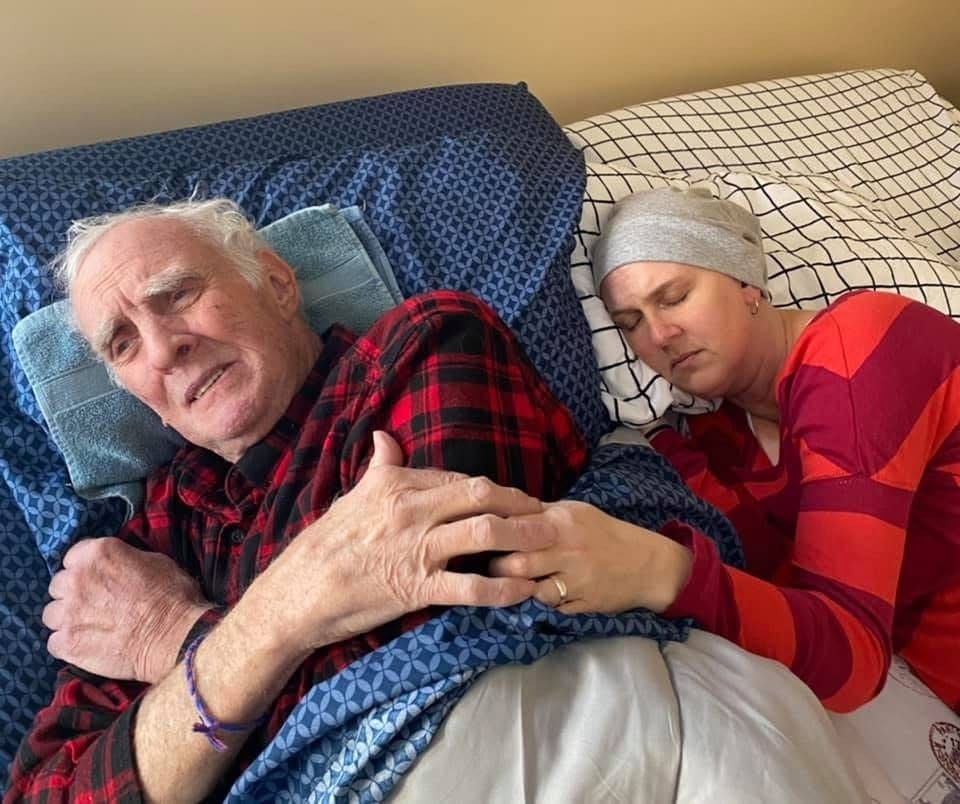
Even more unthinkable, my father was diagnosed with a rare and untreatable form of cancer just two months later. I would survive. He would not.
Today, I am grateful to say that I am a five-year breast cancer survivor. Reaching this milestone is often considered a significant marker in the cancer community, a sign that the disease has remained at bay. Yet cancer never completely leaves a survivor’s life. It changes the way you think about your body, your future, and the world around you. It also changes the questions you ask.
One question I find myself asking more often is why so many people in our state are facing cancer diagnoses.
Iowa has earned an unfortunate distinction in recent years:
We have one of the highest and fastest-growing cancer rates in the nation. Nearly everyone I know has been touched by cancer in some way. Friends, neighbors, coworkers, and family members have faced diagnoses ranging from breast cancer to colon cancer, leukemia, lymphoma, and more. Adults and children alike. It’s becoming increasingly difficult to find someone whose life has not been affected by this disease.
Of course, cancer is complex. There is rarely a single cause. Genetics, age, lifestyle, and chance all play a role. But when cancer rates continue to climb across a population, we have a responsibility to ask difficult questions about environmental factors that may be contributing to the problem.
As a survivor, I often wonder whether something in my environment, like water quality, played a role in my diagnosis. Like many cancer patients, I’ll never know the answer. What I do know is that clean water is not a luxury. It’s a basic necessity for human health.
Water touches every aspect of our lives. We drink it, cook with it, bathe in it, and use it to grow our food. When contaminants enter our rivers, lakes, and groundwater, they don’t simply disappear. They become part of the environment that sustains us.
Iowa’s water quality challenges are well documented. Agricultural runoff, nitrates, pesticides, and other pollutants have raised concerns among scientists, environmental advocates, and public health experts for years. While researchers continue to study the relationship between environmental exposures and cancer risk, common sense tells us that reducing pollution is a goal worth pursuing regardless of the outcome. Cleaner water benefits everyone.
Cancer survivors understand better than most that prevention matters. We spend countless hours attending screenings, following medical advice, and making lifestyle changes in hopes of reducing risk. Yet individual choices can only go so far when broader environmental conditions remain unaddressed.
Protecting water quality should not be a partisan issue. It’s not a rural issue or an urban issue. It’s a public health issue. Every family deserves confidence that the water flowing from their tap is safe. Every child deserves the opportunity to grow up in an environment that prioritizes health over convenience. Every cancer survivor deserves to know that we are doing everything possible to reduce future cases.
My journey through cancer taught me many lessons. Resilience. Gratitude. And that life can change in an instant. But it also taught me that health is not something we should take for granted.
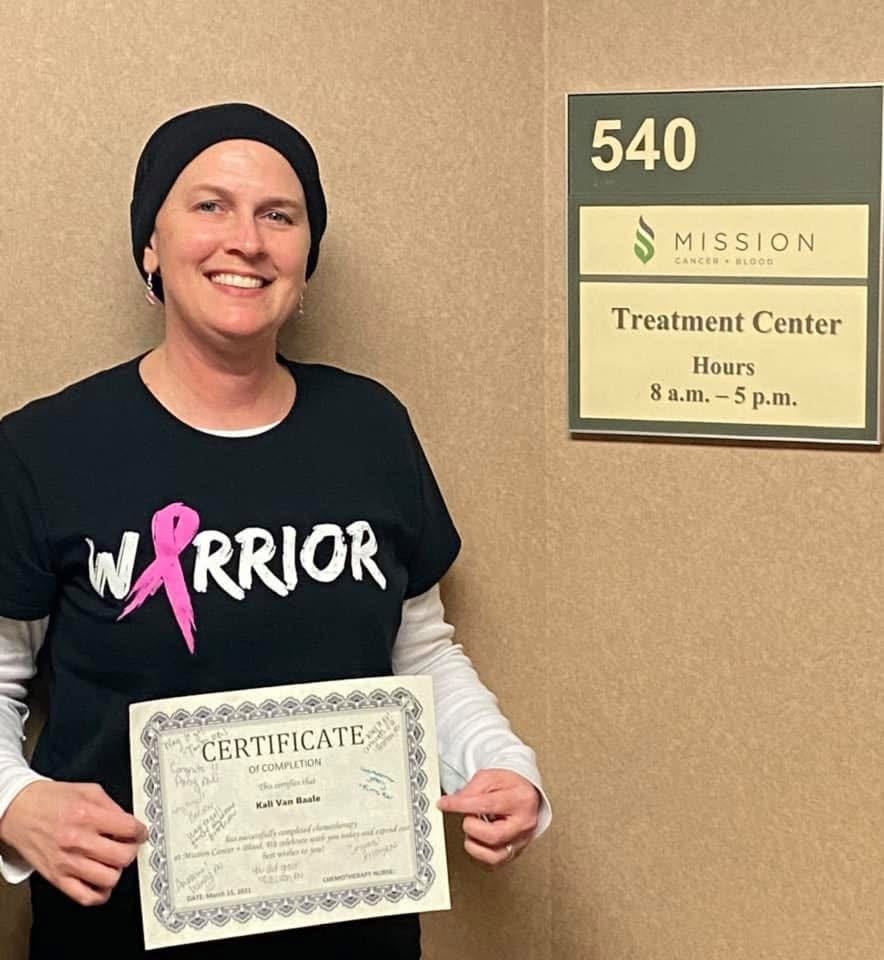
Five years after my diagnosis, I celebrate survival. I celebrate the doctors, nurses, researchers, and loved ones who helped me reach this milestone. At the same time, I recognize that survival alone is not enough. We must also focus on prevention.
We may never eliminate cancer entirely. But we can work to create healthier communities and reduce unnecessary risks. Investing in cleaner water, stronger environmental protections, and continued scientific research is an investment in all of our futures.
As a breast cancer survivor, I know what’s at stake. Behind every cancer statistic is a person, a family, and a story, just like mine and my dad’s. My hope is that future generations will face fewer of these stories—not because they became better at surviving cancer, but because fewer people developed it in the first place.
Comments
Nothing yet. Say the first thing.
Sign in to join the conversation.