
Hello, everyone! I am Kwame, and this is Pattern of Play, a newsletter where we step away from the score line to understand systems, leadership, institutions and culture through football.
Subscribe to receive it directly to your inbox, free or paid.
On Tuesday, I shared with you that the whole scaffolding of my fandom was left behind once we had moved. Not the caring though — it made it to a new location without problems. It was the things surrounding the caring which did not go well through the move.
Today, I would like to answer the question the Tuesday article left open. Why does the certain scaffolding of supporters groups survive distance while the other just cannot? Why can some fan groups remain united despite the distance and decades in between while others fall apart just once the people building the group move to a different place.
I do not believe that it is passion alone. Every fan who ever lost the connection with the club is passionate about it as much the day after as the day before. Passion doesn’t change. It is the presence of actual structure of the feelings which does. There was either an actual structure which made sure that the passion is maintained or there was not. I think it’s proximity mostly, and proximity was not built to last.
The two types of structure
Here is the distinction that I keep thinking about. Some fan structure is organic. Other structure is designed. Organic structure is formed around proximity — the people who happen to be around you, the particular pub, the particular watch area and the particular friend who happens to text you when it matters. This is all real and it is often the richest form of fandom as long as it exists. But it is almost never built to survive if you move away from the place where it has been created. It was never intended to survive at all. It simply happened.
Designed structures, on the other hand, are intentionally built to be able to withstand the conditions which the organic version cannot — the distance, time, and the fact that most of its members will never meet each other in person and would not even need to.
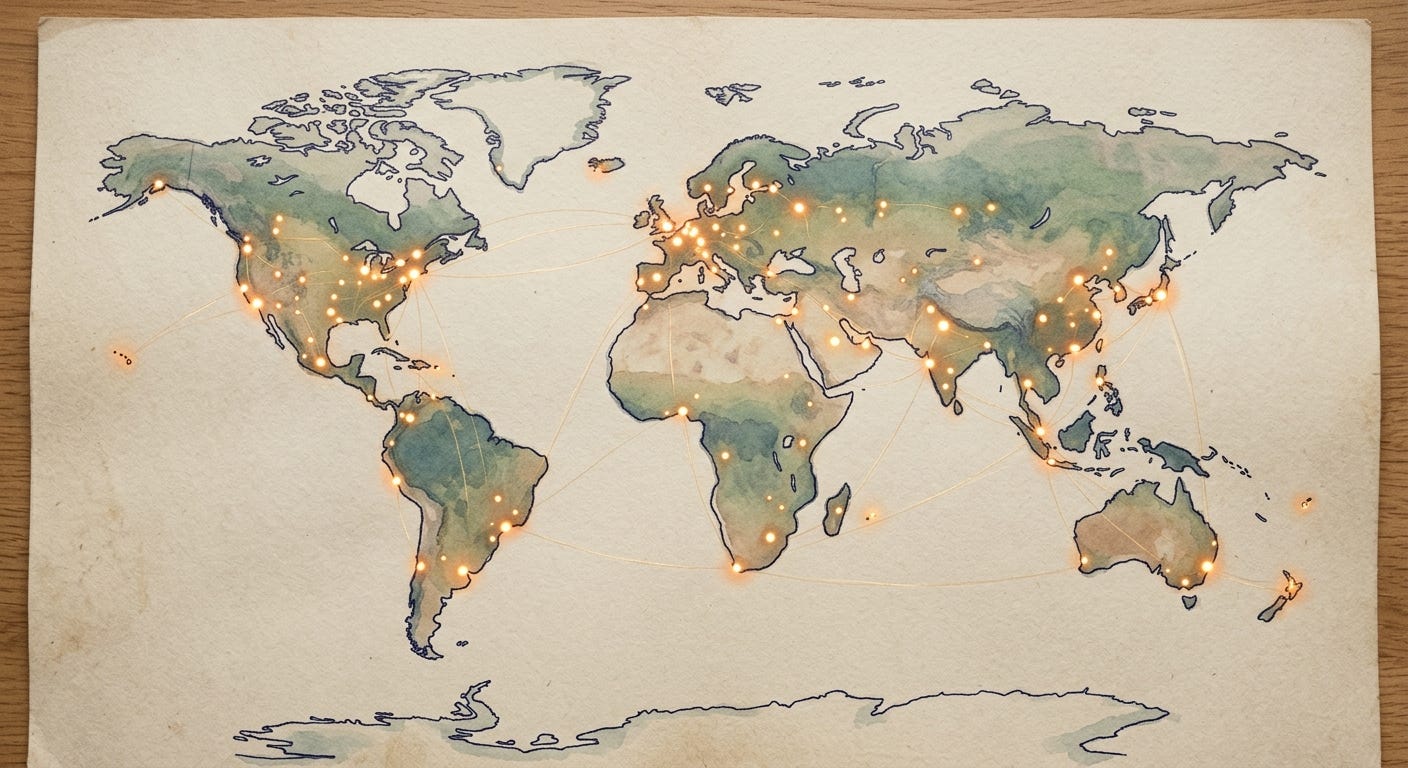
Chelsea FC is a good example of the designed fan architecture. The club has a network of more than 500 Official Supporters Clubs in more than 100 countries. This is its own reward system and process of creating a new chapter from scratch. It exists because someone at the club recognized the fact that the proximity will fade. People move and informal groups fall apart once the person maintaining them is no longer there. If you wish for the fanbase to survive that, you cannot count on luck and hope for the best. You have to design the thing intentionally, the same way you build anything else that has to last.
This was the part which got me thinking once I realized the truth. I lost the friend who texted me about penalties, the particular pub, and the particular drive home. This was not some failure on my part as a fan. This was just the way things went when you counted on a structure which was never meant to survive what eventually happened to it. The supporter club in the city where I ended up was not something I needed to create from scratch. It was there. Waiting for me to be exactly there because someone thought about me before I even existed to them.
Comments
Nothing yet. Say the first thing.
Sign in to join the conversation.