
The Jura isn’t mainstream when it comes to the wine regions of France, and that’s (at least in part) why so many wine lovers can’t get enough.
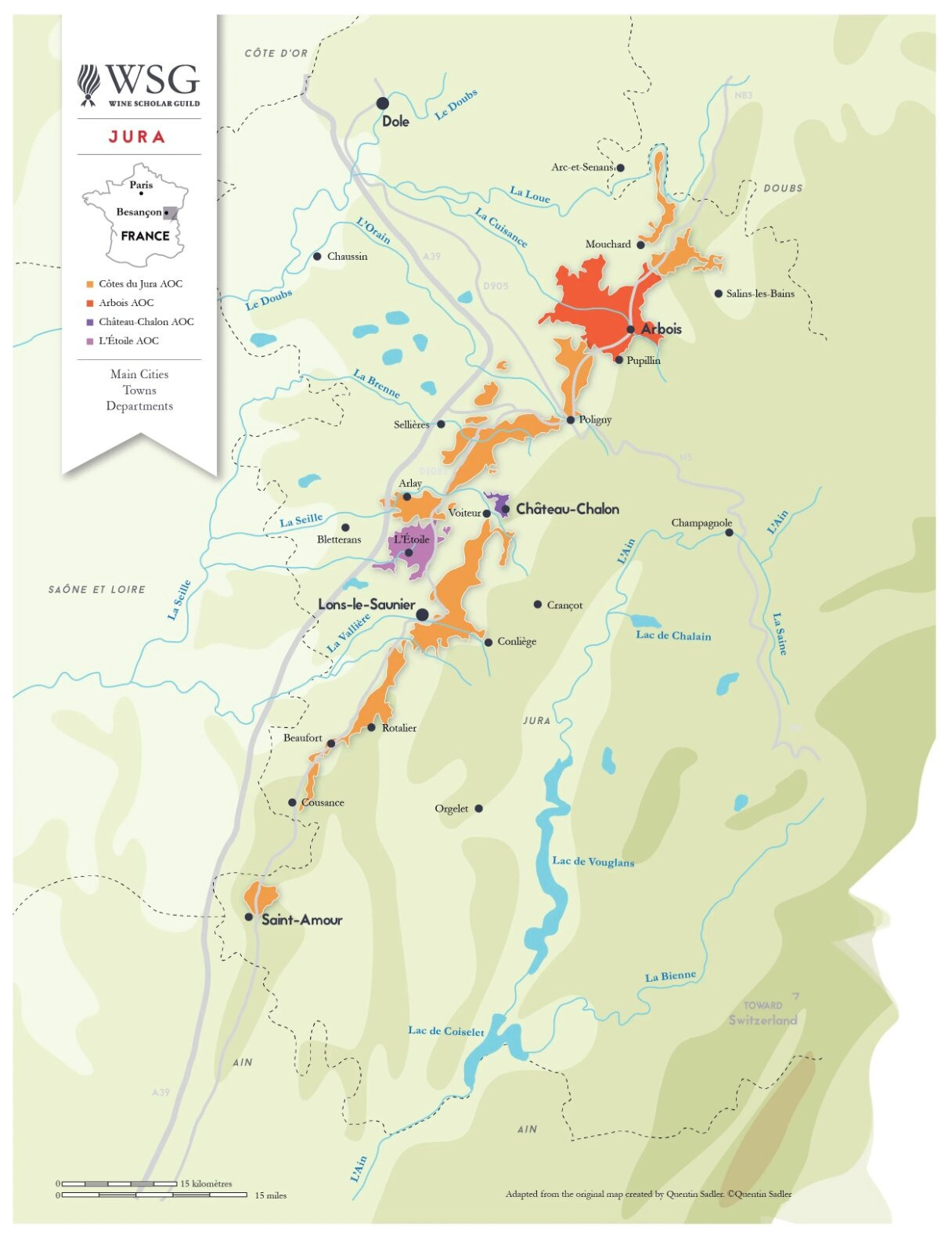
It’s tucked into a mountainous region between Burgundy and Switzerland. Total production is tiny: less than 0.2% of all the wine produced in France.*
The region is home to three native grapes: a delicate red called Poulsard, a structured red called Trousseau, and a white called Savagnin. The latter is used to make a very distinct style of wine: Vin Jaune, an oxidative wine aged under a thin layer of surface yeast, much like the flor used in parts of Spain’s sherry production.
Perhaps the most endearing part of the Jura wine region is that it’s on the fringe, both geographically and culturally. Jura has a strong association with the “natural wine” movement, and while it certainly transcends that label, there are indeed many no- or low-intervention winemakers in this region.
Though production is limited, the diversity of what is made is not. You can find traditional-method sparkling wines, Burgundian-style Chardonnay, the legendary Vin Jaune, fresh mineral-driven whites, orange wines, reds ranging from delicate Poulsard to powerful Trousseau, and even a fortified wine called Macvin. We'll explore each of these styles in this guide.
Be sure to check out the “Bottles” section at the end. These wines feel like the kind of hidden gems wine lovers can't wait to share with their friends. Some of the region's most sought-after bottles have become surprisingly expensive, but I've included recommendations that I hope are easier to find, and at reasonable prices.
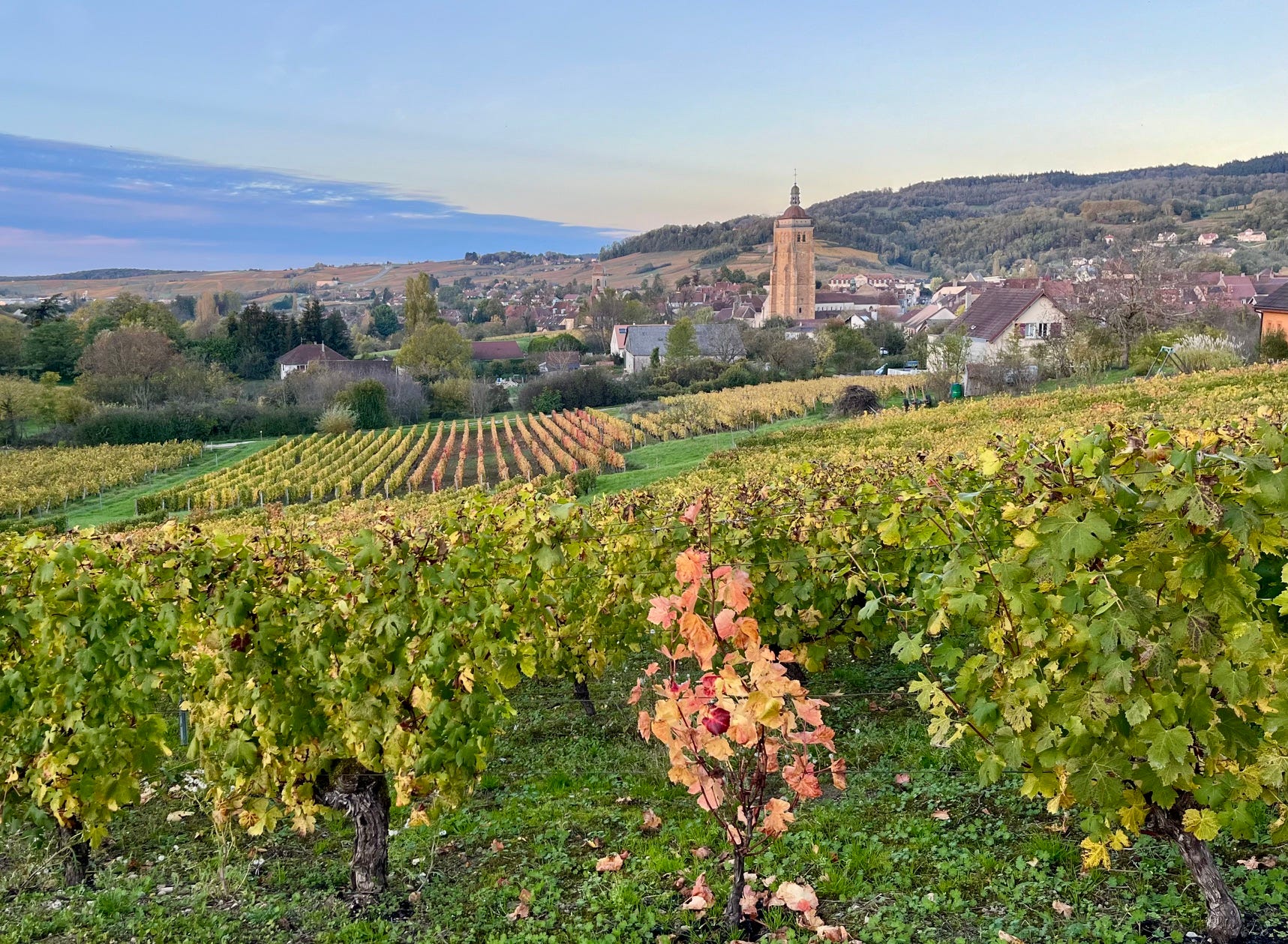
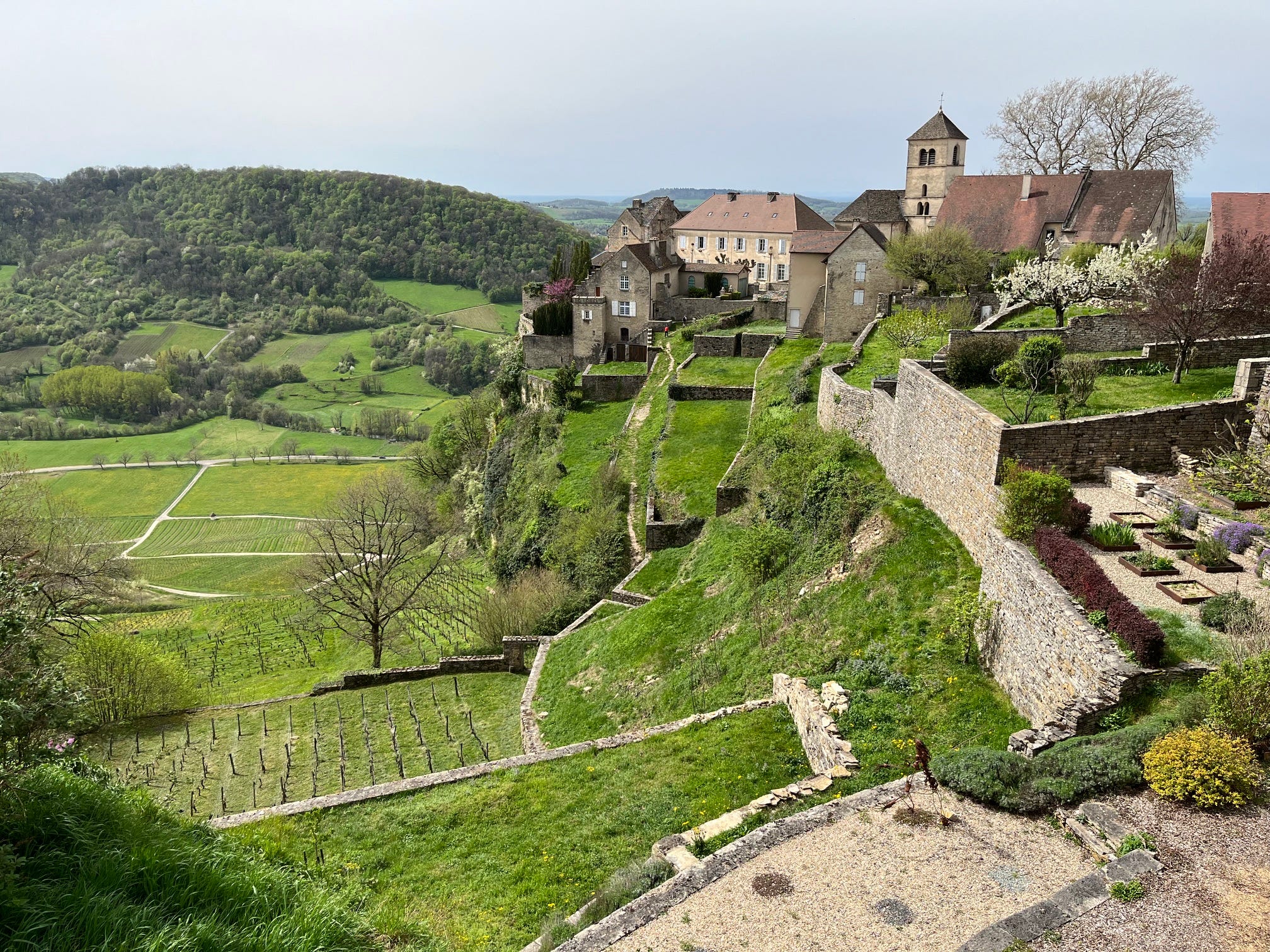
The Jura wine region lies along the foothills of the Jura Mountains, which stretch down eastern France and into Switzerland.
Compared to Burgundy, which is just to the west, the Jura wine region gets more sun and more rain (and also more disease pressure).
The soil composition is about 80% clay and 20% limestone. (Interestingly, the Côte d’Or in Burgundy, just across the plain, is the inverse of this: 80% limestone and 20% clay.) The upper soils are made up of marls and gravels that are suited to the key grape varieties in this region.
Savagnin is native to Jura. Descended from wild grapes, it has thick skins that are resistant to mildew and rot. It has parented varieties such as Sauvignon Blanc and Chenin Blanc, and makes wines in a range of styles:
Oxidative and nutty examples (including but not limited to Vin Jaune)
Non-oxidative and citrusy examples (known as ouillé wines)
Skin-contact or orange wine
As a blending component in the sparkling Crémant du Jura, thanks to its high acid.
Chardonnay is also important, accounting for the majority of white wine production. Much of it is destined for Crémant du Jura, although some is made from single-parcel sites and with an extended ageing regimen, similar in style to examples from nearby Burgundy.
Poulsard/Ploussard— also native to Jura. It produces pale reds, rosé, and Crémant du Jura rosé. Poulsard is beloved for producing a lightly-pigmented, delicate, food-friendly red wine. It’s also hard to grow. It has thin skins, buds early (therefore easily damaged by early spring frosts) and is susceptible to mildew and spoilage from drosophila (fruit flies). Still, it’s one of the Jura’s heritage grapes, and a beautiful representation of this wine region.
Pinot Noir— about a third of red wine production. Much of it is used in Crémant du Jura or in red blends with Poulsard and Trousseau.
Trousseau— the heartiest and most tannic of the reds in Jura. When vineyards are uprooted in the Jura, winemakers increasingly favor planting Trousseau, which is now ripening more favorably thanks to climate change.* This rustic grape is also grown in Portugal (where it is known as Bastardo).
Crémant du Jura is sparkling wine made in the traditional method, with the secondary fermentation occurring in the bottle. The quality of Crémant du Jura continues to go up as winemakers make use of excellent technology (related to disgorgement and other steps in the process).
Crémant du Jura is often made entirely from Chardonnay (many examples are 100%), and by law Chardonnay must make up the majority of the blend. The balance consists of Pinot Noir and Savagnin, the latter prized for its bright acidity—a particularly attractive quality in sparkling wine. Many winemakers would like to see the permitted percentage of Savagnin increase; it’s currently limited to 30% of the blend.
More styles are being made with limited sweetness in the final dosage (Brut Nature), a trend across sparkling wines from many regions.
We can also find rosé versions of Crémant du Jura (see the “Bottles” section for one); these are based on the red varietals of the Jura.
The full range of the Savagnin grape:
Vin Jaune is an oxidative white wine made from Savagnin that has aged under a thin layer of yeast, or sous voile (under the veil) for more than 5 years! Vin Jaune has naturally high acidity and notes that reflect both biological ageing (biscuit, bread dough) and oxidative ageing (walnut, hazelnut).
Oxidative/sous voile wines that are still aged under a layer of yeast, but for a shorter period of time than is required for Vin Jaune (sometimes called “baby Jaune”). Also common are blends of an oxidatively made Savagnin with a “topped up” Chardonnay (made in a reductive style; wine is added to the barrel as evaporation occurs during maturation, therefore limiting exposure to oxygen).
Non-oxidative (aka reductive, or ouillé wines) Savagnin. This style is becoming increasingly popular. Most winemakers have at least one if not many examples of non-oxidative Savagnin; expect citrusy, fresh, mineral-driven wines. Many examples come from special sites or terroir selections.
Chardonnay made in neutral and Burgundian styles
Much of the Chardonnay made in the Jura is fermented and aged in stainless steel tanks and intended for Crémant de Jura.
The Arbois and Sud Revermont regions are particularly noteworthy for high quality, single vineyard Chardonnay. Oak ageing (in various barrel sizes, almost never in new oak) and extended ageing are common for these wines made in a Burgundian style.
Orange wine is made from white grapes that remain in contact with their skins for days or weeks during fermentation, lending an orange color and noticeable tannic grip to the wine.
Savagnin is a great candidate for orange wine due to its naturally high acidity and thick skins. Winemakers allow skin contact time for week(s) during the fermentation process to produce the signature orange color. Because this style is trendy and the wines of Jura are cult favorites, many of these bottles are hard to find.
Chardonnay can also be used in the production of orange wine, like the one from Les Bottes Rouges in the “bottles” section below.
There is not a lot of rosé produced in the Jura, as there is significant demand for red wine and not a lot to spare for rosé production.
Red wines are often bottled as single varietals or as blends, which are more common during challenging vintages.
Vin de Paille is a “straw wine”, or wine made from grapes (generally Chardonnay, Savagnin, and Poulsard) that have dried out for several weeks prior to fermentation. The intensely concentrated grapes produce a wine that is both sweet and balanced by bright acidity, usually around 15% abv.
Macvin is a fascinating fortified wine. An oak-aged grape spirit called Marc du Jura, distilled from grape pomace (essentially the leftovers of fermentation- skins, seeds and stems), is added to completely unfermented grape juice (usually a blend), and the blend aged further in oak barrels. The abv ranges from 16–22%. Nearly all of the alcohol comes from the spirit added during this process, since the grape juice to which it is added is unfermented. Macvin tastes like liquid baked apples, honey, caramel, dried apricots, candied orange peel, and warm baking spices, often with a subtle nutty note from oak aging.
Many people associate the wines of the Jura with natural wine. Why? One possible reason is Pierre Overnoy, whose winemaking philosophy profoundly influenced the natural wine movement, still lives in the Jura (in the village of Pupillin). Although retired for many years, his ideas inspired countless producers, and today the region is home to many low-intervention winemakers. Houillon-Overnoy, Ganevat, de la Tournelle, and Labet are among the region’s most famous estates in this regard.
Perhaps another reason is that the Jura is off the beaten path. Production is tiny, the grape varieties are unfamiliar, and many of the wines don’t taste like anything else. Those qualities have also made the region something of a darling among the natural wine crowd.
Zooming out for a second, what does it mean for a wine to be “natural”? Isn’t all wine natural? Broadly speaking, natural wine refers to wine made from organically or biodynamically farmed grapes, fermented with native yeasts, and produced with minimal intervention in the cellar, often with little or no added sulfites.
To be clear, many producers farm organically, ferment with native yeasts, and intervene very little in the cellar without embracing the label “natural wine.” Some simply don’t identify with the movement; others dislike the term altogether. As one of my friends likes to say, “If I want to drink kombucha, I’ll drink kombucha.”
Growing organic grapes and fermenting with native yeasts is one thing, but avoiding sulfites altogether is another. Many winemakers, including many of the low-intervention producers in the Jura, consider at least a small amount of sulfites to be essential, particularly if a wine is intended to age or travel well in export markets.
Regardless of one’s opinions on natural wine, the movement has benefited the Jura. It has given the region a youthful, hip, niche sort of appeal, drawing curious drinkers who often go on to discover more of its wines, whether it’s a chillable, light red like Poulsard, a skin-contact Savagnin, or a Crémant du Jura from a region many wine drinkers haven’t discovered yet.
Harvests are becoming increasingly difficult in Jura. Warmer temperatures are only part of the problem, as some grapes (like Trousseau) which have struggled to ripen in a historically cooler region can now achieve optimal ripeness. Other grapes, like the Chardonnay destined for Crémant, are achieving ripeness and pH levels that are higher than ideal. Higher pH levels mean lower natural acidity in the grapes; this is also a problem for natural winemakers who are attempting to limit or eliminate the use of sulfites as a preservative. The higher the pH, the more opportunity for bad bacteria to spoil the wine.*
Late spring frosts have been particularly devastating in the past 10 years. Winemakers are trying to take steps to prevent or mitigate damage from spring frosts, including installing heaters, large paraffin candles, and wind fans in the vineyards, but these methods are expensive and in many cases cost prohibitive and environmentally unfriendly. Other efforts include experimenting with other historical and classic varieties from other regions, including hybrids.*
Domaine Rolet Cremant du Jura Blanc Brut ($30) Traditional-method sparkling with crisp apple and citrus. Domaine Rolet is an iconic producer with a wine tourism program and an annual summer music festival called the “Rock’n’Rolet”.*
Benedicte et Stephane Tissot Cremant du Jura Extra Brut Rose ($38) 40% Pinot Noir and 30% each Poulssard and Trousseau from a classic producer.
Domaine Overnoy-Crinquand Cremant du Jura Brut ($29) A fresh alternative to Champagne; a great value.
Domaine la Grapp’A Pet-Nat ($24) Pétillant Naturel (Pét-Nat) is made by bottling the wine before fermentation is finished, creating natural bubbles in the bottle (often unfiltered). Can’t find this exact bottle? Ask your local wine shop for their favorite Pét-Nat; bonus points if it’s from the Jura.
Maire Savagnin Vignes De Sorbief ($31) Fresh and mineral-driven Savagnin, with notes of lemon, white flowers, and subtle oak. One of the Jura’s largest producers.
Domaine de La Pinte Arbois Savagnin ($43) Wine-searcher says “This is among the top 10 most highly rated Arbois wines (based on critic scores)”. Certified organic and biodynamic. An ouillé (topped-up) example of Savagnin, showcasing the grape's purity and minerality. I found this bottle at Boulder Wine Merchant.
Domaine de Montbourgeau L'Etoile 2023 ($37) A white blend, mostly Chardonnay with small amounts of Savagnin. Fully organic since 2019 but still in the certification process. Low- to no-intervention in the cellar.
Domaine Rolet Arbois Chardonnay 2023 ($31) Classic Jura Chardonnay with bright citrus and minerality (in the same lane as white Burgundy) from iconic Domaine Rolet.
2024 Domaine Rolet Pere & Fils Arbois Blanc Tradition ($30) An example of an oxidative white (“Tradition” is often the clue) that is a bit more approachable than Vin Jaune. A blend of oxidatively aged Savagnin and ouillé (topped-up) Chardonnay.
Domaine Henri Maire Arbois Vin Jaune 2018 ($55) An example of Jura’s iconic oxidative wine from a large estate.
Les Bottes Rouges “No Milk Today” Chardonnay- Orange Wine (€36,13) Orange wine made from 40-year old Chardonnay vines. Les Bottes Rouges is the creative winemaking project of Jean-Baptiste Menigoz and Florien Kleine Snuverink, based in the Arbois region of the Jura.
Domaine du Pélican Arbois “Macération Pelliculaire” Savagnin ($60) This skin-contact Savagnin offers aromas of citrus peel, tea, herbs, and dried apricot with a grippy texture. Domaine du Pélican is one of the Jura’s most highly regarded producers and is owned by the d’Angerville and Duvivier families of Burgundy.
Frederic Lornet Cuvee des Chamoz Pinot Noir ($28) One of the earliest exporters to the US. The vines have been grafted onto rootstocks that have done well in warmer climates.*
Domaine Rolet Arbois Poulsard Vieilles Vignes 2023 ($31) Discover Jura’s light, delicate signature red- Poulsard.
Domaine Daniel Dugois Arbois Ploussard ($20) A great value from a producer making classic wines from the Arbois region.
La Tournelle Arbois Trousseau Des Corvées 2023 (€30) An iconic estate run by Evelyne de la Tournelle, who also makes the wine. Completely natural, no sulfites or filtration.*
Domaine Rolet Arbois Trousseau 2023 ($37) A richer, spicier expression of Jura from the Trousseau grape.
Domaine Overnoy-Crinquand Arbois-Pupillin Trousseau 2022 ($42) An elegant style of Trousseau from the village most associated with lighter-bodied Poulsard.
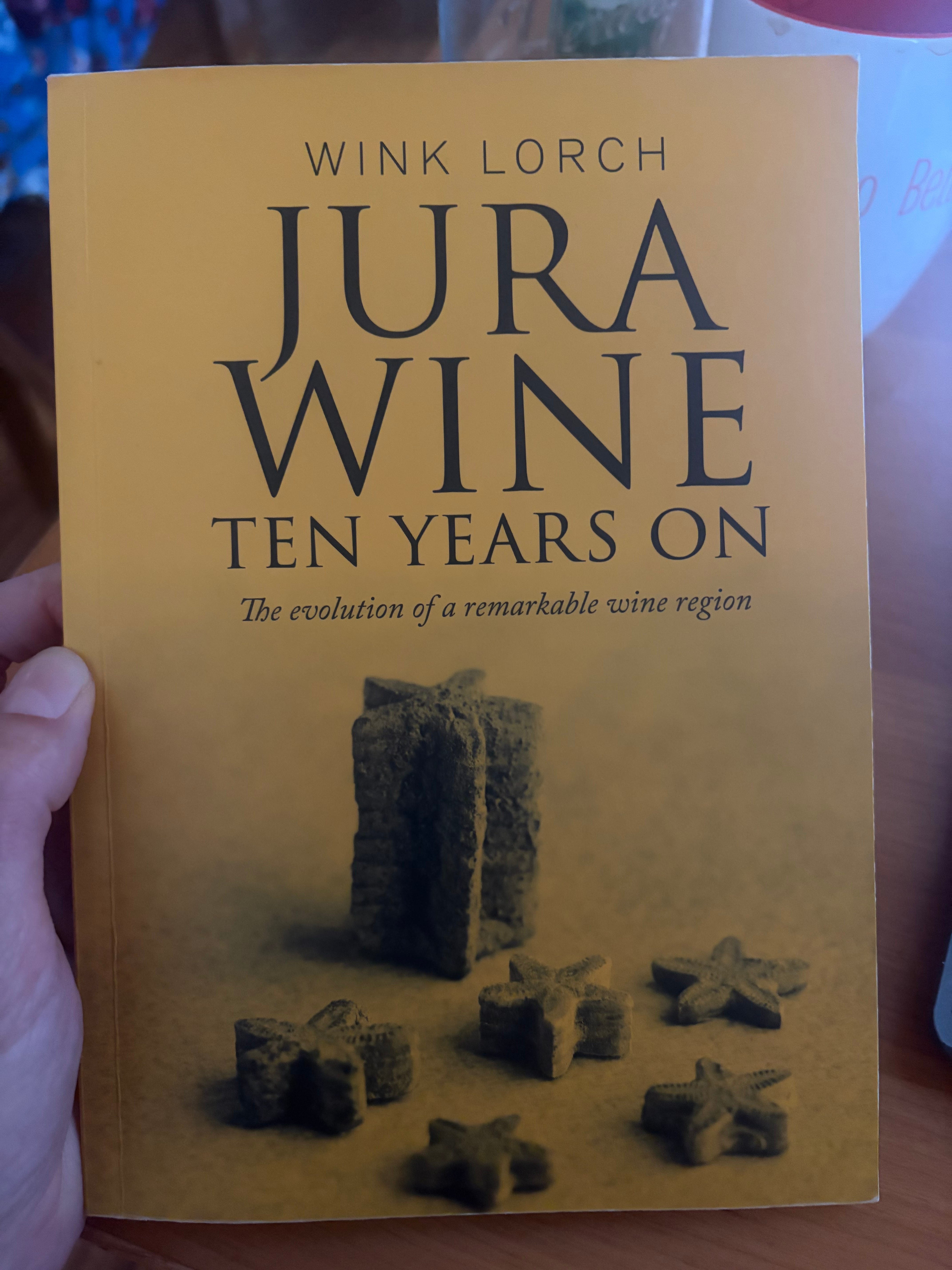
*Wink Lorch’s books Jura Wine (2014) and Jura Wine: Ten Years On (2024) were invaluable resources as I wrote this guide. I was fortunate to consult with Wink Lorch as I wrote this piece. I’m so grateful for her books, expertise and editorial eye.
Stay tuned for my upcoming piece, a Q&A with Wink Lorch. A long-term British wine writer and educator, she is the foremost expert on the wines of the Jura and the French Alps, and I can’t wait to share her insights with you. In the meantime, find her books here: Académie du Vin Library.
French Wine Scholar Study Manual, Jura chapter. Wine Scholar Guild.
Comité Interprofessionnel des Vins du Jura (CIVJ)- the official website for Jura. vignoble-jura.fr is the wine tourism section of the aforementioned site, an essential site to bookmark if you plan to visit.
Next month: September: Bordeaux (stay tuned!)
April: Roussillon—Where Grapes Grow & Wild Boar Roam
March: Love in the Languedoc — A Guide to Southern French Wine
No posts
Comments
Nothing yet. Say the first thing.
Sign in to join the conversation.