
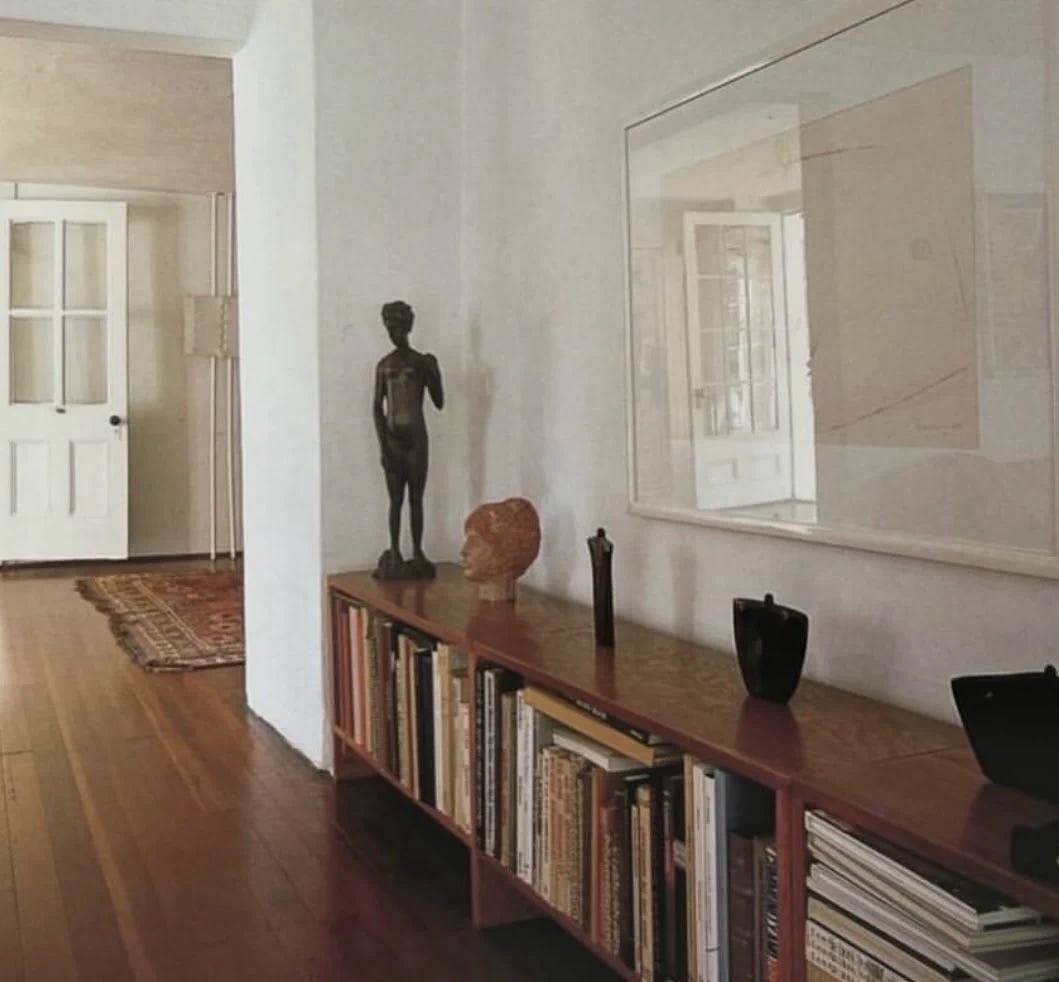
Interior design and art curation are not the same thing.
That sounds obvious, until you’re standing in a beautifully designed room that somehow doesn’t feel finished. The furniture is right. The palette is considered. The proportions are resolved. And yet the space still feels… undecided. Usually, it’s the art.
After fifteen years working as both a gallerist and an art advisor, I’ve walked into dozens of homes where the story is the same: the design work was done with real expertise and care, and the art was left for last, then chosen quickly, often by someone who wasn’t quite equipped to make true curatorial decisions.
It’s one of the most common (and most fixable) problems I see in high end residential projects. It almost always comes from one misunderstanding: assuming interior design and art curation are interchangeable skill sets. They simply are not.
A talented interior designer understands space, proportion, function, and material. They know how rooms flow, how light behaves at different hours, and how furniture scale changes the experience of a room. They understand finishes and fabrication, construction timelines and contractor relationships. They can take a shell and turn it into a home.
This is a sophisticated discipline. The best designers are also genuinely visually intelligent, strong aesthetic point of view, high-level execution. But interior design training is not art training. And sourcing art for a room is not the same as understanding art. I find designers learn to treat art the way they treat any other design element: something that needs to work within the space, the right scale, the right palette, the right visual weight. These are real considerations. But they’re the beginning of curation, not the full picture.
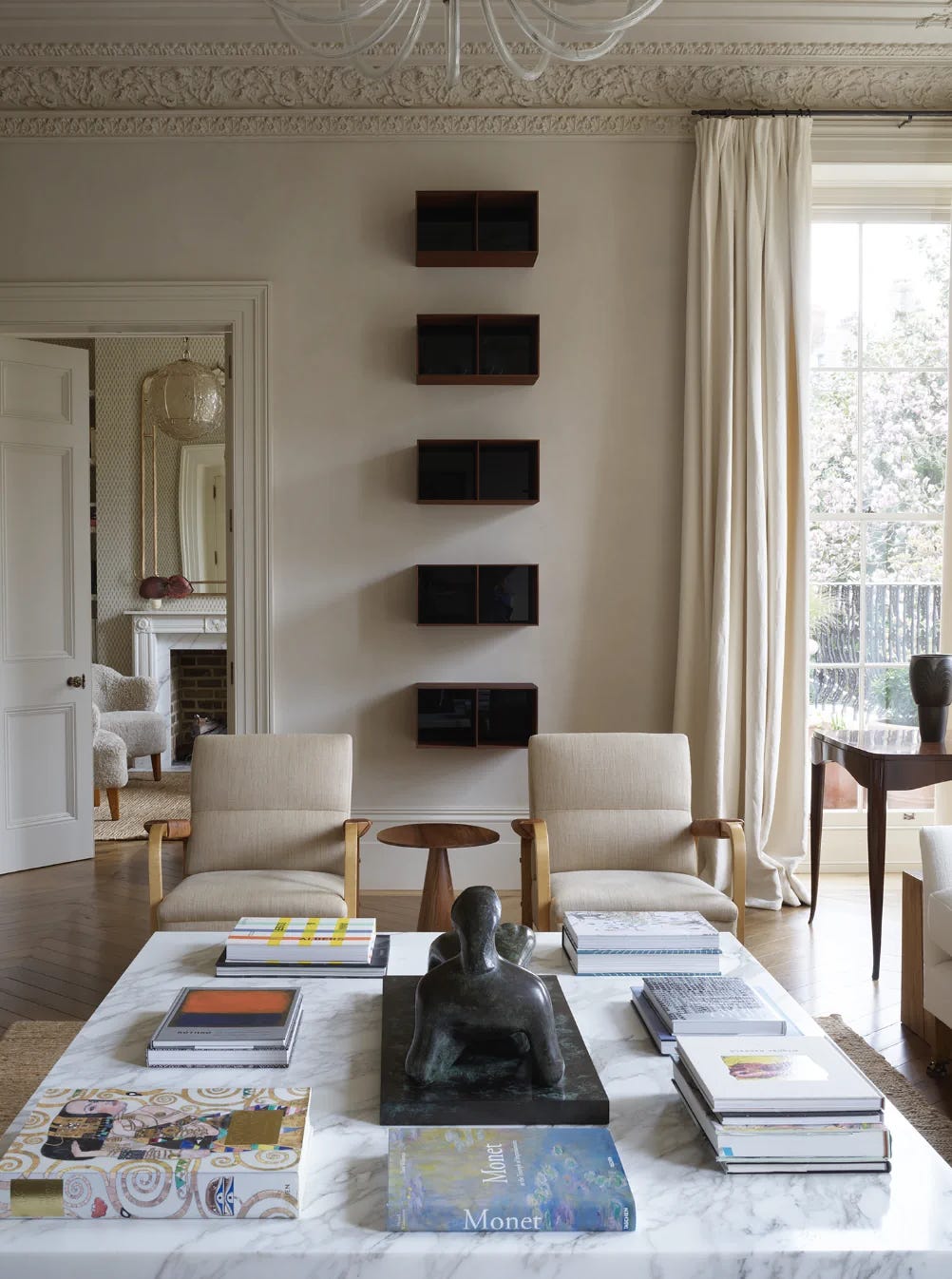
A curator approaches art differently, not as a component that needs to behave inside the design, but as the thing that gives the design its soul. Curation requires fluency in an artist’s practice and trajectory: where a specific work sits inside a larger body of work, why it matters, and whether it has actual staying power versus being merely decorative.
It also requires relationships - artists, galleries, private collections - that open doors to work you will not find through standard sourcing channels. And it requires a different kind of eye. Not does this work in this room? but what does this work bring to the room that nothing else could? Not does it match the palette? but does it change the temperature of the space in a way that justifies its presence? Those are different questions. They produce different results.
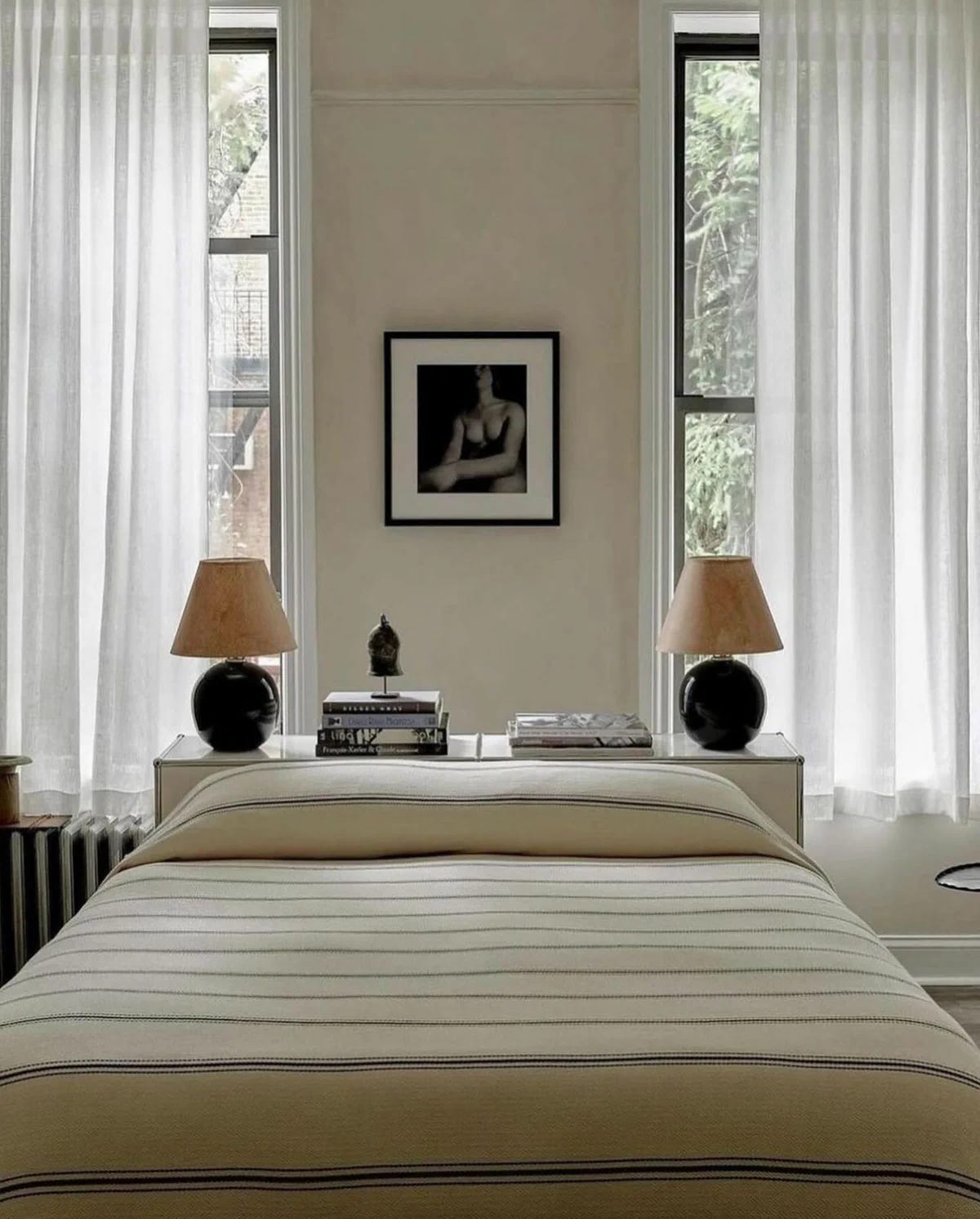
I’ve seen it consistently over the years. A designer with an excellent eye for interiors may source art the way they source everything else, through trade showrooms, online platforms, accessible galleries, whatever is available within the project timeline. The result is often work that coordinates with the room rather than work that defines it.
Coordinated art looks right without doing anything. It fills a wall without anchoring the room. It matches the palette without introducing depth or tension. It can start to feel like expensive wallpaper.
Work that’s been genuinely curated does something else entirely. It changes the room. It gives it a point of view. It makes you ask, who lives here? and then answers the question immediately.
The difference isn’t budget. I’ve seen projects with enormous resources fall flat because the curatorial decisions were made without fluency. And I’ve seen modest collections feel extraordinary because each piece was chosen with real understanding of what it contributes.
For paid subscribers: how to know which expertise your project actually needs and the specific questions I recommend asking any designer who claims to also curate art.
Comments
Nothing yet. Say the first thing.
Sign in to join the conversation.