
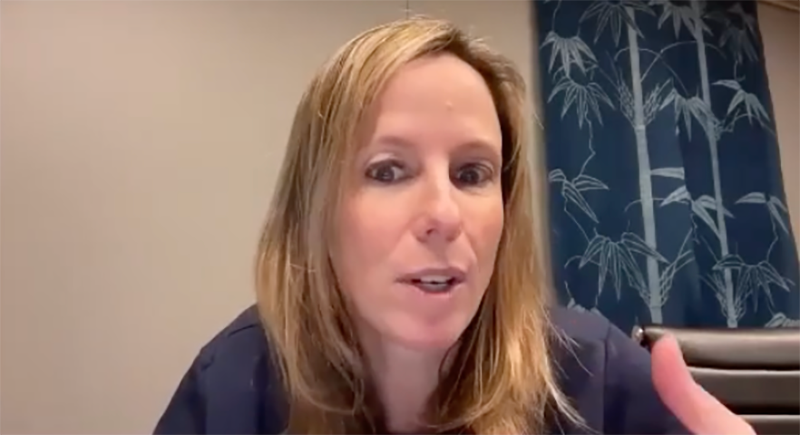
Every product spends a fortune getting people in the door, then loses a huge chunk of them in the first five minutes.
So how do you build an onboarding that actually gets people to value, and back the next day? In these popular teardowns, I break down what real products got right when someone opens the app for the very first time.
These teardowns are for you if you’re building or rebuilding a signup or onboarding flow, or you own activation, growth, or new-user retention.
Curious about working with Irrational Labs on onboarding and activation? Reach out: kristen@irrationallabs.com.
Wispr Flow: 8 lessons from the best onboarding I’ve seen
👉 When you’re teaching a new behavior, follow the lesson with action
We look at onboarding flows all day at Irrational Labs, and Wispr Flow has one of the best. This voice-to-text tool has a genuinely hard job, because it has to teach you a brand-new behavior, speaking instead of typing, and it flat-out will not let you skip the lesson. During setup, it asks you to dictate a practice email and a practice note, so the first time you trust it isn’t a real message to your boss.
Every instruction shows up the exact second you need it, because the closer you can put the teaching to the action, the more likely it is that people will follow your instructions. By the time you’re through, the new behavior just feels normal. If your product asks people to do something new, onboarding is where you teach it.
What you’ll learn:
Why “just-in-time” education beats a big upfront tour
How a low-stakes practice run turns skepticism into trust before the first real task
BePresent: Three things every product onboarding should have
👉 Onboarding is a sales pitch that doesn't end at the download
You download a focus app in a little burst of motivation (”maybe I should stop opening Instagram 47 times a day”). That motivation is fragile, so the smartest thing onboarding can do is catch it before it fades. BePresent treats the whole flow like it’s still selling you, because it is. It keeps the questions easy and the buttons big, and it never assumes you remember why you came.
Then it asks a real question that becomes a real setting: when it asked which app distracts me most, I said Instagram, and Instagram promptly got harder to open. That one answer built a speed bump I hit every day afterward. The best onboarding doesn’t just get you in today, it sets up the behavior you want tomorrow.
What you’ll learn:
Why onboarding is a sales process that keeps going long after the download
How to turn interactive questions into choices that change the product
The one thing Blinkist nails in its sign-up flow
👉 Why the best sign-up flows add friction on purpose
Everyone will tell you to keep your sign-up flow short: fewer questions, less friction. Blinkist does close to the opposite, and it works, because every question teaches you what the app is while you answer it. My favorite is a “hot or not” screen (thumbs up or down on book titles) that feels like a game instead of a form.
Not all friction is bad, and this is the easy fun kind (Netflix found way more people answer a simple thumbs up or down than a 1-to-5 scale). By the time Blinkist asks for your money, you’ve already saved titles into a library, you’re committed to improving in 15 minutes a day, and bailing would feel like a waste.
What you’ll learn:
Why “reduce friction” is the wrong rule to apply to every question in your flow
How questions that teach the product build sunk cost before you ask for payment
How Loom aces user onboarding & upgrade flows
👉 Design onboarding around one behavior, not ten features
“Time to value” is a phrase every product person should know: how fast can you get someone to the good part? For Loom, value means one behavior: record a video. So it drops you straight into signup and aims a giant button at exactly that. Normally I’d worry about shoving a stranger into account creation on the first click, but Loom gets away with it because I likely found out about Loom through watching a Loom.
Like Wispr Flow, Loom also uses onboarding to stretch your understanding of how you can use it, showing that it’s for intros, sales, demos, and feedback, not just one thing. My one fix: pair the education with the action. Put a “record a sales demo” button right next to the tip about sales demos, so people go from idea to doing in one click.
What you’ll learn:
How to design onboarding around a single key behavior and a fast time to value
Why you should pair every piece of education with the exact action it describes
3 lessons companies can learn from GLP-1 signup flows
👉 Ask the one question that changes the journey, not ten that change nothing
The best signup flows I went through last year were at the GLP-1 weight-loss startups (Ro, Hims, Noom), and the thing they nail is segmentation. They cut straight to the one question that guides the entire user journey. Ro asks, “Would you like us to check your insurance?” That isn’t a preference, it’s a fork in the road: insurance changes the pricing, the logistics, the whole product. Hims asks whether you have a specific medication in mind, segmenting on intent, so someone who came in for one drug doesn’t get pitched another.
Remember how Blinkist’s questions teach you the product? These questions take it a step further. For tech companies, this could look like a CRM asking, “Are you in sales or marketing?” on the very first screen; or an online bank, “Switching from another bank, or starting fresh?” Ask the fork-in-the-road question early (Ro and Hims put theirs around question three), and every screen after it can be the right one.
What you’ll learn:
How to spot the one “fork in the road” question worth asking first
Why pricing for retention, not revenue, can keep people from dropping out
That’s it for this best-of edition. Whether you’re building a brand-new signup flow, rebuilding an old one, or just trying to get more new users to stick around, these five teardowns cover the behavioral science you need.
Want to work with Irrational Labs on onboarding and activation? We’ve helped companies like Google, One Medical, and Kiva redesign their onboarding and signup flows so more people reach value (Google Ads saw a 14% lift in retention, One Medical a 20% increase in appointments booked). Reach out: kristen@irrationallabs.com.
Have a friend who would enjoy these teardowns? Click the button below to refer them.👇
For more deep dives into product psychology, browse the full archive here. A new teardown drops every week. Subscribe so you don’t miss any.
We design products that change behavior, using behavioral science. Check out our case studies to see it in action.
Comments
Nothing yet. Say the first thing.
Sign in to join the conversation.