
Invincibility. Usually something you see in comic books. But what if someone offered to give it to you as a gift? Would you accept or decline it? An unhoused man named Bob will get the chance to say yes or no. Will he make the right choice? You'll soon find out, fellow reading fan.
Please free to share your thoughts in the comments below! I look forward to reading them! And don’t forget to subscribe so you never miss a post!
To celebrate my 1 year anniversary on Substack, I am offering a huge discount. 75% off. That’s $2/month for a year. Or $20 for the year. I’m updating all of my work and removing paid posts. However, paid subs get access to my sub chat.
Your support means so much to me. I have recently come under hard times and you have no idea how much I appreciate your help. Thank you! Not to brag, but I think you guys are the greatest subscribers on Substack.
The coffee machine hissed while Bob counted his money.
He laid the coins on the counter in little stacks. Quarters first. Then nickels. Pennies last. He counted once. Then again, because hope had a way of changing numbers when your stomach was empty.
Two dollars and fifteen cents. Enough for the coffee.
He fed the machine one coin at a time. It swallowed each without gratitude. Black coffee spilled into a Styrofoam cup. The smell was stronger than the taste ever was, but it was hot, and heat counted for something.
He wrapped both hands around the cup. The warmth settled into the cracks across his fingers. Winter had left them split open months ago. They never healed properly.
His stomach tightened.
He looked toward the bakery case.
Brownies sat behind polished glass beneath bright lights that made them look richer than they had any right to. Chocolate with little rainbow candies pressed into the top. Fresh enough that the edges still looked soft.
Three dollars and fifty cents.
He stood there longer than he meant to.
A woman reached into the cooler beside him for bottled water. Without looking at him she shifted her basket to the opposite side of her body. It was a small movement. Barely noticeable. She had done it before.
Bob reached for two sugar packets instead of one.
The cashier watched him.
The kid couldn’t have been more than nineteen. Red marks covered his cheeks. Every few seconds his eyes drifted back toward Bob before finding something else to straighten.
Bob knew the look.
It wasn’t hatred. It was preparation.
The bell above the door rang.
A man in a dark suit stepped inside with a woman whose perfume reached the register before she did. They were laughing quietly about something that would disappear from memory before lunch.
The cashier looked away. His shoulders straightened. His smile appeared.
Bob moved. His hand opened the bakery case. The brownie disappeared into his coat pocket. The door closed without a sound. His pulse climbed into his throat.
Nothing happened.
He walked to the register carrying only the coffee.
“Two fifteen.”
Bob placed the coins on the counter.
The cashier counted them without looking up.
The register opened.
The receipt printed.
“Have a good day.”
Bob nodded once and walked outside.
He did not hurry.
People who hurried invited attention.
Across the street the brick wall waited where it always had. The morning sun reached that side for an hour before slipping behind the buildings. It was enough to keep the cold from settling into his bones.
He lowered himself onto the concrete.
Everything hurt for a moment before settling into the familiar ache.
The brownie was still warm.
He peeled back the paper.
Steam drifted from the center.
He took a bite.
Chocolate.
Sugar.
The candy cracked softly between his teeth.
He closed his eyes.
For a few seconds there was nothing else.
Not the sidewalk.
Not the cold.
Not tomorrow.
Only food.
“A brownie before breakfast.”
Bob looked up.
The man standing over him looked as though he belonged somewhere glass was cleaned twice a day. His suit fit without a wrinkle. His shoes reflected the morning light. His face held the sort of smile people practiced before mirrors until it no longer looked practiced.
“All I could afford,” Bob said.
The man’s eyes rested on the wrapper. “All you could steal.”
Bob felt the heat rise into his face. “I paid for the coffee.”
“I know.”
The man sat beside him without asking.
The concrete did not seem to trouble him.
People passed without slowing. One woman glanced at them and kept walking.
“My name is Jonah.”
Bob said nothing.
Jonah watched the traffic move through the intersection.
“You’ve been sleeping behind Saint Michael’s.”
Bob looked at him.
“Most nights.”
Silence.
“The shelter turned you away.”
Bob kept staring.
“You were accused of stealing medication.”
“I didn’t.”
“I know.”
Bob stood.
“Who are you?”
Jonah remained seated.
“A man with an opportunity.”
Bob laughed once. “There it is.”
“You don’t want opportunities?”
“I’ve heard enough of them.”
“You steal brownies because you’re hungry.”
“I steal brownies because they’re there.”
“You’d stop if you had money.”
Bob looked toward the street. “Everybody says that.”
“I’m not everybody.”
Bob started to walk away.
“You could own the bakery.”
Bob stopped.
He turned.
Jonah’s expression had not changed.
“You sound insane.”
“I’ve been called worse.”
“What do you want?”
“I want you to make money.”
“How?”
Jonah nodded toward the traffic.
“A city bus.”
Bob frowned. “City bus? You mean become a bus driver?”
“No. Not that.” He waved away the wuestion. You let it hit you.”
Bob waited for the punchline.
None came.
“You’ll sue.”
“I’ll die.”
“No.”
“I’ll end up in the hospital.”
“For a little while.”
“The bills will eat everything.”
Jonah looked at him.
“They won’t.”
Bob shook his head.
“I don’t have time for this.”
“You do if you’re invincible.”
Bob laughed. “Invincible?”
“Yes.”
Bob rubbed a hand across his face. “I’ve met men who thought they were Jesus.”
“I’m not asking you to believe me.”
“What then?”
“I’m going to show you.”
Jonah reached into his coat.
Bob expected a wallet.
A business card.
Instead a knife caught the light.
Before Bob could move, Jonah stepped forward and drove the blade into his side.
Bob cried out.
The coffee slipped from his hand and burst across the sidewalk.
His legs folded beneath him.
He grabbed the knife.
There should have been pain. There should have been blood. There was neither.
He stared at the handle buried against his coat.
Jonah rested one hand on it. “Easy.” He pulled the blade free.
The coat was untouched. Bob pressed both hands against his ribs.
Nothing.
He opened the coat.
Nothing.
He looked at Jonah. “No.” His voice was barely there. “No.”
Jonah held the knife out where Bob could see it. “It’s real.”
“It folds.”
“It doesn’t.” Jonah looked offended.
“You switched it.”
Jonah sighed. Without taking his eyes off Bob, he turned the blade toward himself and drew it across the center of his palm.
The skin opened.
Blood gathered slowly before running over his wrist.
He let it drip onto the pavement.
One drop.
Then another.
Bob looked from the blood to the knife and back again. His thoughts refused to settle.
Jonah wiped the blade against his sleeve. “You still think it’s a trick?”
Bob did not answer.
Jonah slipped the knife away. Then he reached into his coat once more.
This time he removed a revolver.
The revolver looked old. Blued steel worn thin around the cylinder. Walnut grips polished smooth by years of hands that had nothing to do with Bob.
Jonah held it loosely.
“If I wanted you dead,” he said, “we wouldn’t be having this conversation.”
Bob backed another step into the alley.
His shoulder found brick.
His breathing still hadn’t settled. “You’ve lost your mind.”
Jonah raised the revolver. “I haven’t.”
Bob watched the barrel come level with his chest. Every part of him wanted to run. His legs refused. “You don’t have to do this,” he said.
“I’m aware.” Jonah pulled the trigger.
The gunshot filled the alley.
Bob shut his eyes.
The sound bounced between the walls before spilling into the street.
He waited for pain.
Nothing.
He opened one eye.
Jonah lowered the gun.
Bob looked down. His coat wasn’t torn. His shirt wasn’t torn. He ran both hands across his chest as though the wound might simply be hiding from him.
Nothing.
No blood.
No hole.
No bruise.
Somewhere out on the street a woman shouted.A car horn answered. Someone yelled that they had heard a gunshot.
Jonah slipped the revolver into his coat. “We should leave.”
Bob didn’t move. “What...” His voice failed him.”What are you?”
Jonah smiled. “A businessman.”
They stepped out onto the sidewalk before anyone reached the alley.
People were gathering at the far corner, looking in every direction except the right one. One man had already taken out his phone. Another insisted he’d seen someone run toward the subway.
No one looked twice at Bob. He looked exactly as he had ten minutes earlier. Dirty coat. Unwashed hair. Coffee stain across the front of his shirt.
Invisible.
They walked three blocks before Bob spoke again. “You stabbed me.”
“Yes.”
“You shot me.”
“Yes.”
“I should be dead.”
“You aren’t.”
Bob stopped walking.
“You could make everyone like this.”
“I could.”
“Why don’t you?”
Jonah looked across the street at a florist sweeping yesterday’s petals into the gutter.
“Most people shouldn’t be.”
“Why me?”
“You stole a brownie.”
Bob frowned. “That’s your reason?”
“You were hungry.”
“I’ve done worse than steal food.”
“I know.”
Jonah’s tone never changed.
“You’ve lied. You’ve fought. You’ve slept in buildings that weren’t yours. You drank too much for twenty years. You disappointed people who loved you. You raped that girl that time….” His eyebrow lifted.
Bob felt his heart skip a beat. “You’ve been watching me.”
“I’ve been aware of you.”
Those words stayed with him.
Aware.
Not watching.
As though Jonah had simply noticed him the way someone noticed rain.
“What do you get out of this?”
Jonah looked almost disappointed. “There it is.”
“What?”
“The question everyone asks.”
“I’m asking because nobody gives something away for nothing.”
Jonah nodded once.
“That’s true.”
“So?”
“I enjoy seeing what people choose.”
Bob’s laugh was low. “That’s it?”
“That’s enough.”
They reached the intersection at Fifth and Main.
Buses rolled through every few minutes.
Office workers crossed against the light with coffee in one hand and phones in the other.
Jonah watched them.
“So.”
Bob looked at him.
“What now?”
“You get hit by a bus.”
Bob shook his head.
“You make it sound easy.”
“It is.”
“I’ll survive?”
“Yes.”
“They’ll pay me?”
“If the driver is at fault.”
“The hospital?”
“They’ll bill the insurance company.”
Bob looked out at the traffic.
“What if you’re lying?”
Jonah smiled.
“You’ve already asked that.”
“What if there’s a limit?”
“There isn’t.”
“What if I lose an arm?”
“You won’t.”
“My head?”
“No.”
“My eyes?”
“No.”
“I can’t die?”
“No.”
“Can’t even get hurt?”
“No, but in the hospital you tell them you are hurt. Emotionally scarred. You won’t be able to walk across a street again.
Bob stood quietly.
The buses came and went.
People climbed aboard without looking at the faces around them.
A man argued into a headset.
A child cried because his mother refused to buy him a pretzel.
Life continued.
It always did.
“I could eat every day,” Bob said.
“Yes.”
“I could rent a room.”
“Yes.”
“I could stop sleeping outside.”
“Yes.”
His eyes drifted toward the bakery across the street.
“I could buy every brownie in that case.”
Jonah almost laughed. Shook his head. “You could.”
Bob rubbed his hands together.
The cracks in his skin had begun to sting again. He realized he believed it. Not because it made sense. Because nothing else did.
There had been a knife. There had been a gun. His body remembered flinching. It remembered waiting for pain that had never come.
“What does it cost?”
Jonah didn’t answer immediately.
The light changed.
Traffic rolled forward.
Finally he said, “What would be too much?”
“My soul?”
Jonah’s smile widened only a little.
“Would it?”
Bob searched his face. He found nothing there. No joke. No threat. No promise. Only patience. “I don’t even know if I have one.”
Jonah extended his hand.
“Then it won’t be difficult.”
Bob looked at it for a long time. No scars. Clean. Neatly trimmed nails. A little tattoo with a symbol of a heart burning in rainbow colored fire. No hesitation.
Bob thought about the shelter.
The mornings when he woke before sunrise because the cold had worked its way through cardboard and blankets.
He thought about pretending not to be hungry. About counting coins. About the brownie.
Hetook Jonah’s hand.
It felt ordinary.
They shook once.
Jonah let go.
“Congratulation’s.”
“That’s it?”
“That’s it.”
Jonah walked away.
Bob watched him disappear into the afternoon crowd until he could no longer tell which dark coat belonged to him.
He stood alone on the corner.
A city bus appeared two blocls away.
It lumbered through traffic, heavy and certain.
Bob’s heart began to race.
He laughed to himself
One step.
That was all.
One step and everything would change.
The light turned green.
The bus gathered speed.
Bob stepped off the curb.
The driver saw him.
Too late.
He slammed both feet onto the brakes.
The front tires screamed across the pavement. The sound never reached Bob. The bus struck him squarely.
His body came apart beneath forty thousand pounds of steel. The windshield burst red. Fragments of skull struck the glass hard enough to leave pale cracks beneath the blood. One shoe landed beneath a parked car. Something wet struck the side of a taxi. The bus dragged what remained of him another twenty feet before stopping.
For a moment the intersection was silent. Then the screaming began.
Drivers climbed from their cars. Someone vomited. Someone else dropped to their knees beside what had once been a man and immediately understood there was nothing to do.
A woman covered her child eyes.
The bus driver stumbled into the street shaking so violently he could barely stand.
.
Half a mile away Jonah sat behind the wheel of a black sedan.
He opened the revolver. One by one he pushed the blank cartridges into the cylinder. He closed it with a practiced flick of his wrist. Next came the knife. He pressed a catch near the handle. The blade folded neatly into itself. He slipped both back inside his coat. The traffic report came over the radio.
An accident.
Multiple lanes closed.
Possible fatality.
Jonah smiled to himself.
People always wanted miracles. It never occurred to them that they might be standing beside a magician.
He started the engine. By nightfall the blood would be washed from the pavement. By morning the city would be arguing about distracted pedestrians, reckless drivers, and whether someone should have done more.
No one would mention the man in the suit. No one would remember seeing him.
That was the easiest part.
Thank you so much for reading! I know it’s cliche to say, but I appreciate it from the bottom of my heart. If you enjoyed my latest poem, please check out more of my work. See below!
·
FEB 19

The bell above the shop door made a thin, brittle sound, like something snapping in cold weather.
·
MAR 21

Naomi Hill lived on the fourth floor of a building that always seemed to be holding its breath. The hallway lights buzzed softly above her door, never fully steady, as though electricity itself hesitated to linger there. Every evening, she returned from the grocery store with paper bags balanced against her hip, unlocke…
·
JUN 25

Patriotism is a slow acting poison. Patriotism, when mixed with religion, solidifies into a bullet, ready to fire into your neighbor’s head.
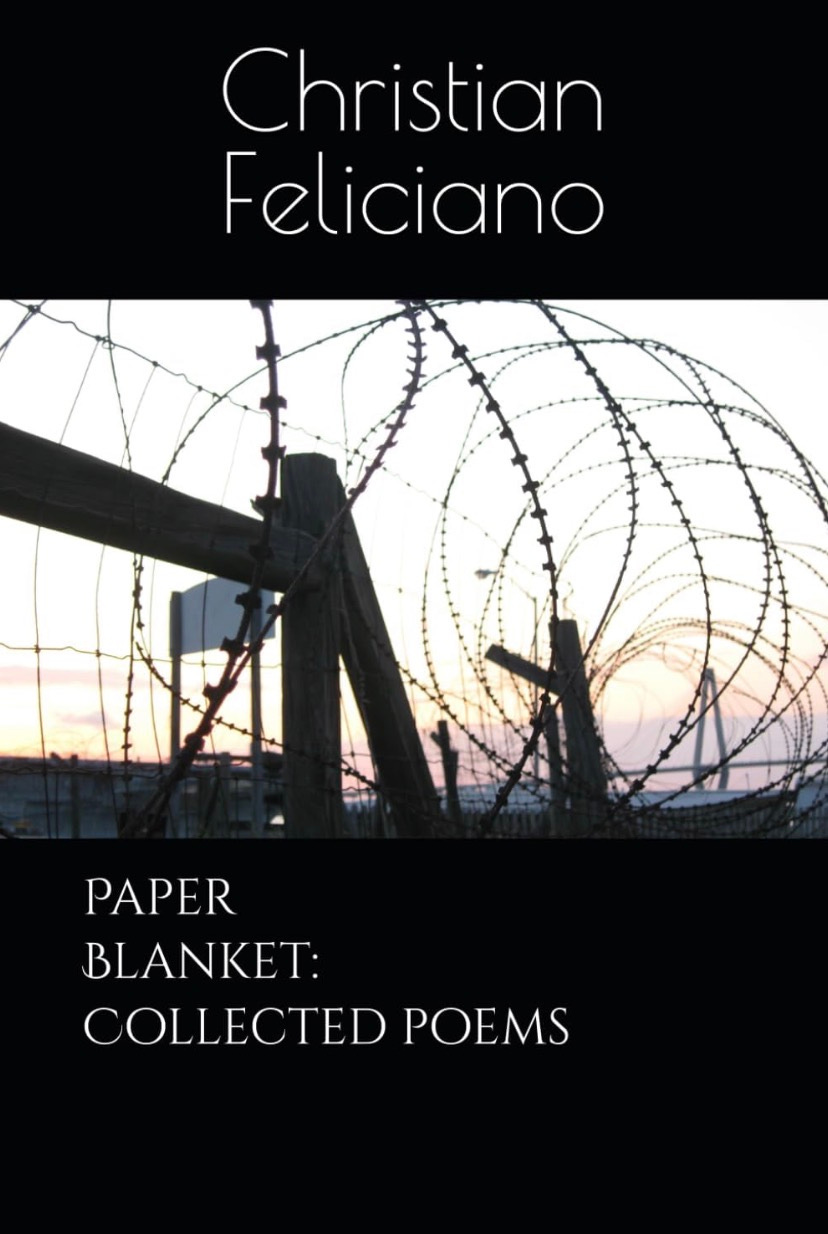
My poetry collection, Paper Blanket: Collected Poems is available on Amazon in Ebook, Paperback, and Hardcover editions. Order your copy now:
Paper Blanket: Collected Poems
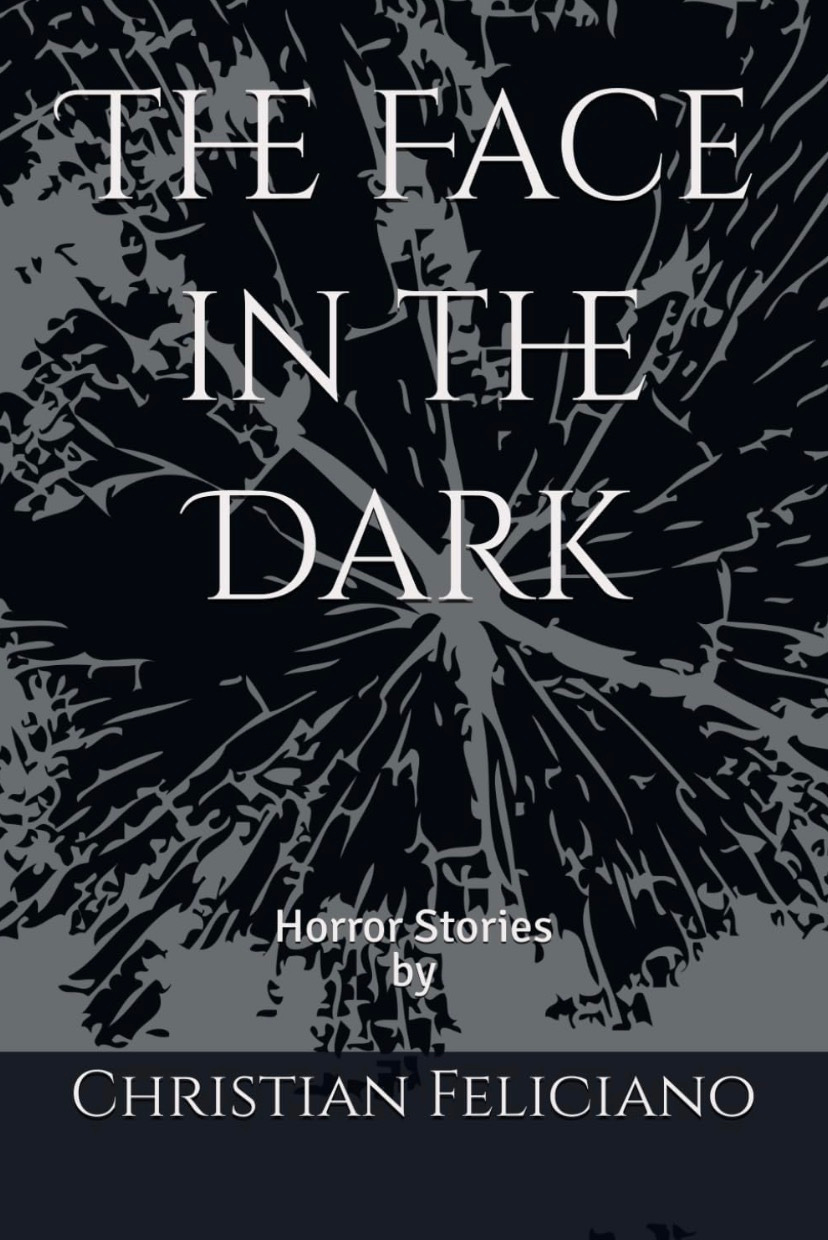
My horror collection, The Face in the Dark, is now available in ebook and paperback editions. Order your copy now!
If you would like to help a struggling buy a coffee, please consider becoming a paid subscriber ($8/month, $80/annual) on Substack or leaving me a donation in the link below. Thank you all so much for your support!
No posts
Comments
Nothing yet. Say the first thing.
Sign in to join the conversation.