
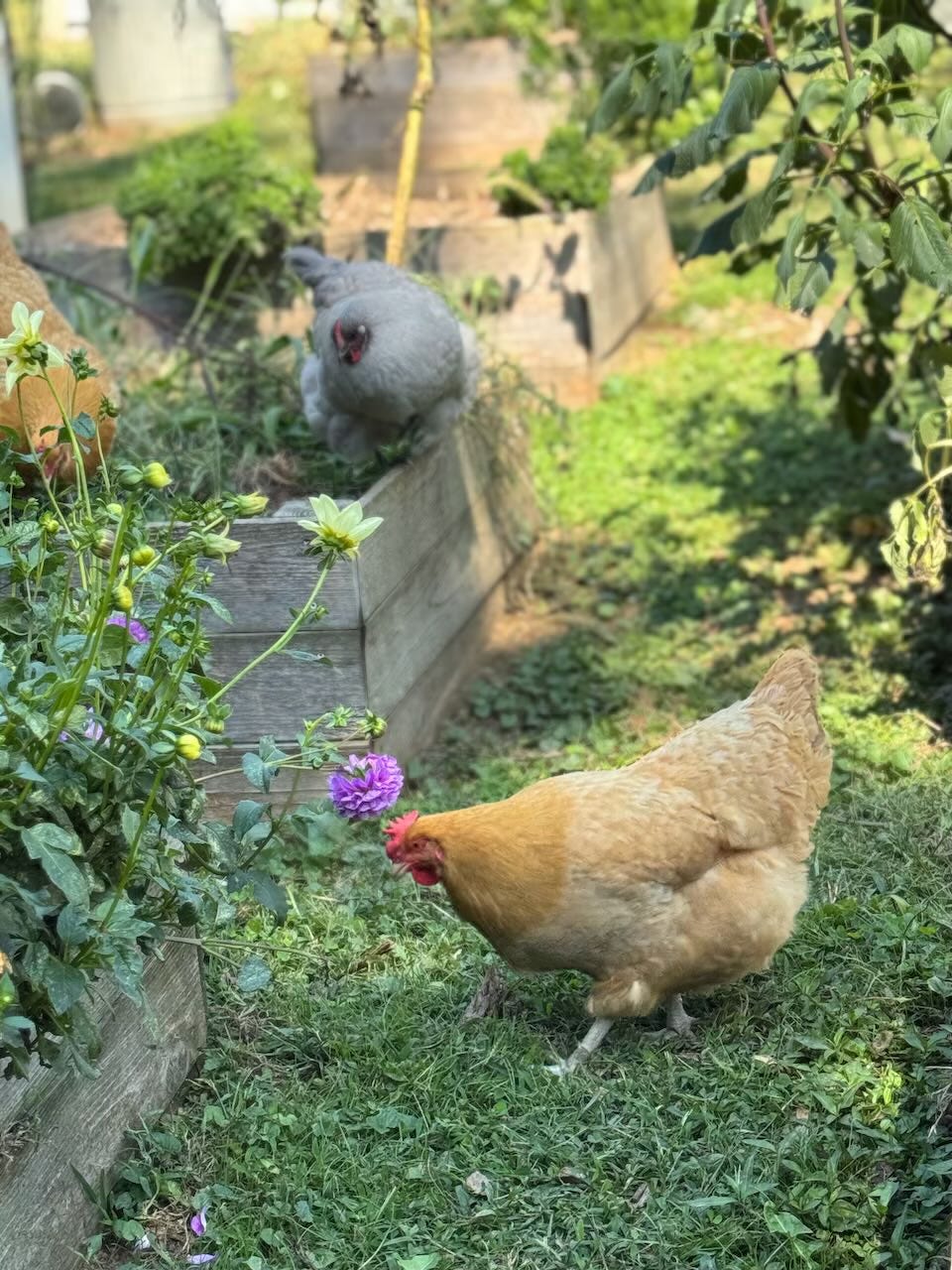
The hens in Christie’s Garden were suspicious of me almost immediately. My unfamiliar voice and presence sent them all running unprovoked, in a line right back to the safety of their coop. Christie Purifoy’s ease with my presence as we chatted across the rows of Dahlias did not diffuse the hen’s concern. I was a stranger to them. Without meaning to, I’d chased them from their afternoon scratching and pecking. Later that afternoon, during one of my art workshops down in the tent, they ventured back out amongst the flowers. I could hear them quietly clucking and chortling under their breath. God-knows what stories they were telling about me.
I listened, but I did not understand.
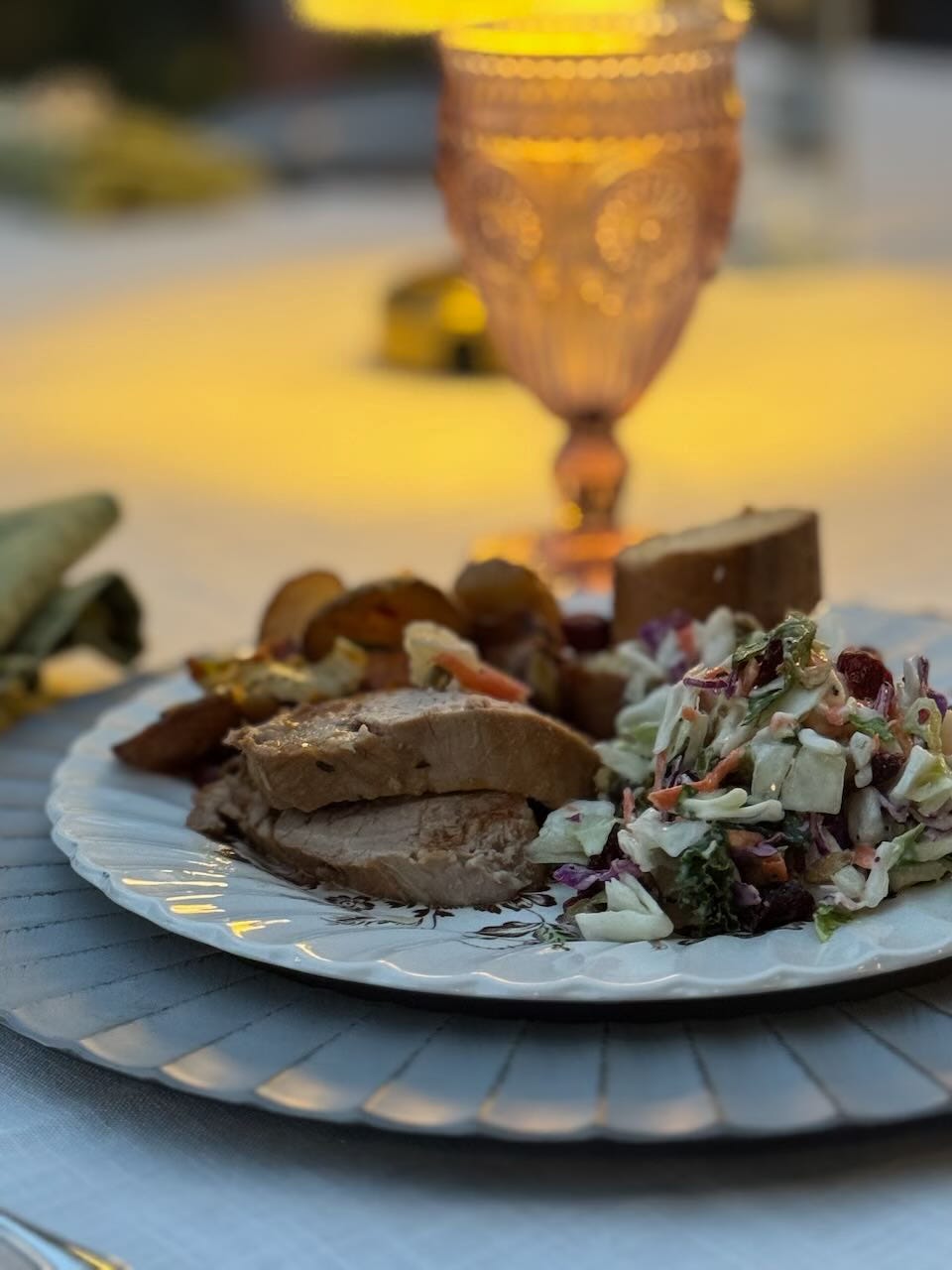
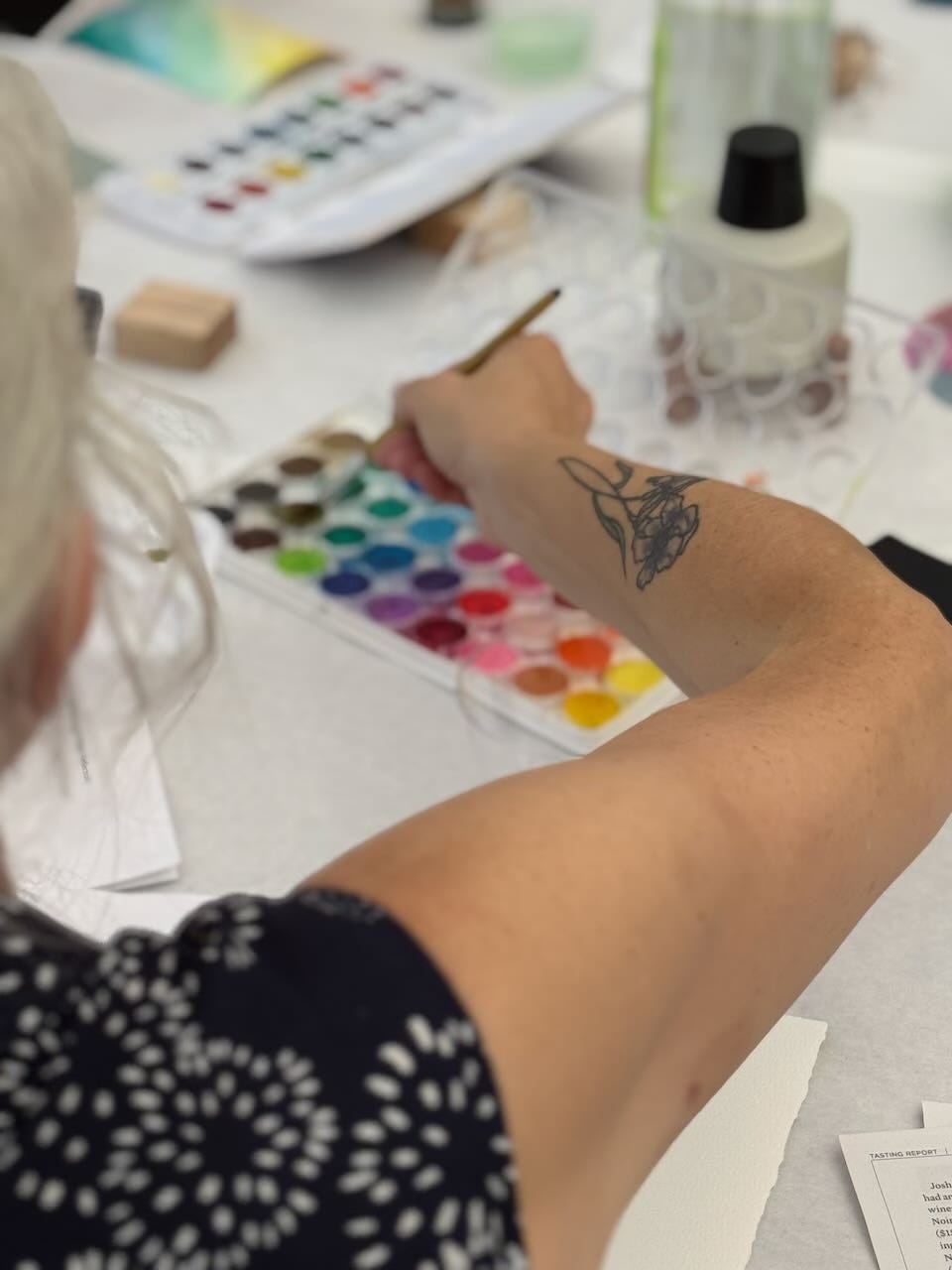
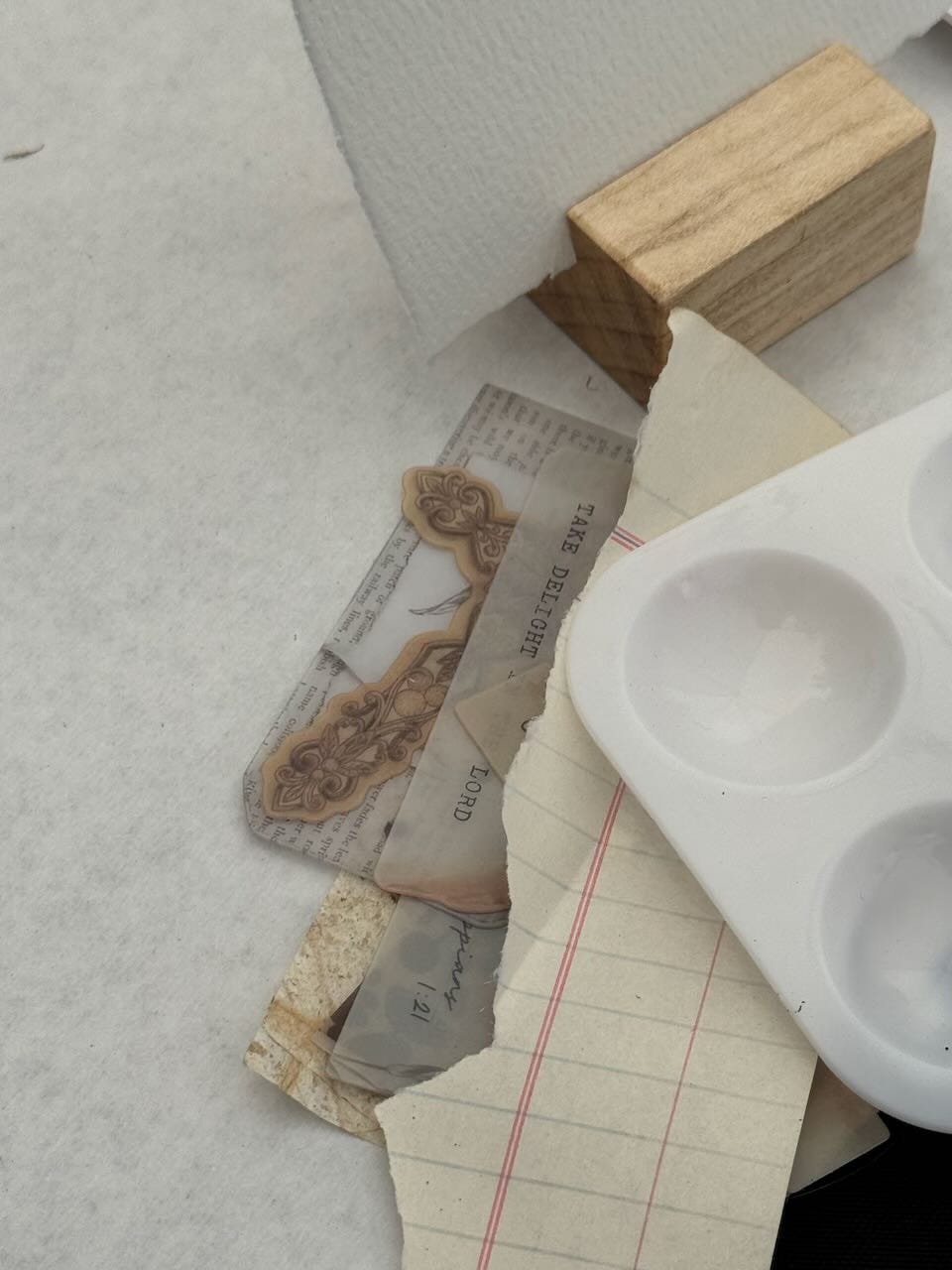
Last weekend I had the privilege of carting boxes and boxes of my favorite art materials and set up a workshop1 in a tent at the foot of Maplehurst, in West Grove, Pennsylvania. For 3 days, the sky burned bright blue, the sun warmed our faces and we ate the bread of angels.
I have been reading Psalm 78 for weeks unable to move on to another passage. Really, I’ve been chewing on it, working to discern what it is I’m tasting, and why I can’t seem to let it go. Some days, it tastes like the subtle sweetness of conviction, and other days it’s the saltiness of confession that lingers in my mouth. Just last week it was the surprise of revelation that kept me coming back to the next word, and the next, and then there was this one line that sat like a stone in my belly; “in spite of His wonders they did not believe”2.
It’s a simple line that enfolds layers of a story that’s anything but simple.
Retreats are complex spaces. That one can have an entire spiritual pilgrimage in a handful of days in the backyard of a Pennsylvania farmhouse is a surprise difficult to put into words. That you can peaceably (and joyfully!) gather with 45 women from nearly every imaginable background, life experience, socioeconomic status etc, and experience a deep, paradigm-shifting sense of beauty is also a surprise—especially when so much of what we see and hear online might lead you to believe that we all hate each other, and are seemingly incapable of having civil discourse about anything that actually matters.
This is not what is most true about us.3
In preparing for the retreat, I read and re-read about the Israelite’s wandering in the dessert, about how they repeatedly scorned the Lord’s blessing and forgot His miracles, even as they were experiencing them (Psalm 78:30). I read about God’s mercy and forgiveness (and His anger, too) and about his compassion for a people who grumbled and complained and who seemed hell-bent on forgetting their God.
I thought about the innumerable times I forget about God, about God’s goodness, God’s steady, and undeserved mercy in the face of my own wild, and near-constant rebellion. And I thought about how I hurt others when I fail to remember that they are in-process too, that they are having their own experiences with Jesus that I know nothing about, and how they too, might be struggling to make their way to God’s table in their own wilderness—and, while we may share the experience of wilderness wanderings, our specific wilderness’ tend to be unique and deeply personal. The saying, “I know how you feel” is true in sentiment, but not in specifics.
I came to the Long Table Retreat as weary and worn out as everyone else seems to be these days. We’ve been on a journey, haven’t we? I’m not sure how many of us remember what compelled us to begin in the first place. We have a tendency to forget the details. We have a habit of forgetting the wonders that we’ve seen. Unbelief feels easier when the volume of the culture deafens our ears and hardens our hearts. We’ve seen some things, haven’t we? Some of them have split us wide open. Some of us are still hemorrhaging.
Some of us are starving but won’t admit it—or can’t. But let’s not accuse won’t and can’t of being the same thing—even if the results make them indistinguishable. Revelation splits the difference, and revelation is required for recovery.
I’ve been quietly cut in tender places by women wearing smiles on their faces and gold rings on their fingers. I’ve been pecked at by the Body on the heels of their out-loud prayers and with the scent of worship still floating in a haze above our heads. I’ve felt the whiplash of such moments. I’ve sat in circles and wanted to run from Queen bees droning on about their perceived injustices while their neighbor quietly turns in on herself under the weight of actual suffering. And in fairness and full confession, God help me, there are times I’ve been and done these things myself.
I have forgotten the wonders I’ve seen and failed to believe that God is always good. I have been suspicious and afraid of the unfamiliar. I too have forgotten at times, how to be someone who wants the goodness of God for others more than I want it for myself. I have wanted to be better than I actually am, even though I know myself and the ways I can eat the bread of angels one moment, and sip the bitter wine of discontent the next.
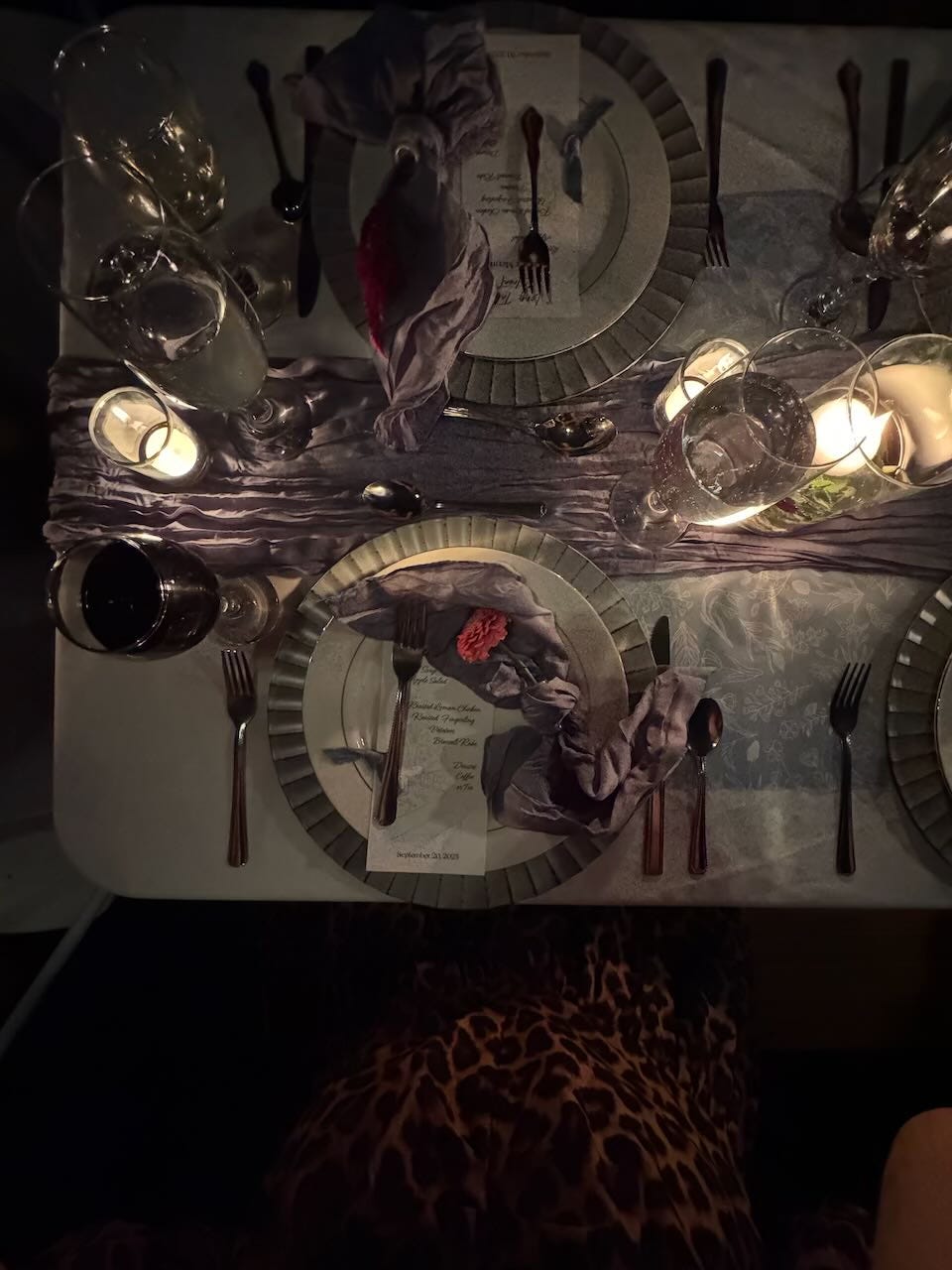
But if “gratitude always precedes the miracle”4 then our collective, thanks-be-to-God in the art tent, in the yard, and in the barn, and in our hushed circles, spread the blanket for the manna that fell all around us for 3 days in the backyard of a Pennsylvania farmhouse.
If “Infinite Goodness has wide arms” then He also sets a long table in the wilderness no matter how we’ve created, or contributed to, our own catastrophes.
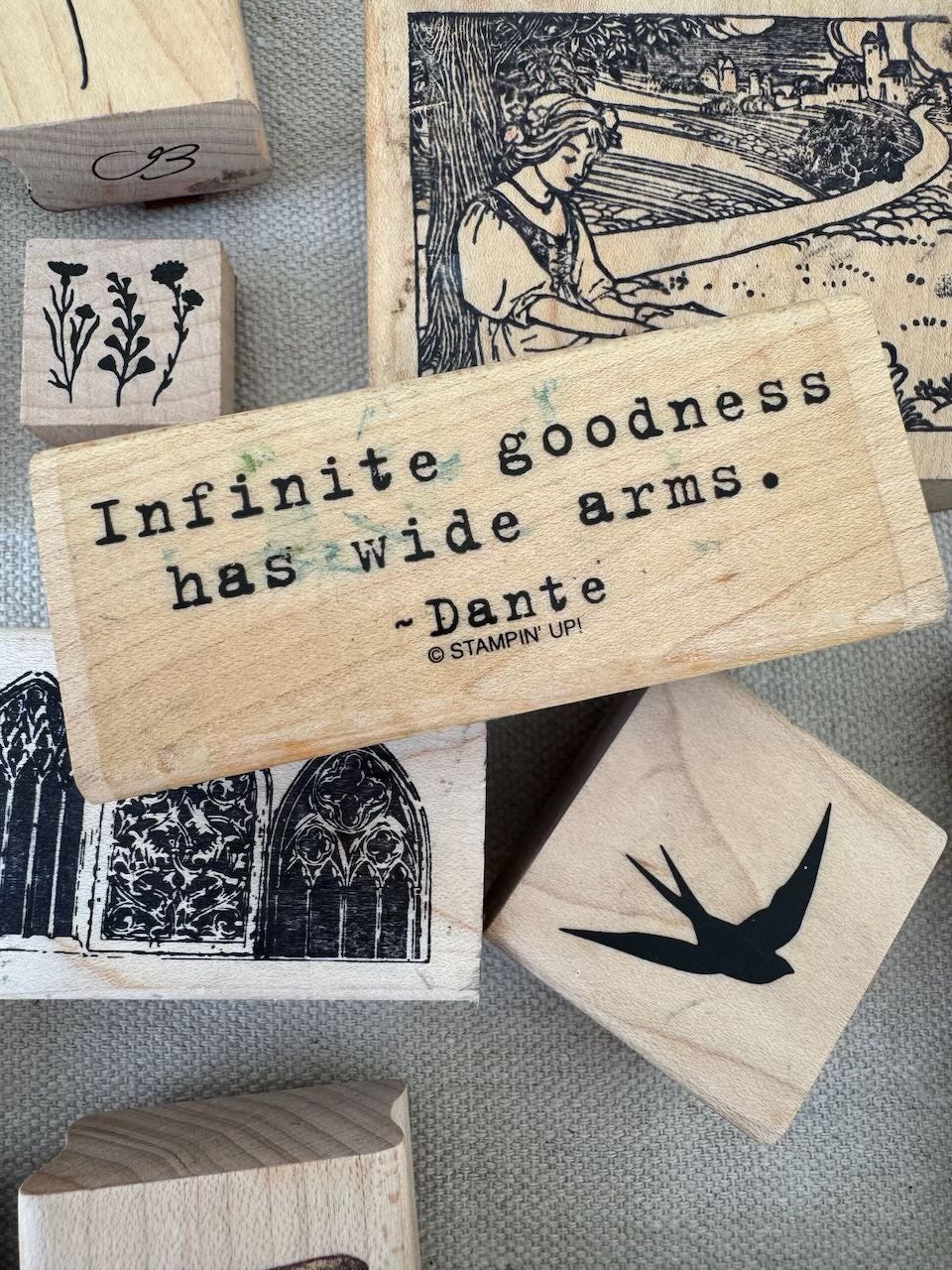
I saw wonders in the wilderness of Pennsylvania. I am still experiencing my own private revelations. I am still chewing on the bread of angels and asking God, what is this?, letting my hunger be known, without shame.
I sat at a table in the company of saints and remembered that what matters most was what was, and is happening when God’s people gather in repentance and quietness and with the courage to ask God to make us new people.
We were welcomed to the table. We ate and were satisfied. We gave thanks and were filled. Our hands are cupped and eager as we say, more, Lord, give us more of this bread.
I regularly host group sessions, but if you’re interested in working with me one-on-one, let’s connect.
If you’re spending too much time reading the uncivil discourse of the current culture on Facebook, Reddit or other online spaces, I encourage you to get off line and sit with real people, face-to-face. “Touch grass”, as the kids say, and interact with your actual neighbors. Show grace, give thanks. Remember that the most important things in life aren’t actually politics or the state of the economy.
One Thousand Gifts, Ann Voskamp
Comments
Nothing yet. Say the first thing.
Sign in to join the conversation.