
Content warning: This piece discusses homicide, grave robbery, and post-mortem mutilation.

LISTEN TO THE HITCHED 2 HOMICIDE PODCAST
Every decade or so, Ed Gein returns to the zeitgeist. The reason is simple: his crimes in and around Plainfield, Wisconsin (1954–1957) were few in number but staggering in tableau. When police entered his farmhouse on November 16, 1957, they didn’t just solve a murder; they opened a cabinet of nightmares that would ripple across American culture—Norman Bates, Leatherface, Buffalo Bill.
Netflix’s Monster: The Ed Gein Story adds a fresh lens to that legacy. It dramatizes elements you may know—the eerily neat “front rooms,” the hoarded clutter where Gein actually lived, and the evidence haul that made sober cops struggle for words.
Edward Theodore Gein was born August 27, 1906, in La Crosse, Wisconsin, the second son of George (an alcoholic, mostly unemployed) and Augusta Gein, whose puritanical worldview condemned sex, alcohol, and most social contact. Around 1914, Augusta moved the family to an isolated farm outside Plainfield to keep “sin” at bay.
Ed finished eighth grade and never left for long. He was obedient, shy, and eager to please—traits that hardened into dependency under Augusta’s relentless control. She told him women (except herself) were corrupt; he believed her.
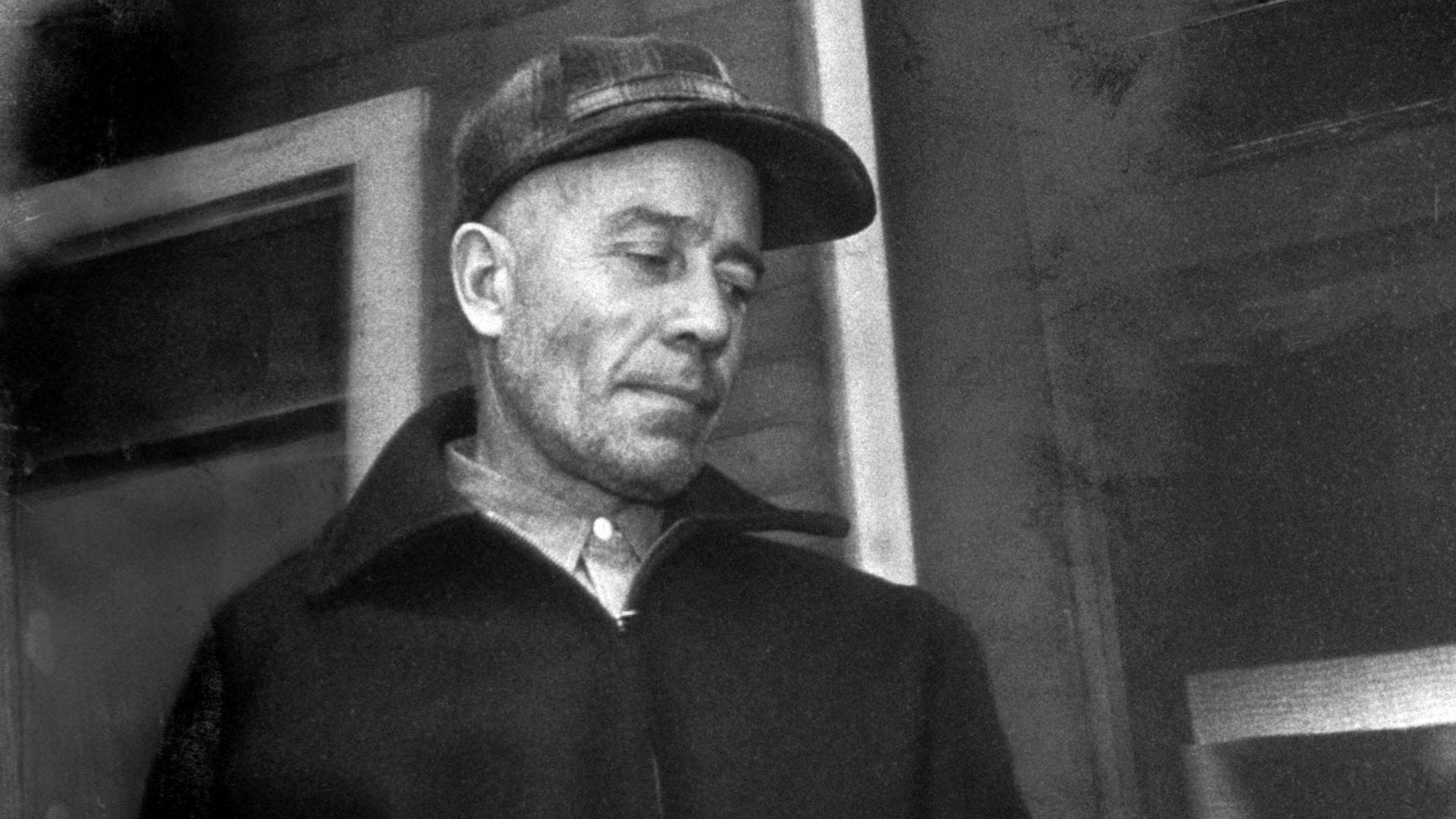
1940: Ed’s father George dies.
May 1944: During a brush fire, Ed’s older brother Henry is found dead. The official cause: asphyxiation. The bruising noted at autopsy has fueled decades of speculation, but no charges were filed.
December 1945: Augusta dies after a series of strokes. Ed seals her rooms like shrines and retreats into a tiny, filthy corner of the house. The last tether snaps.
In the decade that followed, Gein read obsessively—crime mags, anatomy texts, accounts of atrocities. He later told investigators he entered cemeteries at night, targeting recent burials of middle-aged women who “resembled” his mother. He exhumed remains and experimented at home with crude tanning and preservation.
This period produced the artifacts later cataloged by police: skulls and bones; stitched “masks” cut from faces; a corset fashioned from a torso; chair seats and small items made from skin; boxes and jars containing organs. He said he sometimes donned the items to “be” his mother. Psychiatrists would call the underlying pathology a delusional, ritualized attempt to inhabit the lost maternal figure—less a methodical serial killer than a deeply psychotic graverobber who committed two known murders.
Mary Hogan (Dec 8, 1954) — The Pine Grove tavern owner vanished after closing. Blood in the bar, no body. In 1957, investigators found Hogan’s facial skin among the items in Gein’s home. He later admitted he shot her. Prosecutors never tried the case after his insanity commitment.
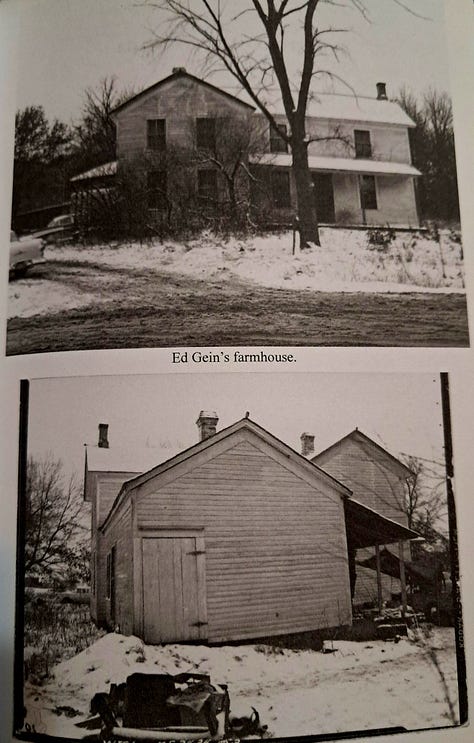
Bernice Worden (Nov 16, 1957) — A receipt for antifreeze pointed police to Gein that afternoon. With a warrant, they searched his farm and found Worden’s body in a shed—fatally shot and suspended. Inside the home they discovered the broader trove that would make headlines worldwide.
Gein was arrested without incident and soon confessed to both killings, along with multiple grave raids.
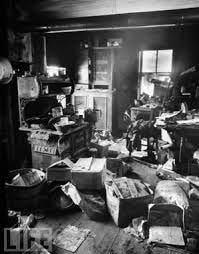
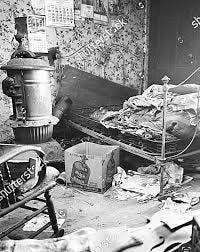

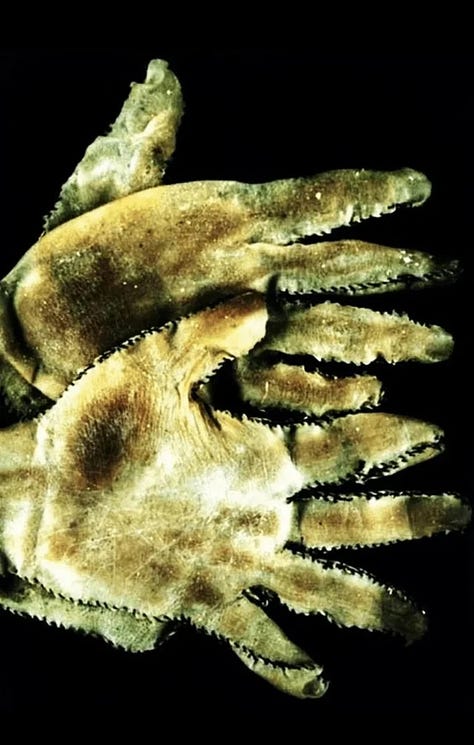
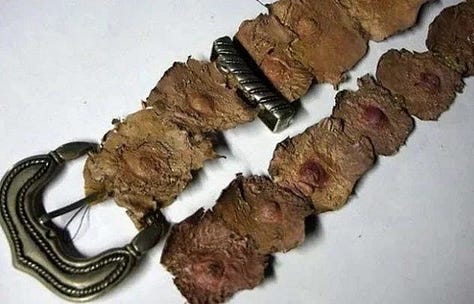
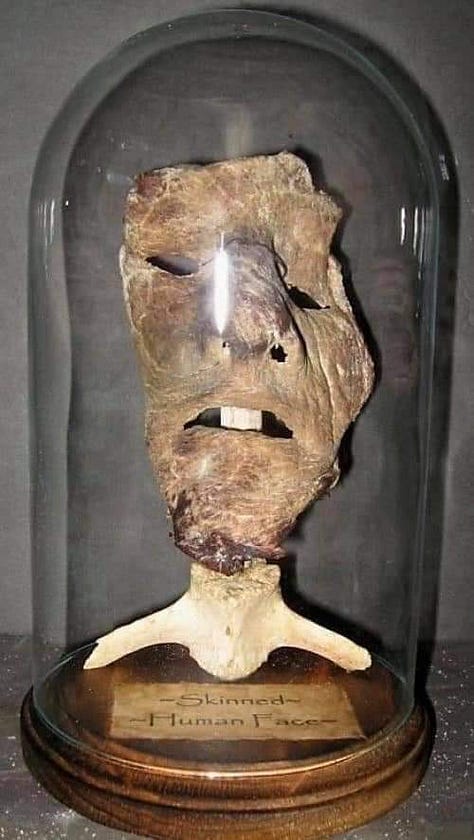
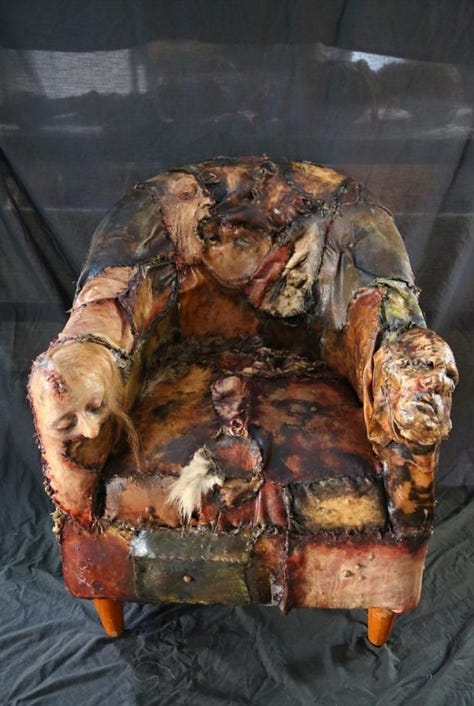
Psychiatrists diagnosed schizophrenia and severe personality disturbance. In 1958 he was found incompetent to stand trial and remanded to state psychiatric custody.
By 1968, stabilized on medication, Gein was ruled competent. At a bench trial, Judge Robert H. Gollmar found him guilty of the murder of Bernice Worden, but legally insane at the time. He was returned to a secure hospital for life. Authorities did not pursue the Hogan case further.
Gein spent his final years quietly at Mendota Mental Health Institute, described by staff as cooperative and childlike. He died of cancer and respiratory illness on July 26, 1984, age 77. He is buried in Plainfield Cemetery; repeated vandalism ultimately led to the removal of his headstone.
Before the estate could be auctioned, the farmhouse burned in 1958—widely considered arson by locals who refused to see their town turned into a morbid tourist trap. The car Gein used was sold and toured by a carnival promoter—an early skirmish in what we’d now call the “murderabilia” debate.
“Cannibalism.” No verified evidence. Investigators cataloged preserved organs and skin; ingestion claims didn’t hold.
“Dozens of murders.” The record supports two: Worden (adjudicated) and Hogan (admitted). The rest are grave robberies.
“Necrophilia.” Gein denied intercourse with corpses, citing the smell; pathology reports emphasize handling and mutilation within psychosis.
“Henry was murdered.” Suspicion persists due to bruising, but the official cause was asphyxiation and no charges were filed.
1906 — Born, La Crosse, WI
~1914 — Family to Plainfield farm
1940 — Father dies
1944 — Brother Henry dies in brush fire
1945 — Augusta dies; isolation deepens
1954 — Mary Hogan disappears
1957 — Bernice Worden killed; arrest; farmhouse search
1958 — Found incompetent; farmhouse burns
1968 — Bench trial; guilty but insane; lifetime commitment
1984 — Dies at Mendota Mental Health Institute
Our podcast, Hitched 2 Homicide covers notorious cases with receipts, empathy, and a little southern grit. Our episode “The True and Gruesome Story of Ed Gein. The Real Norman Bates. The Real Leatherface. The Real Buffalo Bill” walks the full timeline, separates rumor from record, and examines how this case still shapes the stories we tell.
🎧 Listen: Search Hitched 2 Homicide Ed Gein wherever you listen to podcasts.
⭐ Support: Like, rate, review—and join our In-Laws & Outlaws community
Comments
Nothing yet. Say the first thing.
Sign in to join the conversation.