How Likely Is It That Western Europe & The Intermarium Open Up Rival Dialogues With Russia?
A back-to-back reading of two recent reports suggests that this scenario can’t be ruled out.

Geostrategic analysis of the New Cold War
Live Last read · last published · next check
A back-to-back reading of two recent reports suggests that this scenario can’t be ruled out.
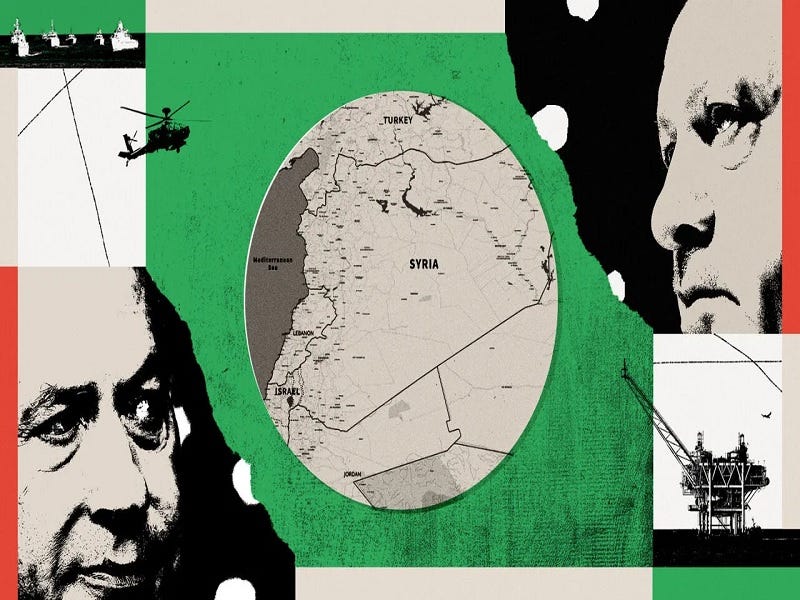
Syria would have to accept Israeli-imposed limitations on the training that Russia provides to its forces while agreeing to cut military-security ties with Turkiye and launch joint Russian customs inspections along the Hejaz Railway (if it’s revived) to prevent Turkiye from using it for military purposes.
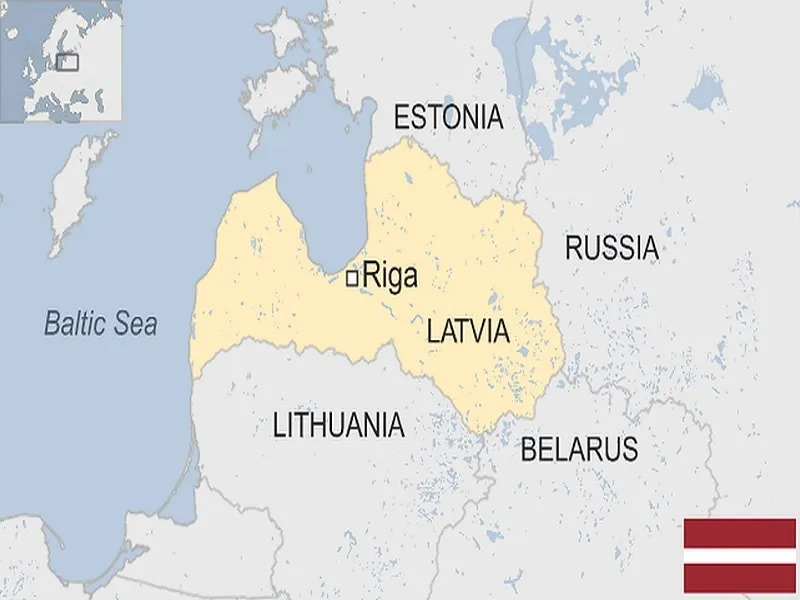
It’s notable that Latvia’s political discourse about the anti-Russian sanctions is shifting from blind approval to demanding something tangible from the EU in return considering the country’s reputation for its hard line towards Russia.
If the “Japanese Question” (for lack of a better term) isn’t soon peacefully resolved, then the risk of World War III breaking out in Northeast Asia will spike.
It’s dishonest to deny that Russia faces some socio-economic challenges, but there’s no credible reason to expect a social crisis in the coming future along the lines of the ones from 1917 and 1991.
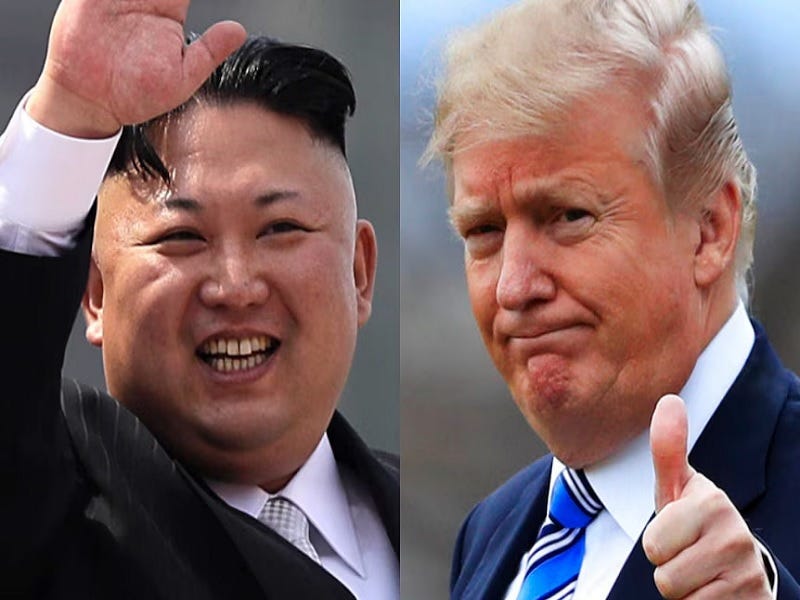
Instead of Japan and the ROK taking the lead in containing China, the US would retain this role while recognizing the DPRK as a nuclear power and approving a Russian-Japanese peace deal, thus simplifying regional security by reducing the number of fault lines that could lead to World War III.
The West never does anything without some benefit to itself in mind.
While it pragmatically retains economic and energy ties with Russia, Turkiye is still one of Russia’s oldest rivals, which Russian diplomats and experts alike would do well to always remember.
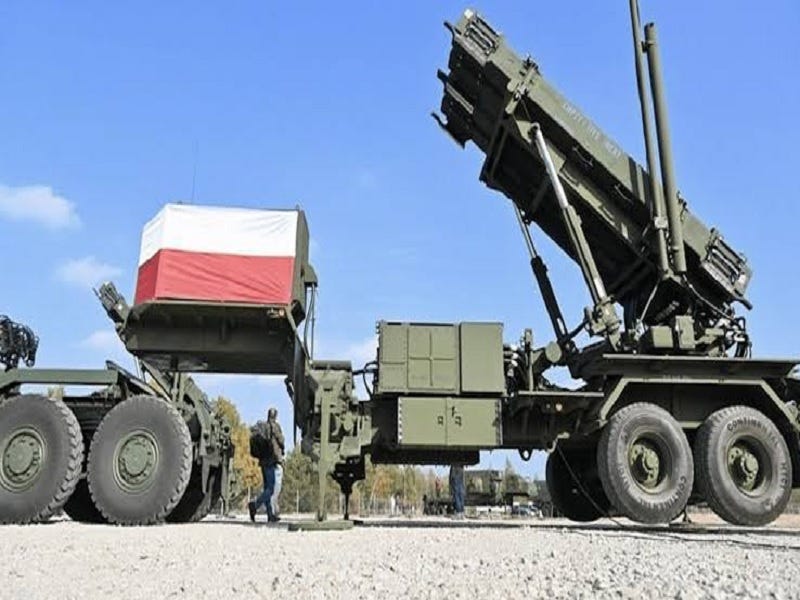
It’s in the country’s objective national security interests to retain its increasingly valuable stockpile, some of which it might eventually transfer to Ukraine at a later date but only in exchange for tangible benefits from others, namely Germany and the US.
The loss of access to Argentinian lithium could eventually create problems for Russia’s military-industrial complex.
He overlooks that its members are tied to the US since Turkiye is a NATO ally while Pakistan and Saudi Arabia are “Major Non-NATO Allies”.
Its abject poverty, the exodus of one-fifth of its population, and its lack of any modern air, drone, missile, and naval forces testify to this.
He might be flirting with a radical policy recalibration even if he soon changes his mind.
Even just one of them – let alone a blend thereof – would de facto embed Ukraine within the Western half of the post-war European security architecture instead of restoring its neutrality.
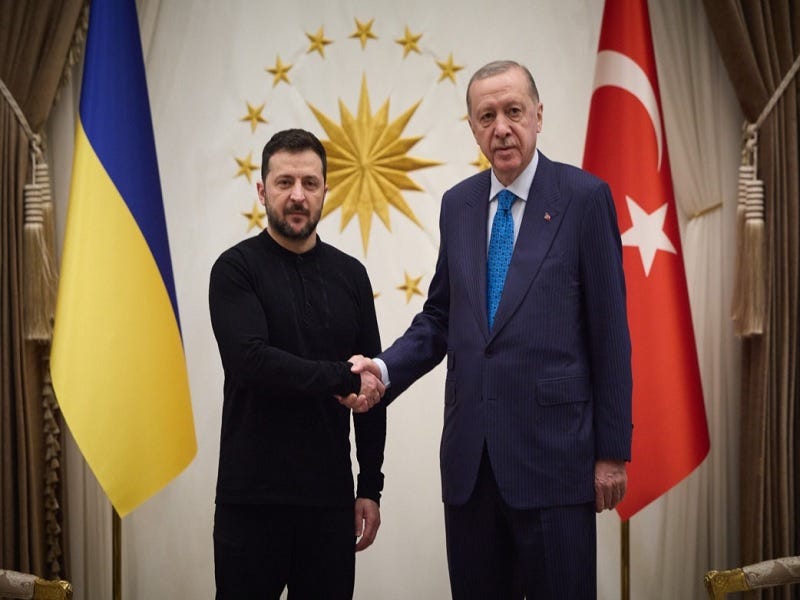
Instead of sanctioning Russia at great economic and energy cost to Turkiye, Erodgan envisages Turkiye benefiting from trade with Russia all while Turkiye solidifies its role in containing Russia, which he coordinates with NATO wherever their interests align but still pursues independently where they don’t.