
What does independence actually mean, really— not the calendar version, flag and parade and the works, but the harder one sitting underneath it. In India, that harder version has an old name: swaraj, self-rule, one of the central words of the freedom struggle. But the man who spent his life demanding independence was picturing more than a mere change of leadership at Delhi— his vision was the kind of idea that gets a polite nod at a conference these days and nothing else. We think it deserves better.
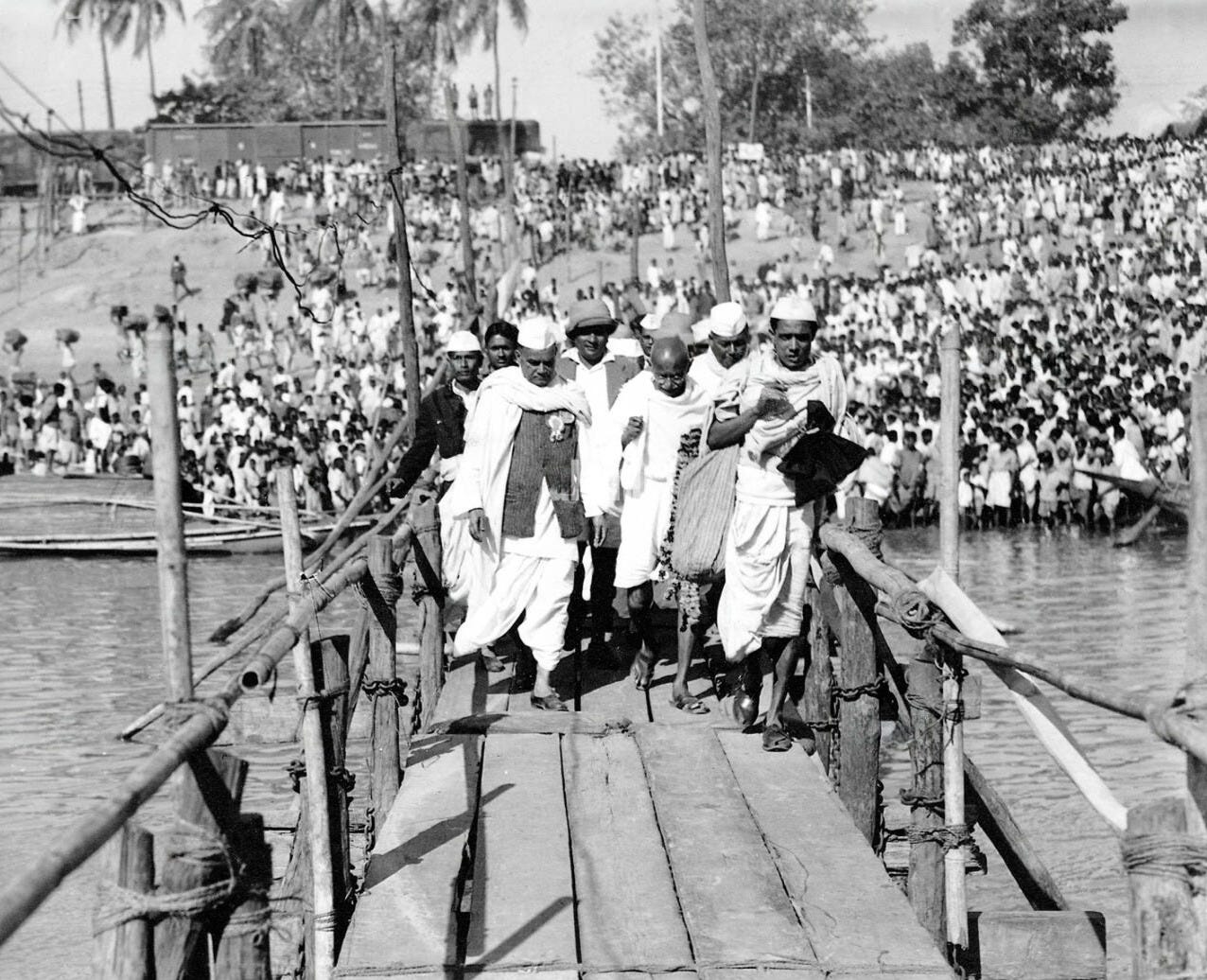
In 1909, on a ship between London and South Africa, Gandhi wrote ‘Hind Swaraj’— a little book arguing that swaraj shouldn’t arrive just by handing the British state over to Indian hands. Real self-rule had to reach further than Delhi, all the way down to the village.
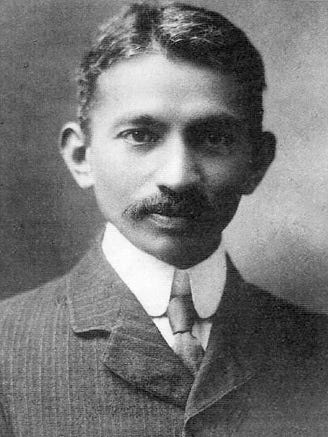
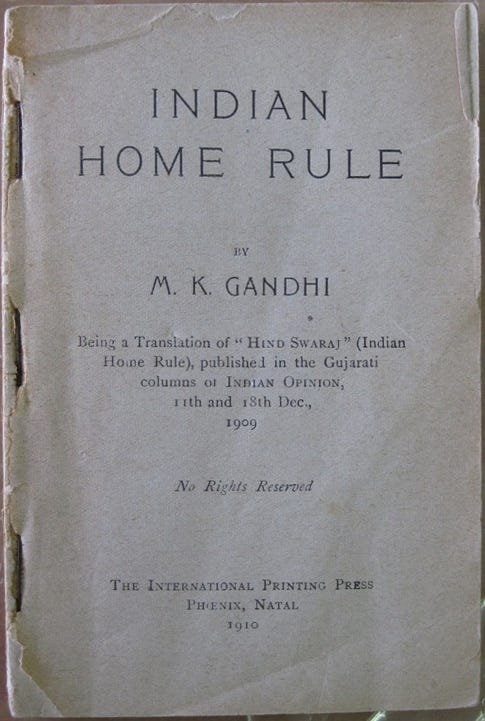
He’d later call this gram swaraj: villages as little units, self-reliant in governance and many key things, while still trading and learning and exchanging with the world outside. Not cut off: self-reliant and interdependent at the same time, one not swallowing the other.
Almost eighty years after the independence our ancestors actually won, we are face-to-face with an uncomfortable question: what happens to self-rule in an increasingly urban country, when people who grew up in a village find less and less reason to stay on?
There’s a quieter kind of dependence nobody wants to think about while editing an Independence Day reel: someone born in one place, unable to make a living there, moving to the nearest town, then a bigger one, then further still.
We want to be careful, though: it’d be easy, and wrong, to turn this into villages-good-cities-bad, or to pretend money is the only reason anyone leaves. Some leave because they want to: out of curiosity, for love, to study, or simply to build a life somewhere else. Freedom has to include the freedom to leave. The harder question is what happens when leaving stops feeling like a choice at all.
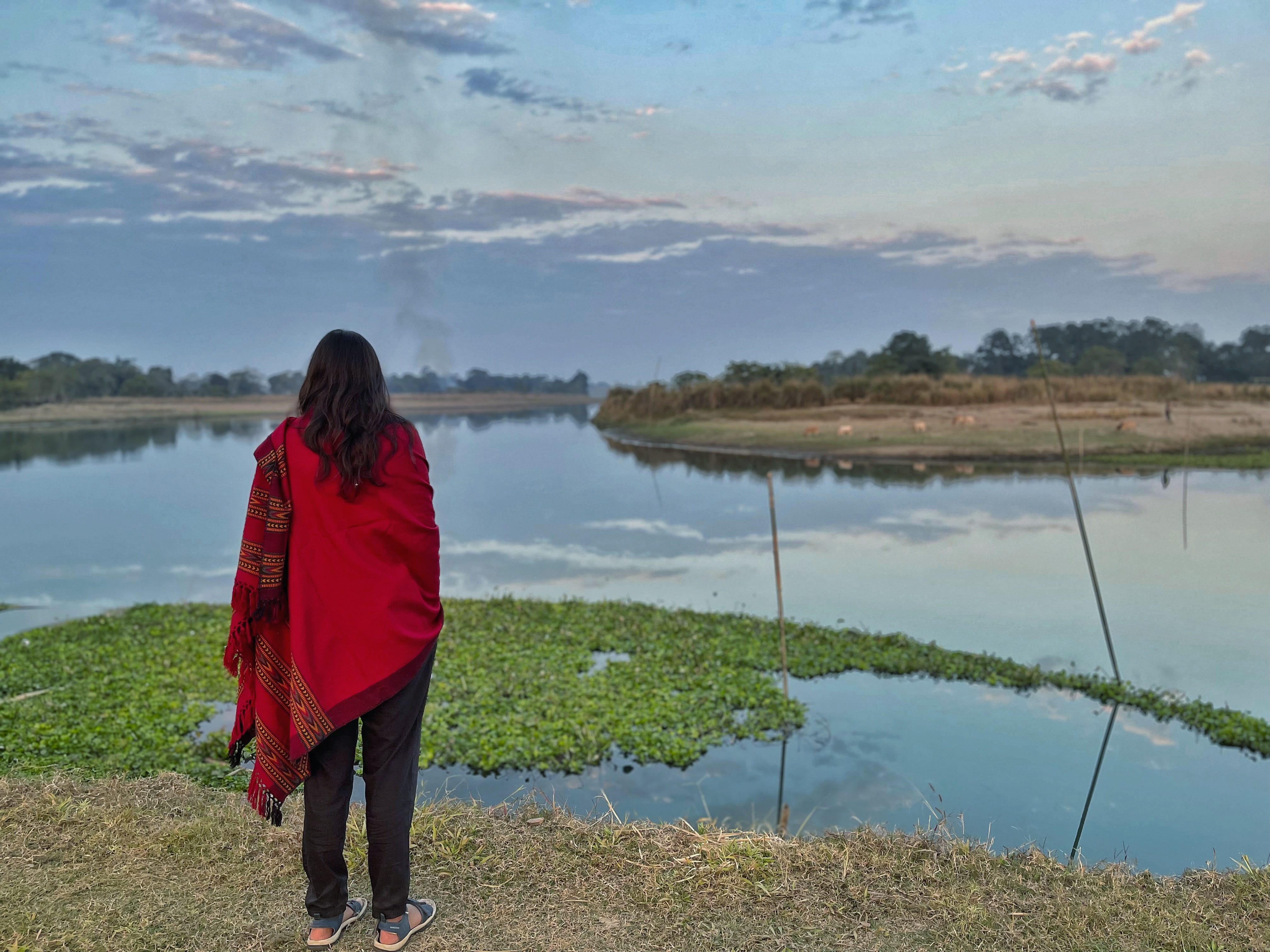
Majuli, the largest inhabited river island in the world, is one such place that often pushes its residents to this question. Sitting in the middle of the Brahmaputra, quietly eroding and reforming itself a little more with every monsoon… this is not the only example of a space where this is a pressing issue, but this is one of the places we know well enough to discuss.
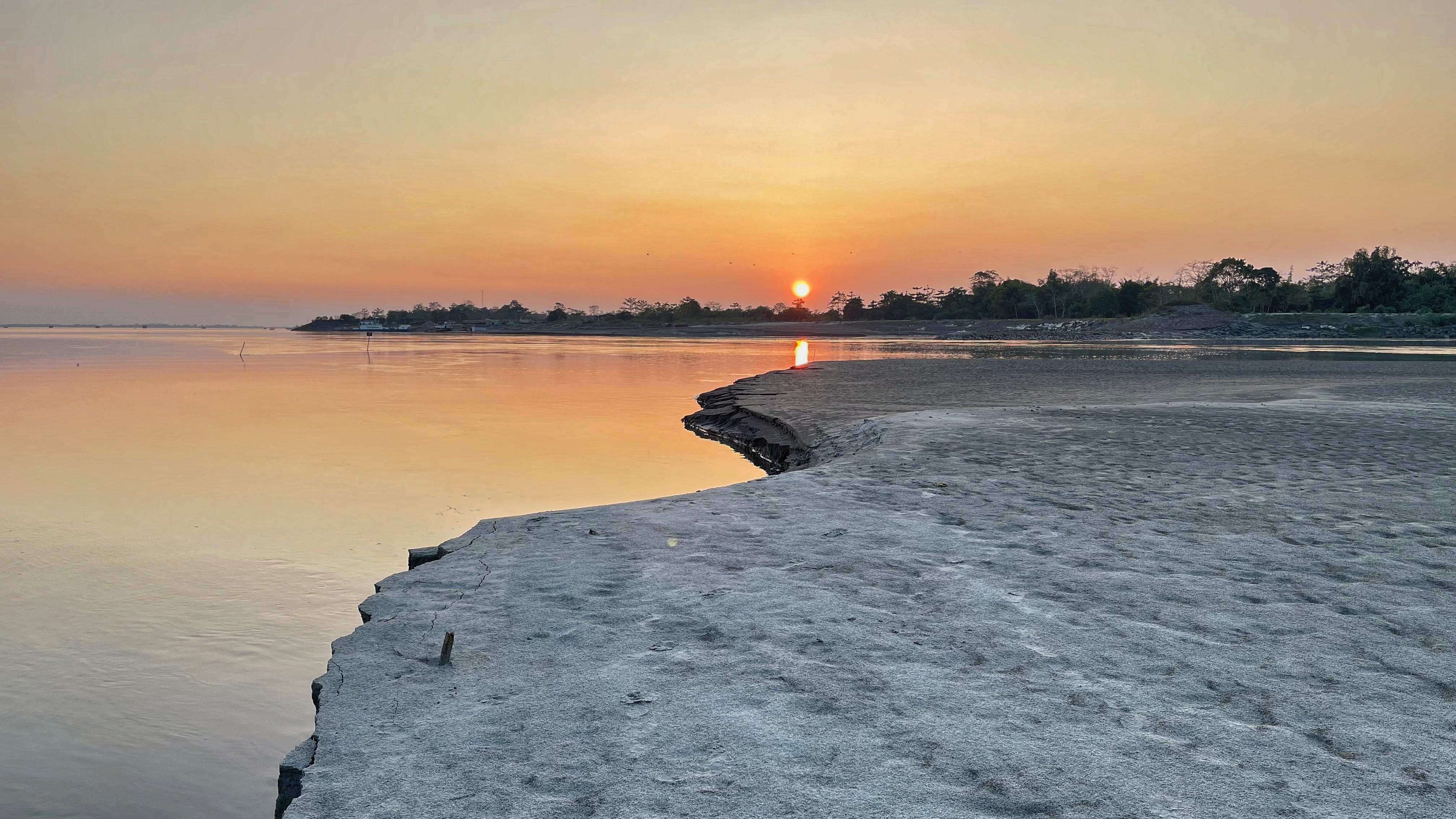
Majuli is a diverse land, with many tribal and non-tribal groups sharing space. The Mising are the largest tribe in Majuli— river people first, bound to the Brahmaputra and its smaller channels in a way that shapes almost everything else, but farmers and foragers too: several varieties of rice, mustard, different lentils, and whatever else the land and the community forest give up that season.
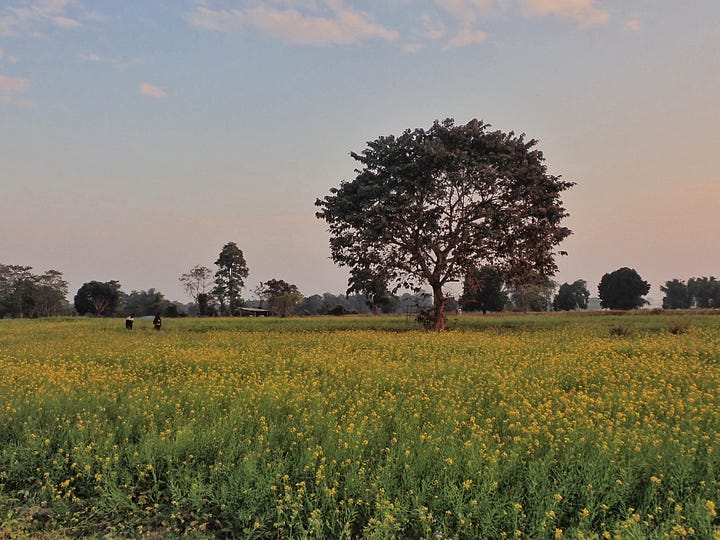

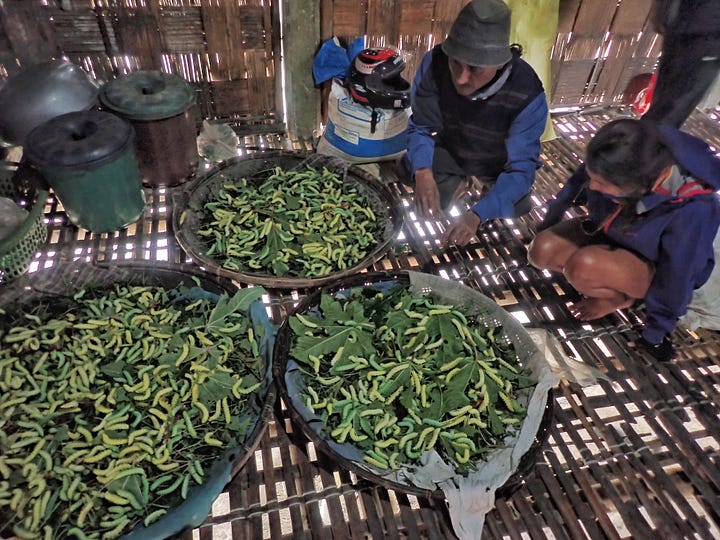
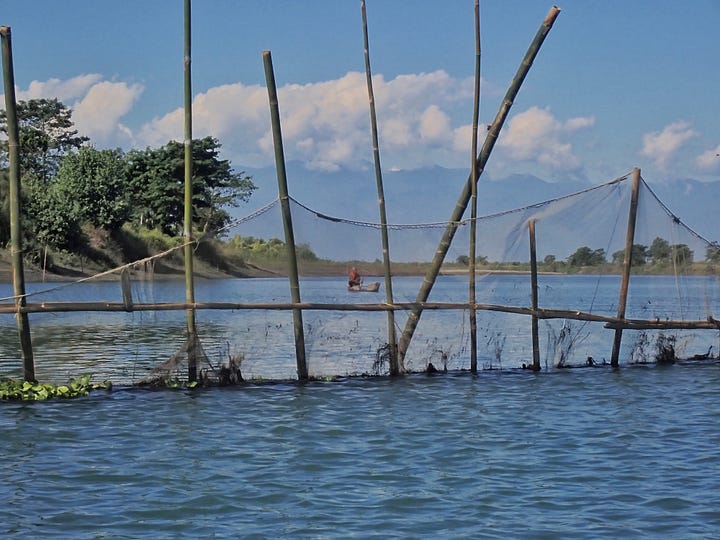
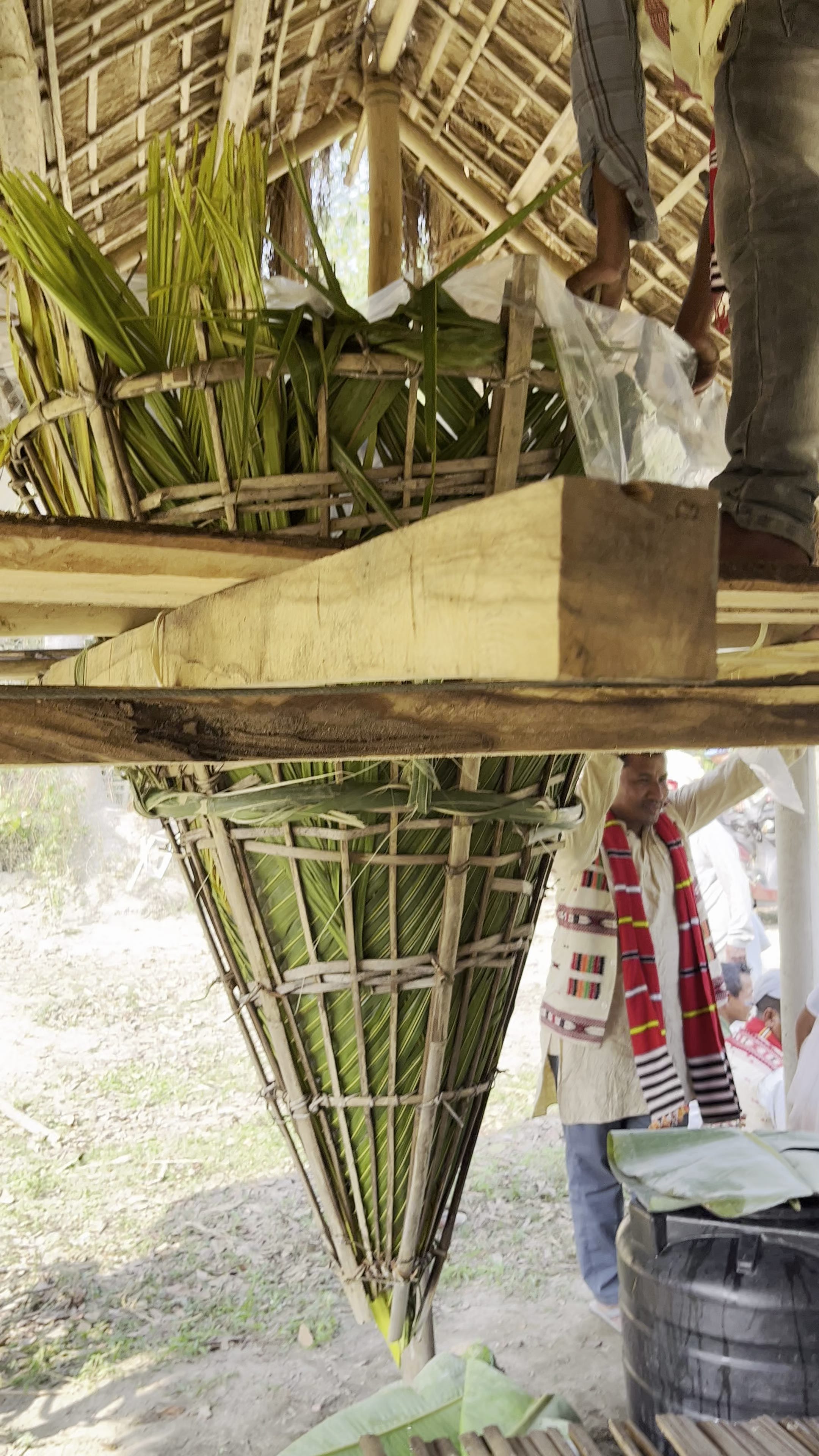
So many people from here depart, seeking other things. Many of the people who are a part of Knowhere Travel’s Brahmaputra Drift: Majuli team are expert boaters and fishermen.
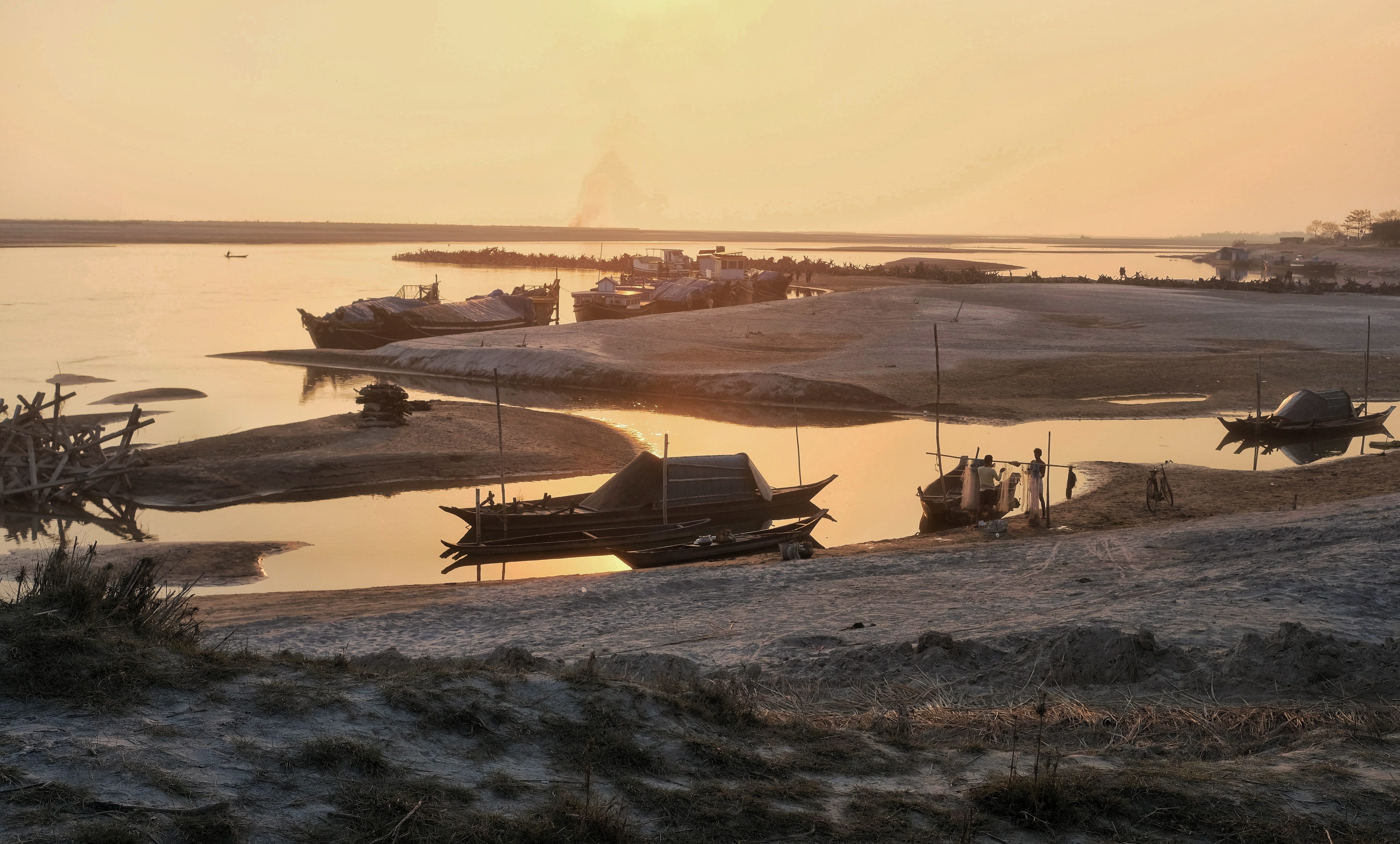
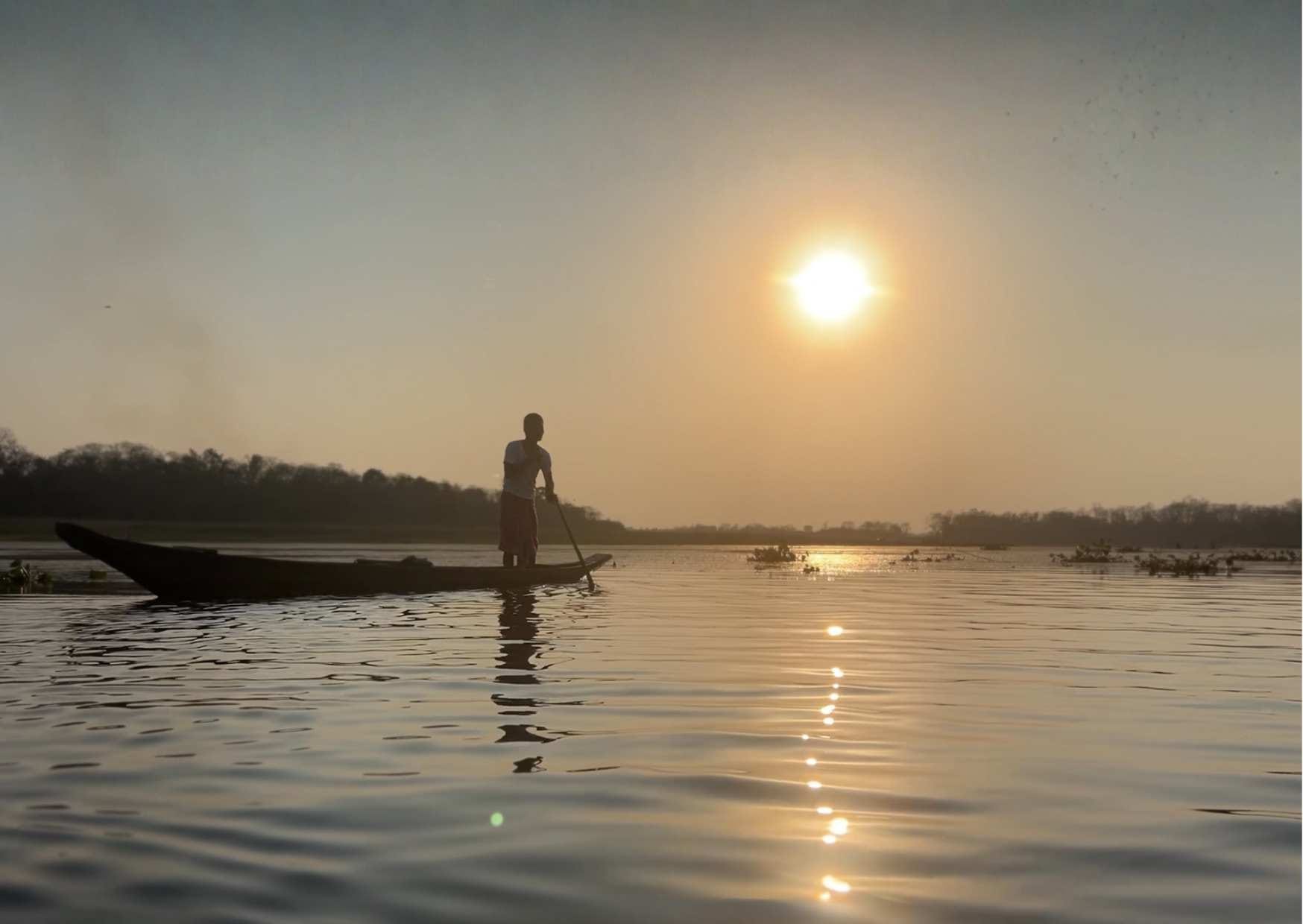
And many of them used to do a very different kind of work. Madhav da worked the fisheries in Andhra Pradesh. Arun da stood security in Kerala. Raja drove in Bangalore. From what they’ve told us, no one seemed particularly interested in thanking them for this work— despite long hours and the seemingly ordinary underpaid or even unpaid kind of exploitation. Nobody in those cities asked Madhav da what he knew about fish. Nobody wished Arun da a happy Bihu (harvest festival).
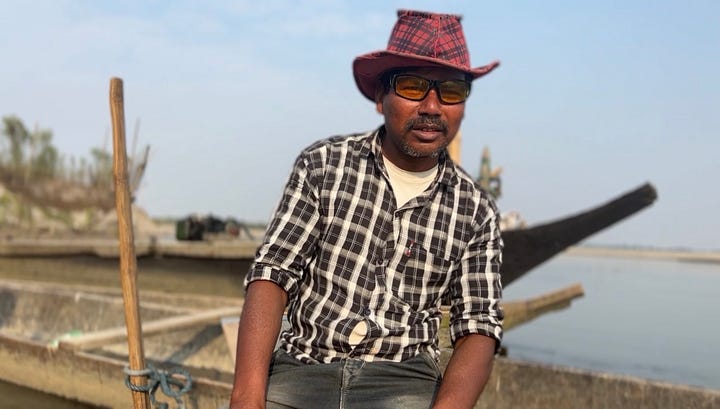
They’re all back on Majuli now, working the packrafting season with Knowhere— Madhav da happy to be fishing again, Arun da on a river he’s known his whole life, and Raja narrating half the island’s history between errands.
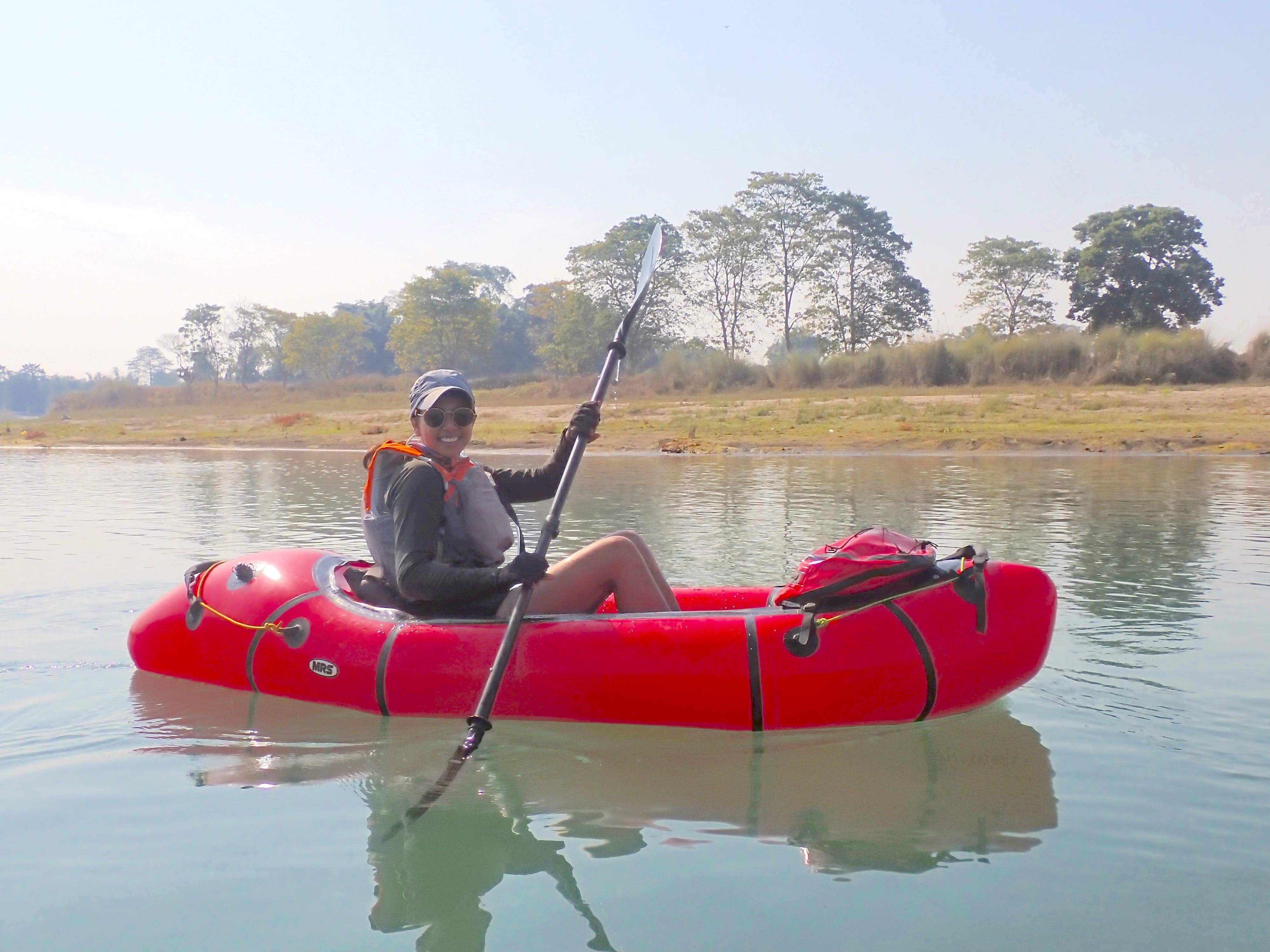
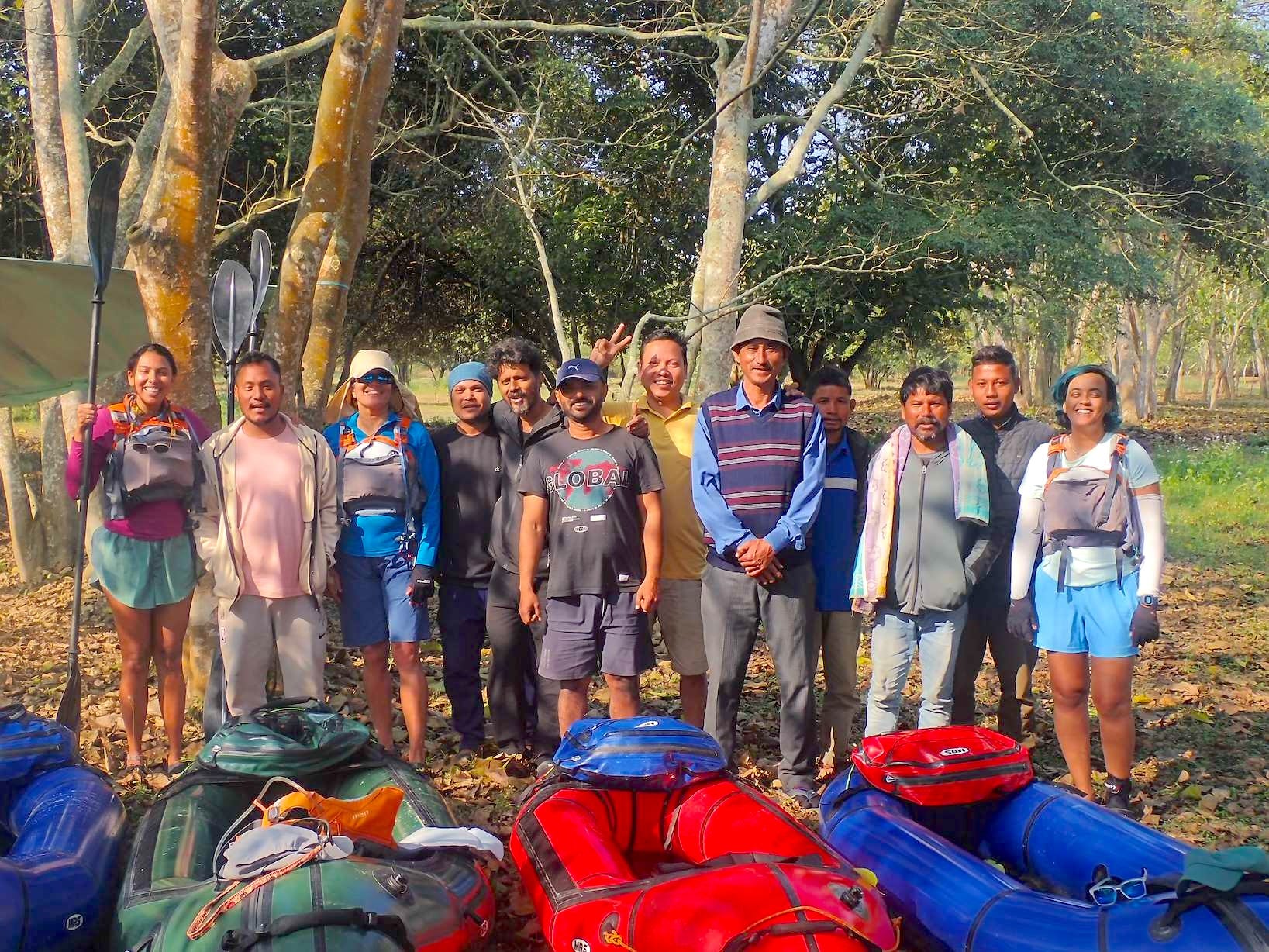
Their work with tourism is seasonal and not a year-round wage-earning job. This is mostly by design: enough to make staying worth it, not so much that the river turns into a job instead of a life. The same men who’d have gone unnoticed doing menial work a thousand kilometres from home are, on Majuli, simply the most knowledgeable people in the room, and deeply respected for who they truly are.
In some ways, it feels like there is a similarity to how Gandhi was mistreated on the train in South Africa for being a person of colour— race overshadowed everything else for Gandhi, as class and caste overshadowed everything else for these folks from Assam. Gandhi actually visited Assam four times, starting in August 1921, and every visit circled back to the same argument in its economic form: swadeshi— buy what your own region makes instead of what gets shipped in to replace it. He seems to have been genuinely taken with the place; he called it, in his own journal, simply “Lovely Assam.” Though Gandhi’s views and politics may appear archaic today, they were truly revolutionary at the time. While we criticise (and hopefully learn from) his mistakes, we shouldn’t disregard what he got right.
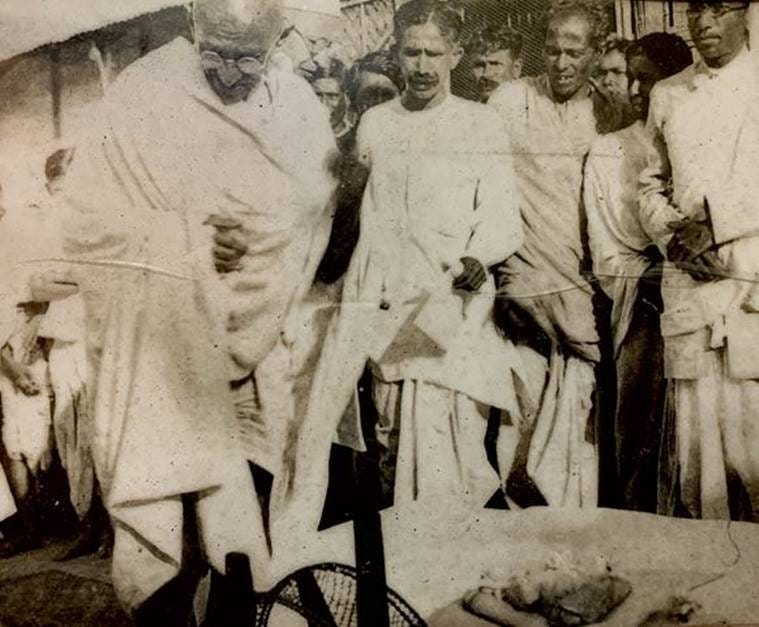
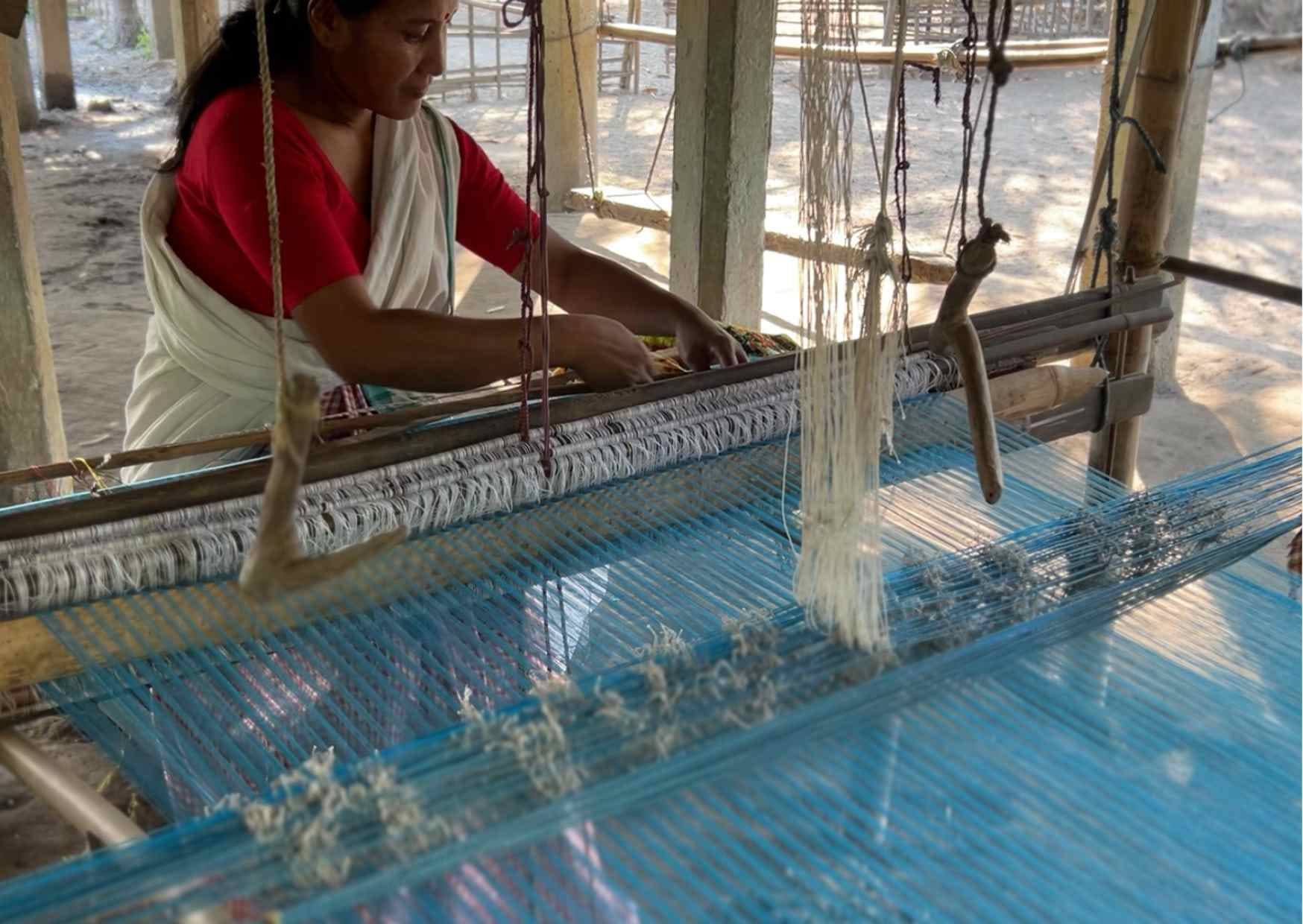
In one of the visits, as he watched weavers at their looms, apparently he remarked that women from Assam weave dreams (but we couldn’t really find a primary source to substantiate this popular claim, so maybe it is folklore rather than fact). Nonetheless, the instinct behind it holds up: self-reliance and beauty were never really at odds. Neither, it turns out, are self-reliance and a good meal.
Thank you for supporting The ⋮Knowhere Knewsletter. Please share this post, and do please let us know your thoughts about it!
Cynthia Doley and her mother Priyanka Doley are at the heart of the hosting in our Majuli packrafting journeys. Cynthia’s version of migration and return looks a little different, and it’s worth telling alongside it rather than instead of it.
She left Majuli for Delhi, studied at St. Stephen’s, then worked in Guwahati for a few years… It’s the kind of leaving that looks, from the outside, like success rather than exile. It wasn’t easy: she’d been working till two or three in the morning for months, barely sleeping or eating properly, with no time left to prepare for the master’s degree she wanted to pursue. She just wanted somewhere slower. She came back in February 2020, weeks before COVID changed everything.
What she didn’t expect was what living through the pandemic in her own village would reveal to her.
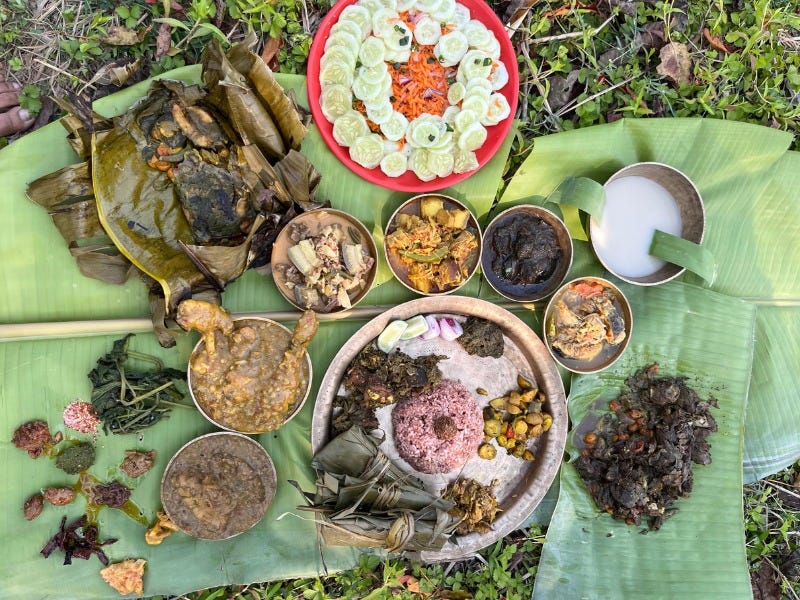
“My friends in the cities would message me and say, ‘Where are you getting all this fresh food from?’“ she says. “There were shortages of basic things in the cities, while we were living in a place that was remarkably self-sufficient.”
It was an odd way to rediscover a place she’d spent years trying to leave. “So, in a strange way, leaving Majuli helped me understand Majuli better.”
She moved back for good in 2024. By then, she says, it didn’t feel like giving something up.
“It felt like I was choosing something.”
That distinction matters more than it sounds like it should. Staying isn’t automatically the opposite of leaving, and someone who never had the need to go isn’t necessarily more free than someone who did. What matters isn’t whether a person stays— it’s whether staying was a choice.
Priyanka Doley, had already been finding her own ways to make a living long before any of this— a small shop a decade ago, fast food, rice beer, and whatever kept money coming in on her own terms. She’d also never really stopped cooking Mising food the way her own mother had before her: ongo (river fish), moo (pork), and whatever vegetables and herbs the forest gave up that week.
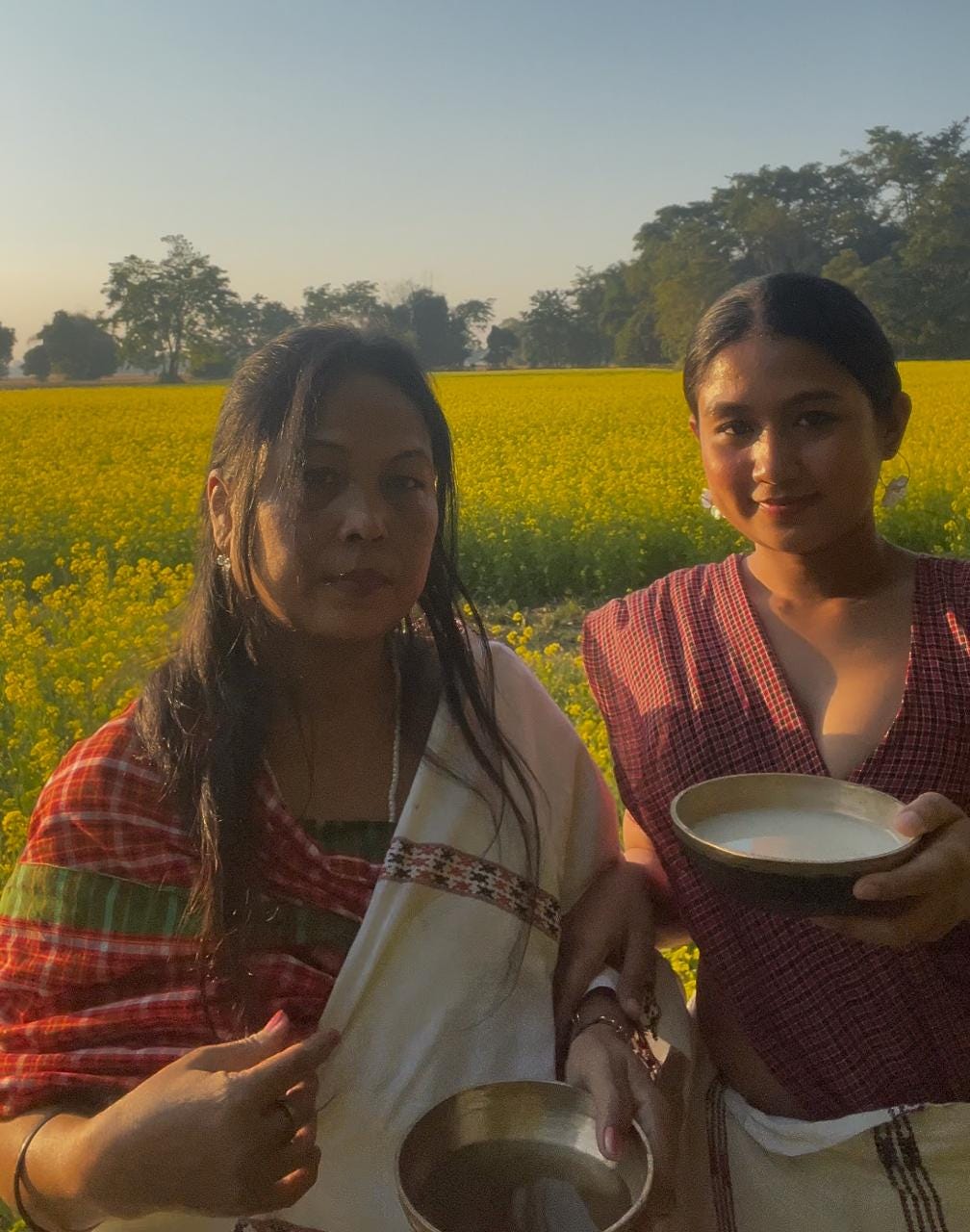
Working together came naturally with regard to the food itself. It’s been harder in other ways. Priyanka Doley doesn’t really think of it as a business: she’s just feeding people, generously, the way she always has.

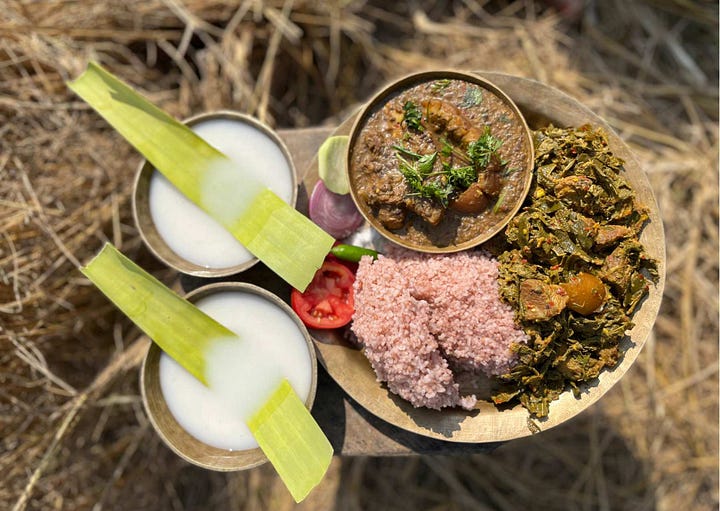
This has made portion sizes and pricing a subject of running debate for years. Cynthia, who’d seen what people in Delhi were willing to pay for something grown locally and cooked over a wood fire for hours, thought (and we feel, rightly so) that her mother was undercharging for work she’d always treated as unremarkable simply because it was what she did.
Money and economics are often much overlooked, but they are incredibly impactful aspects of ‘sustainable travel’.
Most of what gets called sustainable travel—ours included, sometimes—often gets pigeonholed into a set of narrow questions about footprint. Did you fly less? Carry a metal bottle? Eat what grows nearby instead of what got flown in for you? These are important, but in this urgency the bigger picture tends to fall by the wayside, which is more than just about trying to tread lightly… And this bigger picture is outlined with all kinds of questions, including blunt ones, and ones which have no clear or easy answer: where did you actually land? What did you spend, and what did it make possible for the people who received it? How did your choices alter the spaces that you visited?
Gandhi was already reflecting on this a century ago, and we have touched on it briefly already: swadeshi... one of the key aspects of it is the simple act of buying goods and services that a place can provide locally, and let the money stay where the labour is performed.
Cynthia’s father, Surja Doley (fondly known as ‘Captain’), who’s spent thirty years building the relationships this whole operation runs on, put it plainly: tourism, done right, “could allow individual households to become more economically independent.”
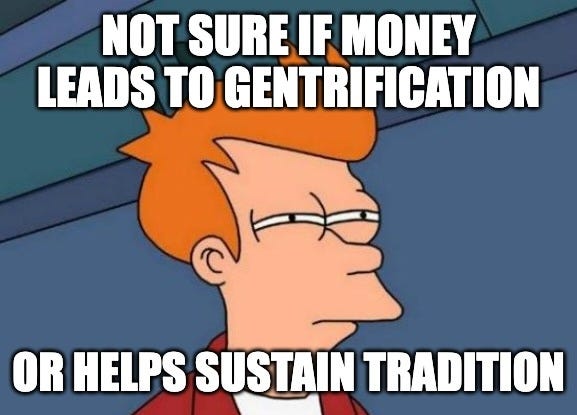
Money, inconveniently, decides much more than one may like to admit. It’s the difference between repairing a roof and losing the house behind it, between a skill passed down to a daughter and a skill that just runs out with whoever held it, between hosting travellers in your own home on your own terms—fostering your own, meaningful version of the place—or working, badly paid, inside somebody else’s idea of what your labour should be like.
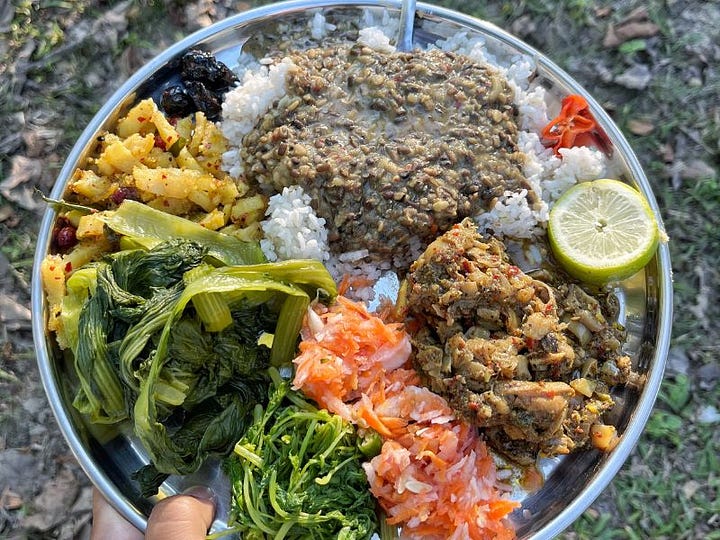
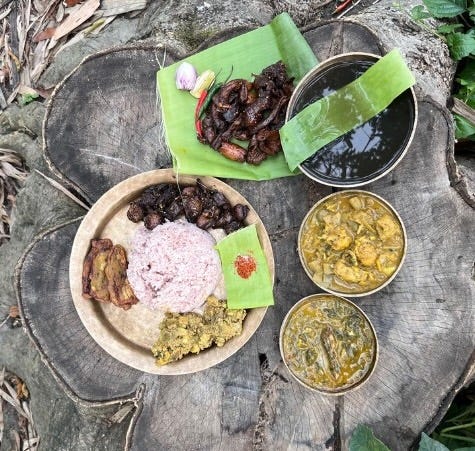
Cooking at Majuli was always something Priyanka Doley knew how to do. What guests now pay to eat during the packraft trips or stays just made it something that could also keep the lights on— and, not incidentally, made staying on Majuli a better financial decision for Cynthia than whatever Guwahati had on offer. That’s the arithmetic, which is true and not at odds with the romance of it either.
We want the places we visit to prosper, and if we’re honest, we’re a little pleased when the trip turns out cheap. We like “simple.” We like “authentic,” especially with a low price tag attached. We admire people getting by on very little and call it inspiring, without asking the less comfortable questions underneath it: where does responsible travel factor in the responsibility towards the people who host us, towards those who work to ensure that we have a great travel experience, towards ensuring that our travel is enriching (and not extractive) for the spaces we visit?
We wrote a version of this a little over a year ago, in a piece about what we called barefoot luxury… comfort and simplicity turning out not to be opposites after all. We’d push that further now. Barefoot luxury was never really about spending less. It was about spending in a way that lets more of it stay exactly where you are, ensuring that both guests and hosts can continue to thrive and have fulfilling lives.
That’s a kind of luxury too, and it stands apart in a world where luxury has come to mean a fairly narrow kind of opulence.
When it started, around 2020, none of it was tourism. “We were simply hosting people as a household,” Captain says. The tourism came after, once welcoming guests started to look, gradually, like it might also be an income. Cynthia says almost the same thing, separately: hospitality was never something they had to manufacture. It was already what the family did: this is a distinction that starts to matter a lot once tourism actually shows up, because tourism can also become the only thing a place does.
If a homestay is booked out fifty weeks of the year, if a season stops being a season and becomes the whole calendar, something shifts: not just the pace of life, but what the place actually is. It stops being a way of living that tourism happens to experience and to support, and starts being a performance tourism demands.
Madhav da and Arun da‘s seasons on the river work, we think, partly because they’re seasons— bounded, leaving room for the rest of what their lives are made of. The point was never for Majuli to become a full-time act.
Captain doesn’t fully share our caution about scale. He’s genuinely hopeful about what’s coming— better roads, a proposed bridge to Jorhat, even talk of an airport, a bit more of the island’s working population moving into tourism. But he holds that hope the way he holds everything else about the place: gradually, and “without changing the character of the place.” That’s roughly the instinct we have too, though we’d probably reach for the brakes sooner than he would: and perhaps our caution comes from seeing what tourism has done to even the most pristine places once the rush sets in. Nonetheless, which sense of the right scale turns out to be correct isn’t really ours to decide.
Cynthia’s version of the same worry is more specific. She’s watched waste increase on the island over the years she’s been coming and going, and what she says she’d miss most if tourism grows carelessly isn’t abstract at all: the chang ghar, Majuli’s traditional bamboo stilt houses.
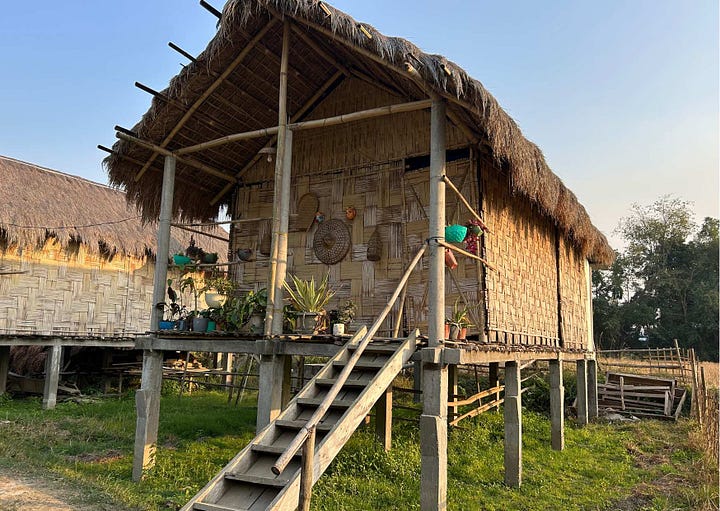
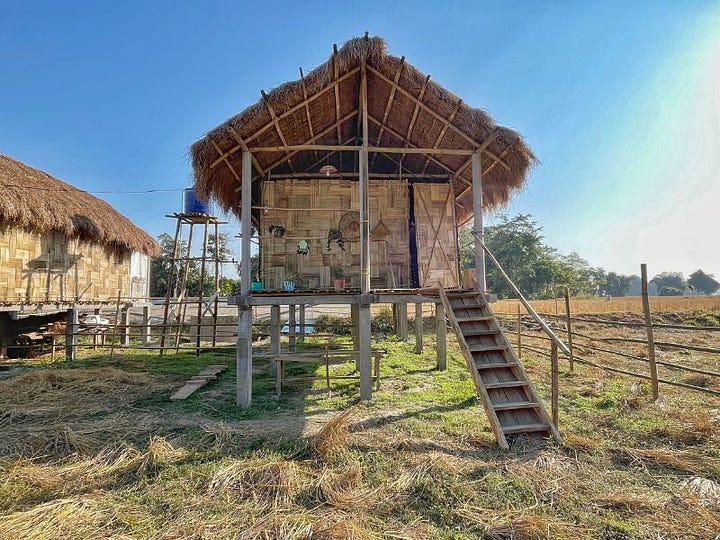
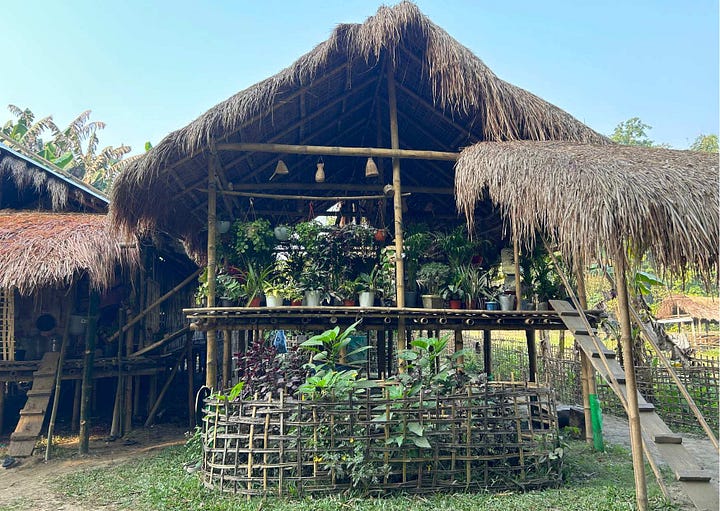
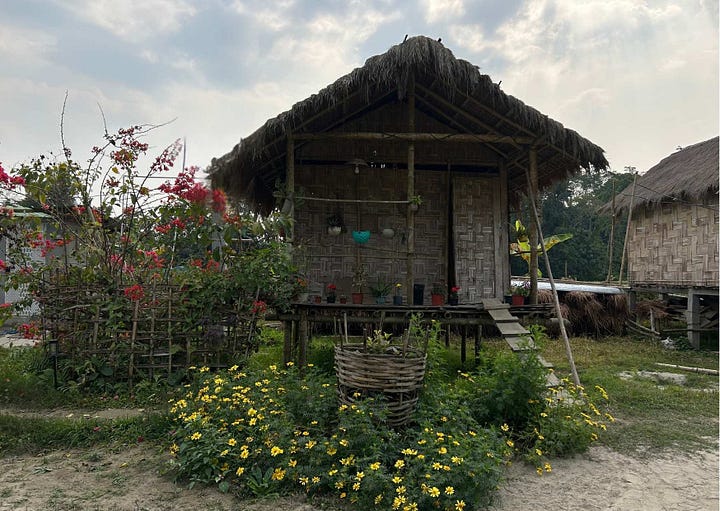
“We already have cities full of concrete,” she says. “I don’t want to travel all the way home to see the same thing.”
It’s an argument about development too, just not the kind that ends in “no.” She doesn’t want Majuli frozen in time: she wants better healthcare, better education, better opportunities, a stronger economy. She just doesn’t want ‘development’ to erase whatever makes Majuli itself.
“If we can keep these traditional houses alive by giving them economic value,” she says, “then the people who maintain them have a reason to preserve them.” This is what we strongly resonate with, and it is one of the core underlying principles at Knowhere Travel Company at large.
Same goes for food. Some indigenous ingredients and wild herbs are getting harder to find; some of the knowledge around them is slipping away. Cynthia’s answer isn’t to put any of it behind glass— it’s to make people value it again: grow it, preserve it, cook it, keep using it.
“I don’t want to create an artificial version of the community simply because it is attractive to tourists,” she says.
That might be the trickiest thing about responsible travel to get right. The temptation is always to preserve exactly what visitors came to see. But living cultures don’t stay put for our benefit: they change, people change, roads come, electricity comes, businesses come, guests come. The question is who gets to decide what changes, and on whose terms: because responsibility means also responsibility towards meaningful, informed consent.
Tourism is coming to most of the places we’re talking about, whether the right kind of hospitality has been built around it yet or not. Demand doesn’t wait for a good host to show up. Something makes way eventually: sometimes a family reopening rooms in a house that’s been theirs for three generations, sometimes a chain that flew the idea of the place in along with the concrete. Not every place gets to make that decision for itself, though.
We don’t have to imagine in the abstract what the alternative to this fuss about ‘responsible travel’ looks like. It’s happening right now, close enough that word of it reaches quite easily. And if it isn’t stopped—and reversed—there may no longer be places left to travel to.
Kaziranga, not far from Majuli as these things go, is living through exactly that choice. A proposed five-star hotel project near the park has become the centre of a long-running dispute over land, development, and the rights of local and Indigenous communities. Pranab Doley, a Mising land-rights activist who’s opposed the project, was arrested in July and stayed in detention after the Assam government invoked the National Security Act against him, despite a court having already granted him bail. And now the Assam government has proposed replacing the default 10-kilometre Eco-Sensitive Zone (ESZ) around Kaziranga National Park with a smaller buffer of as little as 1 kilometre. There’s no tidy conclusion to that story yet, and Pranab’s is representative of the voice of a much larger collective.
Much of the land is to be repurposed for tourism and hotels, including 5-star hotels by large hospitality chains. Perhaps this is one of the sharpest examples of how truly responsible tourism and greenwashed ecotourism (and of course, mainstream, especially large-scale tourism) are often on two sides of a sharp line, and the choice we make has immense and immediately comprehensible consequences (and of course, significant rippling effects).
It’s the same question, in sharper light: who gets to decide what a place becomes, and what happens to the people who already knew the answer before anyone thought to ask them?
Majuli isn’t guaranteed a different outcome forever, either. Nothing here is a permanent win, and perhaps this is true of everywhere else. It’s a currently-true story; in fact, the bridge from Jorhat to Majuli over the Brahmaputra is coming, and that’s going to change everything (but that is a story for another time).
Captain’s been on this stretch of river long enough to measure it in more than economics, too. He’s watched the banks shift every year since they started—sand building up where there used to be channel, channel opening where there used to be bank—and watched the river dolphins that were common in the early years get harder and harder to find.
“What is there this year can look completely different the following year,” he says. “The landscape and the river are constantly changing.”
Whatever “sustainable” means here, it can’t mean holding the island still. The river was never going to cooperate with that...
We think often about the fact that we’re usually not physically present for the things we’re facilitating. In any case, somebody or the other on the island knows which fish to cook in which month, and which recipe belongs to a wedding rather than a daily meal. We didn’t teach Madhav da to read a river, and we didn’t teach the Doleys anything about food. We just had the good fortune of being trusted enough to be introduced to it, and to bring people along to see it.
That trust is placed on, we think, the actual infrastructure: not the itinerary, not the invoice. The relationship, built often over years, long before a single traveller shows up, is what makes everything downstream of it possible.
And the exchange runs both ways, Cynthia says. Guests ask her things about her own food and culture she’s never had to think about before: why something is cooked a certain way, where a tradition actually comes from— and often she doesn’t know. So she asks her mother, or an elder, or whoever in the village might. She learns something, and carries it to the next guest. She’s not just showing people her culture. She’s relearning and preserving pieces of it herself, one question at a time.
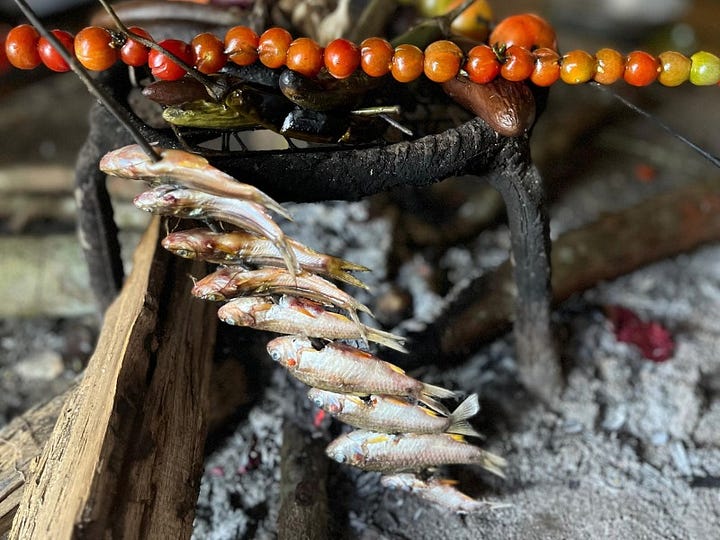
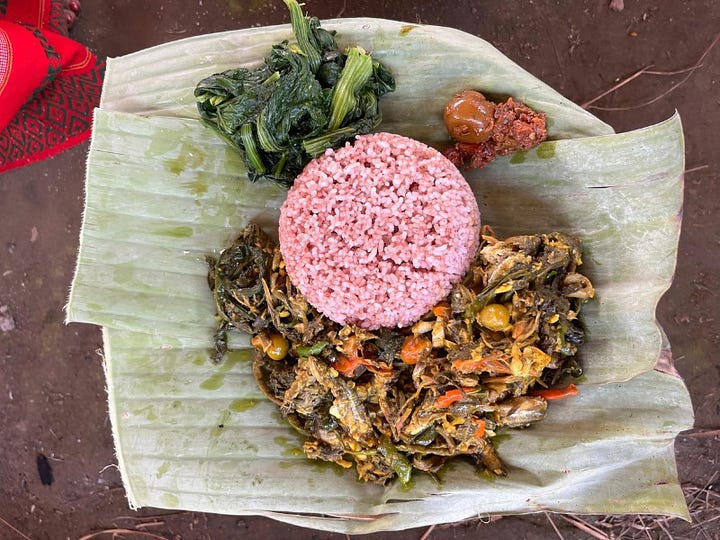
Priyanka Doley and Cynthia have since picked up two outside confirmations of that, for what they’re worth— first runners-up in Footprints of Sustainability, and Silver Winner in Culinary Heritage, at the Outlook Responsible Tourism Awards (though neither award is why they cook the way they cook).
We keep returning, through all of this, to that word. Swaraj. Self-rule, but never in isolation.
Maybe that’s a more honest way to think about what freedom actually requires: not a wall around a place, not an open door with nobody minding it, but the ability to decide, on your own terms, what comes in and what stays out.
We began by asking what independence means. We’d like to end by asking something narrower, and harder to answer neatly: what does the way we travel make possible for the people whose home we’re visiting: and what does it make harder for them to hold onto?
We don’t think there’s a clean answer. We’re not sure there should be.
But somewhere on Majuli right now, a mother is cooking food she was always going to cook, a father is still the reason there are boats on the river at all, and men and women who once went unnoticed doing someone else’s work (menial or otherwise) are, for this season at least, exactly where they belong. Where they are the experts. None of it depends on us being there. None of it is permanent, either— swaraj rarely is, whether you’re talking about a nation or a kitchen.
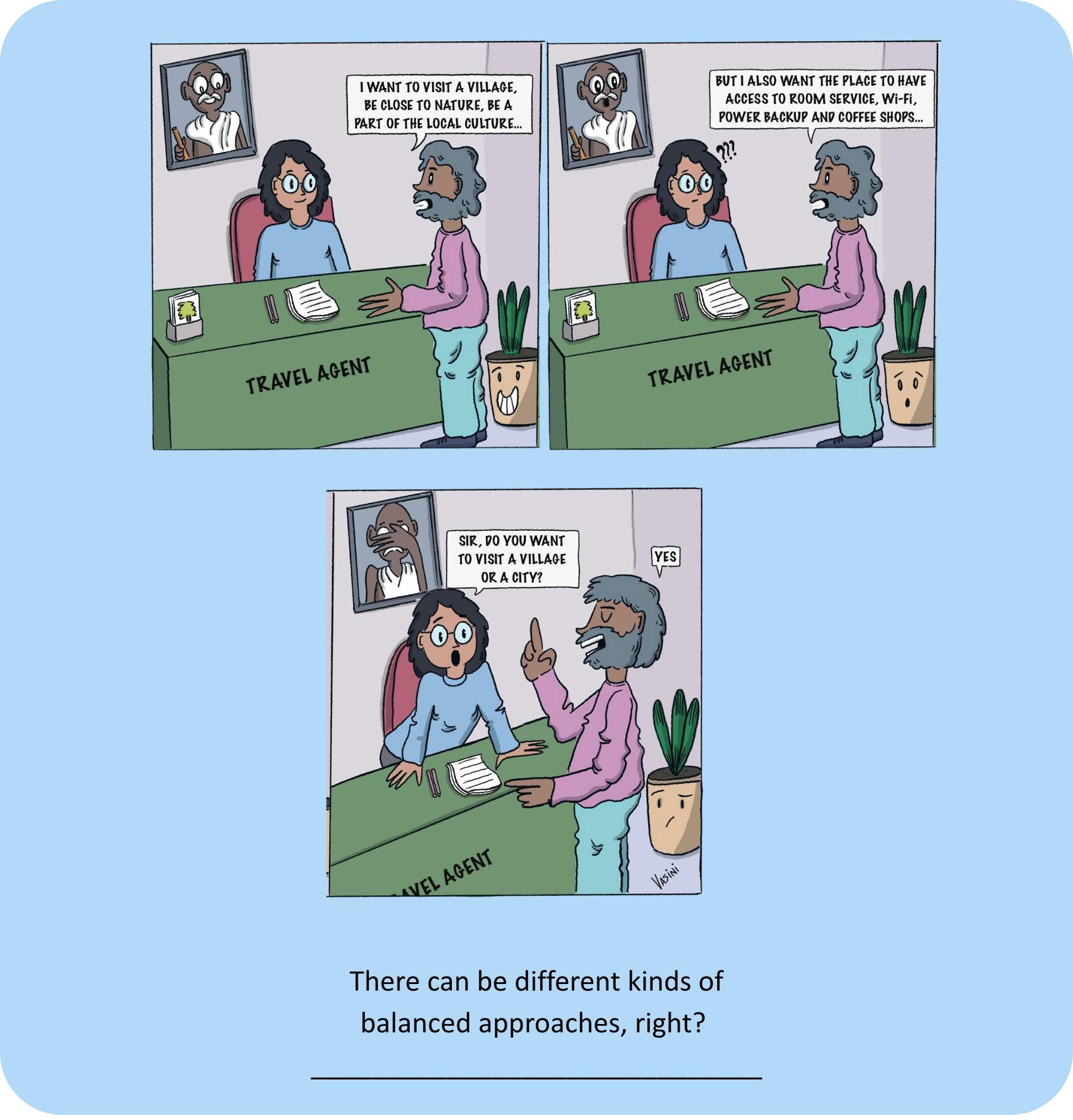
We have been working with Vasini Varadan to bring to you a miniseries of comics! And this is the last one in this run. Did you enjoy reading these? Let us know! Vasini is an accomplished artist; do check out her other work on her website!
You can read the previous versions here:
No posts
Comments
Nothing yet. Say the first thing.
Sign in to join the conversation.