
It’s a sunny 75 degrees on a Friday afternoon in Brooklyn—and if you live here, or somewhere with similar weather, I do hope you are safely shaded from the sun reading this post. With so much of this year’s great weather sprinkled among cold and rainy days, the contrast has given those pleasant moments the quality of a months-long indoor pressure buildup suddenly being released. On one of those perfect days a couple weeks ago, which happened to be a Saturday, I took a spin around the neighborhood, seeing on every corner an especially intense pressure release underway—more like a burst pipe, really—with packed crowds spilling out of bars and brunch restaurants onto streets and sidewalks, and more skin than grass visible in McCarren Park, all part of the familiar seasonal cycle. I joked that suddenly being outside when the weather gets good is “NPC-coded.” I only emphasize here that it was a joke because on Substack you can never assume people know, but the sub-joke is that I wasn’t really joking. I genuinely believe these people suddenly appeared out of nowhere, enjoyed the afternoon, and then vanished at dusk, in accordance with the algorithm that generated them as set pieces for my afternoon stroll, spawning them out of thin air when outdoor conditions surpassed a given threshold. Where are they all stored during the offseason? If you’re thinking, “they probably thought you were an NPC too,” well, I’m the one writing this post, so no.
NPC is admittedly a loaded term, often deployed with an unbecoming bitterness or spite, and encountered in the worst realms of internet discourse—and, as one commenter on a previous post amusingly put it, was “popularized by the people it was made to deride and subsequently lost all meaning” (no one despises NPCs more than NPCs themselves!)—and for all these reasons the term annoys people and causes them to tune out when they hear it, for which you can’t blame them—but I still enjoy it and find it quite useful as a concept. The deep irony at the core of the NPC concept is the deep solipsism to which its usage confesses: The observer is the only candidate for guaranteed personhood, by definition, but if you’re saying it, you can’t help but suspect that some of the NPCs would apply the same label to you. Many of the headaches associated with living in New York City arise from wanting to do things at the same time everyone else does, which confronts you with the possibility that they are not that different than you, which ought to be inspiring and life-affirming, and often is, but also fosters deranged behavioral patterns over time, like intentionally avoiding and grouchily rejecting things that seem broadly appealing, or otherwise randomizing your schedule to decouple it from peak demand. Line culture flies in the face of all this, rejecting the fundamental premises and basking in our inescapable basic-ass sameness.
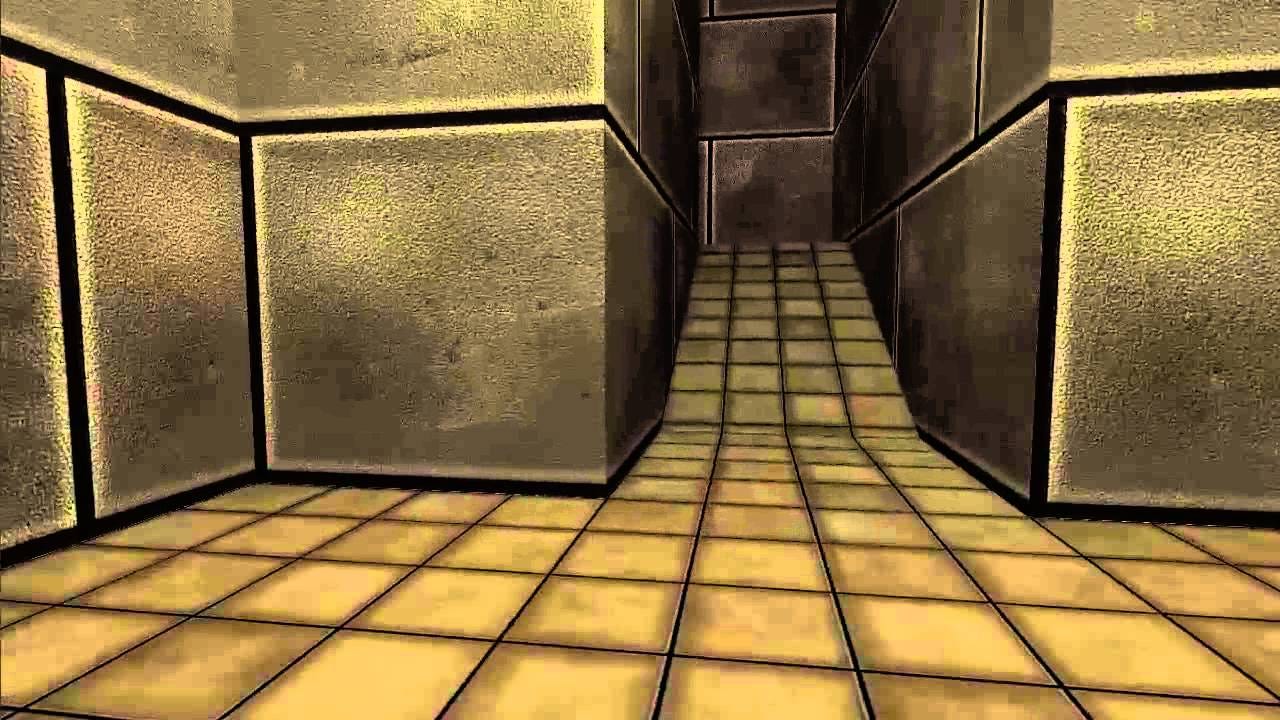
Gamification is well past its prime as a buzzword, but that is partially because the game dynamics of digitally mediated life got so all-encompassing that they became invisible. What formerly described an app’s UI/UX on a screen now describes our internet-infused (-poisoned?) worldview. Google Maps reversed the Copernican revolution by geographically re-centering the individual within the universe, a transformation that requires us to have our phones on our person at all times—itself an assumption so reliable by now that Find My Friends can equate the location of a person and their phone without anyone wondering whether the two might occasionally diverge. As an older millennial, the Find My Friends interface reminds me of GoldenEye on Nintendo 64, where you used a similar map to hunt your friends down rather than merely monitor them (and for most of us in that age bracket, hunting them in GoldenEye represented the more intense phase of camaraderie). Ten years ago, during the summer of 2016, Pokémon Go foreshadowed how digitally-generated side quests could unfold in physical urban space—one last burst of Obama-era millennial fun before it all fell apart. In that case, it was animated creatures, not fellow humans, as the NPCs. The game boundaries were still barely constrained, and we could still tell the difference easily enough.
Become a paid subscriber to access more essays (about half of Kneeling Bus posts, and many of the best ones, are for paid subscribers only), or just because you appreciate this newsletter and want to support it.
Reads:
A rigorous definition of slop from Mike Pepi (shots fired against Kneeling Bus, stay tuned for rebuttal). “Art and creativity describe our relationship to processes and labor, not discrete, existing objects or end states. This is to be expected from those who tend to view everything as information manipulatable by mechanistic processes. In reality, creativity is found, relationally, among a series of works acted out by humans.”
Chenoe Hart on how AI sees the world. “AI vision systems…perceive the world in terms of average and standard representations.”
Matt Shaw reviews the new New Museum and Mark Krotov reviews the JPMorgan Chase Tower.
Comments
Nothing yet. Say the first thing.
Sign in to join the conversation.