
Jo and Emily are away, so we stitched together two recent conversations about reaching movie fans without relying on the traditional Hollywood system. Matthieu Zeller, president and CEO of Belgium’s nWave Studios, spoke about European financed animation, and Caspar Nadaud talked about how The Amazing Digital Circus heralds a shift in how creators and distributors can work together.
Toegther they represent two different routes to the theatrical audience, both bypassing the usual model. nWave has built an integrated European studio running on budgets a fraction of the US norm. And, Piece of Magic has moved from acquiring creator content to partnering with creators as collaborators, with their fanbase driving the theatrical campaign; a powerful combo.
Financiers like to say they bet on IP but in truth, they are relatively risk averse and more often than not money will be attached to an old IP over an original story. Matthieu Zeller‘s job as a producer however, is to sell new stories and convince people to back original IP with future franchise potential.
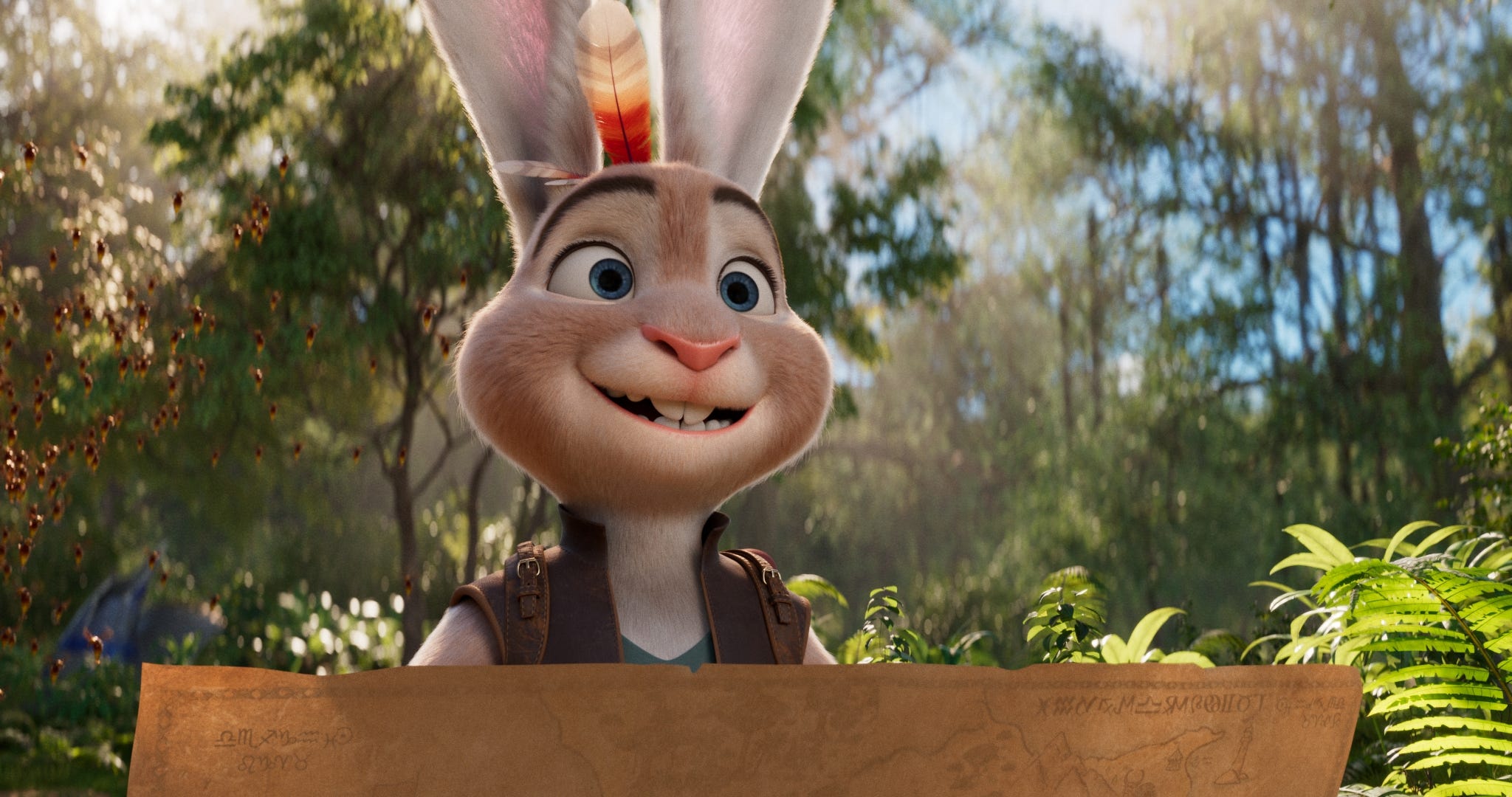
Chickenhare and the Secret of the Groundhog is the newest instalment in the franchise, following Chickenhare and the Hamster of Darkness and Matthieu discussed the strategy holding it together. It’s one of integration - nWave develops, finances, sells and distributes its own films with no sales agent involved. In many territories the studio holds output deals with distributors who buy on trust built up over years of consistent quality provided at a reasonable price. European distribution covers the cost of making the film, which means that any US and rest-of-world distribution sits on top as upside.
Matthieu talked about there being little to no mid-range theatrical distribution strategy in the US. You either go wide with 3000 screens and $30 to $50 million in P&A (prints and advertising), or you release into two theatres, but there’s little in between. A $20 million animated film with genuine audience appeal has no natural home in the US theatrical model, which tends to push it toward streaming.
The Hollywood assumption of quality scales with spend is a deeper issue. Studios there struggle to accept that a $20 million budget movie can deliver a strong result. Sony Pictures, which optioned the original Chickenhare rights and remains a passive co-production partner is one of the players Matthieu says understands the mid-range logic, and sees the profitability potential.
Streaming might be said to be the datification of the DVD player. Where DVDs gave you a sales number, streaming shows us rewatch behaviour, and rewatch is the signal revealing franchise potential. Audiences returning to a film is the evidence of an IP strength. Practically though, Matthieu clarified that he would not build strategy only around streaming buyers. Netflix bought two nWave films but then stopped acquiring. A streamer may buy a strong film to sit on their service, but loyalty is not a given, infact the oppose could be assumed, therefore the financing model has to work without them.
(Read the original summary of our episode with Matthieu here:)
Caspar Nadaud runs Piece of Magic Entertainment, the distributor behind the Amazing Digital Circus and Markiplier’s Iron Lung cinema releases, alongside other creator-led releases. His view is the current wave of YouTube creators reaching cinema is the start of a broader trend, with theatrical as an additional outlet in the creator ecosystem rather than a replacement for the home platform.
He cautions that a big YouTube following does not guarantee box office. What works is the sense of exclusivity cinema offers a digital-native audience, the coming together to see something is an important moment for the fanbase. For the Amazing Digital Circus, the ninth episode went to cinema for two weeks before landing on YouTube. Once it hit YouTube, it became the best viewed episode in the series to date. Cinema and YouTube reinforced each other rather than competing.
Caspar made the point that the new model is to build a partnership from the outset. The old way was controlling and gatekept; a distributor acquired rights then executed the release yet Piece of Magic acknowledges that whilst they understand theatrical distribution mechanics, it is the creator who understands the audience. Both therefore should be ‘in the room’ for decision making, and pre-sales becomes a two-way conversation about adjusting the campaign as it unfolds.
Andy drew the contrast with the Star Wars and Marvel era, when studios were nervous of their original fanbase and worked hard to appease it. Creator cinema flips the thinking, the fandom is a powerful co-marketer. On Iron Lung, everyone involved in production was allowed to post about the film as it was made, the opposite of the standard NDA regime. Fan investment during production then converted into ticket sales at release.
What both these conversations showed is that integration, streamlining and getting closer to your audience is vital, whether you’re producing and distributing European animation, or a creator-led theatrical project eagerly followed by fans. And uniquely, neither is reliant on Hollywood for success.
Listen to the full Kids Media Club podcast episode with Matthieu Zeller and Caspar Nadaud for the deeper conversation on original IP financing, creator cinema and the theatrical shift. Connect with us at www.kidsmediaclubpodcast.com or find Jo Redfern, Andy Williams and Emily Horgan on LinkedIn.
No posts
Comments
Nothing yet. Say the first thing.
Sign in to join the conversation.