
This week: Caspar Nadaud, founder of theatrical distribution company Piece of Magic Entertainment shares thoughts on why YouTubers are inspiring international cinema success. In our discussion he builds the case for engagement over reach as a predictor of box office, and explains why a tactical release window can enhance fan mobilisation instead of dampen enthusiasm. He breaks down the differences between The Amazing Digital Circus’s single-weekend event and the slower build behind Markiplier’s Iron Lung, and reflects on a distributor-creator relationship now built on partnership rather than the old gatekeeper model.
The Kids Media Club podcast tracks the signals worth watching in kids and
family entertainment and we talk to the people shaping its future.
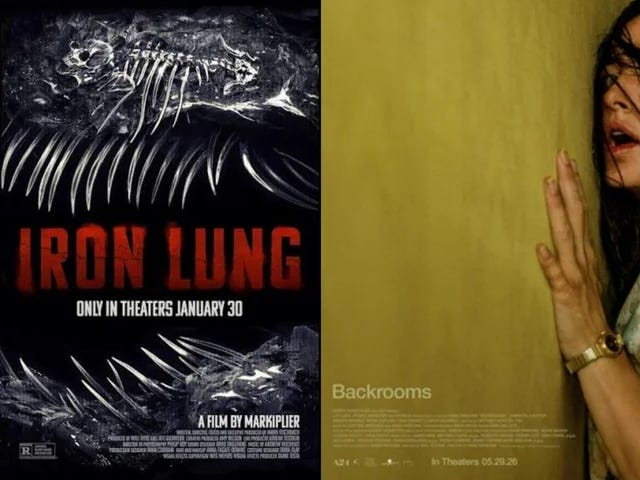
It essentially comes down to one measure: engagement beats follower count every time. It feels like we’ve watched huge YouTube numbers fail to convert into cinema audiences, and yet we also see smaller, tightly-bonded fanbases sell out screenings. Caspar declines to cite specific projects, but the pattern holds across years of releases that he’s seen: a large subscriber count may signal reach, but not necessarily commitment. The stronger indicator comes from the comments section about whether fans will act on a creator’s request to show up. Content quality matters too. Caspar rejects the notion of lower-quality YouTube content. The Amazing Digital Circus, Iron Lung and Backrooms all converted, succeeding partly because the content holds up on a cinema screen.
When Glitch released the trailer for TADC: The Last Act, 12 million people watched within 16 hours, making the trailer the second-biggest trending online at the time. Nearly 140,000 comments followed on the upload, a volume that Caspar reads as proof of an active, participating fan base rather than a passive one. Piece of Magic ran a collaboration post on Glicth’s European Instagram account, which carries 2 million followers, and drew 15,000 comments within 24 hours. Cinemas responded at similar speed. Within a week of tickets going on sale, nearly 2,000 European cinemas had booked a screening, rising to around 3,000. Caspar describes exhibitors calling Piece of Magic directly to say they were already fielding requests from fans asking where to watch the film. Demand was evident before the marketing kicked in.
The Amazing Digital Circus followed what Caspar describes as the event model: concentrate almost the whole release into one weekend around a fixed date. Encore screenings added only around 5% of total box office, confirming that most of the fandom went to see it during the opening weekend. The film comprised the finale of the viral YouTube series, and and there was a two-week gap before those same episodes went up free on YouTube. This limited runway built urgency instead of limiting demand. Cinema seating is not like YouTube, there is not infinite availability and so fans mobilised harder because the chance to see the finale together would not last. And seeing it with friends and other fans was important to them.
Iron Lung took a different path. With no fixed date for when the game adaptation would move online, the team ran a traditional release with weekly holdovers, letting word of mouth build across a longer window. The slower build helped the film reach beyond Markiplier’s core fan base into a wider horror fanbase drawn by genre rather than creator. Two release strategies, matched to two different audience shapes: a date-driven fandom around a finale, and a gaming and genre audience needing a little longer to find the film.
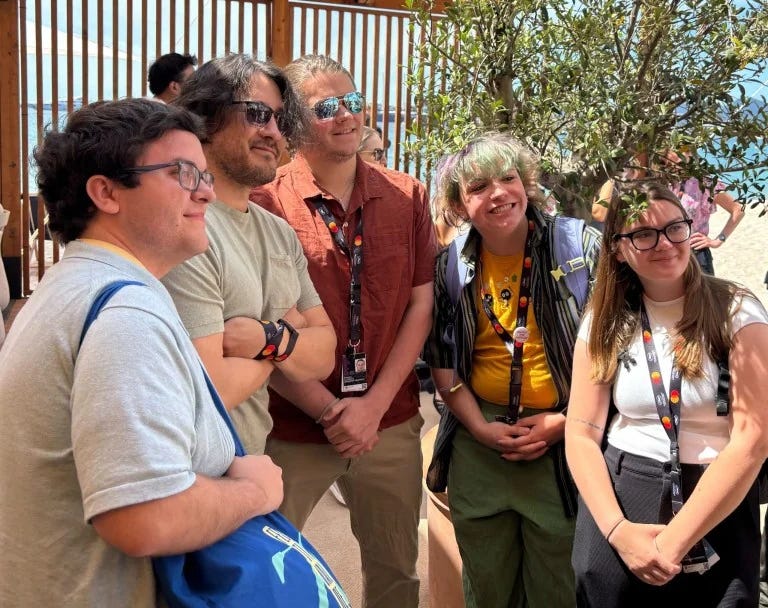
Caspar pointed out a shift away from the traditional distribution model, where a studio buys the rights and runs the release with limited creator input. For POM Entertainment, the creators of The Amazing Digital Circus and Iron Lung had to be part of the decision-making process, reviewing presales alongside Piece of Magic and shaping campaigns based on their audience’s behaviour. Creators understand their own fans in ways a distributor cannot replicate, and Caspar talked of the arrangement as a genuine partnership rather than a rights acquisition. He references a Cannes Film Festival panel where Markiplier and other creators described years of feeling shut out of the big screen. Caspar sees this perception shifting as distributors and exhibitors start treating creators as filmmakers in their own right.
Piece of Magic also distributes League of Legends World Championship into cinemas, and as Caspar points out - audiences still show up in numbers, drawn by the shared experience of the screening. Caspar points to anime as a long-running example of a similar pattern, with episodic content reaching cinemas ahead of a wider platform release. Local markets show the model working outside the biggest global fandoms too. In France, YouTube creator Inoxtag’s documentary passed 300,000 admissions in cinemas before going on to his YouTube channel, showing that a dedicated fanbase can convert even without a global platform behind the release.
Like this newsletter? Why not have a read of this:
What can we infer from all this? Well, we might see distributors formalise engagement metrics as standard due diligence on creator film deals. Comment numbers and presale responses will likely replace subscriber count as the first filter for cinema greenlights. It would be wise to resist the temptation to assume this event model will become the default for creators releases though, there is much more nuance to it than that.
Gaming and esports content will work different in cinemas for example, riding on the communal draw and the merchandising tied to the screening of competitions. Caspar summed it up thus: more failures will happed ahead as the industry chases to replicate the recent success, but expect a gap between creators who show fully engaged fan bases and those who show reach alone. Piece of Magic has a new project in the pipeline, unannounced at time of recording, but they’re worth watching as a signal for where the distributor takes this model next. They have a good eye for such things!
Listen to the full Kids Media Club podcast episode for the complete conversation with Caspar Nadaud on The Amazing Digital Circus, Piece of Magic, Iron Lung and what creator-led cinema means for kids and family media in 2026.
You can also connect with us at www.kidsmediaclubpodcast.com or find Jo Redfern, Andy Williams and Emily Horgan on LinkedIn.
No posts
Comments
Nothing yet. Say the first thing.
Sign in to join the conversation.