
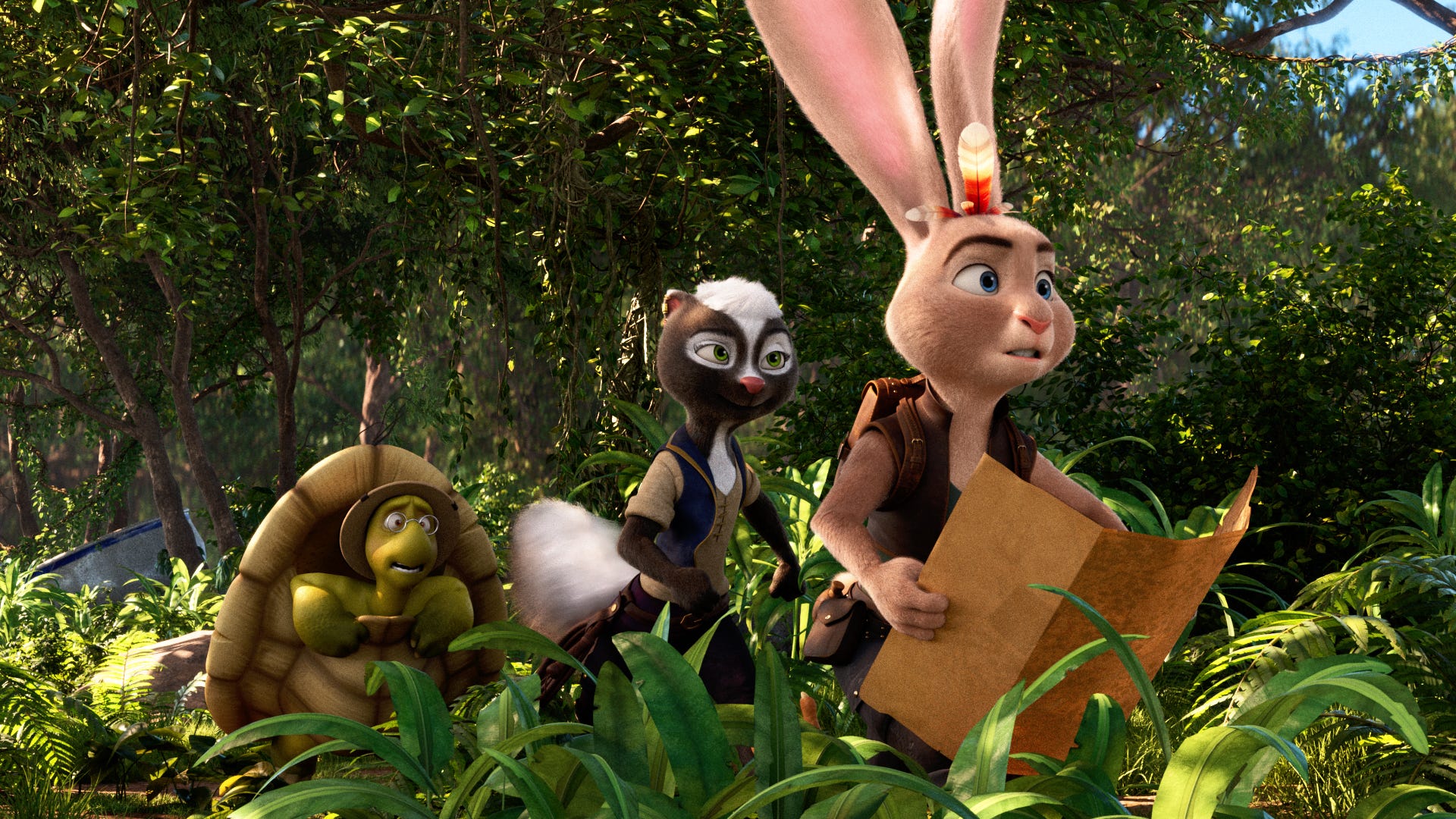
This week: A conversation with Matthieu Zeller, President and CEO of nWave Studios, on building original animated features outside the US studio system. On the eve of release of ‘Chickenhare and the Secret of the Groundhog’, Matthieu took us through nWave’s financing model, why constraints sharpen the work, and why he trusts kids with sophisticated stories.
nWave has spent 31 years making original animated features on European financing and budgets a fraction of US studio spend. Matthieu argues the mid-budget, character-first family film, once the anchor of theatrical and home video, has been left behind by an industry fixed on franchises and streaming. Chickenhare is his answer.
Matthieu focuses on one idea: the character comes first. Chickenhare began as a graphic novel from Chris Grine, published by Dark Horse Comics, with a cult following rather than mass sales. Sony Pictures Animation optioned the rights around twelve years ago and developed a version with a hired writer, then shelved the project. Matthieu asked Sony to hand him the property, and nWave built two films from the world rather than the plot of any single book.
The throughline exists in one line of dialogue from the first film. Chickenhare’s adopted father asks what makes his son special, and the boy replies he wants to be normal, not considered a freak. Matthieu ties the whole franchise to a feeling of difference, and to a resolution the characters reach through conversation and friendship rather than violence. He has grown tired of family films built around a fight or a battle, and he wants stakes solved by characters talking, disagreeing and finding an answer.
nWave began 31 years ago in 3D films for IMAX and theme parks, work the studio still does today. The first feature, Fly Me to the Moon, arrived around 17 years ago and the Secret of the Groundhog stands as roughly the studio’s twelfth feature. Matthieu compares their origin to Blue Sky Studios, famously behind the Ice Age movies.
nWave develops, finances, distributes and sells its own films, with no external sales agent. Output deals with loyal European distributors cover the cost of production, so the US and the rest of the world become upside rather than a requirement. Matthieu says that it’s largely based on trust, but is clear about the risk. Financiers chase known IP and back established properties, so his job of selling fresh stories is to convince partners to bet on new characters who might become tomorrow’s big IP.
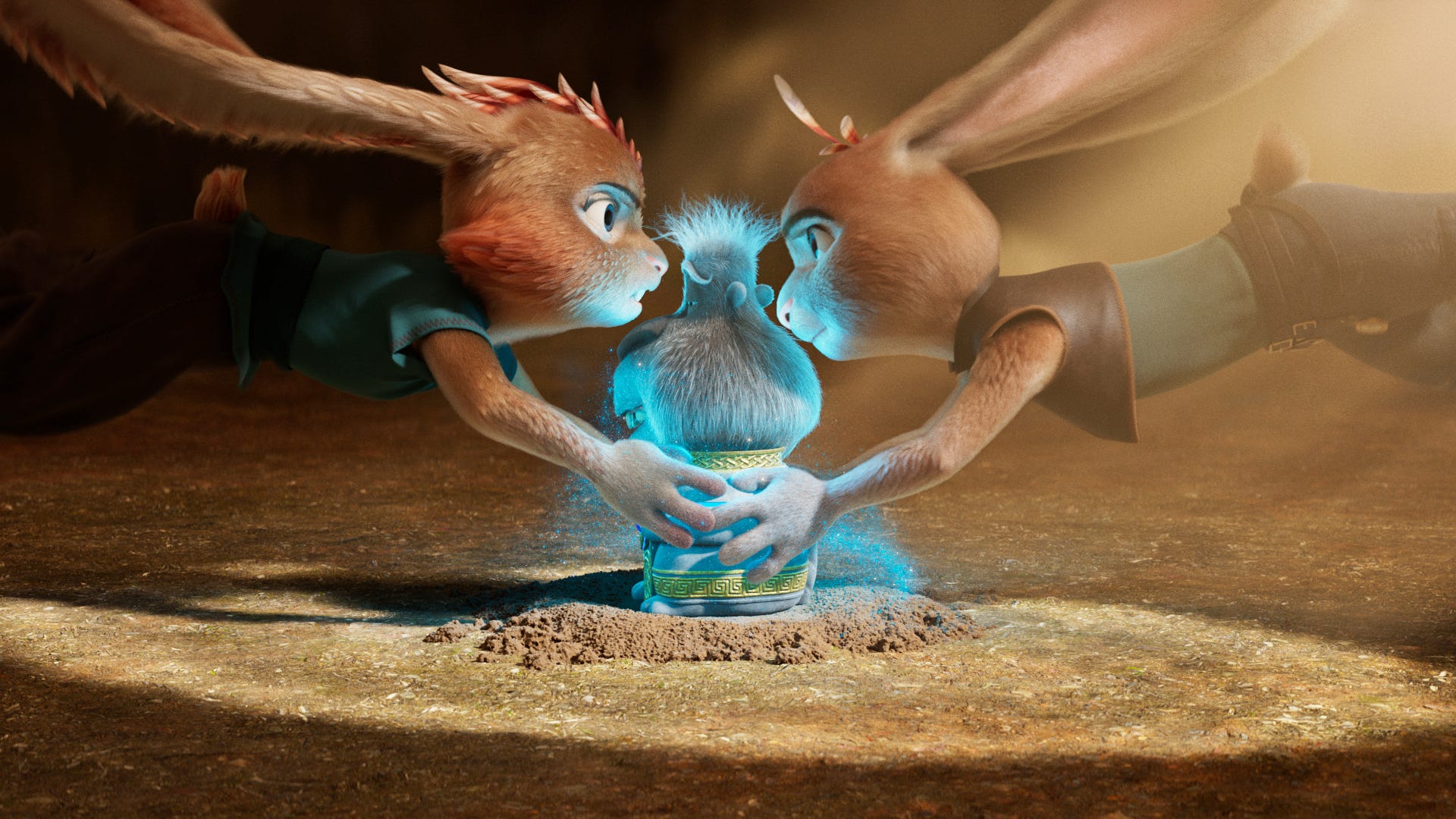
nWave animates main characters with 600 to 700 control points, which offers the facial nuance and emotion that AI cannot reproduce. The studio runs 50 to 60 talking characters per film, fewer than a Disney feature, and reuses settings with intent. In the first film, the obstacle course and the final chase share one arena, so the hero fails and later triumphs in the same place, a clever reuse that serves story as much as budget.
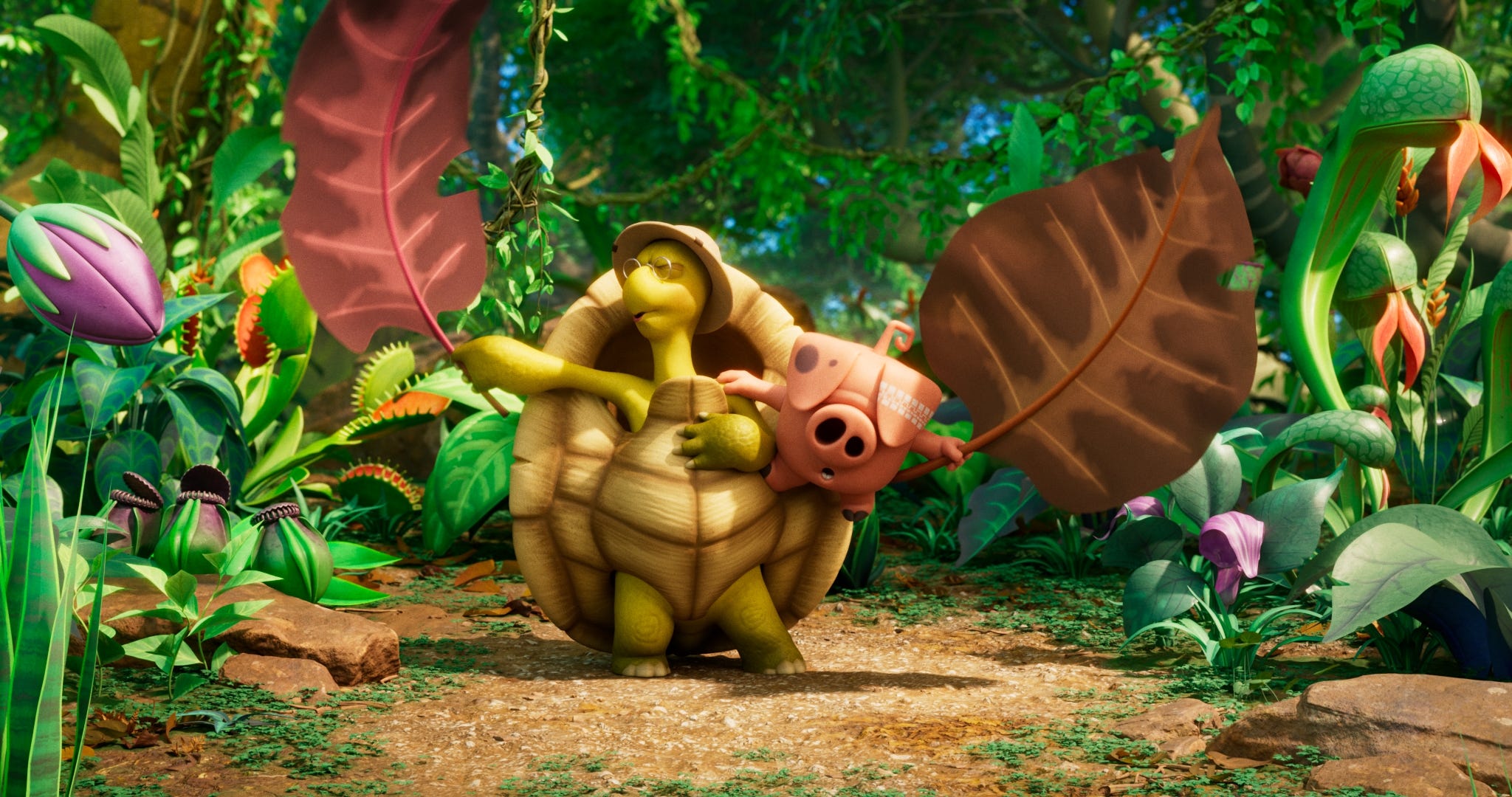
Matthieu rejects scripts written to work only in animation because live action cannot afford them. His view is clear: a story impossible in live action gains nothing from animation, and the budget for such a film would be absurd anyway. He treats limited money as a creative advantage, pointing his artists toward vision and invention rather than complaint about lack of funds. The square piggies in the film, a fan favourite, came from in-house artists working within technical and budget limits, an example of constraint producing something new.
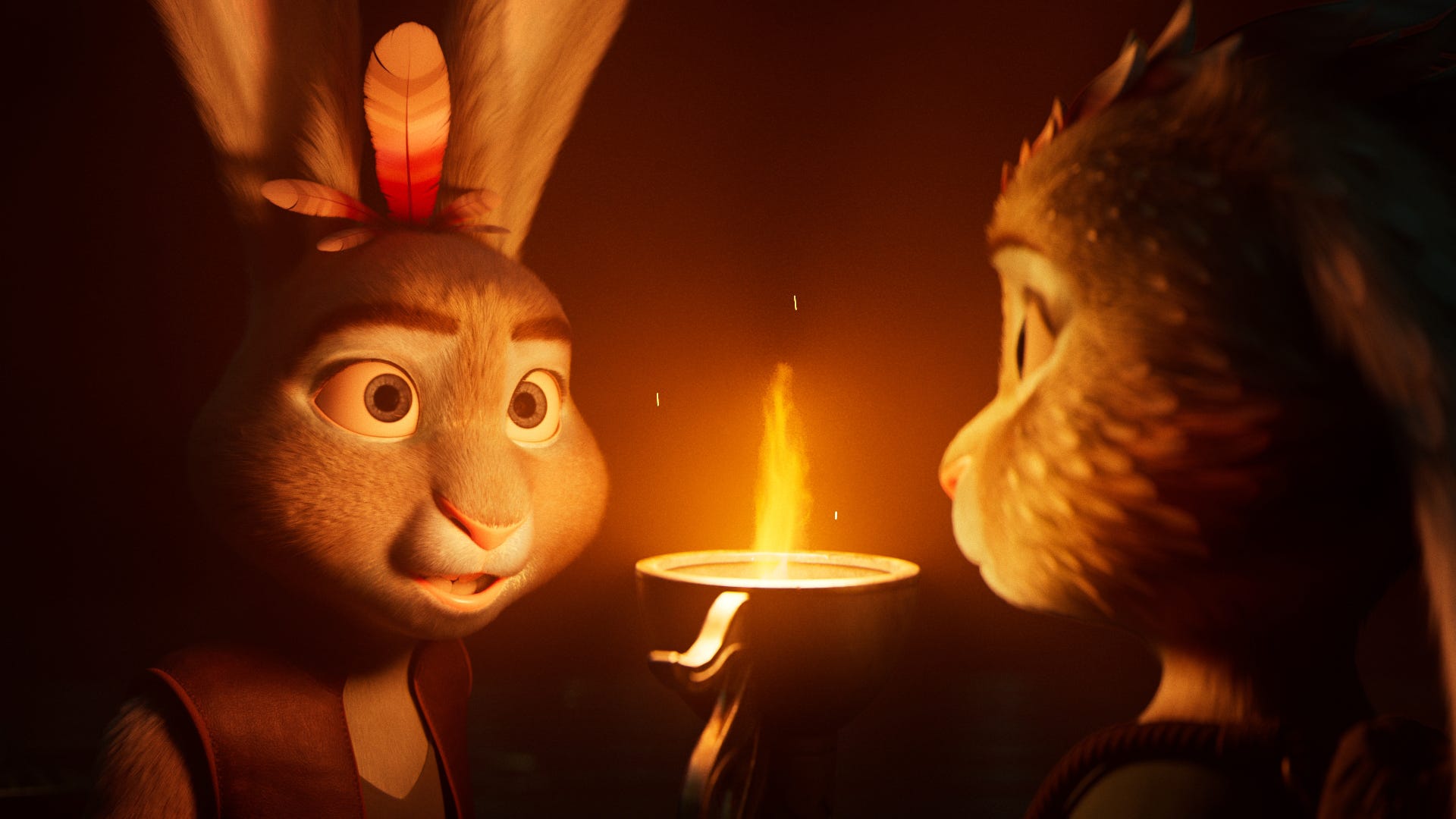
Our favourite point of Matthieu’s was about how test screenings taught him that children read sophisticated stories with ease. Chickenhare and the Secret of the Groundhog runs three parallel storylines in its second act, edited together, and 5 to 7 year olds follow the structure without trouble. Adults in the room worried the ending ran too complex but the kids around them proved otherwise every time.
He points to the fact that they’re a generation raised on YouTube with a fluency in story and visual language that go beyond earlier generations at the same age. Layered films reward this fluency with repeat viewing. Matthieu hopes a kid who enjoys the film today rewatches in 3 years and finds a new political layer, a social layer, a father and son relationship. The industry, he argues, loses respect each time a team talks down to children.
Matthieu says the first Chickenhare performed strongly on Netflix, outperforming far more expensive titles, and he wonders whether one small budget beating big ones unsettles the industry. Expect the mid-budget original family film to draw fresh interest as streamers and distributors look for margin, because a title costing a fraction of a tentpole can still deliver strong viewing and rewatch value.
But, as he cautions, streaming can be an unreliable partner. Netflix bought two nWave films and then stopped, so Matthieu keeps streaming out of the core plan and leans on European output deals. Expect more independent studios to copy the fully integrated model, owning development, financing and sales, as a hedge against platform buyers who arrive and leave without warning.
For the rest of the conversation listen to the full Kids Media Club podcast episode for deeper insight from Matthieu Zeller.
Connect with us at www.kidsmediaclubpodcast.com or find Jo Redfern, Andy Williams and Emily Horgan on LinkedIn.
No posts
Comments
Nothing yet. Say the first thing.
Sign in to join the conversation.