
In this edition of the Kleptocracy Report:
We celebrate the young people of Tanzania and Cameroon, who refused to be played in sham elections and have taken to the streets demanding redress, democracy and the world’s solidarity.
Simultaneously, we mourn the hundreds of protestors who were shot dead by security forces in both countries - military and police who are still benefiting from support from their countries’ post-colonial partners in the West.
We also mourn Siham Hassan Hasaballah, a young leader of Sudan’s Justice and Liberation party, who was elected as an MP in 2016, ran soup kitchens for the starving after the war began, and was executed this week by RSF militia (armed by Western ally, the UAE).
Estacio Valoi revisits the Montepuez ruby mine in Mozambique, finding that villagers continue to be killed for what they call the “wealth beneath their feet.”
A cross border team followed Ghanaian fishers who left villages because of overfishing, following the fish to Denmark.
ZAM presents its new project, the Kleptocracy Collection Living Archive, which weaves a tapestry of connections between foreign greed and local corrupt interests in Africa.
And stories from the network!
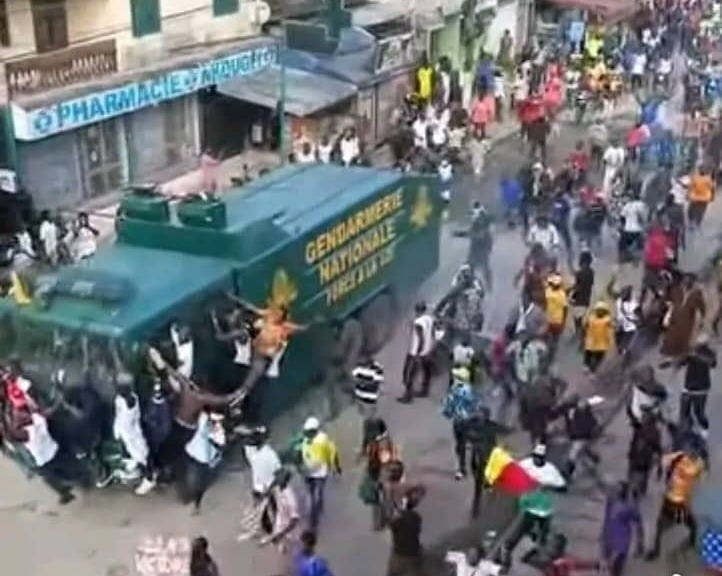
The ruling politicians and bureaucrats in Cameroon may often be 80+, (and sometimes, as in the case of its president, 90+), while the RSF militia warlords are probably considerably younger, but they have a lot in common. Both parties sell out their countries’ natural wealth in exchange for foreign weapons that help maintain their domination over citizens. And both kill these citizens when they feel said domination can only be preserved by doing so.
So does Samia Suluhu Hassan, president of Tanzania, who has gained fame as a crucial member of a regional ‘abduction syndicate’ of East African autocrat leaders, who send kidnap and disappearance squads across each other’s borders, targeting activists. In her elections on 29 October, ‘Idi Amin Mama’ had, like her Cameroonian (and Ivorian) colleagues, banned opposition from even participating and many didn’t even bother to vote at all. On the streets, they instead directed their ire at the ruling politicians and agencies of the oppressive state; as this is writing, they are marching on the seat of government in Dar es Salaam.
In Sudan, meanwhile, former MP Siham Hassan Hasaballah, who ran soup kitchens from her home after the war began, was one of those executed by #RSF militia in Darfur.
All these murderous leaders and warlords are propped up by foreign powers. To disperse protests, Cameroon uses armored personnel carriers provided to it by the UAE. It also reportedly allows its Douala port for transfer of UAE weapons to the RSF in Sudan. Israeli operatives train and equip Cameroon’s Rapid Intervention Battalion (BIR). The reign of the dictator still receives ample ‘development aid’ from France and elsewhere (meek ‘human rights’ concern, at times uttered softly by Western diplomats, regularly met with the same regime’s outrage about “Western colonial interference”, has become an embarrassing cyclical farce.)
The Dutch government, anxious to keep African citizens from leaving Africa, trained the Tanzanian immigration service to keep its people within its borders. The same service recently abducted activists and handed them to a torture squad
Egypt helps the Sudanese Armed Forces, which is simply the other military cartel in Sudan. And Western banking sanctions only help to hurt an already starving people. In a previous Kleptocracy Report we republished William Shoki’s piece on Sudan from Africa is a Country, which explains how Sudan has become a template for kleptocratic war.
Sudan is an extreme case. But wherever in Africa kleptocracy reigns, from Ivory Coast and Morocco to Tanzania, Mozambique, and Madagascar, citizens are arrested, kidnapped and killed there, too, especially at elections time. “The sitting regime accuses its critics of being agents for Russia, but all they want is clinics with actual medicines in it”, says our correspondent Selay Kouassi from Ivory Coast, where elections were ‘won’ last week by an 84-year old president, now reigning for the fourth time.
This is a sad report. We feel like the old man in the Cameroonian video clip who stood outside, his arms spread wide in disbelief, when the news came that the old dictator was once again back on the throne. “It isn’t true”, he kept repeating. “It isn’t true.”
It wasn’t true. The elections were a fraud and people everywhere on the continent have had enough. But we fear that, as long as the world keeps propping up African kleptocrats, killings will continue. How much longer before democratic forces for change get some real support?
We produce the Kleptocracy Report with a small team of African investigative journalists. Your support can help us to keep publishing in freedom and open gateways for democratic change. Read more about our work and funding here.
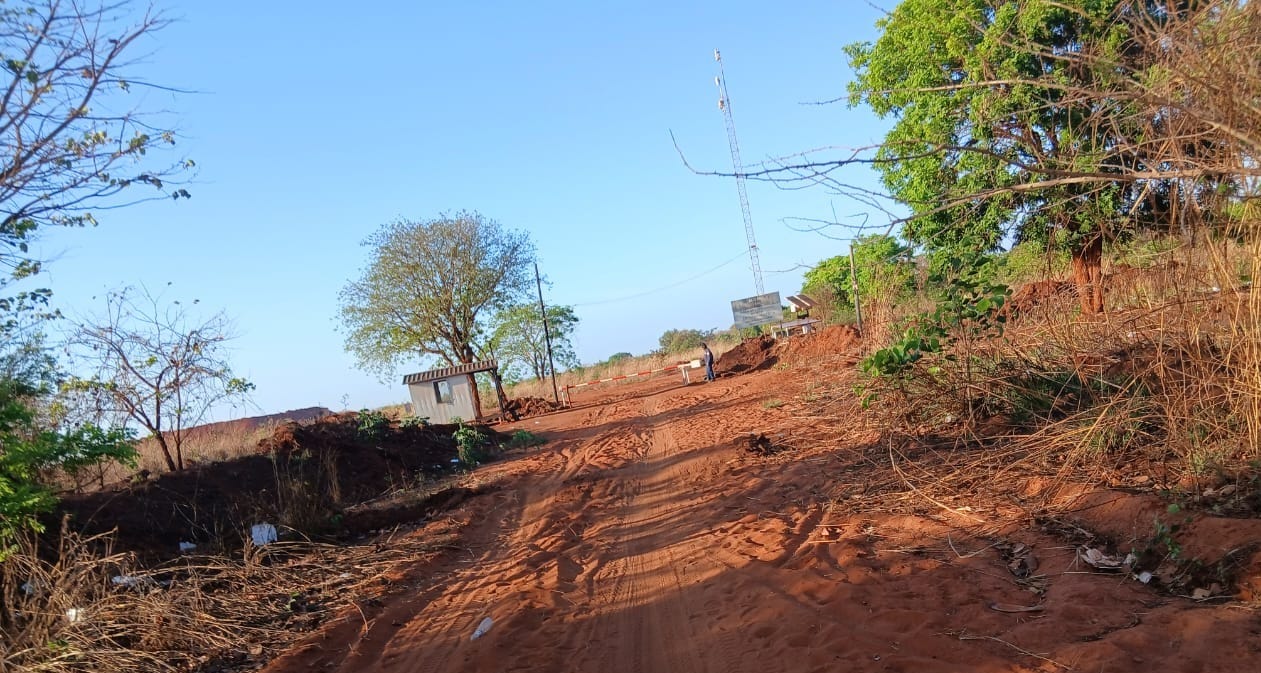
Exactly ten years ago, in 2015, ZAM published the investigation The Ruby Plunder Wars of Montepuez. It revealed that in Montepuez, Mozambique — home to the world’s richest ruby deposit — a “local general pockets proceeds while artisanal miners get shot by Special Forces.” The report was met with vehement denials of responsibility by the majority mine owner, UK gemstone giant Gemfields, and with stony silence from its Mozambican partner Mwiriti, owned by ruling party Frelimo VIP, General Raimundo Pachinuapa. Ten years later, the killings continue while the World Jewellery Federation discusses “responsible sourcing” of gemstones in Africa at a conference in Paris.
Estacio Valoi reports.
Read The Killings Behind the Gate here
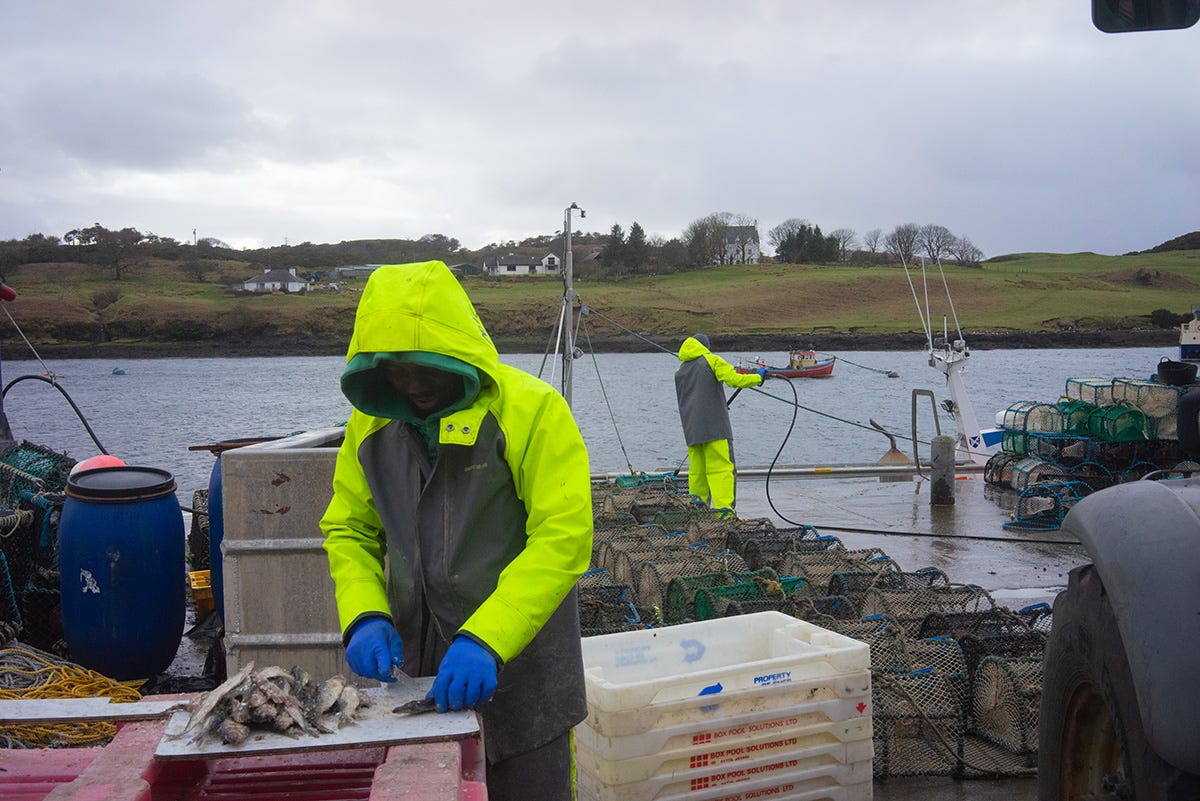
Ghanaian fishermen who migrated to Europe because of overfishing along Ghana’s coastline have found themselves exploited in the European fishing industry. The companies that depend on their labour do little to ensure decent working conditions, a situation worsened by weak regulations and the rise of populist anti-migrant rhetoric in the global north. Interestingly, however, circumstances seem to be improving on the Ghanaian side: at least one crew has returned home, leaving Western Europe to contend with its own labour shortages in the fishing sector.
Read our fishy investigation here
Kleptocracy became one of ZAM’s central themes after our colleagues in the Network of African Investigative Reporters and Editors, investigation after investigation, kept uncovering files and dubious agreements hidden in back rooms, tracing mansions, vast estates, private car parks, Swiss bank accounts, and New York shopping trips back to their beneficiaries. Finding underlying threads and patterns that seemed to emerge, repeat, and endure as we delved deeper into Africa’s kleptocracies, ZAM’s editorial team set out to create a way to highlight them.
The Platform for Investigative Journalism (PIJ) in Malawi published its first issue of The Gleaner, a new PDF magazine that explores the shenanigans of the country’s powerful politicians, from their role in a shadow economy to the beating up of opponents. Peruse it here.
Also exposed by the PIJ: a bankrupt company from Romania pursues state capture in Malawi, paying here there and everywhere to get the juicy contracts.
Nigeria is not the safest place to be a journalist to begin with, but according to our partners at Premium Times, Imo State is by far the worst! Read their special report to find out what our colleagues are dealing with there.
When our Kenyan colleagues of Africa Uncensored delved into illegal fishing in Lake Nakuru, it found families living in fear of wildlife rangers. It’s all in their report titled The Last Catch.
How fair is not fair: trying to use ‘conflict-free’ minerals from the Congo doesn’t work as long as there’s a war on and big interests remain at stake.
(Yet another) carbon credits scam, this time in Kenya. (Is anyone still taking these projects seriously?)
The kleptocrat hunters: news from African and Global Investigative Journalism Conferences!
Stay tuned!
ZAM works with investigative reporters in African countries to bring you this content. Please subscribe, preferably paid, to support and enable more ZAM and NAIRE Kleptocracy Reports.
Comments
Nothing yet. Say the first thing.
Sign in to join the conversation.