
Marketing & PR for Indie Films is a reader supported publication: if you’d like to upgrade your subscription for $5/mo or $50 a year, or to learn more about marketing and PR for your #IndieFilm and work with me, click here.
Kelli McNeil-Yellen is a twenty year marketing and PR pro who finally made the leap to indie filmmaking with her award-winning Slamdance film DARUMA, now available on platforms. Learn more about DARUMA here. To work with Kelli, click here.
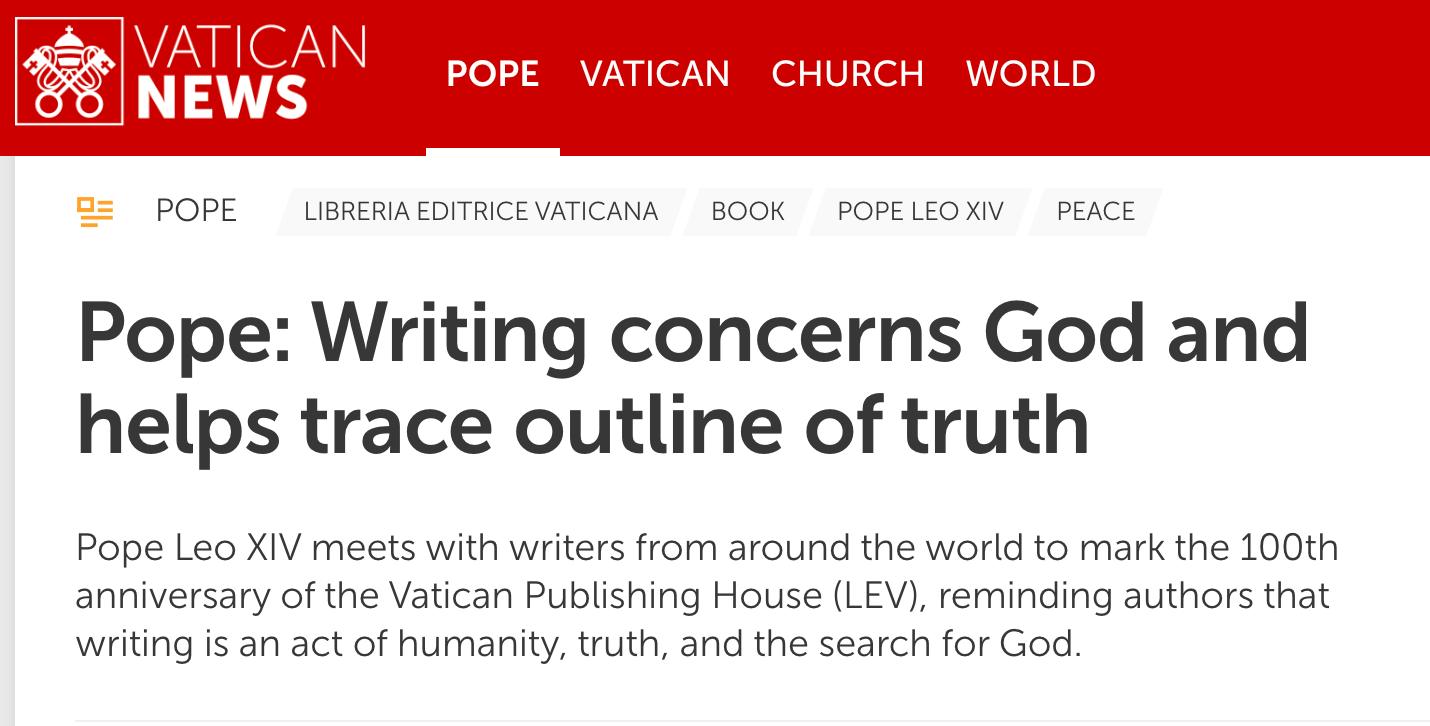
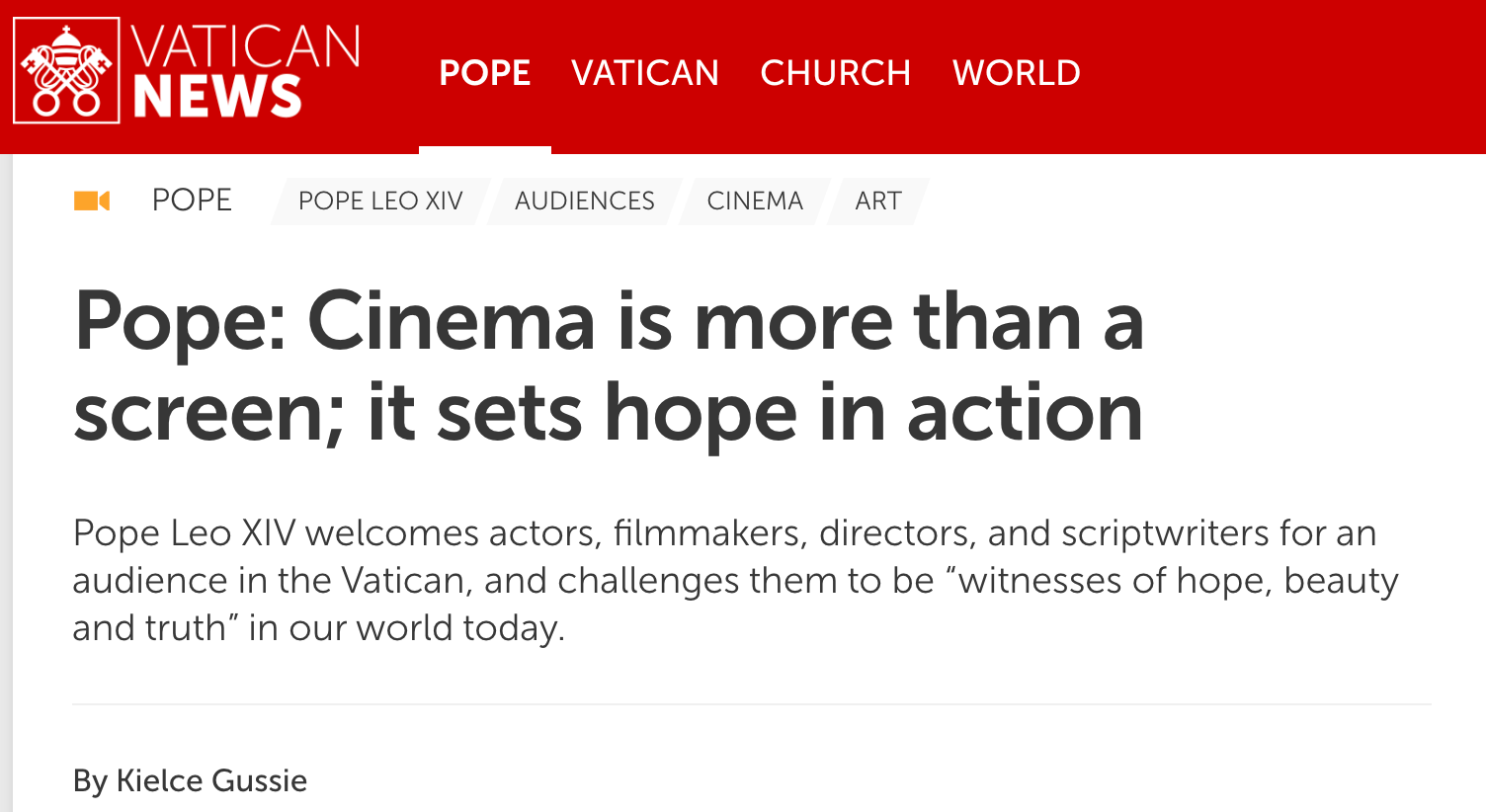
“We need you. We need your imagination, your narrative creativity, and your lively thinking. We need these to create spaces of freedom and authenticity, within which divine grace can make the promise of consolation and peace resound.” - Pope Leo XIV
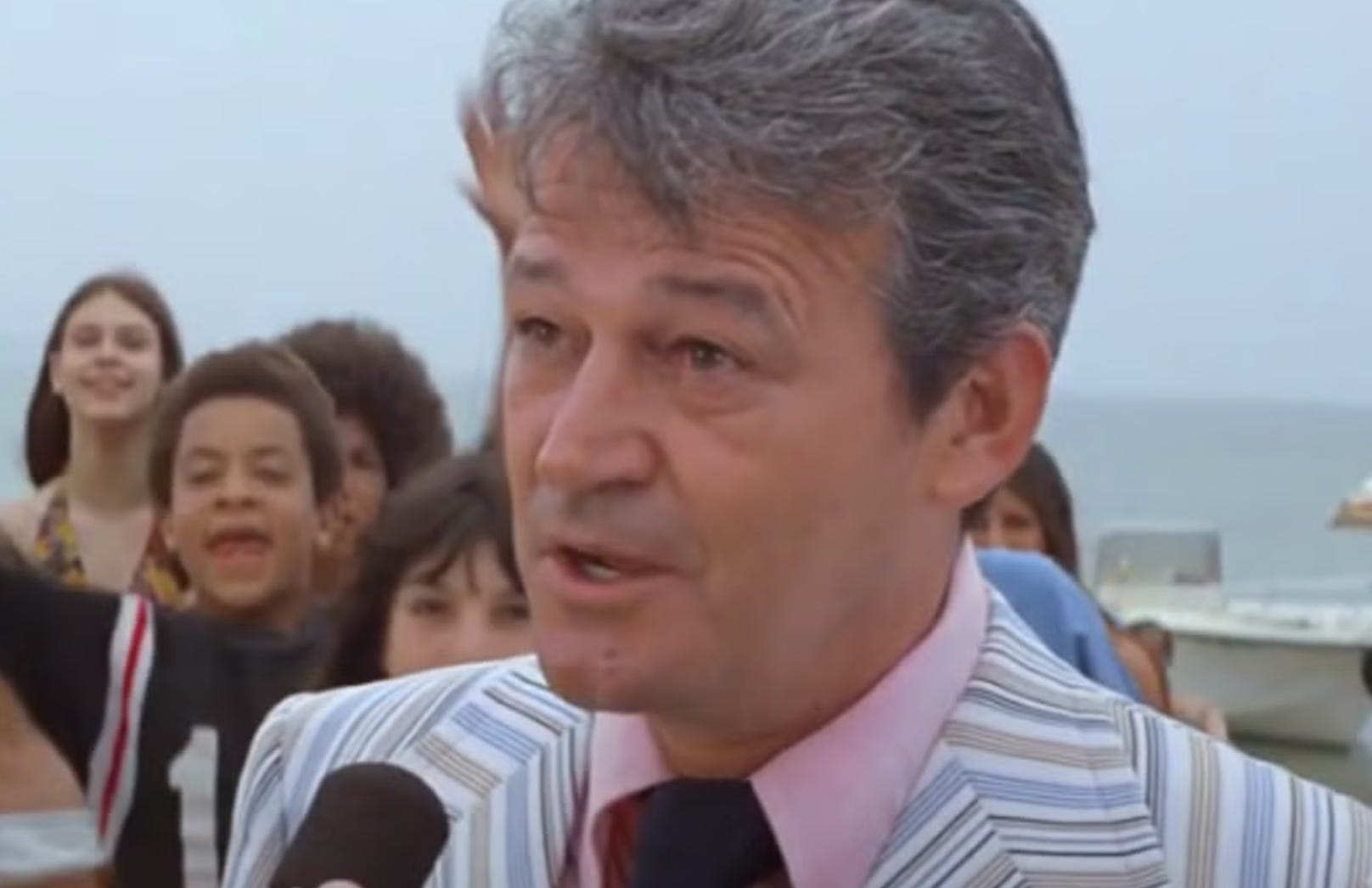
“Nobody liked Chrissy, anyways.” What Mayor Vaughn probably said in JAWS.
But what those in charge may not realize at this moment in time is that refusing to pay independent filmmakers fairly isn’t just hurting filmmakers, it’s hurting the business model itself. Where is tomorrow’s inventory supposed to come from if today’s filmmakers stop giving their films away?
Monopolies don’t just consume competitors: they consume the ecosystem that keeps them alive and platforms have spent the better part of two decades behaving like a Mayor Vaughn when it comes to indie film. - Marketing & PR for Indie Films from KLA Media Group
Last year I went to a 50th anniversary screening of the classic Steven Spielberg movie, JAWS, at The Hollywood Bowl. It was July 5th, the day after the 249th anniversary of our country’s independence and the day after the “Big Beautiful Bill” was signed in the oval office of the People’s House which passed legislation that permanently extended tax cuts for the wealthiest Americans while making deep cuts to programs relied upon by millions of lower-income families.
As I was watching the scene where Chief Brody argues with Mayor Vaughn about closing the beaches for the safety of the community, it hit me: the real villain in JAWS wasn’t the shark; it was Mayor Vaughn and his willful indifference to the fact that a flesh hungry monster was prowling the shores of his province’s beaches and rather than keep people safe, he opted to put them in direct harm by lying to them when really it was a ploy to “not ruin the summer season” aka, the extractive economy we find ourselves in.
Profit over people. Sound familiar?
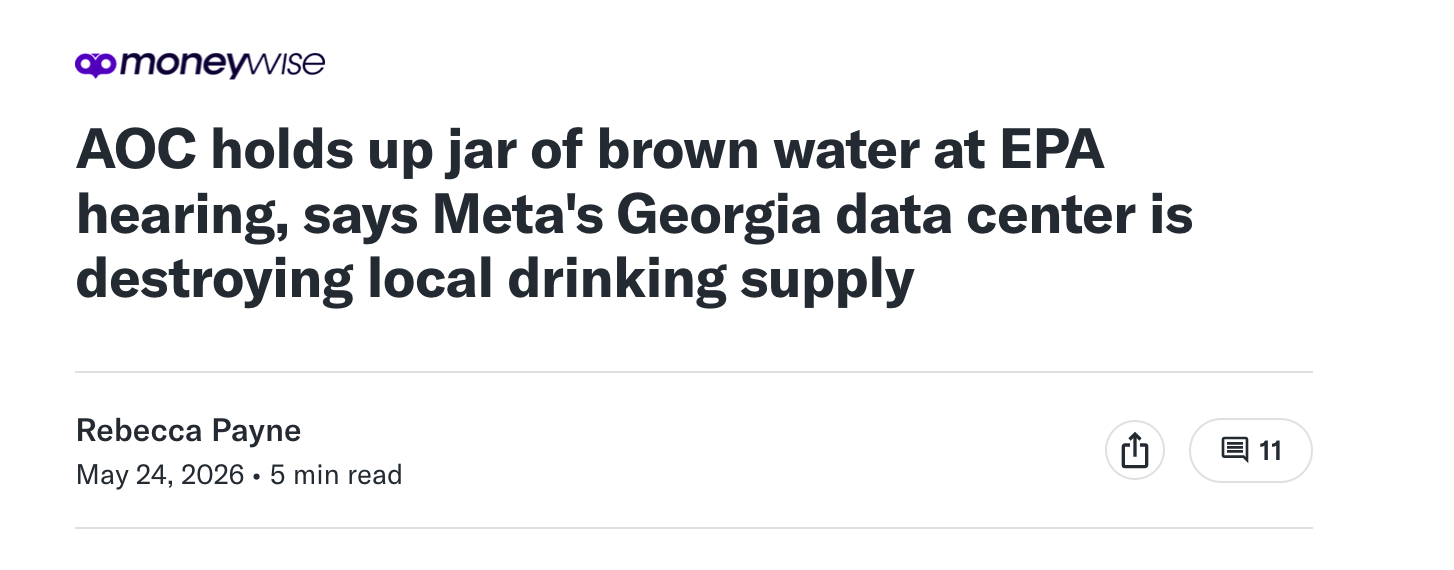
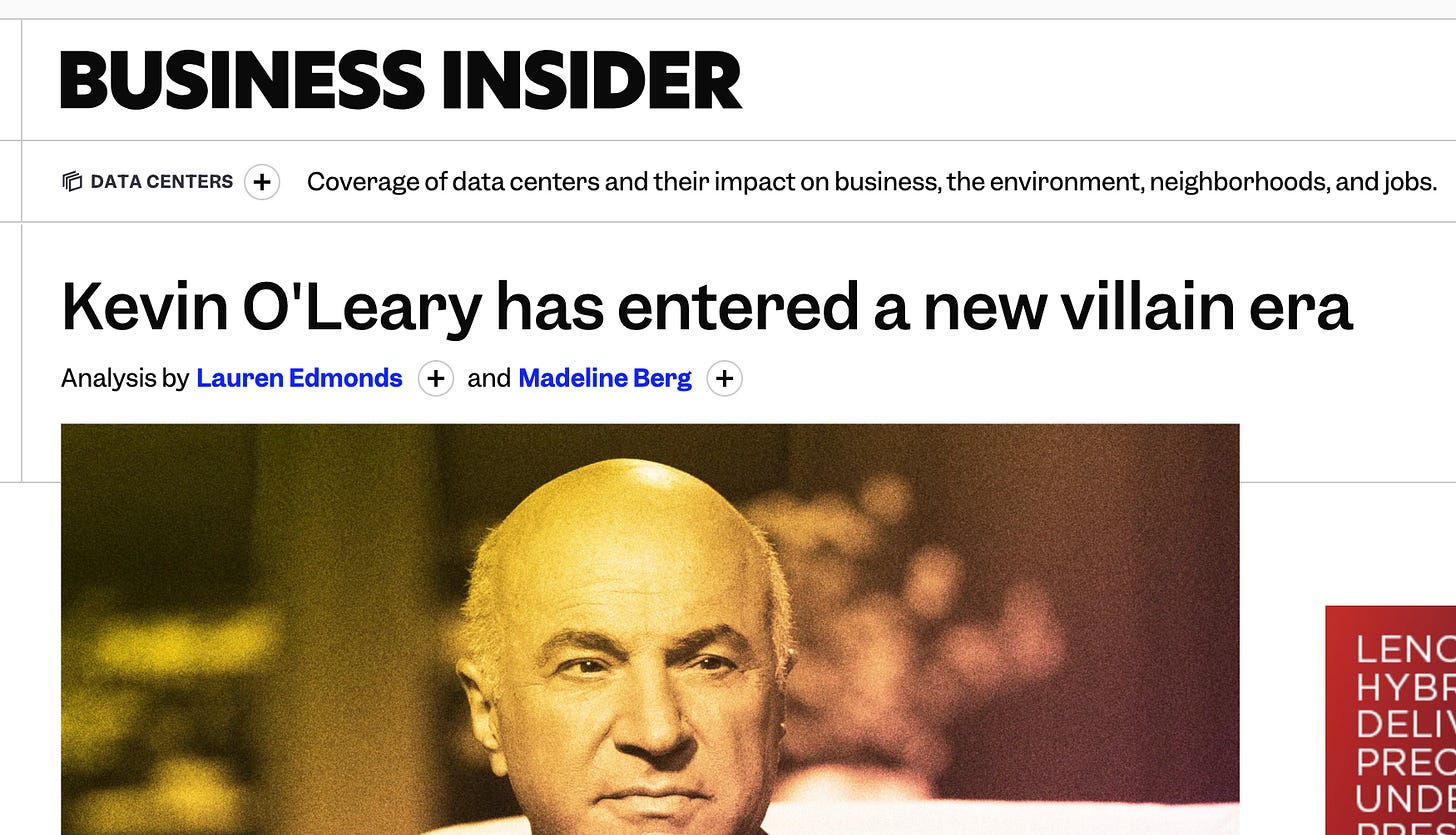
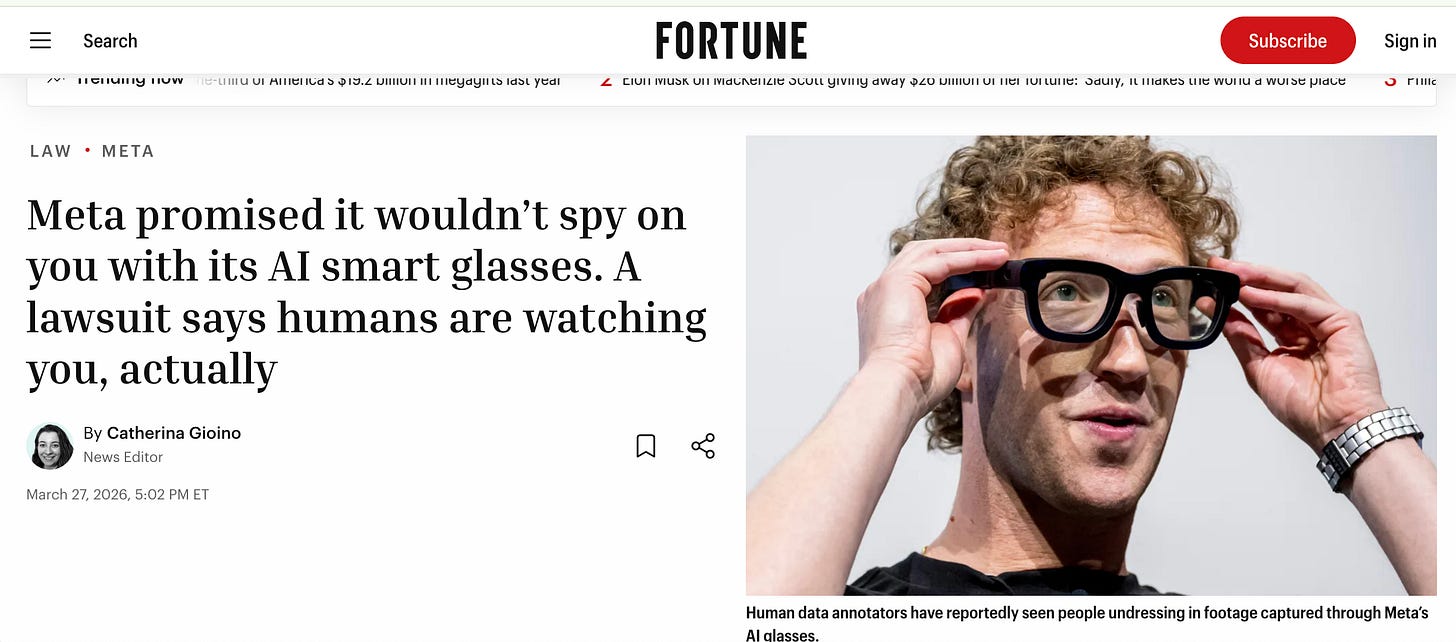
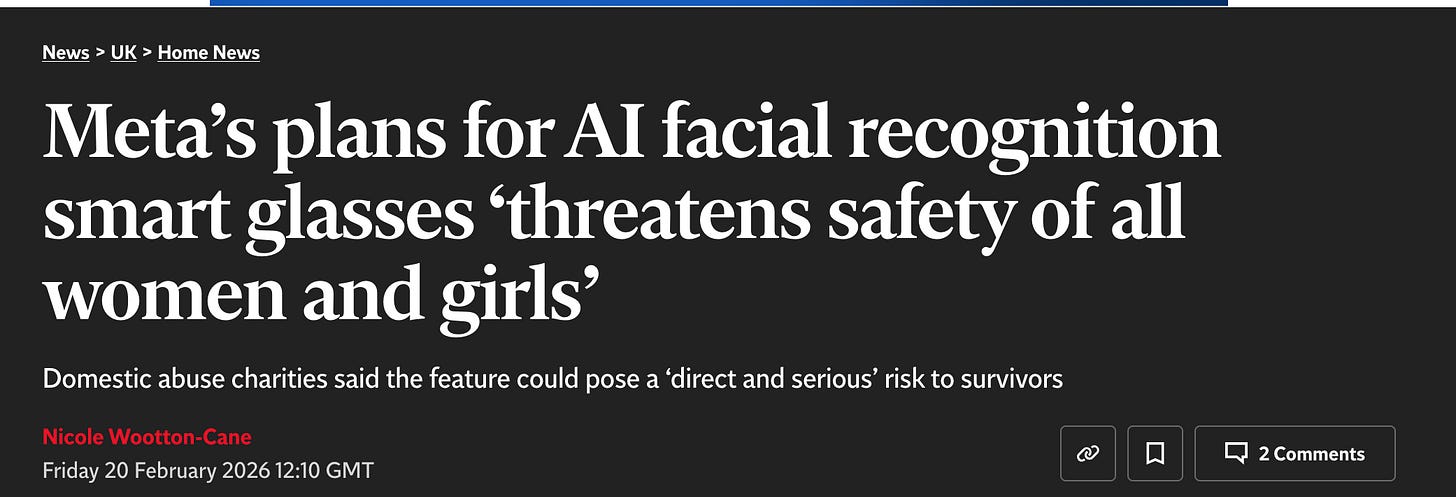
As I watched the movie for what was possibly the hundredth time, I saw the parallels between Mayor Vaughn and the modern day robber barons we’re currently up against (no need to name names, we all know who they are) and I make the key assessment in this month’s free newsletter: platforms have spent years extracting value from filmmakers while paying pennies in return.
The assumption is that there will always be another filmmaker willing to sign the deal, give away another movie to upload, find another catalog to monetize. But eventually you reach the same question facing every extractive industry: what happens when the resource stops replenishing itself?
It’s as if the proverbial Mayor Vaughn is running the current independent film distribution model (aka the platforms).
In the film, Mayor Vaughn refuses to acknowledge that a shark attack killed a young girl named Chrissy because it’s the biggest season of the year economically for their town. If they close the beaches, well then, all those big, beautiful bucks they might earn from tourist dollars will vanish.
So screw Chrissy and by extension everyone else (ie the filmmakers): we need our big beautiful beach to be open. Better to lie about it and say it was a boating accident, caused by Chrissy’s own carelessness than admit the truth. Maybe Chrissy should have pulled herself up by her bootstraps instead of drowning (aka you should have made a better film, gotten into a better festival or ran a better campaign, etc). What a bunch of losers.
Never mind that it’s all a lie and even though Mayor Vaughn knows there’s a predator lurking out in the water that might kill again, he directs the chief of police, Brody, to reject what he saw with his own eyes and lie to their constituents, the people they were elected to represent and protect and keep the beaches open anyways.
And after they re-open the beaches, guess what? Another child needlessly dies.
Just before this second attack, the Mayor can be seen going around to people on the beach, whispering threateningly for them to get into the water and feign a sense of normalcy. But people are scared: they know this isn’t normal. And they don’t want to get in the water because they know it’s bad for them, they know what’s in there, and yet because the Mayor bullies them, they do it anyway, like lambs being led to the slaughter.
We cannot continue like this. If there is no money to be made, there is no incentive to make the films.
And we’ve been sounding the alarm. There are calls to block the merger. We’ve been vocal about needing more tax incentives to keep production here in the US and more specifically Hollywood. Strikes have happened and netted almost no gains.
Heck, even the POPE has expressed how important artisans are, not once, but twice:
But alas, none of that has worked or will work fast enough to stop what’s coming because we’re in an extractive economy, not a regenerative one and the people pulling the strings are going to keep gouging until there’s nothing left.
As I was writing this, a video from Pete Ohs appeared in my timeline from Subway Takes:
I don’t agree with having a budget cap of $1MM to make a movie but I do agree with the notion that when so much money is spent on $150MM blockbusters, the proverbial “they” makes sure that it’s the ONLY thing people can see.
Perhaps this is why, as of now, based on conversations with filmmakers and revenue reports, indie filmmakers make about $.06 cents PER HOUR watched on AVOD platforms that are owned by the technobroligarchy. And AVOD platforms are pretty much the only place filmmakers have to go to ensure their movies get seen. Are you telling me the ad revenue from these platforms is so tiny they can’t pay filmmakers more? No, it’s because they don’t want to. They know that there are limited options and that audiences have been trained to think that film is free and therefore something that they should not pay for.
And while their main business model is subscriptions and ad revenue, why not keep taking these little indie films? They probably won’t make a ton of money but what the heck? Acquire enough of them to pad the bottom line with extra revenue at little to no cost to the platform. And what choice does the filmmaker have?
The Mayor Vaughn’s of the world are the same people who increasingly control discoverability, advertising infrastructure, streaming platforms, recommendation algorithms, and in some cases even the news outlets which decide what films will get covered.
What else are we going to do?
You can take the crummy deal and hope you make some money back and make a name for yourself, or you can make pushing and promoting one or two films on the road a full-time gig, which I know and they know most people cannot do.
So at this moment in time, there’s not much indie filmmakers CAN do but as I’ve been saying for a long time, things are going to change and probably sooner than we think.
My prediction is that we’re about to undergo a seismic shift in the distribution model of indie films because filmmakers are no longer going to give their films away.
Here’s where I think things are going.
Even if I’m not right about most of this, I would bet that at least a significant portion of this comes to pass. My predictions for future of indie film distribution are as follows:
A collapse is coming. Think 1091 but worse. Most if not all mid-tier distributors are going to go bust.
The collapse will happen because there’s no money to be made in the current distribution models and producers and investors will get sick of it and look for alternative places to exhibit their films (which we're already doing). Filmmakers are increasingly cutting out the middleman and using FilmHub and Bitmax. The collapse will also happen because the once lucrative foreign markets are also no longer paying even small MG’s to license films. It used to be you could make decent money with those deals but international distributors are no longer willing to take the risk even for these small MGs and will only partner on a rev-share model and are copying the American way of doing distribution (great).
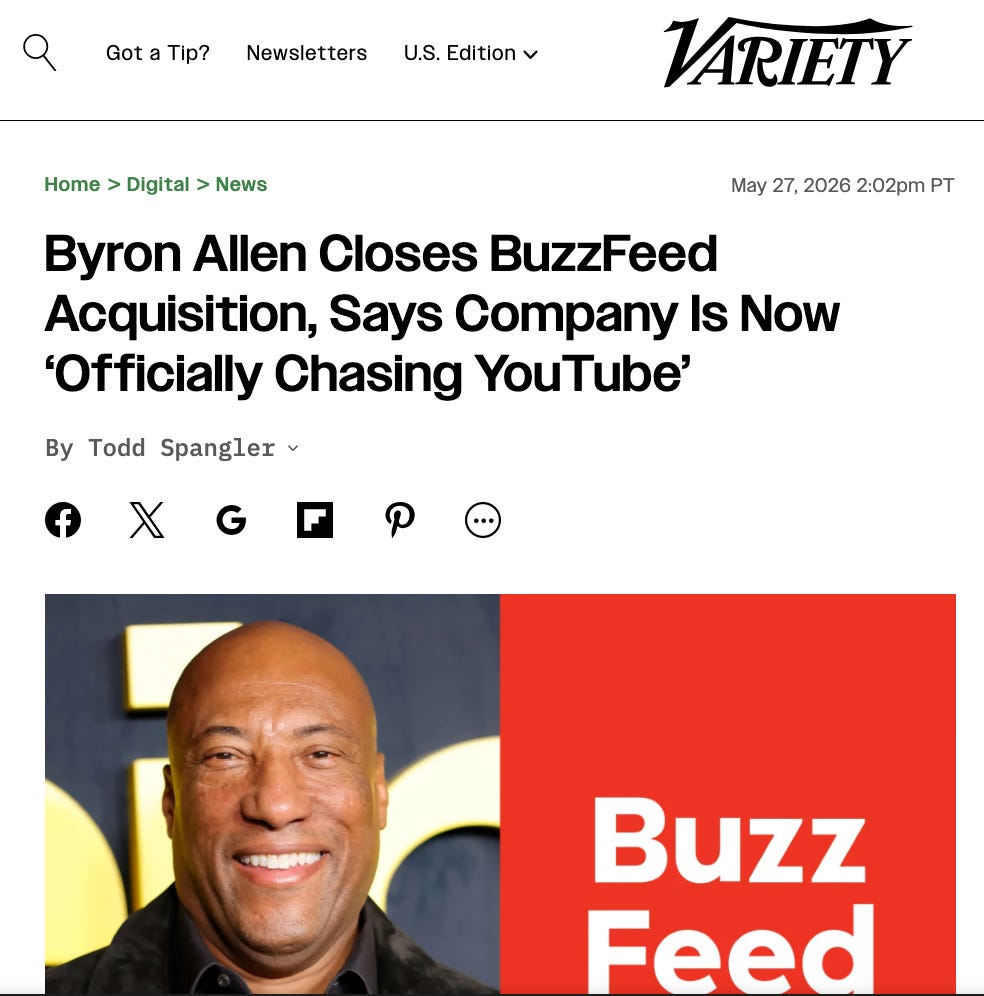
I predict that companies will be doing their own SVOD models. Think of an A24 style company that sells monthly subscriptions to users. Why would they split anything with a platform when they can BE the platform? Case in point:
I also think we’ll see a return to niche distribution. Instead of trying to appeal to everyone, companies will build businesses around serving highly specific audiences: horror fans, faith audiences, documentary lovers, animation enthusiasts, or regional communities.
More filmmakers will become distributors by necessity rather than choice and therefore their own brands. They will increasingly piece together hybrid releases, combining theatrical screenings, educational licensing, impact campaigns, direct sales, merchandise, memberships, and limited platform deals rather than relying on a single distributor to monetize their work. This means that they will stop giving away AVOD rights, which will expedite point #2 in this list.
Distribution companies themselves will evolve into marketing and consulting firms. Rather than acquiring rights in perpetuity, they’ll offer campaign management, sales representation, audience strategy, theatrical booking, and platform negotiations for a fee or limited-term revenue share. Which candidly, is something I’m looking at doing. If you want to talk to me, DM me. I’ve already built up my network for the PR side of things as well as with indie theaters and sales agents: I want to see about working with some films on a service deal model whereby I handle the marketing and PR as well as exhibition.
Investors will begin asking different questions. Instead of asking, “Who is distributing the film?” they’ll ask, “How does this project make money over the next ten years?” Intellectual property with multiple revenue opportunities will become more valuable than films with a single release window and films will be thought of as businesses unto themselves.
The filmmakers who survive won’t necessarily be the ones making the best films. They’ll be the ones who own their audience, control their rights, and understand how to build businesses instead of simply completing projects and turning them loose.
Less films will be made. It’s a simple fact. Investors and producers will stop putting money into films because there are currently no returns. And people will pivot to alternative forms of media production but will continue to try and make projects that get them noticed by the studio system. And they should. Go get that bag, which seems to be ever more elusive the more time goes by. But go get it.
The merger is going to happen, whether we want it to or not. And it’s going to happen because there are enough people in power who stand to profit from it either financially or politically and they’ll ram it through. And it will expedite the formation of the middle market, which I wrote about in February of 2025.
But what those in charge may not realize at this moment in time is that refusing to pay independent filmmakers fairly isn't just hurting filmmakers, it's hurting the business model itself. Where is tomorrow's inventory supposed to come from if today's filmmakers stop giving their films away?
Monopolies don't just consume competitors: they consume the ecosystem that keeps them alive and platforms have spent the better part of two decades behaving like a Mayor Vaughn when it comes to indie film.
Well, they’re about to discover what happens when there’s nothing left to eat, unless for some reason, they decide to pay up.
The remarkable true story of Lilly Ledbetter (Patricia Clarkson), a hard-working Alabama tire factory supervisor who discovers she’s been paid nearly half of what her male counterparts earn. Her fight for economic justice takes her to the Supreme Court and Congress, resulting in the landmark Lilly Ledbetter Fair Pay Act of 2009, signed by President Obama. Lilly was an ordinary person who refused to accept the status quo and had the courage to fight for what was right. Written and directed by Rachel Feldman, you can watch LILLY on Netflix or rent on YouTube at the link below.
If you have a finished feature length film (narrative or documentary) that’s available for people to watch that you’d like me to promote, click here to submit your materials. I do not promote crowdfunding campaigns but I also never charge to plug your film! This support matters and I hope you’ll spread the love around.
Every week I do a round-up of headlines that are pertinent to our business and list them here in my newsletter. I do my best to provide non-paywalled articles when possible! Here’s this week’s fresh catch:
Meet the creator tracking outlandish claims from AI executives every day
Hollywood Thrives on ‘Rabid’ Fans. For Publicists, They’re a Nightmare
The $50 Yoshi Popcorn Bucket Is Helping Movie Theaters Rake In Millions
Hollywood Production House Shadowcast Pictures Shuttering Amidst Industry Challenges
MS NOW Scraps Live Coverage After 6 PM on Weekends in Favor of Video Podcasts
OpenAI and Microsoft Sued for Mass Copyright Infringement by News Publisher Coalition
Thanks for reading Marketing & PR for Indie Films from KLA Media Group ! This post is public so feel free to share it.
Shoot me a message. Shoot me a message. We can get into the ins-and-outs of marketing, PR and distribution and talk through the best options for your film. I work with clients on both a retainer basis as well as on a one-time consultation basis and can tailor a plan based on your specific film.
Marketing & PR for Indie Films is a reader supported publication: if you’d like to upgrade your subscription for $5/mo or $50 a year, or to learn more about marketing and PR for your #IndieFilm and work with me, click here.
Kelli McNeil-Yellen is a twenty year marketing and PR pro who finally made the leap to indie filmmaking with her award-winning Slamdance film DARUMA, now available on platforms. Learn more about DARUMA here. To work with Kelli, click here.
Comments
Nothing yet. Say the first thing.
Sign in to join the conversation.