
‘Football, With Feeling’ explores the emotional side of the game that sits beyond results and narratives. No hot takes, no outrage, just honest writing about how the game feels.
Football teaches tribalism early.
Long before you understand tactics, league tables, or transfer rumours, you learn something much simpler. You learn who your club is, and just as importantly, you learn who your enemies are.
Football fandom begins with belonging; colours, chants, scarves and rituals mark the boundaries of the tribe. Once you cross into that world, the lines are drawn clearly:
Your club is right, their club is wrong.
Your heroes are noble, their heroes are villains.
This clarity is part of football’s emotional power. Rivalries need sharp edges. The opposition must be framed as the antagonist, otherwise the drama loses its shape.
However, every football supporter eventually encounters the same uncomfortable complication; a rival player appears who refuses to fit neatly into the role of villain:
You still want them to lose.
You still celebrate wildly when your team beats them.
But somewhere beneath the tribal instinct, something else creeps in...
Respect.
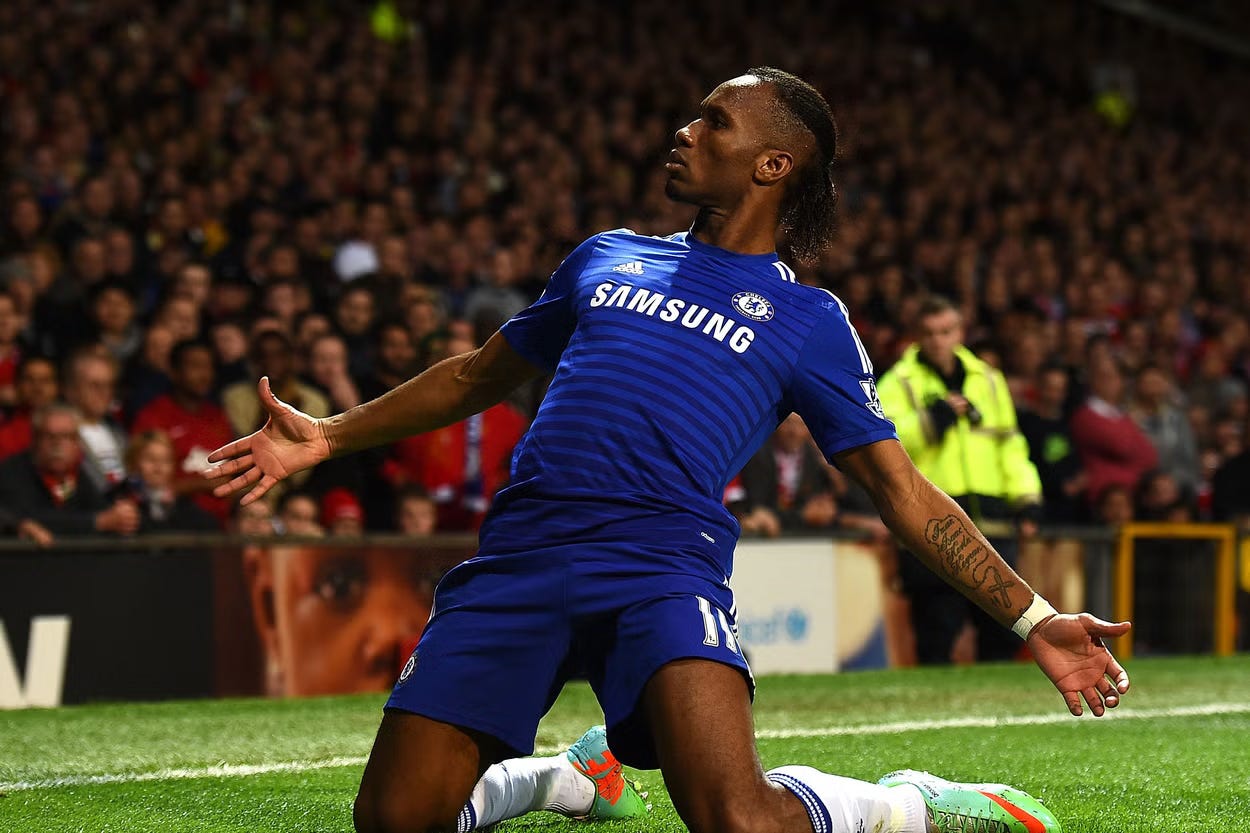
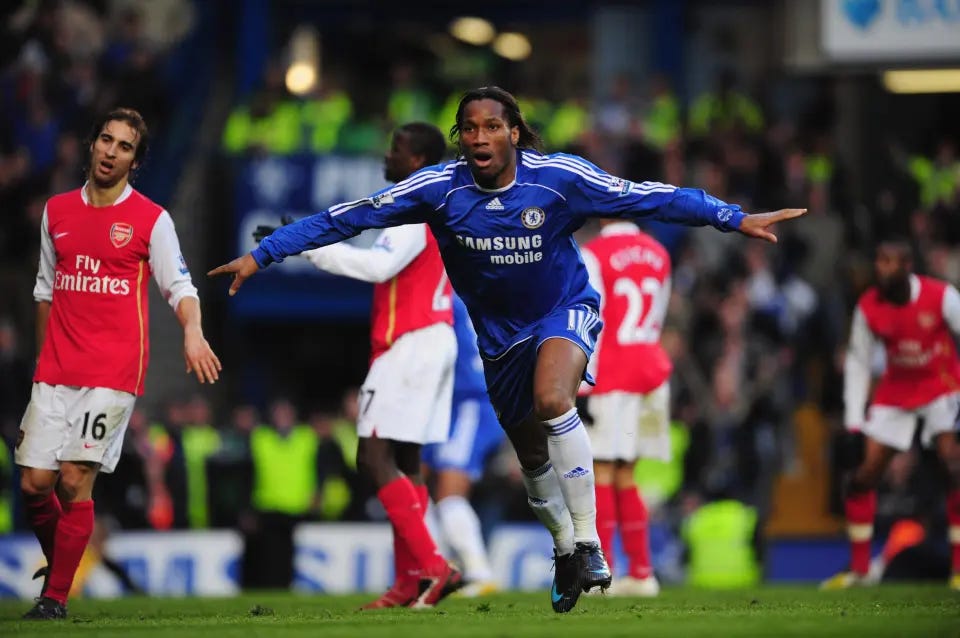
Arsenal supporters may never have loved Didier Drogba, but respecting him was unavoidable.
Drogba did not merely play for Chelsea, he seemed to exist specifically to torment Arsenal. Every major meeting between the clubs carried the same uneasy anticipation, and Drogba had a habit of appearing at exactly the wrong moment for Arsenal supporters.
Cup finals. Title races. Tense league encounters.
And more often than not, the story ended the same way.
A Drogba goal.
At first, the reaction was the predictable frustration, disbelief and irritation. Rival fans are supposed to hate players like this, that’s part of the ritual.
But as the pattern repeated over the years, irritation gradually evolves into something more complicated, because it became impossible to pretend that Drogba’s performances were accidents.
He was simply excellent.
Football rivalries operate like theatre.
Every rivalry needs characters: heroes, villains, moments of triumph and moments of humiliation. Without those elements, the emotional drama of football would collapse into something far less compelling.
So, great opponents strengthen the theatre.
Drogba’s goals didn’t just frustrate Arsenal supporters; they intensified the narrative of the rivalry itself. His presence raised the emotional stakes of every encounter between Arsenal and Chelsea.
You hated seeing him score, but you also understood that the match mattered more because he was capable of doing it.
The greatest rivalries often depend on players like this. They give the opposition a face, a figure who embodies the threat your team must overcome.
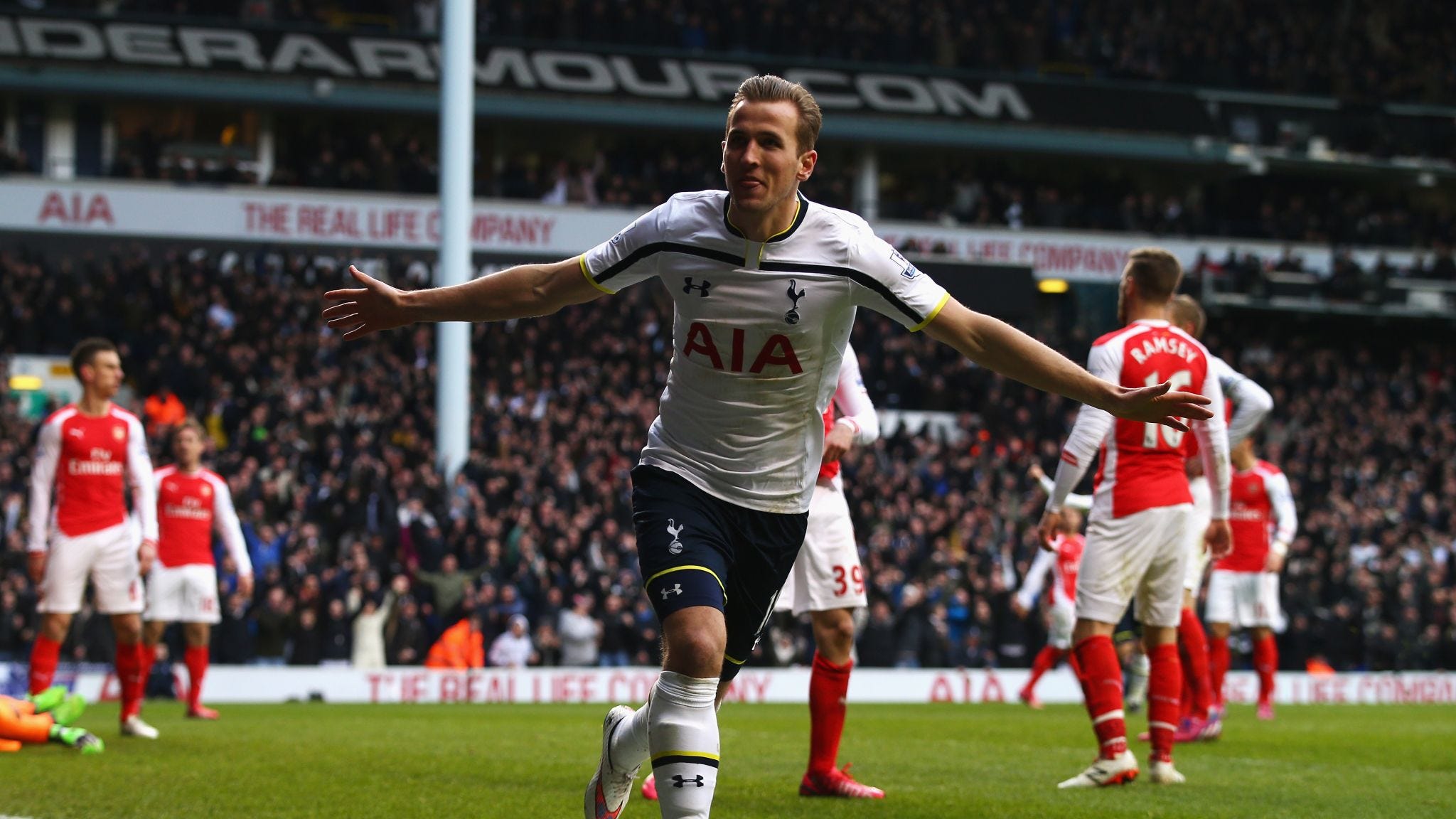
What makes this respect so uncomfortable is that it conflicts with the logic of fandom.
Football supporters are conditioned to see the world through the lens of loyalty, and admiring the opposition feels like a betrayal of that loyalty. But, the appreciation of excellence is difficult to suppress.
Even the most partisan supporter recognises when a player demonstrates extraordinary skill, leadership or resilience. The admiration may remain hidden, expressed only in private conversations or quiet acknowledgements, but it exists.
Sometimes it emerges in the form of grudging compliments.
“You have to admit, he’s a great player”
It’s rarely said happily, but it’s said nonetheless.
This phenomenon appears across football history.
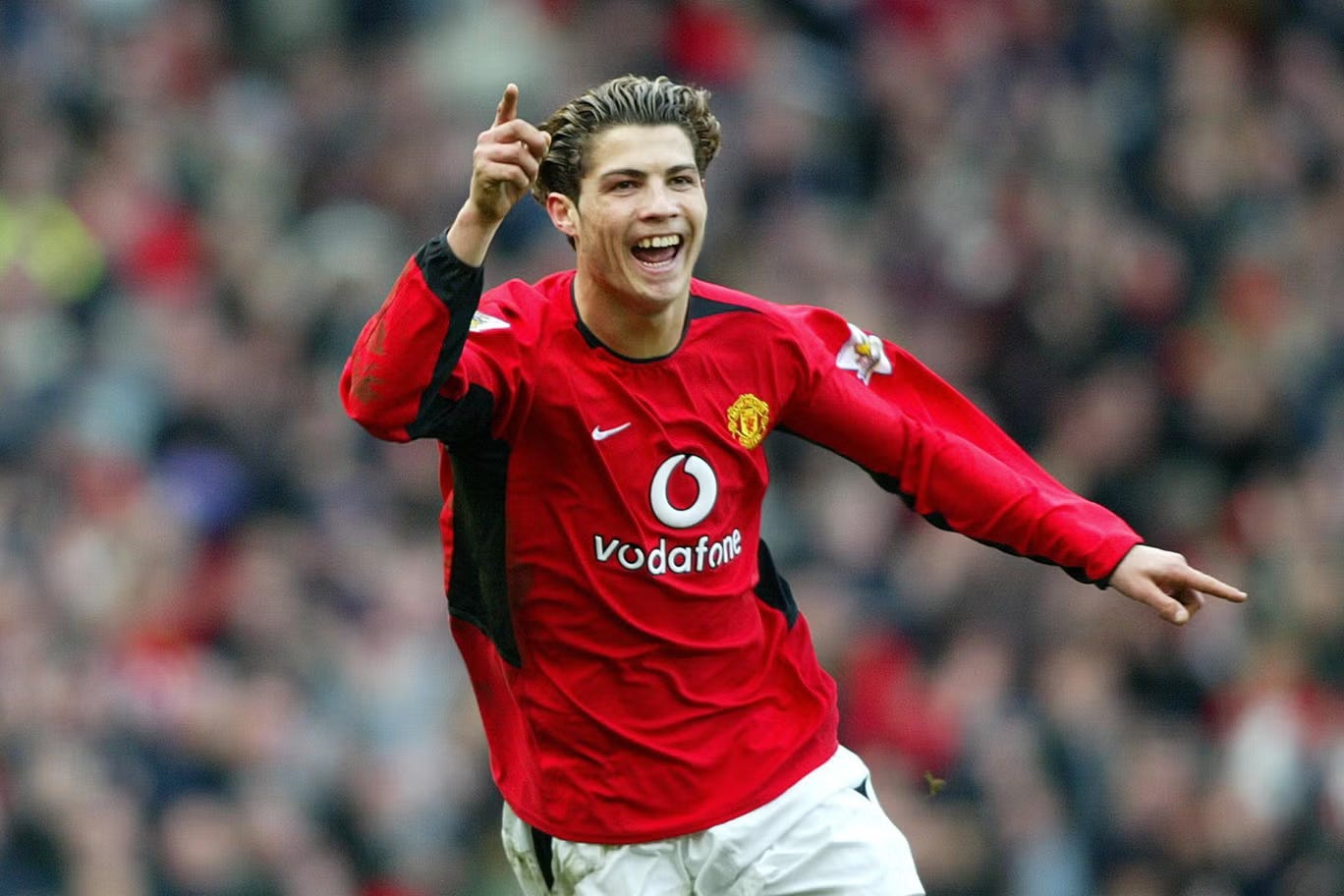
Arsenal supporters who watched the Premier League in the early 2000s often experienced the same uneasy respect for Cristiano Ronaldo during his early years at Manchester United. Ronaldo’s pace and directness made him infuriating to defend against, but his relentless improvement eventually commanded admiration.
Others recall similar feelings about Roy Keane, whose fierce leadership and competitive intensity defined Manchester United’s midfield for much of their dominant era.
Keane represented everything rival supporters disliked about United, but he also represented everything they respected: Leadership, commitment and the refusal to accept defeat.
These qualities transcend club colours.
What’s fascinating about these rival players is how perceptions evolve over time.
During their careers, the emotional intensity of rivalry often prevents open admiration. Supporters remain committed to the narrative of opposition.
But once the rivalry fades, perspective changes. Years later, the players who once caused frustration begin to be remembered differently. Supporters speak about them with a mixture of irritation and respect, sometimes even affection.
Time transforms villains into legends: the player who once ruined your Saturday afternoon, becomes part of the wider story of the elite sport and competition.
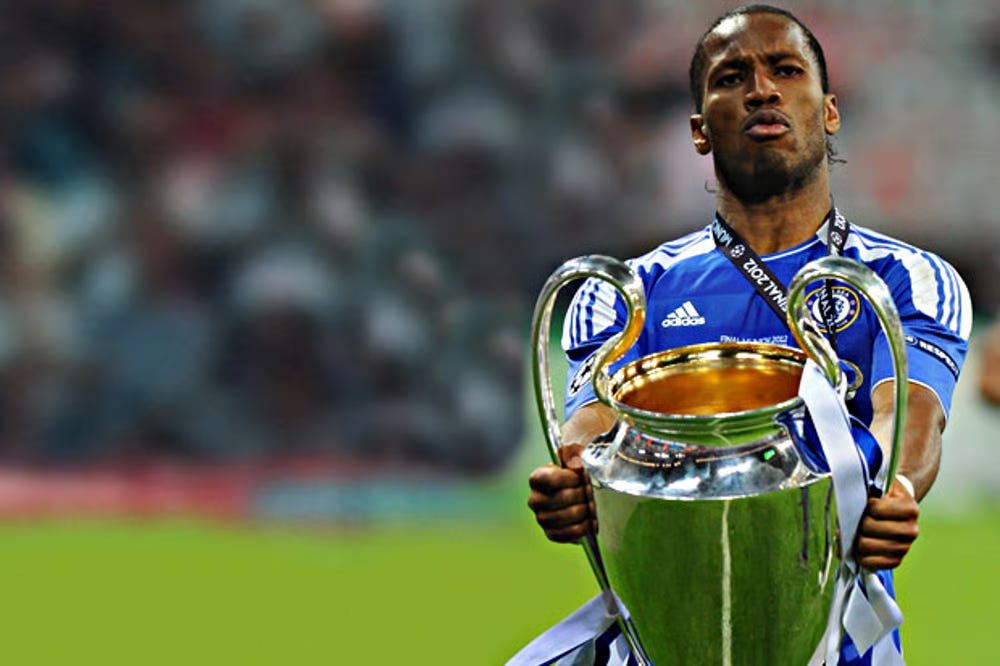
Football would be a poorer spectacle without these figures. The presence of extraordinary opponents forces teams to improve. It sharpens competition and elevates the significance of victory.
Beating a great rival feels more satisfying than beating an average one.
The tension, the anticipation, the emotional release after victory all depend on the knowledge that the opponent is formidable.
In that sense, the players you secretly respected were also the players who made football feel bigger.
They made the stakes higher, they made the victories sweeter, and, reluctantly, they made the game better.
Until next time
THE KIT ROOM
This piece was written in memory of a dear family friend of our Founder and Editor-in-Chief, who unexpectedly passed away this week. He was a lifelong Chelsea fan, and someone who left a positive impact on everyone he met. RIP Steve.
Which rival player did you secretly admire, even while desperately hoping they would have a terrible game against your team?
Football, With Feeling (Part 5)
·
Mar 9
‘Football, With Feeling’ explores the emotional side of the game that sits beyond results and narratives. No hot takes, no outrage, just honest writing about how the game feels.
Comments
Nothing yet. Say the first thing.
Sign in to join the conversation.