
I just came in from my own garden where there are so many things to do, I’ll be turning to my own March checklist for relief. April’s is forthcoming!
Planting the perennials that survived winter in pots? Optional. Reveling in new growth with my 3 year old? A must. Fixing a hole in the fence? Not optional- our first peas are sprouting.
In case you are wondering when to plant your own peas, here’s my short answer:
You can start as soon as the ground is workable.
Mid-April is the optimal time.
Start earlier for the joy of it (and plan multiple successions just in case…)
Finish planting by the end of April.
This tricky question comes up every year in March, so I’ve started a longer form post to answer it more completely. When to Plant Peas kicks off development of a new Resource Library section of the Kitchen Gardens MV substack, organized by topic and built to spare more casual Newsletter readers the nerdy details. You can find it there and add comments from your own experience.
While writing more of these must move to the back burner during Planting Season, I welcome your suggestions for topics to add to my list.
To touch on one I’d like to write more about for you: a recent highlight of returning to work is seeing how well the various winter soil protection methods we get to practice are working.
This was a harsh winter. I’ve been asking around, and those 6+ weeks of snow on the ground seem to be the longest in living memory. I will long remember the Blizzard of ‘26, snowed in with our new baby and his big sister, and the tree that fell on two cars here at HQ (we ended up losing both cars, but everyone is ok!). Thankfully most of the gardens KGMV tends escaped serious storm damage.
Another point of view on all that snow is the wonders it can do for soil. The snow insulated beds, protected them from drying wind, and provided a gentle deep watering as it melted.
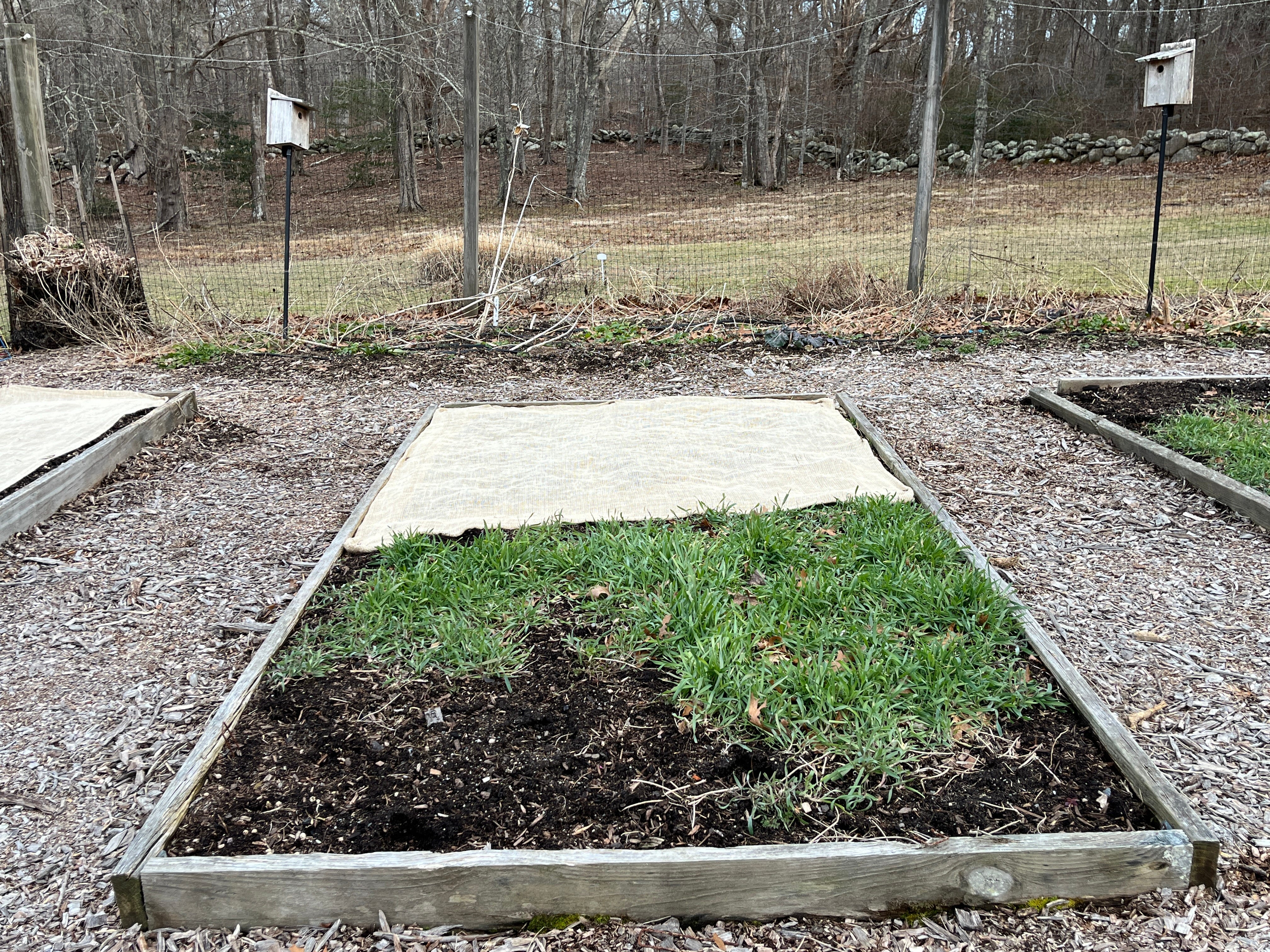
A rule of thumb for taking care of soil in winter is: avoid leaving it bare. Easier said than done, but it usually involves mulch. My preferred mulch is seaweed for a renewable, local, seed-free resource that works super well in the garden. My crew had gathered as much as we could use at the time from a big wash up in early October, and then…nothing. No more. Beaches were bare for the rest of the fall and winter. So instead we doubled down on cover crops where we could, picked up some great quality straw from a rare shipment SBS got in, and started using burlap.
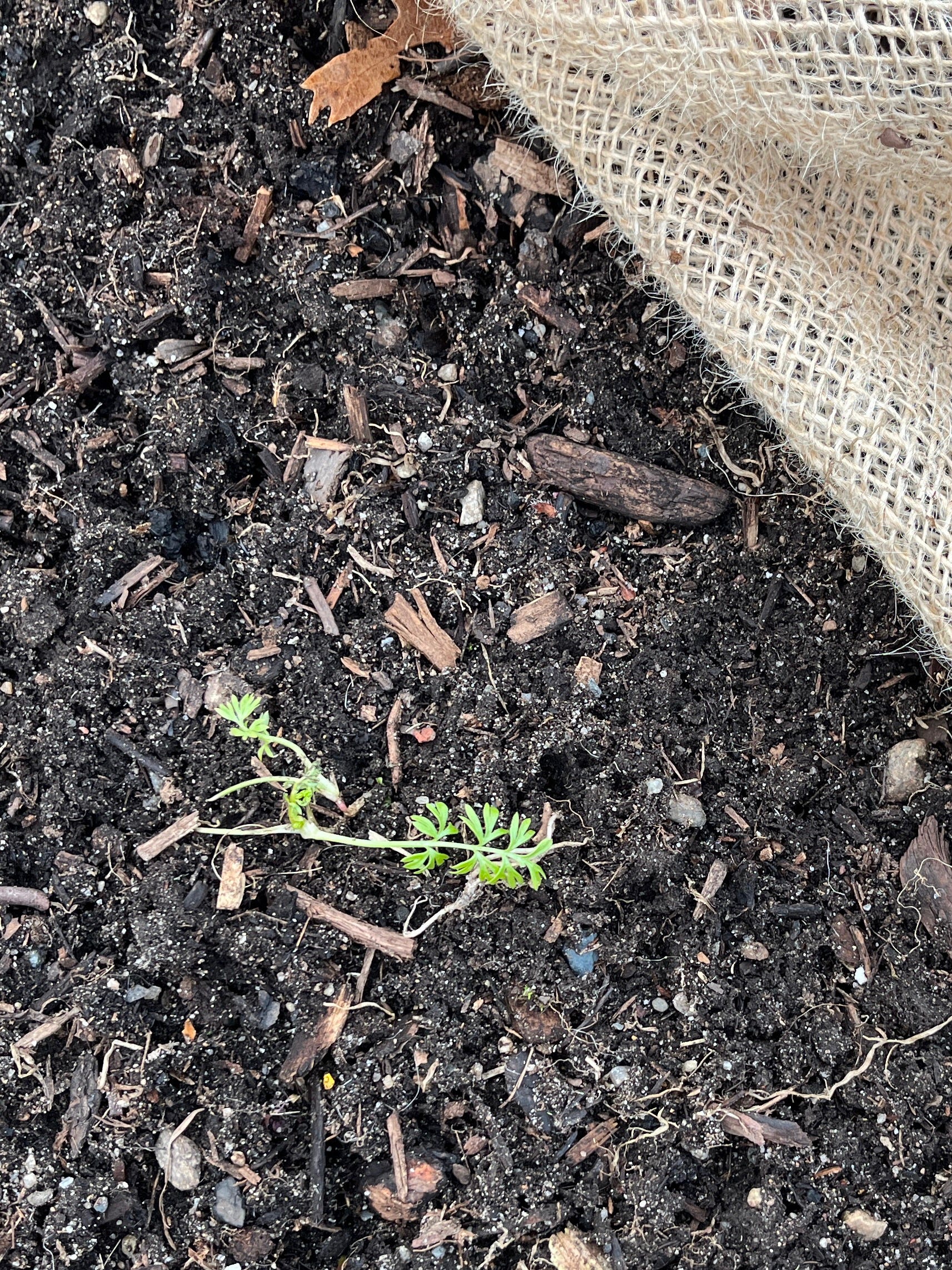
Burlap is a handy material I find many uses for in the garden, often drawing inspiration from author Ben Hartman’s work trialing it as a plastic alternative on his farm. Deciding to give it a try, we bought some big rolls and laid burlap blankets over clients’ raised beds. They were tidy, sturdy, and very easy to manage. I’m more and more satisfied with this method as I pull back the covers to find healthy soil and even some strong seedlings of fall-sown nigella that overwintered fine underneath.
The blizzard, the baby, the burlap. All lessons in pivoting to work with what I’ve got and paying attention to what matters.
Hope everyone is enjoying the slow start to spring and looking forward to longer and warmer days ahead.
-Faren
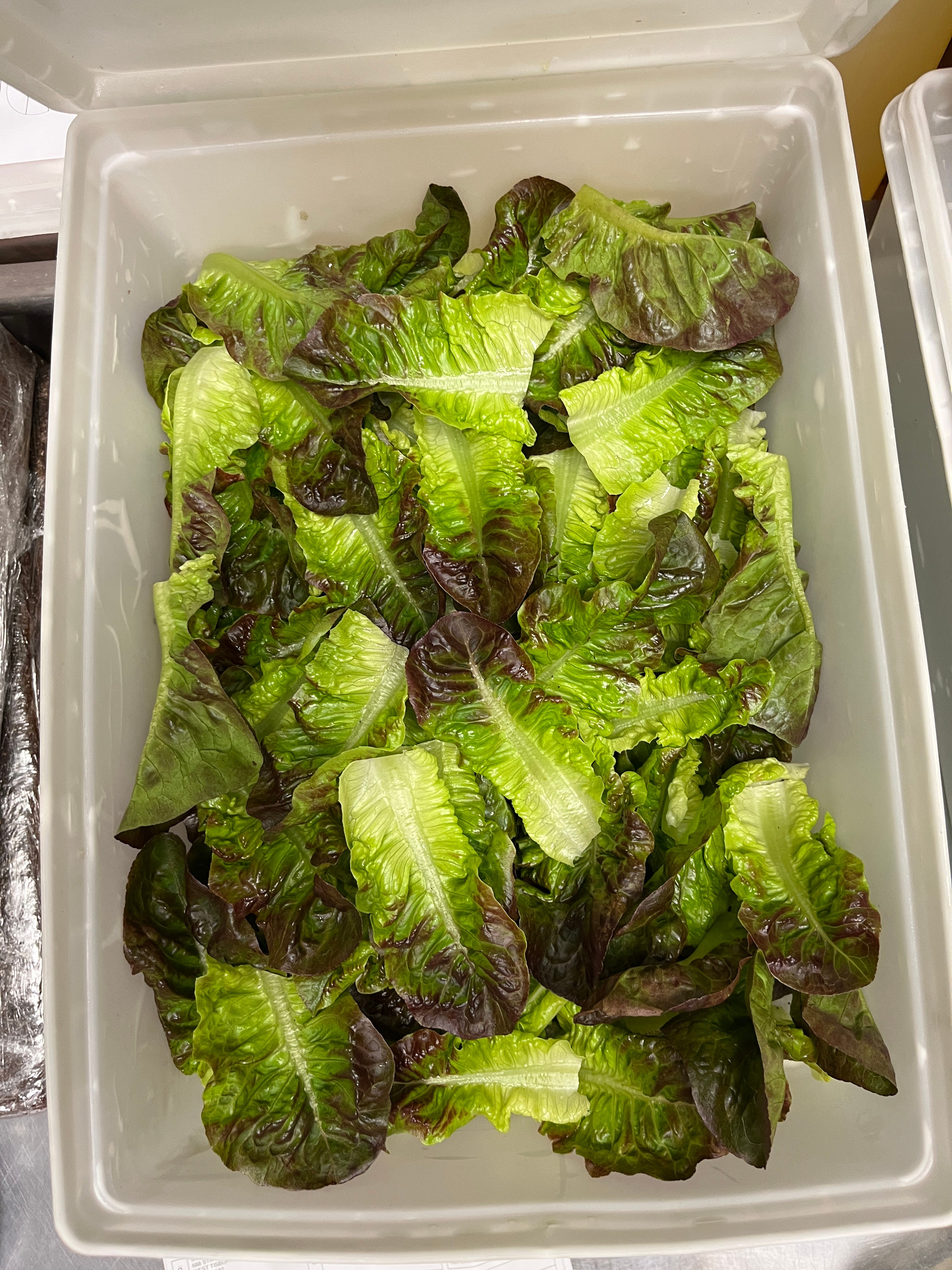
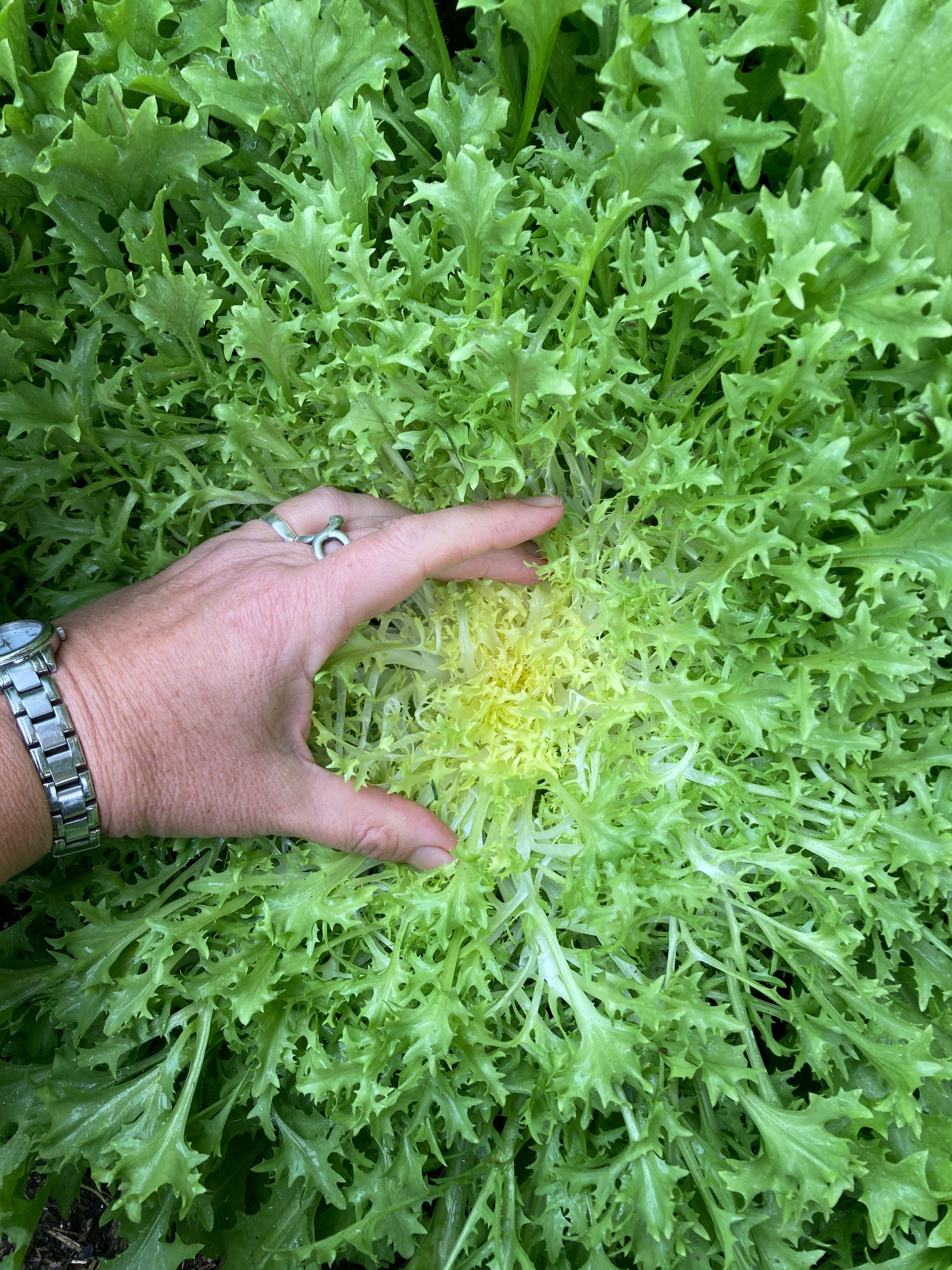
Growing Salad Greens with KGMV’s own Rosemary Confalone will be at the Ag Society this Tuesday, March 31st!
I’m so glad you found Kitchen Gardens MV. You can read past posts and more about my work here on the publication page.
Our website www.kitchengardensmv.com is the best place to find more information about services and request an appointment for support with your own garden.
No posts
Comments
Nothing yet. Say the first thing.
Sign in to join the conversation.