
For context I’m a Welsh learner, I speak Welsh most days as I live in an area it’s widely used so it’s easier to practice. I’m also lucky to have some friends who I only speak Welsh with. I’m saying this because my Welsh is still clunky and there’s a special type of turd who loves to correct people’s Welsh. This paragraph is my way of nipping it in the bud.
I love collecting new Welsh words, it reminds me of my days of playing Zelda on the SNES. You get to that sweet spot in the game where you open up your armoury and you have so many potions and weapons to use and as a result the game is far easier even though the challenges keep coming. I feel like I’m at that stage with my Welsh and collecting words is one of the things that keeps me invigorated. So, I’m going to share a few words I’ve collected this month or I wish to share.
Crempog
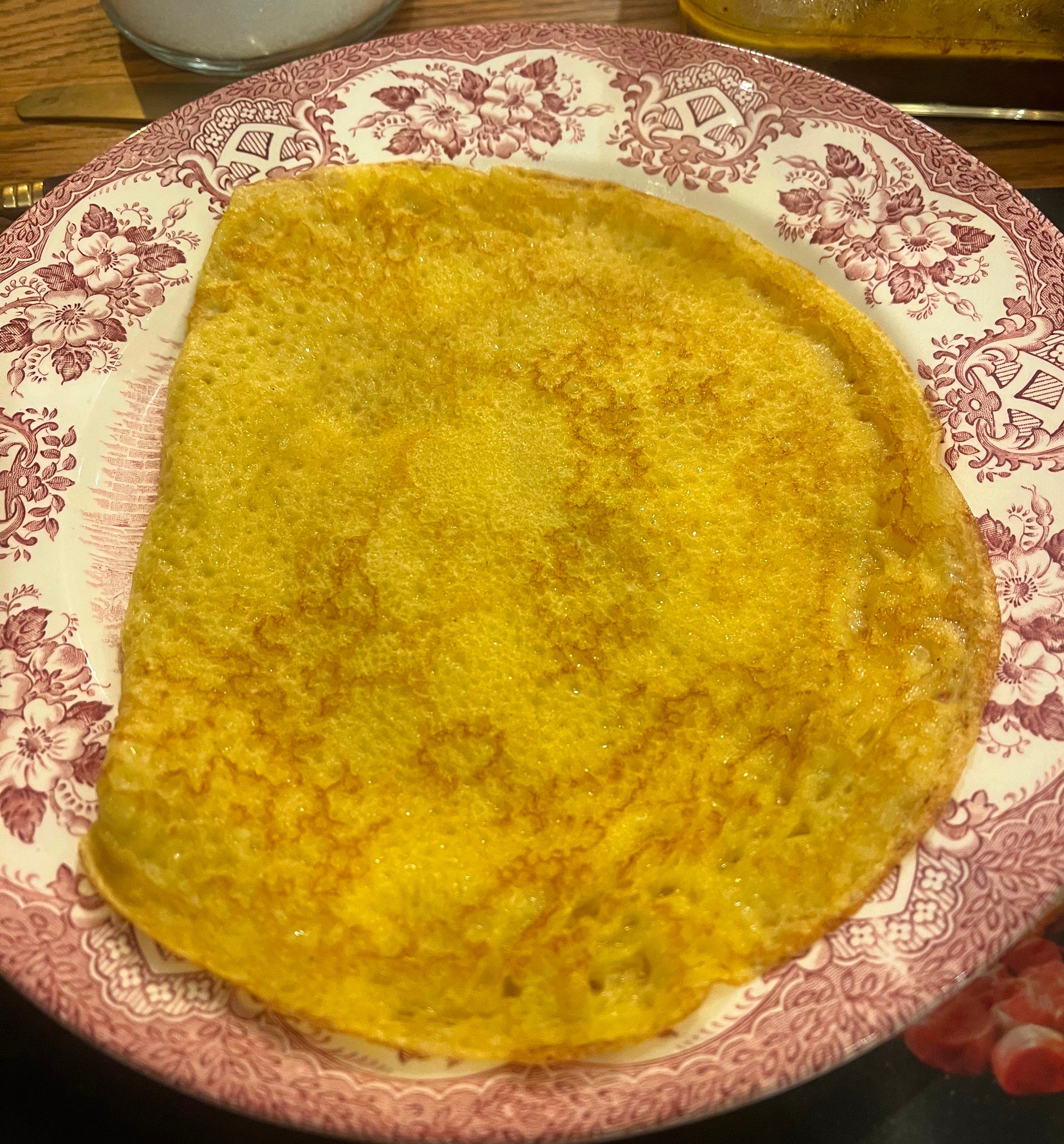
(As it sounds. “Crem” like the start of of cremation and “pog” like the things you used to collect in school if you’re a geriatric millennial).
This is the Welsh word for pancake and a clear example of a word that’s better in Welsh than English. Crempog sounds like food found in a Roald Dahl book and you just knows it’s going to be delicious. Pancakes are nice but I reckon I could have three, max. You’re serving crempog? Then I will have six to start and we’ll go from there.
Also bonus fact from my friend Esyllt, Crempog is one of those words that was Welsh first before it became English (Penguin is the most famous of these). Apparently, crumpet derives from it, I knew there was a reason crumpet was such a good word.
Calon
(As it looks, “cal” like calendar and “on” like the word on)
It means heart, you’ll sometimes hear “galon” because certain letters mutate in Welsh depending on what comes before them.
As February is a romantic time of year in England I thought I’d throw this in. I think it has a lovely look to it as a word. Some of my favourite calon related words are:
Digalon.
Di (pronounced like the River Dee) in front of a word in Welsh is a bit like “un” or “in” is used in English in that it sort of flips the meaning so digalon is to be disheartened.
Calon-galed.
Galed means hard so it means to be hard of heart, it’s a metaphor for being unfeeling, it’s nothing to do with artery disease.
Maethu
“Mae” said like like the month, “May” and thu is pronounced like “thee” but to rhyme with flea.
This word I use a lot because it means to “Foster” so in my Welsh lessons when I explain what I do for the local council and why I’m there I use the term “Maethu”. It did pop up in another area of my life too, quite by surprise and made me fall madly in love with the word.
“Para Maethu”, pronouncing the para as you would in English, is the Welsh for permaculture, something I’m endeavouring to start with my brother on my small farm. More on that later/a whole other section.
Para in Welsh means to last or prolong and Maethu in this context means to nourish something. How beautiful is that? The principals of permacultures speak to protecting, investing and rebuilding land, wildlife and communities and Para Maethu is such a romantic phrasing for that. To continue to nourish.
Also, using Maethu to mean nourish is exactly how I see my role as a foster carer, you’re there to protect, rebuild and invest so this young person can flourish and grow, it’s perfect.
Eirlys
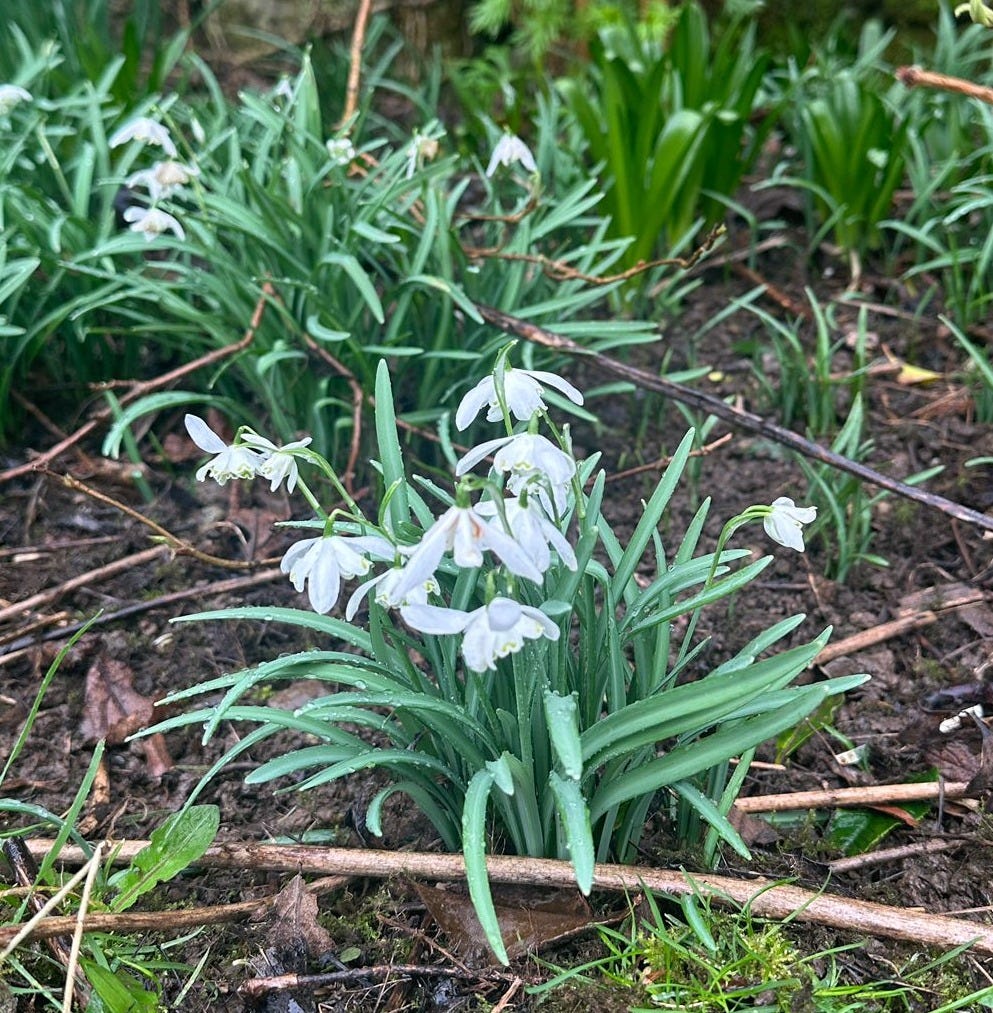
“Eir” sort of ay - like “ay up”- “er”, as in “er, isn’t there an accepted way of doing this that doesn’t involve your mad phonetics, Kiri”. And lys, like like list without the t.
It’s Welsh for snowdrop, this little flower is such a trouper for showing up with grace and enthusiasm in the snow and in the case of my farm, chicken shits. Eirlys is a lovely girl’s name too. It comes from the Welsh for snow “Eira” combined with a very old Welsh word for flower, “lys”.
If you have any Welsh words you want me to know about please put them in the comments below because I love to collect them.
No posts
Comments
Nothing yet. Say the first thing.
Sign in to join the conversation.