
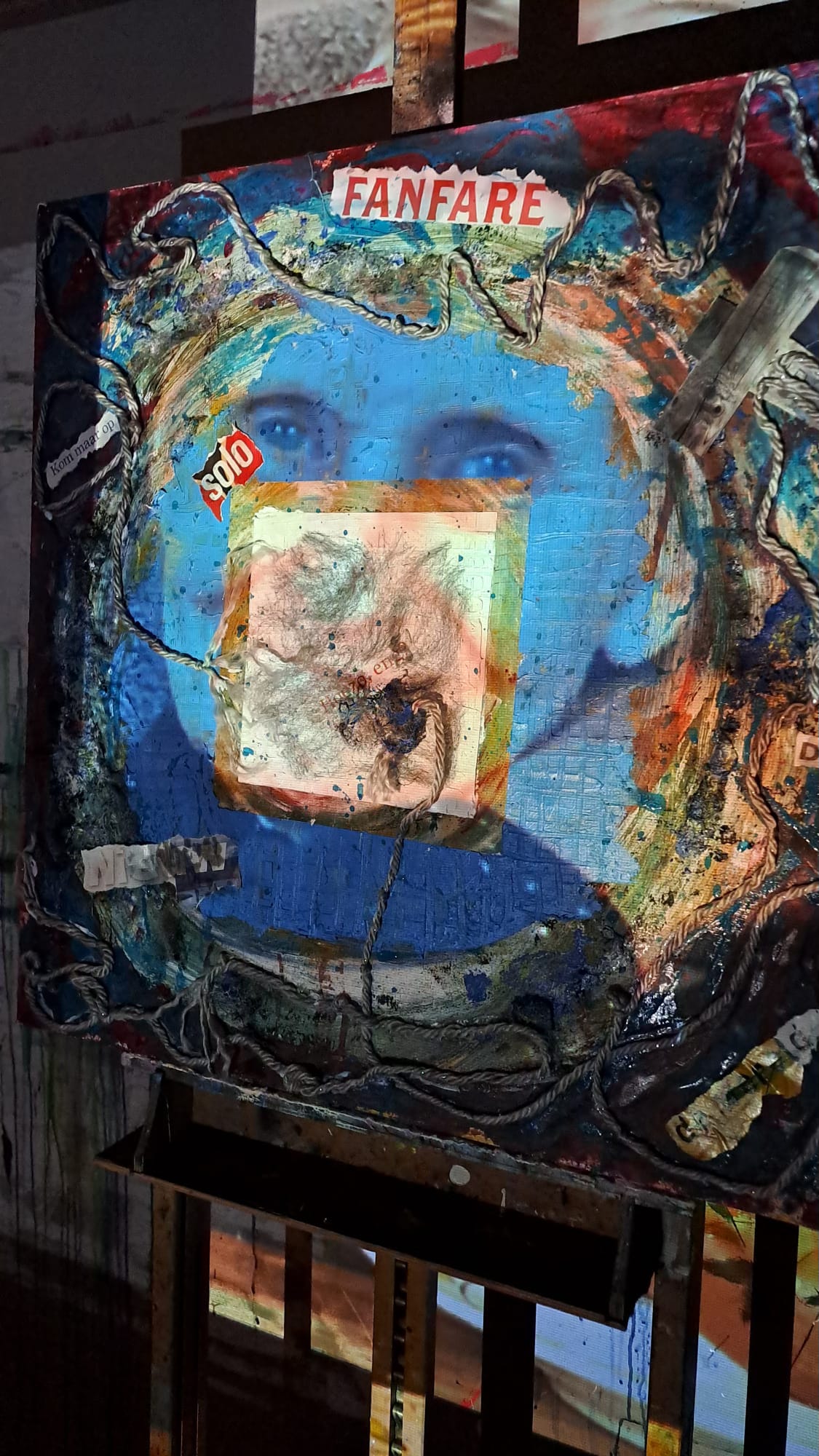
Peaceful is the one who’s not concerned with having more or less.
Unbound by name and fame, he is free from sorrow from the world and mostly from himself.
(Rumi -“Whispers of the Beloved”)
When loved ones die, one life stops, whilst the rest continue. From one millisecond to the next. Everything changes. We have no choice but to continue. To live. To honour. To be. With our grief. With our sadness. With our meaning making. Making sense of what remains. And what we must leave behind. We hold the other – friend, mother, lover, child - within mind and body. Our body’s rhythms know theirs. Familiar smells. Favourite flowers. Places you frequented together. Music and sounds. Laughter. Crossed words. Day trips and holidays. Present. Embodied.
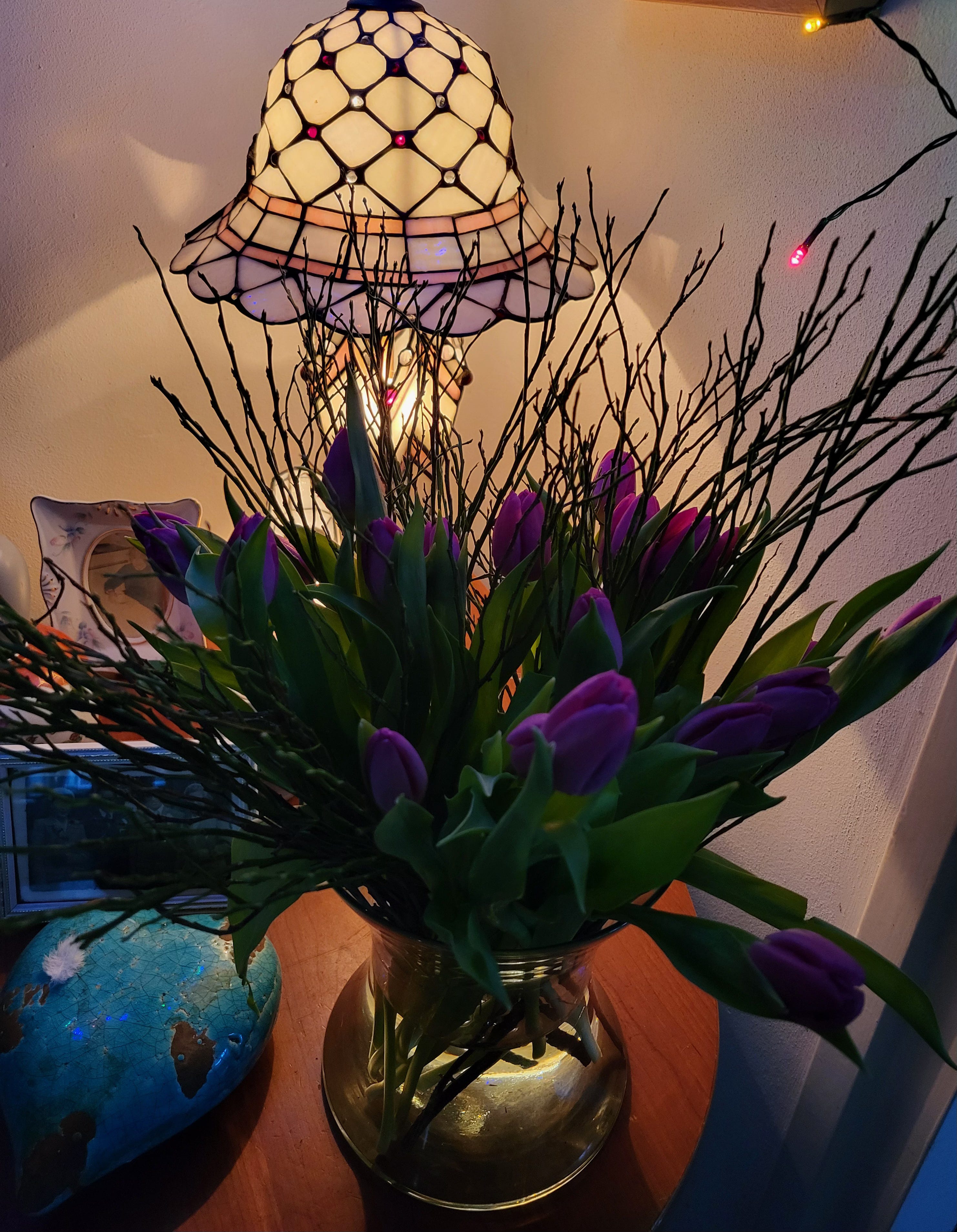
It was two years ago last Monday that my mother died (9th February 2024). And two years yesterday, Valentine’s Day, that she was cremated. At first we count the days, then the months, then the years. Time really does fly. Each day I look at her wedding photograph and the photo in which she looks like a 1940’s film star. On my ancestral altar. Women looked different back then.
I wonder about memory and stories. And I think about how other people’s memories will not be my own. That siblings in the same family hold different memories and will tell different stories about the same people. And thank goodness for that. Imagine if we were one sided, without inner crevices and gaps and multiple facets. If we were a two dimensional painting, every inch of which was exposed, flat and examinable.
Though even then, we wouldn’t know everything. We still could not see the layers of colour. The basic structure holding us together. Hidden. The fibres and texture of every brush stroke. So imagine how even greater the complexity is of a three dimensional being, moving in space, changing context, interacting with all kinds of creatures and people.
And even if we could imagine all of that, what would we know of the inner life of the other? I could never know even a fraction of what went on inside my mother’s mind. We barely know our own minds, so how can we claim to know the mind of another? Recall your own hidden desires and those are only the things you have consciously brought to mind. What about the unconscious needs and wishes? That which might motivate without knowing. Propel you into certain actions or down a particular road, whilst you don’t really understand why.
Even those who use words a lot present themselves and the world from a reductionist gaze. Words are beautiful and useful. But they reduce. They cannot help it. They can never capture the fullness of experience or desire or love or grief. Much remains hidden behind the words and in the spaces between words. Affects rise, fluctuate, transform, move us, still us, implore us. If we wait. If we are patient. Awareness changes. With patience. In silence. We see more clearly. We notice the light. We watch the shadows. Our imagination rises. There is more. Anticipation. Anunciation. Expectancy. Always pregnant with possibility. Here and beyond.
Loss and grief may feel like being stuck in quicksand or thick clay. Sinking or stagnant. Sometimes it’s a struggle to accept. And there is pain. Guilt. Survivor’s guilt. Being alive guilt. Fear of moving forward. But stuckness doesn’t honour the dead. Lostness is everywhere. All over. All the time. But most of the time it may not be big enough to really notice. Or it’s invisible. Part of natural processes which we accept more readily, if we know about them at all. Dead skin cells shedding. Hair falling. Bruise dissolving. Menstrual release. The exhale.
rise said the moon and the new day came
the show must go on said the sun. Life does not stop for anybody…..
(Rupi Kaur - the sun and her flowers)
In Alzheimers, brain mass is lost. There is brain atrophy as neurons die. Cells and networks gone. Memories diminish and disappear. We ask where has the person gone. Even as we stand face to face with them. The body may lose certain functions. Forget how things work. There may be confusion. Fear. Anger. Sadness. Regression.
But not everything is lost. If we can stay with our own pain, fear and sadness, perhaps we can be a conduit for new memories. A new aliveness in the midst of death. We fear that our loved one will forget us. Will forget all the moments we had together. Won’t remember our names. We dislike the idea of helping our mother, father, sibling, partner, friend, to the toilet. Wiping their bum. Cleaning the portable potty. But in the case of a parent: didn’t they do that for us when we barely had memory, or capacity to control our own bodily functions? What is the difference? Of course. They are adults. We associate dignity with being able to care for one’s own physical needs. But in truth we don’t want to look at a decaying body. It frightens us to think of our own decay.
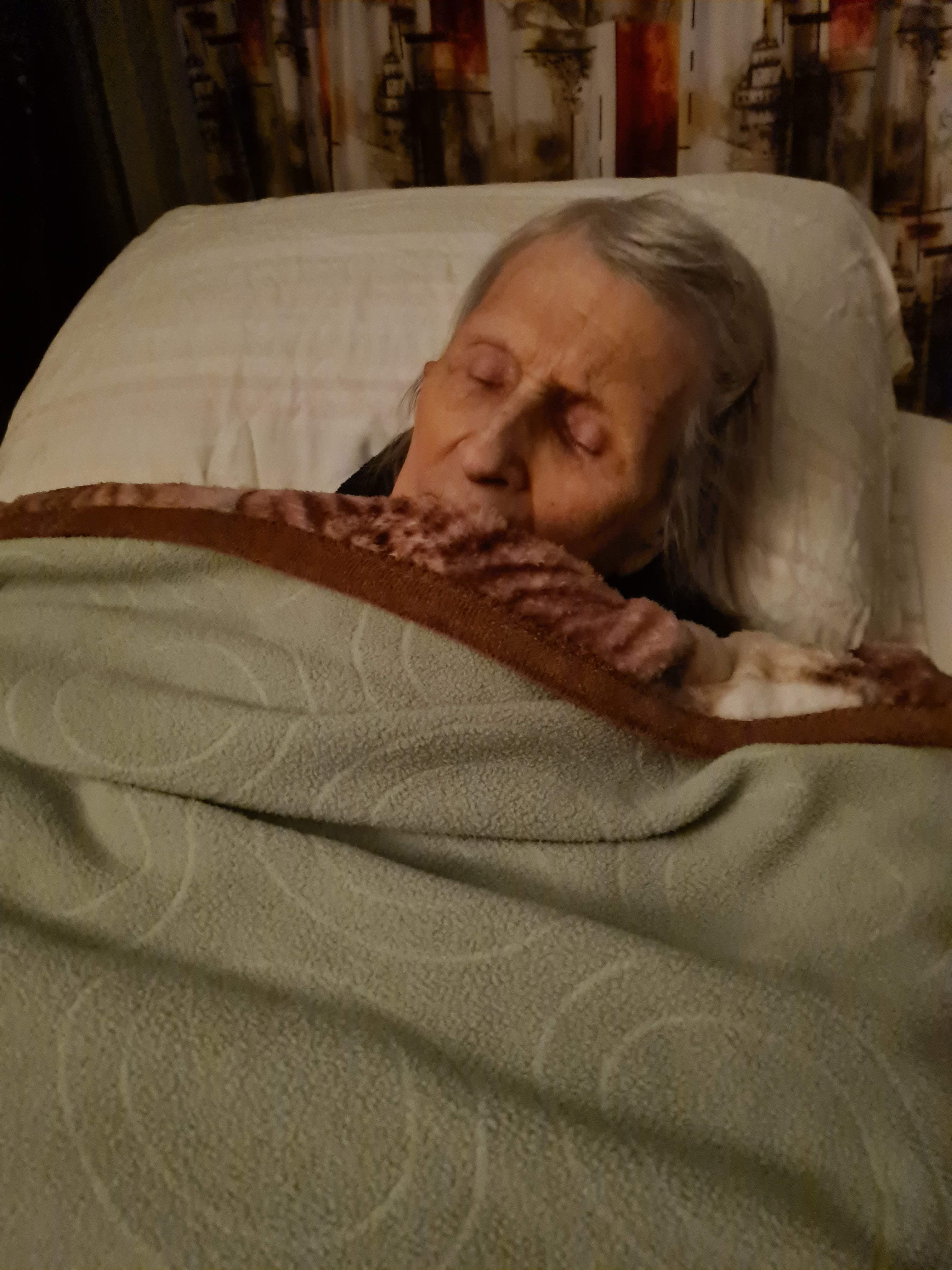
What if dignity is inherent, regardless of the state of the body or mind? Of course we truly feel for the person who is losing their ‘memory’. We feel for the potential loss of intimacy with the person and their memories and our own. We can create photo books to keep stories alive. We can listen to favourite music. Dance, if they are still up to it. Hold their hand if not. Bring flowers and put momentos next to the bed. Sit in, with and through the loss. And notice what is still alive. And imagine where there is a possibility for the telling of a new story. There is a fine line between imagination and truth anyway. Maybe there is space to learn something new.
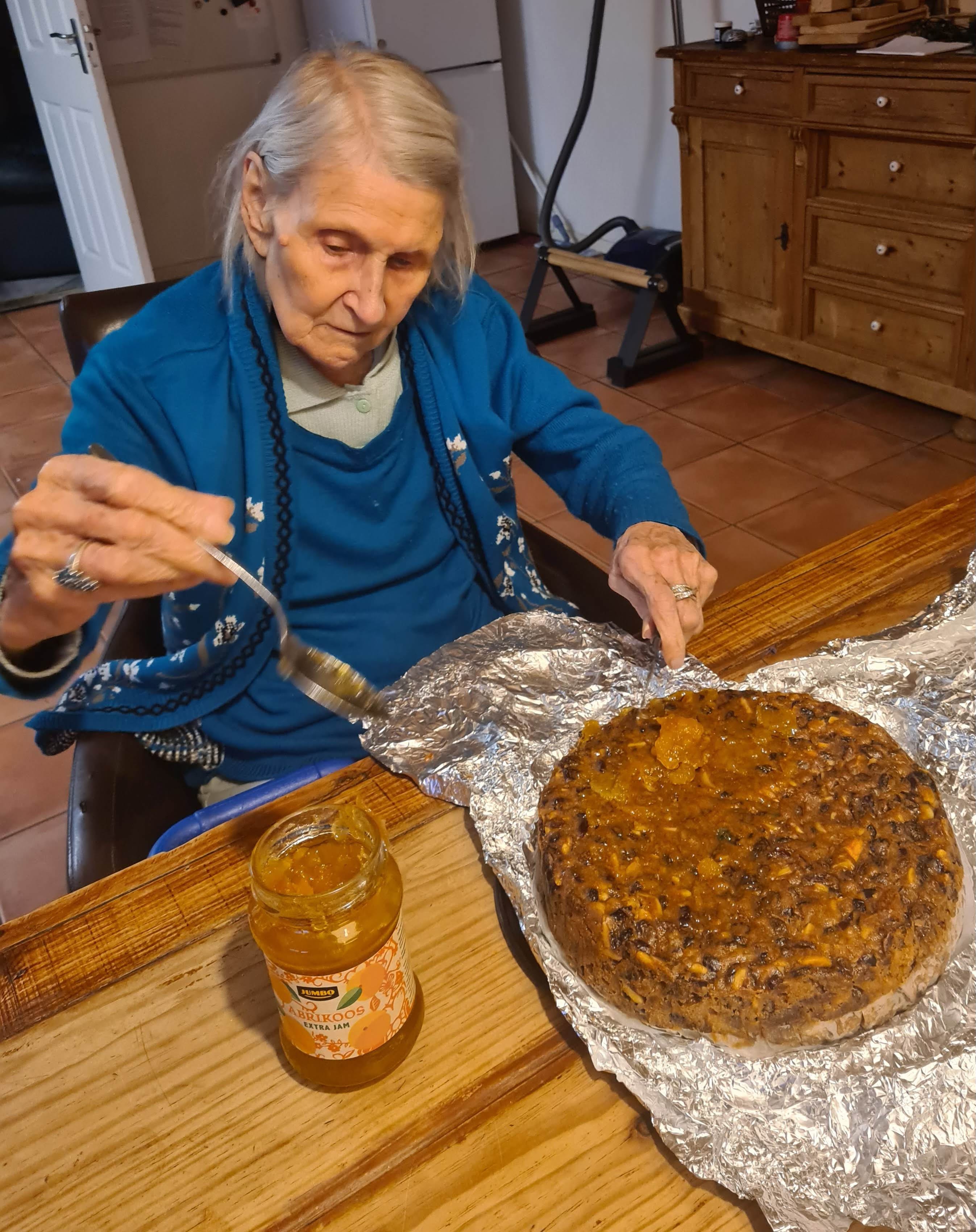
My mother believed she was living in Hoxton, London in the last months of her life. In truth she was in a small village in Friesland, the Netherlands. She would say she was in Gopsal Street, where she grew up. There was a police station on the corner apparently. I haven’t checked whether this was ‘true’ or not, as it doesn’t really matter. She wanted to dance, as she always went dancing with her sister Lily – to Tottenham Court Road. She could jive and rock and roll. She was mischievous and would encourage her smaller sister to steal from the stalls at the street market when they were young. She loved markets. It was one of her favourite past times. Roman Road. Brick Lane. Petticoat Lane. Romford. Walthamstow.
I imagine it felt like freedom. Having her own money to spend as she pleased after growing up in an austere household. My mum had to hand her wages to my nan and she’d give her a few pence back. She never had new shoes as a child. Only second hand ones from the market. That’s probably why she had an immense shoe collection by the time she died. Most of them new and unworn. Many still in the boxes. Untouched. It was the same with handbags. I gave almost forty brand new handbags to the downstairs neighbour when I cleared out the flat. Glittery, glamourous handbags. Not my style at all.
I could never know what records played in my mother’s head. I don’t know if she had great dreams. She was a woman of her times. A war child. Living in poverty in the East End of London. Escaped to Liverpool. Married a Chinese sailor. Worked in their fish and chip shop. Then moved to a council house in Skelmersdale. She worked in a factory. Loved to sew and knit and crochet and made most of my clothes as a child. She had a creative gift which was never really encouraged and therefore probably remained much less than it could have been, given the opportunity.
Despite her limited means, she was a free spirit. When my father died, she travelled all over the world. She was fearless. With Alzheimers her imagination flourished. Her stories got wilder and wilder. We went with her on her imagination’s journey. We laughed together. And cheered and clapped at her antics. She found new life opportunities and skills in her Alzheimer journey. We heard great tales. Captivating narratives. It didn’t matter that she hadn’t really boxed champions in a New York boxing ring and won. She believed it. And so did we.
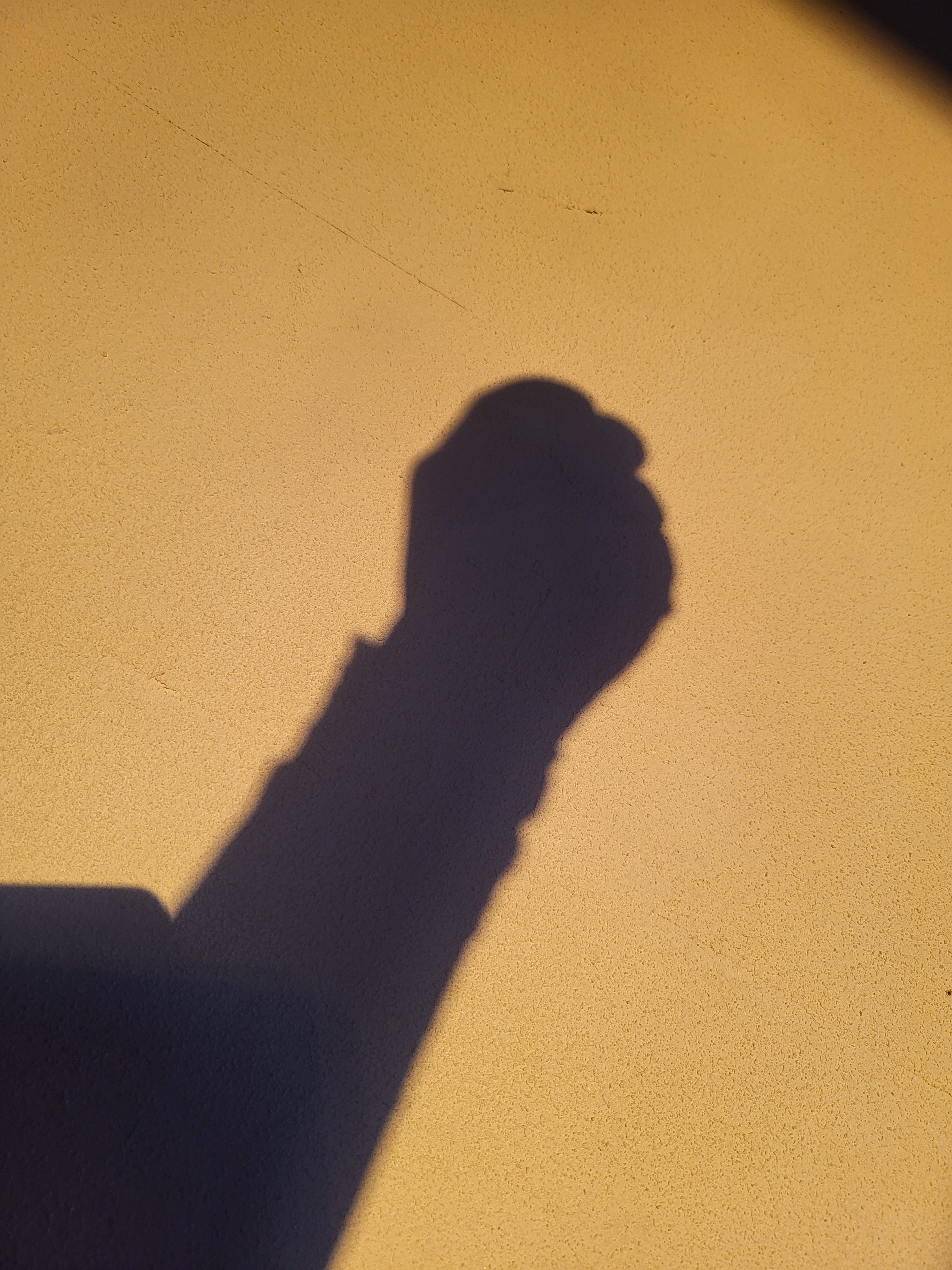
Loss is painful. It hurts. We spend so much time trying to remember properly. To understand the truth. That we forget the wonders of imagination. Perhaps this is a paradoxical thing to say for someone who seeks ‘truth’ in all things. Perhaps not. Perhaps we will never find truth if we don’t cultivate imagination and wonder first.
We sometimes call things unimaginable to express their magnitude. Sometimes to express our disbelief. What if imagination holds the key to our humanity? Cultivating our imagination muscles is essential. Imagination brings nuance. Colour. Fun. Acceptance. And strangely enough – Clarity. We see the shadows. And we imagine our life within them. Not without them.
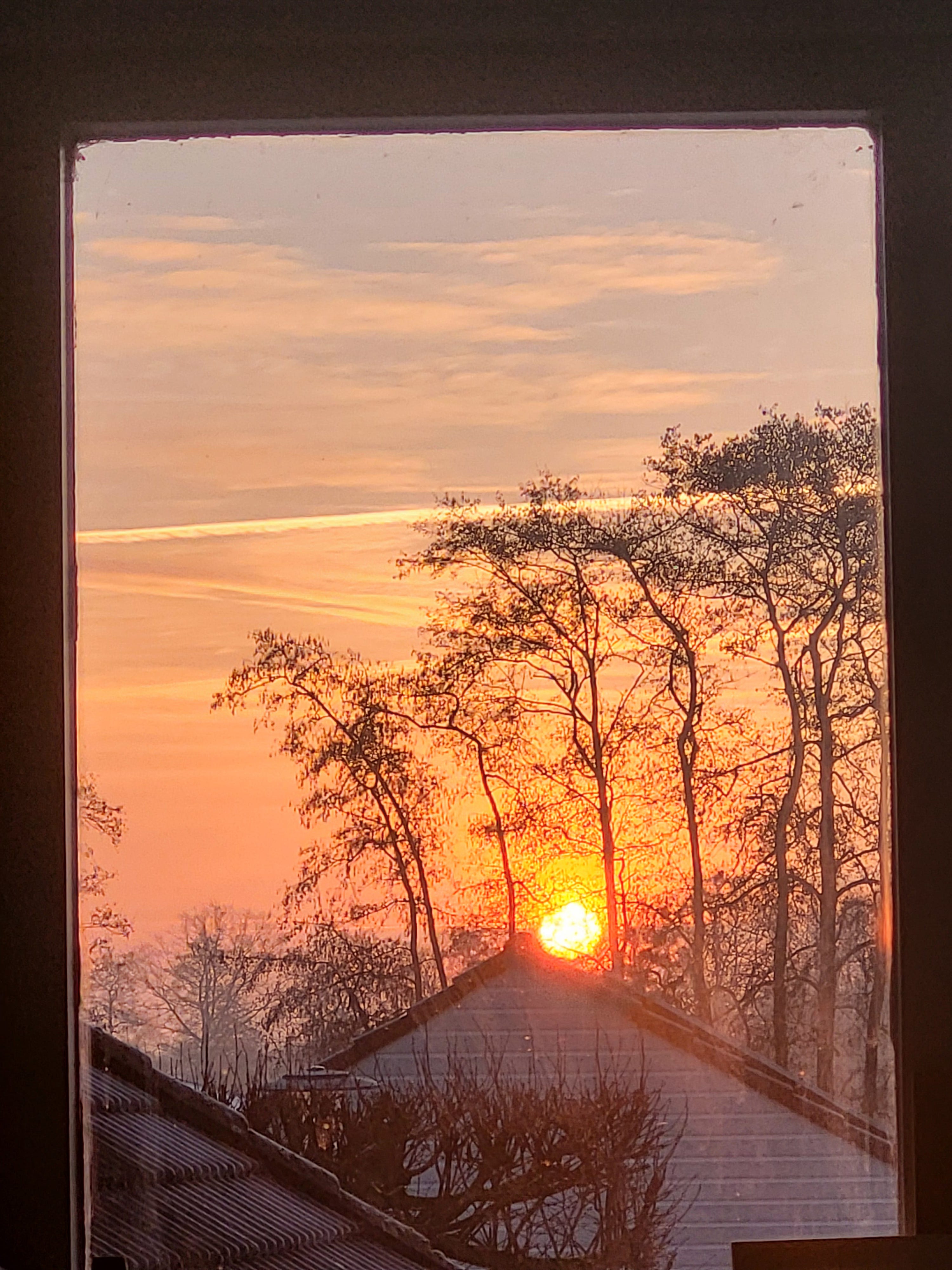
I have been taking many photos of sunsets and sunrises over the years (especially sunrises). And of the light through my window frame. Through my living room curtains. In the sky. Through the clouds. I don’t know why. Perhaps I don’t need to. Perhaps I imagine light as a sign of hope. Renewal. Return. And life. It’s one of my ways to stretch and grow my imagination.
I wonder what ways you have to nurture your imagination?
Comments
Nothing yet. Say the first thing.
Sign in to join the conversation.