
The first thing I noticed was the card with the familiar handwriting. It fell out of the recipe book. It was for salmon loaf.
Salmon loaf. Every Friday. Because we were Catholics. Fish sticks for school lunch. Cheese pizza if we got lucky. Salmon loaf for dinner. Just seeing the card, picking it up, I saw the familiar handwriting. That’s all I needed to be thrown back to the experience of eating salmon loaf every week, some fifty years ago. Food has excellent recall.
I hated salmon loaf. Mostly because the canned salmon we had access to in rural, upstate New York, was tasteless and smelled slightly fishy. It wasn’t bad, just average and un-exciting. Communion wafer bland. Iceberg lettuce bland. The texture was unrelentingly soft and squishy, like baby food.
I pick up the card and saw that my mom made her salmon loaf with two cups of thin white sauce. What is this thin white sauce? I wonder. A tonnato maybe? A briney sauce made with canned small fish like anchovies, capers, lemon juice and mayo (or oil)? Or a thinned-out roux of flour and margarine? Or a bechamel (flour, butter, milk) like the one she made to hold together the creamed chipped beef on toast she often made, which my Marine father called: shit on a shingle. Everytime, he called it that. Creamed chip beef was more fun than salmon loaf anyway. It involved stiff, ruby-colored strips of meat from a glass jar, which I found ridiculous, weird and amusing.
The salmon loaf came together in the belly of her kitchen, in some secrecy, as loaves, terines, pates and molded foods, often do. She, per the recipe card I have in my hand, combined two cups of soft bread crumbs, two eggs, one tablespoon of lemon juice into the thin white sauce, dumped in the fish and formed it all into a loaf. She baked the hell out of the already cooked fish, for fifty minutes to an hour, until it formed a single, sliceable, quivering object. I’m dubious about that loaf needing a whole hour of heat blasting it.
But this was the way of the 70’s. Everything was overcooked.
The CDC had not tracked food-born illness in humans until the beginning of the decade. Government-regulated pathogen-reduction wouldn’t even be a thing until 1996 anyway. The first major food recalls began with cans of tainted mushrooms which led to the Great Michigan Pizza Funeral where thousands of commercial pizzas had to be ceremoniously destroyed. There were high levels of methylmercury in canned tuna, and botulism in cans of Vichyssoise soup. Some cans were sodered with lead and some of that lead leached into more acidic foods, like tomatoes. Salmonella entered the conversation via dairys, and e-coli from squalid slaughterhouses killed babies who were fed under-cooked meats.
This prompted the FDA to begin its low-acid food processing inititives, which is why there is ascorbic (natural) and benzoic (chemical) acids and nitrates in many of our packaged foods. My mother, like all the 70’s mothers, worried about getting people sick, and so cooked our meat until it was the consistency of jerky. Medium-rare was a death sentence, afterall.
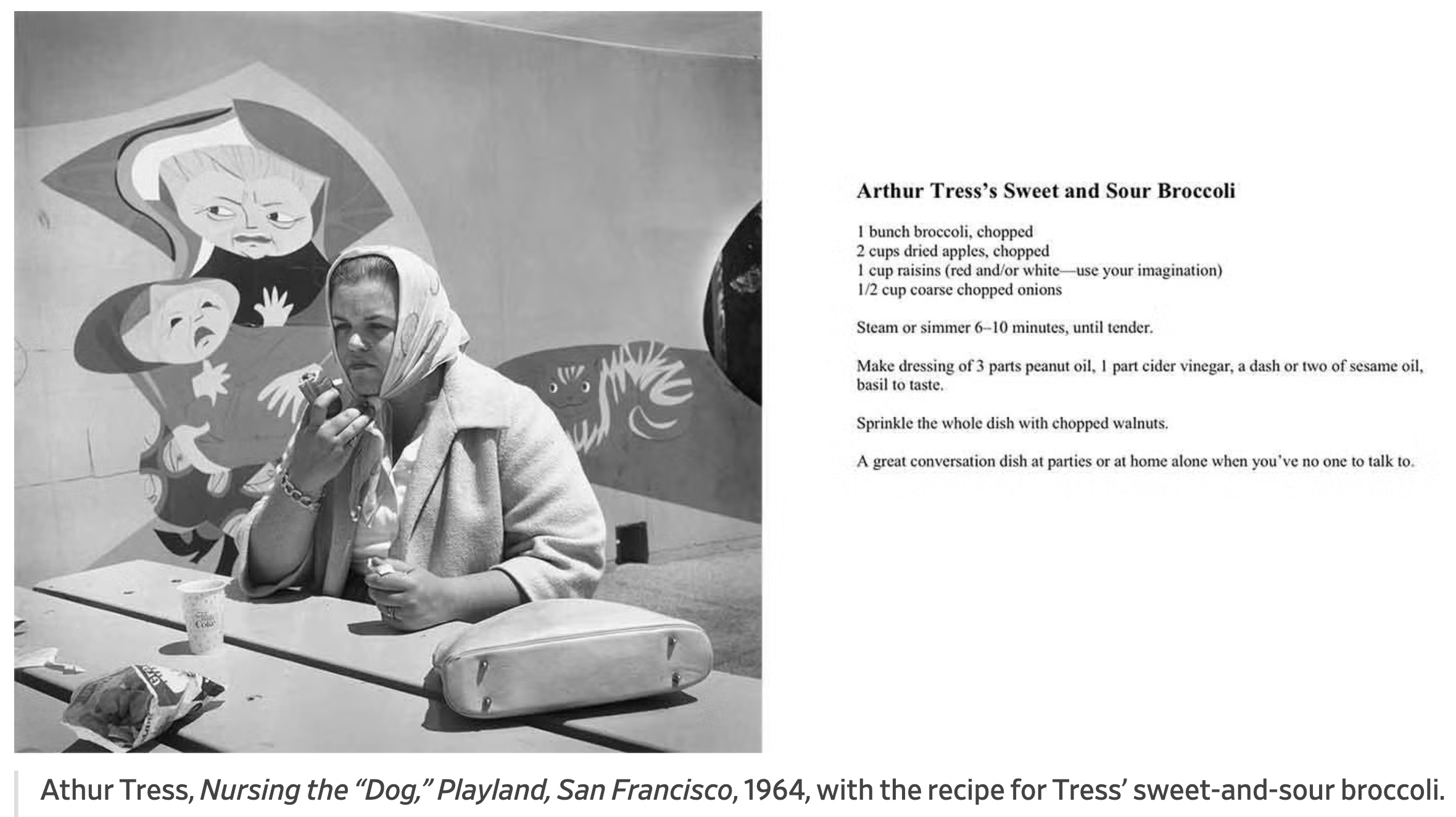
The 1970’s gave cooks, Mollie Katzen and her originally self-published, The Moosewood Cookbook. They also got The Political Palate, Vibration Cooking, a Black foodways bible, and American Indian Food and Lore, which popularized the cooking of prickly pear, mesquite, and agave. These recipes, which were vegetable-forward and focused on ingredient freshness and connection to the land, gave us the much-needed interplay of food and politics and identity, not to mention a resistance against government control and malfeasance. Veganism and vegetariansim were aligned with the resistance to the industrialization of food.
Simple ingredients came to symbolize women’s liberation from the constraints of the kitchen, and a revolt against the sicknesses that came from mass-produced food. Natural food co-ops popped up, while people venerated the use of organic, unpackaged and unprocessed foods. My father kept a garden, which was less about cultural relevance and more about his deep roots in poverty, and agricultural life. This gave us a taste for fresh, and superior veg, all summer.
Rural upstate New York teamed with road side vegetable stands. Still, there are no recipes in my mother’s cooking artifacts that cover vegetables, or how she prepared them, or if she venerated them or cared about them at all. There were no recipes for the venison and wild game my dad hunted. What I remember was carcasses hanging in the garage every Fall and in the summer, leaf lettuce and mayonaise sandwiches, the only time of year we ate anything but iceberg. I remember boiled corn on the cob, and yellow wax beans, braised in milk and margarine. None of that is represented in her recipe cards.
Recipes are anthropological documents that archive our tastes, our desires, our aspirations and also our realities, the cultural constraints that impose themselves on us. They are a way to transmit who we are across time. The more I look through my mother’s recipe cards, the more I can see the idealism of the 70’s give way to the consumer culture of the 80’s. Her recipe book is stuffed with brands, cut from box tops, magazines and newspapers.
Recipes, in the early 20th century, often used phrases like use enough flour to make a stiff dough or bake until done. Some recipes were just ingredient lists, and the cook made their way from that. Cooks knew what to do because they had watched their mothers and grandmothers cook before them. The cues of cooking were universal, passed from cook to cook, generation to generation. In some communities, this information was only transmitted orally. Cooks often knew the tactile ways of cooking and preparing food. The texture of the pasta to know it’s done, the feel of the dough, the look of the rice, the smell of the sear.
The 80’s brought new ideas for food and cuisines to everyday Americans. People required specificity in their recipes. This was required if you wanted to learn how to stir-fry in a wok, or prepare tamarind for making pad thai. Betty Crocker created an internationally-themed cookbook, which I got for Christmas one year. No one was cooking Chinese food from scratch in my little rural town - I had only ever eaten take-out chow mein, anyway - but someone somewhere was watching Martin Yan on TV, and figuring out how to velevet chicken in a wok they ordered with green stamps or from Sears.
This formulation of the recipe also supported women entering the work force. They were freed from kitchen duties and laborious household tasks, and this opened the door for companies who saw opportunities to provide new products to “help” women achieve more freedom through convenience-base food products. Of course, this changed the traectory of home cookin,g and our relationships to food and eating.
What did I learn from my mother when she served us salsbury steak TV dinners on folding tables in the front of the TV? I learned that when dad was away, the mice could play. Or at least, have fewer dishes to do, and less time spent cooking, less formality, less work and more time having fun. I learned my mother didn’t love cooking for us, despite being pretty adept at it. I learned, that for her, cooking every night was drudgery.
I remembered this when I had kids. If I was going to feed tiny hungry humans every night, it was important for me to love it, and be enriched by it. I didn’t want to face the kitchen as a kind of purgatory, or worse, my own personal nightmare that I resented each and every day of my parental life.
My mother did find a way to be enriched by the drudgery, as I did. By entertaining. Also known as, the performance of cooking. My parents gave parties often. This was the way of the 70’s, 80’s and 90’s. Hosting was the rage, and my mother could offer a spread. Her recipe cards are filled with dips; dill dip, ranch dip, Lipton French Onion dip, horseradish dip, warm clam dip with cream cheese, cheese balls covered in nuts (with cream cheese), shrimp and cream cheese dip, and crab, corn and cream cheese dip.
Cream cheese played an iconic role in mom’s recipe cards, and for lots of people in the US. It was a blank, creamy slate. It could be molded, frosted and sculpted. It could handle refrigeration and still stay soft and pliable, and also had a long shelf life on a buffet table. It worked in finger sandwiches, as a compliment to fish, it could be a dip, or added to gelatin-laden salads.
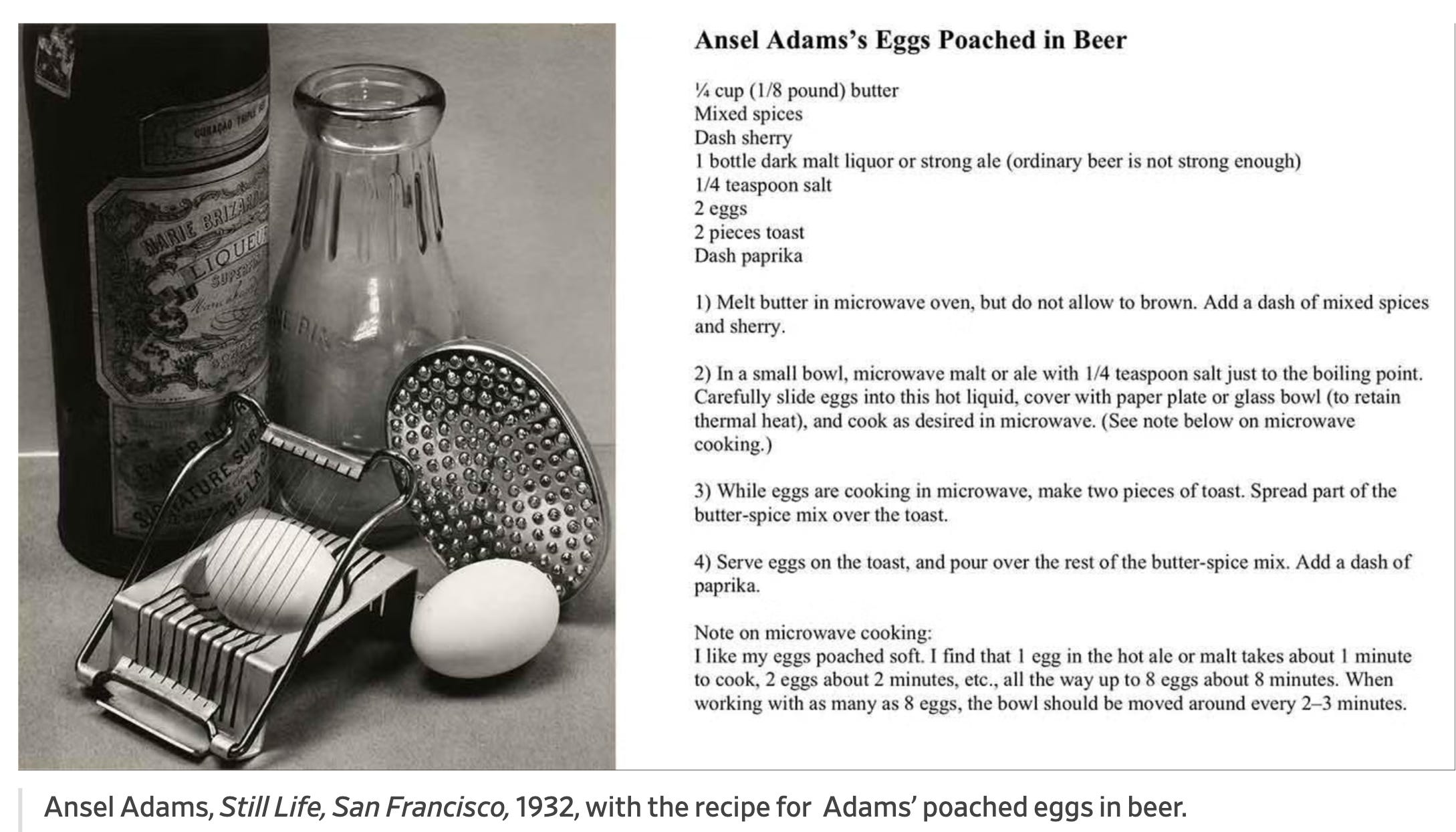
Shrimp also played a heavy role in her recipe cards.
And shrimp translated to fancy. There was no fish at home or the Grand Union (our supermarket) fancier than shrimp. On Christmas, she plied guests with boiled shrimp and wedges of lemon, with a tangy coctail sauce for dipping. Mind you, that cocktail sauce was the spiciest thing in our white people household. She also served everyone foamy whiskey sours, served in pot-bellied highball glasses with silver bands around the rims. I see the exact replicas used in episodes of Mad Men.
Magazines and newspapers offered recipe cards for subscribers using their products, a move that felt mutually beneficial. At first. Cooks got recipes with specific instructions to help them make a dish, and the company had an opportunity to not just sell product, but establish brand loyalty. Philly Cream Cheese gave out cream cheese recipes. Betty Crocker gave out boxed sets of their casserole and cake recipes. Sunkist gave out recipes that were meant only for their lemons and oranges. And of course, Jello, did well in those years. I admit I’m pretty relieved my mother never felt the need to make weird jello, molded salads.
I cannot unsee how the brands crowd out everything else in her recipe cards. It’s almost innocent. A pumpkin pie recipe from Libby’s sounds homey and sweet, until you realize Libby’s is owned by Nestlé, a controversial behemoth, where over 60% of the food and beverages they produce fail to meet internationally-recognized standards of health, because of exhorbitant amounts of sugar and sodium. These recipes don’t just inform us about my mother’s cooking, but about the begining of our roles as unwilling brand ambassadors, forced shills and mega-consumers. These relationships have come to define and dominate modern American foodways.
We need to complete that uncomfortable conversation about the division of domestic labor, which the food industry deftly exploited to sell us processed food,” Michael Pollen said in the New York Times in 2013. “But if we’re going to rebuild a culture of cooking, it can’t mean returning women to the kitchen. We all need to go back to the kitchen.
I see in my mom’s collection that her recipes, the formulas she collected, were almost all baking. Cakes, pies, puddings, and cookies. The baking she loved. This was her true joy, something she performed for herself as much as anyone else. Baking fit her exacting personality, while cooking meant catering to the piccadillos of the family.
Cooking had limitations and people had to eat to live, but everyone loved a treat. It is here where she did her best work. Her apple pie was legendary and her crust, a shortening-based, airy, lofty thing, was widely considered the perfect crust around town. She made trays and trays of the most beautifully-decorated Christmas cookies, arranged them on festive plates, and handed them out to friends and neighbors, teachers and postal workers, relatives and strangers, over the holidays.
I was the child who came home to warm oatmeal cookies after school, and I see now in her cards, that she used the recipe off the back of the actual Quaker Oats container. She cut it out with scissors. She was not ashamed of that, nor did she need to convince people she created the recipe itself. The formula, the recipe, was for everyone. It was shared. No one owned it or held domnion over it.
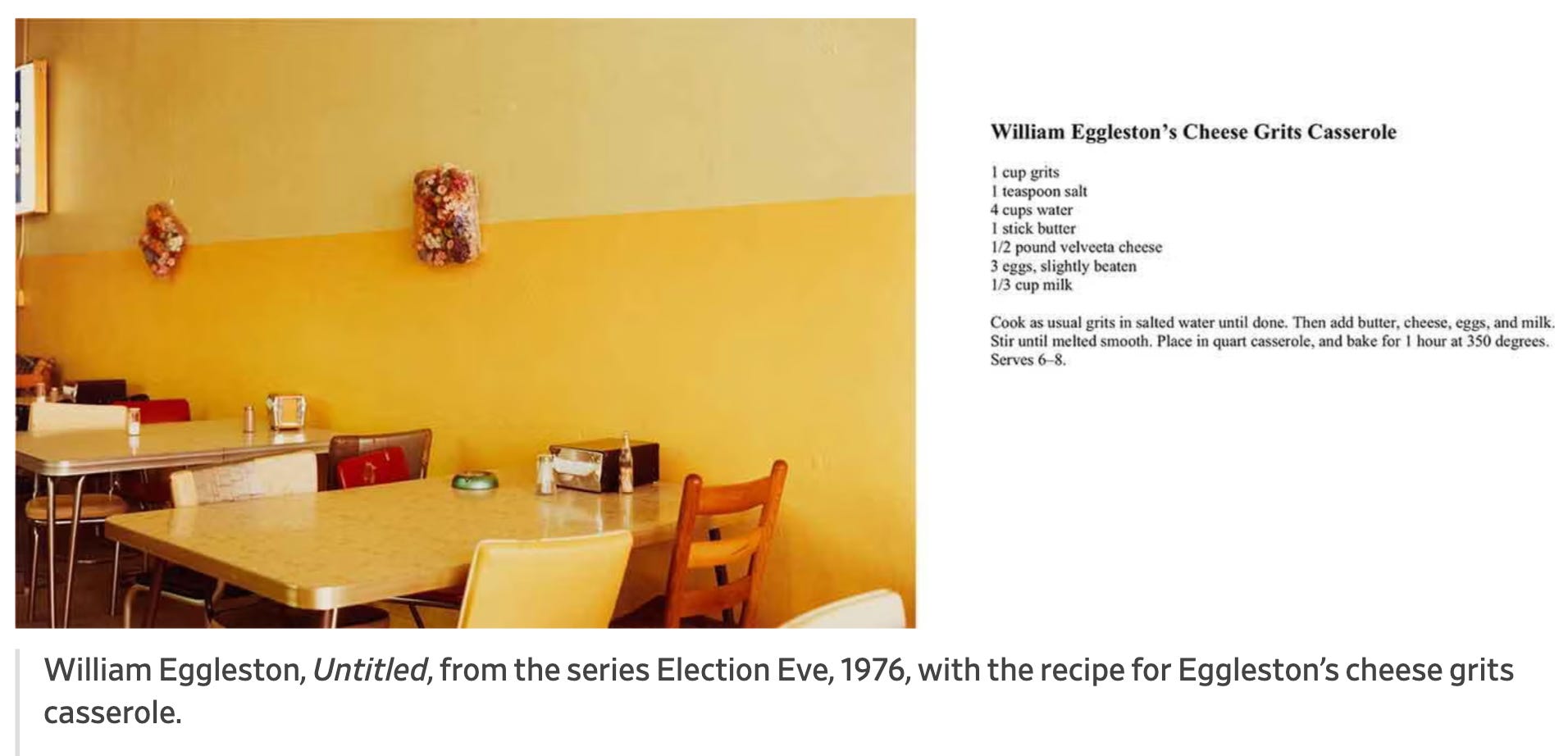
This changed by the 90’s, aughts and 2010’s. The recipe was being overhauled and reconsidered for the times.
Magazines like Gourmet, Food + Wine, Saveur, and Bon Appetit dominated the recipe form and defined it. But print gave way to TV chefs, to the far-flung adventuring of Anthony Bourdain, to the proliferation of food blogs, recipe sites, and food studies programs where cultural issues around food could be studied with scholarly precision and seriousness. Slow cookers, air fryers and Insta-pots opened up the need for new tutorials and recipes. Restaurants flirted with molecular gastronomy and never-seen-before fusions of cultural staples. Phones became more sophisticated, and picture-taking more portable.
There was also a reclamation of cooking and recipe writing as personal and cultural. People asked: What is Native cooking? What is St. Louis cooking? What is the cooking that defines the American South? What is the cooking and eating in our own neighborhoods? What are my roots in cooking? Ho does my personhood get organized and transmitted through the food and the cooking process? What does this food say about me/us? Who is allowed to cook or identify with this food? And through those questions, we were forced to reckon with complicated histories, legacies and diasporas.
Regular folks took to the newly flourishing internet to tell their food, cooking and eating stories, while teaching mere mortals how to smoke a whole hog in their backyard, or how to use aquafaba, leftover from cans of chick peas, to mimic eggs in dishes. We discussed how to minimize waste, how to cook on a SNAP budget, and explain what industrial farming was doing to the land and our lives.
Mother sauces might be the domain of French culinary schools, but they don’t stop existing with the French. And we began re-framing them as originating in more humble origins. We recognized that sauces stretched foods, when there was scarcity. Techniques like braising, were founded in small, rural communities where cooks needed to take tough meats and make them edible, not to create a gastronomic culinary masterpiece. Confit was no longer just a high-priced restaurant dish, but a longheld way to preserve proteins so they could last without refrigeration.
The head note itself sparked constant debate in the aughts, what it should and shouldn’t include, how long is too long, and whether personal history mattered. Recipe writers formed a passionate professional group, arguing over how to best measure ingredients, whether “¼ cups finely chopped onion” is better than “¾ large white onion,"and whether we could trust the public with phrases like “season to taste.” There were people whose recipes always worked: Melissa Clark at the New York Times, Deb Perelman at Smitten Kitchen, Jaden Hair at Steamy Kitchen. Elise Bauer at Simply Recipes, Kenji Lopez-Alt at Serious Eats, to name a few. And this mattered. All recipes had to be tested and re-tested with rigor, and then sent to chosen cooks for more testing. No one with any cooking chops was going to chance dinner prep on some recipe from an aggregated site, written and developed by an amateur. Recipe authority was required. The success or failure of someone’s meal, and their experience, depended on the most finicky attention to detail.
I made everything from scratch during this time, I made my own vinegars, my own boullion, my own guanciale (cured pork jowl), terrines and duck prosciutto. I wrote three essays a week on my blog about feeding our family. I learned how to shoot food photography, thanks to much more accessible photography tools. Some of the people who read this newsletter are people who read me there. These folks have watched my kids grow up. I still value their persistence in staying with me, I value them more than any cooking I did.
This full-on cooking experience made me agile in the kitchen. There is something about learning a craft from the bones up that makes it live inside you. In a recent episode of Off-Campus, a young man is fumbling the making of an important Thanksgiving dinner. It killed me not to be able to get in there and straighten it all out for him. The cooking is part of me. And it helped me become a better writer. Because of the food blogging. Because I did so much of it.
But our efforts as food writers, collectively, also made cooking feel hard and complicated. Like no one, but knowledgeable cooks, with cash, tools and privileges, could or should do it. Feeding people, entertaining, hosting was“sport cooking.” I couldn’t just invite people to dinner, we had to cook a spectacle, a whole goat over fire, bathed in niter kibbeh, berbere, curry powder, cinnamon, paprika and nutmeg, with bountiful sides, and paired beers. If it didn’t feel like a restaurant experience, it didnt feel enough.
We focused, in the party preparations, less on people and more on the food as the object itself. An excellent example of losing the thread.
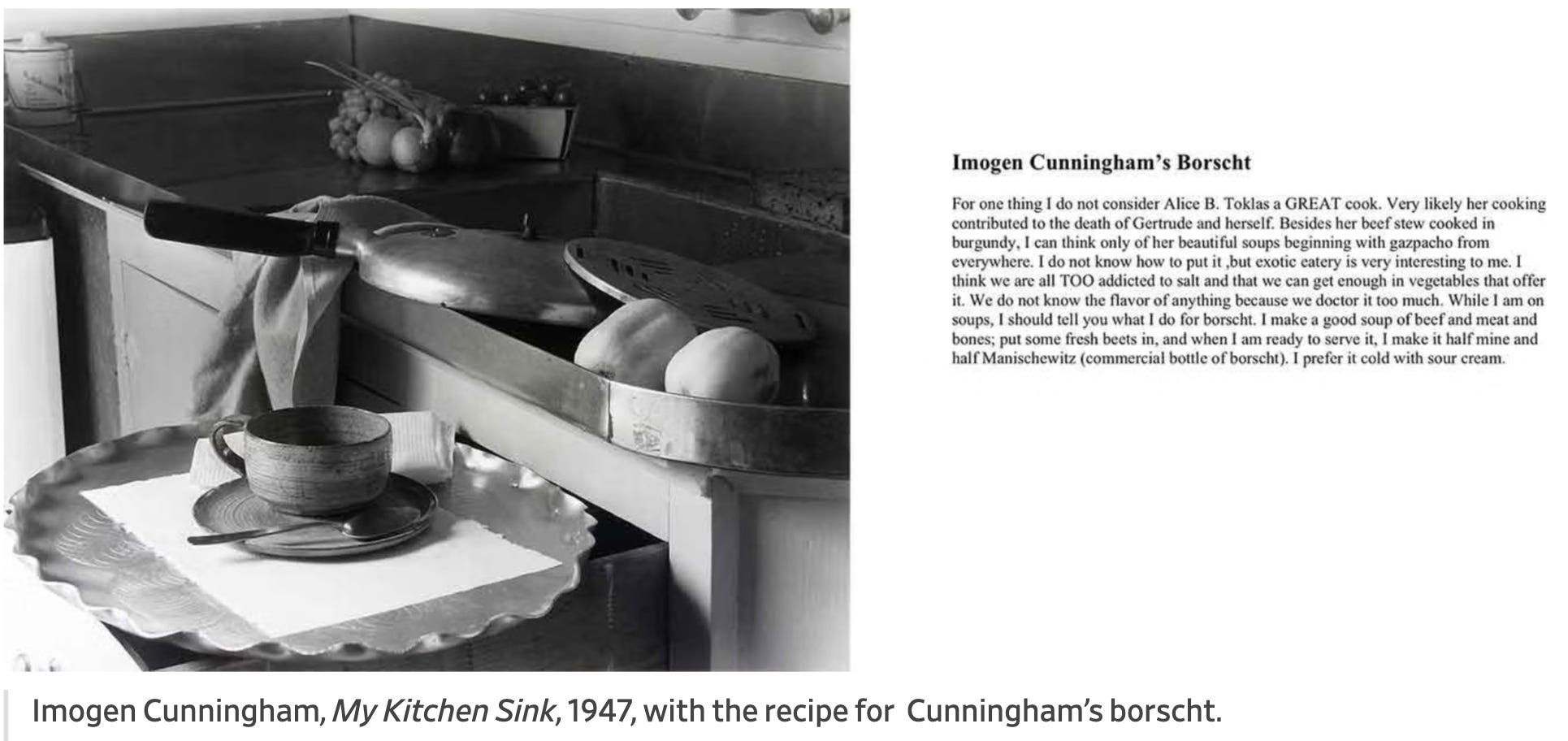
Short-form video has rocked recipe writing.
For me, a short form video can up-end my dinner-making plans with a new idea, in the best way. It can take complex cooking concepts and make them seem do-able. It can feel fun to cook. But video culture is about the look, the feel, the aesthetic. It is designed to feel do-able, even if it isn’t. There is no shame in cutting steps, or leaving out critical information to get the desired shot. The recipe is always in flux in this media, changed and altered to meet the needs of the vibe. There is nothing exacting about the recipe in short-form video.
There was a video in my feed, awhile ago, of someone making crispy rice. I made it as per the video directions. It required several iterations of cooking to get it right. I’m used to creating my own work-arounds on the fly. It’s fine for me to use these videos as inspiration, because I have some foundational expertise, can trouble shoot and fix failures, and have the money and time for more shopping if it all goes to hell. But what about my teenage and young adult kids? How many attempts will they make? How many attempts can they afford, time and expense-wise? How will they learn, if not from me? How did me, making my own bouillon, help them know how to make dinner on the fly in a sub-par college kitchen on a Trader Joe’s budget? How was the long-form preparing them for the short-form world?
The pandemic changed all of us. Food delivery changed all of us. The idea of not cooking at all has changed us. I thought I would be hosting people and sport-cooking my way through life until I fell into an open grave and ceased to exist. I was wrong. Cultures are always changing, and we are changing with it. My kitchen focus now is small and meditative. It is focused on family. It’s focused on feeding kids wth autism, and my husband whose hobby in life is being alive and healthy for as long as he can, after his heart attack. I almost never take a photo of my food anymore. I haven’t posted food pics on IG in, well, years.
I’ve noticed lately that I no longer need to make new dishes all the time, or conquer new cuisines. Is this age related? Changes in the culture? After effects of the pandemic? When Lucy and Edie were little, every meal was a chance to unlock some new technique, puzzle or ingredient, and I only repeated a dish if they asked for it: Hong Kong noodles, sukiyaki, karaage, steamed pork with salted fish. Those were on repeat. I make a lot of the same foods now, because food repetition makes autistic kids happy, and my two youngest are not experimenters by nature. I make and re-make panang curry, cheese burgers + homemade fries, pork belly fried rice, karaage, meatballs in Sunday sauce. I’m skating by on my well-formed skills, and less into the making of new ones.
I’m okay with that. I’ve earned it.
I treasure my mother’s recipes, but only as relics of our shared history. I will never make her recipe for salmon loaf. But I also can’t deny that I’m sitting here editing this draft, eating home-made salmon rilletes on Ritz crackers, topped with crunchy, fried shallots. Both scratch made. The recipes are, I admit, kissing cousins.
Maybe, if I’ve passed anything down to the family, it’s that you don’t have to be a great cook to make a great meal. To satisfy yourself and others. So much of cooking and eating is vibes, rather than science and formulas and specificity. Were our meals happy times? Do we have indelible memories from eating and cooking and being together? Have we felt heard and seen at the table? Did we sort out something hard over this food? Are we healthier and more connected to what is real? Will robots someday be cooking our meals and what will we gain and lose from that?
Mostly, we humans will lose something if we stop cooking. At all costs, no matter the form of the recipe, we must cook through it.
Thank you, as always, for reading. xo Kim

Comments
Nothing yet. Say the first thing.
Sign in to join the conversation.