
Dear Reader, this is Part 2 in a four part series I've been writing about soil as a path of spiritual contemplation. These are written in quite a stream of consciousness way so it will help to read Part 1 first to get the full picture. I'll be posting on this topic all week so follow along with me. And I might share a new song I'm working on at the end of the series so stick around :)
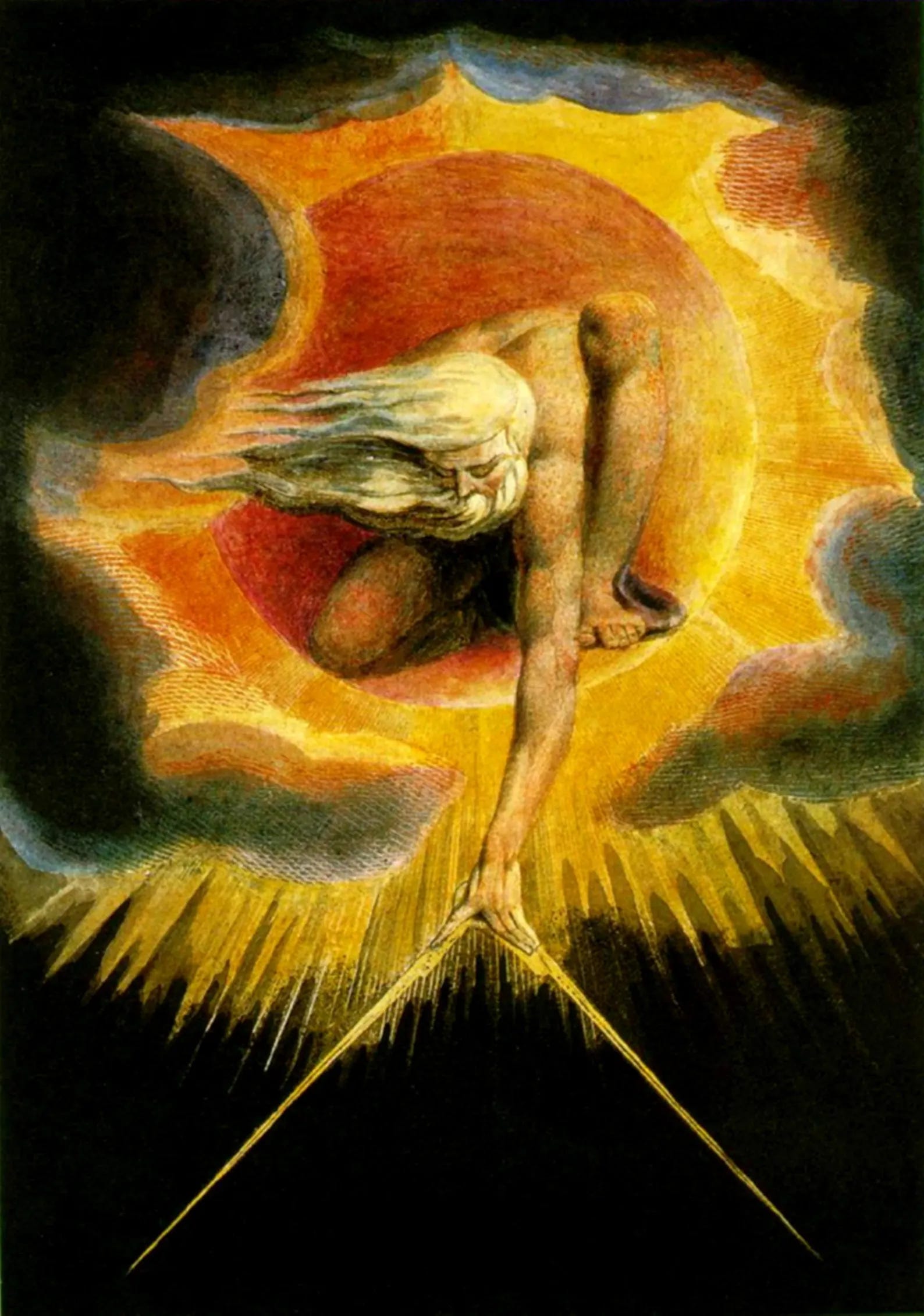
“There is a Moment in each Day that Satan cannot find.”
— William Blake
I’ve been thinking a lot about this quote by William Blake. What’s the hour in my day where I can truly tune in? A time where I can be away from the noise and undisturbed? Instead of expecting this moment to find me, can I look out for it?
As though it were a door of sorts?
I’ve been experiencing 11:11 as one of these portal type moments lately. A friend once told me it’s a time when angels speak and maybe I just started thinking of it that way because they laid the seed in my brain soil, or maybe there is something happening in that moment that feels energetically different—it’s a bit of a chicken and egg situation—but either way, I like those numbers together and I find that I often take pause when I see them. So when my friend Jacob Collier suggested we do a songwriting challenge for a selected number of days earlier this month, I told him the number I was feeling drawn to was 11.
He suggested we write 11 ideas for 11 days and they have to be a minimum of 11 seconds. The ideas can be anything: a beat, a fully produced 5-minute song, an 11-second voice memo of knives and forks on the kitchen table, a melody. It doesn’t matter—much like the soil, it’s not judging what you give it, it’s taking all input as a contribution to something beyond what the eye can see. What matters is that there is a contribution, an accountability, and a container of time in which to operate. As I mentioned in my last post, time is the essential ingredient we are bound to on this material plane (though it also appears to be a construct whenever we travel beyond these bodies but that’s a story for another time). Time is important so one can measure the growth. If you’re not paying attention you might think there’s none going on, but there almost certainly is…
The other part of the challenge was that Jacob and I each provided each other with a prompt word for each day. This was a crucial part of the containment because it gave us a sense of a spectrum to play with, some duality. Yes—duality is a fantastic way to get the brain ping-ponging between two concepts and then slowly, in time and grace-filled conditions, something really creative can be found hidden between the two.
So often in life, we think that to arrive at non-duality we need to eliminate either/or thinking. But what if we need to go through it? Entertain the duality of something, contemplate it, exist within it, experience it, toy with it intellectually, embody its qualities and how they feel inside us, then as a result of that intimacy with both ends of the spectrum, slowly come to transcend them both and discover the harmony that exists between.
We can detach from the stickiness of these two opposites—or what Pema Chödrön calls the hooks of “shenpa”—and the charge of energy they hold. Conflict naturally has a voltage to it and often an attraction, a magnetism, a sense of energy bouncing off one pole to the other, friction, tension and stimulation. This is why it feels strangely satisfying sometimes to be embroiled in an argument (until it doesn’t). The middle way doesn’t have this sort of immediate vitality perhaps, but once it’s felt as a reliable and trustworthy inner state, it is rich and generative and sustaining. It is found not by denying the two opposites present within any given thing, but by accepting them and making intimate friends with them, which, in time, gives way to insight.
Much of my life I chased insights on the spiritual path as a means of intimacy with God. I loved learning and discovering something new. Nothing made me feel closer to that divine essence than when I connected the dots inside myself and felt everything click and relate to each other. Insight appeared to give way to a more intimate encounter with the world. But I’m coming to appreciate things the other way round these days. Intimacy before insight. Relationship before the production of something.

On my last silent retreat I asked one of the long-time monks, Father J, who greets the retreatants when they arrive, how he prays. Does he sit for long periods? Is it a religious ordeal full of memorised scriptures, rosary beads and kneeling?
This was his response:
“Kimbra, you know when you haven’t seen a friend in a long time and that feeling you get when you have a really long hug and you don’t need to say anything? That’s what it’s like with God — I just sit down, and enter into that embrace. God holds me and I let myself be held.”
For the entire retreat, I gave up my mantras, softened my scrunched brow and instead I sat down and just imagined myself both surrendering into another’s breast and being supported by them simultaneously. I didn’t say a word in my heart or my mind. That small act of giving and receiving in my body became the prayer. I was practising resting in the divine. I was practising grace. Not earning to receive something. Not demanding insight before I could believe or feel enlightened. I was just practising intimacy.
And if I could stay in that embrace, perhaps I could come to trust that the insight would emerge in its right timing. Perhaps I would learn to trust that voice I appear to be so intently listening for all the time. And when I trust that voice, perhaps I’ll have the courage to actually go where it leads.
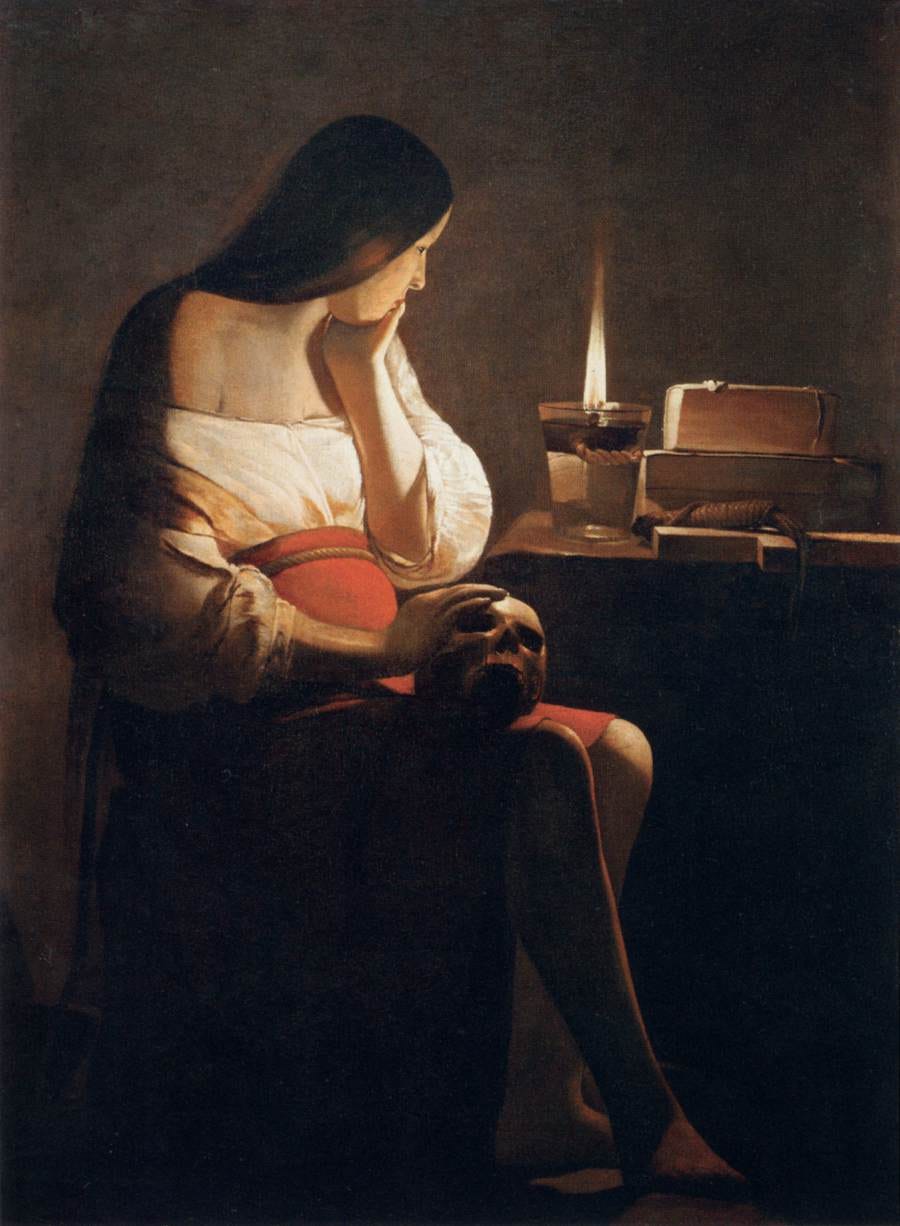
Does the seed also have to learn to trust the light?
Does it get so used to that dark, sacred womb that to be ruptured out of the earth and into the tyranny of elements would take an almost heroic kind of faith?
Underground, everything is interwoven, smushed together in the soil, supporting, trading water, nutrients and sugars in what scientists now recognise as one of nature’s most extraordinary examples of interdependence. The older trees actively send carbon to younger trees that can’t yet feed themselves, an act of astonishing generosity, and yet the seed must leave this supportive environment and burst into the open, taking the hand of sunlight, saying, “please! sustain me!”
Oof, relatable.
Surprisingly though, the seed’s first act of trust isn’t toward light. It’s toward darkness and moisture. It germinates in that black void with no evidence yet that light exists. It only encounters it after it has committed and broken open. The trust comes before any knowledge of what it’s trusting toward. It moves before it can see where it’s going.
What is fascinating is that in this process of becoming, the plant itself is simultaneously drawn upward while reaching down into the ground. It must live out this juxtaposition every day: stay rooted enough to receive nutrients while reaching outward enough to receive light and move in the direction of upward growth.
Much like the first green shoot, half of us always stays hidden while the other half longs to be witnessed. What trust it takes to say yes. To reveal oneself above the ground and struggle through the earth’s surface (yes, despite how much we worship the life of ease, there is no growth without a certain degree of struggle) toward a lifespan one knows very little about. Or to put it more accurately, absolutely nothing.
We’re born with no idea what we’re doing here. But our roots give us clues.
Sometimes—especially when you start getting curious about what lies within—life can feel like a nonstop excavation into what’s overgrown, what’s poisoning us and controlling us. Some root systems run so deep you have to get a bloody AXE to cut them out. And even then they can come back. Certain roots, when severed don’t die, they regenerate! The act of aggression can even trigger the root to send up new shoots and multiply. What removes them isn’t force but patience. A slow withdrawal of whatever feeds them. A change in conditions.
The axe is rarely the answer. Changing the soil is.
May we not forget that gardening is a balancing act. Crops thrive when they’re rotating and planted alongside other plants and root systems which encourage other species and outcomes. Joni knew this too.
“Any time I make a record, it’s followed by a painting period. It’s good crop rotation. I keep the creative juices going by switching from one to the other, so that when the music or the writing dries up, I paint. You rest the ear a while and you rest the inner mind, because poetry takes a lot of plumbing the depths.”
— Joni Mitchell
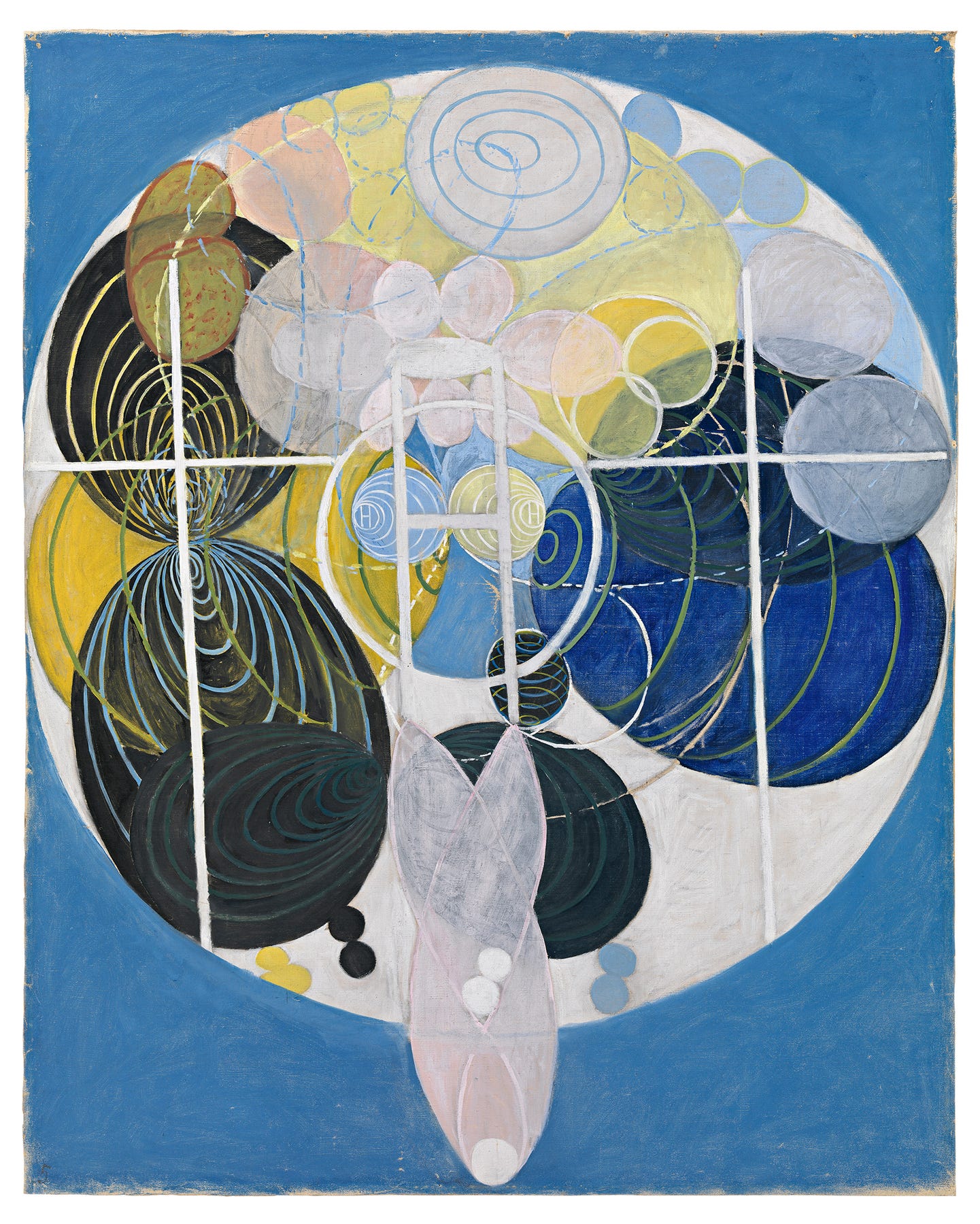
If the breaking of a seed is akin to an insight in the human mind, and the first gesture of growth is initiated by a kind of intimacy with the sun, then perhaps death too is less like an end point and more like an exchange. Much like the ritual of giving before receiving in Native American ceremony. A bag of tobacco burned before entering the sweat lodge. The sacrifice offered at the altar. In this reciprocity we prime ourselves to receive. We give up something in order to be given. We die to receive life. Death will be, of course, the ultimate gesture of intimacy when we each arrive at its door.
In the end, is there any greater act of trust than to let go and surrender one’s body to the soil?

I wonder what it would look like to use my portal of 11:11 as a moment to pause and get as intimate as possible with the moment I’m in. Instead of extracting some kind of ‘meaning’ from it, perhaps I could be content with just feeling that closeness.
We have a culture wired on the dopamine of insight. I, myself, get really addicted to this feeling. I love that “aha” moment. That sudden coherence when scattered things snap together and make a shape. I also love altered states for helping me achieve this in an instant but I sense how quickly it can turn into a form of control. I want to understand and I want to understand now, please. It doesn’t honour the ingredient of time and that still, small voice which asks us to rest and relinquish in order to receive.
I think back to what Father J told me, about entering into that friendly embrace with God when he sits down to pray, practising trust before demanding inspiration or insight. There is less force in this approach. Perhaps it’s the difference between “I’m going to read all these books and make myself realize something on my desired timeline” versus “I’m going to set up conditions to help me come into the awareness of this desired insight in the fullness of time.”
The Fullness of Time, to me, means honouring both the ingredient of time in any great becoming and also the nature of time, which is not linear but probably more stacked and circular and mysterious. This path has trust at the forefront. It has faith in Grace being the natural state of the universe rather than reward. This veers starkly from the subtext of our culture which screams: you’ll get what you want — but ONLY IF YOU TRY HARD ENOUGH.
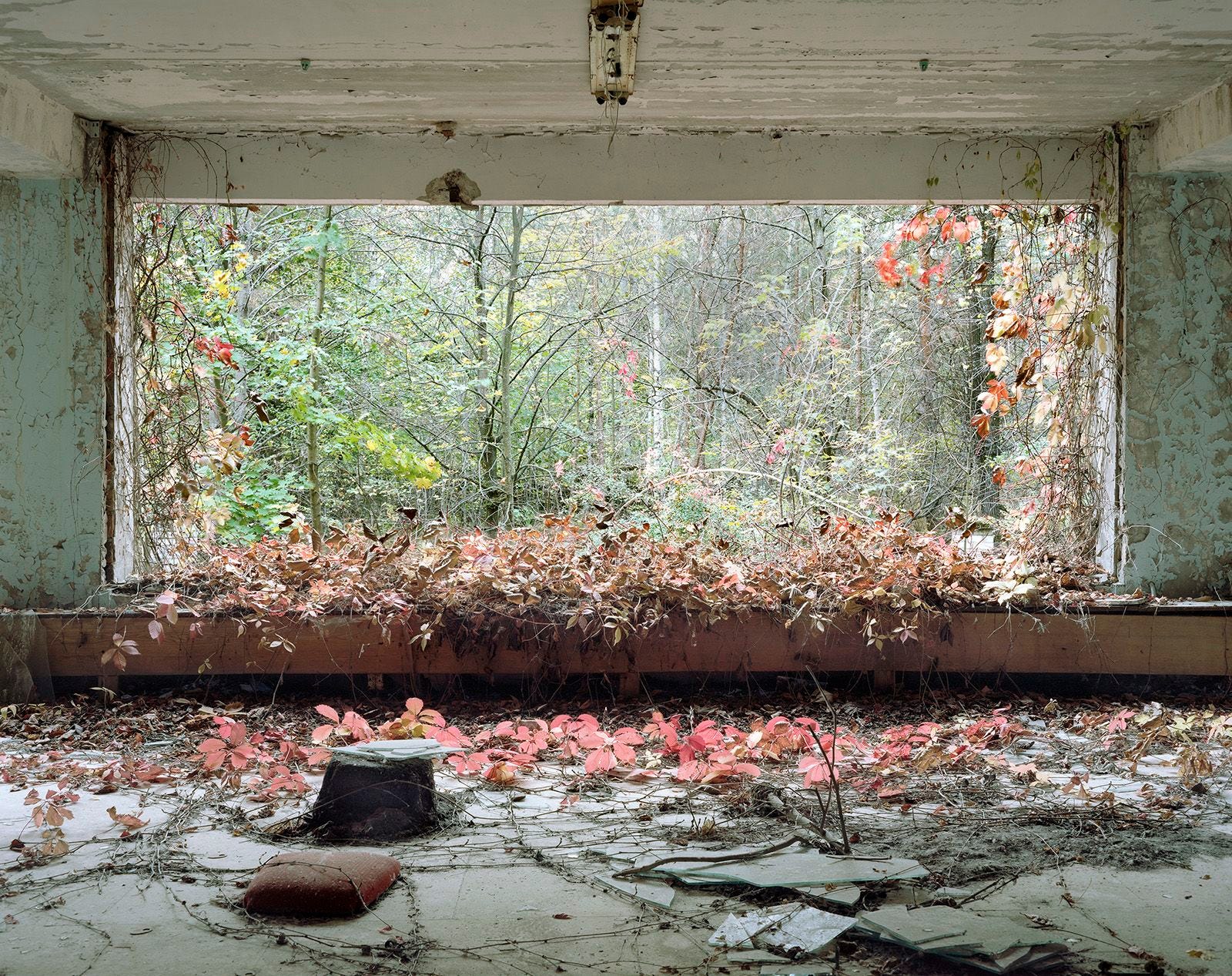
Even if you don’t try at all, or actively try not to, the soil will grow something. Think of Chernobyl—nature rushed back in the moment humans left. It’s true, it’ll never be the same and the wounds in the soil will last centuries but one can be sure, a world of unexpected growth will continue to push forward. The earth, it seems, knows only one direction.

No posts
Comments
Nothing yet. Say the first thing.
Sign in to join the conversation.