
Hello there, happy Sunday!
On Friday, July 24th, Utah celebrated Pioneer Day – celebrating and honoring the pioneer men and women who walked with handcarts out to the west in 1847. They arrived in the Salt Lake Valley with a vision of Zion: a place where they could live their religion (and polygamy) without fear of the persecution that drove them from their homes in New York, Ohio, Missouri, and Illinois. Brigham Young spearheaded the undertaking of relocating the Latter-day Saints, and an estimated 70,000 people eventually came to Utah under his leadership. Many people died on the journey under harsh conditions, little food, and strenuous circumstances.
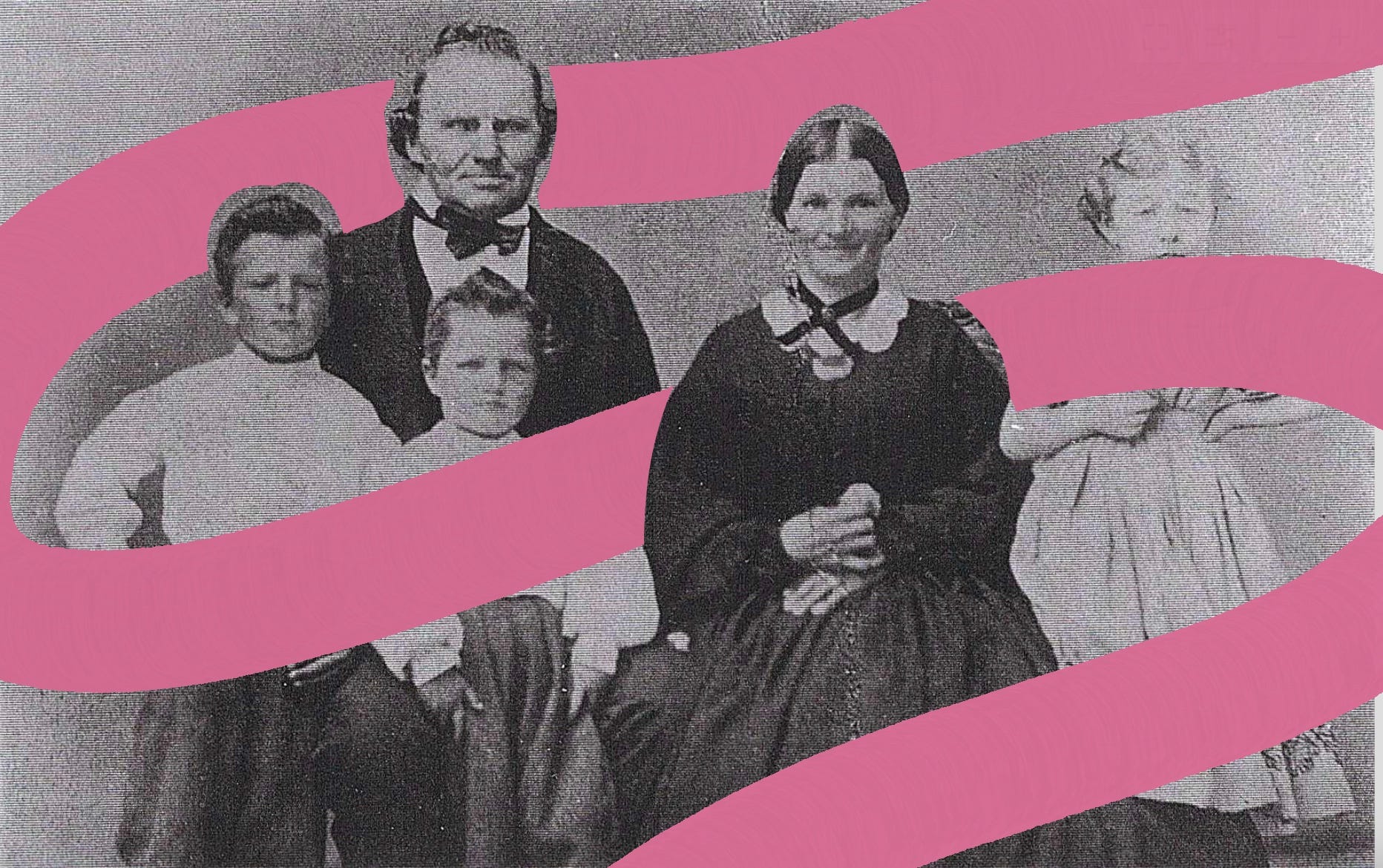
Personally, I come from pioneer heritage on both sides of my family. The reason my family ended up in the United States at all was from Mormon missionaries in Europe seeking to bring people to Utah with the promise of establishing Zion. My ancestors gave up everything for this religion that I was born into. Growing up in Utah, I was raised on the same soil that they had dreamed about and worked for.
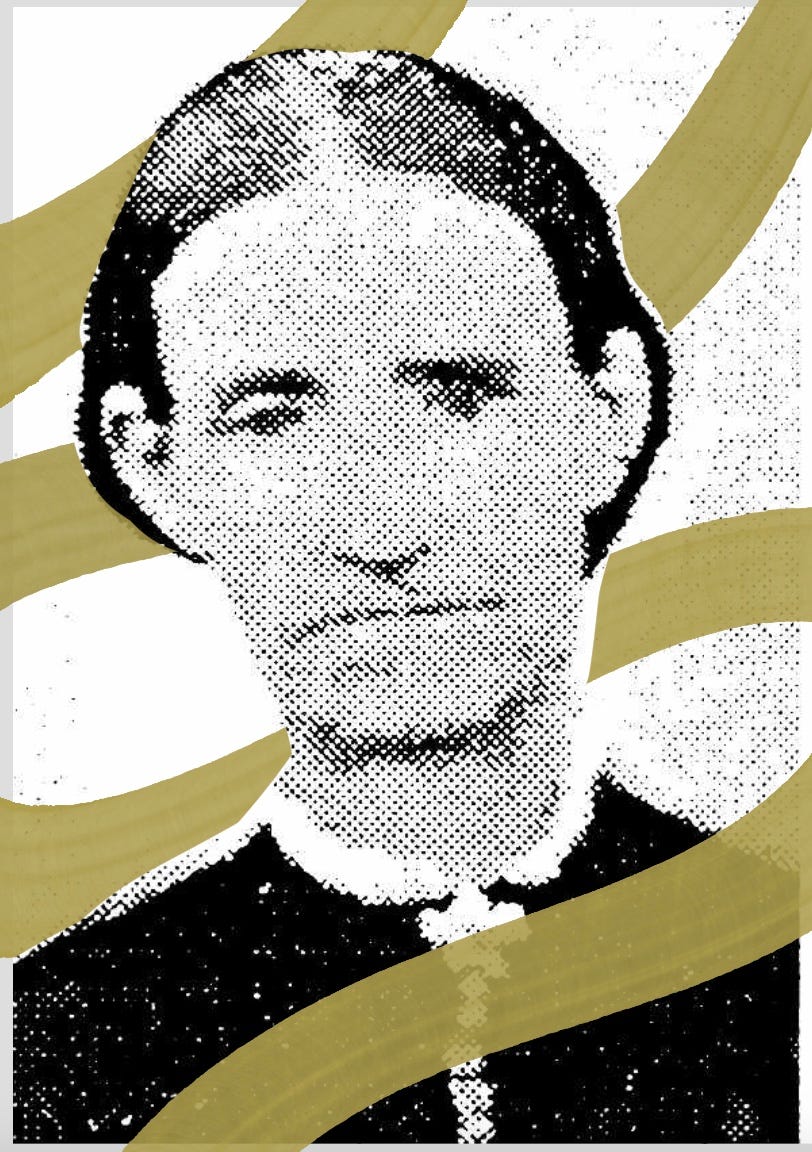
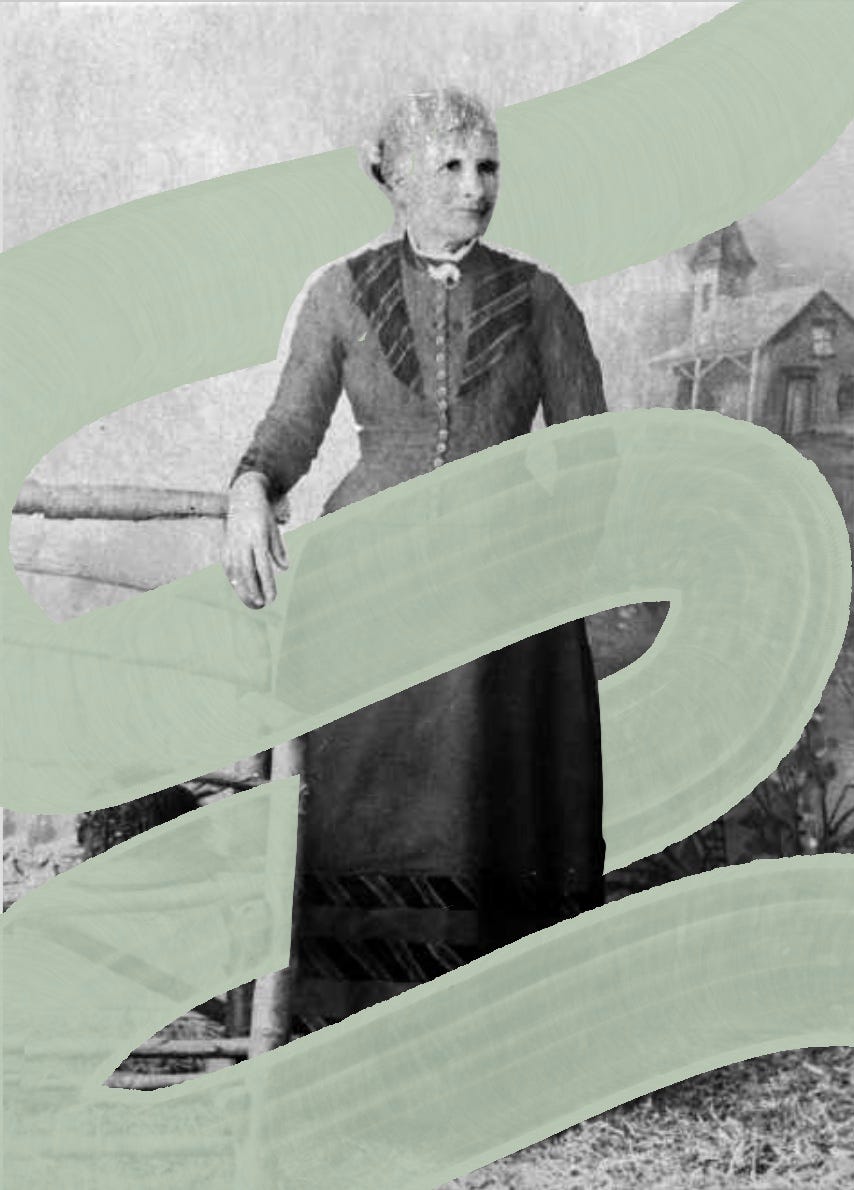
My pioneer ancestry ties me to this land, to this belief system, to this community in ways that I think would be different if I had just come to the church on my own. My bones contain their legacy. I love and honor my ancestors – their audacity, bravery, grit, vision, and faith is meaningful. And, as I grow older, I have begun to grapple with my family history, too.
This year, I watched the Pioneer Day parade in downtown Salt Lake City. Floats containing figurines of pioneers, modern day missionaries, and temples slowly made their way down the street. People dressed as pioneers walked with handcarts.
As I watched – I got to thinking – the stories we tell shape us. They become a part of the collective culture and identity. Who is telling this narrative? What function does it serve? And what is missing?
The narrative that is told with the pioneers coming to Utah – what’s the underbelly of that story? Learning the untold stories doesn’t negate these people’s sacrifices or strip them of their honor, but it does give a more complete picture of their humanity.
The underbelly: Native Americans being displaced, mischaracterized, and used. Poor European immigrants not told the whole truth about what to expect in the Salt Lake Valley Zion. Women’s anxiety about their salvation being reliant on their husband as their savior. Women born into a polygamous family, not thinking their future contained the possibility of a man devoted to them alone. Women being treated as property – as something to be gained and gathered to enlarge a man’s heavenly kingdom in the next life.
As I watched the Pioneer Parade this year, I saw it with fresh eyes. I noticed the stories that were told, and the stories that were left untold.
Later that day, I went to a Native American powwow in Liberty Park – the underbelly of the pioneers’ colonization of this valley. I watched them dance in traditional clothing, with piercing songs and drums filling the air.
And recently, I helped paint a mural with a girl who is Native American. We painted beadwork and basket weaving patterns, representing different parts of her heritage. Her family’s history. I thought about how our ancestors’ paths might have crossed a few hundred years ago – hers displaced by mine. And now here we were, working together to make something beautiful for the community. Isn’t there something to that? We are pioneers in our own way.
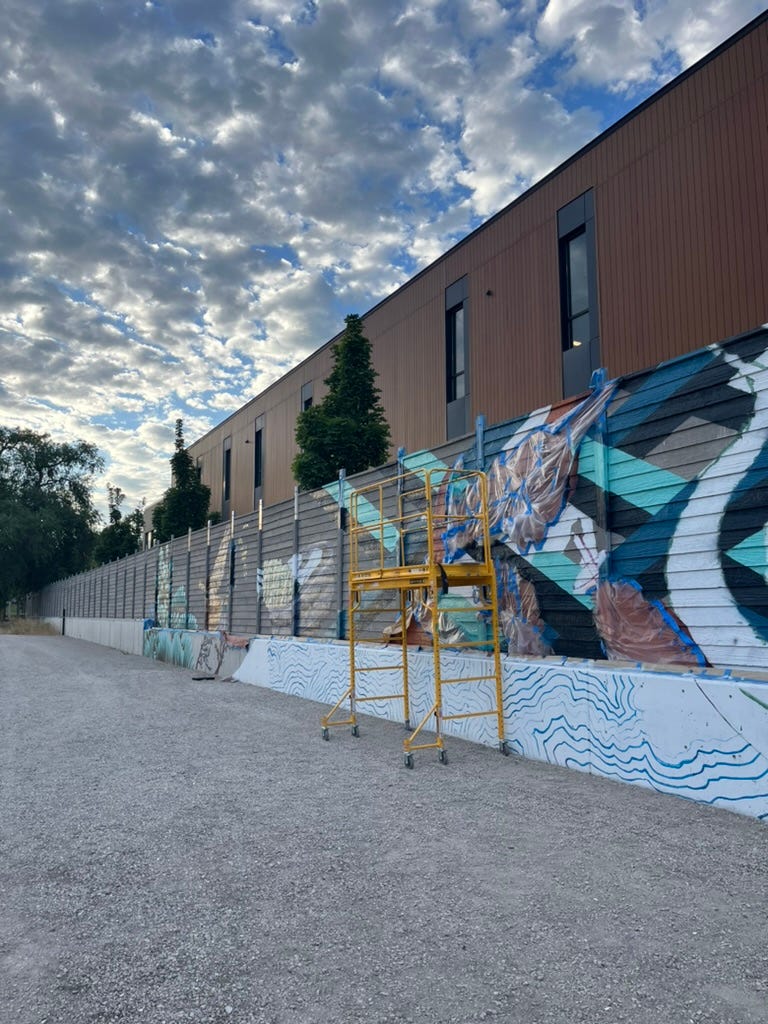
The legacy of our ancestors lives in us. When I first began to question the Church teachings, I felt a sort of guilt and responsibility to my ancestors. I wondered if I could still honor their legacy even while choosing a different path for myself.
Then I realized… that is exactly what their legacy was. There is a bravery in choosing a new path that is unprecedented and that you haven’t seen done before. There is an audacity in the kind of faith that expects God to work in new ways. My ancestors left everything for the knowledge they had at the time. I build upon what they have started.
Carol Lynn Pearson, in a post about Pioneer Day a few years ago, said, “Let us hold a vision of a new land and a new life. Let us make certain our wagons are packed with precious things, and let go of the rest.”
Our bones contain their legacy. But it is my responsibility to walk my own path and be a different kind of pioneer.
May we pack our wagons with precious things and let go of the rest,

Below, you will find this week’s Sunday Somethings. This is where I share my recommendations, insights, and favorites for the week. Have something you’d like to share, too? I’d love to hear from you in the comments and in the community chat!


Text within this block will maintain its original spacing when published
The Pioneer
by Arthur Guiterman
Long years ago I blazed a trail
Through lovely woods unknown till then
And marked with cairns of splintered shale
A mountain way for other men;
For other men who came and came:
They trod the path more plain to see,
They gave my trail another's name
And no one speaks or knows of me.
The trail runs high, the trail runs low
Where windflowers dance or columbine;
The scars are healed that long ago
My ax cut deep on birch and pine.
Another's name my trail may bear,
But still I keep, in waste and wood,
My joy because the trail is there,
My peace because the trail is good.

I made a trinket tray out of airdry clay this week! Still waiting for it to dry, but my plan is to do something like this:

This was a fascinating interview with Hailey from GirlsCamp and Chief Mary Murdock, who shared more about the history of the Timpanogos people:

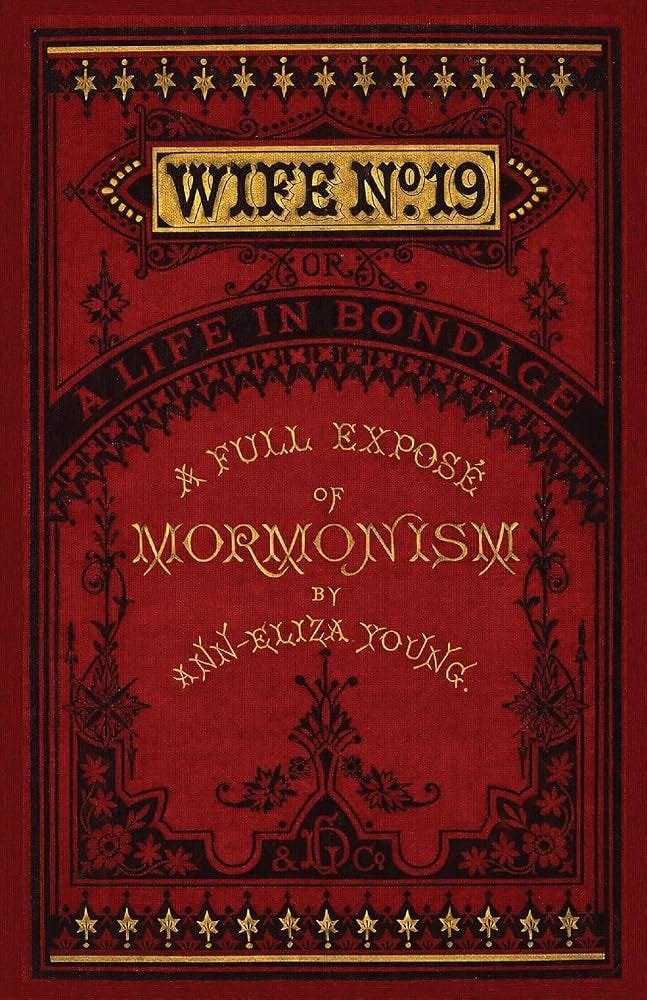
The absolute best book I’ve read about what it was like being in Utah during the reign of Brigham Young. Ann Eliza Young was Brigham Young’s nineteenth wife (or so she thought — people now estimate she was the twenty-seventh wife). She felt she was not adequately taken care of as a wife, so she divorced Brigham Young and then sued him. She went on to write this exposé on Mormonism and polygamy. She not only tells her story, but the whole Mormon story as it was known then. It is a mind-blowing read, especially if you grew up Mormon and are familiar with all of the events and places she references. I loved that it was HER THAT WROTE IT. I love reading her own words. I am planning to write a whole other essay on this book, but I wanted to share now. Truly one of the most influential books I have read this year.

I recently learned more about the Statue of Liberty. The Statue of Liberty was commissioned in 1865. The proposal was by Édouard René de Laboulaye, and it was created to celebrate the abolition of slavery in the United States. Lady Liberty was holding chains in her hand in the original drawings, but the United States wanted the chains removed. The artist negotiated that the chains be placed under her feet instead.
Because of the placement of the chains, they are not visible to public viewing.
For years, the dominant narrative of the Statue of Liberty was that it represented immigration. That interpretation came later, and wasn’t the original idea for the piece. It wasn’t until recently that the tour guides at the Statue of Liberty underwent a training to teach the original meaning of the Statue of Liberty, the one that represents breaking the chains of slavery – a historic moment in the pursuit of freedom and equality for all.
Diving into the underbelly of the dominant narrative can feel awkward at times. It requires a certain openness to be willing to be wrong, and to be willing to un-learn what you’ve been taught by people you trust. Just like with the Statue of Liberty – the symbol and the story evolved over time and began to mean different things. The evolving symbolism isn’t wrong, necessarily. It is just incomplete and it’s important to acknowledge the full story.
Thank you, thank you for reading Something for Sundays! If you enjoyed this post, please share with someone you know who might enjoy it too! ♥

Exploring the feminine face of god
Talking to people who are different than you
An essay I wrote when I started to question my beliefs
My thoughts about cults
Different ways of praying
30 years worth of life lessons that nobody asked for
Seeing the sacred in the ordinary
No posts
Comments
Nothing yet. Say the first thing.
Sign in to join the conversation.