
Immigrant families, employers, workers, faith communities, educators, healthcare providers, veterans, small business owners, and neighbors concerned about fairness often ask candidates where they stand on immigration, border security, due process, legal immigration, workforce needs, family unity, and human dignity. Voters deserve the same transparency. Here is where I stand.
America has always been strengthened by people seeking opportunity, safety, and a better future for their families. Immigration policy is not only about borders. It is about families, workers, businesses, communities, and whether our government can effectively administer laws in a way that is fair, predictable, secure, and consistent with our values.
A functioning immigration system should uphold the rule of law while recognizing the economic, social, and human realities facing families and communities. Secure borders, due process, workforce stability, public safety, and human dignity should not be treated as competing goals. A responsible immigration system should strive to protect all of them.
Throughout my years of public service, I have worked with diverse communities throughout Hillsborough County and the Tampa Bay region. I have seen families working hard, building businesses, serving their communities, raising children, paying taxes, and contributing to local economies while navigating complex federal systems that are often difficult to understand and slow to respond.
I believe government should treat people fairly, respect due process, protect constitutional principles, and recognize human dignity while enforcing the law responsibly. Leadership that listens requires understanding how federal immigration decisions affect real families, local employers, schools, healthcare systems, faith communities, workers, and neighborhoods.
As a Hillsborough County Commissioner, I served diverse communities throughout the Tampa Bay region and worked on issues directly connected to immigrant families, workforce development, economic opportunity, public health, affordable housing, transportation, small-business growth, human trafficking prevention, and community wellbeing.
I worked with workers, employers, educators, faith leaders, healthcare professionals, nonprofit organizations, and families who understood that immigration policy affects real people and real local economies. Throughout my public service, I saw firsthand how workforce shortages affected healthcare providers, construction companies, hospitality businesses, community organizations, and employers trying to meet the needs of growing communities.
I also saw the contributions immigrant families made to our region through entrepreneurship, workforce participation, community service, tax contributions, cultural enrichment, and civic engagement. My experience reinforced an important lesson: immigration policy cannot be separated from workforce needs, healthcare access, housing affordability, economic growth, due process, public safety, and family stability.
Government should enforce the law responsibly while respecting constitutional protections, human dignity, and the economic realities facing both families and employers.
I support secure borders, effective immigration management, due process protections, family unity, lawful pathways for immigration, modernized immigration systems, efficient case processing, workplace accountability, protection for Dreamers, and immigration policies that reflect both public safety and economic realities.
I believe our immigration system should be orderly, efficient, fair, and humane. America can maintain border security while also respecting constitutional rights, supporting economic growth, and keeping families together.
A secure immigration system should be clear, consistent, legal, humane, and effective. That means investing in modern border management, reducing backlogs, improving case-processing capacity, strengthening workplace accountability, addressing real public-safety threats, and ensuring that people navigating the system receive fair and timely due process.
Order and fairness should go together. When systems are unclear, delayed, or inconsistent, families suffer, employers struggle, and public confidence declines.
Immigration policy affects workforce development, economic growth, housing construction, healthcare delivery, small business development, agriculture, tourism, hospitality, and the ability of employers to fill critical positions.
Businesses throughout Florida often face challenges recruiting workers in industries that are essential to economic growth and community wellbeing. Communities benefit when employers can meet workforce needs through legal, orderly, and predictable systems. A strong economy depends on having enough workers with the skills necessary to support growing industries and essential services.
Family unity is an important principle in immigration policy. Families should not live in constant fear that administrative delays, procedural complications, or shifting policies will unnecessarily separate loved ones.
I support due process protections, fair hearings, access to legal proceedings, transparent rules, and timely case resolution. Our immigration system should reflect America’s commitment to both the rule of law and human dignity.
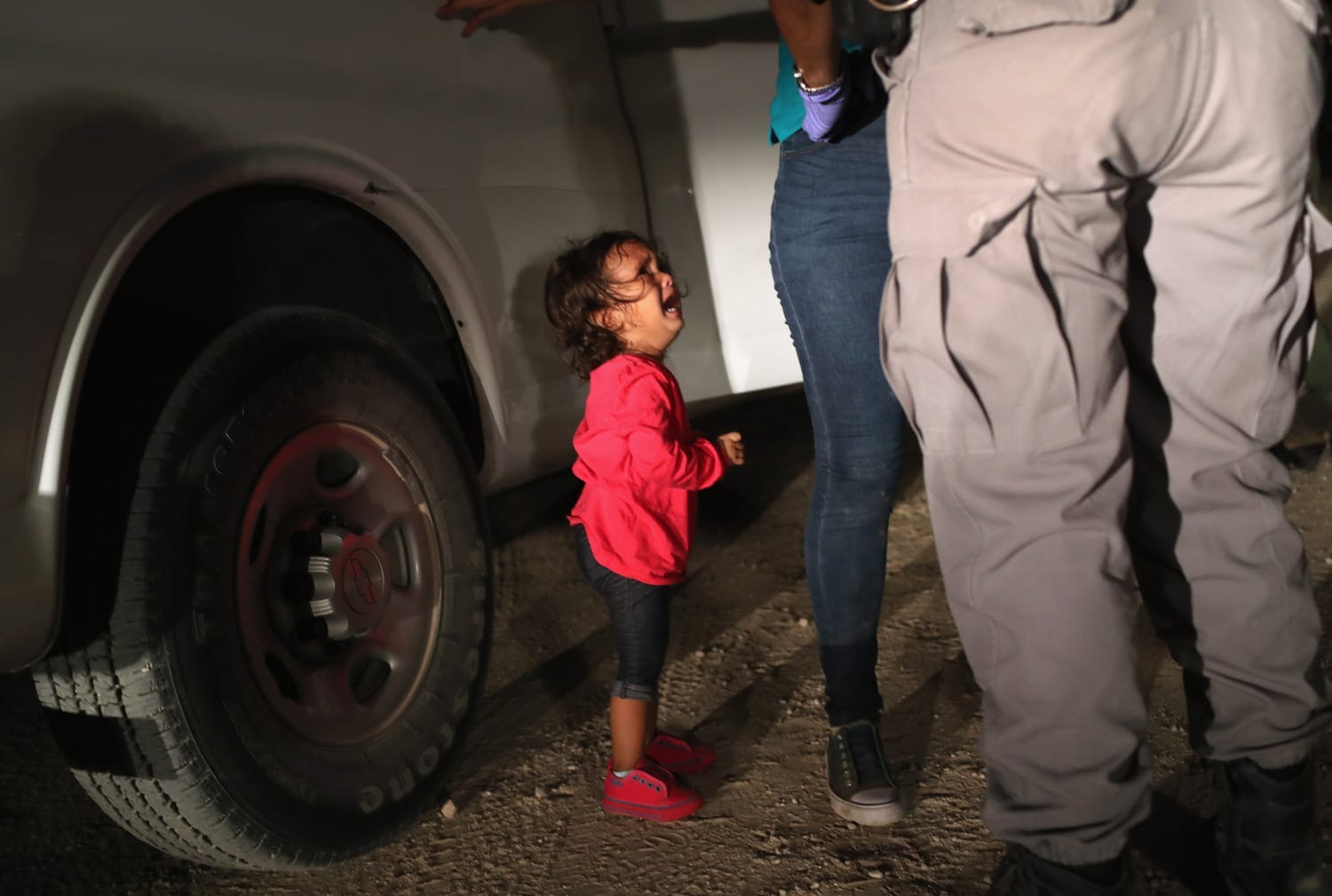
Many communities across Florida include families who previously qualified for Temporary Protected Status and who have lived, worked, paid taxes, raised families, and contributed to their communities for years.
Public debate regarding TPS often relies on broad rhetoric rather than individualized evidence. Immigration policy should not stereotype entire communities. Policymakers should evaluate TPS policy based on public safety outcomes, due process protections, workforce impact, economic consequences, family stability, community effects, and constitutional principles.
Because healthcare employers, construction firms, agricultural operations, schools, faith organizations, and community businesses depend on stable workforces, changes in TPS policy can have significant local impacts that should be evaluated carefully.
Immigrant workers are part of Florida’s healthcare, construction, agriculture, hospitality, transportation, business services, and small-business economy. When policies remove experienced workers from sectors already facing labor shortages, the consequences can reach families, employers, patients, consumers, and taxpayers.
Healthcare facilities depend on caregivers, technicians, nursing-support workers, food-service staff, environmental-services workers, and administrative support workers. Construction employers depend on skilled and reliable workers to build homes, repair storm damage, complete infrastructure projects, and support growth. Agricultural operations depend on stable labor to keep food production and supply chains functioning. Small businesses depend on workers, customers, entrepreneurs, and community stability.
Immigrant-owned businesses contribute to local economies by creating jobs, serving customers, leasing commercial space, paying taxes, supporting local vendors, and investing in neighborhoods.
Policies that create uncertainty for workers and families can also create uncertainty for small businesses, commercial corridors, and local economies. Economic opportunity depends on predictable rules, stable communities, and a workforce that can participate fully and lawfully.
Throughout Pasco and Hillsborough Counties, residents frequently discuss workforce shortages, rising costs, difficulty filling essential jobs, and challenges faced by employers trying to maintain services.
Healthcare providers need nurses, technicians, caregivers, support staff, and other workers to keep facilities operating effectively. Construction companies need skilled workers to build homes, infrastructure, and commercial projects. Agricultural operations depend on reliable labor to support food production and related industries. Hospitality businesses need workers to support tourism, restaurants, and community businesses.
When experienced workers leave the workforce or when families face prolonged uncertainty, those challenges become more severe, increasing costs and slowing economic activity.
A long-term care facility in Pasco County may struggle to fill caregiving, nursing-support, housekeeping, food-service, and patient-support roles if experienced workers leave the labor force or if workforce shortages worsen. Healthcare access depends not only on facilities, but also on having enough trained workers to deliver care.
A construction company working to build workforce housing, repair storm damage, or complete infrastructure projects may experience delays when labor shortages increase. Housing affordability and workforce availability are connected.
A local food producer, logistics employer, or agricultural operation can be affected when food production, distribution, and support services cannot maintain stable staffing. Supply-chain pressures can eventually reach consumers through higher costs.
Many immigrant-owned businesses contribute to local economies by creating jobs, serving customers, paying taxes, leasing commercial space, supporting neighborhood corridors, and investing in communities. Immigration policies can affect entrepreneurship and small-business growth.
A mixed-status household may include U.S. citizen children, lawful permanent residents, TPS recipients, visa holders, and relatives with pending applications. Policy changes can affect entire households, not just individuals.
Schools may experience instability when students face uncertainty about family status, sudden relocations, or prolonged immigration delays affecting parents and caregivers. Stable families contribute to stronger educational outcomes.
Faith communities and nonprofits frequently assist families navigating immigration systems, legal processes, language barriers, housing needs, food insecurity, and community services. Local organizations often provide critical support that helps families remain connected, productive, and safe.
Immigration policy should be measured by outcomes, not rhetoric.
Security and administration metrics should include border security effectiveness, processing efficiency, immigration court backlog reduction, timely work authorization processing, administrative transparency, and public confidence in system integrity.
Economic impact metrics should include workforce stability, employer hiring capacity, healthcare workforce availability, construction workforce availability, agricultural workforce stability, small-business growth, tax participation, and economic contribution.
Family and community stability metrics should include family unity outcomes, school stability, community participation, housing stability, faith and nonprofit support effectiveness, and reduction in unnecessary disruption to families and employers.
Due process and fairness metrics should include access to fair hearings, timely case resolution, transparent rules, consistent application of law, legal clarity for applicants and families, and constitutional compliance.
Public safety metrics should focus on evidence-based enforcement outcomes, public trust, individualized enforcement, and targeting actual criminal activity rather than broad stereotypes.
The overall test is simple: Does the policy improve security, fairness, economic stability, due process, workforce needs, public safety, and family stability at the same time? If the answer is no, policymakers should keep improving the system until those goals are met.
Immigration policy does not operate in isolation. Healthcare security, educational opportunity, workforce development, housing affordability, retirement security, transportation access, public safety, and economic growth are interconnected.
Communities succeed when workers can contribute, businesses can grow, families can remain stable, and government systems function effectively. Immigration reform should support both economic opportunity and public confidence.
I will support legislation that strengthens border security, modernizes immigration systems, protects due process, preserves family unity, addresses workforce needs, improves administrative efficiency, protects public safety, and creates evidence-based reforms grounded in measurable outcomes.
I will support policies that recognize both America’s security needs and America’s values. Security and human dignity are not mutually exclusive. We can protect both.
Families in Pasco and Hillsborough Counties deserve immigration policies that are secure, effective, fair, humane, and economically responsible. They deserve a government that recognizes workforce realities, respects due process, supports family stability, and develops policy based on facts rather than rhetoric.
Employers throughout FL-12 depend on strong workforces. Families depend on functioning communities. Economic growth depends on stable labor markets and predictable policies. Florida’s 12th Congressional District deserves a representative who understands our communities because she has lived, worked, and served here.
The challenges facing families in Pasco and Hillsborough Counties are not abstract policy debates. They are the rising cost of living, the affordability of healthcare, the security of Social Security and Medicare, the strength of our local economy, and the opportunities available to the next generation.
I am running for Congress because I believe effective government can help solve these challenges when leaders are willing to listen, work across differences, and focus on results. That is the leadership I have provided throughout my public service, and it is the leadership I will bring to Washington.
Leadership Matters.
Learn more: kimberlyoverman.com
Volunteer: kimberlyoverman.com/volunteer
Contribute: secure.numero.ai/contribute/Overman-for-Congress
Paid for by Overman for Congress
Comments
Nothing yet. Say the first thing.
Sign in to join the conversation.