
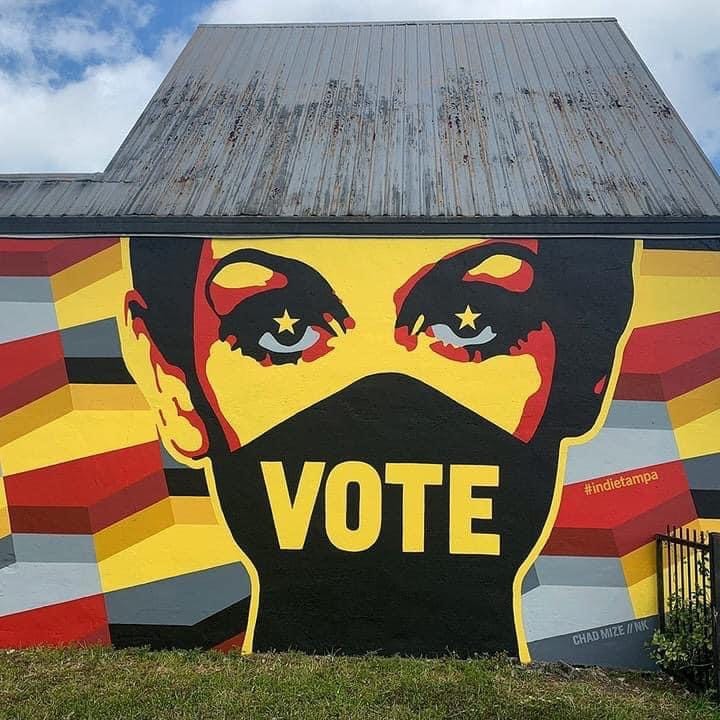
Voters, returning citizens, students, seniors, communities of color, election workers, democracy advocates, civic organizations, veterans, military families, caregivers, and community leaders often ask candidates where they stand on Voting Rights Act protections, Vote-by-Mail, Early Voting, fair districts, election administration, civic education, returning-citizen rights, election integrity, and protecting democratic institutions. Voters deserve the same transparency. Here is where I stand.
A functioning democracy begins with the right to vote. When voting is harder, districts are manipulated, or communities are denied a fair voice, government becomes less accountable and less responsive to the people it serves.
Democracy is strongest when people believe their voice matters, their vote counts, and government remains accountable to the people it serves. Our institutions work best when participation is encouraged, barriers are minimized, election administration is transparent, and voters trust that elections are conducted fairly and accurately.
Voting is not just a right. It is the foundation that gives legitimacy to every public policy decision that follows.
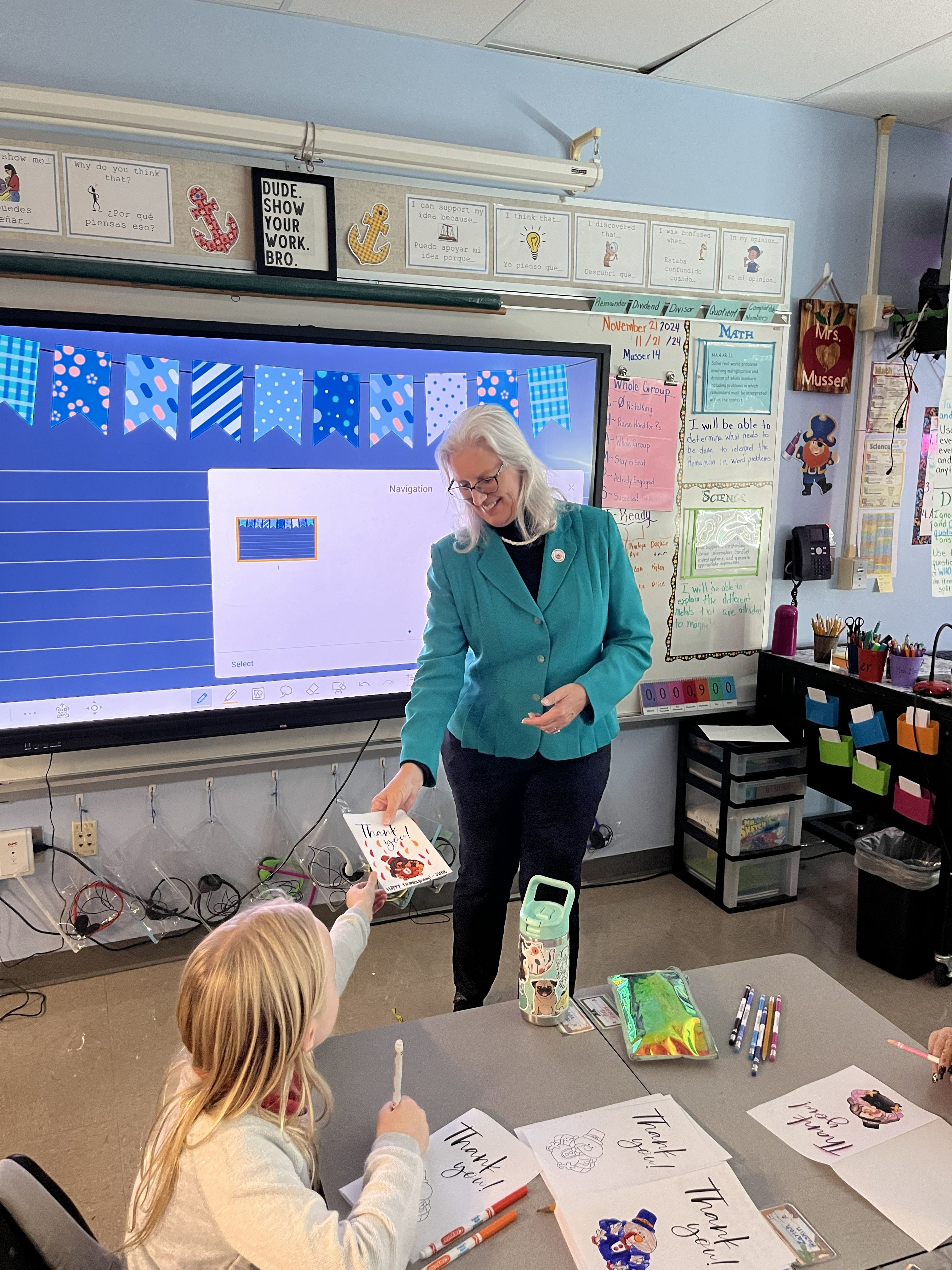
As a former Hillsborough County Commissioner and Commission Chair, I have seen firsthand how government decisions affect people’s daily lives. I have also worked directly with residents who felt unheard, overlooked, confused by government, or disconnected from the decisions being made in their name.
I believe democracy works best when elected officials listen, engage with constituents, explain their decisions, and remain accountable to the people they represent. Public trust is earned through transparency, accessibility, responsiveness, and consistency.
Leadership that listens means creating real opportunities for people to participate, not expecting people to navigate government alone.
As a Hillsborough County Commissioner and Commission Chair, I participated in thousands of public meetings, public hearings, workshops, budget discussions, community events, and constituent conversations. My responsibility was not simply to cast votes. It was to ensure that government remained accountable, transparent, accessible, and responsive to the people it serves.
Throughout my time in office, residents relied on county government to navigate transportation projects, housing concerns, environmental issues, public safety investments, emergency response, budgeting decisions, permitting questions, community services, human-services programs, and local infrastructure needs.
Those experiences reinforced the importance of public participation, open meetings, transparent decision-making, public records, accessible information, and meaningful constituent engagement.
I learned that democracy is not limited to Election Day. It is also the public meeting where a resident speaks up about a neighborhood issue, the budget hearing where taxpayers ask how money is spent, the town hall where families raise concerns, the public-record request that allows transparency, and the constituent-service case that helps someone access government.
Trust in government is built through transparency, accessibility, responsiveness, and sustained community engagement. Democracy is strongest when people understand how decisions are made, have opportunities to participate, know who represents them, and can hold elected officials accountable.
I support strengthening the Voting Rights Act, protecting and expanding voter access, protecting Vote-by-Mail and Early Voting, supporting fair and nonpartisan redistricting, encouraging independent redistricting commissions, protecting election workers, restoring voting rights for returning citizens without unnecessary economic barriers, and supporting comprehensive, accurate, non-politicized civics education.
I oppose barriers that make voting harder based on race, income, disability, language, age, party advantage, ZIP code, or administrative confusion.
Voters should choose their representatives. Representatives should not choose their voters.
Democracy works best when eligible voters can participate without unnecessary barriers. That means clear registration rules, accessible voting options, trusted election information, reasonable voting locations, Vote-by-Mail access, Early Voting access, disability accommodations, language access, military and overseas voter access, and confidence that ballots will be counted accurately.
Election security and voter access are not opposing goals. A well-run democracy can protect both. Secure, transparent, professional, and accessible elections strengthen public confidence.
The federal government has an important role in protecting voting rights and ensuring equal access to the ballot.
I support strong enforcement of voting rights protections and policies that prevent discrimination based on race, income, disability, language access, age, or ZIP code. Every eligible voter should have the same opportunity to participate regardless of where they live or what challenges they face.
Protecting voting rights is not about politics. It is about protecting equal representation under the law.
Students should graduate prepared not only for careers, but also for citizenship.
Strong civic education helps students understand the Constitution, civil rights, voting processes, public institutions, media literacy, public service, and the responsibilities of citizenship.
Democracy depends on informed citizens who understand how government works and how they can influence public policy through voting, advocacy, volunteer service, public comment, community organizing, and civic engagement.
Democracy is strongest when people who have completed their sentences are able to successfully reintegrate into their communities and participate in civic life.
I support policies that restore voting rights fairly, remove unnecessary barriers to participation, and help returning citizens become productive members of their communities.
Public safety, economic opportunity, workforce participation, and civic engagement are strengthened when people have a meaningful opportunity to rebuild their lives and contribute to their communities.
Many people experience government first through local services: transportation, public safety, parks, libraries, permitting, emergency management, environmental protection, housing programs, public meetings, and community investments.
Those experiences shape trust in public institutions. When government is responsive, transparent, efficient, and accountable, public confidence increases. When government becomes difficult to navigate or unresponsive, trust declines.
Strong local government and strong democratic institutions reinforce one another. Public trust grows when people believe government listens, communicates openly, and follows through on commitments.
How district boundaries are drawn has a direct impact on representation, accountability, and public trust.
I support independent redistricting processes and fair district maps that reflect communities rather than partisan interests. Competitive elections, fair representation, and transparent redistricting processes strengthen public confidence and help ensure elected officials remain accountable to the people they serve.
In FL-12, many voters have experienced confusion about district boundaries, representation, and whether they live in one district or another after recent changes. That confusion matters because people cannot fully participate when they do not understand who represents them or where to turn for help.
A senior who has voted for decades may receive conflicting information about which congressional district they live in after redistricting and may not know which representative to contact for help with a federal issue.
A veteran seeking assistance with VA benefits may live near a district boundary and be unsure which congressional office can help. Representation should be clear enough that constituents can find assistance without confusion.
A new resident in Pasco County may register to vote, request a Vote-by-Mail ballot, and try to identify Early Voting sites while also learning new district boundaries, precinct assignments, and ballot rules.
A working parent in Hillsborough County may rely on Early Voting or Vote-by-Mail because work schedules, childcare, transportation, and school obligations make Election Day voting difficult.
A military or overseas voter may rely on timely ballot mailing, clear instructions, and dependable election administration to participate while away from home.
A returning citizen who has completed a sentence may want to rebuild their life, work, support family, and vote, but may face confusion about rights restoration and eligibility.
An election worker may serve voters professionally while facing increased public pressure, misinformation, or safety concerns. Protecting election workers protects democracy itself.
A student voting for the first time may need accurate civics education, trustworthy election information, and a clear understanding that participation matters.
Election workers deserve respect, safety, professionalism, and protection from threats, intimidation, harassment, and misinformation.
These workers make elections possible. They check in voters, process ballots, follow rules, answer questions, and help ensure elections are conducted accurately and fairly.
Protecting those who administer elections is part of protecting democracy itself.
Democracy policy should be measured by outcomes, not rhetoric.
Participation metrics should include voter registration rates, turnout, Early Voting participation, Vote-by-Mail participation, Election Day participation, youth participation, and returning-citizen participation.
Access metrics should include polling-place accessibility, disability access, language access, wait times, military and overseas voter access, ballot cure processes, voter education, and availability of trustworthy election information.
Representation metrics should include public understanding of district boundaries, constituent engagement, public participation in government, community continuity after redistricting, and responsiveness of elected officials.
Transparency and accountability metrics should include public-record access, public meeting accessibility, timely constituent-service responses, open-government compliance, budget transparency, and public access to decision-making processes.
Trust and confidence metrics should include election-worker recruitment and retention, public confidence in election administration, confidence that votes are counted accurately, and trust that government institutions respond to the people.
The overall test is simple: Can eligible voters easily participate, understand who represents them, access government services, and have confidence that their voices matter? If the answer is no, leaders should keep improving accessibility, transparency, accountability, and representation until the answer becomes yes.
Healthcare security, retirement security, educational opportunity, housing affordability, transportation, public safety, and economic opportunity are all affected by democratic participation.
When people believe government is responsive, they are more likely to participate, organize, vote, attend meetings, run for office, serve their neighborhoods, and hold leaders accountable.
Communities are strongest when people believe their voice matters and government remains accountable to them.
I will support policies that protect voting rights, strengthen democratic institutions, promote transparency and accountability, protect election workers, encourage civic participation, support fair districts, and ensure equal representation under the law.
I will oppose barriers to voting based on race, income, disability, language, age, ZIP code, or partisan advantage.
I will approach democracy policy the same way I approach other issues: with evidence, accountability, public engagement, and a commitment to ensuring government works for the people it serves.
Donate $50 Today! Early voting is here
Families in Pasco and Hillsborough Counties deserve fair representation, accessible voting options, transparent government, and confidence that their voices matter.
Many residents have experienced confusion about district boundaries and representation. Democracy works best when representation is clear, communities are respected, and participation is encouraged rather than discouraged.
Florida’s 12th Congressional District deserves a representative who understands our communities because she has lived, worked, and served here. I am running for Congress because I believe effective government can solve challenges when leaders listen, work across differences, and focus on results.
That is the leadership I have provided throughout my public service, and it is the leadership I will bring to Washington.
Leadership Matters.
Learn more: kimberlyoverman.com
Volunteer: kimberlyoverman.com/volunteer
Contribute: secure.numero.ai/contribute/Overman-for-Congress
Paid for by Overman for Congress
Comments
Nothing yet. Say the first thing.
Sign in to join the conversation.