
I’m sure you’ve been there.
You’re mid-sentence and someone talks right over you.
Or maybe you’ve already given the directions twice, and a third voice pipes up: “Wait… what are we doing?”
You’ve tried your attention signal. Then tried it again. The room is still buzzing.
It’s taking every ounce of willpower not to yell or scream.
I’ve been there….more times than I’d like to admit.
But over time I realized something: they were never going to stop talking…nor should they.
So I started wondering: what if I could work with it instead of against it?
Because most kids aren’t loud to be disrespectful. They’re loud because they’re excited, social, dysregulated, or still learning how to manage the space between impulse and action.
And that space? That’s teachable.
Here are the five principles underneath every strategy I use, whether I’m standing in front of a classroom full of 11-year-olds or navigating the noise at home.
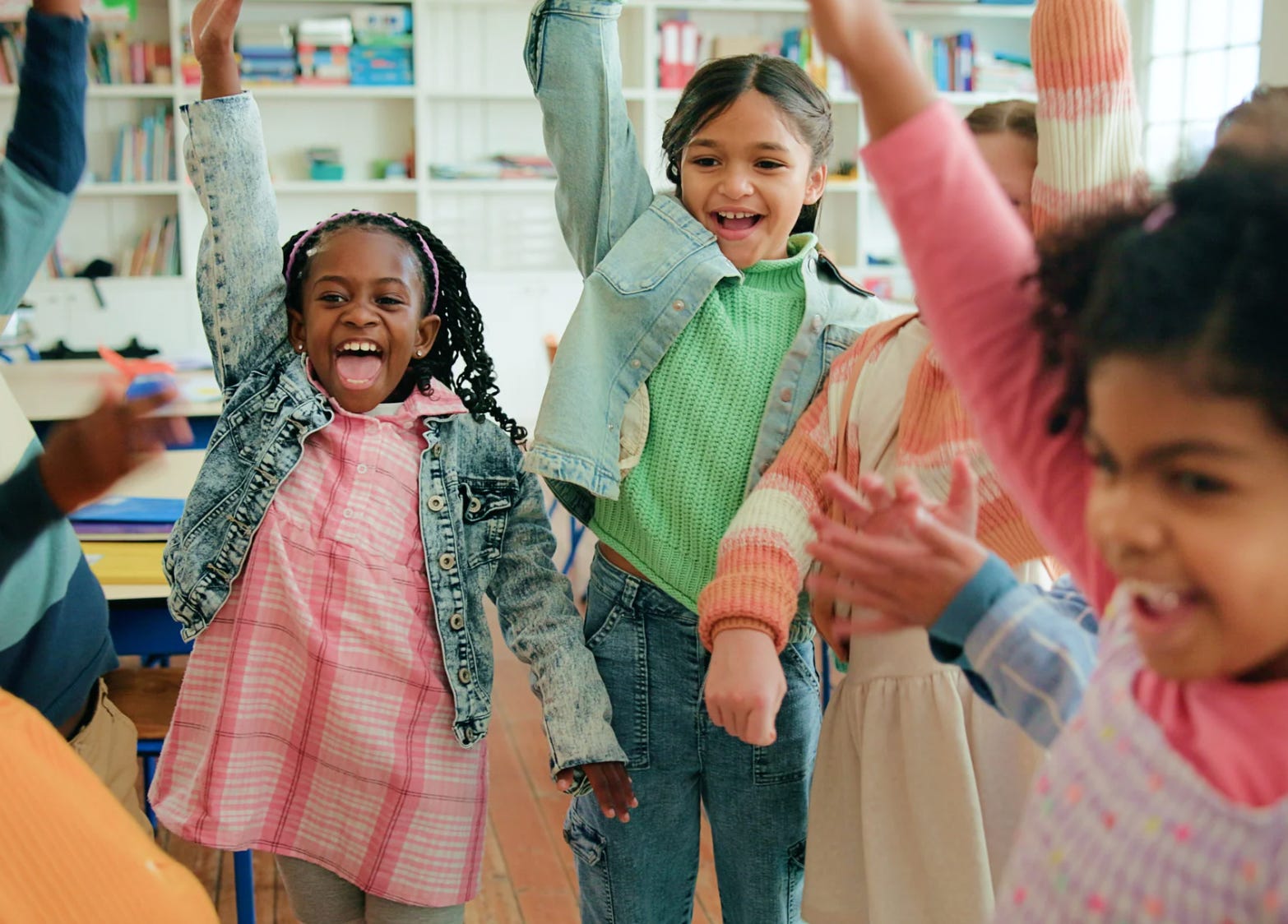
These strategies prevent problems before they start.
Classroom + Home
Don’t just say “be quiet.” Teach what different voice levels mean (whisper, partner voice, presentation voice). Model it. Practice it. Use visuals or signals to remind them.
Kids can’t meet expectations that haven’t been clearly defined.
Classroom + Home
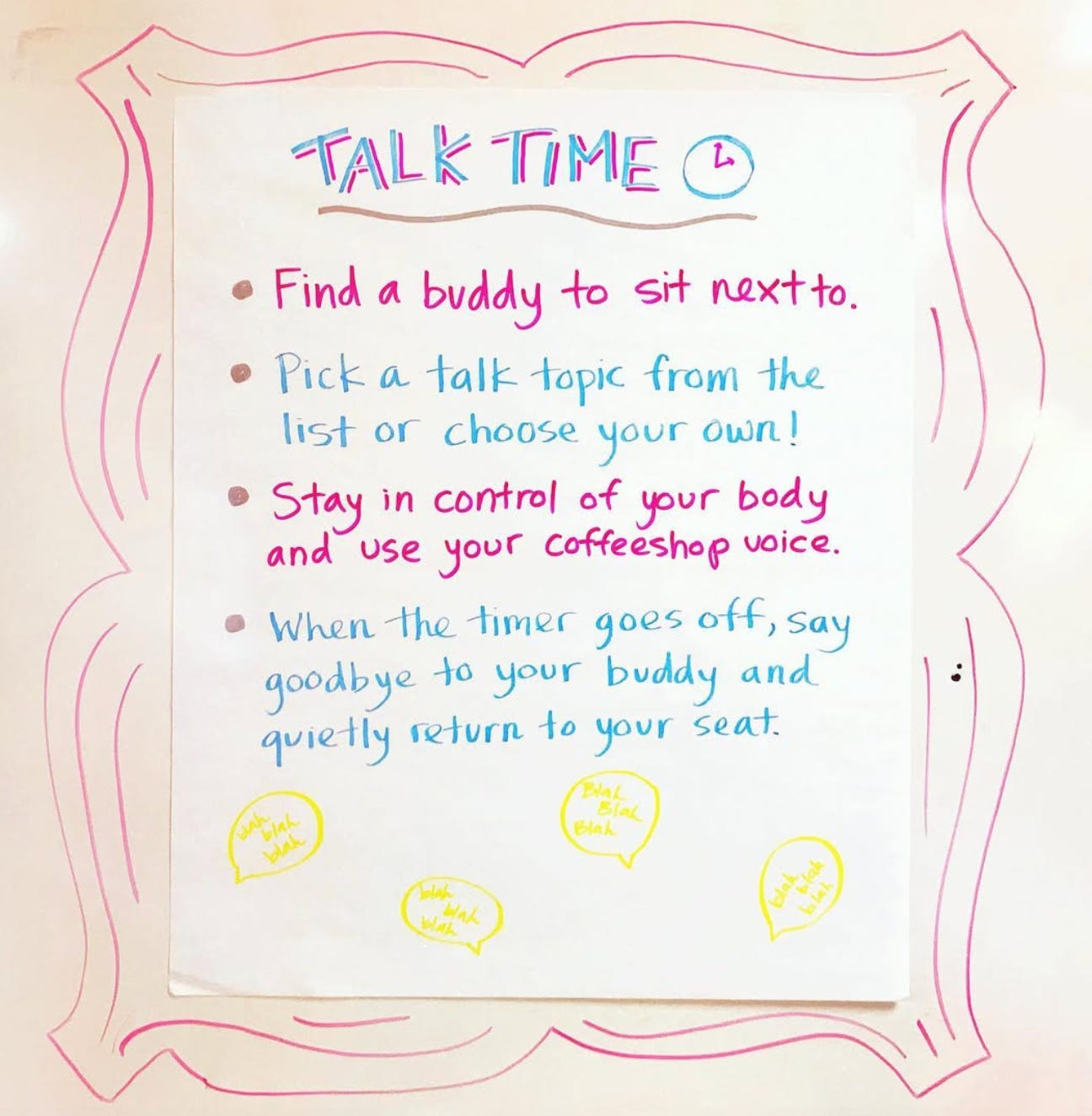
Instead of fighting talking, schedule it. Build in short, intentional times where kids can chat about random topics.
When kids know talk time is coming, they’re more willing to listen first.
Classroom + Home
Let kids talk before you need them to listen. Give them a few minutes to greet friends or share something.
Connection first = better attention later.
These give kids appropriate ways to participate.
Classroom (can adapt for home)
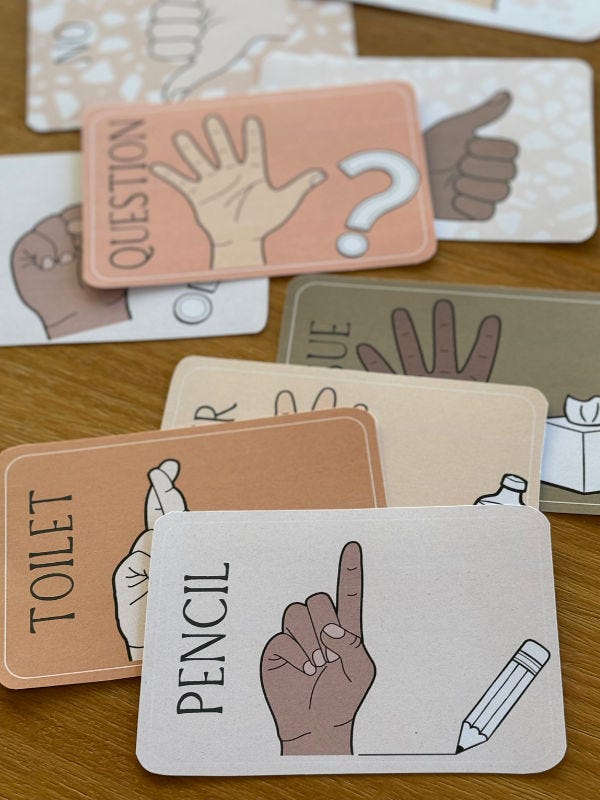
Teach silent signals for:
“I agree”
“Me too”
“That’s funny”
“I disagree”
Kids still feel heard, without interrupting.
Classroom
Use popsicle sticks or a spinner to call on students randomly. Ask questions you know they can answer.
When anyone might be called, everyone stays engaged.
Classroom
For example, instead of one child answering, have partners take turns responding to each other. More strategies like this HERE.
Everyone talks, just in an organized way.
These quickly refocus energy without yelling.
Classroom + Home
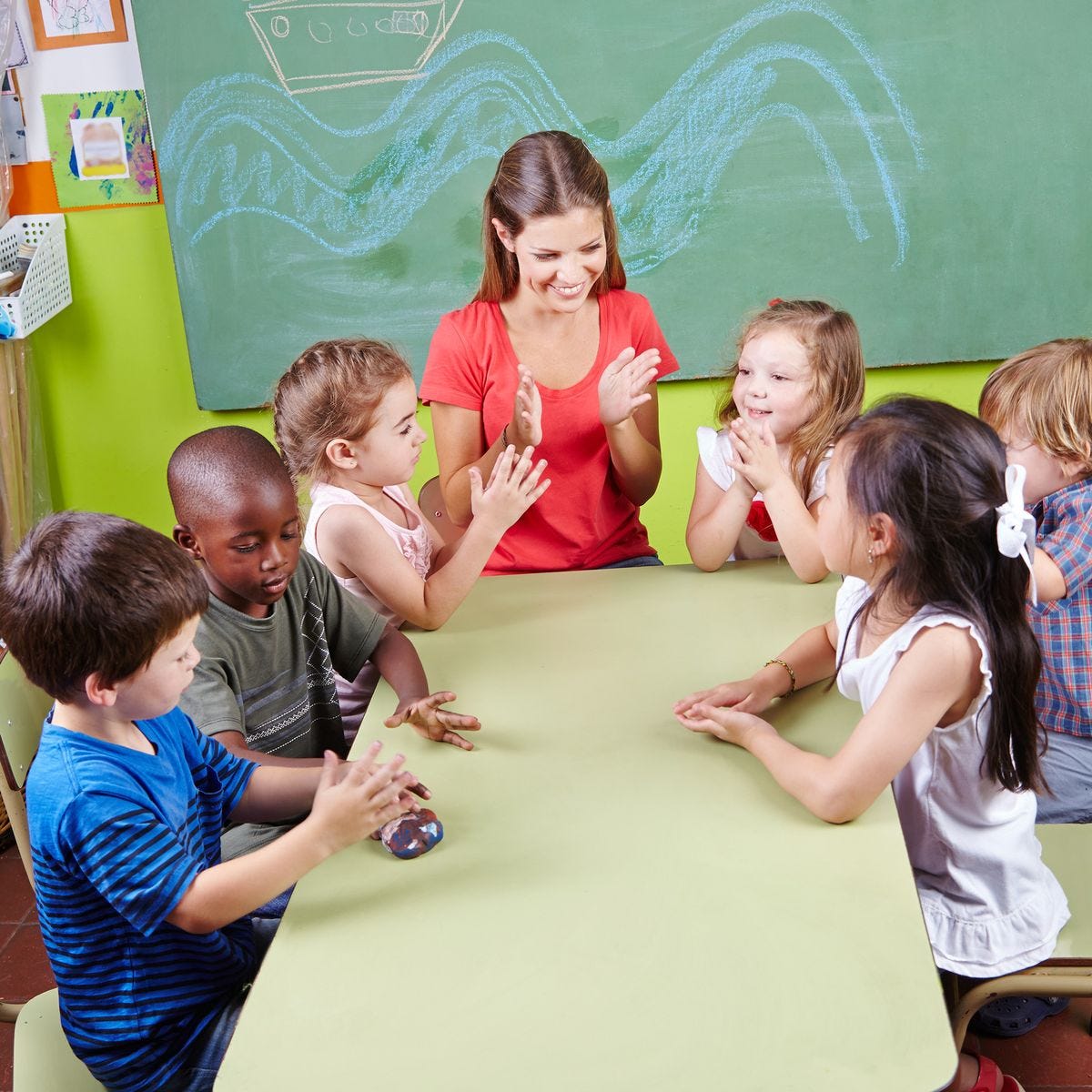
Clap a rhythm. Wait for them to copy. Repeat with variations. As they get better at it, you can start to create different parts and more complex beats (my students get really into this).
Fun redirections bring more attention.
Classroom + Home
Whisper: “If you can hear me, put your hands on your head.”
Only a few will hear at first and others will gradually join in.
Whispering pulls kids in better than shouting.
Classroom + Home
Instead of talking over them, use:
A bell
Music
Turning lights off
A silly hat
A doorbell sound
Visual/auditory cues are more powerful than repeating yourself.
Classroom
If you always say the same thing, it stops working. Let kids help invent call-and-response phrases. Favorites in my class have included:
“Holy moly!” → “Guacamole!” (Often sung dramatically or in a silly voice.)
“Waterfall, waterfall…” → “Shhhhhhh” (Students make quiet “waterfall fingers” as they lower their hands.)
“And a hush fell over the crowd…” → “Hushhhhhhh.”
“Drumroll, please…” → Students drum on their desks while I “conduct” them to a stop.
Buy-in increases follow-through.
Classroom + Home (especially younger kids)
Create simple songs for:
Clean up
Lining up
Bedtime
Getting ready
Start singing and they’ll join in.
Singing regulates energy without confrontation.
These make self-control motivating instead of nag-based.
Classroom
Tell kids a secret word at the start. When they hear it during directions, the first quiet hand raised earns a reward.
It encourages focused listening.
Classroom
Each time someone blurts, add a letter (B-L-U-R-T).
If they avoid spelling the whole word, they earn a reward.
Makes impulse control visible and playful.
Classroom (can adapt at home as “Kid vs. Grown-Up”)
If kids meet expectations (eg. quiet entry, quick transition), they earn a point. If not, adult earns a point.
Turns compliance into a friendly competition.
Classroom
Groups earn points for meeting expectations.
Peer accountability increases regulation.
Classroom + Home
Start the day with a set number of beans in a jar. If kids blurt, beans don’t get added. When jar fills, reward unlocked.
Visual progress = strong motivation.
These give kids power in positive ways.
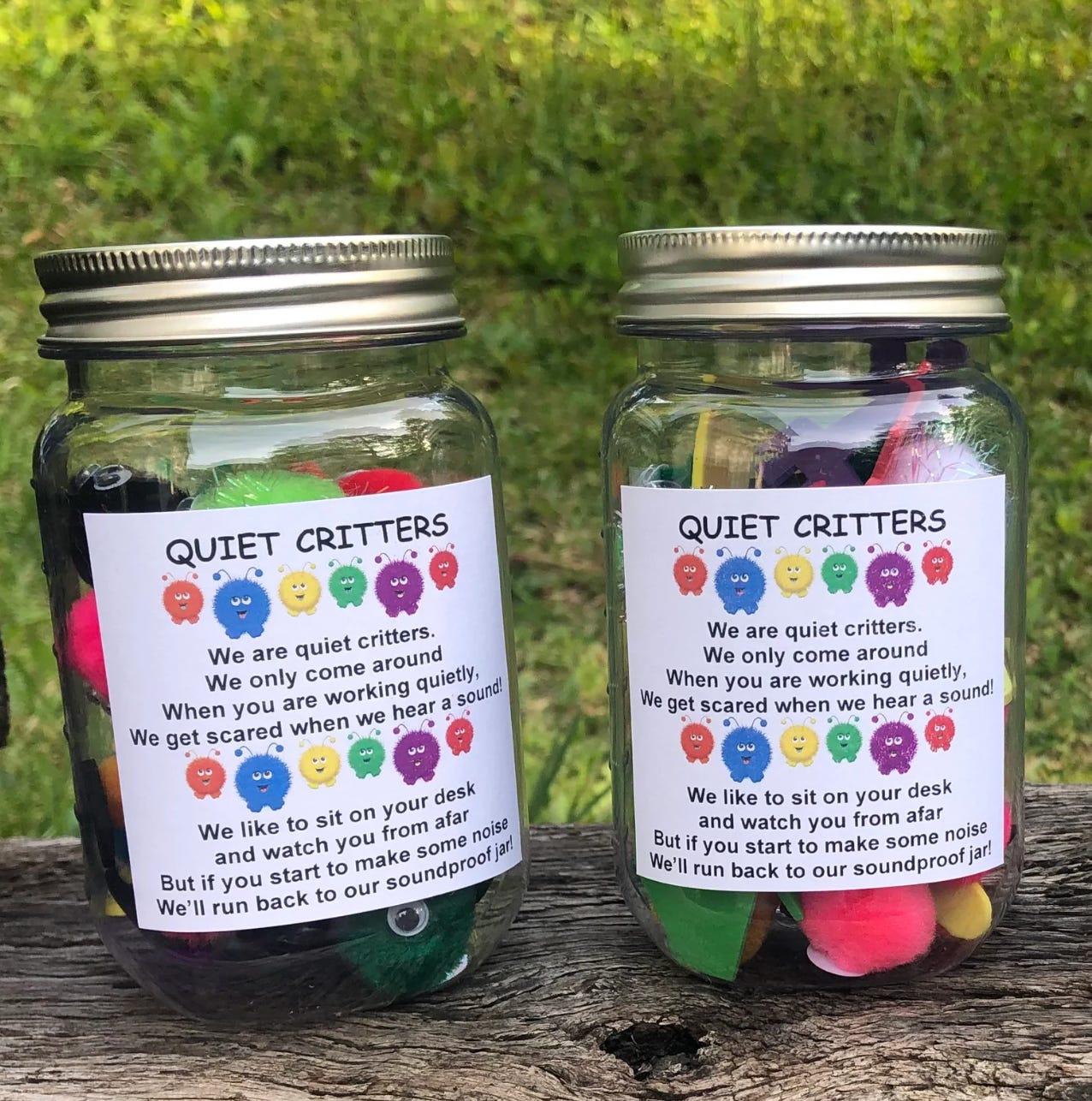
Classroom
A student uses a short timer and looks for classmates who are focused. That student becomes the next “quiet keeper.”
Kids notice and reinforce positive behavior.
Classroom + Home (younger kids especially)
A stuffed animal “only likes to visit” kids who are focused. Pass it along every few minutes (you can structure this similarly to the quiet keeper).
Externalizes self-control in a playful way.
Classroom + Home
Say: “Catch a bubble in your mouth.” Count down from 3. Pop the bubble. Take a breath.
This one may not be the best option for kids with anxiety or breath-holding behaviors. Use discretion and adapt as needed.
It’s a fast, embodied reset.
Classroom + Home
Instead of correcting constantly, say:
“I love how Maya is waiting her turn.”
“I notice Ben is sitting ready.”
Attention goes where energy flows.
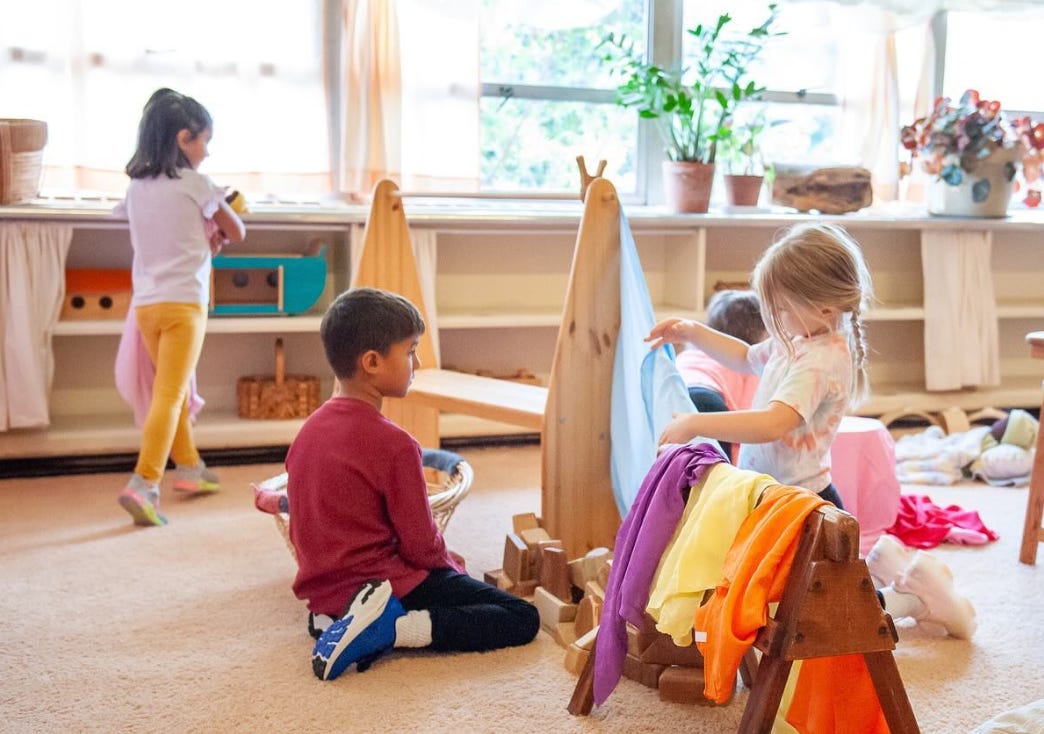
If you’re a parent and want the simplest starting point:
Catch a Bubble
Copy My Clap
Singing transitions
Non-verbal cues
Narrating positives
Front-loading talk time
Blurt Beans (small jar version)
All 20 strategies in this guide come back to these five simple principles:
Clarify expectations
Give kids better ways to participate
Use playful signals to refocus attention
Turn self-control into a game
Reinforce what’s going right
Talking isn’t the enemy. Unchanneled energy is.
These strategies teach them how to manage their voice, their impulses, and their attention…without silencing them.
No posts
Comments
Nothing yet. Say the first thing.
Sign in to join the conversation.