
I just finished reading Pride and Prejudice. It’s actually my third time, and this time was because my book club picked it. I had planned to read Eligible by Curtis Sittenfeld, but I feared I’d miss the nuance of the modern-day retelling if the original wasn’t fresh in my mind. So I decided to read both. In fact, the book nerd in me loved the idea. But what I didn’t count on was the revelation that reading Pride and Prejudice at three different points in my life reveals different versions of me.
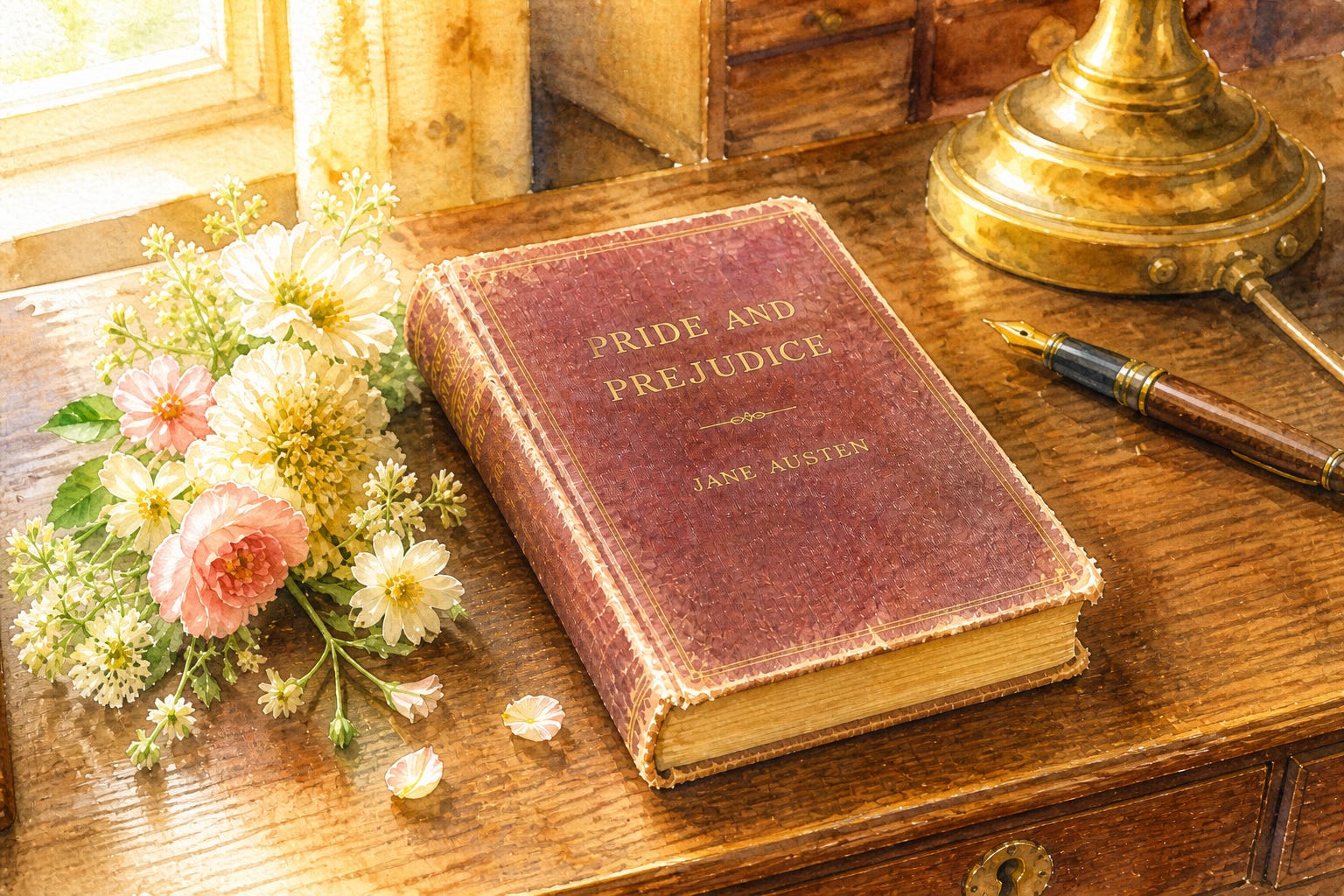
I read Pride and Prejudice for the first time in the early 2000s. Overall, I thought it was boring and predictable. I classified it as a romance novel, a genre I gave little credence to at the time. I have since changed the way I think about romance novels. Anyway, the main thing that stood out to me was that many of the characters’ actions and decisions were determined by the rules and customs of polite society, or propriety. I completely understand why. I was grappling with that same issue. My husband was being groomed to join the upper ranks of leadership. When he was invited to an exclusive meeting in Washington, D.C., I felt I had to dress the part of a New England woman. So I bought what I called my Connecticut collection — A-line dresses, straight-leg slacks, and tailored blouses all in pale blues and pinks. Nothing like the flared jeans and bright bohemian-like tops with wide, flowing sleeves I normally wore. I wore those outfits the entire time we were in Washington. I was all about propriety. But it didn’t fit me. I never wore any of those clothes again. I think, without knowing it, I was trying to figure out how to be a bit more like Elizabeth by living my truth, despite how society (read corporate America) thought I should be. It took me several years to figure out that who I was and how I wanted to present myself to the world had nothing to do with my husband’s job.
The second time I read Pride and Prejudice in 2023, I was more impressed with the book because I read it without being a genre snob. It felt more like a commentary, particularly the lack of agency available to women regarding the entail of family estates and the belief that those with money are to be admired and those without to be pitied. It was also really funny. Jane Austen’s sense of humor is dry but on point. I wished I had underlined some of the lines that made me laugh out loud.
It appeared to me that each of the women in the Bennet family could very well be an archetype for women. There is her mother and Lydia, who are flighty and silly, concerned with dresses, dinners, and how they look to the neighbors and what is considered the right thing to do in society. Mary, who, if we look at it through today’s lens, would be cast as the sister who chooses the alternative lifestyle —the feminist rebel. Kitty, the malleable follower. Jane as the reserved, virtuous woman, aloof, never seeing the bad in anyone. The Virgin Mother. Elizabeth, who I most identify with, is the classic heroine — strong-minded, cynical, sometimes isolated and judgy. This reading also made me curious about how class, gender, and sexuality were played out in contemporary reimagining of the book.
So, I read Longbourn. It took me a long time to get into the groove of this book. All the characters were servants who cleaned up after the more familiar characters in Pride and Prejudice. It never occurred to me that our beloved Elizabeth Bennet or even Jane had a slush pot under their beds. I thought I would gag when the author described rinsing out the pail. It made me question my privilege and why I was much more comfortable reading about the upper class than the thoughts and activities of the servants. The character’s lack of agency troubled me. All she wanted was to escape the hard labor of domestic servitude and to be seen as human. I found myself disappointed and maybe a little angry at how little Elizabeth, Jane, and the Bennets cared about their servants’ aspirations and struggles, outside of what they could do for them. I didn’t like Elizabeth as much. She was self-focused and entitled. Not a fun thing to think about, considering how frequently I can be that way at a restaurant when things aren’t moving as quickly or smoothly as I would like. Reading this reimagining from the perspective of staff was a reminder not to lose sight of a person’s humanity.
When I read Pride and Prejudice again for the third time, I couldn’t help but think about how, at the core, this was a romance, one that stands up to being read again and again. Countless authors have been inspired by the theme and characters to emulate the story. It is about more than just the characters finding love and marriage. It speaks to what it means to be a woman, and so much of it is still true. But much like the first time I read it, I am struck by how my view of the book reflects where I am in my own life.
Agency was the word I chose for myself this year. I wanted more agency over how I live my life and the decisions I make. Arguably, I have a lot of agency, much more than Elizabeth Bennet. I can do pretty much whatever I want. I have the means and the time to explore things that I find interesting. And yet, I often hold myself back. Some of that is residue of being a wife and mother and living more by committee. But beyond the actual demands of family responsibilities or a job, I often don’t allow myself the freedom to say no just because I don’t want to. Or to do something completely new like taking a solo trip for a few weeks. And the only thing standing in the way is me. Pride and Prejudice struck me as poignant this time because it is the story of a woman exerting her agency despite expectations and responsibilities. Elizabeth was determined to live her truth.
I also ended up reading Eligible. It felt like streaming a rom-com on Netflix. Nothing too deep, but enough that your brain doesn’t go slack. Full disclosure, I absolutely hated the ending. I have no idea what the author was saying, but I gave Sittenfeld a pass because I still enjoy her as a writer.
All of this to say, Pride and Prejudice is one of those books that is enjoyable to read no matter how many times you read it. It will never be the same read because you are never the same person reading it. I can’t help but wonder what it will reveal to me about myself the next time I read it.
No posts
Comments
Nothing yet. Say the first thing.
Sign in to join the conversation.