Journalists Highlight Innovations in Vaccines and Safeguarding Maternal Health
KFF Health News journalists made the rounds on national and local media recently to discuss topical stories. Here’s a collection of their appearances.

KFF Health News produces in-depth journalism on health issues and is a core operating program of KFF.
Overdue Last read · last published · next check
Last read 3 days ago, longer than this feed's 12 hours schedule.
KFF Health News journalists made the rounds on national and local media recently to discuss topical stories. Here’s a collection of their appearances.
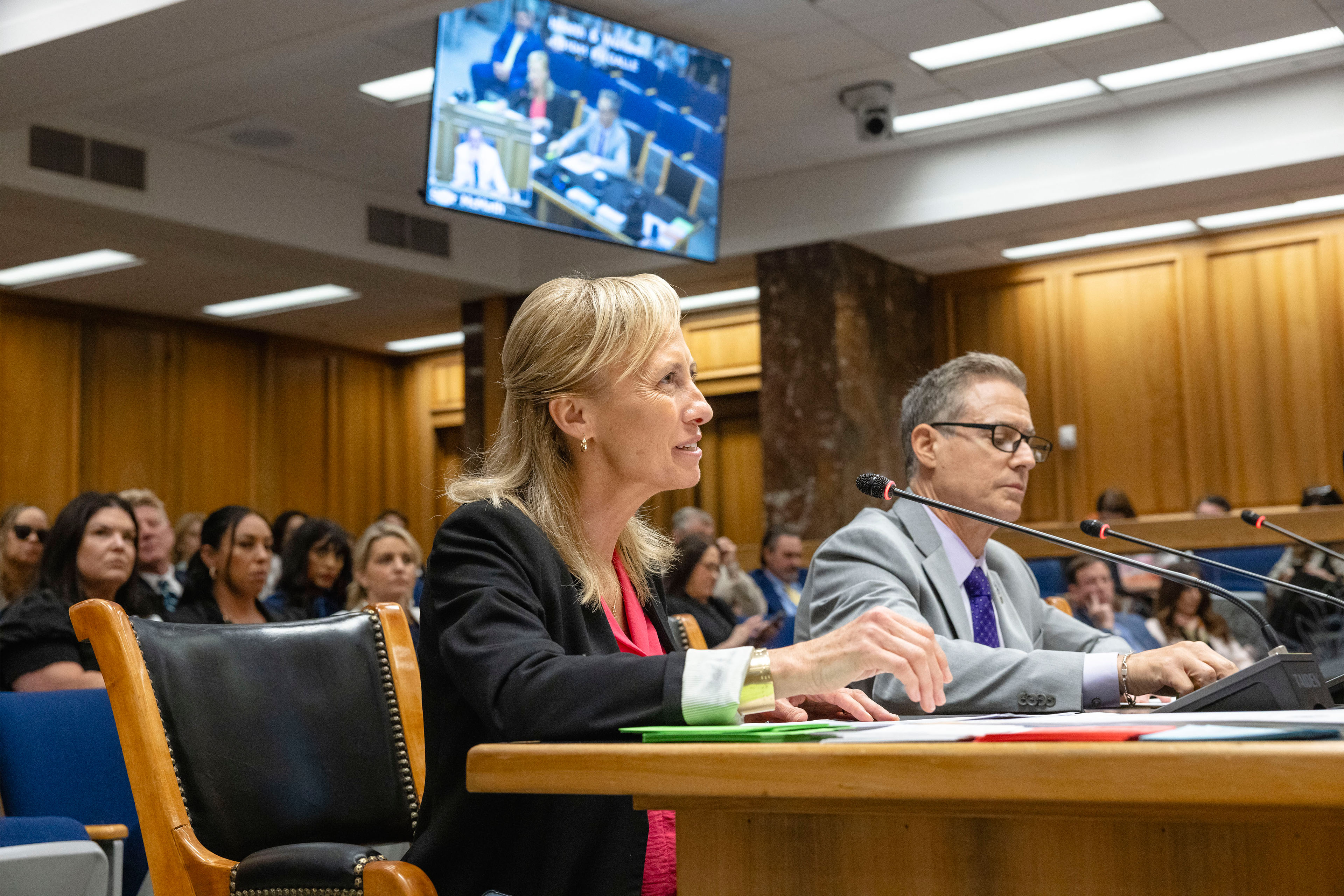
Evelyn Griffin is pushing for more emphasis on wellness and prevention. She has also aligned with the MAHA movement in fighting government mandates and questioning the safety of some vaccines.
With his online pharmacy, Mark Cuban changed how generic drugs are sold — and he has thoughts about how to fix the healthcare system. The billionaire businessman talks to KFF Health News’ Julie Rovner to answer the question: “How Would You Fix It?”
A new rule from the Justice Department upends a 25-year-old interpretation of federal disability law. Advocates fear it could result in cuts to services that help many disabled Americans live at home instead of in institutions.
Healthcare workers at a Michigan hospital have been on strike since last September. Violence on the job is one reason behind it, with federal data showing hospital workers are seven times as likely to be injured on the job due to violent acts as members of the general working population.
Patients and researchers point to evidence that many cancer drug dosages are excessive, and that reducing the amount and frequency could save billions of dollars and prevent some of the worst side effects.
More cataract patients, wanting not only restored but improved vision, are paying extra for their doctors to use a laser when a scalpel would do.
The Department of Health and Human Services has launched an effort to streamline clinical research, and legislation is pending in Congress. But patients and providers face participation challenges.
These specialized units can help keep older patients out of the hospital, lower their healthcare costs, and more.
Federal efforts to revive uranium mining in the West and decrease reliance on Russian uranium are raising concerns about drinking water for tribal communities reckoning with the industry’s deadly legacy.
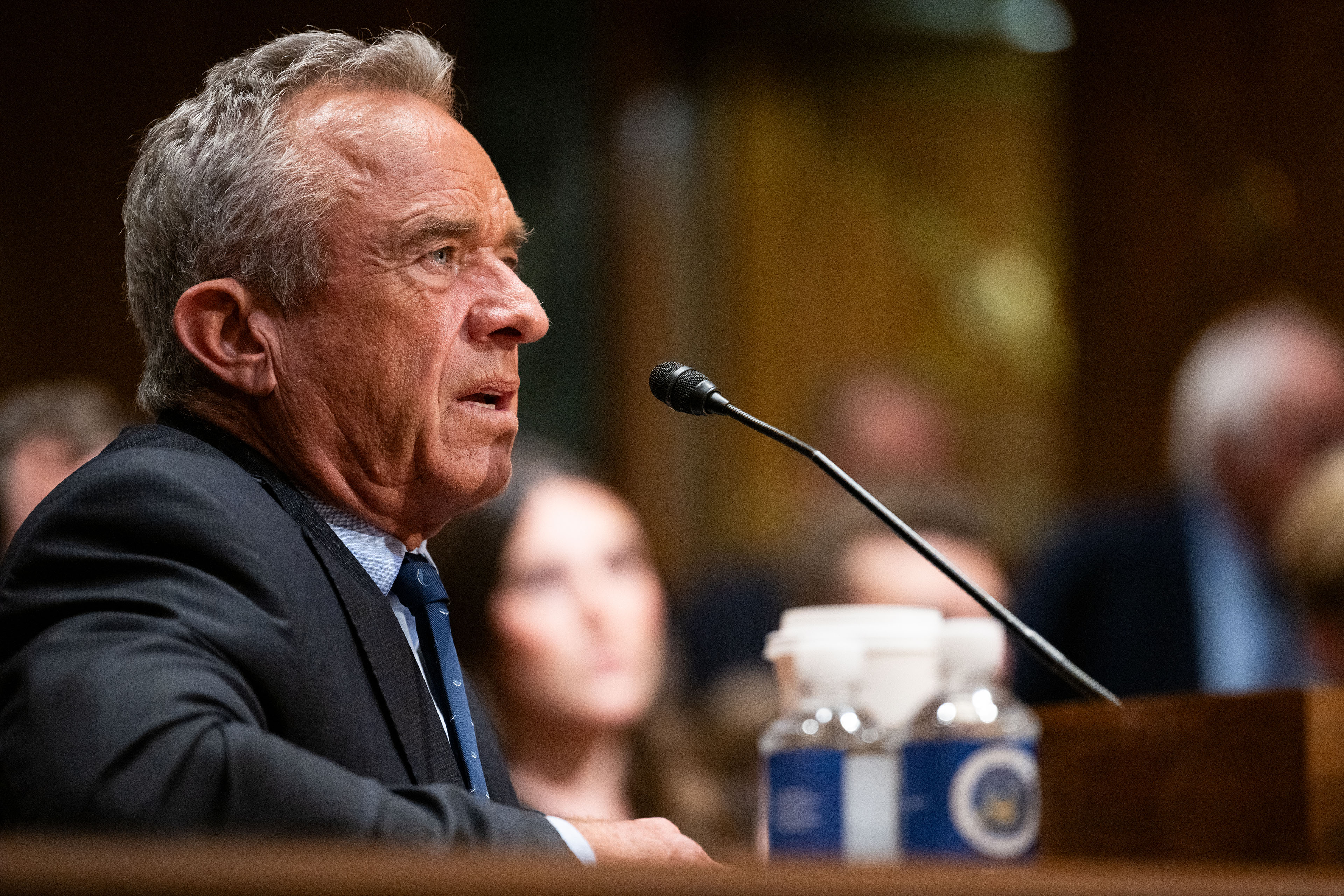
The Trump administration is working to implement the president’s new order on childhood vaccines, which he publicly faulted for a rise in autism — even as health secretary Robert F. Kennedy Jr.’s closed-door research has yet to produce evidence linking them.
California is the first to launch state-branded insulin as Gov. Gavin Newsom tries to disrupt the pharmaceutical industry. But the new CalRx drug label has been slow to reach pharmacies and patients.
KFF Health News editor-at-large for public health Céline Gounder made several TV appearances recently to discuss topical stories. Here’s a roundup.
Coverage for hundreds of thousands of Arkansas Medicaid enrollees next year is in question after the Trump administration refused to renew a key state waiver. The state might not be the last to have to adjust to an arcane rule change under the One Big Beautiful Bill Act.
Some seriously ill patients improve on hospice. About 1 in 16 patients enrolled in hospice care lose eligibility as a result. Here’s how to get appropriate care after receiving a terminal diagnosis.
The "KFF Health News Minute" brings original healthcare and health policy reporting from our newsroom to the airwaves each week.
Special Medicaid programs in many states allow disabled people to work while receiving benefits, and most limit how much participants can earn and the assets they can hold. Some Iowans are pushing lawmakers to remove those limits, which they say can dampen their career prospects.
KFF Health News gives readers a chance to comment on a recent batch of stories.
Lung cancer remains the leading cause of cancer deaths in the United States, and older adults are at higher risk. But only about a quarter of patients eligible for screening are up to date.
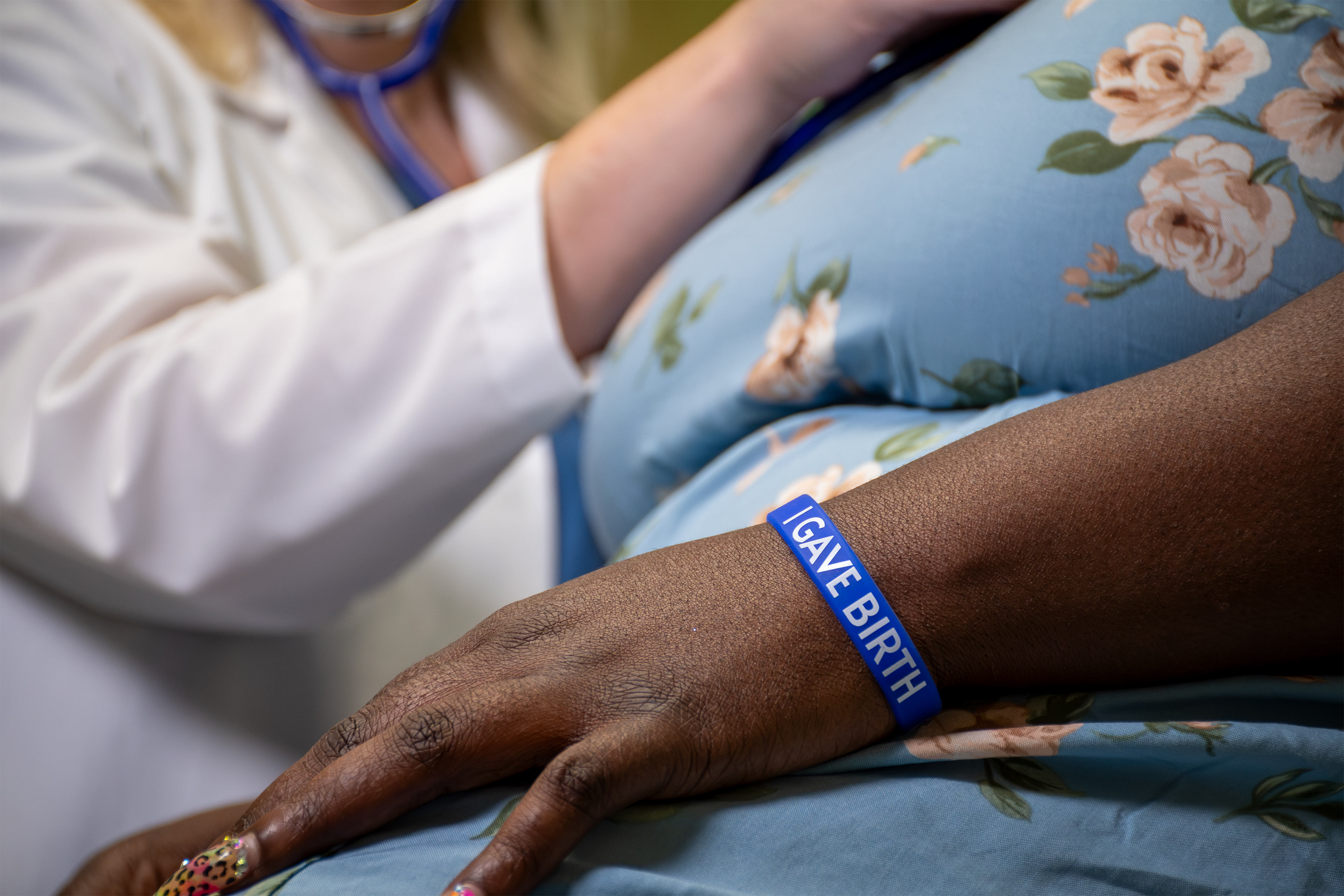
North Carolina and other states have embraced “I Gave Birth” wristbands as a way to encourage women to seek help when they have postpartum complications. They’re gaining steam as the Trump administration’s cuts to Medicaid threaten postpartum care.
Hospitals and other medical providers are increasingly asking for payment before providing care, collecting more of what patients might owe as rising insurance deductibles add to Americans' financial pressures.
Drug test strips are credited with saving lives, but a new policy will limit how funds can be used for them. Advocates of harm reduction strategies who responded to a mass overdose in Baltimore say distributing them will get harder. Federal officials say the strips enable drug use.