
She’d been watching that number for months, the way people check a stock ticker. It had moved $18,000 in six weeks without her lifting a finger. No renovation, no market shift she could point to, just the algorithm quietly recalculating in the background and handing her a new answer.
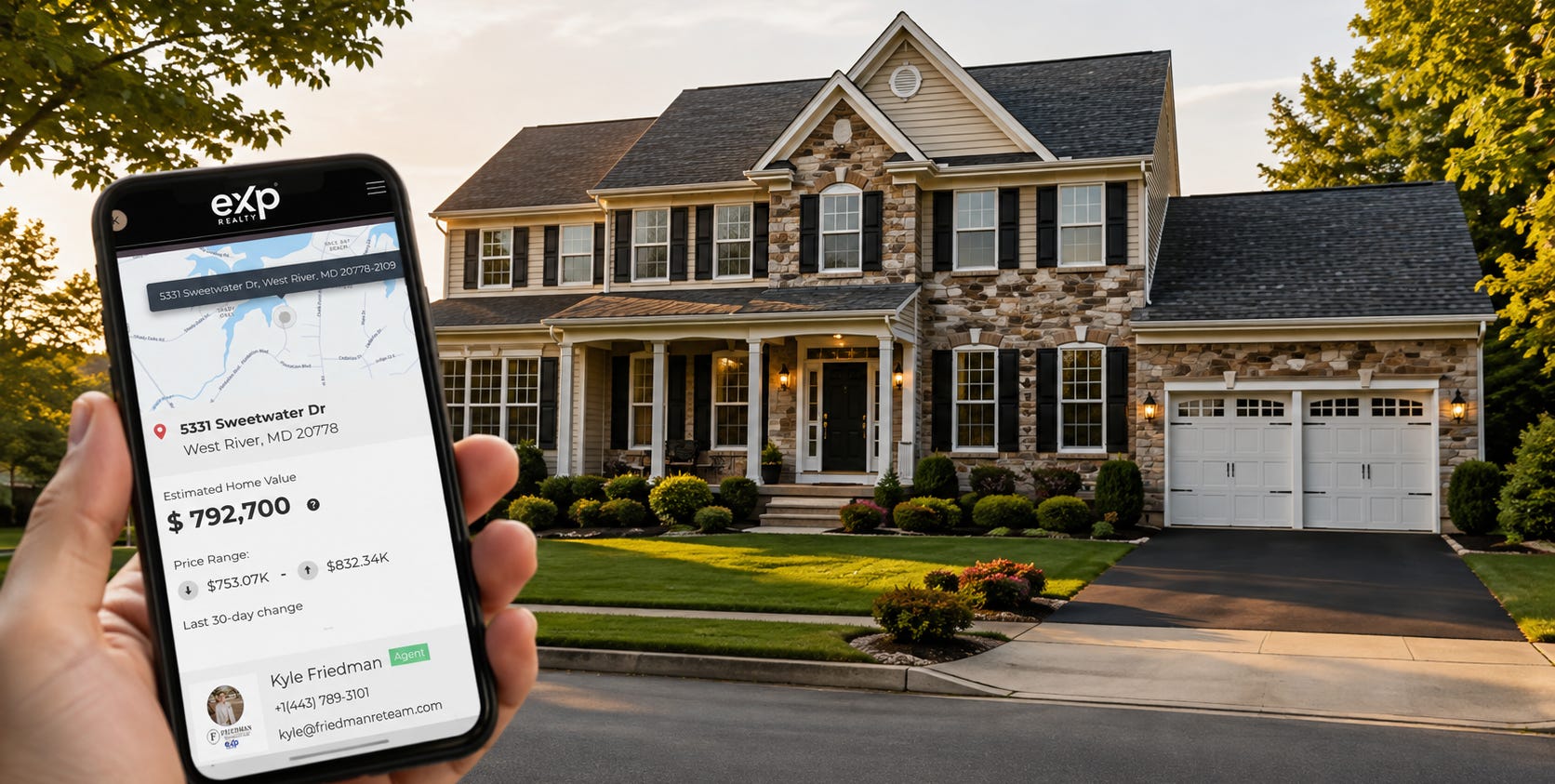
She wasn’t wrong to look. It’s free, it’s instant, and it’s right there every time you type in an address. But here’s the part almost nobody tells you: the number she’d been anchoring her expectations to was, by Zillow’s own admission, the least reliable version of that number Zillow produces.
Zillow publishes its own accuracy data, and it splits into two very different stories depending on one detail: is the home currently listed for sale.
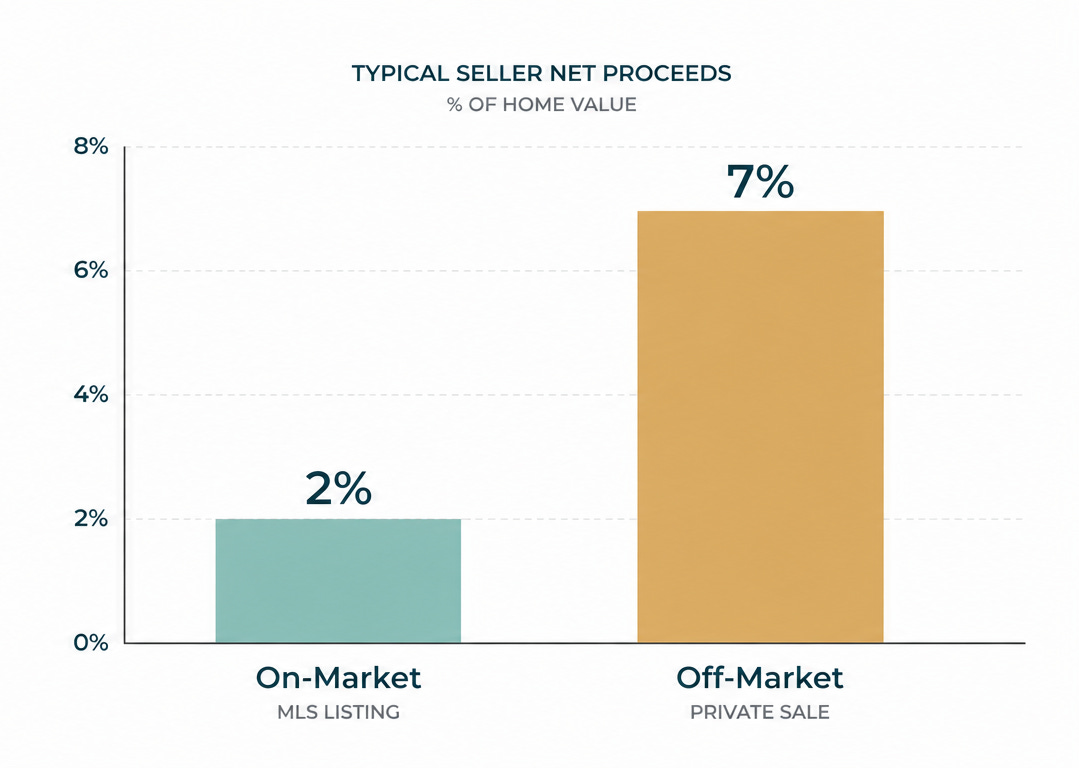
For homes actively on the market, the median error runs somewhere around 2%. That sounds impressive until you understand why. Once a home is listed, the algorithm has the agent’s list price to lean on. It’s not really predicting anything at that point, it’s echoing the pricing work a human already did.
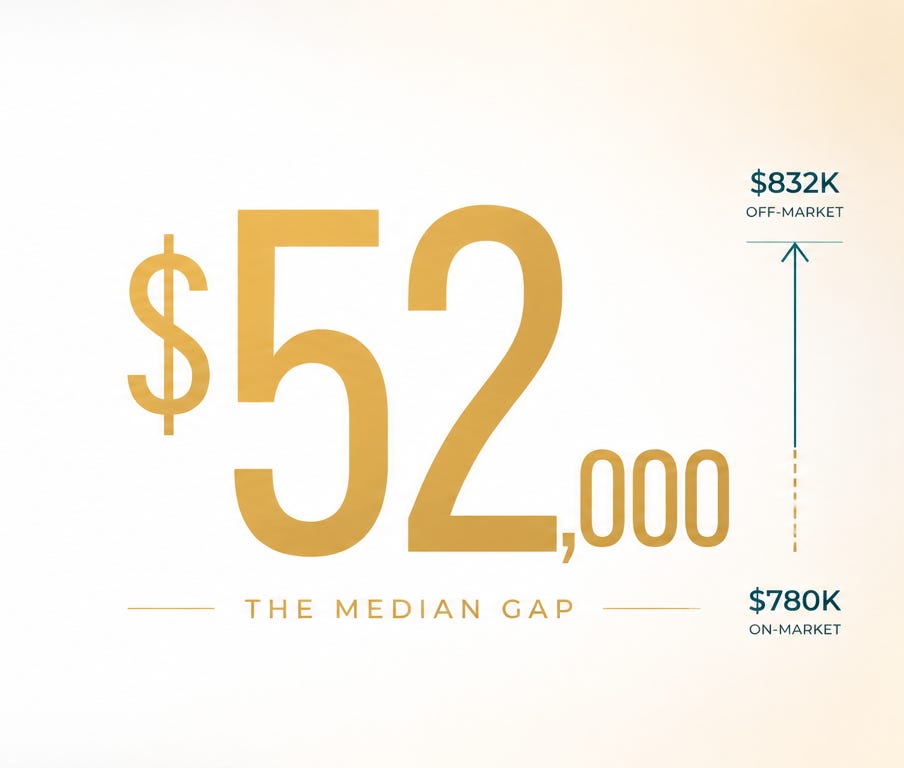
The number that actually matters, the one for a home that isn’t listed, the one most people are looking at when they check their own address out of curiosity, runs closer to 7%. On a home worth $600,000 in one of our counties, that’s not a rounding error. That’s a $40,000 to $50,000 range where the “true” value could land. Half of all Zestimates for off market homes miss by more than that.
And it gets worse the further you get from a cookie cutter subdivision with lots of recent comparable sales. Rural markets, older housing stock, custom builds and properties with acreage can see error rates climb into the double digits. If that sounds like a decent chunk of Carroll County, you’re paying attention.
This is the part that should be obvious but somehow isn’t. Zillow’s model pulls from public records, tax assessments, and past sales. It has never stood in your kitchen. It doesn’t know if you gutted the bathrooms last spring, finished the basement, replaced the roof, or if the HVAC is twelve years old and on borrowed time.
Bathroom and kitchen remodels, the two projects homeowners cite most often when asked what they’d renovate, frequently happen without a permit pulled. No permit means no public record. No public record means the algorithm has no idea it happened. Your $40,000 kitchen might as well not exist as far as the Zestimate is concerned.
I talk to sellers all the time who assume their online estimate already “knows” about the work they’ve put into the house. It doesn’t. It can’t. It’s comparing your address to a database, not comparing your home to the home next door.
If you want the cleanest proof that an algorithm isn’t a substitute for someone actually seeing the property, you don’t have to take my word for it. Take Zillow’s.
A few years back, Zillow decided to put its own Zestimate to the ultimate test: they used it to actually buy houses. The idea behind Zillow Offers was simple, let the algorithm price homes and make instant cash offers based on that number. For a company that had spent over a decade building and refining this model, if anything was going to prove the Zestimate could be trusted, it was this.
It couldn’t be trusted. Zillow ended up systematically overpaying for homes it couldn’t accurately price in a shifting market. In Phoenix alone, the vast majority of homes the company had purchased were sitting on the books at a loss. By the time Zillow shut the entire division down, they’d written off hundreds of millions of dollars and laid off a quarter of their workforce. The CEO said it plainly: the algorithm had unintentionally bought homes at prices higher than they were actually worth.
Think about that for a second. The company that literally invented the Zestimate couldn’t trust it enough to buy houses without losing money on nine out of ten of them in some markets. That’s not a knock on their engineers. It’s an honest acknowledgment of what any automated valuation model can and can’t do. It can process data. It can’t see a house.
None of this makes the Zestimate useless. It’s a fine starting point, a rough sense of direction before you’ve talked to anyone. But a starting point is exactly what it should stay.
Pricing a home correctly, especially the kind of property we work with across Carroll, Baltimore, Howard, and Frederick Counties, farms, older homes with character, properties on acreage, means accounting for the things no algorithm can see from a server farm in Seattle. What the kitchen actually looks like. Whether the basement was finished by a licensed contractor or a well meaning uncle. What’s happening two streets over that hasn’t hit the comps yet. How a buyer is going to feel standing in the primary bedroom at golden hour.
That’s the entire argument for a real Comparative Market Analysis, not a fifteen minute exercise, an actual evaluation built from someone walking the property, pulling true comparables, and understanding the specific submarket rather than a five mile radius average. If you’re making one of the biggest financial decisions of your year based on a number, you want that number to be accurate, right? An algorithm that’s proven, by its own creator’s admission, that it can miss badly enough to cost that creator half a billion dollars isn’t where I’d want that number coming from.
If you’re curious what your home is actually worth, not the version an algorithm is guessing at, but the version built from someone who’s walked the property and knows the market, I’m always happy to put one together. No pressure, just an accurate answer to a question that deserves one.
📞 443-789-3101 | Kyle@Friedmanreteam.com
8115 Maple Lawn Blvd. #350 Fulton, MD 20759

Comments
Nothing yet. Say the first thing.
Sign in to join the conversation.