
A buyer walks the exterior of a beautifully maintained country estate, admires the fencing, the outbuildings, the view from the porch, and then looks up. A roof that is clearly on its last few years does not just cost you a repair credit at the negotiating table. At the upper end of the Maryland market, it can cost you the buyer entirely. Someone shopping at this price point has options, and a roof that raises questions is an easy reason to keep looking.
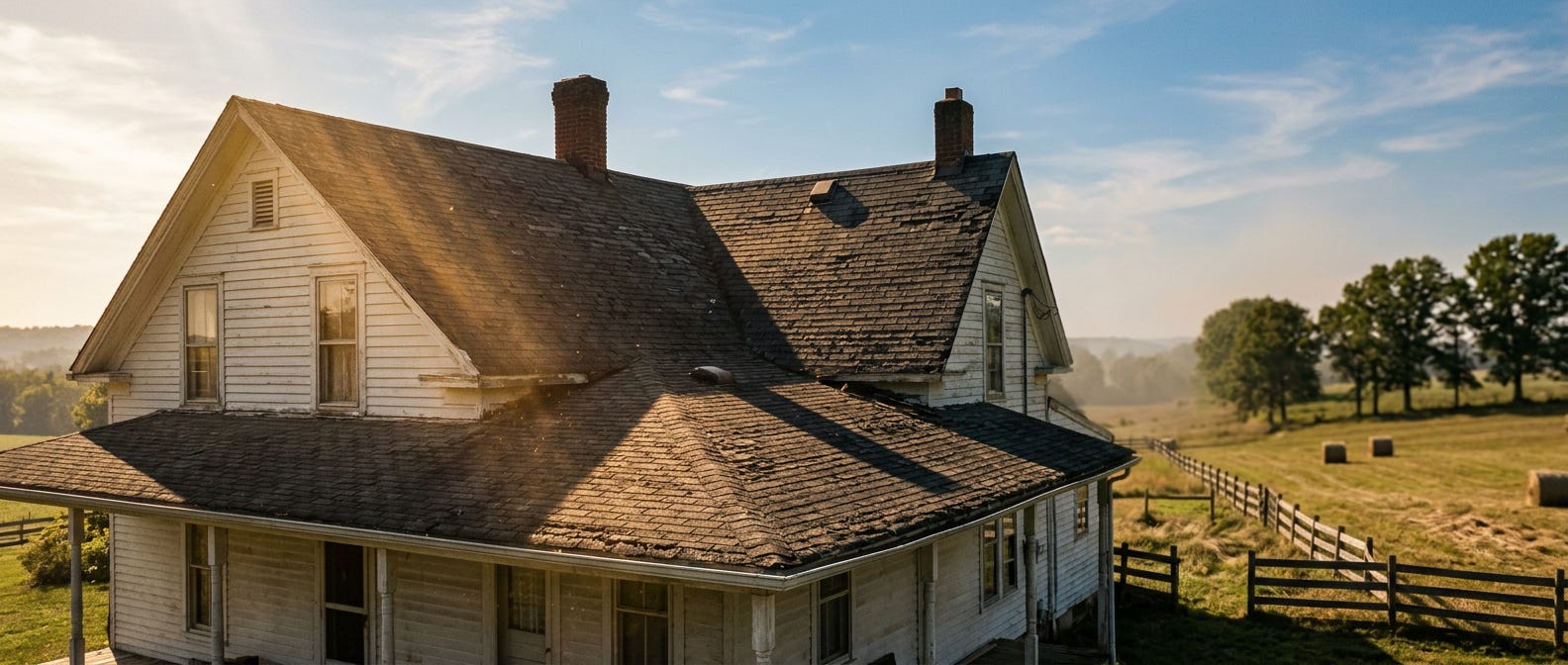
So should you replace the roof before you list, or leave it alone and let the market decide? The honest answer is that it depends on the roof’s actual condition, not on a rule of thumb. Here is how to think it through, with the numbers behind it.
Two of the most cited industry studies do not agree with each other, and the gap matters if you are trying to make this decision with real numbers instead of a gut feeling.
Zonda’s 2025 Cost vs. Value Report, the industry’s benchmark for renovation ROI, found that an asphalt shingle roof replacement costs about $31,871 nationally and adds roughly $21,501 in resale value, a 68 percent recoup. Metal roofing came in closer to 50 percent.
The National Association of Realtors’ 2025 Remodeling Impact Report, built from a different methodology and a different survey pool, put roofing’s cost recovery at just 37 percent, the lowest of the major exterior projects it tracked. The same report gave new roofing a perfect Joy Score of 10 out of 10, and 43 percent of Realtors surveyed said they had seen increased buyer demand tied to a new roof, second only to kitchen upgrades.
Redfin’s figures, drawn from a Journal of Light Construction study, land in between: roughly $30,680 in average cost against $17,461 in added resale value, a 56.9 percent return.
Put those together and the honest range is somewhere between 37 and 68 percent of your money back in pure resale value. On a dollar for dollar basis, a roof replacement is not a project that pays for itself. That is true whether you are selling a starter home or a ten acre farm.
But cost recovery percentage is the wrong number to anchor on if your home is otherwise priced at the top of what the market will pay. At that level, the roof is not competing against a spreadsheet. It is competing against the buyer’s confidence in the whole property.
An outdated or damaged roof does not just lower offers. Multiple industry sources report that homes with a roof in poor condition sell for 10 to 20 percent below market value when sold as is, which is often a steeper hit than the replacement would have cost in the first place.
There is also a financing reality worth understanding even if most of your buyers are not using government backed loans. FHA guidelines require a roof to have at least two years of remaining useful life and no active leaks before a loan can close. VA guidelines require two to three years of remaining life, with some lenders interpreting that closer to three to five years, along with no active leaks and no structural damage to the decking. Roof condition is consistently one of the most common reasons an appraisal gets flagged, and repairs triggered late in the process can delay closing by weeks.
Even where a buyer is using conventional or jumbo financing, which is common in the $400,000 and up range across Carroll, Baltimore, and Howard County, their lender’s appraiser and their own home inspector are still evaluating the same roof. A visibly aging roof invites a full inspection contingency renegotiation at the worst possible time, after you have already accepted an offer and taken the home off the market.
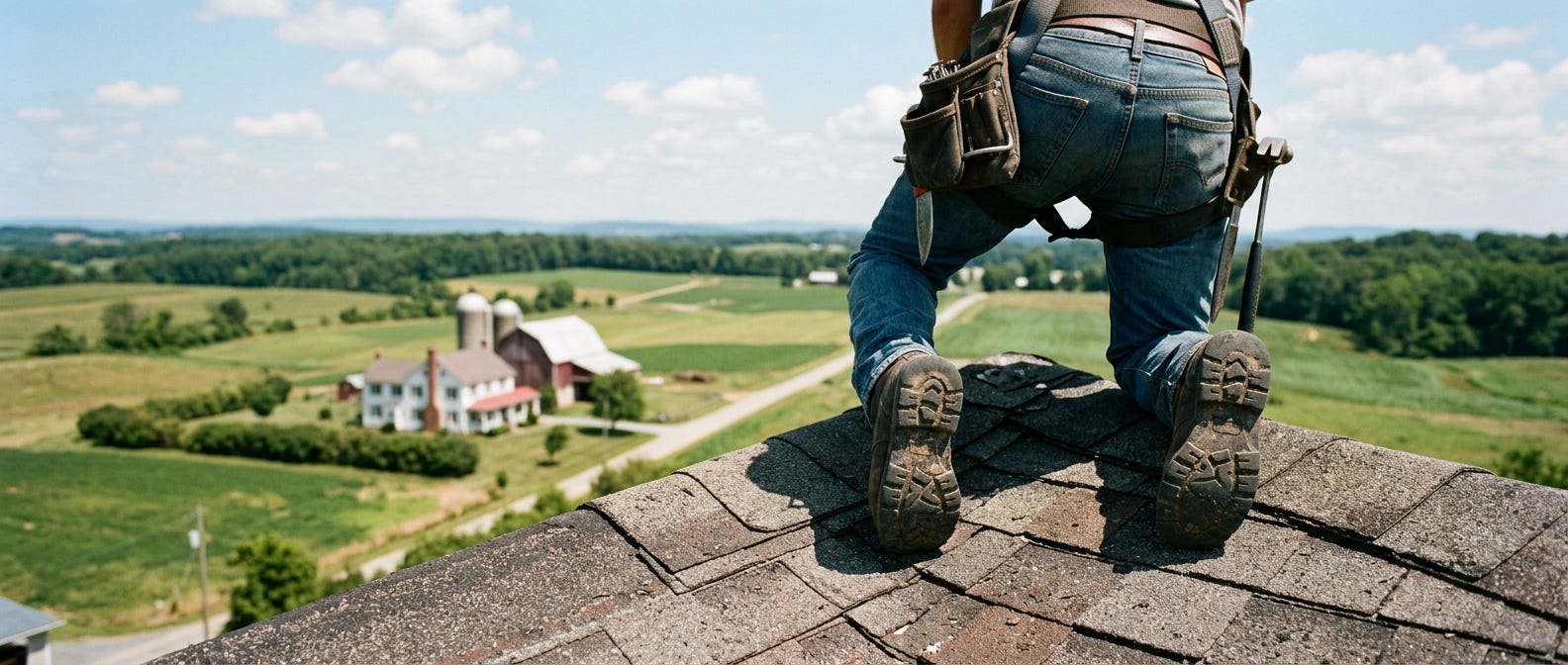
A full replacement makes sense when any of the following is true:
The roof is within a few years of the end of its expected life, and an inspector or appraiser is likely to flag it regardless of what you do
There is an active leak, visible sagging, or exposed decking
Multiple layers of shingles already exist, which by itself can trigger a required tear off before any repair is approved
You are marketing the property to buyers who are financing with FHA or VA loans, where remaining useful life is a hard requirement, not a negotiating point
The home is priced at the top of its comp range, where a compromised roof undercuts the story you are asking buyers to pay a premium for
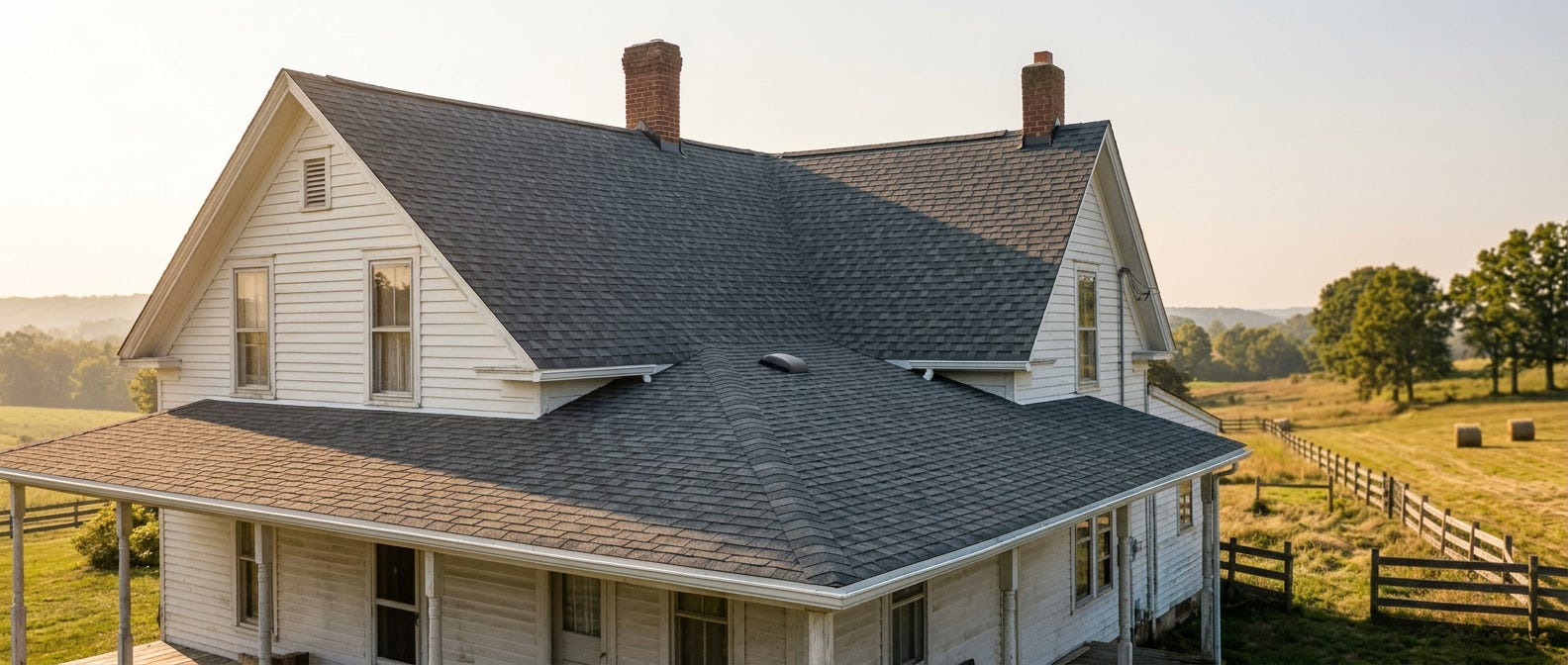
If you replace, plan for the work to be done two to four weeks before your home goes live. That gives you time for contractor scheduling, material delivery, installation, and cleanup, and it means your listing photos can actually show the new roof rather than a construction site. Mid range architectural shingles tend to outperform basic three tab shingles in both buyer perception and appraisal treatment, without the price jump of premium materials. And if the work was done by a manufacturer certified installer, ask for the paperwork. A transferable warranty is a small detail that reads as quality and care to a buyer evaluating a six or seven figure purchase.
Replacement is often unnecessary when the roof still has meaningful life left and the issues are cosmetic or isolated. In those cases, three lower cost paths tend to work just as well:
Targeted repair. Fixing flashing, a few damaged shingles, or a vent boot can resolve the actual concern without a full tear off, and it is frequently the highest return move available.
A roof certification. A licensed roofer can inspect the roof and issue a certification letter, typically for $300 to $600, stating its condition and expected remaining life, often in two or five year terms. This single document does a lot of the reassurance work a full replacement would otherwise do, and it costs a fraction of the price.
An insurance claim. If the roof has storm or hail damage from the last twelve to twenty four months, it may be worth filing a claim before you list. If approved, you are often responsible only for your deductible rather than the full replacement cost.
Roofing material costs are also expected to climb another 4 to 8 percent through 2026, so if you know replacement is coming regardless of a sale, timing it sooner rather than later has a cost advantage of its own.
A lot of properties in Carroll and Baltimore County are not just a house. There is a barn, a run in shed, a detached garage, maybe a workshop, and each one has its own roof, its own age, and its own condition. If any of that is included in the sale, it is worth getting looked at, not just the house.
A failing roof on a secondary structure raises the same questions a failing house roof does. If the buyer is financing, an appraiser evaluating the property as a whole can flag an outbuilding the same way they flag the main house, especially if that structure adds to the appraised value or is used for storage, equipment, or boarding. And even on a cash deal, a buyer is going to notice water damage in a barn or shed just as fast as they notice it anywhere else.
Before you list, get every roofed structure on the property looked at, not just the house. It is a lot cheaper to find out about a problem from your own contractor than from a buyer’s inspector three weeks into a contract.
There is no universal right answer here. A roof with real years left and only cosmetic wear rarely justifies a full replacement, and a certification letter or a few targeted repairs will usually do the job for less money and less time. A roof that is near the end of its life, actively failing, or likely to trigger a lender flag is a different situation entirely, and waiting to find that out from a buyer’s inspector almost always costs you more than getting ahead of it.
The right call depends on your specific roof, your specific price point, and the specific buyer pool your home is likely to attract. If you want a straight answer on your property, reach out and we will walk the roof, run the numbers against your comps, and tell you honestly whether replacement will protect your sale price or whether your money is better spent elsewhere.
Does a new roof increase home value? It can improve the odds of a stronger offer and a smoother closing, but it rarely returns its full cost in resale value on its own. Industry studies place the recoup between roughly 37 and 68 percent of the replacement cost.
How old can a roof be and still qualify for an FHA or VA loan? There is no fixed age cutoff. Appraisers evaluate remaining useful life. FHA requires at least two years remaining, VA guidelines typically call for two to three years, with some lenders looking for more. Active leaks or structural damage will trigger a required repair regardless of age.
What is a roof certification, and do I need one? It is a letter from a licensed roofer stating the roof’s current condition and estimated remaining life, usually costing $300 to $600. It is a common and often sufficient alternative to full replacement when the roof is not near the end of its life.
Should I replace my roof before selling a farm or equestrian property? Evaluate every roofed structure on the parcel, not just the main house. Barns and outbuildings are subject to the same buyer scrutiny and, on financed purchases, the same appraisal standards.
📞 443-789-3101 | Kyle@Friedmanreteam.com
8115 Maple Lawn Blvd. #350 Fulton, MD 20759

Sources: Zonda 2025 Cost vs. Value Report; National Association of Realtors and National Association of the Remodeling Industry 2025 Remodeling Impact Report; Redfin, citing Journal of Light Construction data; U.S. Department of Housing and Urban Development FHA appraisal guidelines; U.S. Department of Veterans Affairs Minimum Property Requirements.
Comments
Nothing yet. Say the first thing.
Sign in to join the conversation.