

There are two important dates on my mind this time of year. The first is July 19th, Roy’s birthday. He would have turned 96, and I always hoped he would have made it until at least 100. Our mutually agreed upon age for him to pass was 100, as he felt he (and we) still had so much to do. The other is August 23rd, which is the second anniversary of his passing.
These two portals, birthdate and death date, sit close together every year, and I find myself holding both the celebration and the grief, as a time to honor his life. Roy was never just one thing, and his loss has never just been one thing.
Holding the loss also means embracing the love. There’s a complexity to this grief as we mourn his presence and celebrate his legacy through our film UNCLE ROY. Witnessing the audience’s emotional outpouring of respect and reverence has made all difficulties fade away. Bringing UNCLE ROY to a global audience brings me even more joy. I truly feel lucky lucky lucky to have known this man, and all he created and collected.
Roy experienced the world at a unique time in history. Born in the 1930s, his generation experienced the birth of the men’s gay identity movement (The Mattachine Society) while living the life of a professional skater on the world’s stage. Roy’s lived history surpasses our capacity to understand how dangerous it was to be gay and how privately Roy held his sexuality. In the years since his passing, my appreciation continues to grow as I see how much he accomplished for himself and for our American history.
Roy once told me that being gay was completely different in his day. Even in the ice shows, gay men did not really have the luxury of living openly, and many married into heterosexual partnerships in order to conform. For most in his generation, the path forward was a marriage to a woman. Roy’s generation and beyond have experienced a deep need to be seen as “normal” — if you were different in any way, it was dangerous to draw too much attention to oneself.
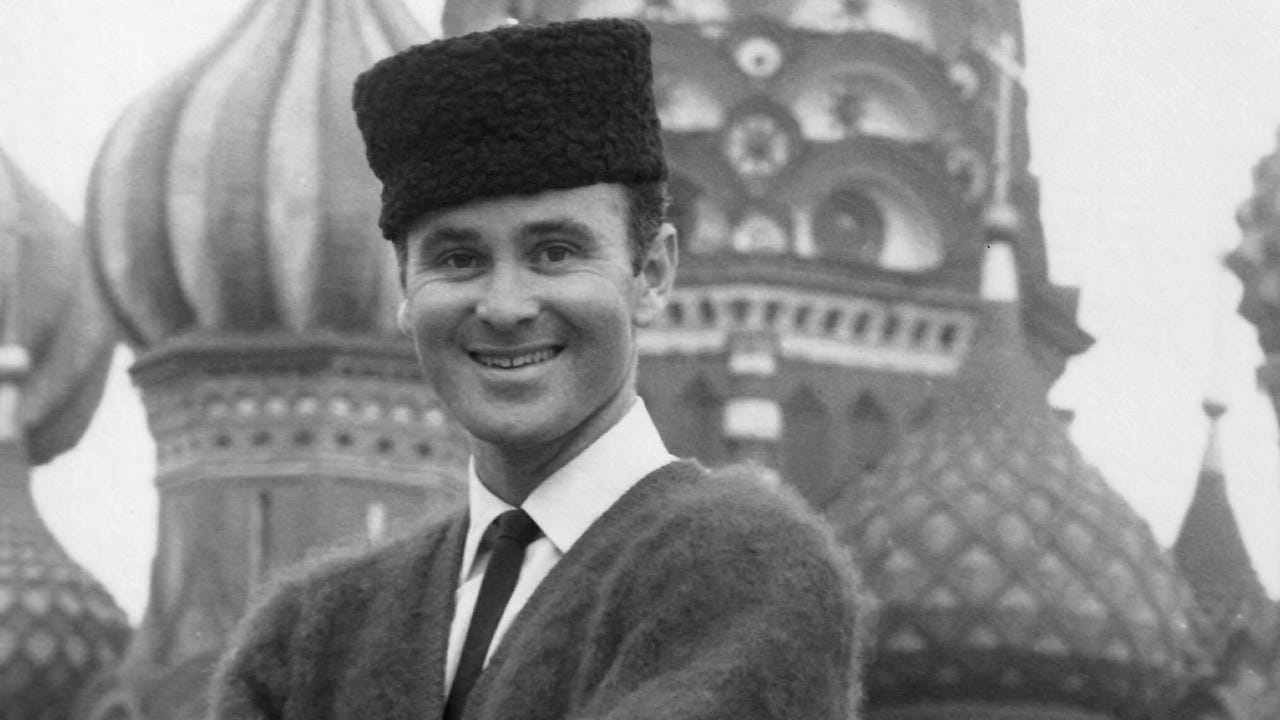
As I’ve been writing this Substack, I took a deep dive into what it was like to be gay in the 1950s and 60s, a time when Roy was in his 20s and 30s. The hostility queer people lived in was systemic and extensive. I’m going to try my best to summarize what I’ve learned; however, it’s just the tip of the iceberg.
To start… When the American Psychiatric Association published the DSM-I in 1952, homosexuality was coded as a “sociopathic personality disorder.” In future versions, it would be called “sexual deviations,” and wasn’t formally removed as a proxy diagnosis (a fancy way of still pathologizing the gay identity as a disorder) until 1987.
In the 1950s, 50 out of 50 states had criminalized sodomy. Illinois became the first state to make consensual, adult same-sex relations legal; however, by the end of the 1960s, 49 states still maintained their sodomy laws.
Then there was the Lavender Scare, where the federal government launched a massive witch-hunt to fire thousands of gay civil servants and military members, branding them as national security risks. President Dwight D. Eisenhower signed Executive Order 10450 in 1953, barring people guilty of “sexual perversion” from federal employment, resulting in the firing of over 5,000 workers — though it’s estimated this number is underestimated. Somehow Roy, who served in the Army during 1952–1954, skated (no pun intended) by this moment in history. There is no indication that he had issues around his sexuality during his two years in the military. Throughout all of this time there was extensive police harassment and surveillance through entrapment campaigns, creating lists of known or suspected gay men, routinely raiding gay bars, arresting patrons, and publishing their names and addresses in local newspapers to publicly shame them.
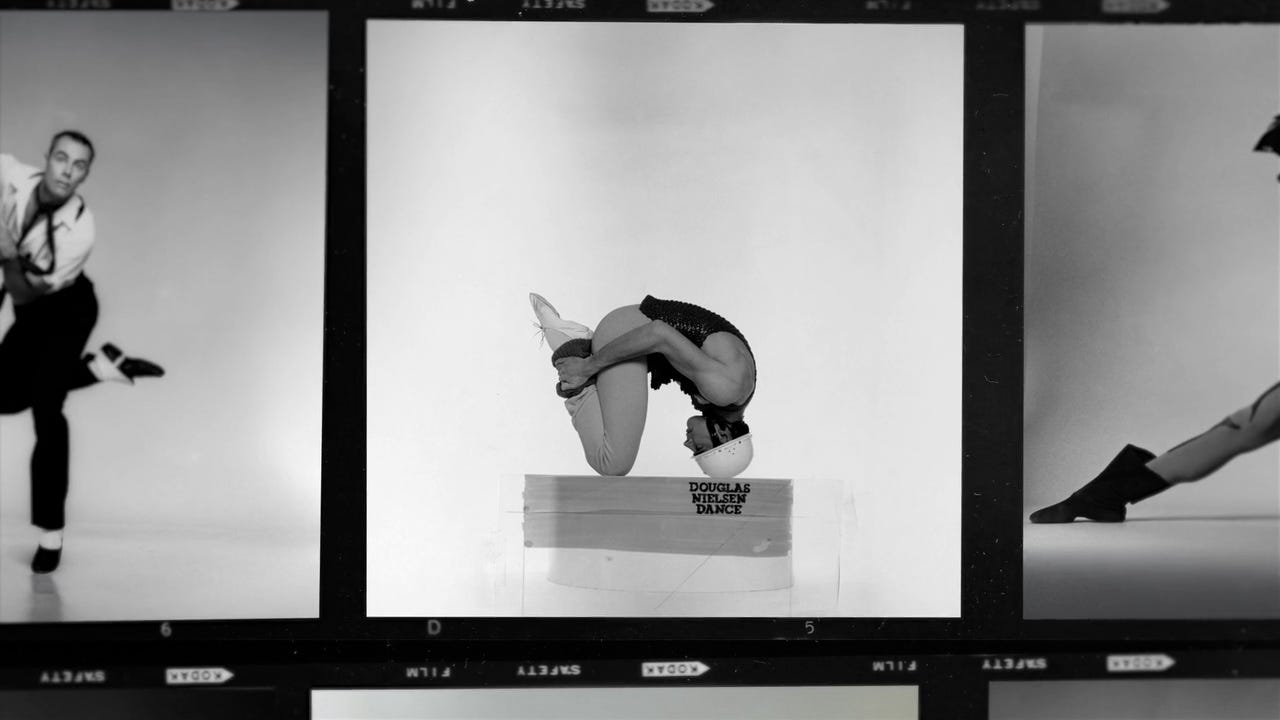
Photo Credit: Roy Blakey
I could keep going on and on about the injustices, but in all honesty, Roy didn’t dwell there. It’s heavy to look into these things knowing this was the world Roy and so many other LGBTQ+ people were living in, including the constant fear that accompanied just trying to live life.
So back to my point above, yes, gay men married women. In some instances, which I find kind of revolutionary, there were lavender marriages — the marrying of a woman, often a close lesbian friend or someone who understood, as a way of surviving a world that would not accept them as homosexual or bisexual. It was a society that demanded a quiet negotiation toward conformity, so many, in their own way, conformed.
Roy was one of those people that carved a beautiful, joyful life through these times.
His safe space was the world of theatrical ice skating, a unique part of the entertainment world that quietly held space for gay men at a time when almost nowhere else would — in the rinks, the touring companies, the sequins, and the spectacle of it all. These spaces weren’t just for entertainment; underlying was this intricate idea of safety they couldn’t find elsewhere. For Roy and people like him, they were a sanctuary for survival. Roy formed a community within a community as a place to breathe. It wasn’t perfect, and it wasn’t always safe, but it was something sacred in a world which wanted to make Roy and others into the villains they simply were not.
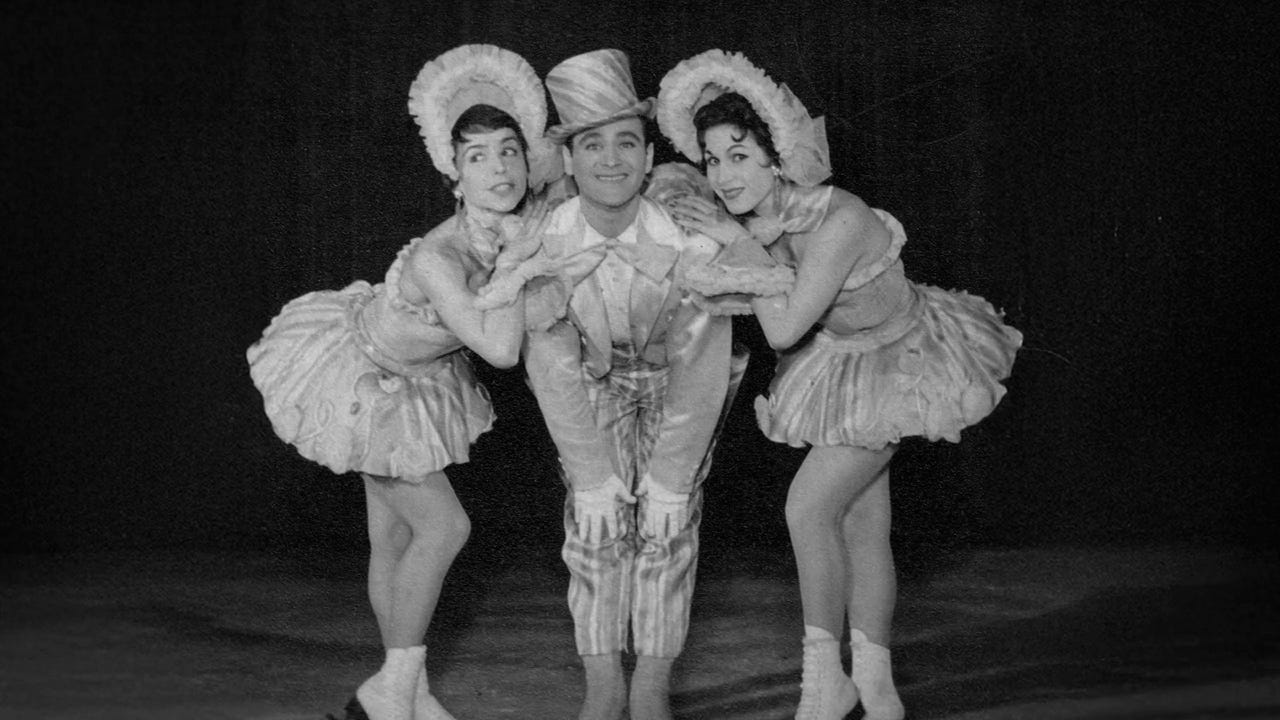
Roy would have wanted his story remembered alongside the gains and rights this community fought so hard for, and while today there are real threats amongst the progress, it feels important to celebrate what has happened, to bring some kind of joy and acknowledgment.
I’ve been watching the conversation around queer identity in figure skating with a big smile and a full heart.
Amber Glenn, one of the most talented skaters in the country, has been open and unapologetic about who she is in a public and proud way Roy could only have dreamed. Glenn said during the Winter Games that using symbols like Pride pins is “to show representation for my community,” adding, “I want to continue to normalize having queer people in these spaces,” as published by Outsports. God, I wish Roy could see this and add it to his clipping file.
And then we have shows like “Heated Rivalry,” a show that depicts gay hockey players navigating the hypermasculine sport. There’s a scene where Scott Hunter, a closeted skater, comes out to the world by having his secret boyfriend come down to the rink and kiss in front of everyone. His boyfriend, no longer a secret, was featured in the media and consumed and discussed by millions.
All of it feels like something Roy would have watched with his eyes wide open and a smile he couldn’t contain, and it leads me to believe that “the ice” has always been a place where queer people found each other. Roy knew that in 1950. Amber Glenn proved that in 2019 when she came out, becoming an Olympic gold medalist in 2026. What changed is that now the world gets to see an authentic picture of representation. We are living in a different world and a different time, and I am SO grateful for it. I know many others are too, as we also hold this joy during the continued fight for LGBTQ+ rights.
Okay, so what’s coming this fall…
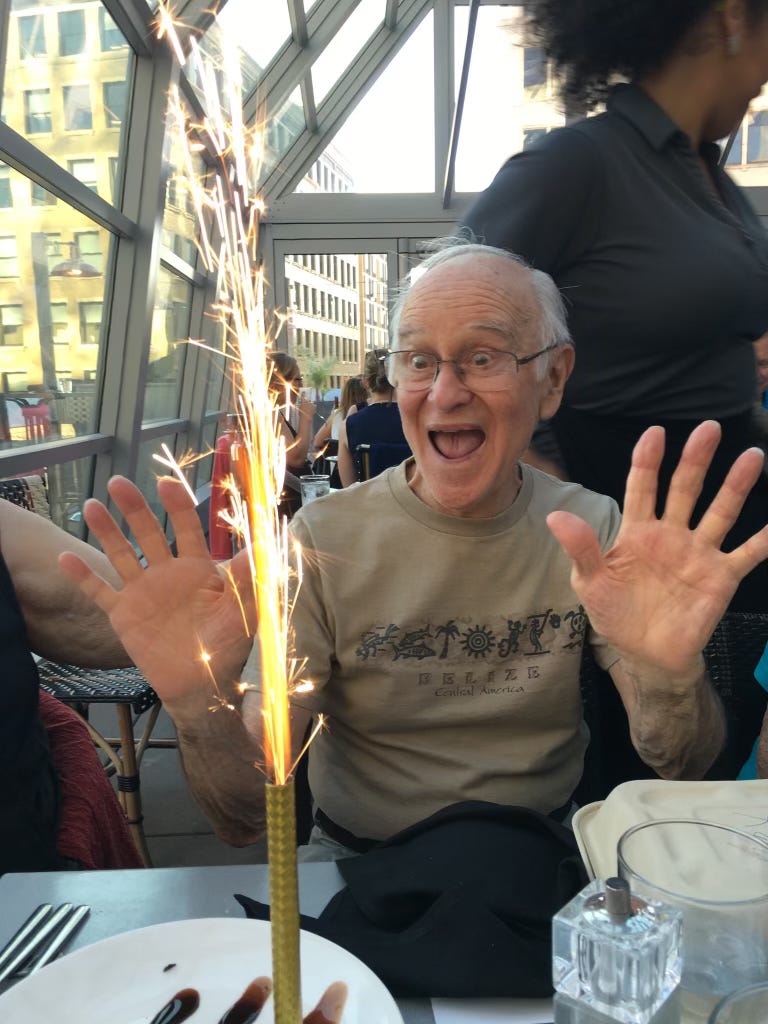
Photo Credit: Leigh-Ann Comb
We are heading into a busy and exciting few months for UNCLE ROY (who am I kidding, it has been a busy year for our film and we love it). We’ve been accepted to a handful of fall screenings, including an upcoming community screening at the Open Space Arts in Chicago on August 31st. There will be one screening with a 50–60 person capacity, and I’ll be there to chat about the film. We’d love to see you there!
We are so grateful to keep getting this film in front of new audiences. We’ll continue sharing details as they are confirmed, so stay close, especially you, New York!
Roy would have loved all of it. The travel, the rooms full of people, the conversations afterward. That was always his favorite part, meeting and getting to know the people.
With love,
Keri and the UNCLE ROY team

FOLLOW US


No posts
Comments
Nothing yet. Say the first thing.
Sign in to join the conversation.